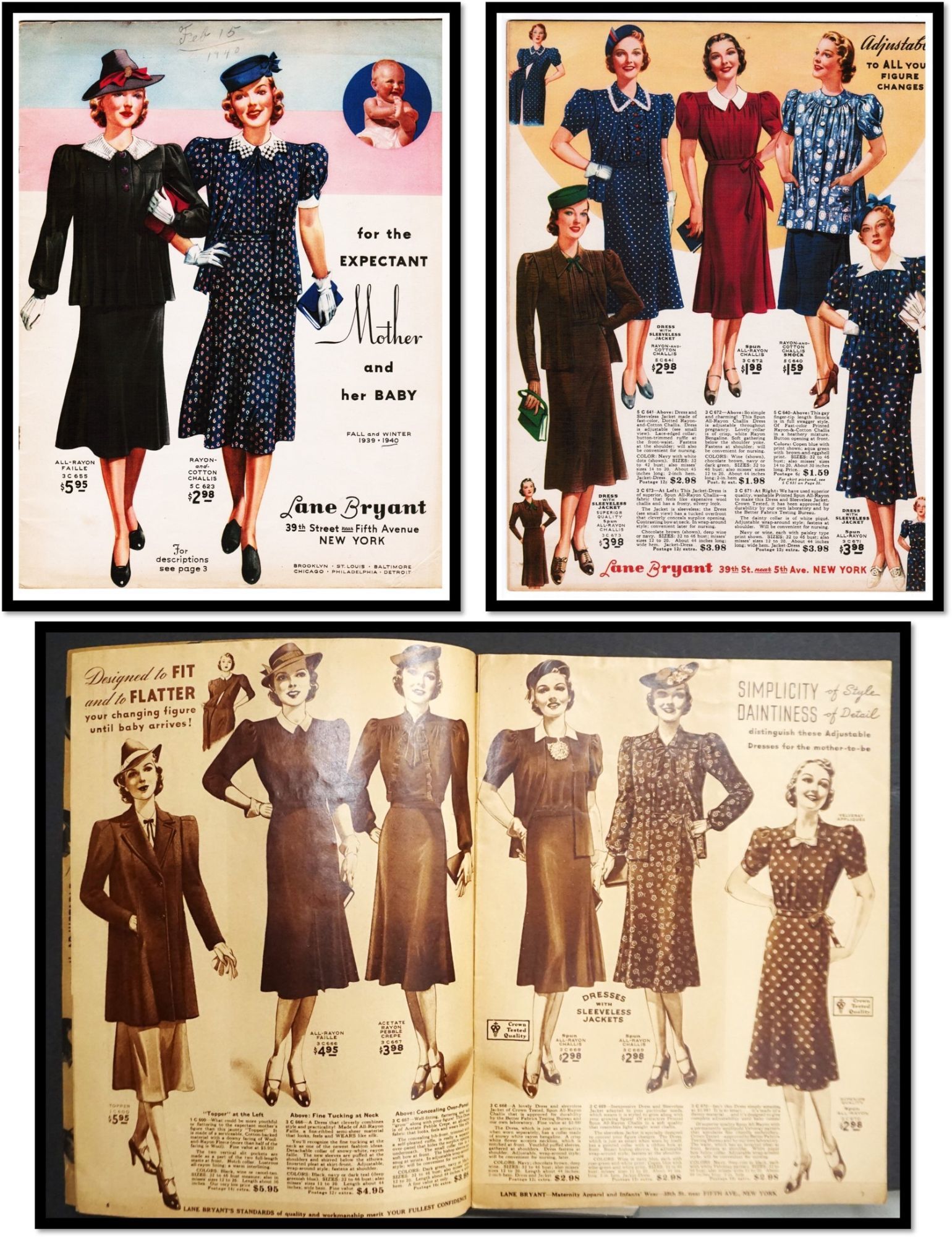
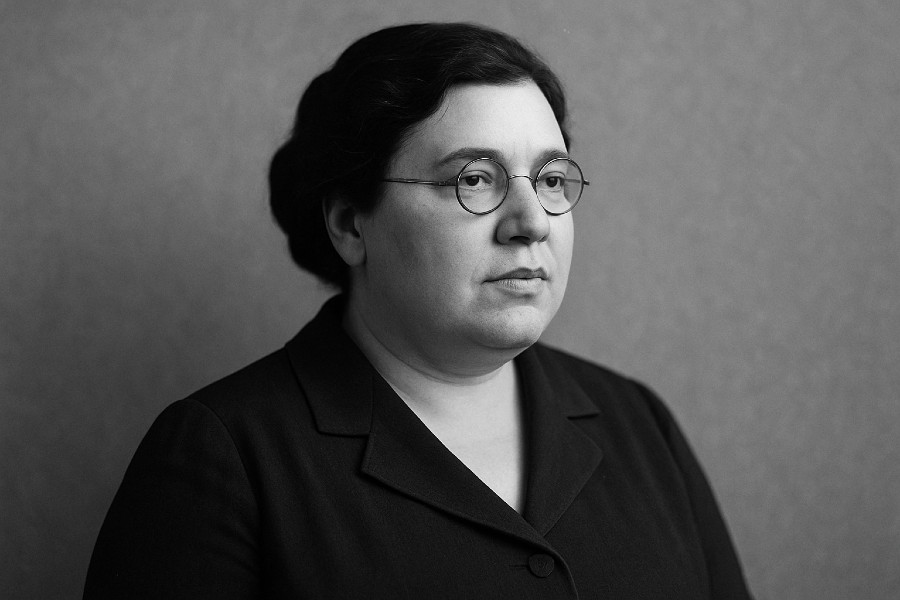
In 1904, a nineteen-year-old Lithuanian immigrant named Lena Himmelstein took her single-needle sewing machine into a small Manhattan storefront on Fifth Avenue and started sewing tea gowns and lingerie for women in her neighborhood. She had been widowed at twenty-three, raising her infant son David, and the sewing machine had been a wedding gift from her late husband. One of her clients, pregnant and trying to navigate Edwardian society without admitting it, asked Lena to make her something she could leave the house in. Lena pleated an elastic waistband into a wool tea gown. That dress is the founding artifact of American plus-size retail, even though “plus-size” as a category did not exist yet and would not exist as a clean retail concept for another three decades.
This is the long version of the Lane Bryant story. 121 years, four ownership eras, two near-death restructurings, and one quiet truth the brand has not fully resolved: Lane Bryant invented the plus-size department store and then spent the back half of its history figuring out what to do with the thing it invented after the rest of the industry caught up. Every other plus brand on the racks today is either standing on Lane Bryant’s shoulders or actively arguing with the playbook Lane Bryant wrote.
The founder story you only half know
Lena arrived at Ellis Island from Lithuania in 1895 at age sixteen with $1 in her pocket and a sister already in New York. She took a job as a seamstress earning $1 a week, then moved to a higher-paying corset house at $15 a week. In 1899 she married a jeweler named David Bryant, had a son, and was widowed within two years. She fell back on the sewing skills and opened the Fifth Avenue shop in 1904 on custom commissions for women in her immediate neighborhood.
The maternity-dress innovation - a pleated elastic waistband let into a tea gown so it could expand with the pregnancy - was so unusual in 1904 that newspapers refused to advertise the garment for years. Maternity was something a woman was supposed to hide. Lena’s first newspaper ad did not run until 1911, when the New York Herald finally agreed. The ad sold out the entire stock the next day. By 1915 she had remarried, to engineer Albert Malsin, who built the merchandising side around her design instincts. The name itself is the detail most people know: a bank teller misspelled “Lena” as “Lane” on her business account paperwork and she kept the typo because it was already on the checks. Pragmatic.
The pivot from maternity to plus-size happened in the late 1910s, and Albert Malsin saw it first. He noticed that many of Lane Bryant’s maternity customers were not actually pregnant - they were plus-size women who could not buy dresses anywhere else and were ordering the maternity line because it was the only ready-to-wear in the country cut for fuller figures. Albert commissioned a statistical study of 4,500 women’s measurements, one of the first applied anthropometric studies in American retail, and used the data to draft a standardized plus-size grading system. In 1923 the company launched the “Stout Women’s” line, the first ready-to-wear plus-size collection sold at retail in the United States. By 1923 Lane Bryant was doing roughly $5 million in annual sales.
What the brand actually does, then and now
Lane Bryant in its current form sells women’s apparel in US sizes 10 through 40, with the deepest assortment concentrated in sizes 14 through 28. The categories: denim, dress pants, tops, dresses, intimates through the Cacique sub-brand, activewear, outerwear, and a small accessory and shoe assortment. The Cacique intimates business was launched as an in-house Lane Bryant brand in 1996 and has been the most consistent profit engine inside the company for the last two decades. The brand operates around 540 stores in the US today, down from a peak of roughly 800 in the early 2010s, plus the lanebryant.com direct channel which has grown into the larger of the two.
The price tier is mid-market. Signature denim runs roughly $70 to $90 at full price and frequently lands in the $40s on promotion. Dress pants are in the $60 to $90 range. The Cacique full-coverage bras start around $42 and run to about $65, with sister sizes through 40H and beyond in select fits. The bra-fitting program has been one of the brand’s quiet competitive advantages for decades - the in-store associates are genuinely trained on the bra fits, and the assortment includes back sizes (40, 42, 44, 46) and cup sizes (G, H, I) that most mainstream lingerie brands still do not stock.
Distribution is direct - the brand’s own stores plus lanebryant.com. Lane Bryant does not wholesale into department stores in any meaningful way, which distinguishes it from newer plus-size labels that route through Nordstrom or Macy’s. The trade-off: it controls the shopping experience end to end but bears the full cost of the physical footprint, which is the variable that has driven most of its restructuring drama over the last fifteen years.
Where the brand gets it right
Start with the bras. Cacique remains the deepest plus-size bra assortment under one roof in American retail. The brand fits up through a 44H in several core styles and stocks the bandeaus, the racerback convertibles, and the no-wire balconettes that women in the 38-46 band range cannot easily find at Victoria’s Secret or ThirdLove. The fitting service is free, the associates are trained, and the return policy is generous. It is the part of the business hardest for any newer entrant to replicate, because the back-and-cup-size assortment requires an inventory commitment DTC brands struggle to fund.
The denim fit grading is the second strength. The block has been refined over decades and the result is one of the few mid-market plus-size denims that grades proportionally through size 28 without losing the waist-to-hip ratio. The Skinny, Boyfriend, and Wide Leg blocks all sit on a real waistband rather than the rolled-elastic compromise a lot of brands at this price point default to. Not as flattering as Universal Standard‘s higher-priced denim, but at half the price it is doing real work.
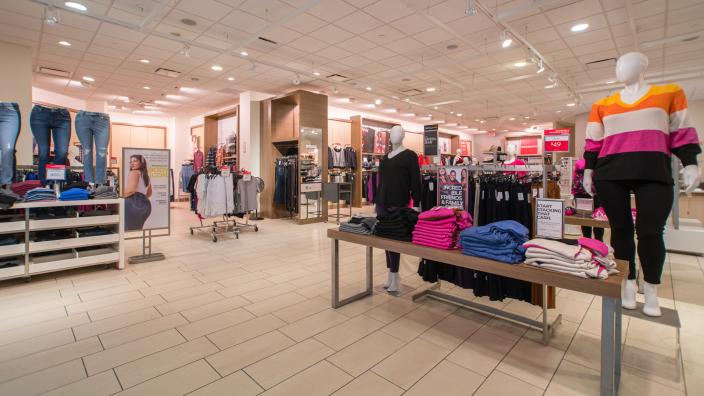
The third strength is store accessibility. 540 physical locations means a plus-size woman in a mid-sized American city can walk into a store, try on jeans in size 22, try a bra in 42DD, and walk out with both. Eloquii is largely DTC. Universal Standard has a small store footprint. Torrid has stores but at a different price point and aesthetic. For the woman who wants to physically try things on in her size, Lane Bryant is still the largest game in the country.
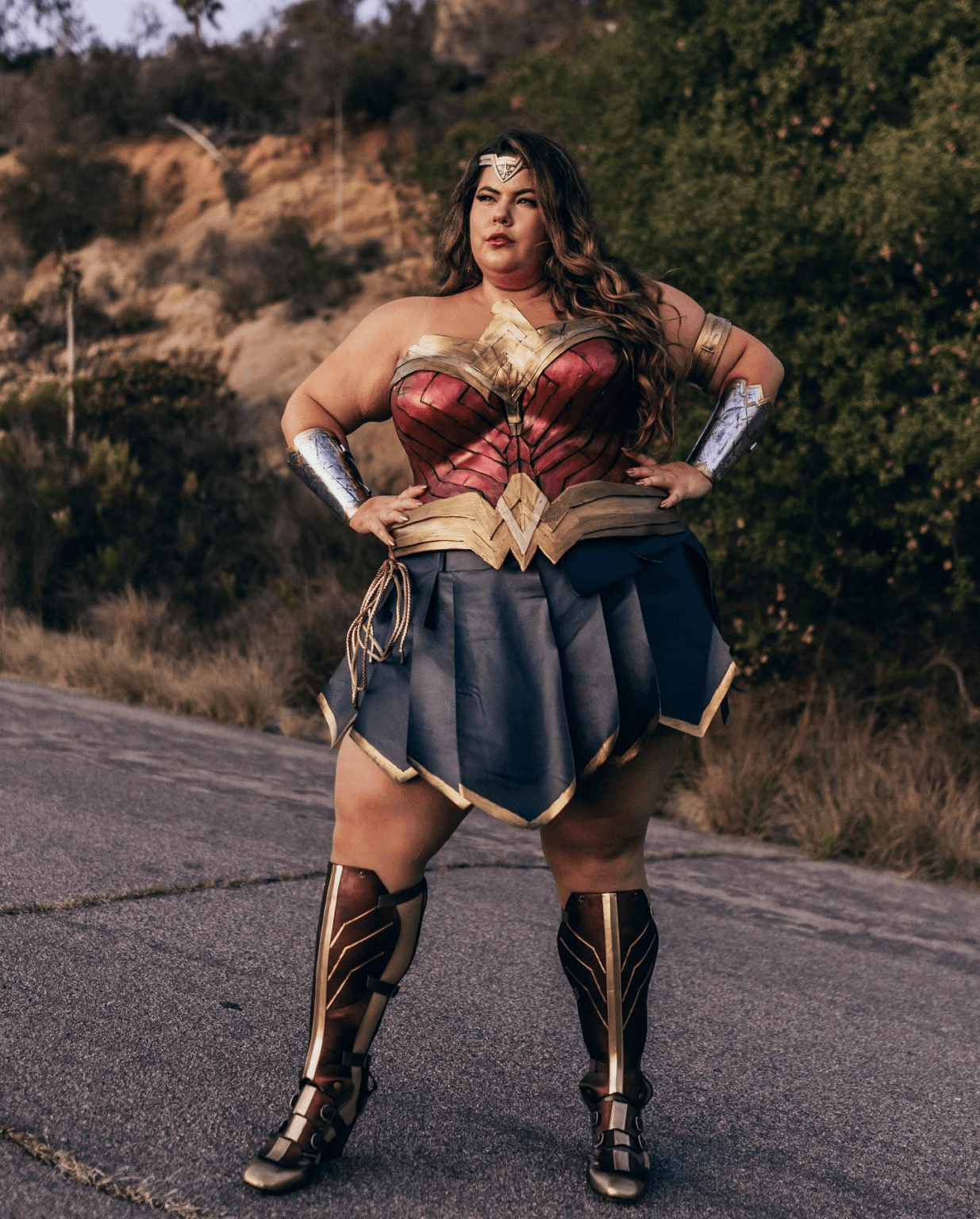
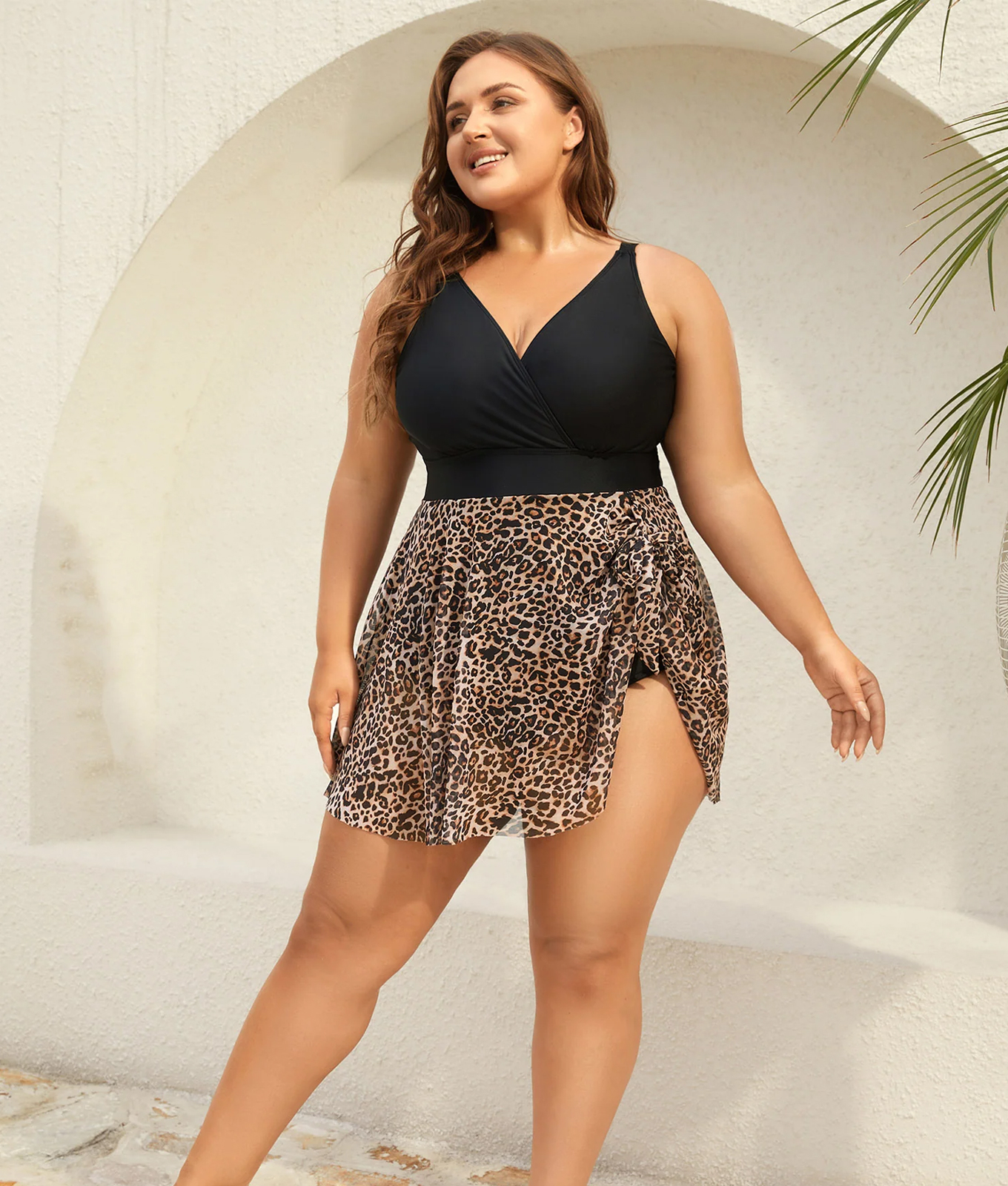
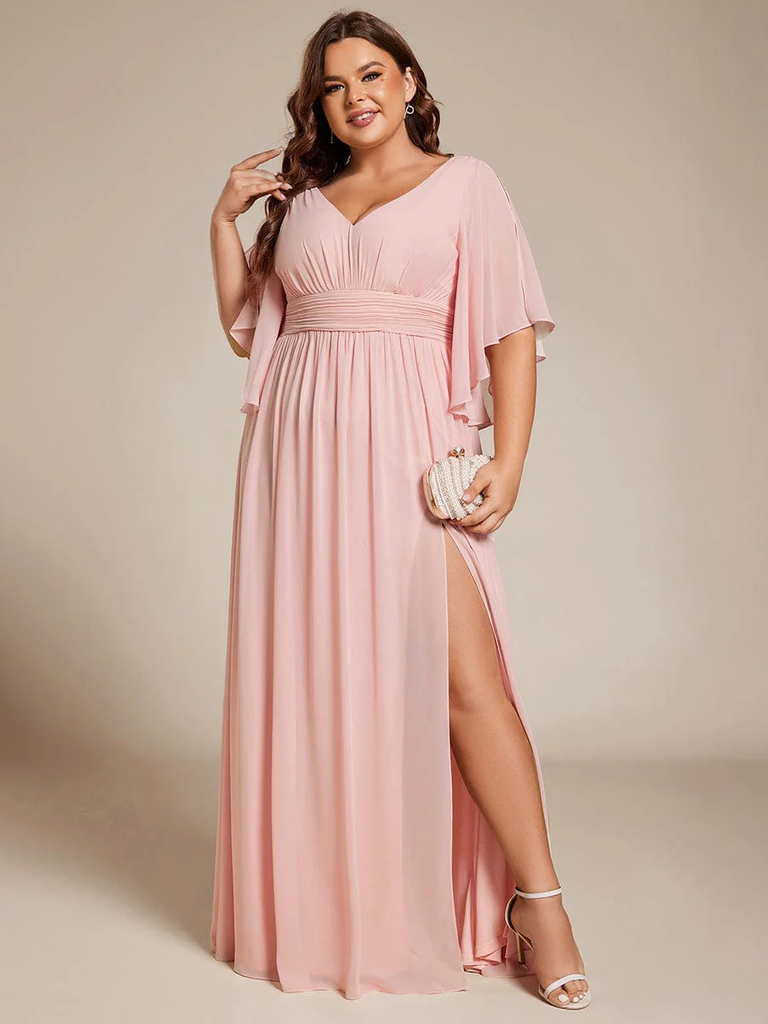
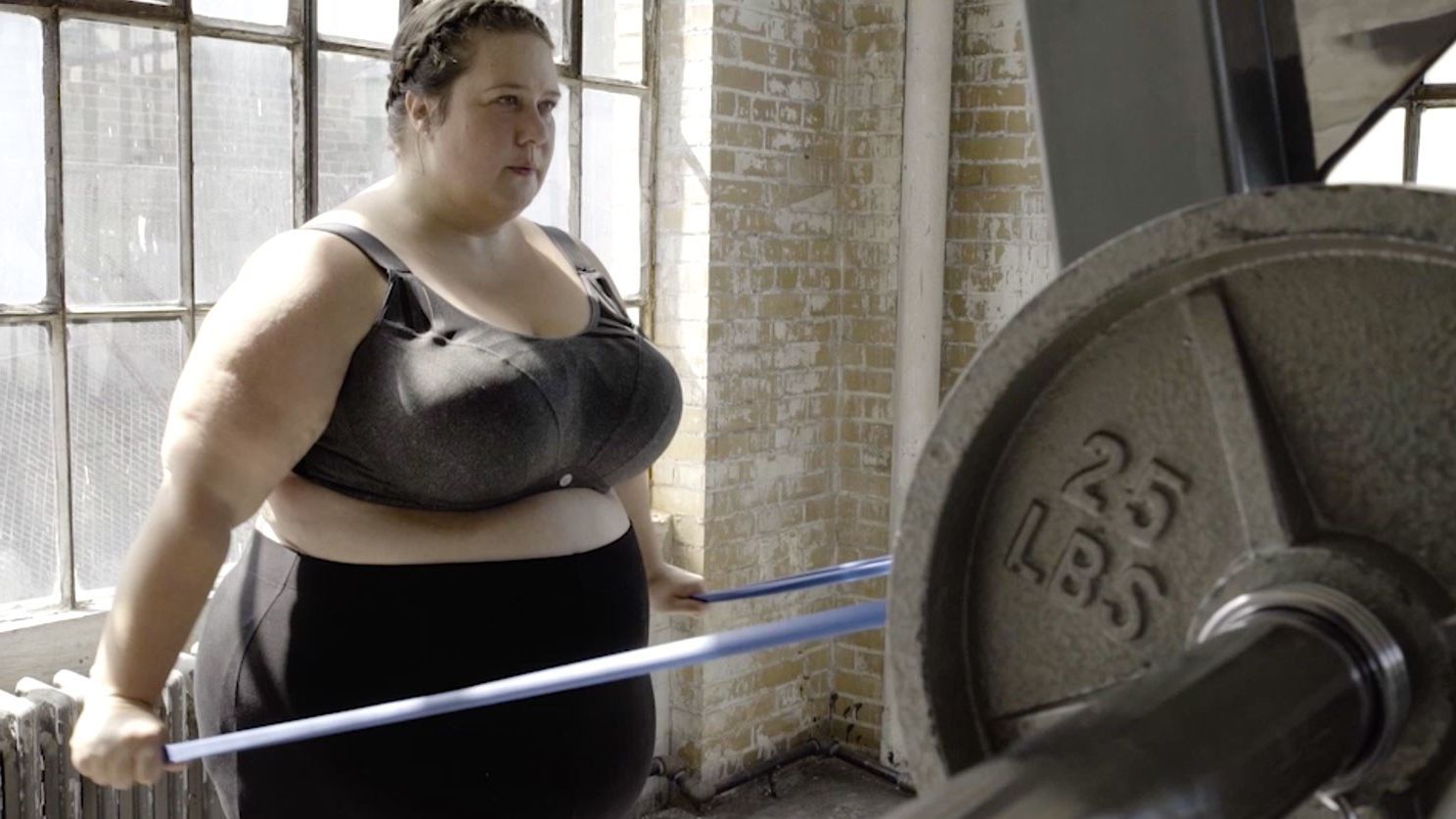
The fourth: the brand has stayed honest about who it dresses. Lane Bryant’s marketing for the past decade has used plus-size models from the actual size range it serves. The “I’m No Angel” campaign in 2015, the Plus is Equal industry push in 2016, the ongoing campaign work with models like Ashley Graham and Precious Lee - all of it has kept the brand visually anchored to its customer in a way the major department stores have never managed.
Where there is room
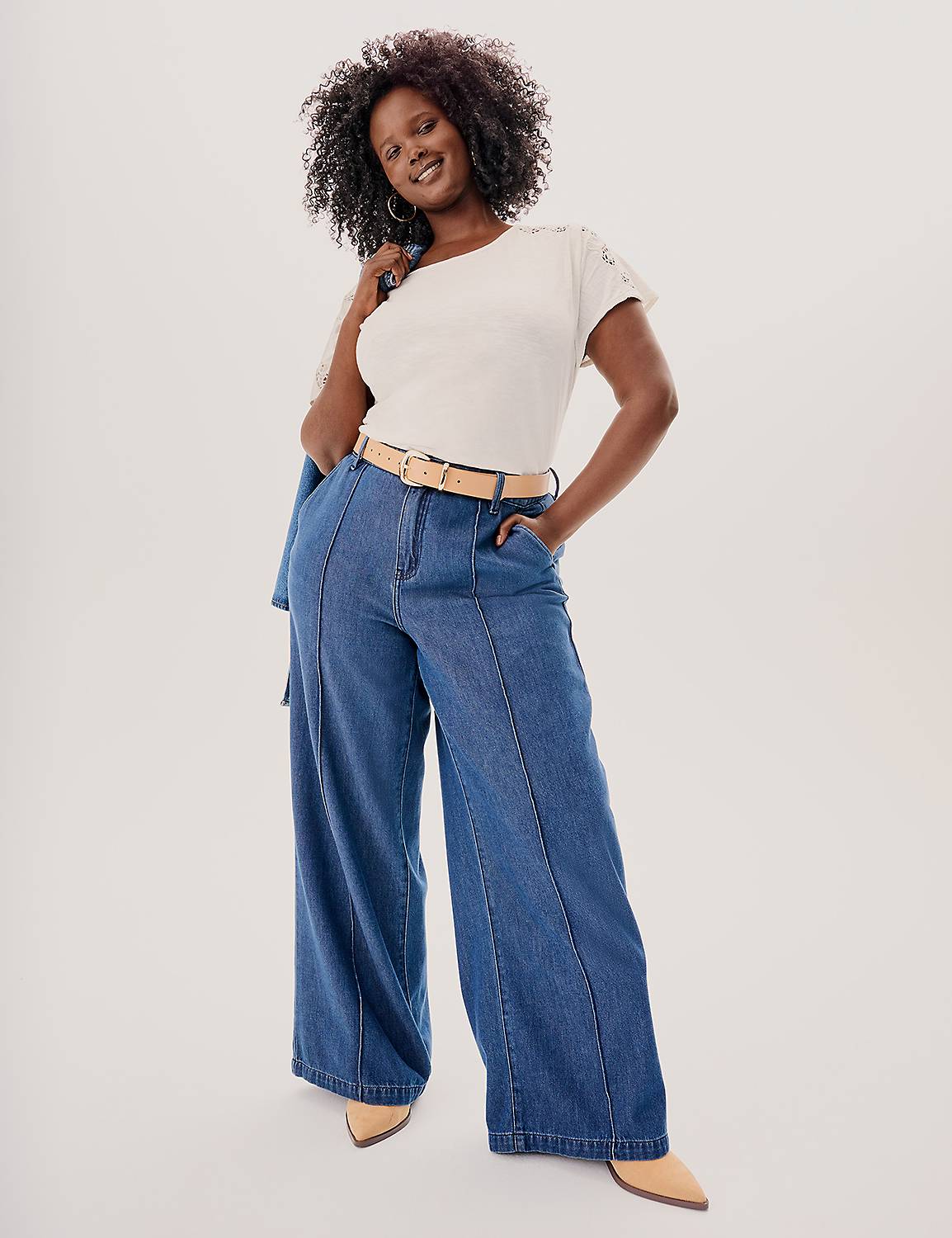
The product design has been cautious. For most of the 2010s, the assortment leaned on workwear staples, classic dresses, and bootcut denim - safe pieces for a customer the brand assumed wanted to blend in. The result is that Lane Bryant ceded the editorial, trend-forward plus-size space to Eloquii and the higher-fashion designer capsules. The brand is now playing catch-up on the silhouettes that have defined plus-size fashion over the past five years: the wide-leg trouser, the architectural blazer, the corseted bodice dress, the slip skirt. The 2024 and 2025 collections have pushed into this territory, but the brand is still working against a reputation for being the place your aunt bought her dress pants.
The store experience varies wildly by location. Some stores are well-merchandised, well-staffed, properly lit. Others, more common in secondary mall locations, feel underfunded, with stale visual merchandising and limited size depth on the floor. The brand has been closing the weakest locations for several years, but a shopper’s first impression still depends heavily on which mall she walks into.
Pricing on certain core categories has crept higher than it should be for the quality tier. A non-denim dress pant at $90 sits in the same range as Universal Standard‘s wide-leg trouser, which is cut and constructed at a noticeably higher quality level. The brand has not always justified the mid-market pricing with mid-market product, and the gap shows up most clearly in the woven tops and lighter-weight knits.
The ownership eras that shaped what the brand is now
The 121-year ownership chart is essential context. Lena Himmelstein Bryant Malsin and her family ran the company until 1982, when the Malsins sold Lane Bryant to The Limited, Inc., the Leslie Wexner conglomerate that also owned Victoria’s Secret and Express at various points. The Limited held Lane Bryant for nineteen years and grew the store footprint substantially but is widely viewed as having under-invested in the plus-size product itself, treating it as a steady cash generator rather than a brand to develop.
In 2001 The Limited sold Lane Bryant to Charming Shoppes, the Pennsylvania-based plus-size conglomerate that also owned Fashion Bug and Catherines. The Charming Shoppes era built Cacique into a real franchise and pushed the store count to its peak. It is also the era that turned Lane Bryant into a meaningful piece of the plus-size retail establishment.
In 2012 Ascena Retail Group, the publicly traded specialty conglomerate that already owned Ann Taylor, Loft, and Justice, acquired Charming Shoppes for about $890 million and folded Lane Bryant into the portfolio. The Ascena era is the troubled stretch most plus-size shoppers remember. Ascena over-leveraged itself across too many brands, mismanaged the merchandising disciplines that had made Charming effective, and entered bankruptcy in 2020.
Lane Bryant came out of the Ascena bankruptcy in late 2020 when private equity firm Sycamore Partners acquired it along with Catherines and a couple of other Ascena assets. In 2024 Sycamore restructured the business again, closing additional underperforming stores and re-investing in digital. The brand operates today as part of Premium Apparel LLC, the Sycamore holding entity that also owns Loft and Ann Taylor. The ownership history explains why the brand has had stretches of brilliance and stretches of drift - it has been pulled between strategies by ownership groups with different priorities for over four decades.
What to buy from them
If you are walking into Lane Bryant for the first time or coming back after a few years away, the assortment to actually engage with is narrower than the catalog suggests. Five categories where the brand is still doing its best work:
The Cacique No-Wire Bra at around $52 is the bra I recommend to anyone in a 38-46 band size who has given up on wire bras after years of underwire poking. The fit through the 42 and 44 bands is the best I have tried in this category, and the back closure has three hook columns rather than the two most brands stop at. Worth the trip into a physical store for a fitting.
The Signature Fit Skinny Jean at around $80 is the denim that earns its place. The waistband is real, the rise is high enough to actually stay up, and the grading through 18, 20, 22 is proportional rather than tapered-to-cylinder. I size down a half-size in this style because the waistband stretches over the first three wears.
The Wide Leg Trouser at around $90 is the dress pant the brand has finally gotten right after years of bootcut-only assortments. The drape is closer to a proper trouser than to a stretch pant, the back darts grade through size 28, and the inseam options include a true Petite at 28 inches. Order one length up from your usual and have it hemmed if you wear flats.
The Cacique Cotton Fit Panty 5-Pack at around $40 is the underwear most plus-size women I know rotate through. The leg openings sit flat without rolling and the cotton-modal blend washes consistently through hundreds of cycles. Buy three packs, throw out the rest of your drawer.
The Cacique T-Shirt Bra Balconette at around $58 is the wired option for the days when you want lift and structure under a fitted top. The cup grading through the H range is the part most other brands skip, and Cacique’s fit through 40H specifically is one of the few options at this price point.
Why this 120-year history actually matters
It is tempting to read this story as nostalgic - 121 years, the immigrant founder, the family origin. The more useful read is that Lane Bryant is the case study for what happens to a category-defining brand when the rest of the industry catches up. The Malsins built the plus-size department store in 1923 because no one else would. For the next sixty years, Lane Bryant had the category to itself. From the 1980s onward the rest of the industry started entering - first the mass chains, then Torrid and Eloquii, then the DTC entrants like Universal Standard, then the designer capsules.
The answer the brand keeps arriving at - bras, denim, store accessibility, real plus-size casting - is defensible. None of those four things is easy to replicate. The bra assortment is an inventory commitment most brands cannot fund. The denim grading is decades of fit-block work. The store footprint is a real-estate position newer brands have not built. The casting is editorial discipline earned by serving this customer for a century. Where the brand has lost ground is trend-forward product design and the editorial energy newer labels have brought to plus fashion. That is fixable. Whether the Sycamore-era turnaround sticks is the question worth watching over the next three to five years.
I bought the Wide Leg Trouser in a size 18 in the longer inseam at $90 from lanebryant.com last month. First Lane Bryant pant I have owned in roughly six years. Not the equal of my Universal Standard wide-leg, but closer than I expected, and at this price tier that is the more relevant comparison. The link is below.