
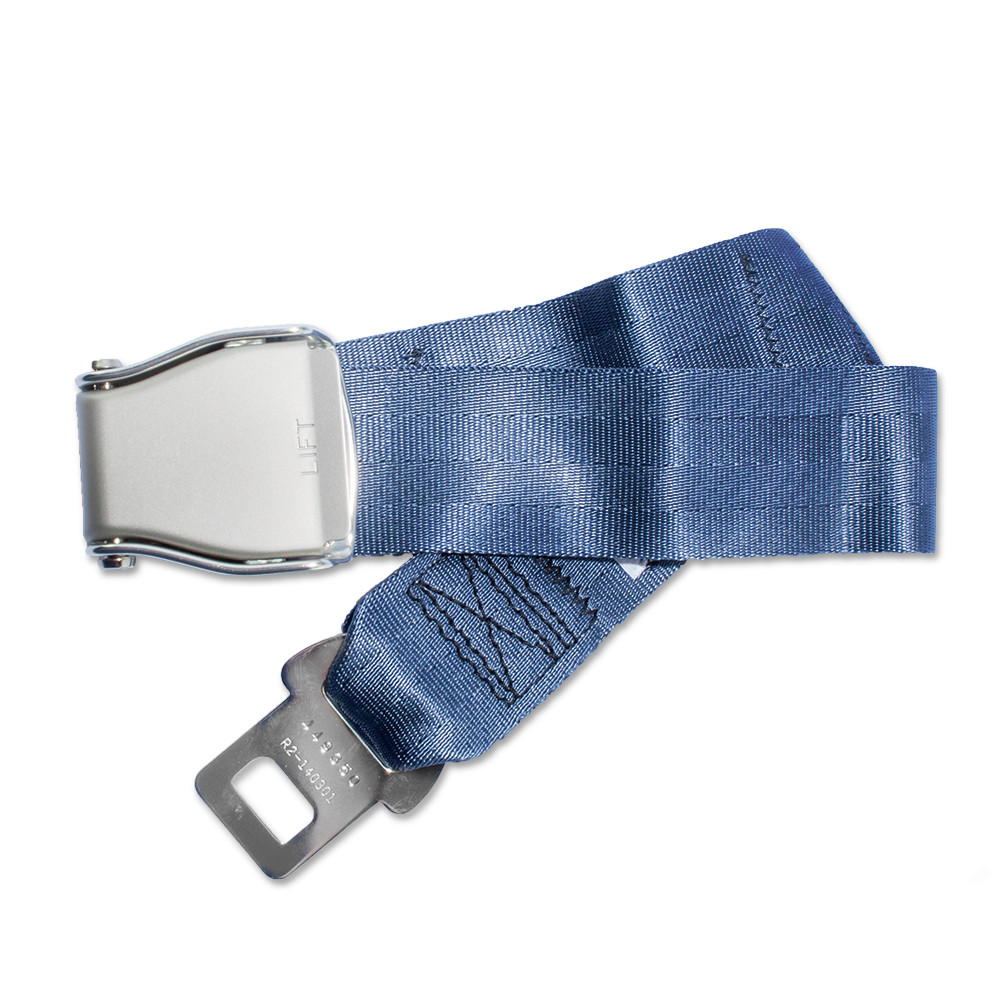

Your flight is a week out, and you’ve already boarded it a dozen times in your head. Not the takeoff - the ninety seconds before it. You’re in the window seat, bag stowed, and you reach for the two ends of the seatbelt and wait to find out what kind of flight this is going to be. Everyone around you is arguing about overhead bin space, and you’re doing quiet math with a strip of gray webbing. If that’s you, breathe. This is the article you’ve been trying to google at midnight, with the actual numbers in it.
I fly for a living in a plus-size body, and I’ve buckled into more airline seats than I can honestly count. On some carriers the belt closes with webbing to spare. On others I ask for the extender before I’ve finished stowing my bag, because I already know. The difference isn’t my body changing between Tuesday and Friday - it’s that seatbelt length is one of the least standardized, least published specs in all of commercial aviation.
So here’s the truth nobody puts at the top of these guides: not one major US airline publishes an official seatbelt length. Not one. Every length figure you’ve ever seen - including every figure in this article - is reported, compiled from flyers who measured, customer service agents who answered, and extender vendors who track this obsessively because it’s their whole business. What airlines DO publish is policy: whether extenders are free, where you can’t use one, and what happens if you need more room than one seat gives you. Those parts are official, and I’ve linked the receipts. Where a number is a report rather than a published spec, this article says so. That’s the deal.
The Master Table: Every Major US Airline at a Glance
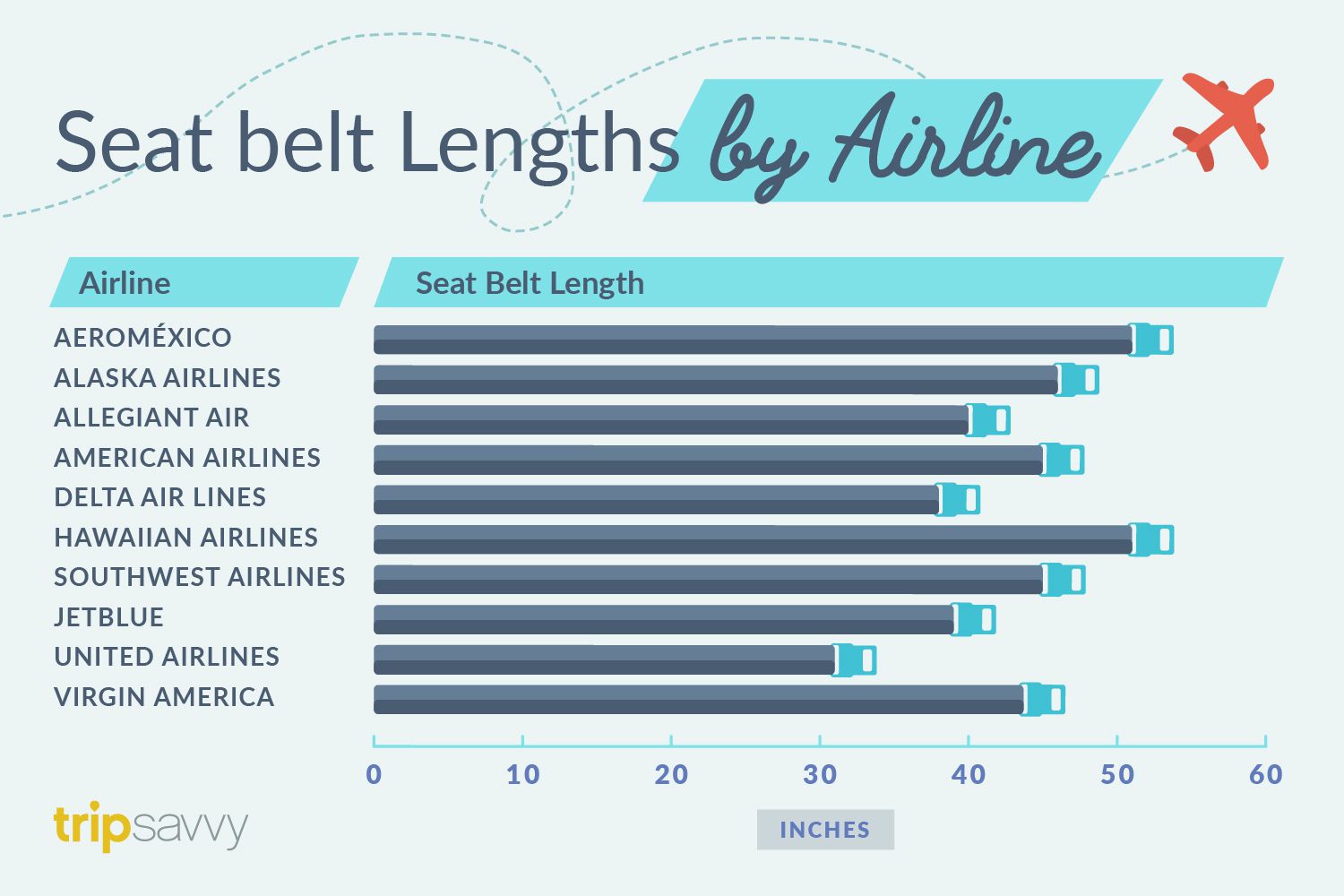
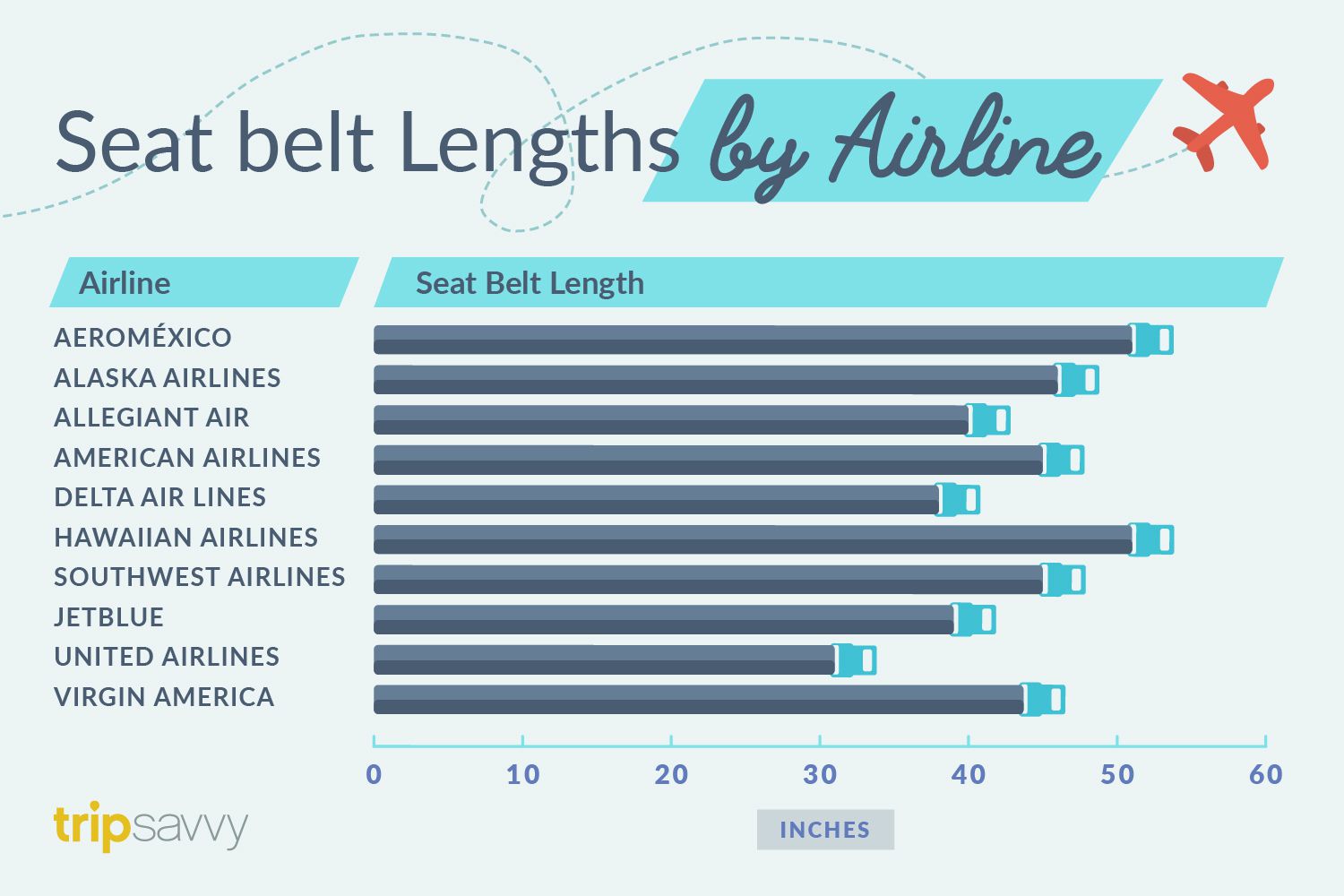
This is the table I wish had existed the first time I stood at a gate rehearsing how to ask for an extender. Belt lengths are reported figures, not published specs, and belts genuinely vary within a single airline’s fleet depending on the aircraft, the seat position, and when the cabin was last refurbished. Treat the numbers as the center of a range, not a promise stitched into your specific seat.
| Airline | Standard belt length (published/reported) | Extender policy | Seat width range (reported) | Notes |
|---|---|---|---|---|
| American | ~45-47″ (reported, vendor-compiled; nothing official) | Free onboard; AA states only its own extenders may be used (official) | ~16.6-18.1″ | Longest-reported belts of the big three |
| Delta | ~40-45″ (reported; varies Airbus vs Boeing) | Free onboard; not permitted in exit rows (official) | ~17.2-18.6″ | A220 has the widest mainline economy seat in the US |
| United | ~39-43″ (reported; shortest-reported of the big three) | Free onboard; official policy allows a maximum of one extender | ~17-18″ | Strictest written fit standard (see policy table) |
| Southwest | ~39″ (reported; vendor-compiled) | Free onboard; unique buckle type on many aircraft | ~17-17.8″ | Only major with a second-seat refund AND free gate seats when space allows (as of mid-2026) |
| Alaska | ~46″ (reported) | Free onboard, adds ~25″ per Alaska’s policy page; banned in exit rows (official) | ~17-17.2″ (E175 regional jets ~18.25″) | Second-seat refund if every flight departs with an open seat |
| JetBlue | ~45″ (reported) | Free onboard; banned in exit rows (reported) | ~17.8-18.6″ | Widest average economy seats in the US |
| Hawaiian | ~51″ (reported; longest on this list) | Free onboard; extender length reports conflict, so none stated here | ~16.5-18″ | Recommends pre-booking an extra seat by phone if needed |
| Frontier | ~39″ (vendor-reported; not published) | Free onboard | ~17.75-18″ | Armrest position officially defines your seat’s space |
| Allegiant | ~33-40″ (reported; widest variation on this list) | Free onboard; banned in exit rows (official) | ~17.8″ | Shortest reported belts here - assume you’ll want the extender |
| Spirit | ~42″ (reported, historical) | Free onboard; extender users barred from inflatable-belt rows, including Big Front Seat rows (official, historical) | ~17.75″ (Big Front Seat about 18.5″) | Ceased operations May 2, 2026 - included for the record only |
Yes, Spirit is in the past tense. The airline shut down in May of 2026, which means every “flying Spirit as a plus-size passenger” thread you find is now a history document. I left the row in because people still search for it, and because its inflatable-belt rule - no extender users in the rows with airbag belts, which included the famous Big Front Seat - is a quirk worth remembering if a similar setup shows up elsewhere.
How to Actually Read Those Numbers
Two things before you screenshot that table and book anything.
First: “reported” means reported. Flyers with soft tape measures, customer service agents on record, and extender vendors who compile compatibility charts are the sources here, because the airlines have collectively decided this is a spec you don’t get to know. The figures are consistent enough across sources that I trust them as a planning range - flyers consistently report United and Southwest on the short end and Hawaiian on the long end - but nobody can promise you the belt in your exact seat. A cabin refurbished last year and a cabin refurbished a decade ago can wear different belts on the same airline.
Second: the belt is not the seat. A long belt in a narrow seat is a different flight from a short belt in a wide one. JetBlue runs both generous belts and the widest average economy cabins in the country, which is why it keeps winning the quiet word-of-mouth contest in plus-size travel groups. Alaska reportedly hands you a long belt in one of the narrowest seats on this list. Your hips and your waist are two separate negotiations, and the table’s last two columns exist so you can run both.
Will YOU Need One? The Honest Rule of Thumb
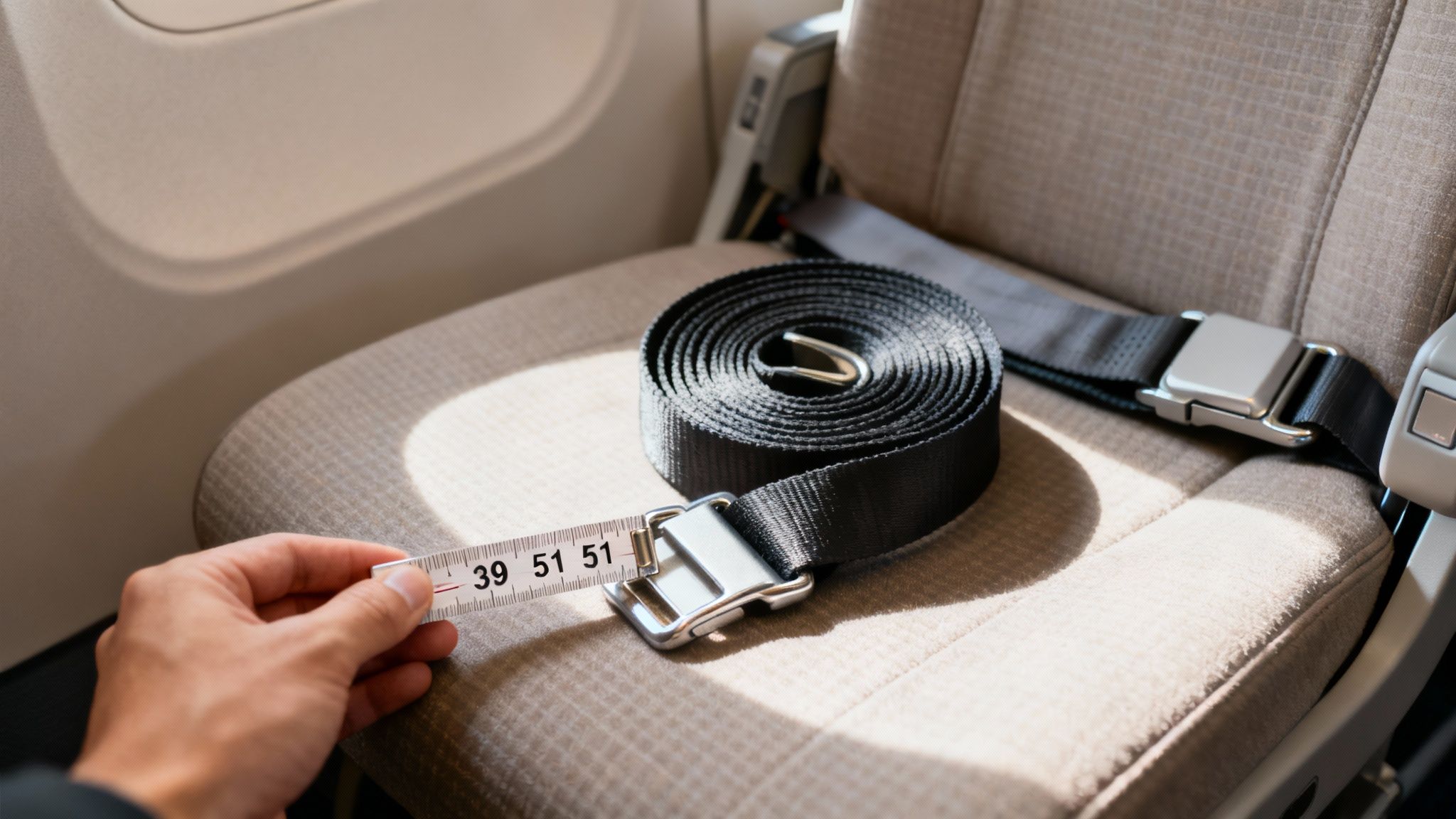
Nobody can answer this from a table with perfect confidence, and anyone who claims otherwise is selling something. But here is the reading I give friends, based on the reported ranges and a lot of flights: the belt sits low, across your high hip and lower belly, not at your natural waist. So measure yourself seated - sitting down changes everything - with a soft tape measure across the widest point of your lap, roughly where a car’s lap belt lands.
If that seated measurement comes in under about 40 inches, the reported figures say you’ll likely close the belt on every airline in the table, including the short-belt carriers. Between there and the mid-forties, you’re in the zone where it depends on the airline: probably fine on American, JetBlue, Alaska, or Hawaiian, and probably asking for the extender on United, Southwest, Frontier, and Allegiant. Above the longest reported belts, plan on the extender everywhere and let that be a logistics fact instead of a verdict on your body. The extender exists because airlines know their belts don’t fit everyone. Using one is not a failure. It’s equipment.
And if you’re between sizes on the chart, do what I do: assume the shorter number. Being pleasantly surprised beats the alternative, and the ask costs you nothing.
The Big Three: American, Delta, United
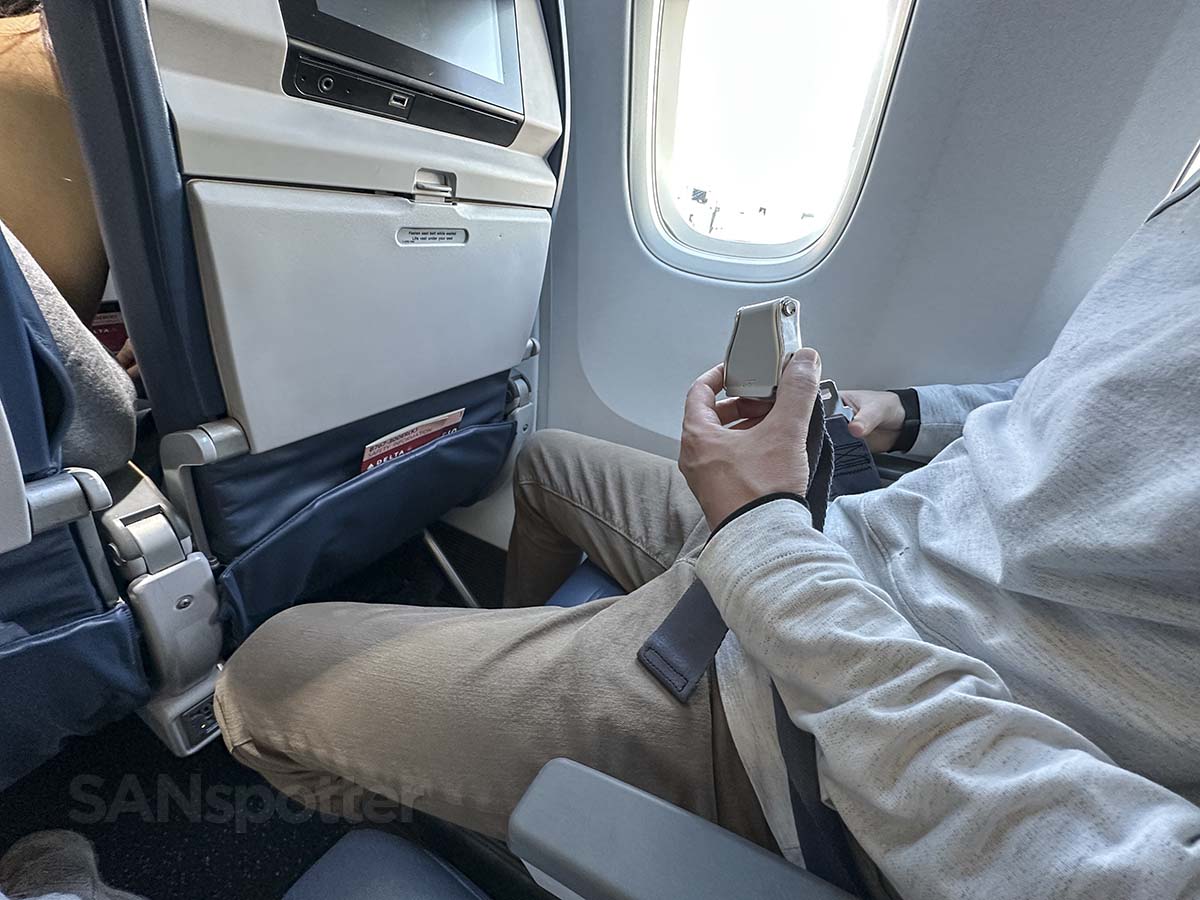
American carries the longest-reported belts of the legacy carriers, and its official pages are refreshingly plain about the extender: ask a flight attendant or gate agent, and only American’s own extenders may be used. If you need more room than one seat, American wants you to call Reservations and book the extra seat in advance - they’ll guarantee two adjacent seats at the same fare. Show up without one and airport agents will look for two adjacent seats; if the flight can’t accommodate you, they’ll move you to one that can at your original price.
Delta sits in the middle on reported belt length, and its fleet is where seat width gets interesting. The A220 is the widest mainline economy seat flying in the US right now, and Delta’s own aircraft pages publish the seat specs - one of the few places an airline hands you real numbers. Delta’s extra-seat policy is written softly: they “encourage” buying a second seat in advance if you’ll encroach on your neighbor or can’t keep the armrests down, and they reserve the right to reassign you or rebook you onto a later flight if the plane is full. The softness cuts both ways. It means flexibility on a half-empty flight and uncertainty on a packed one.
United is the one to prepare for. Flyers consistently report its belts as the shortest of the big three, and its written policy is the strictest: you must be able to buckle with at most one extension, sit with the armrests down, and not significantly encroach on the seat next to you. Fail any of those and you’re buying a second seat or an upgrade, and their own policy language says they will not board you if you decline. I don’t say that to scare you - I say it so you book United with a plan instead of a hope. Ask for the extender early, or buy the second seat up front on the same reservation, where it prices at the same fare.
Southwest: The Policy That Changed Twice in One Year
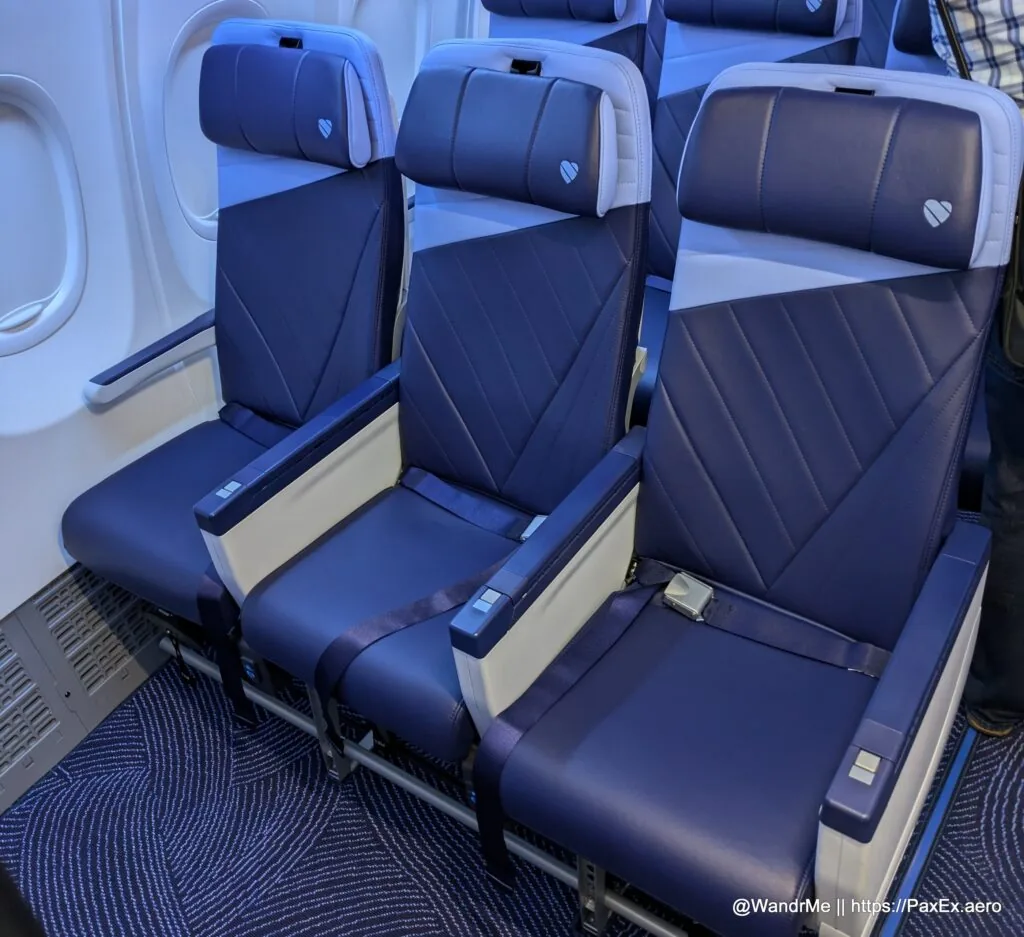
If you learned Southwest’s customer-of-size policy from an old blog post, unlearn it, because the ground moved twice recently. For years, Southwest was the gold standard: open seating, a free second seat arranged at the gate, no drama. When the airline switched to assigned seating at the end of January 2026, it tightened everything - you had to pre-purchase the second seat, and the refund came only after travel, only under conditions.
Then came the partial walk-back. In May 2026, after sustained pushback, Southwest confirmed that gate agents can once again arrange a free second seat at the airport when two adjoining seats are available. If they aren’t available, you’re rebooked on a later flight. Pre-purchasing is still the airline’s strong preference, and the refund path still exists with its conditions attached - they’re in the policy table below, where conditions belong. As of this writing, that’s the live policy, and Southwest remains the only major US airline offering both a refund route and a free-at-the-gate route.
One more Southwest quirk that matters if you’re thinking about extenders: many of its aircraft use a different buckle type than the rest of the US fleet, which is why “universal” extenders famously don’t fit there. More on that in the personal-extender section, because it’s exactly the kind of detail that Amazon listings bury.
Alaska and Hawaiian: One Refund Policy, One Long Belt
Alaska deserves more credit than it gets in plus-size travel threads. Its policy page is one of the clearest in the industry: extenders are free onboard, only carrier-provided ones may be used, they’re banned in exit rows, and - the headline - if you buy a second seat and every flight in your itinerary departs with at least one open seat, you get that second seat refunded. Alaska and Southwest are the only two majors offering a refund route. The trade-off is the hardware: Alaska’s mainline cabins are among the narrowest on this list, even though the belts themselves are reportedly generous.
Hawaiian is the airline flyers consistently report as having the longest standard belts in the US sky - which makes a kind of sense for a carrier whose whole business is long flights where comfort complaints get loud. Its official guidance asks guests who need more room to pre-book an extra seat by phone, with each seat charged at the lowest available fare, and it does not offer a refund provision. One honesty note: reports on the length of Hawaiian’s onboard extender conflict with each other, so I’m not printing a number. And with Alaska and Hawaiian now under one corporate roof, I found no evidence the policies have merged as of this writing - treat them as separate airlines with separate rules until their pages say otherwise.
JetBlue: The Width Play
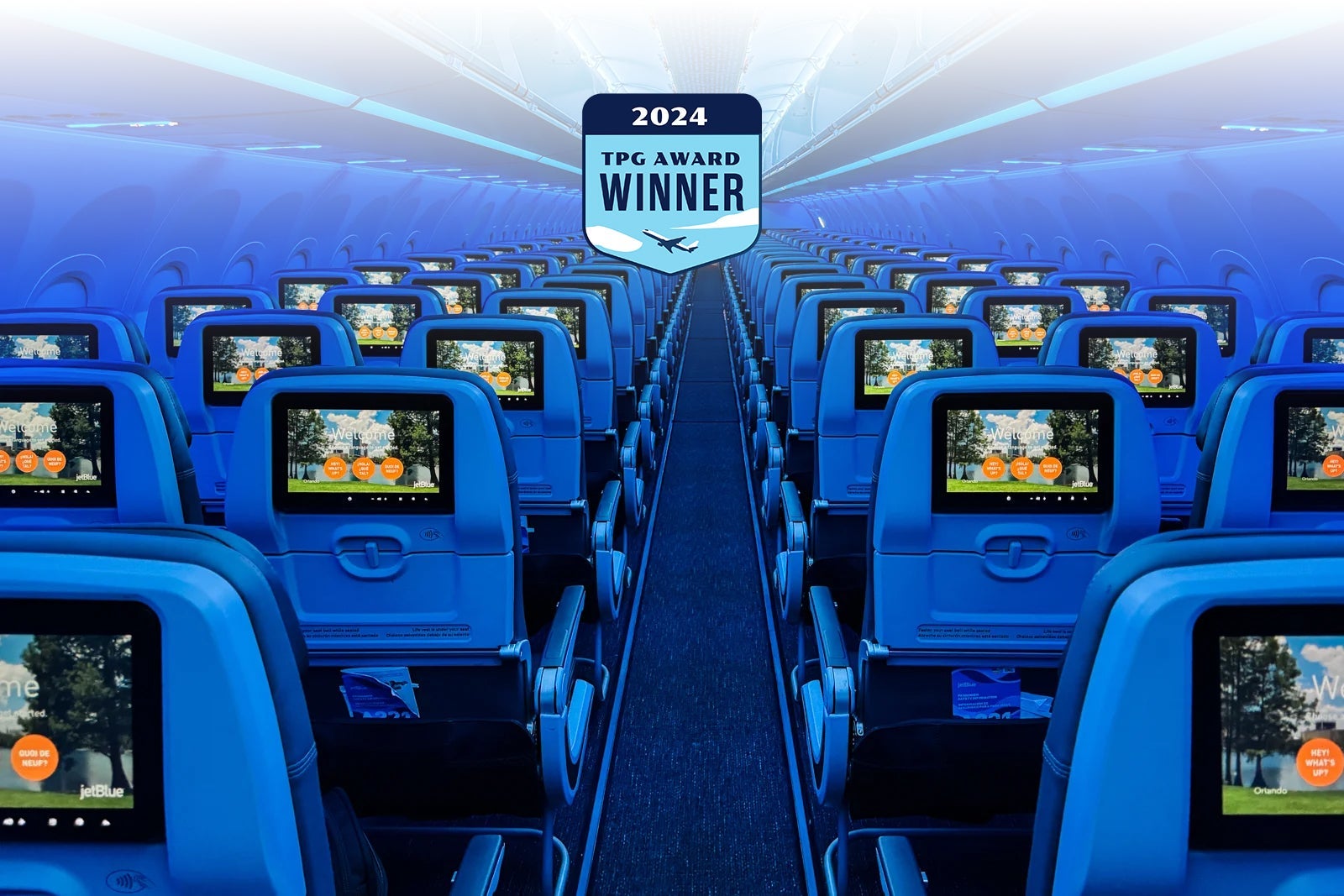
JetBlue doesn’t publish a customer-of-size policy page the way Southwest and Alaska do, and the compiled reporting says the deal is simple: buy the second seat at booking if you need it, and don’t expect a refund. What JetBlue offers instead is hardware. Its cabins run the widest average economy seats in the country, its belts are reported at the generous end, and its Even More Space rows sell extra legroom if the seat itself isn’t your constraint. For a lot of plus-size flyers - me included, on the right aircraft - JetBlue is the flight where you don’t think about the belt at all, and that’s worth real money. If the fare difference is small, I book it on width alone.
The Budget Carriers: Frontier and Allegiant, Eyes Open
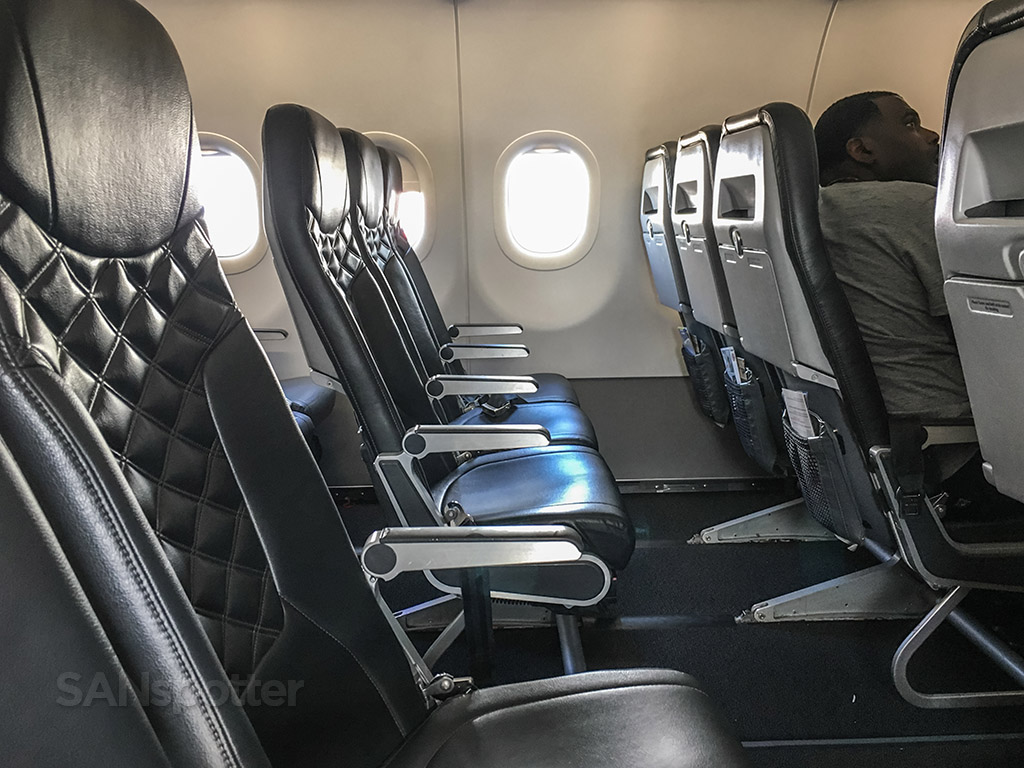
Frontier’s official policy is armrest-based and blunt: the lowered armrest defines the space you’ve purchased, and if you can’t fully lower both, they ask you to book two seats before travel through their support chat. Extra seats follow standard refund rules - no special customer-of-size refund. The belts are vendor-reported at the short end, the seats are slimline, and the fares are cheap for a reason. Frontier also sells an option that guarantees an empty middle seat next to you, which is a genuinely useful product for this exact situation, priced below buying a whole second fare on many routes.
Allegiant is the one that surprises people. Its reported belt lengths are the shortest and most variable on this list - the range is wide enough that I’d tell any plus-size friend to simply assume the extender and ask early. The policy itself is more reasonable than the hardware: officially, needing an extender alone does NOT trigger a second-seat requirement. The armrest is the test. If it lowers, you fly in one seat, extender and all. Extenders are banned in exit rows, as everywhere. On these tightly packed leisure routes I also wear wide-calf compression socks, because a narrow seat you can’t shift around in for three hours is a circulation problem wearing a fare-sale costume.
Extra Seats and Refunds: The Policy Table
Policies are where the airlines actually publish things, so this table is mostly official language condensed. This is the part to check before you book, not at the gate.
| Airline | Second-seat rule | Refund after travel? | Key conditions |
|---|---|---|---|
| American | Book the extra seat in advance via Reservations; adjacent seat guaranteed at the same fare | No refund provision | Day-of, agents look for two adjacent seats; rebooking at original price if the flight can’t accommodate |
| Delta | “Encouraged” in advance if you’ll encroach or armrests can’t go down | No refund provision | May reassign seats or rebook you on full flights; Basic Economy can’t be used for the extra seat |
| United | Required if you can’t buckle with one extender, armrests down, no encroachment | No | Same fare if bought at booking, day-of fare otherwise; boarding denied if you decline when required |
| Southwest | Pre-purchase encouraged; gate agents may arrange a free second seat when two adjoining seats are open (restored May 2026) | Yes | Request within 90 days of travel; flight departed with at least one open seat; both seats in the same fare class |
| Alaska | Buy a second seat if you can’t fit with both armrests down | Yes | Every flight in the itinerary departed with at least one open seat |
| JetBlue | Buy at booking (reported; no branded policy page) | No (reported) | Even More Space rows sold as the extra-room alternative |
| Hawaiian | Pre-booking by phone strongly recommended | No refund provision | If no alternative seating exists on a full flight, you may not be transported on it |
| Frontier | Book two seats before travel if both armrests can’t fully lower | Standard refund rules only | The lowered armrest officially defines each seat’s space; empty-middle-seat product sold separately |
| Allegiant | Second seat required only if the armrest can’t lower - the extender alone doesn’t trigger it | No refund provision | No extenders in exit rows |
How to Ask for an Extender Without Making It a Moment
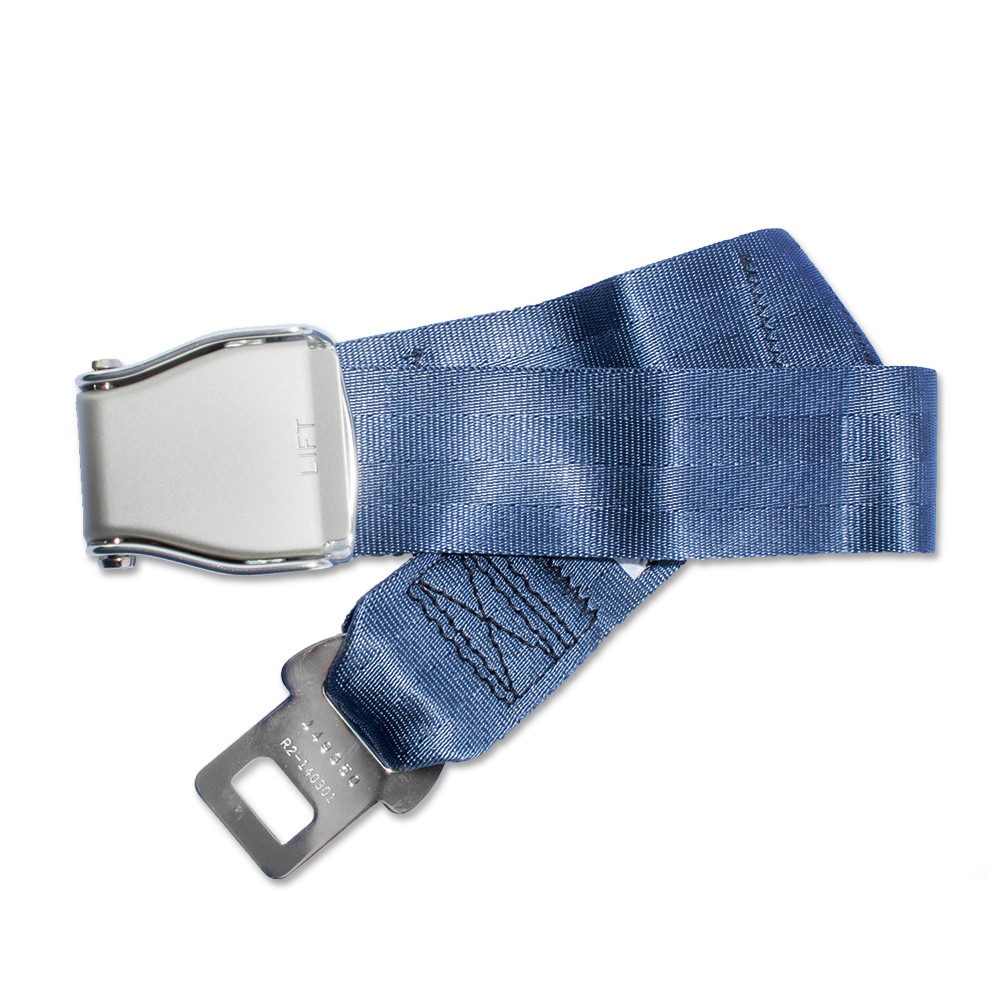
The ask is smaller than the dread. I promise. Here’s what actually works, from a lot of repetition: board, catch the eye of the flight attendant at the door or in the front galley, and say quietly, “Can I get a seatbelt extender at my seat? I’m in the window, row whatever.” That’s it. They hear this request every single day, multiple times a day, and the good ones - most of them - will bring it to you low and folded, without commentary, often before the aisle fills. Asking at the boarding door beats pressing the call button after everyone’s seated, purely because it’s more private, not because either is wrong.
If even that feels like too much on a bad day, ask the gate agent before boarding and they’ll flag it to the crew. Some flyers hand the extender back before landing; you don’t have to - crews collect them after everyone deplanes. And if a flight attendant ever makes the ask feel heavy, that’s a them problem with an airline feedback form attached, not a you problem. You asked for standard safety equipment that exists because the airline’s own belt has limits. Full stop.
Can You Just Bring Your Own? The FAA Answer, Honestly
Here’s where I’m going to be straighter with you than the Amazon listings are. The FAA put out guidance to airlines - InFO 12012, back in 2012 - saying passenger-provided seatbelt extenders “should not be permitted for use,” even when the label claims FAA approval or cites the right technical standard. The reasoning isn’t that your extender is junk; it’s that airline belts and extenders are inspected and maintained under each carrier’s FAA-accepted maintenance program, and yours isn’t. American says outright that only its own extenders can be used, Alaska’s policy page says the same, and consistent reporting says every major US carrier takes the same position. Even the extender vendors’ own education pages now admit the FAA doesn’t approve extenders for passengers to bring aboard. A flight attendant can require you to swap yours for the airline’s at any point, including right before takeoff, and that’s the exact scene you were trying to avoid.
So why does a personal airplane seatbelt extender still make sense for some flyers? Peace of mind with a plan B attached. Some people buckle their own the moment they sit, quietly, and never hear a word about it - that happens constantly, and I won’t pretend otherwise. But you carry it knowing the rule is against you, and the honest play is to treat it as a backup while you request the airline’s version, not a replacement for asking. One label warning while you shop: the “E4 certified” badge plastered on most listings is an automotive-restraint mark, not an FAA aviation sign-off, no matter how official the seller makes it sound.
Compatibility is the other trap. Most US carriers use the common buckle style that a standard Type A extender fits. Southwest is the famous exception - much of its fleet historically used a different buckle entirely, which is why vendors sell a separate Southwest-specific Type B extender - and per those same vendor compatibility charts, Southwest’s newer aircraft have shifted to standard buckles, so even the Type B isn’t a sure thing across their fleet anymore. All of that is vendor-compiled, none of it airline-published, and all of it is one more argument for the free extender that’s already on the plane and guaranteed to fit it.
The Seat Itself: Width Is the Other Half of the Fight
The belt gets the dread, but the seat walls are what you feel for the whole flight. If your hips are the pressure point more than your lap, the width column of the master table matters more than the belt column, and the pattern is simple: Delta’s and JetBlue’s Airbus cabins run widest, and the all-Boeing fleets at Southwest and Alaska run narrowest, with the budget carriers close behind. When two fares are close, I pick the aircraft, not the airline - the same carrier can fly you in its widest seat one leg and its narrowest the next, and seat-map sites will tell you which plane is on your route before you pay.
Two comfort notes from the road. Armrests that lower fully are your legal definition of fitting on several carriers, so claim the armrest calculus early and confidently. And a firm slim travel seat cushion can save your tailbone on a long haul in a hard slimline seat - just know it adds height, not width, so it helps the sit, not the squeeze. I don’t bring one on anything under three hours; I don’t board a transcon without it.
Your Week-Before-the-Flight Checklist
Back to you at the imaginary gate, a week out. Here’s what I’d do between now and boarding, in order. Measure seated, across the lap, once - then stop measuring, because re-measuring nightly is dread exercise, not data collection. Check the master table against your airline and assume the short end of the reported range. If you’re near the line on United, Southwest, Frontier, or Allegiant, decide now that you’ll ask at the boarding door, and rehearse the one sentence until it’s boring. If you need the second seat, buy it on the same reservation this week - same-fare pricing rewards booking it together on the carriers that guarantee it - and if you’re on Southwest or Alaska, calendar the refund request for the day you land, since the money comes back only if you ask.
And book the hardware when you can. Delta’s or JetBlue’s widest Airbus cabins when the fare is close, JetBlue when width is the whole question, Southwest or Alaska when the refund policy is doing the math for you. The belt question has an answer, it took a table to give it to you, and now you have the table. Fly.