
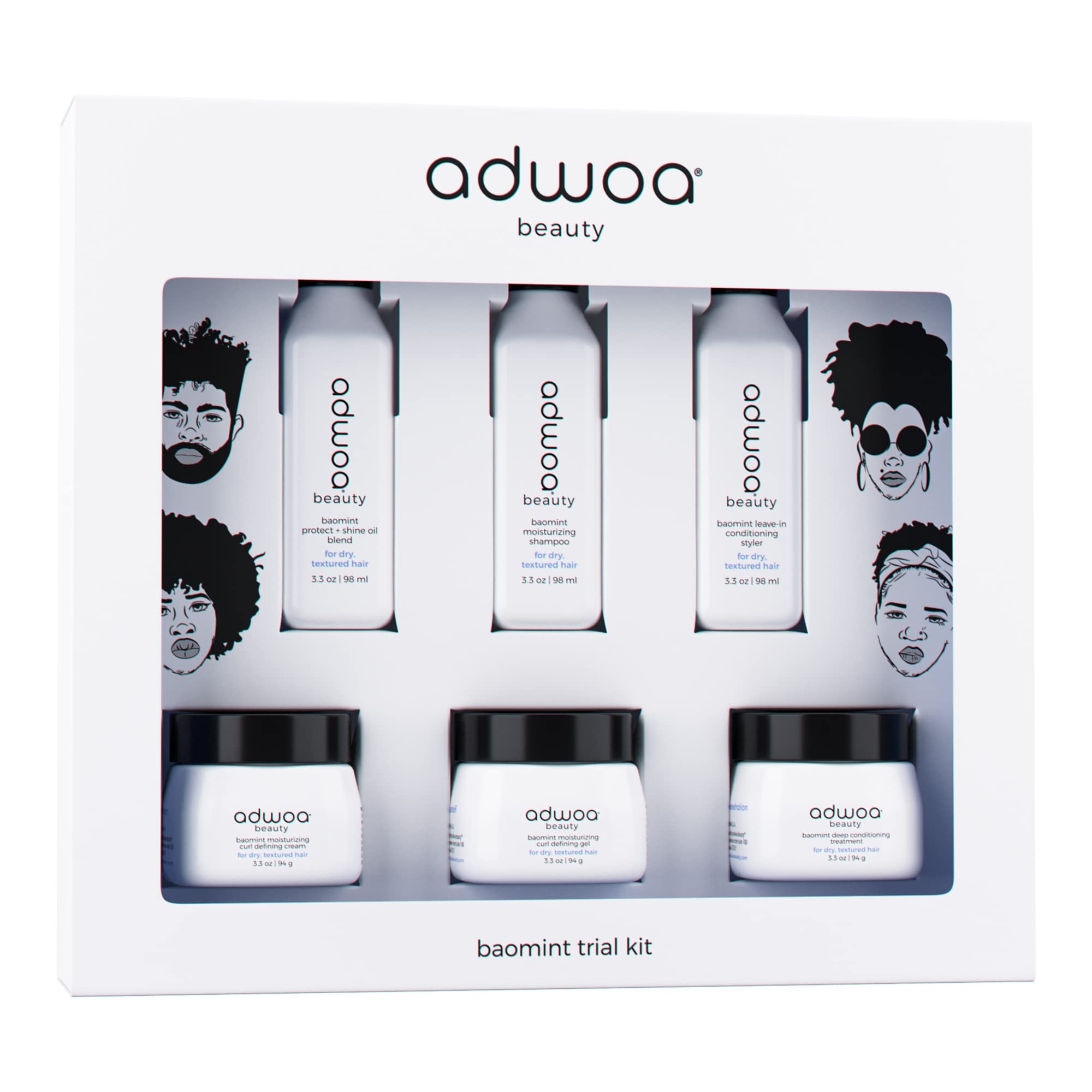
Adwoa Beauty occupies a specific kind of shelf real estate at Sephora that most Black-founded hair brands have not historically reached. Walk into any flagship Sephora in 2026 and the brand sits in the curl-care wall, not in a partitioned multicultural section, with the signature minimalist packaging running at eye level alongside Briogeo, Bread, and Olaplex. That positioning is the point. Founded by Julian Addo in 2017, Adwoa Beauty arrived at the prestige tier from day one and refused to compete on price - a strategy that almost no other small Black-founded hair brand has been able to execute and survive. The fact that the brand is still on that shelf nine years later, in a category where most independent launches fold within three, is the story worth understanding.
This piece is about how Addo built that. The founder background that produced the brand, the product range that has held the prestige positioning, where the brand earns the placement, and where there is still room. The textured-hair category right now has a small number of brands operating at the price tier above Cantu and below the dermatology-clinic skincare brands, and Adwoa is the brand most often cited as the prestige-tier reference point alongside Pattern. Worth knowing why.
The founder before the brand
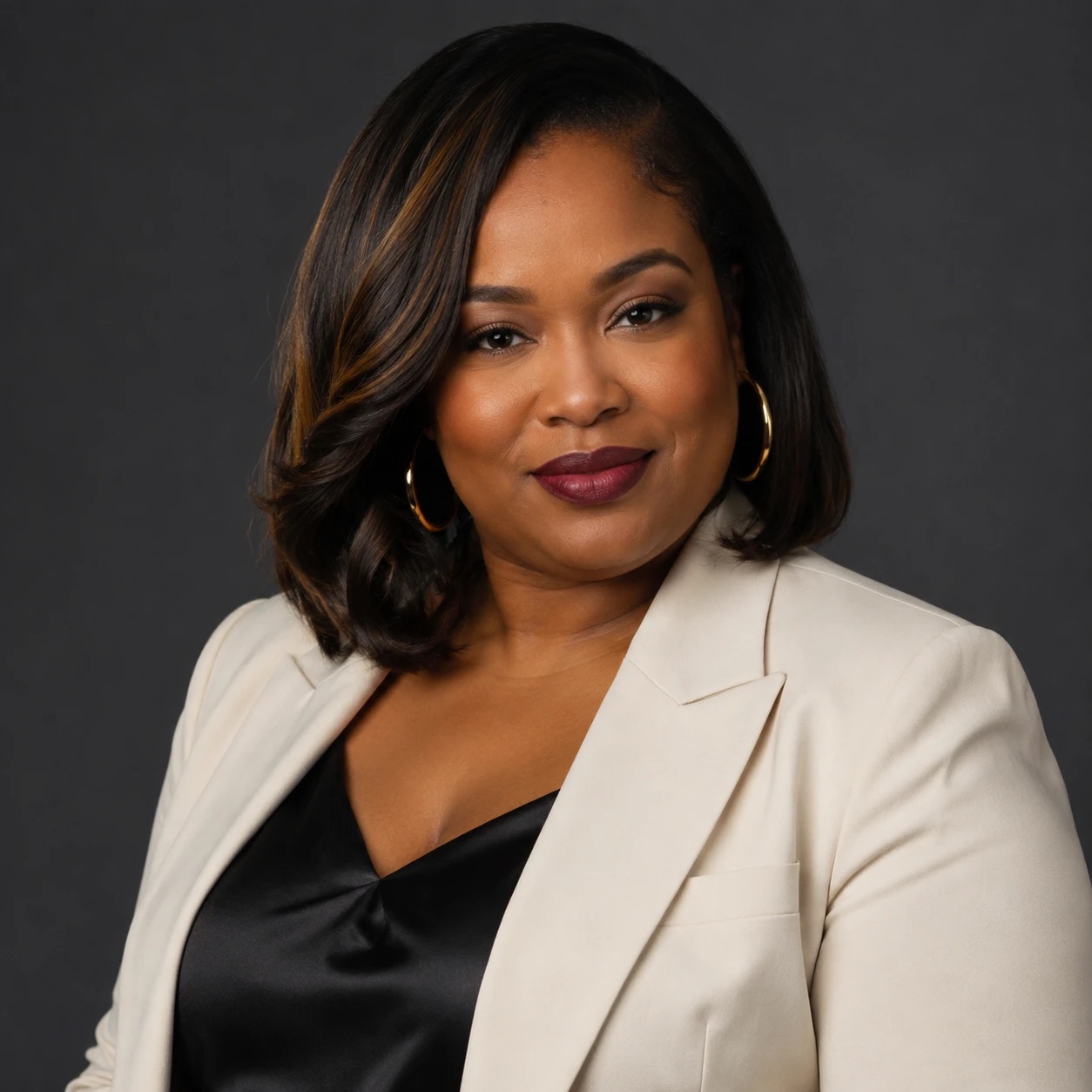
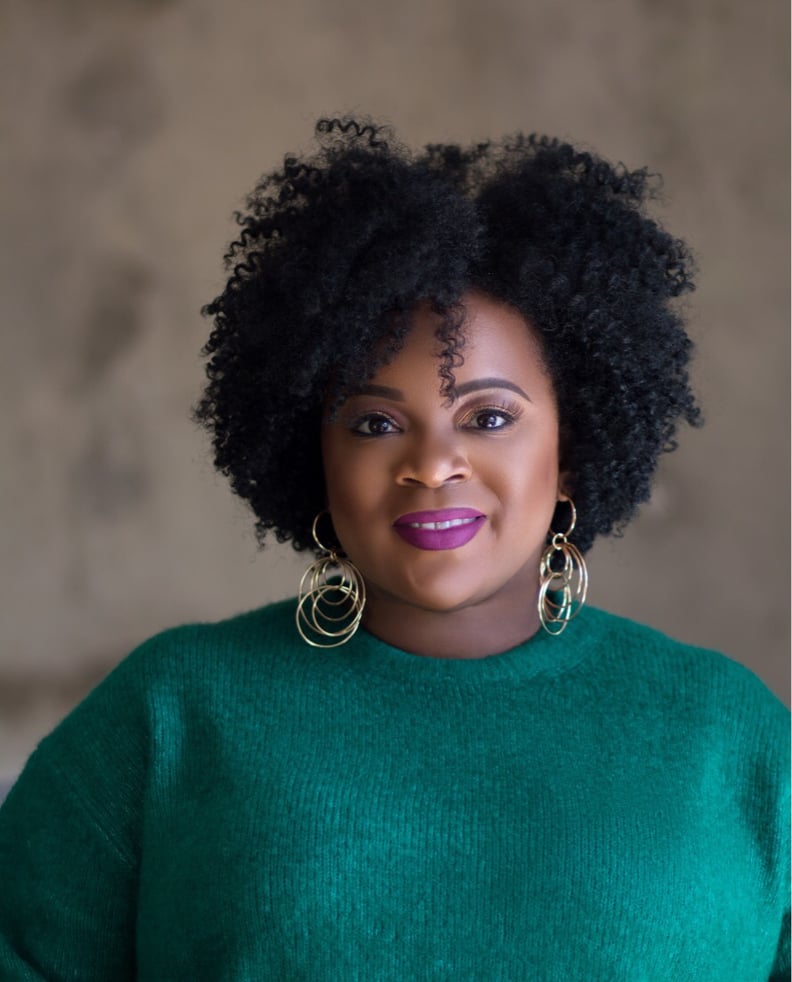
Julian Addo is Ghanaian-American. She grew up in the DC area, went to the University of Maryland, and worked in finance and tech before pivoting into beauty. The professional background matters because Adwoa Beauty does not read like a brand built by someone who fell sideways into entrepreneurship - the pricing architecture, the retail-readiness, the formulation patience, all of it has the discipline of someone who spent a decade in operating roles before launching her own thing. Addo named the brand after her own first name in Ghanaian Twi tradition, where Adwoa is the name given to a girl born on a Monday.
The origin story is the one a lot of Black-founded hair brands share but Addo’s version has a different texture. She had her own hair frustrations through her twenties, tried the mainstream natural-hair brands that existed in the mid-2010s, found the formulations either too heavy, too coating, or too generic for her specific texture, and started researching what actual ingredient-forward formulation would require. The version of the story she has told in press interviews emphasizes the years she spent working with chemists before launching - not the moment of inspiration, the slow back-end work of getting the formulations right.
She launched the brand in 2017, direct-to-consumer first, then expanded into Sephora in 2018. That Sephora launch was the inflection point. At the time, the textured-hair shelf at Sephora was thin, and most of the credible Black-founded brands were sitting at Ulta or at mass retailers. Adwoa walking into Sephora at a $24-and-up price tier in 2018 was a positioning decision that signaled the brand was not going to play the volume game. Nine years on, that decision is still paying off.
What the brand actually does
Adwoa Beauty makes hair care for Type 3 and Type 4 curl patterns, with a particular concentration on the wash-day-and-refresh part of the routine. The core line is anchored by the Baomint family - leave-in conditioner, deep conditioner, clay-refresh spray, scalp cleanser - all built around a baobab and peppermint base. There are additional product families around protein treatment, styling cream, and oil, but Baomint is the line the brand is known for and the products most reviewers cite first.
The price tier sits at $24 to $38 for most core products, which is at or slightly above Pattern Beauty and meaningfully above the mass-retailer Black-founded brands. SKU count is intentionally smaller than the major textured-hair brands - roughly fifteen products across the active lineup, versus Pattern’s thirty-plus. That smaller footprint is a strategic choice. Addo has said in interviews that the brand prioritizes formulation depth over line breadth, which translates into a more curated catalog and a longer lead time between new product launches.
Distribution today: Sephora as the anchor retailer (in-store and Sephora.com), adwoabeauty.com direct, and a handful of independent specialty retailers. Not at Ulta, not at Target, not at any mass-grocery. That retail discipline is the operational version of the price discipline and it has kept the brand sitting in the prestige slot rather than getting absorbed into the general curl-care category.
Where the brand gets it right
The first thing Adwoa got right is the Baomint formulation itself. The Baomint Moisturizing Leave-In is the product that built the brand. The texture is lightweight enough to layer under a styler without piling, the slip is enough to detangle on damp hair, and the scent is the specific peppermint-forward note that has become the brand’s olfactory signature. Reviewers who try the leave-in and stay with the brand are usually staying because that one product earned its repurchase, and the rest of the line is built around the credibility of that single SKU.
The second is the visual identity. The packaging is the cleanest in the category. Matte white tubes and bottles, sage-green accent type, no clutter, no oversold marketing copy on the front of the bottle. Most natural-hair brand packaging defaults to busy color-coding and aggressive front-of-label promises. Adwoa’s packaging looks like a Cuup bra box looks - confident enough not to shout. That matters at the prestige tier. When the product is sitting on a Sephora shelf next to a Briogeo bottle and a Bread Beauty Supply tube, the visual restraint reads as expensive and the brand earns the placement.
The third is the founder presence without the founder dependency. Addo is centered in the brand’s narrative without being the entire face of every campaign. She does press, she does interviews, she shows up at Sephora events, but the brand does not require her in every photograph to feel coherent. That balance is structurally healthier than the celebrity-founded brands that collapse the moment the celebrity loses interest, and it is the reason Adwoa has the runway to keep growing without a personality-cult vulnerability.
The fourth is the pace. Adwoa has launched roughly two to three new products per year over its nine-year run, which is well below the industry average and well below what most retailers pressure brands to do. The discipline of resisting the launch-something-every-quarter pressure has kept the line tight and the formulations meaningful rather than performative. The 2021 Blue Tansy Clay-Refresh Spray and the 2023 protein treatment are the two most-cited additions, and both filled real gaps rather than chasing trend ingredients.
Where there is room
Honest critique. The price is the price. At $26 for an 8 oz Baomint Leave-In, Adwoa is genuinely expensive for what is functionally a leave-in conditioner, and the value-per-ounce conversation is real. Cantu’s Sulfate-Free Cleansing Cream at $7 does not do the same thing the Adwoa Cleanser does, but the Mielle leave-in at $12 does most of what the Baomint leave-in does for shoppers who are not chasing the specific texture and scent profile. Adwoa’s argument is that the formulation difference is worth the premium, and for a lot of shoppers that argument lands. For others, the math does not.
Distribution is the other open question. The Sephora-only retail strategy is what made the brand prestige, but it also means that shoppers in markets without a Sephora flagship are functionally locked out of in-store availability. The brand has not expanded into Ulta or any second mass-prestige retailer, and the direct-to-consumer site has had reported shipping and stock-out frustrations in peak seasons. For a brand asking $26 a bottle, the fulfillment experience needs to be consistent and it has not always been.
And the line is still thinner than the routines of some Type 4 shoppers require. Adwoa skews toward the lighter end of the texture spectrum - the formulations are tuned more toward Type 3 and the looser end of Type 4 than toward the densest 4C textures. The Heavy or Extra-Rich category that Pattern has built out does not have a clear Adwoa equivalent, and Type 4C shoppers who try the brand sometimes leave because the products are not heavy enough for their density. The brand could go further into that part of the texture spectrum and has not yet.
How Adwoa fits in the category
Adwoa does not exist in isolation, and the brand’s positioning makes more sense in contrast to the rest of the textured-hair prestige tier. Three reference points worth knowing.
Pattern Beauty is the most direct comparison. Founded by Tracee Ellis Ross and launched at Ulta in 2019, Pattern occupies the same mid-to-prestige price tier with a broader SKU count and a wider distribution footprint. Pattern sits at Ulta and Sephora; Adwoa sits at Sephora only. Pattern has more than thirty products; Adwoa has roughly fifteen. The trade-off: Pattern is the brand to choose if you want a full system from a single line and the security of mass retail availability. Adwoa is the brand to choose if you want a curated, formulation-forward shorter list and you prioritize the specific Baomint texture profile.
Bread Beauty Supply is the other prestige comparison. Founded by Maeva Heim in Australia and launched at Sephora in 2020, Bread sits at a similar price tier and a similar minimalist visual identity. The product range is narrower than Adwoa’s and the formulations are more focused on the wash-and-condition core of the routine. The trade-off: Bread is arguably the cleaner brand experience for shoppers who want a tight three-or-four-product routine. Adwoa is the more developed line if you want refresh products and treatments alongside the core wash.
Mielle Organics is the volume comparison. Founded by Monique Rodriguez in 2014, Mielle sits at the mass-retail tier with broader distribution at Target, Walmart, and Sally Beauty. Most Mielle products are $11 to $18 - meaningfully below Adwoa. The trade-off: Mielle is the cost-effective choice with formulations that work for many shoppers. Adwoa is the precision choice for shoppers who want the formulation discipline and are willing to pay for it.
What to buy from them
If you are coming to Adwoa Beauty for the first time, the move is not to buy the full system. The line is curated enough that one or two pieces will give you a real read on whether the brand is going to fit your routine. Four products worth knowing about.
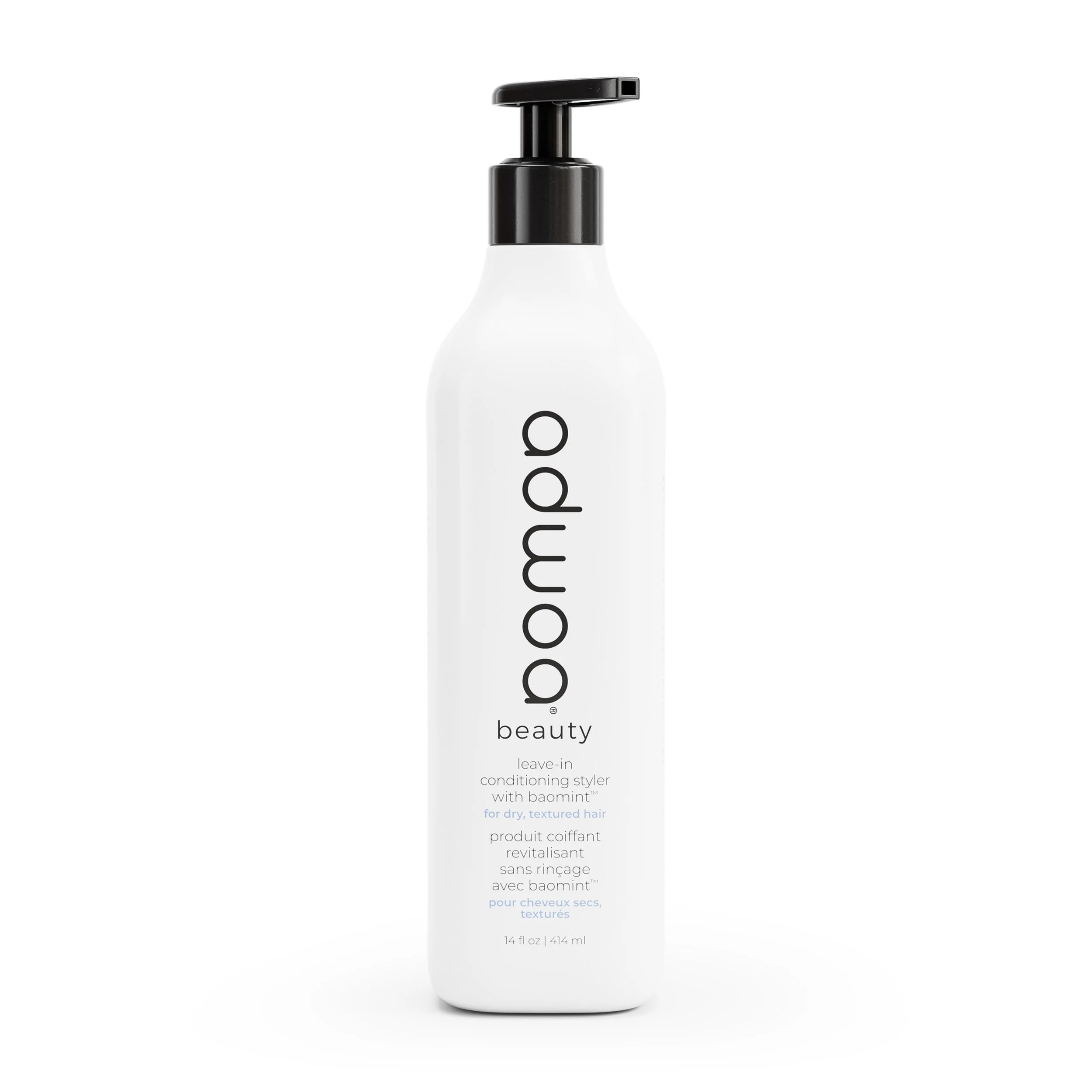
The Adwoa Baomint Moisturizing Leave-In Conditioner at around $26 for 8 oz is the entry point. This is the product that built the brand and the product most shoppers stay for. Layers under a curl cream without piling, slip is real, and the peppermint-forward scent is the brand signature. If you only buy one Adwoa product, this is the one.
The Adwoa Baomint Deep Conditioner at around $32 for 8 oz is the wash-day treatment. Heavier than the leave-in, slip is strong enough to detangle Type 3 and the looser Type 4 textures, and the deposit is meaningful without coating low-porosity strands. Worth the price if you do a weekly deep treatment as part of your routine.
The Adwoa Blue Tansy Clay-Refresh Spray at around $30 is the day-two and day-three refresh product, and it is the brand’s most distinctive formulation. The clay base reactivates curl pattern without the dampness that water-only refresh sprays leave behind. Niche but loved by the shoppers who use it.
The Adwoa Baomint Curl Defining Gel at around $26 is the styler that holds a wash-and-go without crunch on Types 3A through 4A. For denser 4B and 4C textures the gel reads as too light, but for the texture range it is designed for, the hold is consistent and the second-day pattern stays defined.
And the Adwoa Baomint Scalp Cleanser at around $32 rounds out the wash routine. Cleans without stripping, the peppermint base reads as cooling on the scalp without being aggressive, and the formulation pairs well with the rest of the Baomint family. The fifth purchase if you have already committed to the system.
Why this brand matters
Adwoa Beauty is the case study for what a Black-founded hair brand at the prestige tier can look like when the operator has the patience to build slowly and the discipline to resist the volume-and-discount pressure that the category has historically forced on these brands. The textured-hair shelf at Sephora in 2017 was thin. The textured-hair shelf at Sephora in 2026 is not, and Adwoa is part of the reason. The category opened up because brands like Adwoa, Pattern, and Bread proved that the prestige tier could hold Black-founded hair, and the retailers expanded the shelf to make room.
The lesson for the broader category is structural and worth naming. The brands that will keep winning in textured hair from here forward will not be the ones that try to be everything to every texture at every price point. They will be the ones that pick a position, hold it, build the formulation discipline to earn it, and refuse the pressure to dilute. Julian Addo picked a position in 2017 and has held it for nine years. The receipts are on the Sephora shelf. The Baomint Leave-In, 8 oz, around $26, and the only place it ships from with consistency is Sephora.