There is a rack just outside the fitting rooms at my nearest Old Navy where shoppers hang the things that did not work, and it tells you almost everything about the brand’s plus range. On any given afternoon it is stacked with woven dresses and structured button downs, while the jeans and the joggers are already back in someone’s cart. That split is the honest summary of shopping plus size here. Some categories are genuinely reliable at a price that lets you take a chance. Others feel like they were graded up from a straight size sample without anyone checking what happens across a bust, a belly, or a hip. Knowing which is which is the difference between a haul you keep and a return label you resent.
What Old Navy’s plus range actually covers
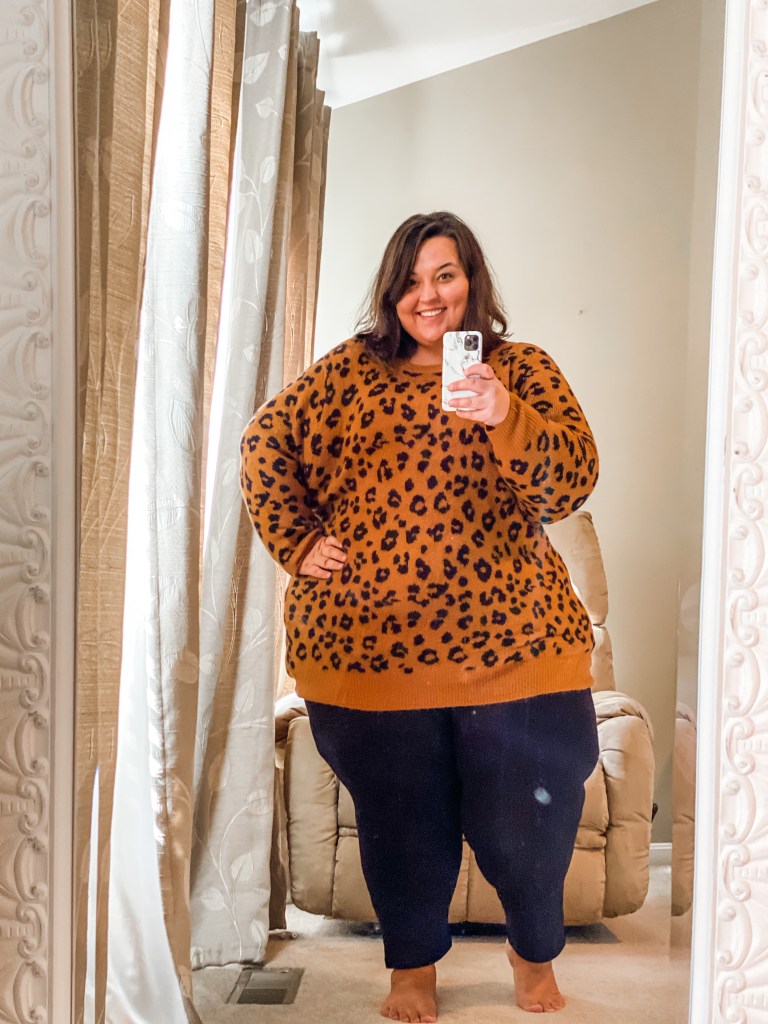
Old Navy sits in the mass market tier, which means the plus offering is built around volume basics rather than statement pieces. Women’s plus is typically listed from 1X through 4X in letter sizing, with numeric equivalents running up into the 20s and 30s depending on the category, and the brand has advertised a full 0 through 30 span on core styles. Denim carries the widest numeric grading and the most fit variations, from wide leg to straight to the pull on styles. Tops, dresses, and activewear are usually letter sized, which is a coarser system and part of why fit is less predictable there. The women’s plus assortment is where the brand puts its real energy, and where the quality gap between categories shows up most clearly.
The Bodequality launch and the scale back that followed
In 2021 Old Navy launched Bodequality, an initiative that promised every women’s style in every size, with sizes 0 through 30 and XS through 4X carried at the same price and merchandised together instead of exiled to a back corner. For a lot of plus shoppers it was the first time a mainstream chain treated the range as default rather than an afterthought, and the goodwill was real. What followed was less inspiring. Within a couple of years the in store presence shrank noticeably at many locations, with extended sizes consolidated or pushed largely online while straight sizes kept the floor space. Shoppers noticed immediately, and the frustration was loud, because the promise had been about walking into a store and finding your size on the same rack as everyone else’s. The clothes did not get worse. The access did.
That history matters when you shop the brand now. The design and grading improvements that came out of the Bodequality work are still visible in the fit of the denim and the better knits, which is why those categories tend to hold up. What you lost is the ability to try things on casually. Treat the current experience as an online first brand with a store that occasionally cooperates, and your expectations line up much better with reality. It also explains why the online reviews skew more positive than the word of mouth does, since the people who order deliberately from measurements have a better time than the people who drove over hoping to browse.
Jeans: the category that earns the most trust
Denim is where Old Navy’s plus sizing is most defensible. Shoppers broadly report that the numeric waist runs close to a true measured waist rather than a vanity size, so pulling your actual tape measurement and matching it to the size chart is a reasonable first move. The higher rise fits are the safer bet, because they sit above the softest part of the midsection instead of rolling down over it, and the rigid or high recovery denims hold their shape through a full day far better than the very stretchy versions. The recurring complaint is waist gap on curvier hip to waist ratios, which is a grading issue rather than a sizing one, and it hits the straight and wide leg cuts hardest. If you already know your denim quirks, our guide on how to find jeans that fit when you are plus size and curvy saves you a lot of trial and error before you ever open a cart.
Where the denim disappoints is the very stretchy jeggings and pull on styles. They feel great in the first hour and then loosen through the knee and seat, which reads as a size up by dinner. If you want denim that still looks intentional at the end of a long day, stay with the styles that name a firmer fabric on the tag, and treat anything described as super soft or ultra stretch as a lounge purchase rather than a workwear one. Shoppers who want to compare cuts across the plus range often start with the brand’s high rise plus size jeans and work outward from there.
Tees, tanks, and knit tops: where the price shows
The basic tees are the most bought and the most complained about item in the plus assortment, and both reactions are earned. Fit wise they are generally true to letter size with a generous body and a slightly short overall length, which is the usual tell that a pattern was scaled from a straight size block without adding vertical room. If you are long through the torso, or you want a tee that stays put when you raise your arms, sizing up one letter is the common workaround. Fabric is the real limitation. The lightweight jersey is thin enough that a darker bra reads through a white or pastel tee, and after several wash cycles the hem can twist and the neckline can relax. At this price point that is a fair trade for some people and a dealbreaker for others.
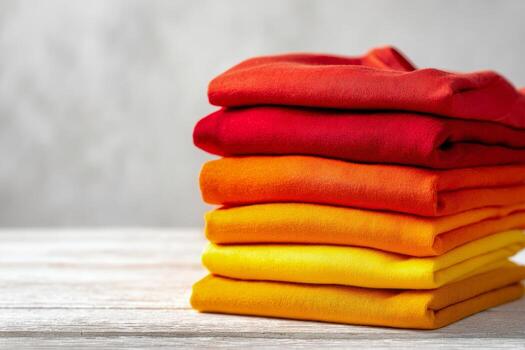
The heavier knit tops are a different story. Ribbed styles, waffle knits, and the thicker cotton slub tees hold their shape, skim rather than cling, and survive the laundry far better than the featherweight jersey. They cost more within the same store, which is exactly the point, and the gap between the cheapest tee and the mid tier one is small enough that it is rarely worth saving. When people say Old Navy plus tops are hit or miss, they are usually comparing a heavy rib to a paper thin basic and blaming the sizing for what is really a fabric weight difference.
Activewear: better than expected, with one caveat
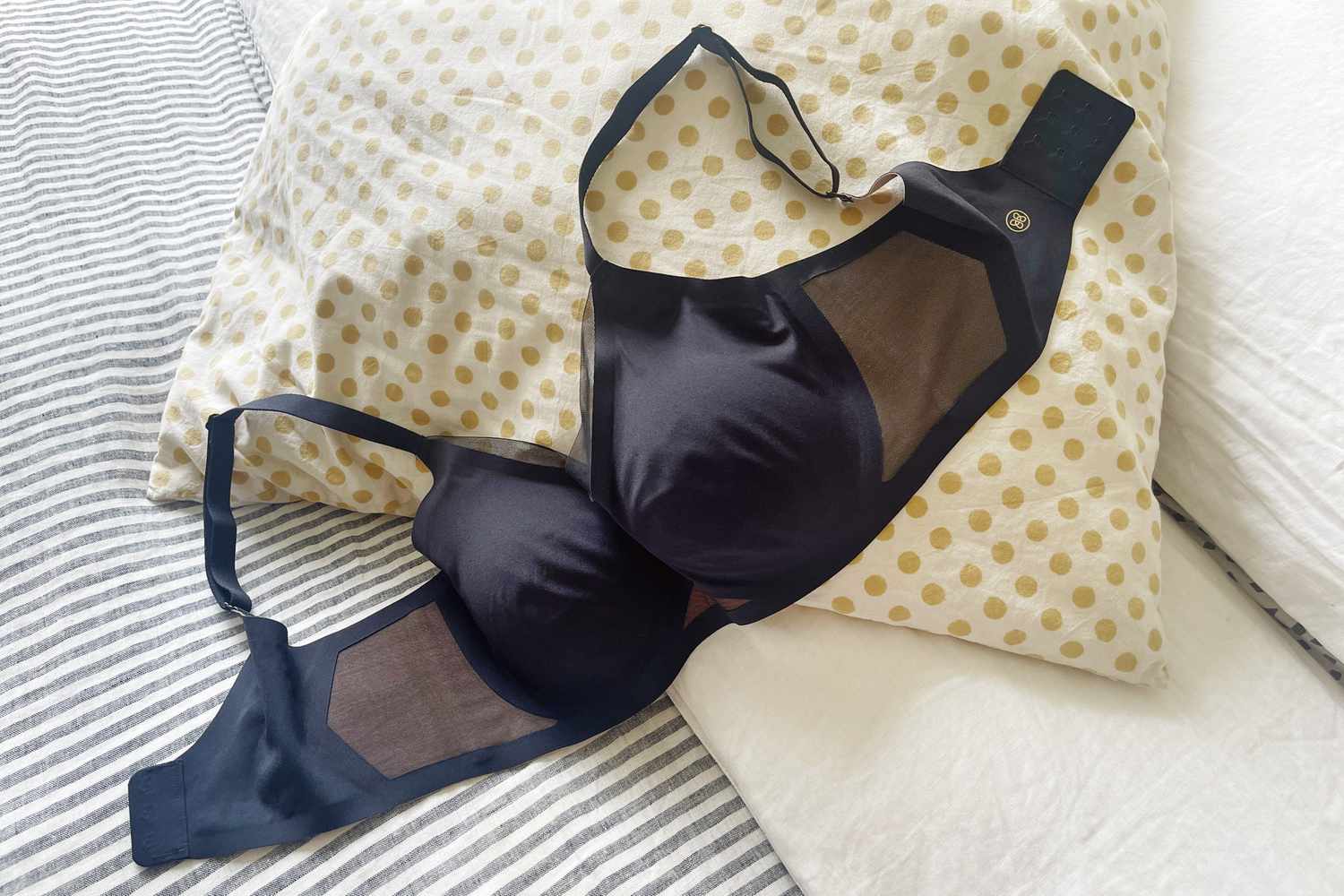
Activewear is quietly one of the strongest plus categories here. The high rise leggings in the compression style hold through squats and stairs without rolling, the waistbands are wide enough to sit flat instead of digging, and the inseam options mean shorter and taller shoppers are not both stuck with one length. Shoppers consistently report that the leggings run true to letter size or very slightly small, so ordering your usual size is a reasonable default and sizing up is the fix if you prefer less compression. Sports bras are the caveat. Support at larger cup volumes is limited, the sizing is letter based rather than band and cup, and the pullover construction gets difficult past a certain bust size. Buy the bottoms with confidence and treat the bras as a low stakes experiment.
Dresses and jumpsuits: the riskiest add to cart
This is the category that fills the reject rack. Woven dresses, shirt dresses, and anything with a defined waist seam are where plus grading tends to break down, because the waist placement is set for a straight size proportion and lands high on a longer torso or a fuller midsection. Jumpsuits amplify the same problem, since a rise that is even slightly short pulls the whole garment out of line and there is no adjusting your way out of it. Button front styles add gaping at the bust. The dresses that do work are the unstructured ones: knit swing dresses, tiered woven styles with no waist seam, and anything cut as a shift. Those forgive proportion differences instead of fighting them. If you want a dress you can order without measuring twice, the plus size knit swing dresses are the low risk pick.
Category by category, at a glance
| Category | Fit read | Quality at the price | Verdict |
|---|---|---|---|
| Jeans, high rise and rigid | Close to measured waist, size to your tape | Good, holds shape | Buy with confidence |
| Jeans, jeggings and pull on | True at first, loosens through wear | Under premium, stretches out | Skip unless you size down |
| Basic lightweight tees | Generous body, short length | Thin, short lifespan | Buy dark colors only |
| Ribbed and heavier knit tops | True to letter size | Noticeably better fabric | Best value in tops |
| Leggings and activewear bottoms | True to slightly small | Strong for the tier | Buy with confidence |
| Sports bras | Letter sized, limited cup range | Light support | Low stakes only |
| Structured and waist seam dresses | Waist sits high, bust gaping | Inconsistent | Try in store or skip |
| Knit swing and shift dresses | Forgiving, true to size | Decent | Safe online order |
| Woven button front shirts | Gaping at bust, short body | Stiff, wrinkles fast | Skip |
The online only problem and how to work around it
The most common complaint about Old Navy plus is not the clothes. It is driving to a store, finding two racks of extended sizes in a corner, and being told the rest is online. Store assortments vary wildly by location, and the sizes carried on the floor skew toward the lower end of the plus range, which leaves 3X and 4X shoppers with almost nothing to try. There are workarounds that help. Check inventory by store on the site before you go rather than after. Use in store pickup to order the pieces you want to try, then use the fitting room as a fitting room and hand back what fails at the counter. If your local store is genuinely thin, find out which nearby location carries the deeper assortment, because the difference between two stores in the same metro area can be dramatic.
Returns, exchanges, and keeping your cart honest
Because so much of the plus range is ordered blind, the return process becomes part of the product. Old Navy accepts in store returns for online orders, which is the single most useful thing about the brand for plus shoppers, since it removes the mailing step that makes so many people keep things they dislike. Keep the packing slip, keep tags on until you have worn the piece around the house for an hour, and process returns as a batch rather than one at a time. The other habit worth building is ordering two sizes of anything structured and one size of anything knit. That sounds wasteful, and it is cheaper than the alternative, which is a closet full of near misses you tell yourself you will alter. Sale and clearance items can carry different return terms, so read the line at checkout before you assume a final markdown is returnable.
Quick answers to the questions everyone asks
Does Old Navy plus size run big or small? It depends on the category rather than the brand. Denim tends to run close to a true measured waist, leggings run true to slightly small, and basic tees run generous through the body but short in length. Structured woven pieces are the least predictable, with the waist seam often landing higher than expected on longer torsos.
Is Old Navy plus still sold in stores? Some of it is, but the in store assortment shrank after the initial Bodequality rollout and now varies heavily by location. Many stores carry a limited selection weighted toward 1X and 2X, with the deeper range available online. Checking store inventory on the site before driving over saves a wasted trip.
What is the best thing to buy from the plus range? High rise denim and activewear bottoms are the two categories shoppers report the most consistent satisfaction with. Both use fabrics with real recovery, both have generous size grading, and both are cut with the midsection in mind rather than scaled up from a smaller pattern.
How is the fabric quality at this price? Mixed, and predictably so. The lightweight jersey tees are thin and lose shape after repeated washing, while ribbed knits, denim, and performance fabrics hold up genuinely well. Reading the fabric description before adding to cart is a better quality filter than reading the reviews.
Can I return online plus orders to a store? Yes, in store returns for online orders are accepted, which is one of the strongest reasons to shop here rather than a mail only retailer. Bring the packing slip, keep the tags attached, and check the terms on any clearance item, since final markdowns can carry different conditions.
What earns a permanent spot in my rotation
My own closet answers this question more honestly than any list. The Old Navy pieces that survive rotation after rotation are the high rise jeans, two pairs of compression leggings, and a stack of ribbed tanks I keep replacing in the same color. The pieces that quietly disappeared were the thin white tees, a button front shirt that never sat right across the bust, and a waist seam dress I kept meaning to have taken in. That is a fair result for a mass market brand, and it is a better result than the internet gives Old Navy credit for. Shop the categories that are actually built for a plus body, order for store pickup so you can try before you commit, and let the reject rack be somebody else’s problem.