
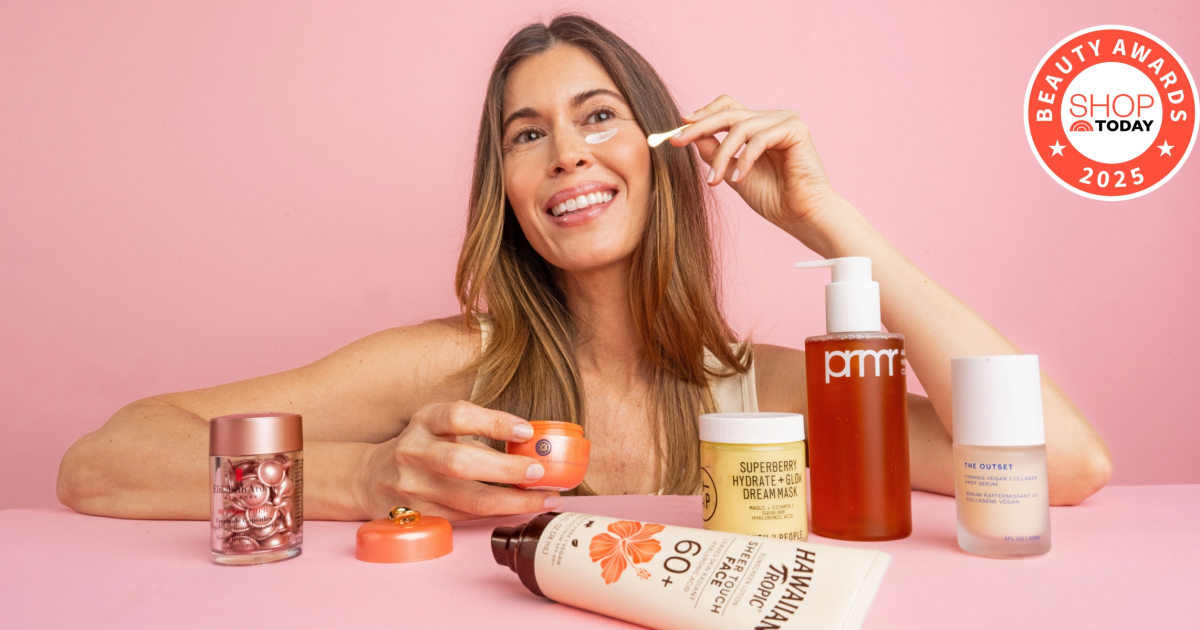

Skincare is the single most effective category of content ever invented for separating people from their money. A thirty second video, a glowing cheek, a product in frame, and a cart that somehow holds four things you were not looking for. The routines below are the ones that have dominated the app, and the useful question about each of them is not whether somebody got a good result. It is whether there is anything published behind the claim, and who the routine is actually suitable for.
So here is each viral routine, what it promises, what the evidence picture genuinely looks like, and where the irritation risk sits. Some of these have real support. Several have none at all. A couple can do damage that takes months to undo, and that risk is not evenly distributed across skin tones, which is the part the videos almost never mention.
One thing to know before the list
Inflammation leaves a different mark on deeper skin tones. When skin is irritated, whether by over-exfoliation, a stacked routine or a bad reaction, melanin-rich skin is more prone to post-inflammatory hyperpigmentation, the flat dark marks that linger long after the original irritation has settled. Those marks can take months to fade. It means the cost of getting a routine wrong is simply higher, and it is why “just push through the purge” is bad advice rather than tough love.
Slugging, or petroleum jelly overnight
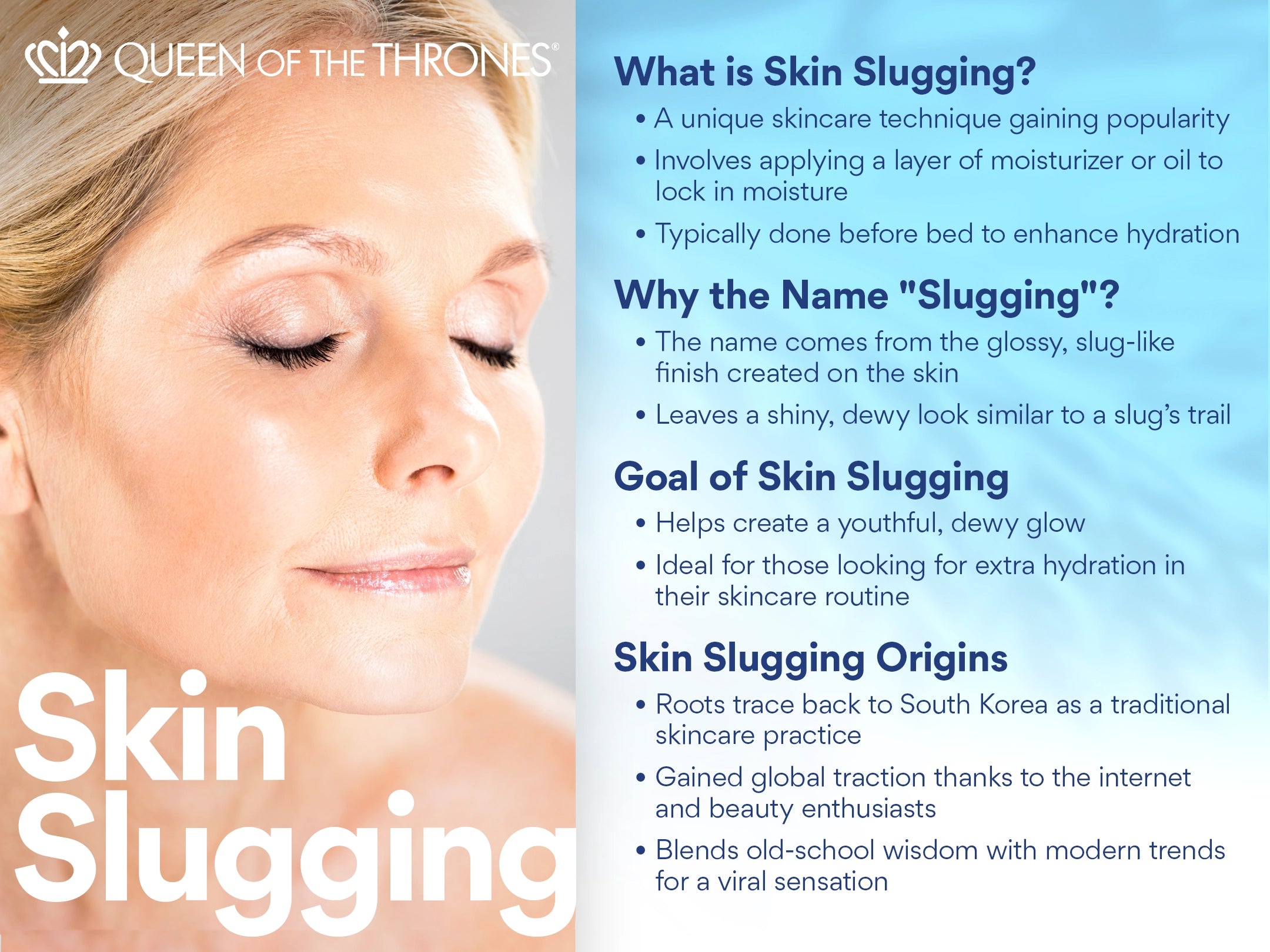
The claim: a thin layer of petroleum jelly over your moisturizer at night seals everything in and delivers glass skin by morning. The technique arrived as the final occlusive step in Korean skincare and was rediscovered and renamed online.
What holds up: the mechanism is the best established thing on this entire list. Petrolatum is a highly effective occlusive, and its ability to reduce transepidermal water loss is long documented in dermatology literature. For dry, dehydrated or compromised skin, especially in dry indoor winter air, that is a genuine benefit. It is also one of the least likely ingredients in skincare to cause an allergic reaction.
Where the risk is: occlusion is not neutral on oily or acne-prone skin. Sealing a warm, sebum-rich surface under an occlusive layer is a recognized trigger for both acne flares and Malassezia folliculitis, the itchy clusters of uniform small bumps often called fungal acne. The “works for every skin type” framing is the part that is wrong. If your T-zone is shiny by mid-afternoon on an ordinary day, the lower-risk version of this technique is the dry zones only, the under-eyes and the corners of the mouth, rather than the full face. If you get itchy clustered bumps, see a clinician rather than treating it as ordinary acne, because the treatment is different.
The minimalist routine
The claim: the anti-routine. Cleanser, moisturizer and sunscreen in the morning, cleanser and moisturizer at night, maybe one treatment a couple of nights a week. Creators argue the long multi-step routines of the late 2010s caused the barrier damage everyone is now recovering from.
What holds up: more than any other routine here. Two things in skincare have genuinely strong published evidence behind them, and both sit inside this routine. Daily broad-spectrum sunscreen has the best evidence of anything you can put on your face, for photoaging and for pigmentation as well as for skin cancer risk. Topical retinoids, prescription and over the counter, are the most studied active ingredient category in dermatology. A gentle cleanser and a moisturizer with ceramides or humectants support barrier function, which is well supported too.
Where the risk is: very little, which is the point. Retinoids cause dryness and irritation when introduced too fast, so a slow start and a couple of nights a week is sensible, and they are not used in pregnancy. Otherwise this is the routine with the strongest evidence and the lowest chance of making anything worse. It is also the cheapest, which is exactly why nobody is making viral content about it.

The seven step Korean routine
The claim: oil cleanser, water cleanser, exfoliating toner, hydrating toner, essence, ampoule, then moisturizer. A scaled-down version of the original ten step protocol, promoted for dewy, plump, lit-from-within skin.
What holds up: the individual steps are mostly reasonable. Double cleansing makes sense if you wear heavy sunscreen or long-wear makeup. Layering humectants under an occlusive is sound hydration logic. What does not have published support is the step count itself. There is no evidence base showing that seven applications outperform three well-chosen ones, and the routine has never been tested as a protocol, only assembled as a habit.
Where the risk is: the exfoliating toner. Once an acid toner shares a night with an acid essence or a retinoid, the exfoliation becomes cumulative, and cumulative exfoliation is the most common route to a stinging, flushed, compromised barrier. No single product in the stack looks aggressive. The total does. The other honest issue is adherence: a routine that takes fifteen or twenty minutes with pat-in time between layers is one most people quietly abandon, which is worth knowing before you buy seven products.
Snail mucin
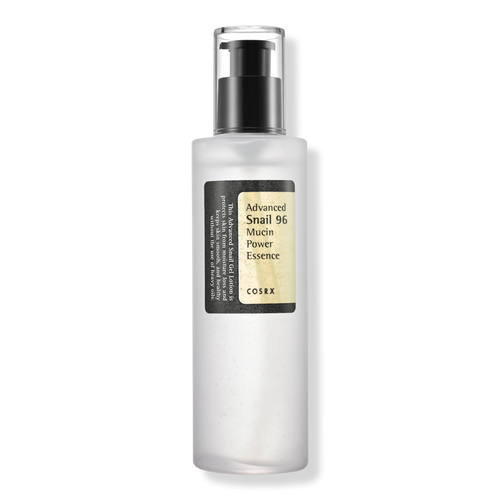
The claim: a high-percentage snail secretion filtrate essence, applied after cleansing and before moisturizer, repairs the barrier, fades hyperpigmentation and in the more excitable videos regrows skin.
What holds up: less than the hype suggests, though not nothing. The filtrate does contain glycoproteins, hyaluronic acid and allantoin, all of which are recognized hydrating and soothing ingredients, so a hydration and comfort benefit is plausible on ingredient grounds alone. There is a small body of published work on snail secretion in wound healing contexts. What does not exist is good evidence for the cosmetic claims stacked on top, particularly fading pigmentation. The available studies tend to be small, and a fair amount of the supportive material comes from parties with a commercial interest. Treat it as a pleasant hydrating essence with a thin evidence base rather than a treatment.
Where the risk is: low. It is generally well tolerated. If you have a shellfish or mollusc allergy, patch test, and anyone reacting to a new essence should stop rather than persist.
Layering four actives at once
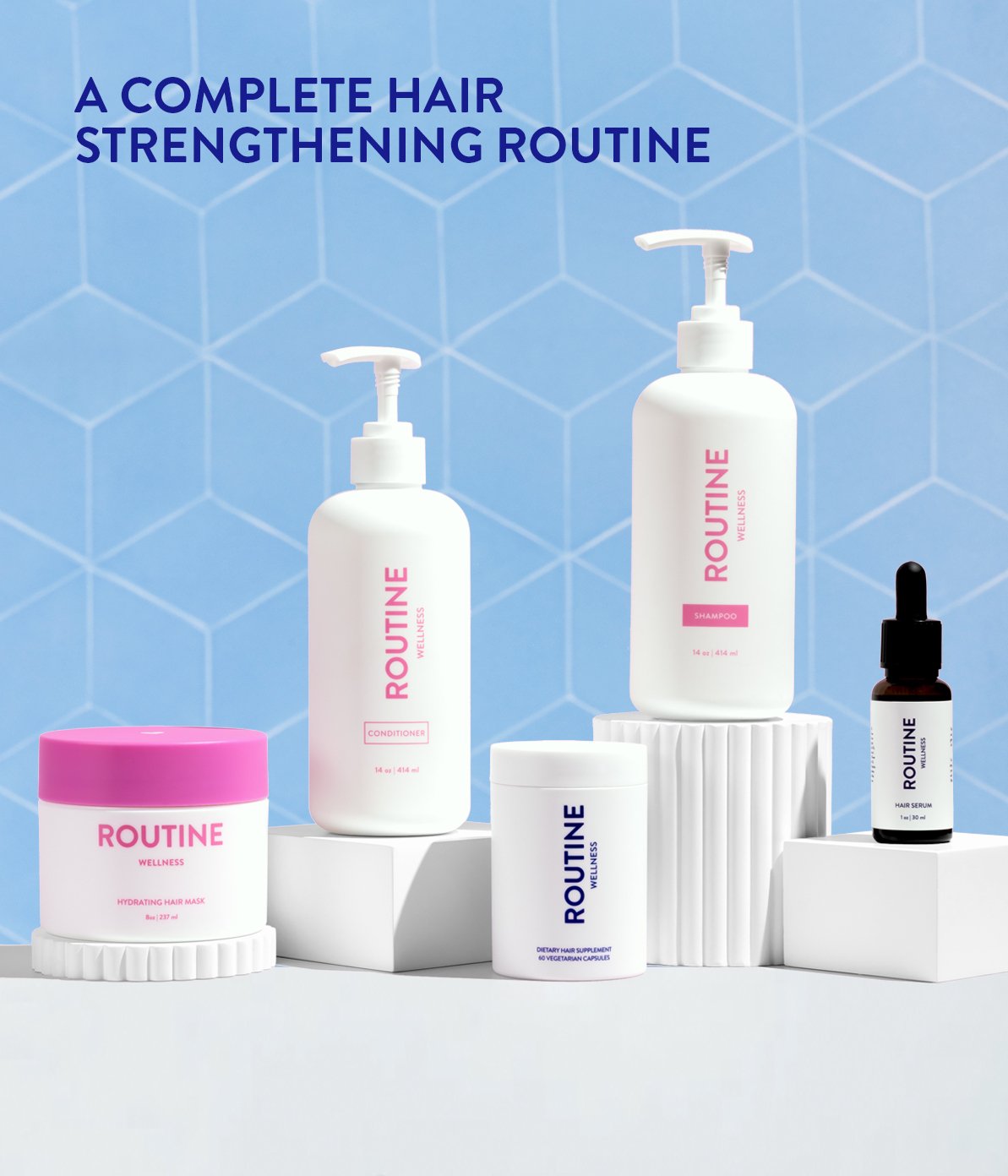
The claim: the max routine. Vitamin C and niacinamide in the morning, then at night a glycolic or salicylic toner, a retinoid, a peptide serum and sometimes azelaic acid on top. Faster results on pigmentation, texture, breakouts and fine lines all at once.
What holds up: the individual ingredients, several of which are well studied on their own. The stacking is the problem, and there is no evidence that running four actives together produces faster results than running one properly. What is well documented is the opposite: irritant contact dermatitis and impaired barrier function from overlapping actives, which is one of the more common reasons people end up in a dermatologist’s office.
Where the risk is: this is the highest-risk routine on the list, and it is worth being blunt. A compromised barrier shows up as moisturizer stinging on application, a flush that does not settle, tightness and peeling. Recovery takes weeks rather than days. On melanin-rich skin, the inflammation can then leave post-inflammatory hyperpigmentation that outlasts the original concern by months, so you can finish the routine with more of the thing you were trying to treat. The same logic applies to the DIY abrasive trends that circulate alongside it, the baking soda scrubs and lemon juice and sugar rubs, none of which have any support and all of which risk the same damage. One active at a time, introduced slowly, on a calm barrier.
Beef tallow as a moisturizer
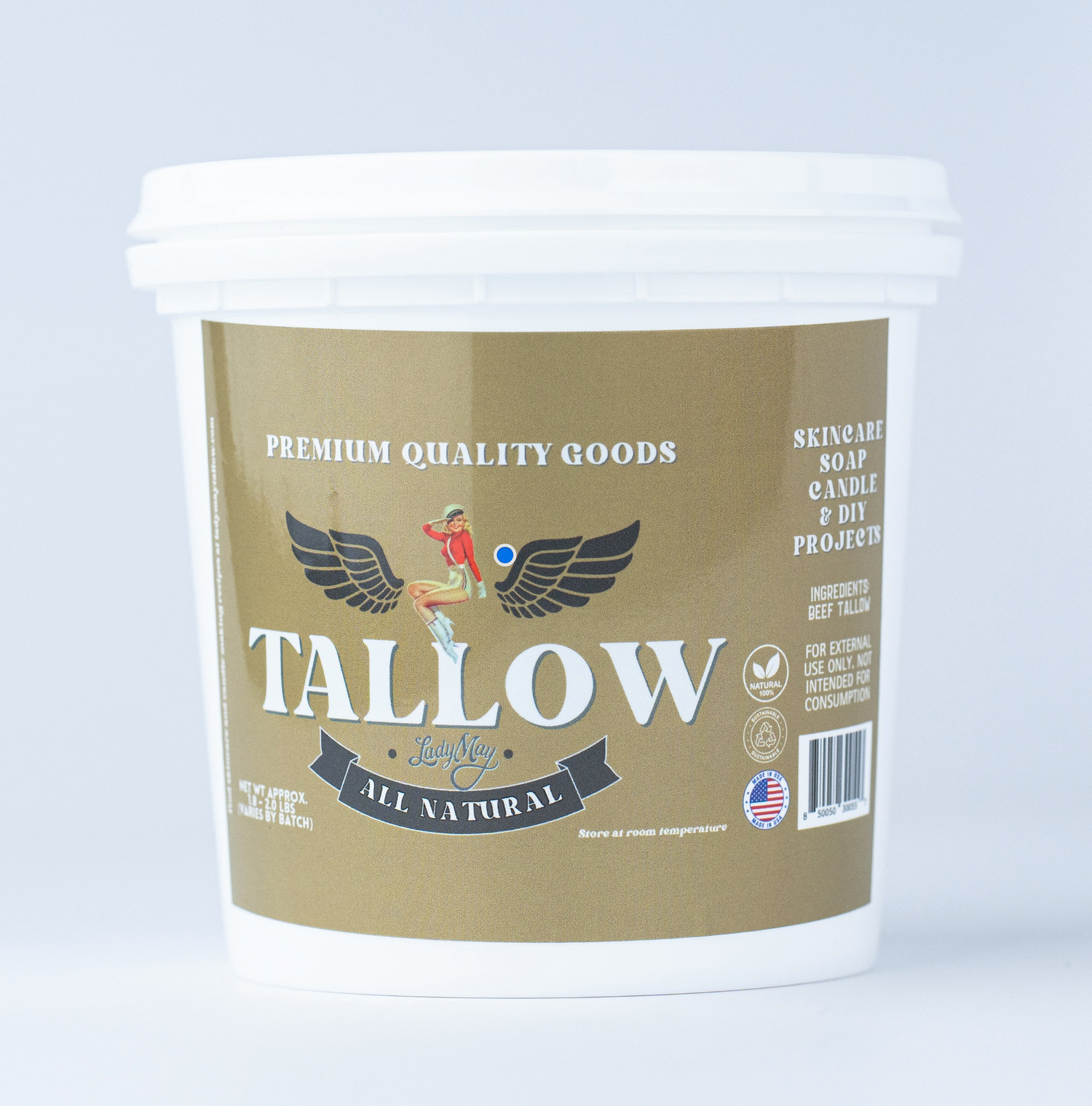
The claim: the ancestral skincare wave. Rendered grass-fed beef tallow applied as a single moisturizer, promoted as the most bio-identical lipid for human skin and credited with clearing acne, eczema and fine lines.
What holds up: essentially nothing. There is no meaningful published evidence for tallow on the face, and the bio-identical framing does not survive contact with the chemistry. Human sebum and beef fat have different fatty acid profiles, and the claim rests on the word “natural” doing the work that data normally would. It is an emollient, so skin may feel softer, which is not the same as the benefits being claimed.
Where the risk is: tallow is heavy in oleic acid, which is associated with comedogenicity and with disrupting the skin barrier in some research, a poor match for acne-prone or combination skin. Add that unregulated small-batch products vary in what is actually in the jar, and the risk-to-evidence ratio is bad. On skin prone to post-inflammatory hyperpigmentation, a breakout triggered this way can leave marks for months. There is no upside here that a well-formulated moisturizer does not deliver more safely.
Skin cycling
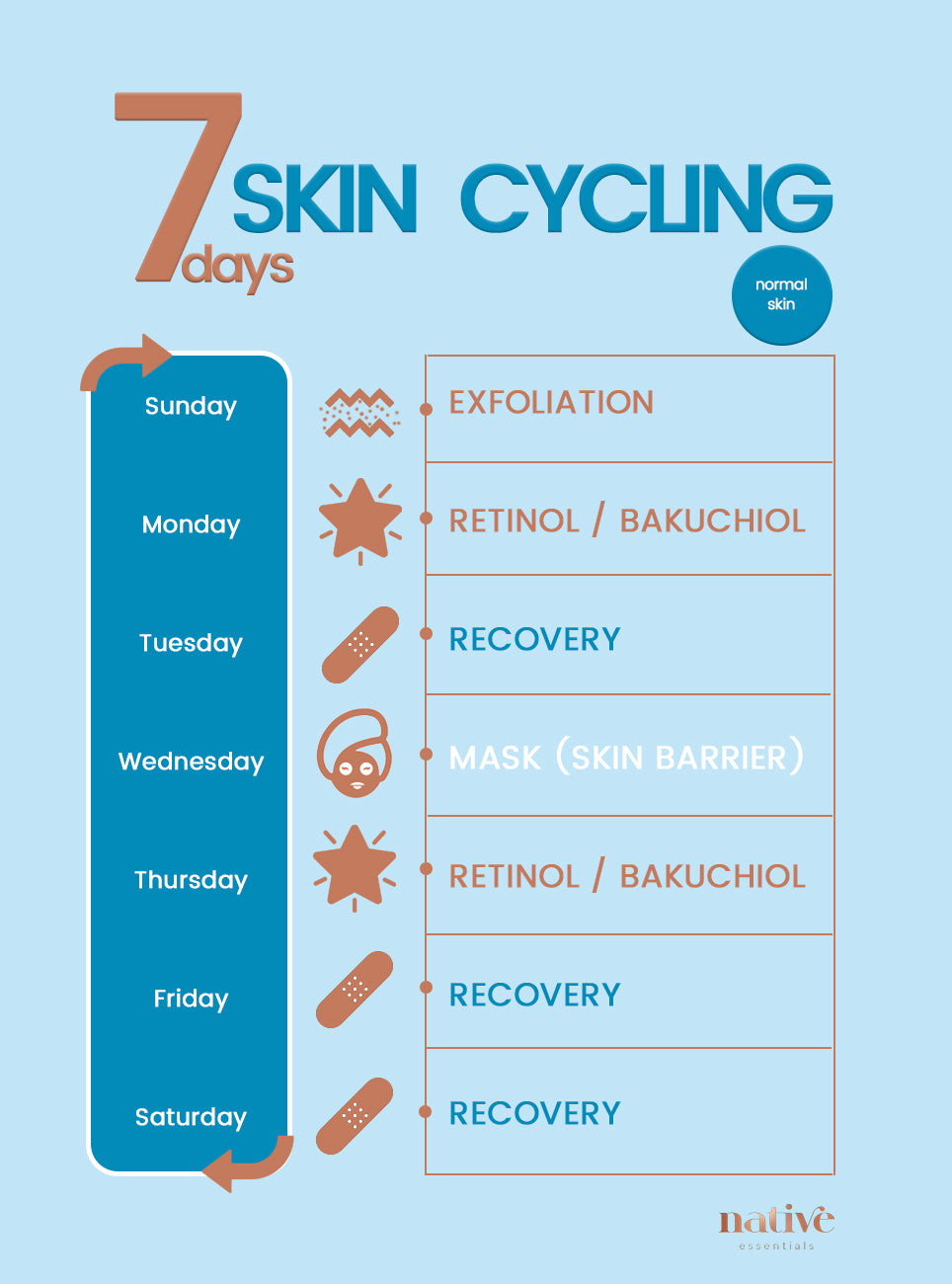
The claim: a four night rotation. Night one exfoliation, night two a retinoid, nights three and four recovery with hydrators and a barrier moisturizer, then repeat. The approach was coined by dermatologist Dr. Whitney Bowe and spread widely through dermatology creators.
What holds up: the reasoning rather than the brand. The protocol itself has not been validated in published trials, so nobody should sell it to you as clinically proven. What it does is build in recovery nights and stop actives from overlapping, and that is consistent with how irritation is understood to accumulate. Of the multi-step routines circulating online, it is the one whose structure works with barrier tolerance instead of against it.
Where the risk is: modest, and mostly in the exfoliation night. A gentler acid is the sensible starting point, and for skin prone to pigmentation marks, mandelic acid is often preferred over glycolic because the molecule is larger and penetrates more slowly. Recovery nights are the mechanism, not the filler, so skipping them removes the thing that makes the rotation safer. Build up slowly, and if two weeks in your moisturizer stings, the rotation is still too much for now.
The ten step glass skin routine
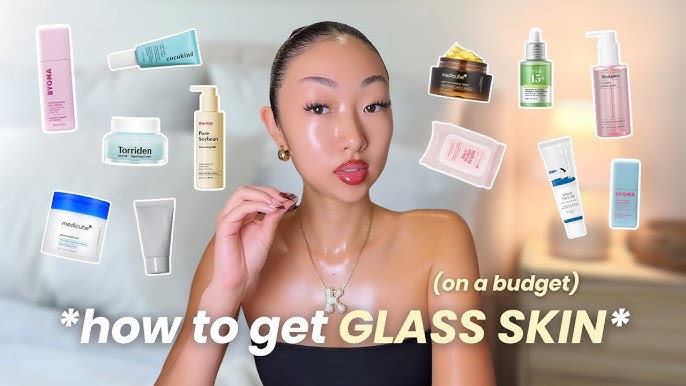
The claim: the full stack. Oil cleanser, water cleanser, exfoliator twice a week, toner, essence, ampoule, serum, sheet mask, eye cream, moisturizer and a sleeping pack, for a mirror-clear complexion within a month.
What holds up: the same answer as the seven step version. Several steps are individually defensible, and the hydration layering logic is real. The step count has no evidence behind it, and the four week promise has none either. Glass skin as it appears on camera also owes a great deal to lighting, makeup and filters, which is not a small caveat when the whole appeal is visual.
Where the risk is: cumulative occlusion and cumulative exfoliation again. Sleeping under many product layers is a recognized route to congestion and small whiteheads on oilier skin, and in a humid climate that risk rises. This is a routine suited to dry or normal, lower-sebum skin in a dry climate, in the same way that slugging is. It is also by far the most expensive option here, and cost scales with the number of bottles rather than with the result.
How to read a skincare video

The useful filter is not credentials alone, because plenty of qualified people make simplified content for a general audience that is not calibrated for you. The filter is specificity. Advice worth your attention names the skin type it is for, says something about climate or season, acknowledges what else you might already be using, and states the contraindications. Advice that explains a mechanism is more trustworthy than advice that only shows a result.
The reliable warning signs run the other way. “Works for every skin type” is the biggest giveaway on the app, because almost nothing does. A routine that requires buying a full stack from one brand is a sales funnel. Before-and-after images shot under different light are not evidence. Anyone telling you to push through weeks of stinging is giving advice that can cost you months of pigmentation. And if a video does not mention how the routine behaves on deeper skin tones while claiming it suits everyone, it has not thought about half its audience.
Where this actually leaves you

Lined up against the published evidence, the ranking of these routines is almost the reverse of their ranking by views. The boring one, a gentle cleanser, a moisturizer that supports the barrier, daily sunscreen and a retinoid introduced slowly, is the one with real backing. The structured rotation is the sensible way to add actives without stacking them. Snail mucin is a pleasant hydrator oversold as a treatment. The high-step routines are unevidenced rather than dangerous, and expensive. Stacked actives and beef tallow are the two that can genuinely set you back.
Viral skincare is rarely an outright lie. Most of it worked for a specific person with a specific skin type in a specific climate with a specific routine history, and the lie is the universalism bolted on afterwards. If you want one practical move out of all this: build the boring routine, give it a couple of months, and only then add a single active, slowly, one at a time. If you are dealing with persistent acne, pigmentation you want treated properly or a barrier that will not settle, that is a dermatologist’s job rather than an algorithm’s, and the appointment will cost less than the cart.
A note on health information. This article is general information and not medical advice. It is not written by a clinician and it cannot account for your own history, medications or circumstances. Please speak to a qualified healthcare professional before starting, stopping or changing any treatment, medication or supplement, and seek professional support if anything here raises a concern about your own health.