


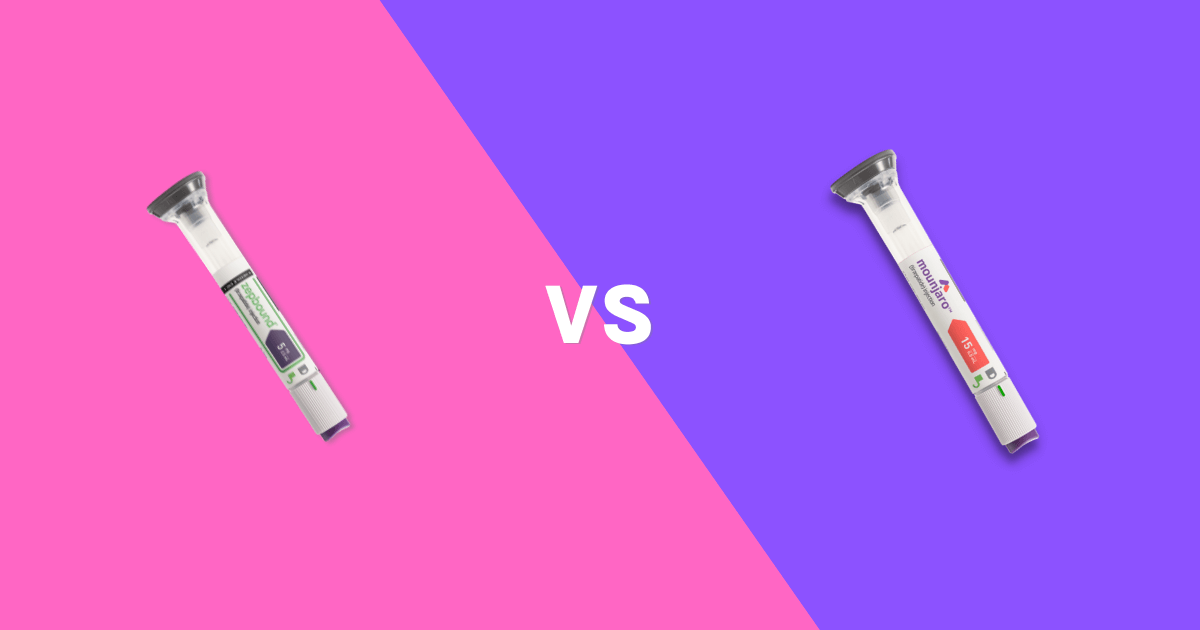
After three years of reading GLP-1 literature, talking to friends on these drugs, and watching the conversation around them turn into a marketing circus, the most useful thing I can do is set the comparison out plainly. Ozempic and Mounjaro are both FDA-approved injectable medications for type 2 diabetes, and that is the lane this piece stays in. I am not your doctor. I am not a doctor at all. I am a wellness writer who has watched four women in my life try to make this decision while their endocrinologists were running 15 minute appointments, and I have read enough prescribing information to lay the comparison out in a way that does not require a pharmacology degree. The goal is not to pick a winner for you. It is to help you walk into the appointment with the right questions.
Both drugs sit inside a class of medications that has changed how type 2 diabetes is treated over the last decade. Ozempic, made by Novo Nordisk, contains semaglutide and was approved by the FDA in 2017. Mounjaro, made by Eli Lilly, contains tirzepatide and was approved in 2022. They are both weekly injections. They both lower blood sugar. They both tend to reduce appetite as a side effect, which is the part of the story that pulled them onto magazine covers. But they are not the same drug, they do not work through identical mechanisms, and the side effect profiles, the cost picture, and the long-term data are different enough that the choice between them actually matters.
Quick verdict if you have 30 seconds
For type 2 diabetes specifically, Mounjaro (tirzepatide) shows somewhat stronger A1C reduction and weight loss in the head-to-head trial that compared the two, but it is the newer drug with less long-term safety data. Ozempic (semaglutide) has more years of real-world use behind it, a broader prescribing history, and the cardiovascular outcomes data that made it a default in many endocrinology practices. The right pick depends on your A1C target, your insurance coverage, your tolerance for gastrointestinal side effects, and your doctor’s read on your full health picture. Talk to your endocrinologist. Do not order either of these from an internet pharmacy that is not legitimate.
What these drugs are and how they actually work
Ozempic is semaglutide, a GLP-1 receptor agonist. GLP-1 is a hormone your gut releases after a meal, and it does several things - it tells your pancreas to release insulin, it slows down how fast food moves out of your stomach, and it signals fullness to your brain. Semaglutide is a synthetic version of that hormone that lasts long enough to be injected once a week. For someone with type 2 diabetes, the net effect is lower blood sugar after meals, more stable fasting glucose, and often a reduction in appetite that leads to some weight loss as a secondary benefit.
Mounjaro is tirzepatide, which targets the same GLP-1 receptor but also activates a second receptor called GIP. GIP is another gut hormone that plays a role in insulin secretion and fat metabolism. The dual-action design is the whole pitch behind Mounjaro - by hitting two receptors instead of one, it appears to produce a bigger drop in blood sugar and body weight in clinical trials than GLP-1-only drugs. Both drugs are administered through a pen injector, once a week, with dose escalation over several months to let the body adjust.
Worth naming the obvious: both have also been pulled into the weight-loss conversation through their sister formulations - Wegovy is semaglutide marketed for weight loss, Zepbound is tirzepatide marketed for weight loss. This piece is about the diabetes versions specifically. If you are interested in either drug for weight management without type 2 diabetes, that is a separate conversation with a separate prescriber pathway.
Side-by-side comparison
| Feature | Ozempic (semaglutide) | Mounjaro (tirzepatide) |
|---|---|---|
| Manufacturer | Novo Nordisk | Eli Lilly |
| FDA approval for type 2 diabetes | 2017 | 2022 |
| Drug class | GLP-1 receptor agonist | Dual GIP/GLP-1 receptor agonist |
| Administration | Once-weekly subcutaneous injection | Once-weekly subcutaneous injection |
| Typical dose range | 0.25 mg to 2 mg weekly | 2.5 mg to 15 mg weekly |
| Typical A1C reduction in trials | Around 1.5 to 1.8 percentage points | Around 1.9 to 2.4 percentage points |
| Cardiovascular outcomes data | Yes, established in SUSTAIN-6 trial | Trial ongoing as of 2026 |
| List price without insurance | Around $1,000 per month | Around $1,000 to $1,100 per month |
Ozempic: the one with the longer track record
Ozempic has been in widespread use for type 2 diabetes since 2017, which means nearly a decade of real-world prescribing data, post-marketing safety surveillance, and outcomes research back it up. For an endocrinologist deciding what to start a newly diagnosed patient on, that history matters. It is the more conservative pick in the sense that fewer surprises tend to show up after a drug has been in the population at scale for years.
The cardiovascular data is one of the strongest pieces of the Ozempic case. The SUSTAIN-6 trial showed that semaglutide reduced the risk of major cardiovascular events in adults with type 2 diabetes who had cardiovascular disease or were at high risk for it. That kind of outcomes data, not just blood sugar numbers but actual heart attack and stroke reduction, is part of why semaglutide became a default in many practices. If you have type 2 diabetes plus existing heart disease, this is a factor your doctor will weigh.
A1C reduction in the trials sits in the range of 1.5 to 1.8 percentage points depending on dose. Weight loss as a secondary benefit averages somewhere in the 10 to 15 pound range over roughly a year of use, with wide individual variation. The most common side effects are gastrointestinal - nausea, occasional vomiting, constipation, diarrhea - and they are most pronounced during the dose escalation phase. Most people who tolerate the drug long-term find the GI side effects fade after the first two to three months.
The real-world downside that does not show up in trial data: shortages. Because of off-label weight-loss demand, semaglutide supply has been intermittently constrained, which means even diabetic patients have sometimes had trouble filling prescriptions. Ask your pharmacy about current availability before you commit to a plan. For broader context on adjusting to a chronic diagnosis, Lori Gottlieb’s Maybe You Should Talk to Someone is the book I keep recommending to women navigating new medical news.
Mounjaro: the newer drug with stronger trial numbers

Mounjaro entered the market in 2022 with clinical trial data that turned heads. The SURPASS series of trials showed A1C reductions in the 1.9 to 2.4 percentage point range depending on dose, which is meaningfully larger than what GLP-1-only drugs had been delivering. The weight loss numbers were also larger, with patients on the higher doses losing 15 to 20 percent of starting body weight in some studies. For someone with high A1C numbers that have not come down with metformin and lifestyle changes alone, the bigger reduction can be the difference between staying on oral medications and adding insulin.
The mechanism is the part that makes researchers cautiously optimistic. GIP activation, in combination with GLP-1 activation, appears to produce metabolic effects that GLP-1 alone does not. Research is underway looking at whether tirzepatide may have benefits for sleep apnea, fatty liver disease, and cardiovascular outcomes in non-diabetic populations, but as of 2026 the cardiovascular outcomes trial in diabetic patients is still ongoing. That is the asterisk - we do not yet have the same heart-attack-and-stroke reduction evidence for Mounjaro that we have for Ozempic.
Side effects look broadly similar to Ozempic, with some patients reporting more pronounced GI symptoms during dose escalation. The dosing schedule starts at 2.5 mg and can be titrated up to 15 mg over months, with increases happening no more often than every four weeks to allow the body to adjust. The titration is not a small consideration - moving from 2.5 mg to 15 mg is a six-month-plus process for most people who reach the top dose. Cost runs roughly $1,000 a month at list price, with actual out-of-pocket depending on insurance, manufacturer savings card eligibility, and whether your plan has tirzepatide on its type 2 diabetes formulary. If you want a journal to track dosing, meals, blood sugar, and side effects week to week, a basic dot-grid notebook from a brand like Leuchtturm1917 is what my therapist friend recommends for this kind of self-tracking.
Where they overlap and where they differ
Both drugs are weekly pen injections, both work through gut-hormone signaling, both reduce blood sugar, both tend to reduce appetite, and both carry warnings about pancreatitis, gallbladder problems, and a boxed warning related to thyroid C-cell tumors based on rodent studies. Both require dose escalation over months. Both produce GI side effects, especially in the first weeks. Both are expensive without insurance. Both have been targets of supply shortages because of off-label weight-loss demand. The overlap is substantial.
Where they differ comes down to four things. First, the magnitude of the effect - Mounjaro produces larger reductions in both A1C and body weight in head-to-head comparisons, with SURPASS-2 showing tirzepatide outperforming semaglutide on both measures. Second, years of safety data - Ozempic has more, full stop. Third, cardiovascular outcomes evidence - established for semaglutide, still being researched for tirzepatide. Fourth, the insurance and access landscape - which one your plan covers can be the deciding factor regardless of clinical merits, and that is worth checking before you and your doctor settle on a plan.
Which one for which person
If your A1C is moderately high (in the 7 to 8.5 range) and you have existing cardiovascular disease or risk factors, Ozempic is the option with the cardiovascular outcomes data behind it. For someone with a relatively simple type 2 diabetes picture and an endocrinologist who wants to start with the more conservatively-evidenced option, this is the path many practices default to.
If your A1C is significantly high (above 8.5) and you have not gotten the reduction you need from metformin, lifestyle, or a previous GLP-1, Mounjaro’s larger A1C-lowering effect is the case for trying it. If your doctor’s read is that you need a bigger drop to get to target and avoid moving to insulin, the stronger trial data on tirzepatide is the argument for the newer drug.
If insurance is the practical constraint - and for most people it is - check your formulary first. Some plans cover one and not the other, some require step therapy through metformin and a sulfonylurea first, some have prior authorization requirements that take weeks to clear. The Eli Lilly and Novo Nordisk savings programs each cover commercially-insured patients under specific conditions, and your endocrinologist’s office often has the most current information. For tracking appointments, glucose readings, and questions for your next visit, a dedicated medical journal like a health tracking notebook is genuinely useful, especially for the first six months when you are learning your body’s response.
If you are weighing either drug primarily for weight loss without type 2 diabetes, the right conversation is about Wegovy or Zepbound with a doctor who specializes in obesity medicine, not Ozempic or Mounjaro off-label. The dosing, the insurance coverage, and the prescribing pathway are different.
Frequently asked questions
How long does it take to see results from either drug?
Blood sugar improvements often start within the first two to four weeks at the starting dose, though full A1C reduction takes about three months to show up on a lab draw. Weight changes typically begin within the first month or two and continue gradually over a year, with most of the loss in the first six to nine months. These drugs work on a slow curve, not a dramatic week-over-week one.
What happens if you stop taking them?
Blood sugar typically rises back toward pre-treatment levels, and weight that was lost during treatment often comes back over the following year for many patients. These are treatments meant for long-term management of a chronic condition. Talk to your doctor before stopping for any reason other than a medical emergency.
Are the side effects actually as bad as the headlines suggest?
The most common side effects (nausea, occasional vomiting, constipation, diarrhea) affect a significant minority of users, are most pronounced during dose escalation, and tend to improve over the first two to three months. Serious side effects (pancreatitis, gallbladder issues, severe GI symptoms requiring hospitalization) are uncommon but real. Both drugs are contraindicated for people with a personal or family history of medullary thyroid carcinoma.
Can you switch from Ozempic to Mounjaro or vice versa?
Yes, with a doctor’s guidance. The transition is usually handled by stopping one drug and starting the other at the lowest dose, then titrating up over weeks or months. Some patients switch because of side effects, some because of insurance changes, some because A1C is not responding on the first drug. It is not a decision to make on your own based on a TikTok video.
Final pick
I am not picking a winner here in the way I would for shapewear or skincare, because this is a prescription medication for a chronic disease and the right pick depends on your specific picture in a way a single recommendation cannot capture. What I will say: if I were sitting with a friend asking me which one to ask her endocrinologist about first, my read of the evidence as of 2026 is that Ozempic is the safer default for someone with a longer time horizon and moderate A1C, and Mounjaro is the stronger option for someone with high A1C who needs a bigger reduction and whose insurance covers it. Either one is a real conversation worth having with a doctor who knows your full health picture. Bring the trial data, bring your A1C history, bring your insurance card, and bring the questions you actually have. This isn’t going to fix you, but it might help on a Tuesday. For the journal to take to the appointment, something simple and durable is all you need.