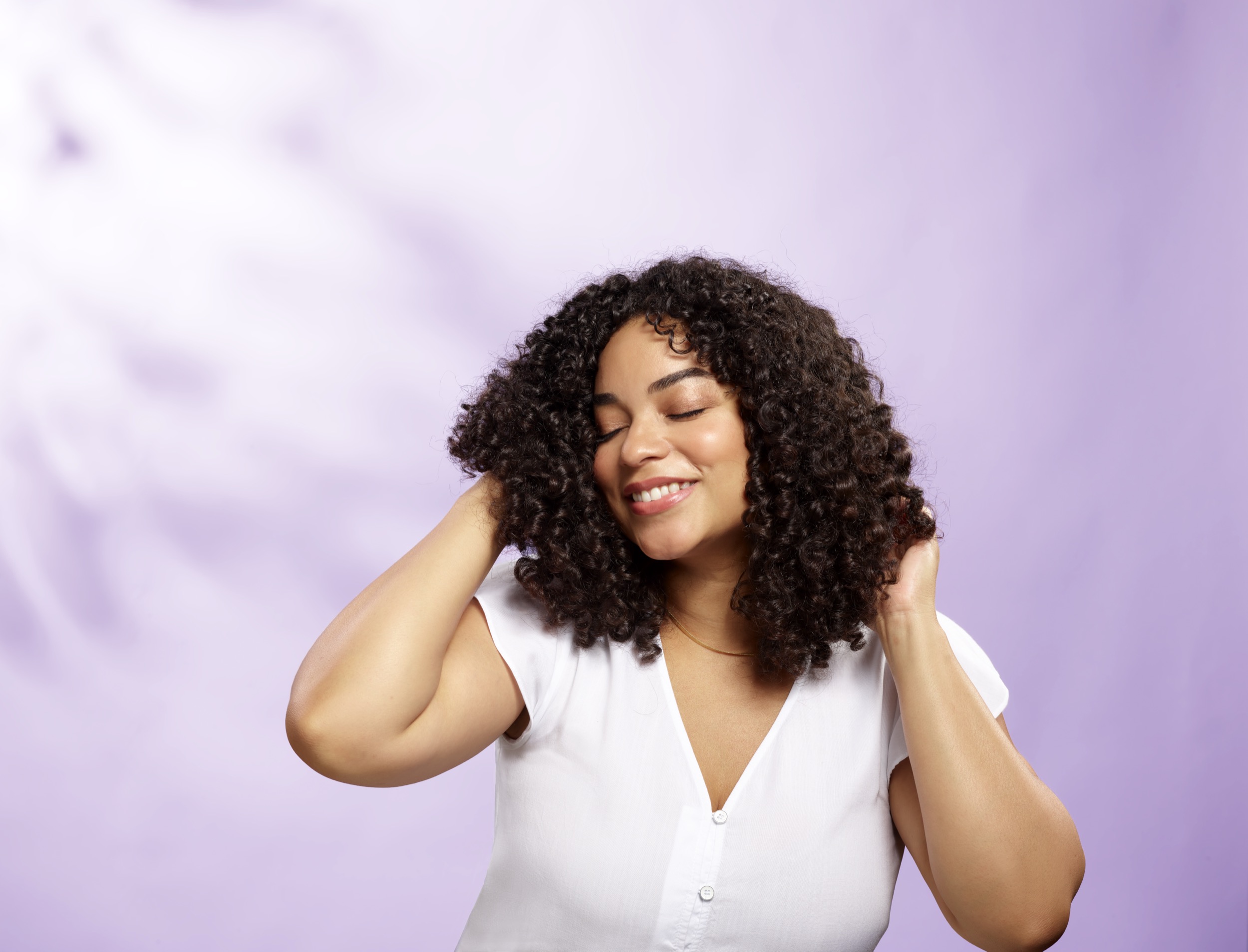
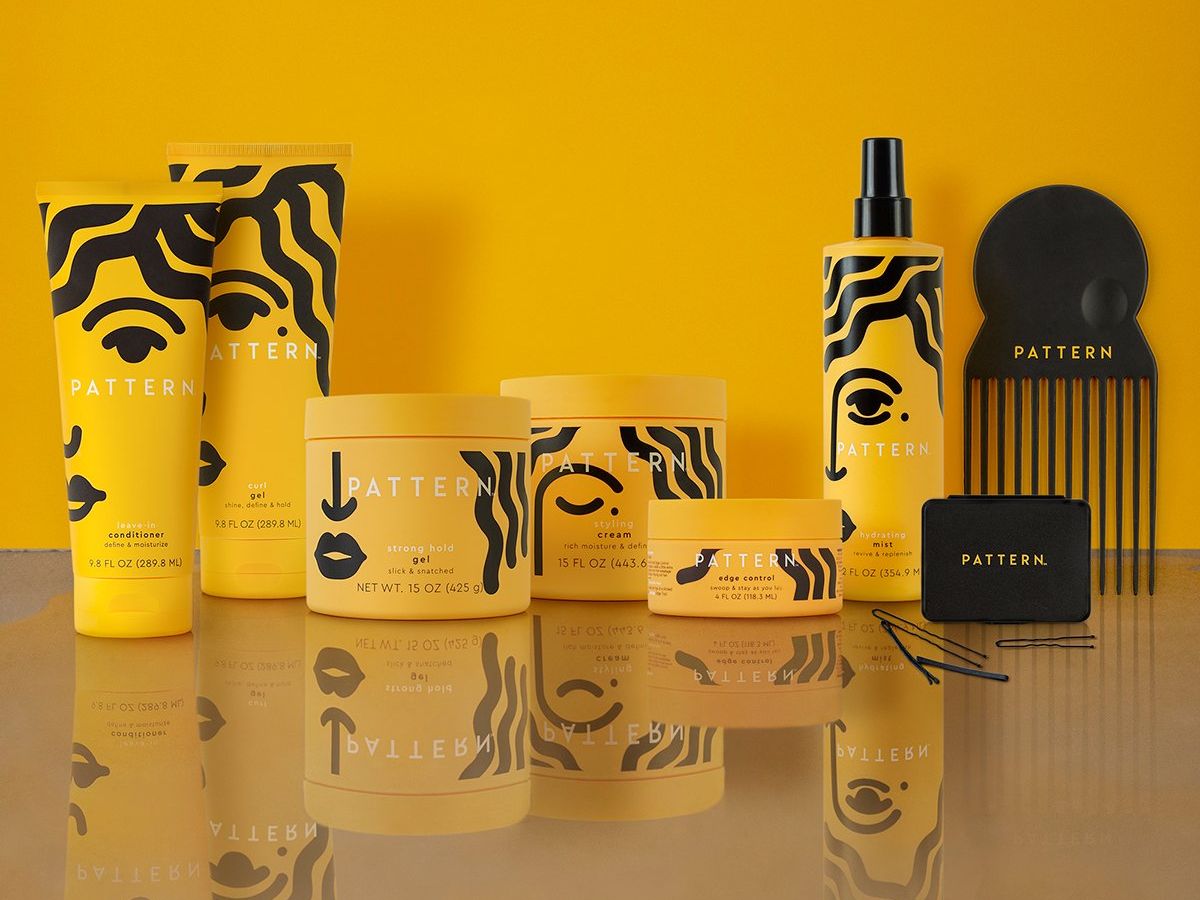
Pattern Beauty occupies a full center-shelf endcap at Ulta in 2026, and that placement is the part of the story the beauty trades stopped paying attention to. The shelf real estate is no longer the news. The news, seven years after launch, is that Pattern is now the brand cited in every conference panel on inclusive product development, in every business-school case write-up on celebrity-founded beauty, and in every PR pitch from a competitor trying to convince an editor their new line is “doing what Pattern did, but for skin.” That second sentence is usually a tell. What Pattern did is harder to copy than the pitch decks suggest.
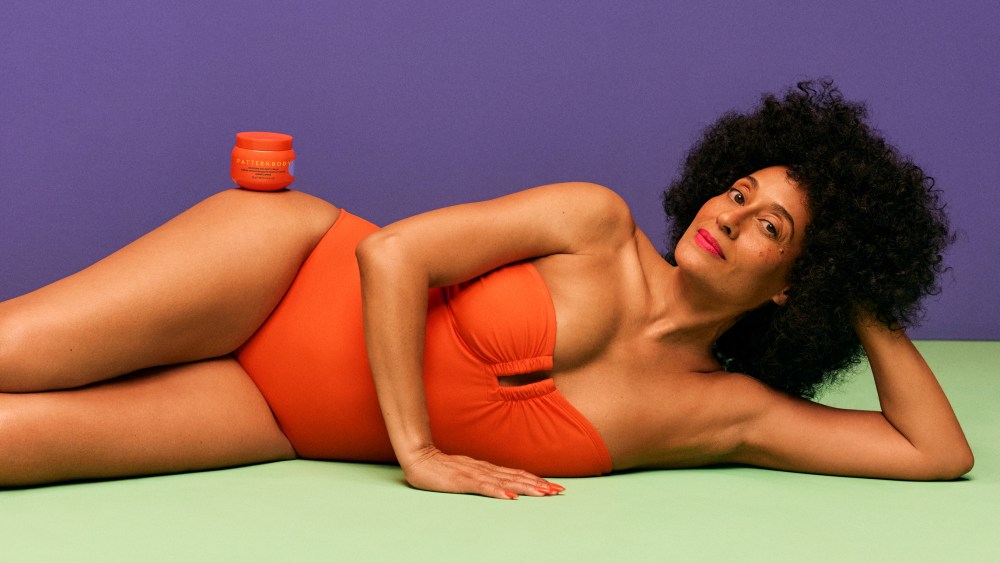
This is not a hair-care review. This is a fashion-side read on why Pattern Beauty has held up as a case study and why most of the celebrity-founded brands that came after it have not. Tracee Ellis Ross is a fashion fixture - Karla Welch has dressed her in Christopher John Rogers, Sergio Hudson, and Aliétte across the last three award seasons, and Ross has spent twenty years using press tours to talk about under-served product categories before she launched into one. Pattern is what happens when a founder with that level of industry literacy decides to ship rather than license. The result is worth tracking even if you have never bought a curl cream.
The founder profile that made the brand legible
Tracee Ellis Ross spent over a decade publicly searching for the right products for her hair before Pattern existed. Pull any Allure or Vogue cover story she did between 2010 and 2018 and the curl conversation is in there, usually unprompted, often the part that ran on the magazine’s social feed because it was the most quotable section. The pattern (no pun) was consistent: a Black woman with a Hollywood career and access to every stylist in the industry, who still could not find a brand whose entire line was designed for her hair from the formulation stage rather than as an afterthought sub-collection bolted on to an existing range.
In a 2019 Allure interview right before launch, Ross said Pattern had taken her nine years from idea to shelf. Nine years is conspicuously long for a celebrity beauty launch. The industry standard is twelve to eighteen months from announcement to retail, often with a contract manufacturer licensing the celebrity’s likeness onto an existing white-label formula. Ross instead spent that decade co-developing the formulations with chemists who specialized in textured-hair chemistry. The fashion press did not always know what to do with the timeline because most beauty launches it had covered were marketing-led. Pattern was formulation-led, which made it harder to slot into the usual celebrity-line write-up and easier to take seriously once the product was in market.
She launched at Ulta in September 2019. The Ulta partnership is the boring-but-load-bearing part of the origin story. Ulta agreed to display Pattern in the textured-hair section across the chain at launch, not in an aisle endcap and not as a celebrity gondola. Most Black-founded hair brands historically launched at smaller chains or with patchy department-store placement and struggled for shelf space for years. Pattern starting at full Ulta distribution is the structural decision that compressed what should have been a five-year market-presence build into eighteen months.
What the brand actually sells
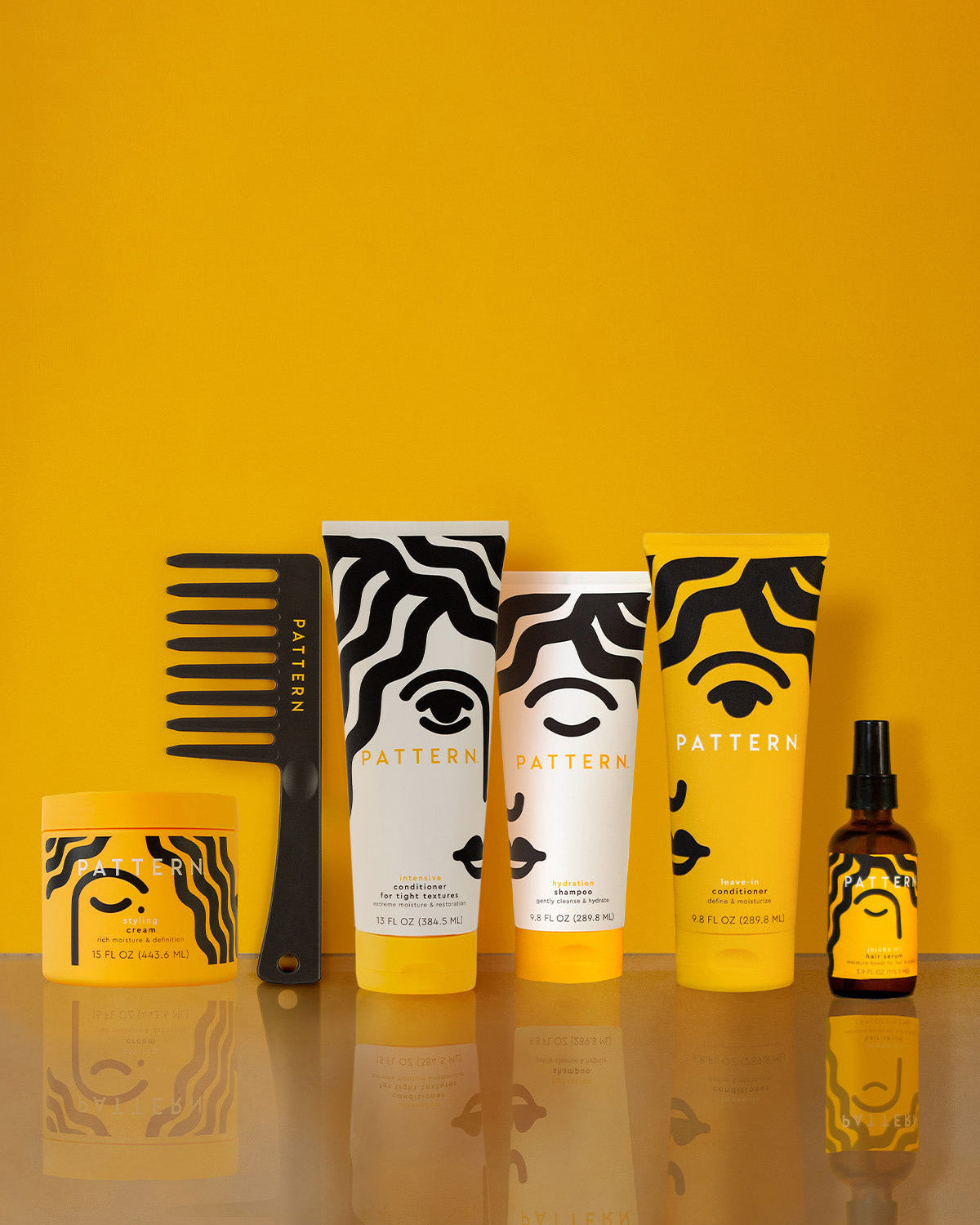
Pattern makes hair care and tools for Type 3 and Type 4 curl patterns - loose ringlets through tight coils. The line spans the full routine: pre-cleanse oils, cleansers, conditioners, leave-ins, stylers, treatment masks, refresh sprays, and tools including the Shower Brush and the microfiber Curl Cloths. There are now more than thirty SKUs in the lineup, organized as a system rather than as a scattered set of celebrity-PR launches.
The brand’s structural choices are the part the rest of the industry kept studying. Products come in Regular and Heavy sizes, with Heavy formulated for thicker, denser, or more porous hair. That is a lineup choice nearly every adjacent textured-hair brand had skipped. The price tier sits in the mid-premium band - roughly $20 to $28 for most core products, $40 to $60 for tools - which puts Pattern between drugstore lines like Cantu and the prestige tier represented by Briogeo or Olaplex. Distribution today: Ulta nationwide since launch, Sephora since 2024, and pattern.com direct. Not at Walmart and not at mass-grocery, which has held the positioning at a deliberate premium rather than racing to the bottom of the price ladder for short-term volume.
The packaging design is also a fashion-relevant detail. The orange-and-white identity reads as a brand block on a crowded shelf at a distance no other textured-hair line has managed. The bottle silhouettes are consistent across the range, which means the line photographs as a system in editorial spreads and on the shelf. Compare that to most natural-hair lines built incrementally over a decade, where every sub-collection has its own bottle shape and the shelf reads as visual noise.
Where the brand gets it right
The first thing Pattern got right is the foundational formulation discipline. The cleansers actually clean without stripping. The conditioners deliver real slip on Type 4 hair without coating low-porosity strands into limpness. The leave-ins layer under styling cream without piling. Those three tests are where most natural-hair brands fail, and Pattern passes all three across the core lineup. I do not write hair reviews for CGJ - that is Brielle’s beat - but I know enough about the category from a decade in fashion-editor circles to know that consistent formulation across thirty SKUs is the part nobody copies easily.
The second is the tools. The Pattern Shower Brush became a cult item for legitimate reasons. The bristle spacing is wide enough to detangle Type 4 hair under conditioner without snapping strands, and Ross walked through the design rationale in launch interviews in a way that made it clear the tool was engineered against a user need rather than designed as a marketing accessory. That distinction is something the fashion industry recognizes immediately - it is the difference between a designer who sketches a piece and then engineers it to fit a real body, versus a designer who sketches a piece and then asks a contract pattern-maker to size it up cold.
The third is the discipline around product launches. Pattern has shipped roughly five to seven new SKUs per year over the seven-year run, each addressing a documented gap. The 2022 styling cream extension, the 2023 protein treatment, the 2024 heat protectant. None of these were trend-of-the-moment ingredient launches. Compare that cadence to celebrity beauty lines that drop quarterly to feed the press cycle. Pattern’s release calendar reads more like a Christopher John Rogers collection schedule than a celebrity launch calendar, and the audience has rewarded the restraint.
The fourth is the way the brand has used Ross without becoming the Tracee Ellis Ross show. She is centered in marketing, but the brand can run a product campaign without her in every frame. That balance is rare in celebrity beauty. Most lines that depend entirely on the founder’s continued visibility age badly the first time the founder takes a year off. Pattern has built enough product credibility that it can carry campaigns on its own.
Where there is room
Honest critique, because the brand is past the stage where it deserves protection from one.
The price ceiling is real. The Heavy Conditioner at $24 for under eight ounces is not the cheapest option, and the value per ounce is not the strongest in the category. Cantu’s Sulfate-Free Cleansing Cream does a related job for closer to $7. The Pattern formulation is genuinely better, but “better at three times the price” is a math each shopper has to run for themselves, and the fashion-industry framing that pretends mid-premium pricing is neutral does not survive a tighter household budget.
The packaging is not above critique either. The pump-top conditioners can clog as the bottle approaches empty, leaving roughly an ounce of unusable product. The complaint shows up consistently in reviews and Pattern has not redesigned. For a premium-priced line that has otherwise been careful about design, the package-failure problem is a fixable annoyance that has been sitting unfixed for years.
The Sephora distribution that opened in 2024 has been uneven. Some Sephora locations stock only a partial line, and the in-store consultants are sometimes less trained on textured-hair routines than the Ulta team. If you can choose, the Ulta shopping experience is more reliable, which is an awkward thing to say about a brand that just expanded its prestige distribution.
And the line still skews toward Types 3A through 4B more cleanly than 4C. Pattern’s Heavy formulations solve the density problem for some 4C shoppers and not all. A dedicated Extra Heavy sub-line, or a 4C-specific tier, is the obvious gap and the brand has not filled it.
How Pattern reshaped the inclusive-beauty conversation
The reason Pattern matters outside the textured-hair aisle is that it changed what fashion and beauty editors mean when they say “inclusive launch.” Before Pattern, inclusive often meant a thirty-shade foundation range bolted onto an existing complexion line - the Fenty Beauty bar, which Rihanna had set in 2017 and which the rest of the industry had been trying to clear ever since. Pattern raised a different bar. Not “we made enough shades for everyone to find one,” but “the entire line was formulated from scratch with the under-served customer as the central user.” That reframing is what made the case study get cited.
The fashion industry adjacent to beauty noticed for a related reason. Universal Standard had been making the same argument in apparel since 2015 - that a brand built from sizes 00 to 40 by default reads differently to the customer than a brand that adds an “extended” line as an afterthought. Pattern was the beauty-side version of that argument and it landed in the trade conversation at roughly the same time Universal Standard was scaling. The two brands are not directly related but the editorial coverage of inclusive-by-default versus inclusive-by-extension started to converge around 2020 to 2021, and Pattern was the brand the beauty press cited most often as the cleanest example.
The follow-on effects are still working through the industry. Adwoa Beauty, founded by Julian Addo, launched at Sephora in 2017 and accelerated its market presence post-Pattern. Bread Beauty Supply, founded by Maeva Heim and launched at Sephora in 2020, was explicitly framed in press as part of the Pattern-opened category. The category itself is more crowded than it was in 2019, and the brands that have stayed competitive have been the ones that took Pattern’s structural choices seriously - founder-formulator alignment, real retail commitment at launch, mid-premium pricing rather than racing the floor.
What to buy from them
If you are picking up Pattern for the first time, do not buy the full system. The smart move is to add one or two pieces to your existing routine and see how they behave. Five products worth knowing, with the caveat that hair-specific recommendations should be cross-checked against Brielle’s reviews for porosity and density.
The Pattern Heavy Conditioner at $24 is the line’s anchor. The heavier viscosity penetrates better than the regular formulation for thicker or denser hair, and it is the SKU most reviewers have repurchased multiple times.
The Pattern Leave-In Conditioner at $25 layers under styling cream without piling. It is the SKU that delivers the brand’s “moisture without buildup” claim cleanly.
The Pattern Shower Brush at $30 is the tool to buy even if you skip the rest of the line. The bristle spacing is the design detail that justifies the price.
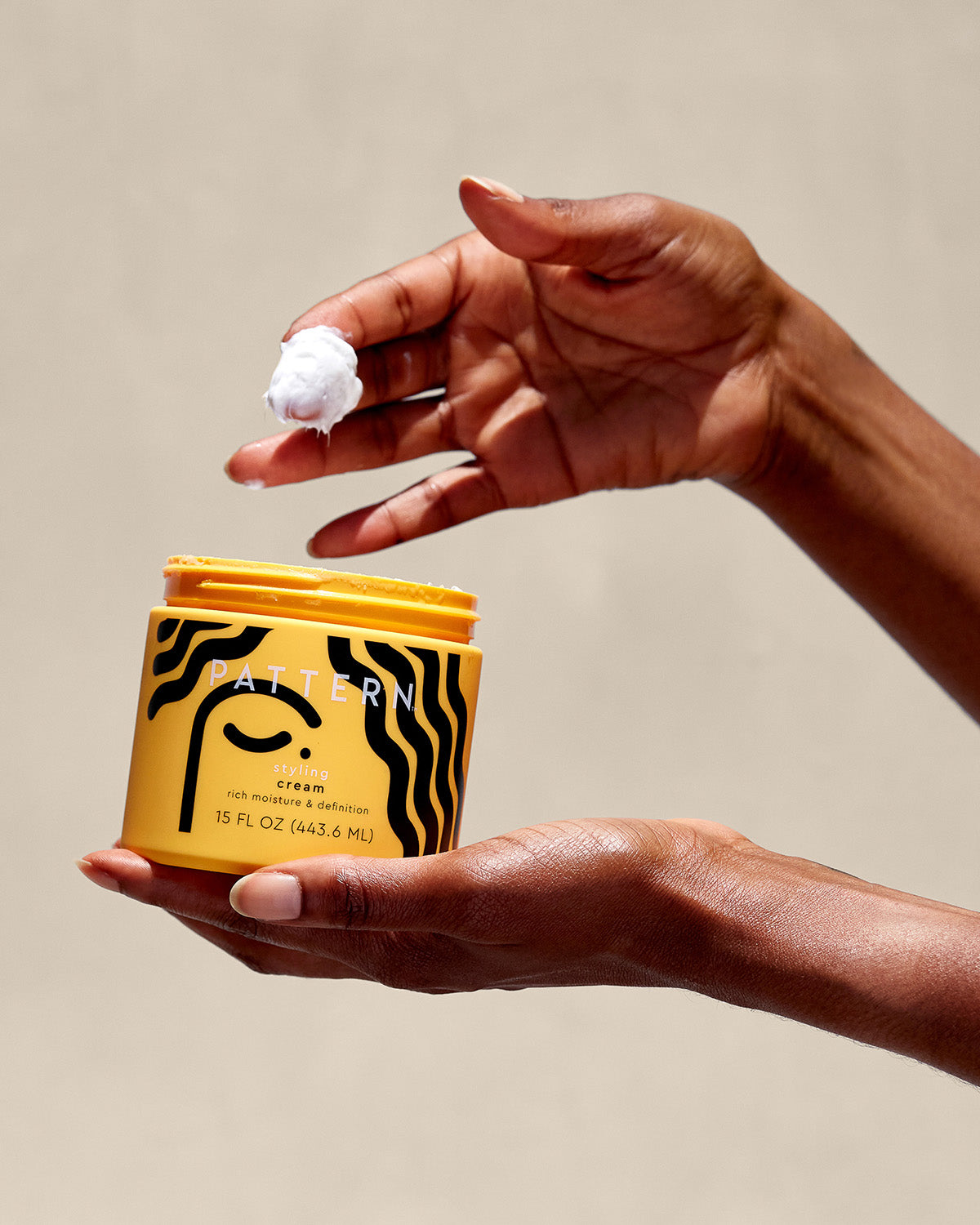
The Pattern Styling Cream at $25 defines curls without crunch on Types 3A through 4A. For 4B and 4C the Heavy version is the right pick.
The Pattern Treatment Mist at $22 is the day-two refresh spray that keeps a wash-and-go looking deliberate longer than most alternatives. Worth knowing about even if you do not buy into the rest of the line.
The bigger picture
Pattern Beauty is a brand case study because it did something the textured-hair category needed and could not get from the conglomerates that had dominated the space for decades. The major hair groups had treated Black hair as an afterthought extension for years. The smaller Black-founded brands that filled the gap were doing real work but were under-resourced and stuck fighting for shelf space. Tracee Ellis Ross brought the celebrity capital, the chemist co-development discipline, and the Ulta distribution agreement in one package, and the brand has executed against that capital for seven years without losing the formulation focus that justified the launch in the first place.
The lesson for the broader category is structural. The brands that win in textured hair from 2026 forward will look more like Pattern than like the brands that came before it. Founded by someone whose hair is the target demographic, formulated with specialty chemists rather than licensed white-label, distributed through retailers that commit shelf space at launch, priced at the mid-premium tier rather than the floor. Pattern set the new template. The rest of the category, and a chunk of the wider beauty industry, is still catching up - and so is the fashion-side conversation about what inclusive product development should actually cost to build properly. The next celebrity beauty pitch that lands on my desk is going to have to clear that bar, not the 2017 one.