

There is a specific kind of insomnia that shows up the night before a flight, and it has nothing to do with turbulence. It is the mental rehearsal: which seat, which row, whether the armrest goes down, what your face will do if the person beside you sighs. If you have run that loop, you already know why Southwest’s Customer of Size policy gets talked about the way it does. It is the one major American airline policy that puts the situation in writing, gives you a route to a second seat, and refunds that seat after you fly. That combination is rare enough that it shapes where a lot of plus-size travelers book. Here is how the policy has worked in practice, how to use it without a scene, and what to double check before you buy.
What the Customer of Size policy actually is
The short version is that Southwest recognizes some passengers need more than one seat, and it treats that as a booking question rather than a character question. As described on the airline’s recent policy pages, a customer who needs extra space can travel with a second seat, and there are two paths to it. You can purchase the additional seat when you book and request a refund for it after your trip, or you can go to the ticket counter on the day of travel and request the extra seat there. The refund route is the part people find surprising, because it means the second seat functions as a placeholder rather than a penalty. Airline policies do change, and Southwest has publicly reworked large parts of its seating and boarding model in recent years, so treat everything here as the shape of the policy and confirm the current wording on Southwest’s official Customer of Size page before you book.
How to book the extra seat before you fly
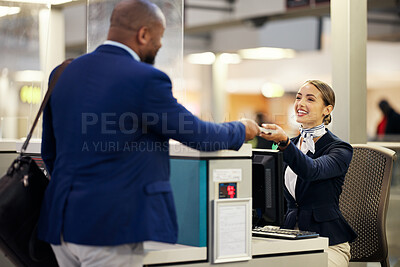
Booking ahead is the version I recommend to anyone who can float the cost for a few weeks, because it removes every variable except the refund paperwork. You reserve two seats for yourself in a single itinerary, either through the extra seat option on the website or by calling reservations if the online path is not behaving. Both seats sit under your name, which is what stops the system from selling the second one out from under you when the flight fills. After you travel, you request the refund for the extra seat, and it goes back to the original form of payment. Two practical notes: keep your confirmation number and the receipt for the second seat somewhere you can find it in a hurry, and if you are connecting, check that the extra seat is attached to every leg and not just the first one. That second detail is the one that bites people.
The armrest test, and why it is not a verdict on you
The benchmark Southwest has traditionally pointed to is simple: whether you can lower both armrests on either side of your seat. If they will not come down, you need the extra seat. It is a crude measure. Armrest widths vary between aircraft types, some rows have fixed exit-row armrests, and a person’s shape does not distribute itself neatly between two plastic arms. But the test has one real virtue, which is that it is objective and physical rather than a stranger’s opinion of your body. Use it as a logistics tool. Sit in a dining chair with arms, or measure your hips at the widest point while seated, and compare that to the seat width published for the aircraft you are flying. If the numbers are close, book the extra seat and let yourself have the flight instead of spending three hours holding your arms in.
Asking at the counter: scripts that keep it short
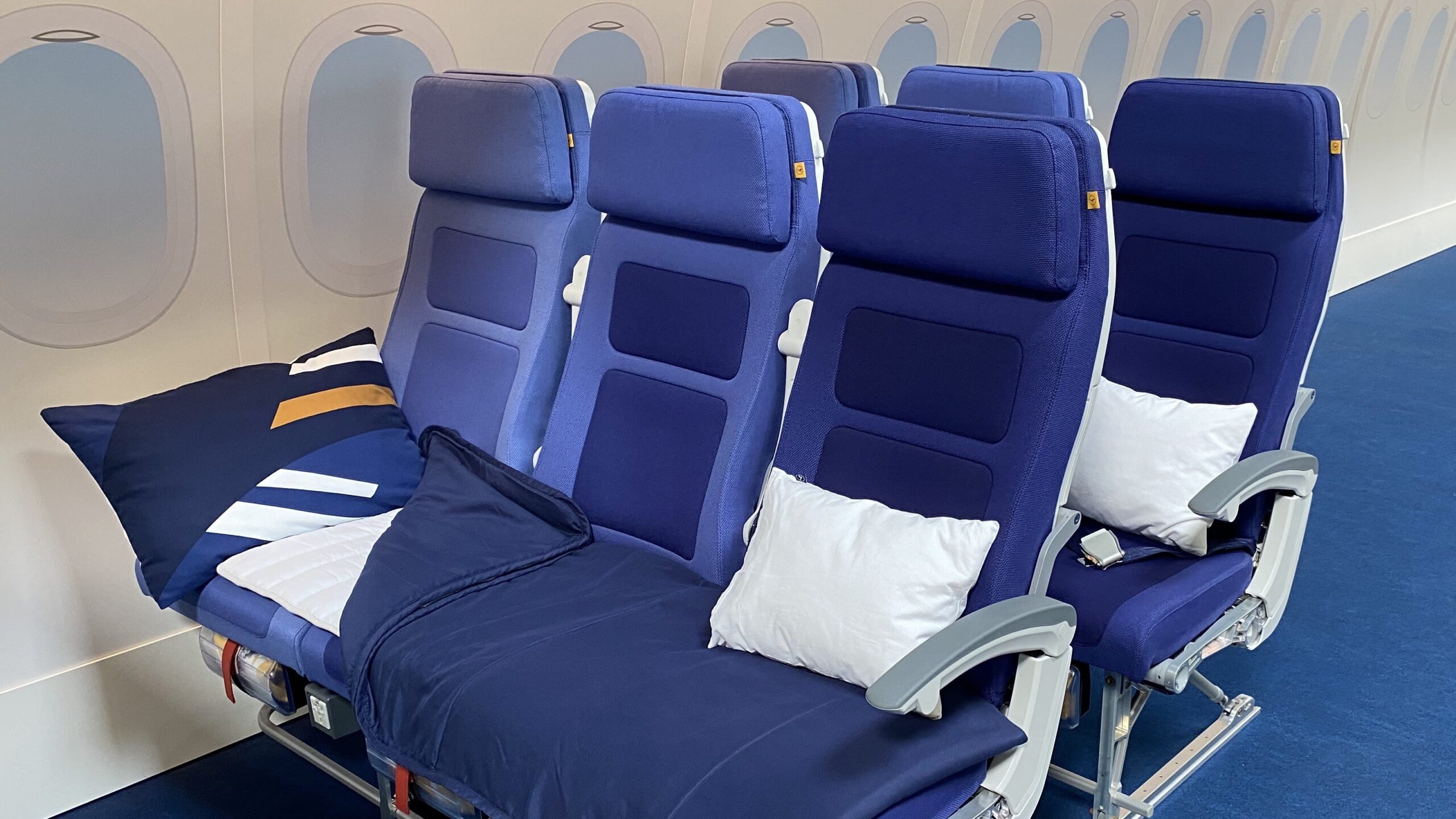
The gate is loud, rushed, and public. The ticket counter is none of those things, so handle this there if you possibly can, ideally as your first stop after you arrive at the airport. What you want is a Customer Service Agent, a normal transaction voice, and a sentence that names the policy so nobody has to guess what you are asking for.
Try this if you are requesting the seat on the day: “Hi, I’m a Customer of Size and I’d like to request an extra seat for flight 1482 to Denver.” If you already bought the second seat: “I purchased an extra seat under my reservation. Can you confirm both seats are showing and give me the extra seat document?” If the agent looks blank, stay flat and factual: “Could you take a look at the Customer of Size policy? If it isn’t coming up on your end, I’m happy to wait for a supervisor.” You do not owe an explanation, a joke to defuse it, or an apology. Most agents handle this dozens of times a month and will move faster than you expect.
What happens when the flight is full
This is the scenario worth planning around, and it is exactly why the advance purchase matters. When you have already bought the second seat, it is yours, full flight or not, because it was sold to you. When you request the seat at the counter on a day when the aircraft is genuinely full, the airline has historically worked to accommodate the request another way, which can mean a seat on a later flight without an additional charge. That is a fine outcome if you built slack into your travel day and a miserable one if you are connecting to a cruise. So the calculus is simple. Flying at a busy hour, on a holiday weekend, or on a route you cannot afford to miss? Buy the extra seat in advance. Midweek, off-peak, flexible arrival? Requesting at the counter is a reasonable risk. Either way, confirm the current procedure with Southwest before you rely on it.
How other US airlines compare in spirit
Southwest stands out less for the second seat itself than for the refund and for saying the quiet part in plain language on a public page. Most other large US carriers address passengers who need extra space inside the conditions of carriage or a general seating section, and the usual expectation is that you buy the second seat and keep the cost. Some carriers have offered refund or credit routes at various points, and a few will move you to an empty adjacent seat at crew discretion when the cabin allows. That discretion is the problem: a policy that depends on which crew you get is not a policy you can plan around. Before booking any non-Southwest itinerary, search the airline’s own site for its passengers of size language, screenshot it, and carry the screenshot. Third-party summaries, this one included, go stale the moment an airline updates a page.
Small things that make the flight itself easier
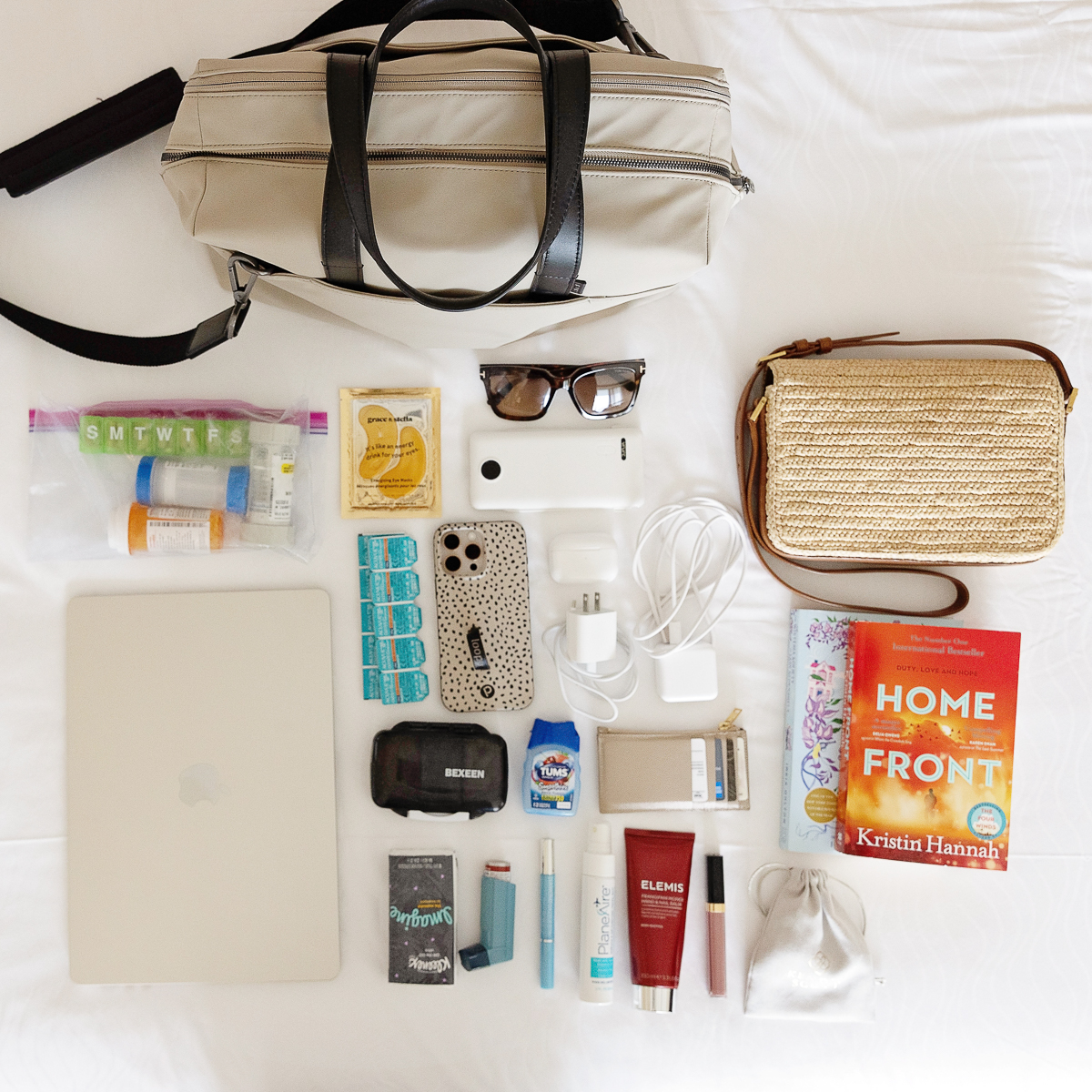
Once the seat question is settled, the rest is comfort logistics. Wear something with a soft waistband that does not dig when you sit for hours, and pack a light layer, because cabins run cold and shivering makes everything ache. Anti-chafe protection is worth applying before you leave the house rather than in an airport bathroom, and a travel-size anti-chafe balm stick fits in a personal item without setting off any liquid rules. Hydrate more than feels necessary. If seatbelt length is on your mind, that is a separate and very solvable problem, and our guide to airline seatbelt lengths and extenders covers which carriers run short, how to ask for a cabin extender, and why crew-issued ones are the only ones you should count on. A memory foam travel neck pillow earns its space on anything over two hours.
Quick answers to the questions everyone asks
Do I have to prove I need the extra seat? No documentation is involved. The reference point is the armrest test, and in practice agents process the request as a booking transaction. You are not asked for weight, measurements, or a medical note. If someone pushes for that, politely ask for a supervisor and reference the policy by name, because that is not part of it.
Will the refund happen automatically? Historically the refund for the extra seat has been requested after travel rather than issued on its own, so plan to submit it and keep your receipt. Processing takes time, often a couple of weeks, and it returns to your original payment method. Set a calendar reminder for the week after your trip so it does not quietly slip.
What if I bought the extra seat and then only needed one? Nothing bad happens. The empty seat travels with you, and the refund process is the same. Some people book two seats for the first flight of a season, discover the armrests close comfortably on that aircraft, and adjust later. Treat the extra seat as cheap insurance rather than a permanent classification.
Does an extra seat affect boarding or where I sit? Southwest has historically given customers of size a preboarding path so you can settle before the aisle fills, which is genuinely the best part of the whole arrangement. Since the airline has been reworking its boarding and seating structure, confirm the current process when you check in rather than assuming last year’s experience still applies.
Is this policy the same on every route and aircraft? The policy is airline-wide, but the physical seats are not. Seat width differs between aircraft types and even between rows on the same plane, so a body that clears the armrests on one aircraft can be tight on another. Check the seat map and aircraft type when you book, especially on regional or older equipment.
Booking the seat you need is logistics, not a confession
The thing nobody tells you about using this policy is how boring it feels once you have done it once. You say a sentence at a counter, an agent types for forty seconds, and then you get on a plane with room for your own body. The dread beforehand is almost always larger than the transaction. Southwest built the clearest version of this in the US market, and the smart move is to use it while confirming the details yourself, because the page you read today is the only version that governs the flight you are actually taking. Pull up the official Customer of Size policy, screenshot it, buy the seat, and spend the flight looking out the window instead of doing arithmetic about armrests.