
Boarding a plane should feel like the start of something good - a beach, a reunion, a city you have been dreaming about. For a lot of curvy women, though, the airport carries a low hum of dread that has nothing to do with turbulence and everything to do with armrests, seatbelts, and the fear of a side-eye from a stranger in 14B. That dread is not yours to carry. The seats are too narrow, the policies are inconsistent, and the industry has been slow to catch up to the bodies it actually serves. None of that is a personal failing. With the right information and a little planning, you can walk through that jet bridge knowing exactly what to expect, what your rights are, and how to make the whole experience genuinely comfortable.
What follows is the practical, dignity-first playbook: real airline policies, verified as of mid-2026, with the caveat that these rules shift often, so always confirm before you book.
The seatbelt extender question (and the FAA rule)
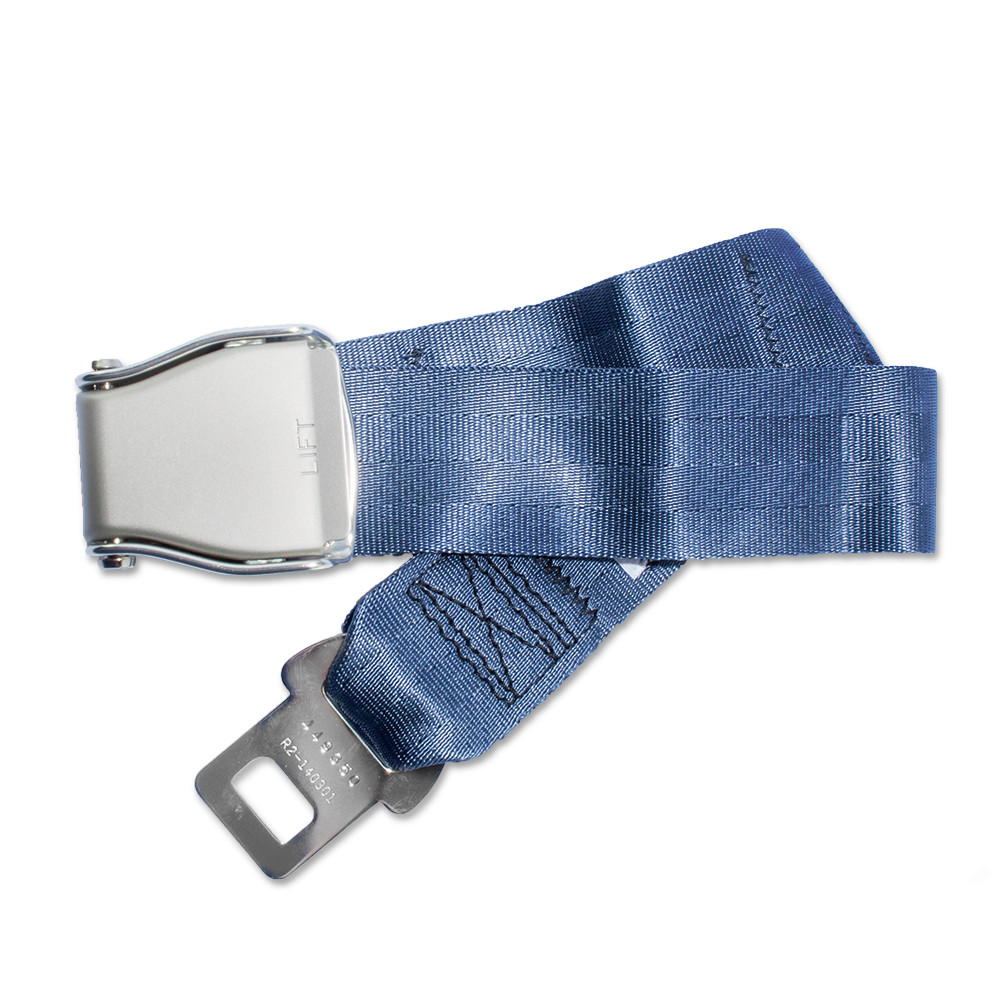
Let’s clear up the single most misunderstood part of plus-size flying first, because it trips up even seasoned travelers. You cannot bring your own seatbelt extender onto a U.S. commercial flight. People buy them online all the time, see the “FAA approved” label, and assume they are set. They are not. The Federal Aviation Administration treats a seatbelt extender as part of the aircraft seat itself, which means it has to be inspected and maintained under the airline’s FAA-accepted Continuous Airworthiness Maintenance Program. A personal extender, no matter what its packaging claims, has never been inspected under that program, so crew are instructed not to allow it.
Here is the good news that the worry usually drowns out: airlines are required to provide extenders free of charge, and they keep them stocked. You do not pay for one, you do not pre-order one in most cases, and you do not owe anyone an explanation. When you board, quietly tell the flight attendant at the door, “I’d like a seatbelt extender, please.” That is the entire transaction. They hand it to you, often folded discreetly, and you buckle in like everyone else. Cabin crew handle this request constantly and think nothing of it.
A couple of practical notes. Different aircraft use slightly different extenders, so the one you used on your outbound flight may not be the one offered on the way home, and an extender you kept from a previous trip will not be accepted. Ask fresh each time. If you would rather not flag down a busy attendant in the aisle, mention it as you step through the cabin door, when crew are stationed right there and the moment is private. Owning the request, calmly and early, takes all the heat out of it.
Choosing your seat strategically
Where you sit shapes the entire flight, and a few smart choices make a real difference. The window seat is the quiet favorite for many curvy travelers. You get a wall to lean into instead of an aisle full of passing carts and elbows, you control the shade, and you are not the one being climbed over. The trade-off is asking to get up for the restroom, so weigh that against your own comfort. The aisle seat suits anyone who wants to stand, stretch, or move freely without disturbing a seatmate, and it gives one hip a few extra inches of breathing room into the aisle, though watch for the beverage cart.
The middle seat is the one to avoid when you can, and most of the time you can. Bulkhead rows (the front row of a cabin section) sometimes offer a touch more room and no seat reclining into your knees, but the armrests there are often fixed because the tray tables fold into them, which can mean less width, so read seat maps carefully. Exit rows promise extra legroom, but crew may relocate anyone who cannot fasten the standard belt without an extender, since exit-row passengers must meet specific safety requirements. Legroom is not the same as seat width, so do not let the legroom hype override the fit question.
A tool worth bookmarking is SeatGuru, which maps the actual seat dimensions and quirks of specific aircraft. Seat width varies more than people realize, often between 17 and 18.5 inches in economy, and a single inch is the difference between a tense flight and an easy one. Book your seat assignment as early as you can, ideally the moment you purchase the ticket. If two of you are traveling together, booking the window and aisle of a three-seat row is a known trick: middle seats fill last, so you may end up with an empty buffer between you, and even if someone takes it, you are flanking them rather than being flanked.
The airline ‘customer of size’ policies, compared (verified)
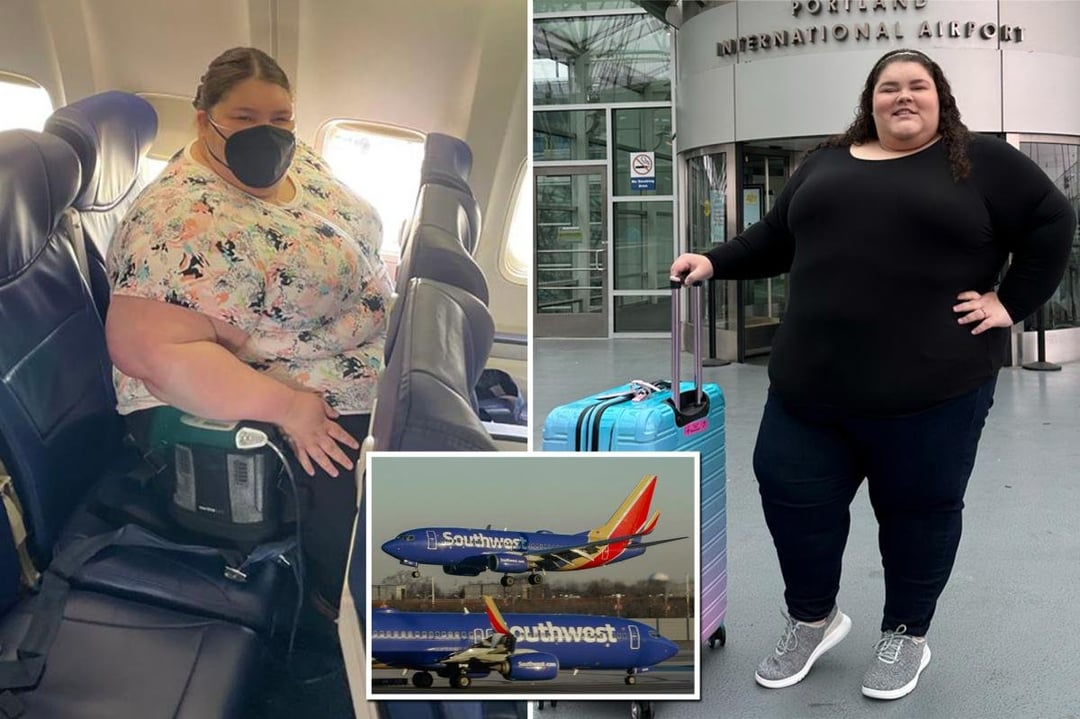
This is where careful research pays off, because no two airlines handle plus-size passengers the same way, and several changed their rules within the past year. Confirm directly with the carrier before you book, since these policies move quickly.
Southwest remains the most generous of the major U.S. carriers, and that matters because the airline briefly tightened its rules in early 2026 before reversing course. As of late May 2026, a customer who needs extra space is not required to buy a second seat in advance. You can request a complimentary additional seat at the gate when space allows, or buy one ahead and apply for a refund afterward. That refund still stands under specific conditions: the flight cannot be sold out, the seats must be in the same fare class, and you must request the refund within 90 days of travel. One catch worth knowing - if any leg of your trip is flown by a partner airline rather than Southwest itself, the extra seat is non-refundable. If no additional seat is available on your flight, Southwest works to move you to a later one with room.
Alaska Airlines has a clear, fair policy. If you cannot comfortably lower both armrests around you, you purchase a second seat at the same fare as your first. The reassuring part is the refund: if every leg of your journey departs with at least one empty seat on board, you get the cost of that second seat back. You contact the airline shortly after you fly to request it. The refund is reserved for passengers who genuinely need the space, not for anyone simply wanting an empty seat next to them.
American Airlines asks passengers who need a seatbelt extension plus extra space beyond a single seat to buy an additional seat. You book it by calling Reservations rather than online, and the agent secures two adjacent seats at the same fare. If they can only seat you in a higher class of service, you may owe the fare difference. American does not advertise the same automatic post-trip refund that Southwest and Alaska offer, so treat the second seat as a planned cost and confirm any reimbursement options with the airline directly when you call.
Delta takes a notably relaxed stance. Delta does not require you to buy an extra seat for needing a seatbelt extender, provided two things are true: the airline’s extender lets you buckle in safely, and you can keep both armrests down for the flight. The airline’s stated concern is safety and not significantly encroaching on a neighbor’s space. If a genuine space conflict arises onboard, crew may move you to a roomier spot or, in some cases, ask you to take a later flight with more open seats. Delta has no formal customer-of-size refund program because it generally does not require the second purchase in the first place.
United Airlines requires an extra seat for any economy passenger who cannot fit in a single seat with the armrests down, or who needs more than one seatbelt extender. You can buy the second seat in advance, and if you do not, you may be asked to purchase it on the day of departure at that day’s fare, which is often higher. United also offers an alternative many travelers overlook: instead of a second economy seat, you can book or upgrade to a premium cabin, where the seats are wider. For some itineraries the math on a single wider seat works out better than two narrow ones.
The honest summary: Delta is the most forgiving if an extender and both armrests work for you, Southwest and Alaska are the friendliest on refunds, and American and United expect more advance planning. Verify on the carrier’s own site before paying.
What to wear to fly comfortable
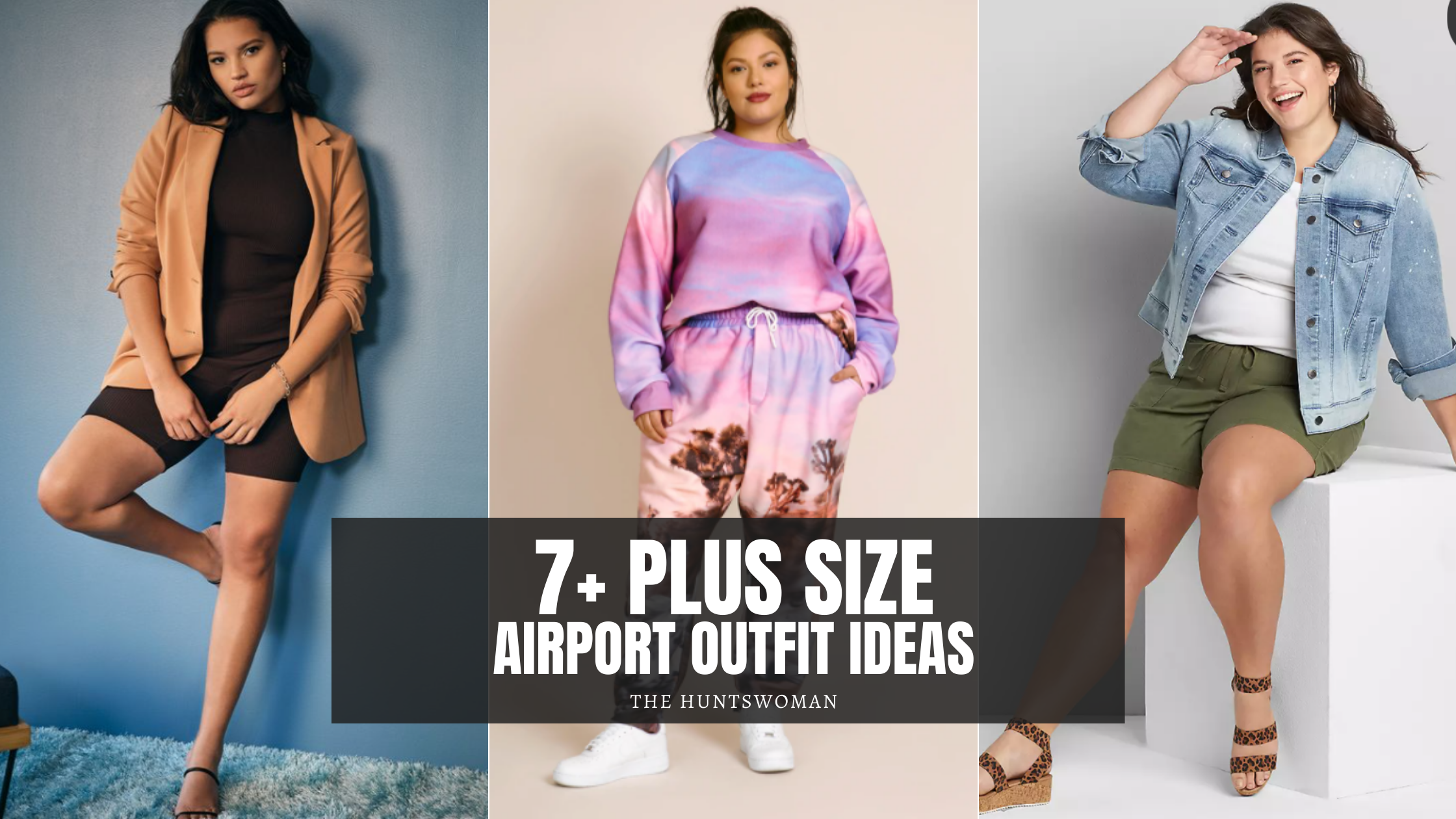
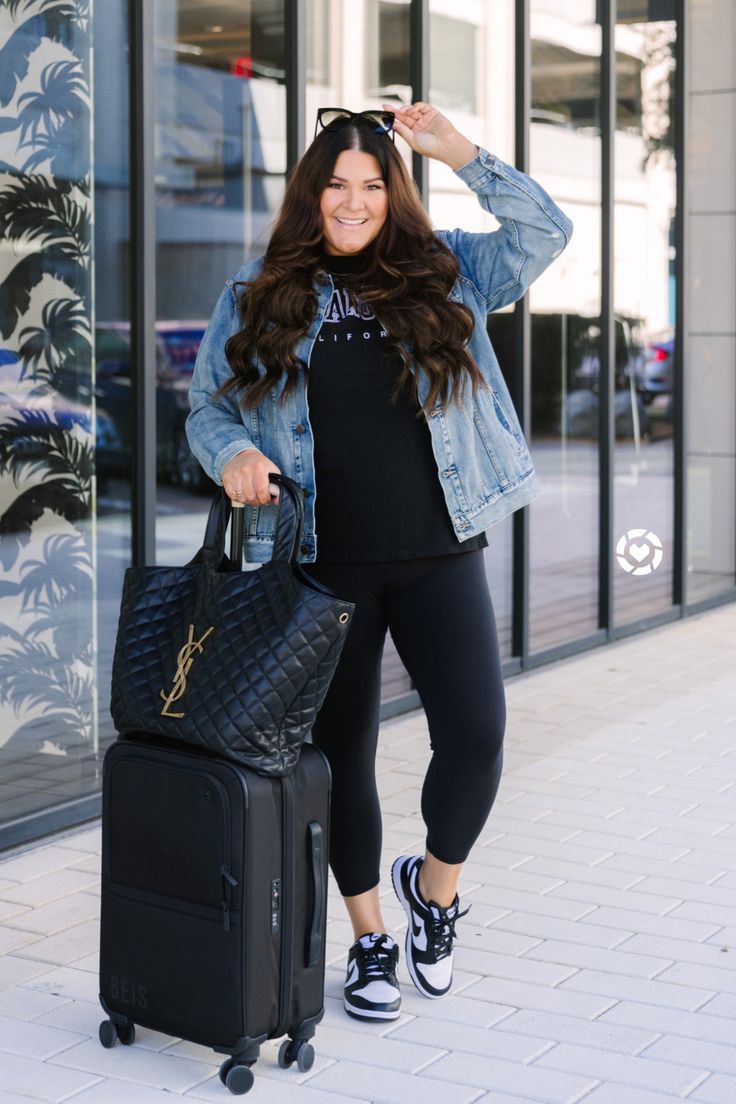
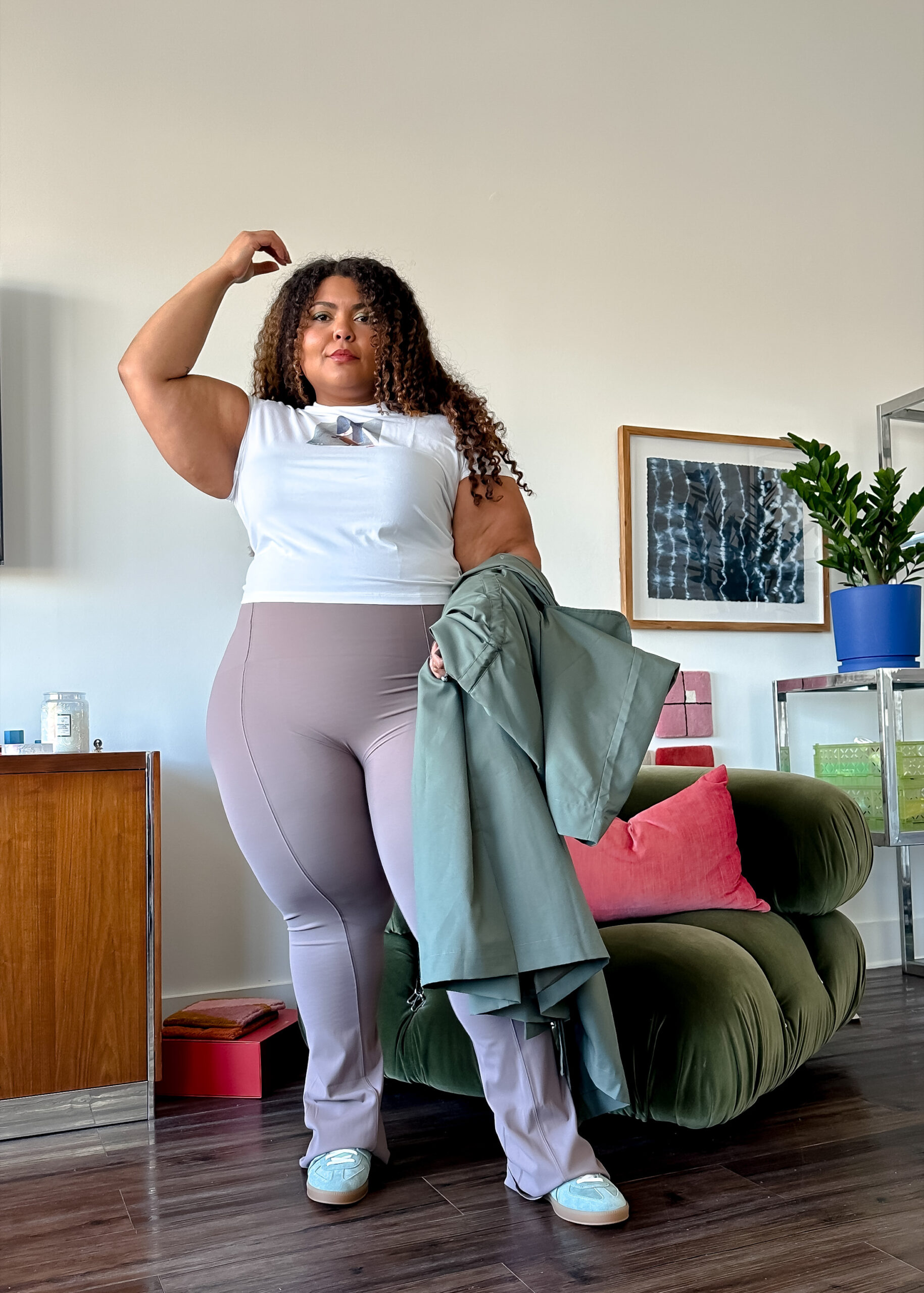
Clothing is your first comfort tool, and the cabin gives you two competing problems to dress for: long stretches of sitting and a temperature that swings from stuffy at the gate to chilly at altitude. Layering solves both. A soft, breathable base layer under a cardigan, zip hoodie, or wrap means you can adjust without packing a suitcase of options. Natural fibers and good stretch blends move with you and breathe better than stiff synthetics that trap heat.
Reach for fabrics with give. A ponte knit dress, wide-leg trousers with an elastic or drawstring waist, or your most trusted leggings paired with a longer tunic all let you settle in without a waistband digging in after hour two. Avoid anything with hardware that presses against you when you sit, like thick belts, stiff zippers along the hip, or rigid seams across the belly. Slip-on shoes or sneakers you can loosen are kinder than anything you have to wrestle with at security, and feet swell at altitude, so a half-size of breathing room helps. Bring a pair of grippy socks for padding around the cabin if you like to slip your shoes off. A large, soft scarf doubles as a blanket, a pillow, or a privacy layer, and weighs almost nothing. Dressing for the body you have on the day you fly, in pieces that already feel good, is the whole strategy.
What to pack
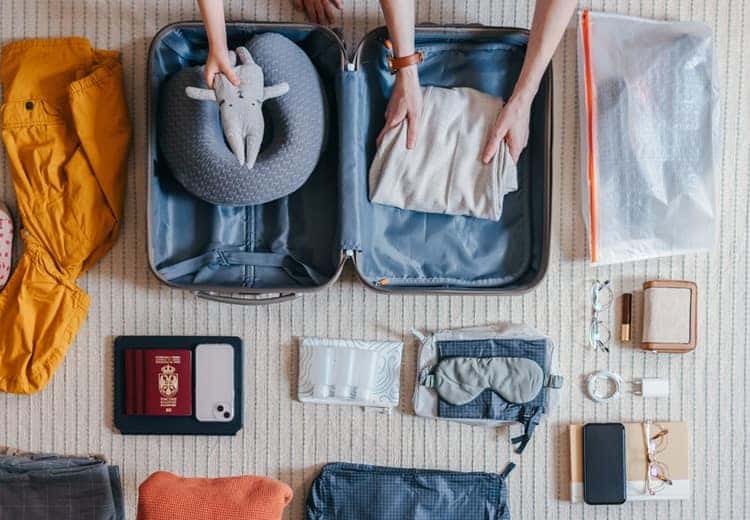
Pack for comfort first and you will thank yourself somewhere over the ocean. Hydration is the quiet hero of any flight, since cabin air is famously dry, so bring an empty refillable bottle through security and fill it at a fountain past the checkpoint. Snacks you actually enjoy and that travel well, like nuts, protein bars, or fruit, spare you from depending on a cart that may never reach the back rows or stock anything you want.
Compression socks are worth considering for any flight over a couple of hours, since sitting still raises the risk of swelling and circulation issues for everyone, not just plus-size flyers. They are optional and a personal call, not a requirement, so choose what feels right for your body. A small comfort kit earns its space in your carry-on: lip balm and hand lotion for the dry air, any medications in their original packaging, a phone charger and a battery pack, noise-cancelling headphones or earplugs, an eye mask, and a neck pillow if you sleep upright. Keep a light wrap or shawl on top for the inevitable cabin chill. Stash a refresh pouch with wipes, deodorant, and a toothbrush for long-haul mornings. If you use any personal comfort items for sitting, a seat cushion or a small lumbar support, those are entirely allowed and nobody’s business but yours. Packing with intention turns a cramped few hours into a manageable, even pleasant, stretch of your trip.
Navigating the airport with confidence
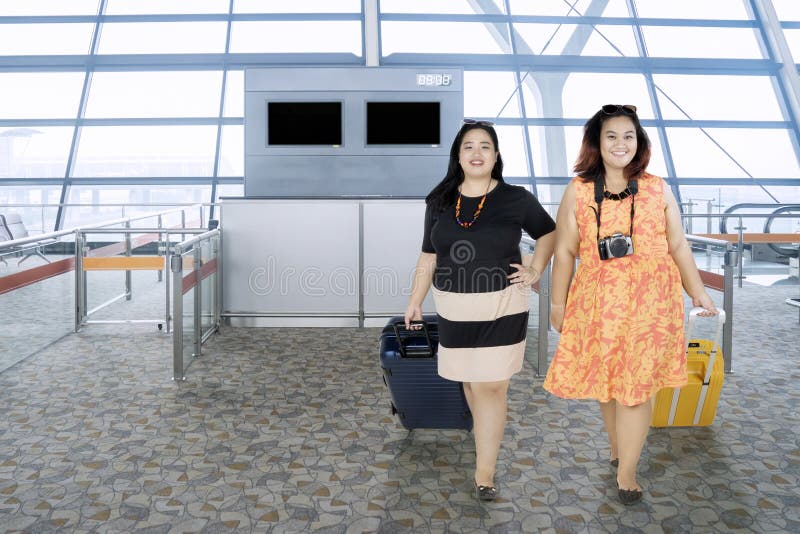
The terminal can feel like an obstacle course, so give yourself the gift of time. Arriving early erases the frantic, sweaty dash that makes everything harder, and it means you can move at your own pace through check-in, security, and the long walk to the gate. Wear or pack those slip-on shoes for the security line, where you will move faster and with less fuss. Consider TSA PreCheck if you fly even a few times a year, since it lets you keep your shoes on and skip the most cramped part of the screening process.
Airports are large, and gates can be a serious walk apart. There is zero shame in using the moving walkways, requesting wheelchair or cart assistance if a long concourse is hard on your body, or pausing on a bench to catch your breath. Assistance is a service the airport provides on purpose, and using it is smart, not weak. Once through security, find a comfortable spot to settle rather than hovering in the crush. When boarding opens, you are entitled to ask the gate agent about your seat or confirm an empty adjacent seat. Approach the desk with a calm, matter-of-fact tone, because you belong there as much as anyone holding a boarding pass.
If anxiety creeps in, name it for what it is - a response to an environment built without your comfort in mind, not a verdict on you. Slow your breath, ground yourself with a familiar playlist queued up before you board, and remember that most fellow passengers are absorbed in their own travel and not watching you at all. Should you ever encounter rudeness, you owe no one a performance of apology for the space your body occupies. A neutral “excuse me” and a steady posture handle nearly every awkward moment, and a quiet word with a flight attendant resolves most discomforts faster than you would expect.
Booking your next trip with your shoulders down
Comfort in the air comes down to a handful of moves you now have in hand: ask for the free extender at the door, book your window or aisle seat the moment you buy the ticket, check the seat width on SeatGuru before you commit, and read the customer-of-size policy of whichever airline you are flying. Pack the water bottle, the snacks, the soft layers, and arrive with time to spare. Pick the carrier whose rules fit your needs - Delta if an extender and armrests work for you, Southwest or Alaska if you want a second seat with a real shot at a refund. Save this list to your phone and pull it up the next time you book. The window seat is yours, the snacks are packed, and the destination is waiting.