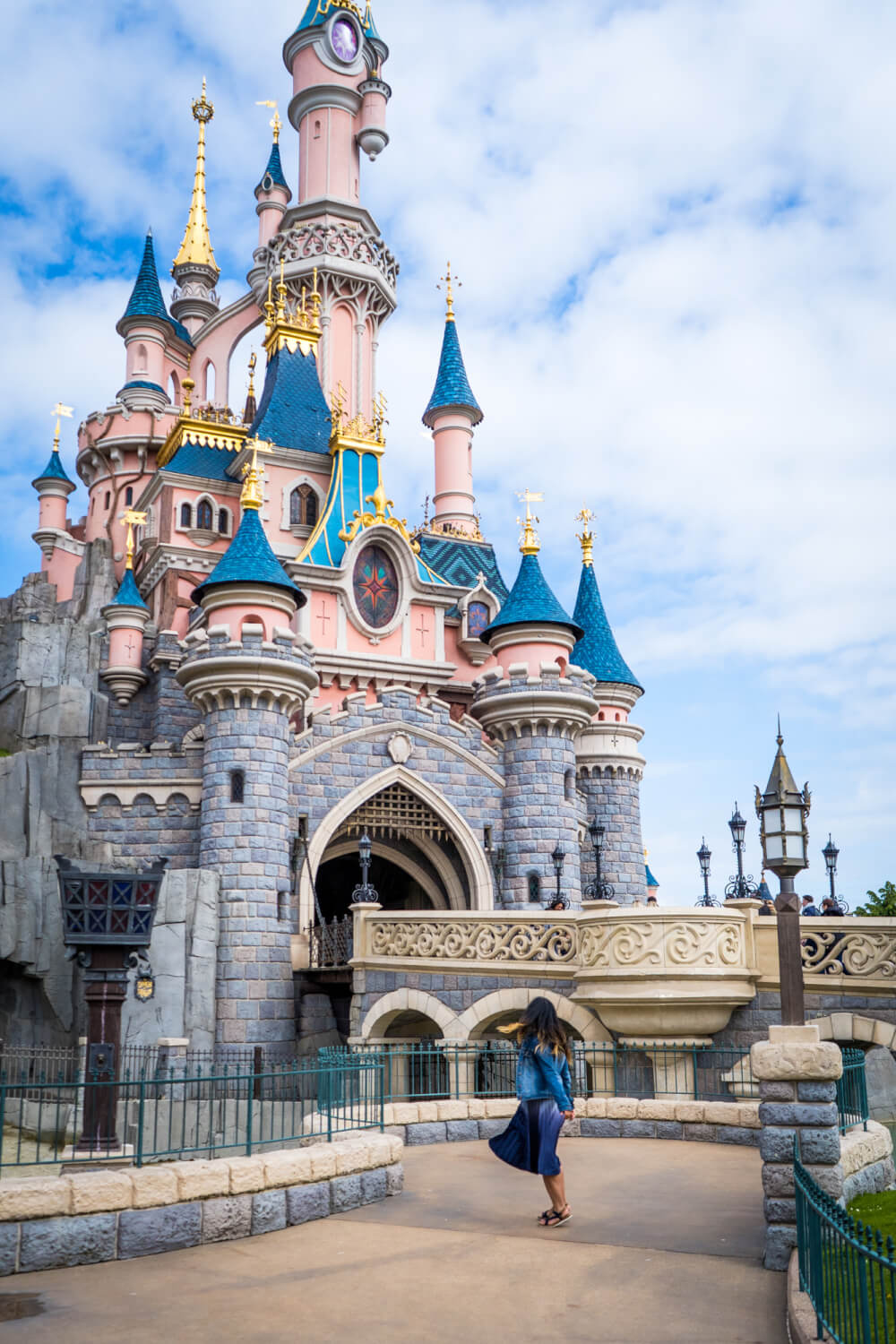

The first time the castle comes into view, framed by a wide cobblestone esplanade and the smell of warm sugar drifting from a churro cart, something in your shoulders drops. You came here to feel wonder, not to spend the day scanning lap bars and bench widths, doing quiet math about whether the next ride will fit. That second worry is real, and pretending it is not helps no one. The good news is that almost all of it can be planned away before you ever board the train to Marne-la-Vallee, the town about 20 miles east of central Paris where the resort lives. A little homework up front buys you a lot of ease once you are there, and ease is the whole point.
This guide walks through the practical, body-aware parts of a Disneyland Paris trip: when to go, what to wear, which rides tend to be generous and which tend to be tight, how to eat well, where to save, and how to keep your head in a good place. Treat every specific number here as a starting estimate and confirm it with the official park accessibility pages or a cast member on the day, because details shift between seasons and refurbishments.
Getting the Lay of the Land Before You Book
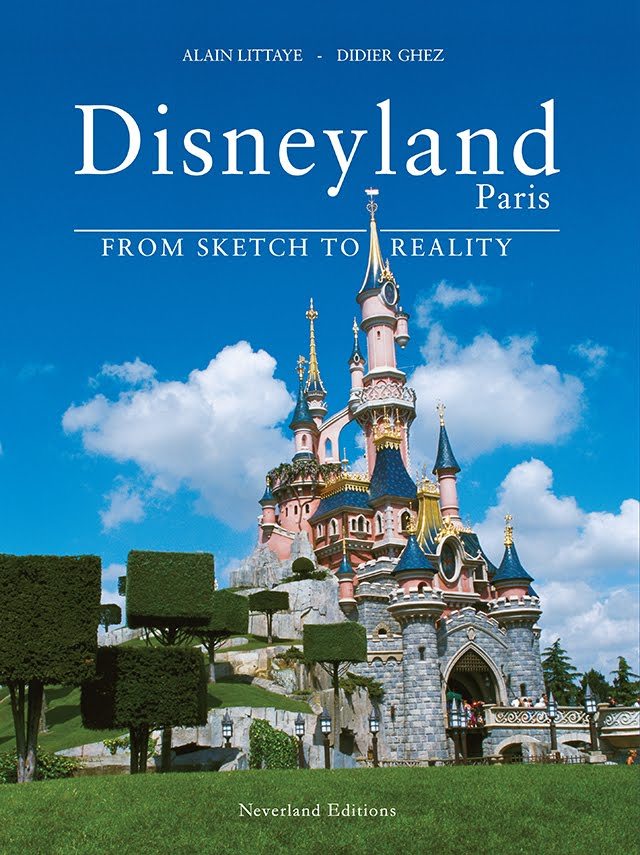
Disneyland Paris is two parks sitting side by side, sharing one entrance plaza. The first, Disneyland Park, opened in 1992 and is the classic one: Sleeping Beauty Castle at the heart, five themed lands radiating outward, parades and fireworks and the rides most people picture when they imagine Disney. The second park spent years as Walt Disney Studios Park and was reimagined and renamed Disney Adventure World in spring 2026, gaining a Frozen-themed area built around Arendelle along with a new promenade of attractions. Most visitors split their time across both, and a multi-day ticket that lets you hop between them is the relaxed way to do it.
Booking tickets online in advance is almost always cheaper than buying at the gate, and on busy days the park can sell out entirely, so a pre-booked ticket also guarantees you get in. The resort uses dynamic pricing now, which works in your favor as a planning signal: lower ticket prices usually line up with quieter days, while the steepest prices flag the most crowded dates. If your goal is calm over chaos, follow the cheaper dates.
On timing, the quieter stretches tend to be the low-season window roughly from early November through March, setting aside the Halloween tail and the Christmas holidays, which draw big crowds despite the cold. Mid-January, early February, and midweek days in September are reliably gentle. Tuesdays and Thursdays generally run lighter than weekends. Quieter days mean shorter queues, which matters more than you might think when you are plus-size: less time standing on hard pavement, fewer narrow turnstiles to negotiate in a hurry, and more breathing room to ask a cast member a question without a line building behind you.
Packing and Dressing for a Long, Comfortable Day
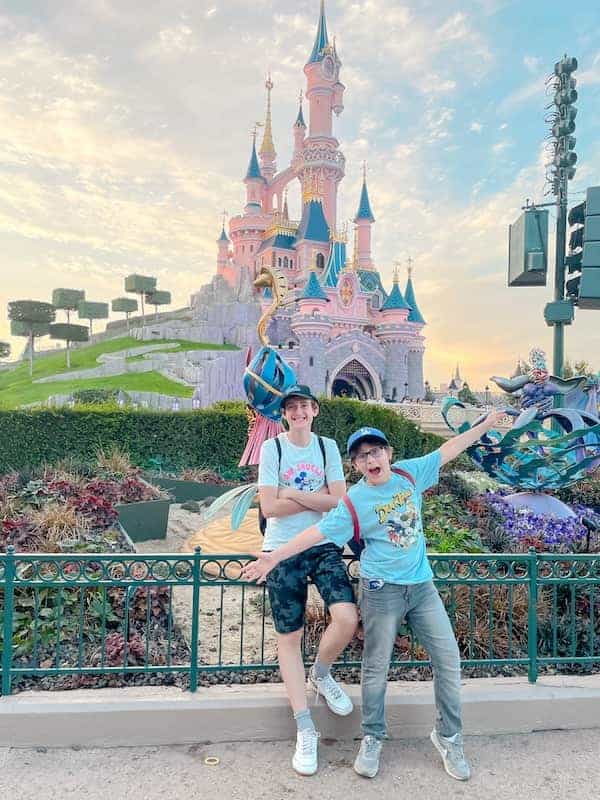
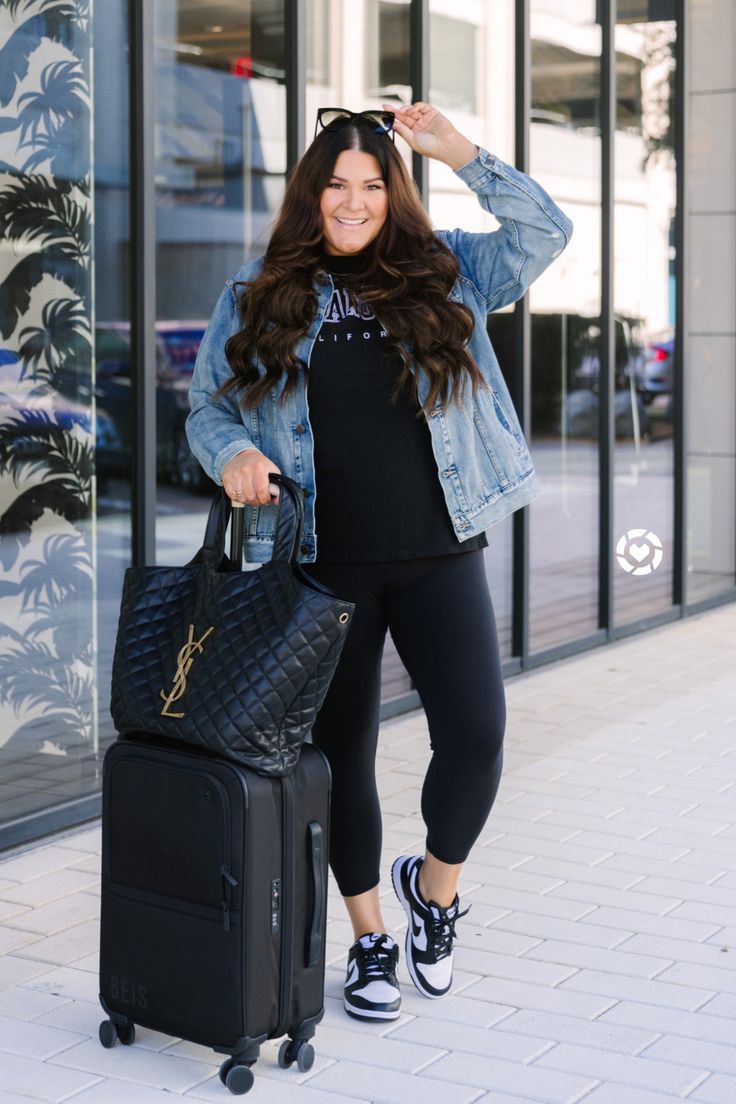
A Disneyland Paris day is a walking day. People routinely clock the equivalent of a long hike across the two parks without noticing until their feet stage a protest at dinner. The single best thing you can do for your body here is sort out your shoes weeks ahead. Choose genuinely broken-in, supportive walking shoes or trainers, the pair you already trust on long days, not a fresh box of cute sandals bought for the trip. Pack a spare pair of socks in your day bag so you can swap to dry feet after an afternoon rain shower or a splashy boat ride.
Chafing is the other quiet saboteur of a good day, and the fix is simple. Anti-chafing shorts worn under dresses and skirts, or a glide balm on the inner thigh and underarm, will keep a hot, humid afternoon from turning into a sore evening. Pack them even if you are not sure you need them, because the parks are warm in summer and you will be moving constantly.
Dress in layers you can shed and stash. Paris weather swings, mornings can be cool and afternoons warm, and indoor queues can get stuffy. A packable layer or light jacket that crushes into your bag covers all of that without committing you to carrying a coat all day. Build your outfit around forgiving, breathable fabrics with a bit of stretch, the kind that move when you sit, climb into a ride vehicle, and bend over a stroller. A small crossbody or backpack keeps your hands free for the turnstiles and ride bars, and many attractions ask you to secure loose items anyway. Round it out with a refillable water bottle, sunscreen, any medication you need on a schedule, and a portable charger for the app you will lean on all day.
Rides, Restraints, and Honest Seating Talk
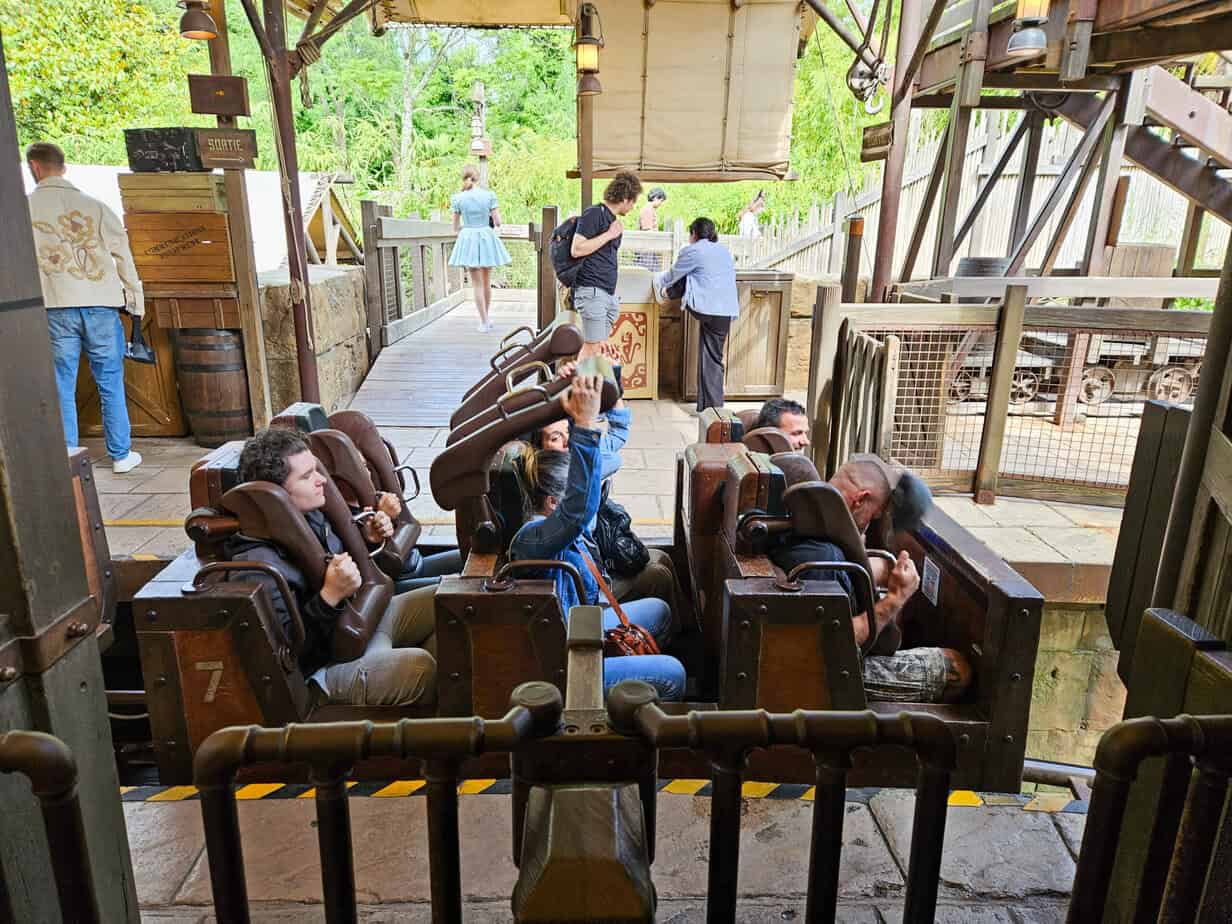
Here is the part that gets whispered about and rarely written plainly, so let us be plain. Disneyland Paris does not publish official weight limits on its rides. What varies is the seat width, the leg room, and crucially the restraint design, and those vary a lot from attraction to attraction. None of this is a verdict on your body. It is engineering, and engineering can be scouted in advance.
In general terms, gentler dark rides and boat-style attractions tend to be the most accommodating, with bench seats, generous leg room, and simple lap belts or no individual restraint at all. Anything described as a boat ride, a slow indoor tour, or a wide-bench experience is usually a comfortable bet. Rides built around individual bucket seats with a single seatbelt also tend to work well across a range of body types, because a belt has more give than a rigid bar.
The tighter fits, by widespread first-hand accounts, are the faster coasters with low lap bars or restraints that come down across the stomach and lock to a fixed position. Restraints that sit low across the midsection are the ones most likely to be snug, because there is no adjustment once they reach their stop. A few of the resort’s signature thrill coasters fall into this category. This does not automatically mean they will not fit you, only that they are worth scouting before you commit to a 40-minute queue.
Scouting is the whole strategy, and it is easy. Before you join any line you are unsure about, find a cast member at the entrance and ask plainly whether you can see a sample restraint or test seat. Many attractions keep a test vehicle or a sample lap bar right at the front for exactly this purpose, and using it is completely routine. Cast members are trained to handle this discreetly and kindly, and they would far rather help you check at the entrance than have you reach the front and turn back. If a ride does not work out, ask whether there is an alternate boarding option or accommodation. The exact mechanics of restraints, the location of test seats, and any accessibility arrangements change with refurbishments, so treat all of the above as a guide and confirm the current setup with the park’s accessibility information and the cast member in front of you.
One more practical note: the queue turnstiles themselves are narrow at several attractions, narrower than the ride seats in some cases. There is almost always an accessible gate beside them, and a cast member will open it for you without fuss. You do not need to justify it. Just ask.
Eating Well Without the Stress or the Splurge
Food at a destination resort is priced like a destination resort, and that is the honest truth. Counter-service meals, table-service restaurants, and the snack carts all carry a premium over what you would pay in the city. Budget for it as part of the trip rather than being surprised by it, and treat the exact prices as estimates that move with the season and the venue.
A few habits keep both your wallet and your comfort in good shape. If you are staying in or near Paris and commuting in, eating a proper breakfast before you arrive and saving the bigger, nicer meal for the city in the evening can meaningfully cut your in-park spend. Inside the parks, table-service restaurants are worth at least one booking on your trip, not only for the food but for the chair. Sit-down dining gives you a real seat, a break from the pavement, and a half-hour of air conditioning or shade, which is restorative in the middle of a long day. If you want a specific restaurant, reserve it in advance, because the popular ones fill up.
Carry a few snacks and that refillable water bottle. Hydration and a steady blood-sugar level do more for your mood and stamina than any single attraction, and they keep you from making a tired, expensive decision at the nearest cart at the exact moment you are most worn down. Look for seating with a bit of space and standard chairs rather than fixed booths when you can, and do not hesitate to ask a host to seat you somewhere that suits you. That is a normal request.
Spending Smart on Tickets and Line-Skipping
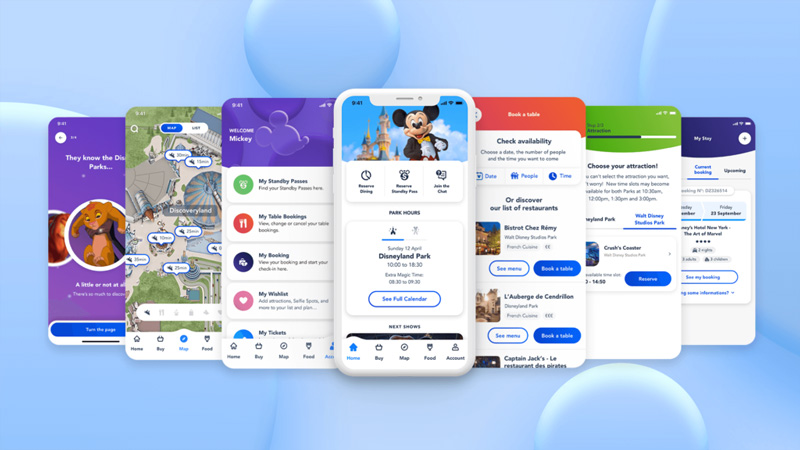
Beyond booking tickets early and chasing the cheaper dynamic-pricing dates, the biggest spend question is the resort’s paid line-skip service, Premier Access. It lets you reserve a shorter-queue slot at popular attractions through the app, and it comes in two broad shapes: buying access to a single ride at a time, and buying a daily bundle that covers the headline attractions. As an estimate, single-ride access tends to land somewhere in the single-digit to high-teens euros per person per ride, while the all-in daily bundle runs much higher, into the triple digits per person on busy days. Confirm current pricing in the app on the day, because it moves with demand.
Whether it is worth it depends entirely on your day. On a quiet off-season Tuesday, you may never need it. On a packed summer or holiday date, or if you only have a single day to see everything, paying to skip the longest queues can be the difference between a frantic day and a pleasant one. For most people the smart play is to skip the pricey daily bundle and instead buy single-ride access only for the two or three attractions you most want to do when their standby lines get ugly. Buying as you go, rather than committing up front, keeps you flexible.
There is a comfort angle here too. Standing in a long, slow-moving outdoor queue is the least pleasant part of any park day for a curvy traveler, hard on the feet, the back, and the patience. Spending a little to shorten the worst lines is partly a money decision and partly a kindness to your body. Weigh it that way.
Carrying Your Confidence Through the Gates
The logistics matter, but the mindset matters just as much, so do not skip this part. You belong in these parks exactly as you are, and the overwhelming majority of cast members are genuinely warm and quick to help when you ask. The handful of moments that might sting, a snug restraint, a turnstile that needs the side gate, a chair that is not quite right, are problems with the furniture and the engineering, not with you. Plan for them, solve them matter-of-factly, and let them go.
Build your day so your body is set up to win. Arrive early before the crowds and the heat, around 45 minutes before the official opening if you can manage it, and do the must-do rides first while the lines are short and your energy is high. Plan deliberate sit-down breaks across the day, a table-service lunch, a shaded bench during a parade, a quiet indoor show, so you are pacing a marathon rather than sprinting until you crash. Wear the comfortable shoes, pack the anti-chafing shorts, carry the water, and keep that packable layer in the bag. Take the photos in front of the castle without ducking out of frame, because you came a long way to be here.
Disneyland Paris rewards the traveler who scouts ahead and asks for what they need. Do that quiet preparation, and what is left is the part you actually came for: the castle catching the late light, the first drop of a ride you were brave enough to check and board, and a churro that tastes better than it has any right to.
Sources: Disneyland Paris (Wikipedia), Walt Disney Studios Park / Disney Adventure World (Wikipedia), Plus Size Disneyland Paris guide (First Step Europe), Is Disneyland Paris Plus Size Friendly? (Most Magical Guides), Disneyland Paris Premier Access 2026 (KKday), When to Visit Disneyland Paris (DLP Tips)