Every brand in this record threw a party when it added plus sizes. A press release, a campaign with a genuinely diverse model lineup, a founder quote about how style has no size. Not one of them threw a party on the way out. The retreats happened in Instagram comment replies, in quietly edited size charts, in racks that migrated to the back wall of the store and then were not there at all. Reddit noticed every single time. The business press noticed some of the time. Nobody kept the list.
So this is the list. Every documented plus-size cut since 2020, with dates, because the dates are the story. I spent six years inside a fashion publication watching how these launches get engineered, and I can tell you the press release for the expansion goes through four rounds of approvals. The retreat goes through legal and nobody else. If the brands won’t write the second press release, fine. I’ll write it for them, with receipts.
Three honesty rules before the table, because a tracker is only worth keeping if you can trust every row. Confirmed cut means the brand said it or the business press documented it. Measured shrinkage means retail data or a live check of the brand’s own site shows the range contracting, announcement or not. Community-reported means the running record lives in Reddit threads and TikToks and has not been confirmed anywhere I’d cite, and I say so instead of rounding up. This page is a living record. When the next brand slides out the side door, and there will be a next one, it gets a row with a date next to it.
The Master List: Every Documented Cut, Dated

| Brand | What happened | When | Source type | Status now (July 2026) |
|---|---|---|---|---|
| Loft | Ended extended sizing (had launched Feb 2018); announced only in an Instagram comment citing “business challenges”; size chart returned to 00-18 by fall | March 2021 (effective fall 2021) | Confirmed cut (brand statement + press) | “Plus Shop All” page still live on loft.com with zero products (live check, July 2026) |
| Old Navy | BODEQUALITY launched Aug 20, 2021 (sizes 0-30, every style, every store, price parity); Gap Inc scaled it back in stores under a year later, keeping the range online | May 2022 | Confirmed cut (Gap Inc statements, Glossy, Fast Company) | Plus assortment still shrinking: down 12% year over year (EDITED data via CNN, Apr 2026) |
| Target | No announcement ever; extended sizes on Target.com fell 37% in the year to March 2026 (30% of it in the final six months); individual stores removed plus sections entirely, one on camera Feb 2025 | Measured Mar 2025 to Mar 2026 | Measured shrinkage (EDITED retail data via CNN; viral store video) | Ava & Viv alive online; in-store plus space varies by market; company line: “adjusts offerings to meet consumer demand” |
| For Love & Lemons | Launched extended sizing Aug 2019 (six styles, 1X-2X); range quietly disappeared with no statement | Launch Aug 2019; gone by 2026 (no dated announcement exists) | Measured shrinkage (dated launch + live site check) | Brand’s own “curve styles” collection page returns zero products (live check, July 2026) |
| Eloquii | Walmart bought the plus-size leader in 2018 (reported ~$100M), then sold it to FullBeauty Brands for an undisclosed sum | April 2023 | Confirmed (CNBC, Fox Business) | Still operating under FullBeauty; co-founder Julie Carnevale retained |
| City Chic / Evans | City Chic Collective sold the century-old UK plus brand Evans to AK Retail for GBP 8M (paid GBP 23.1M in 2020); Navabi ceased trading | August 3, 2023 | Confirmed (ASX announcement, trade press) | Evans continues under AK Retail (UK); City Chic refocused on Australia, NZ, US |
| City Chic / Avenue | City Chic sold US plus brand Avenue to FullBeauty for USD 12M (paid AUD 24.4M in 2019) | June 2024 (completed July 2024) | Confirmed (company announcement, trade press) | Avenue continues under FullBeauty |
| Forever 21 | Plus-size Instagram account deactivated summer 2024 (spotted by one of its own plus models); US operator filed Chapter 11 on March 17, 2025 and wound down all 354 remaining US stores | Summer 2024; March 2025 | Confirmed (CNN, Axios, NPR); IG deactivation observed | US stores gone; brand name licensed on, online presence continues under new arrangements |
| Torrid | Announced up to 180 store closures, roughly 30% of its fleet, in a digital-first pivot; closed 151 locations by fiscal year end, ~30 more through mid-2026 | June 2025 | Confirmed (SEC filings, Retail Dive, Fashion Dive) | Size range 10-30 unchanged; this is a store-count cut, not a size cut - filed here so the record is complete |
| Athleta | Joined extended sizing in 2019; shoppers report thinning options since | Launch 2019; shrinkage reported 2025 | Community-reported (launch is press-sourced; thinning is shopper reports) | Extended sizes still sold online; depth disputed by shoppers |
| Dolls Kill | Customer petition in 2020 after best-sellers were discontinued in larger sizes; no policy statement ever made | 2020 onward | Community-reported (petition + social record only) | Plus category still live on dollskill.com; range depth is the complaint, not existence |
| Anthropologie (APlus) | Launched March 15, 2019 (~120 styles, 16W-26W); industry reporting groups it with the rolled-back class of 2019 | Launch March 2019; on watch | Not filed as a cut - line verified live | APlus still online at 16W-26W; watching assortment depth |
One brand you might expect here is missing on purpose. I went looking for evidence that Nordstrom cut its plus buying and could not source it to anything current, so it stays off the list. That’s the deal with this tracker: if I can’t date it and source it, it doesn’t get a row.
Champagne on the Way In, a Side Door on the Way Out

Read the table top to bottom and one shape repeats. The launches were loud and the exits were procedural. Loft announced its expansion with lookbooks and influencer seeding; it announced the end in a comment reply, the retail equivalent of breaking up by text. Old Navy bought TV airtime for its launch; the retreat was a line item in an investor update. Target never even bothered with the second half. The rack just got smaller until a shopper filmed it.
The industry-wide picture matches the anecdotes. Vogue Business, which audits runway size representation every season, counted plus-size looks at under half a percent of recent runways, roughly a third of what it measured just two seasons earlier. The retreat is not a rumor plus-size shoppers invented. It’s measurable everywhere anyone bothers to measure.
Loft: An Era That Ended in an Instagram Comment
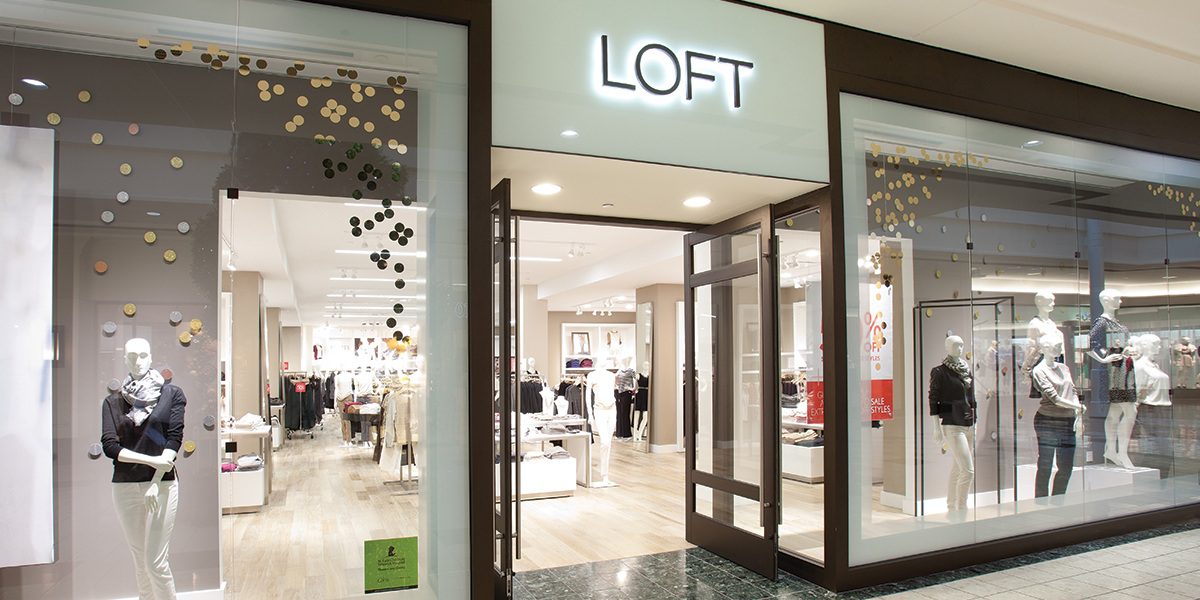
Loft launched plus sizes in February 2018 to real excitement, because Loft is exactly the kind of accessible workwear brand the plus market had been begging for. Barely three years later, shoppers noticed the extended sizes dwindling online and asked what was going on. The answer arrived not in a press release but in the brand’s Instagram comments: “Due to continued business challenges from the last year, we have had to make some very difficult decisions, which has impacted our go-forward sizing.”
That was it. That was the whole announcement. By fall the size chart stopped at an 18. CeCe Olisa, co-founder of theCURVYcon, called it “an unexpected rejection from a new friend,” which is the politest possible way to describe getting dumped in a comments section. Sarah Chiwaya, who started the #PlusSizePlease movement, pointed out the sharper problem: Loft never gave plus a real chance, stocking it in only a handful of stores and then citing weak performance from a range most customers never physically saw.
Here’s the detail that made me put my coffee down while building this record. Loft.com still has a “Plus Shop All” page. I pulled it the first week of July 2026. The marketing copy is fully intact, including the line “Smile, we’ve got your size.” The number of products on that page is zero. Somebody decommissioned the inventory and nobody ever bothered to take down the sign.
Old Navy: The Loudest Launch, the Fastest Walk-Back
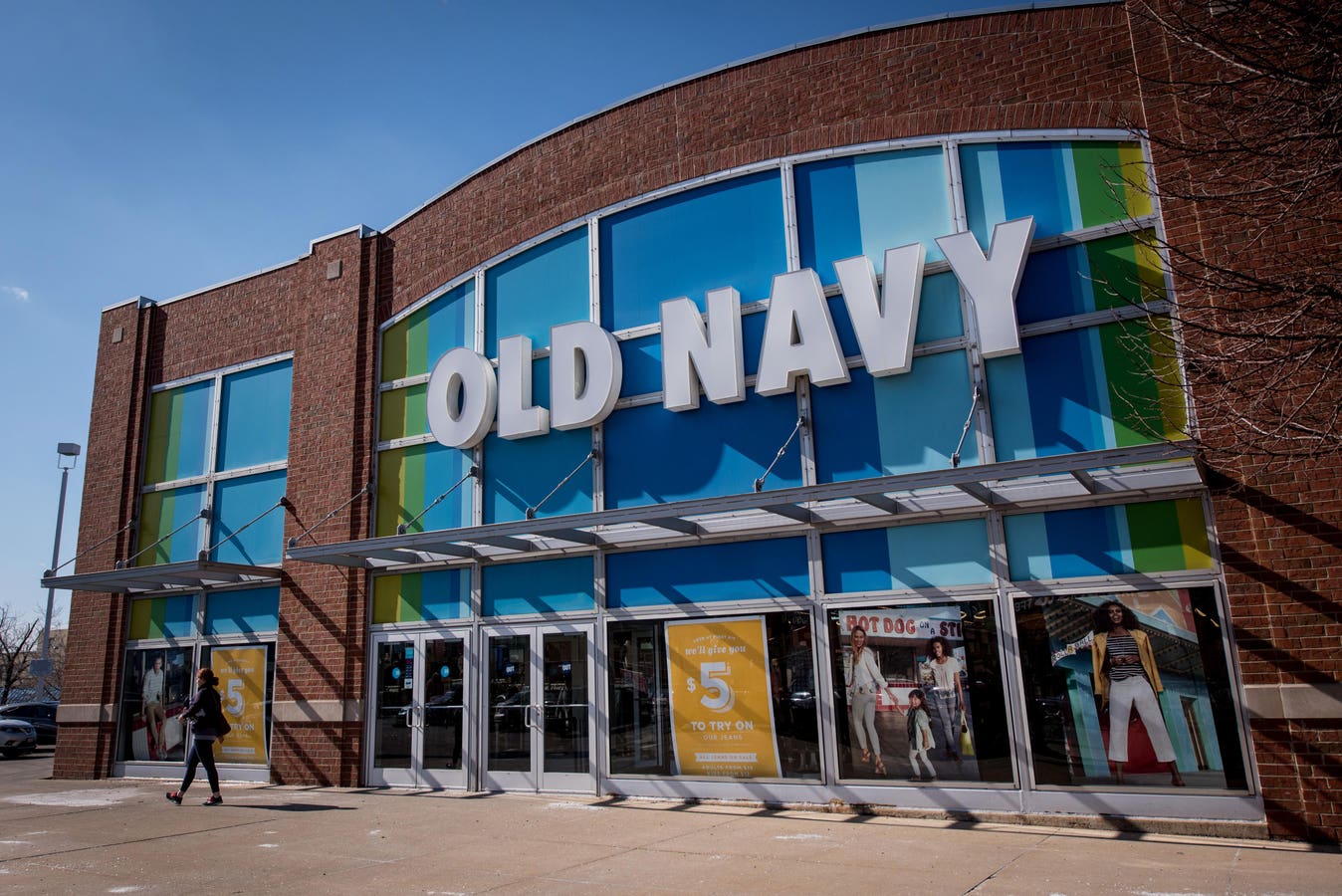

I want to be fair to BODEQUALITY, because it was the biggest size-integration swing any mass retailer has ever taken and the design of it was genuinely right. Every women’s style in every size, merchandised together, at the same price, in every store, with mannequins in a range of bodies on the floor and Aidy Bryant fronting the campaign. Old Navy body-scanned hundreds of real women to rebuild its fit blocks instead of grading up a sample size and hoping. This was not a capsule collection with a hashtag. It was the whole store.
It lasted under a year on the floor. In May 2022, Gap Inc told investors it had overplanned larger sizes, and the program was scaled back in stores while the full range stayed online. The CEO’s language was that they launched “too broadly and too quickly.” Translation from earnings-call to English: they stocked a decade’s worth of trust-building inventory into quarter one and panicked when a customer base they had ignored for years didn’t materialize in ninety days.
The saddest part is the aftermath, because it validates every cynic. Retail data tracked Old Navy’s plus assortment still shrinking year over year as of spring 2026. The boldest experiment in the category didn’t just end. It’s still ending, quietly, four years later.
Target: No Statement, Just a Measured Disappearance
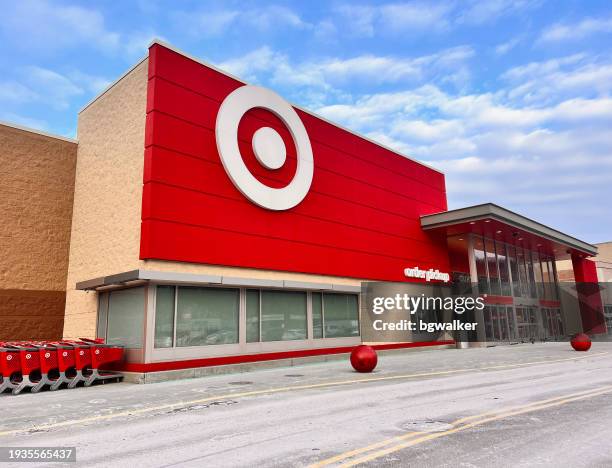
Target belongs in this record precisely because it never announced anything, which makes it the purest example of the retreat-in-silence pattern. Everything we know comes from outside the building. In February 2025, a store associate confirmed on camera, in a video that went massively viral, that her location had discontinued plus sizes altogether. Threads and Reddit filled with shoppers reporting the same shrinkage at their own stores, and the replies never settled anything because no two stores matched.
Then the data arrived and settled it. Retail intelligence firm EDITED, in reporting CNN published in April 2026, measured extended sizes on Target’s site falling by more than a third in a single year, with the decline accelerating in the back half. Target’s entire public response is that it “adjusts offerings to meet consumer demand.” I did a full audit of what’s actually left of Ava & Viv, Target’s house plus brand, and the honest answer is the brand is alive online while the in-store experience dies market by market. No press release will ever tell you which your store is. The rack will.
The Quiet Ones: For Love & Lemons, Dolls Kill, Athleta

For Love & Lemons is the cleanest small-brand case study I found, because both ends of it are verifiable. The launch is dated: extended sizing arrived in August 2019, a small handful of styles in the first two extended sizes, covered warmly by the style press. The end is checkable: the brand’s own curve collection page, still live on its site, returns no products at all as of my pull in July 2026. Between those two facts there is no statement, no interview, nothing. The lingerie brand that got a wave of “my plus-size heart is bursting” coverage on the way in never said a word on the way out. TikTok comments asking them to “produce plus sizes again” are the only public record.
Dolls Kill I’m filing exactly as strongly as the evidence allows, which is: community-reported. There was a customer petition back in 2020 after best-selling pieces were discontinued in larger sizes, the brand made no policy change and no statement, and the complaint that persists across social media is depth of range, not existence, since a plus category is still live on their site today. If harder evidence surfaces, this entry gets upgraded and dated. That’s how a tracker should work.
Athleta sits in the same tier. The 2019 launch of extended sizing is press-sourced. The thinning since is shopper testimony, including a running subreddit record, and I won’t dress testimony up as data. But when the same complaint shows up independently across a brand’s most loyal customers for over a year, it has earned a row with an honest label.
And Anthropologie’s APlus, for the record, is not filed as a cut, because I checked and the line is still live in its original size range. Industry reporting groups it with the rolled-back class of 2019, so it’s on watch here. On watch is not guilty. The whole point of keeping receipts is knowing the difference.
The Ownership Hot Potato: Eloquii, Avenue, Evans
Not every retreat looks like a shrinking rack. Some look like a term sheet. Walmart bought Eloquii in 2018 for a reported nine figures, back when every mass retailer wanted a piece of the plus market, and sold it in April 2023 for a price nobody would say out loud, which in M&A language tells you everything. Eloquii was the third direct-to-consumer brand Walmart offloaded that year. The strategy that acquired it had left the building.
The Australian group City Chic Collective spent the same stretch unwinding its own empire. It sold Evans, the century-old British plus institution, in 2023 for roughly a third of what it had paid three years earlier, and shut down its Navabi operation along the way. Avenue, its American brand, went in 2024, also at a loss. Every one of those transactions was a generalist or a struggling conglomerate deciding plus wasn’t worth the balance-sheet space.
Here’s the twist worth sitting with: the buyer, twice, was FullBeauty Brands, a company that does nothing but plus. Eloquii, Avenue, Catherines, Swimsuits For All, all under one roof now. You can read that as the market abandoning plus-size fashion, or you can read it as plus-size fashion consolidating into the hands of operators who actually want it. Both readings are true at once, and neither one required a press release.
Torrid and Forever 21: Two Different Ways to Close a Door
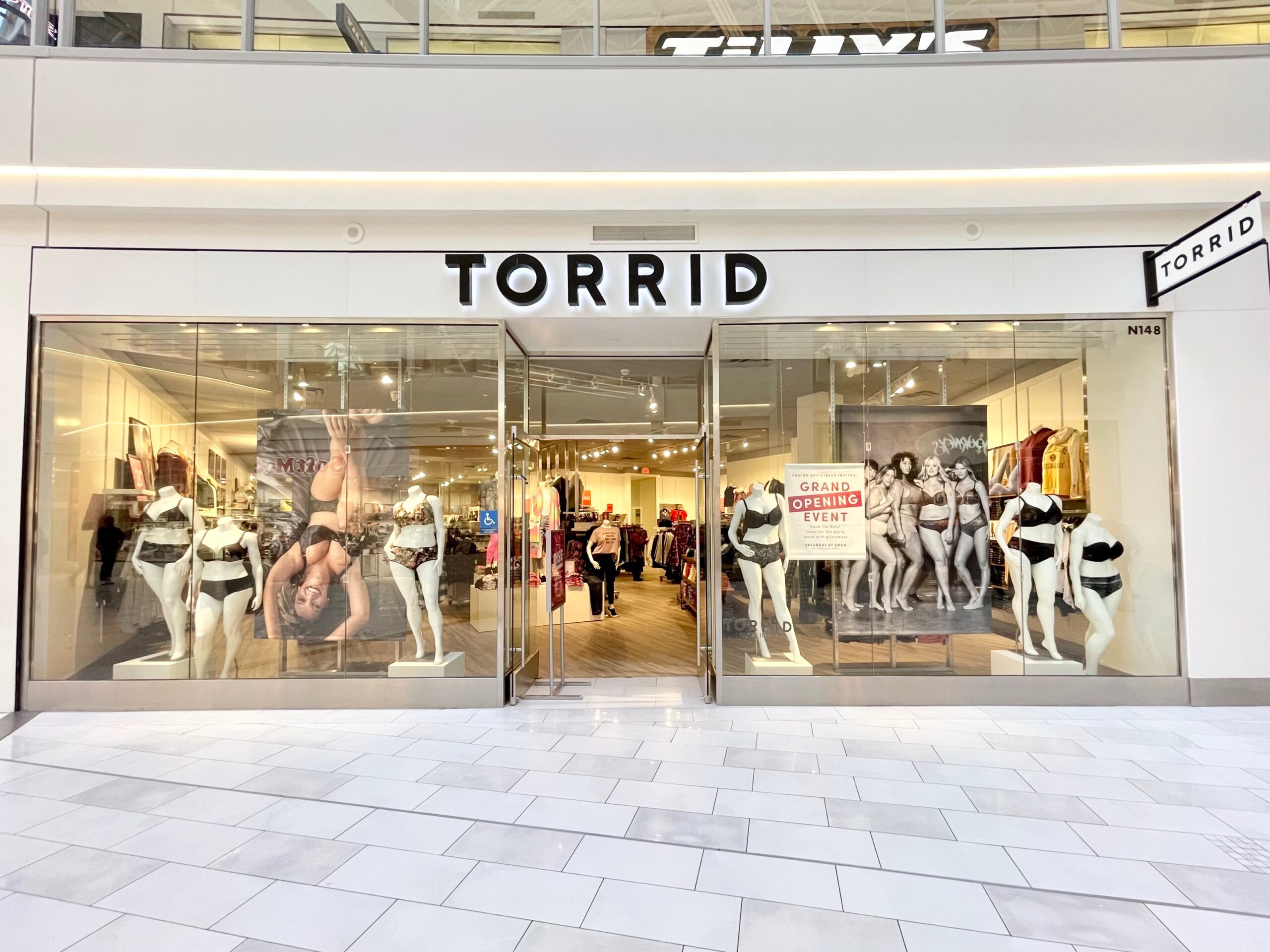
Torrid is in the table because leaving it out would make this record look cooked, but it needs a precise label. In June 2025 the company announced it would close as many as a third of its stores, and by the end of its fiscal year it had shuttered more than a hundred and fifty locations, with a final batch closing through the following summer. That is a real contraction and it genuinely hurt shoppers in the towns where the mall Torrid was the only place to try on clothes in their size. But it is a lease story, not a size story. The size range survived intact and the business went digital-first. File it accurately or don’t file it at all.
Forever 21 is the opposite case: total collapse that took the plus line down with everything else. The tell came early, though, and it’s the most on-pattern detail in this entire record. The brand’s dedicated plus-size Instagram account went dark in the summer of 2024, noticed not by the press but by a model who had worked those campaigns herself. The bankruptcy filing came the following March, and every remaining US store wound down. The plus account went quiet before the company did. Remember that sequencing. It’s the canary.
Why Inclusivity Was First on the Chopping Block
Line up the dates and the logic exposes itself. The launches cluster in the boom years of the body positivity movement, when brands were terrified of being the last one without a size-inclusive press release. The retreats begin the moment the pandemic’s supply chain chaos and the inventory glut that followed gave finance departments cover to cut anything labeled “test.” Plus lines were the newest lines, so they had the shortest sales history, so they were the easiest rows to delete in a spreadsheet. Nobody had to say the quiet part.
The excuses come in three flavors and the experts have dismantled each one. “It didn’t sell” usually meant it wasn’t marketed: fashion consultant Megan Ixim, who is often the only plus-size person in the rooms where these calls get made, put it plainly: “Brands launched plus-size lines without investing in fit or marketing. Then they said, ‘It didn’t sell.'” “It costs more to make” ignores that you grade costs across the whole size run, the same way a shoe brand doesn’t charge by foot length. And the newest excuse, the GLP-1 wave, assumes a demographic is simply going to vanish. Comedian and activist Lauren Hope Krass has the cleanest rebuttal on record: “You don’t fix a bias by removing a demographic of people.”
Because the demand never left. The majority of American women wear a size 14 or above, and the average American waistline corresponds to roughly a size 16. The customer these brands walked away from is not a niche. She is the statistical center of the market. That’s what makes this record read less like business strategy and more like an industry-wide flinch.
The Brands Still Showing Up
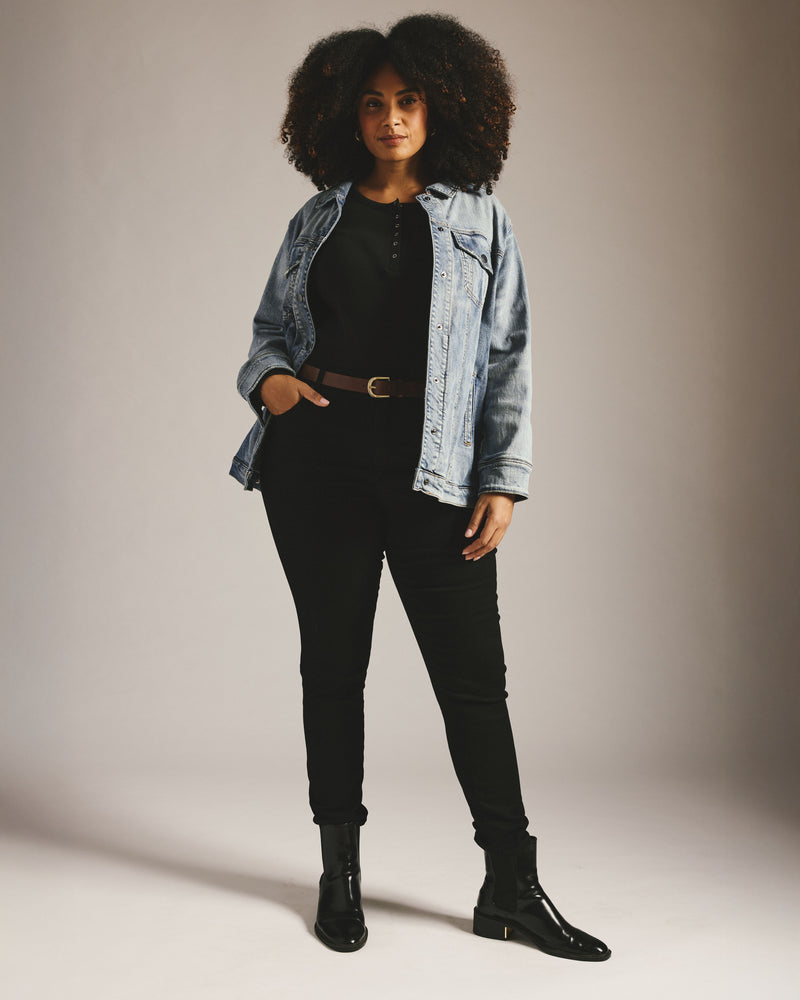

A tracker that only keeps receipts on the guilty is just a grudge. These are the brands whose receipts run the other direction, dated the same way, and if you’re deciding where your money goes after reading all of the above, this is my shortlist.
| Brand | The commitment, dated | Status now |
|---|---|---|
| Universal Standard | Took its entire brand to sizes 00-40 in 2019 and never retreated | Expanding: entered 20 Nordstrom stores in 2025 plus wholesale with Macy’s, Anthropologie, Nuuly |
| Torrid (the clothing line) | Sizes 10-30 through every phase of the store closures | Digital-first; size run untouched |
| Lane Bryant | Extended Cacique bras to 50 bands and K cups; expanded sleep and lounge sizing; pushing into swim | Expanding: entering Canada through 320 Walmart stores |
| Ulla Popken | Plus-size specialist by design, never a side project; US operation since 1993 | Part of a group running roughly 600 stores worldwide |
| Superfit Hero | Went the opposite direction from everyone: dropped its smaller sizes entirely in November 2020 to serve L-7X only | Still the only activewear brand built exclusively for plus athletes |
Universal Standard is the one I recommend most often and the one whose showroom I’ve actually stood in, and their whole thesis, that a size 36 deserves the same shopping experience as a size 6, has survived every industry mood swing since they said it. Torrid’s denim wall is still the widest fit range in mall-brand America even with fewer malls involved. Lane Bryant’s Cacique bras in the extended bands are solving a problem almost nobody else will touch. And on the specialist end, Ulla Popken has been quietly doing this since before inclusivity was a marketing word, while Superfit Hero’s leggings come from the only brand in this entire article that cut its straight sizes to serve us better. Reward the ones who stayed. It’s the only vote that gets counted.
How to Spot the Next Retreat Before the Brand Admits It
Every confirmed cut in this record telegraphed itself the same way, so consider this the early-warning checklist. The plus range goes online-only “based on customer demand,” which is how Old Navy’s floor retreat was framed. New drops start skipping the extended run while core sizes get everything, the For Love & Lemons pattern. The brand’s dedicated plus social account goes quiet, the Forever 21 canary. The size chart gets edited without a changelog, Loft’s move. And the clearance section starts overrepresenting extended sizes, which is what liquidating a size range looks like in real time. Two or more of those at your favorite brand? Screenshot the size chart. Apparently they’re historical documents now.
The Empty “Plus Shop All” Page Says It All
If this whole record had to shrink to a single image, it’s that Loft page: the banner still promising “Smile, we’ve got your size” above a shelf holding nothing. That’s the plus-size shopper’s experience of the last five years in one screenshot. The promise stayed up. The clothes left.
This page doesn’t leave. New cuts get added with dates and sources as they’re confirmed, upgrades and corrections included, because the entire problem this article exists to fix is that nobody was writing the retreats down. The brands are betting on our short memory. Bookmark this and prove them wrong.