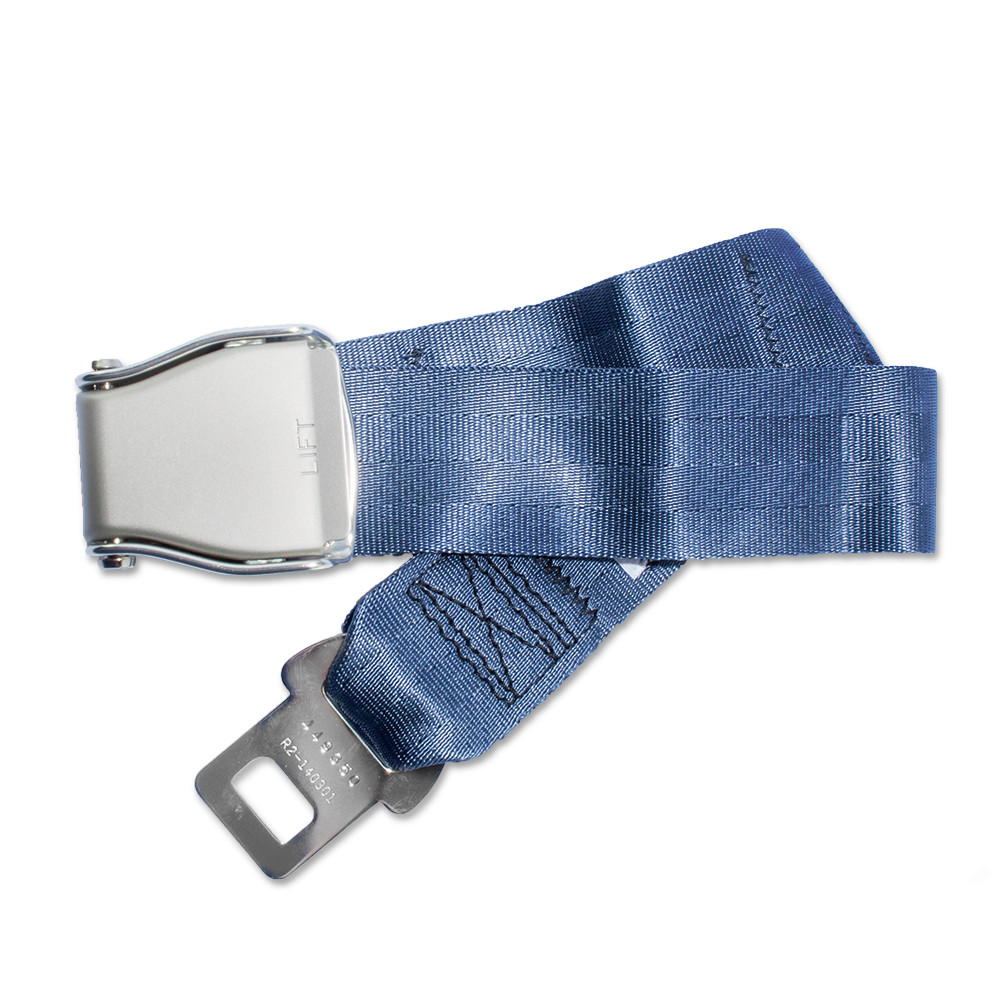

There’s a metal chair bolted to a concrete pad outside the entrance of Steel Vengeance, and it might be the most emotionally loaded piece of furniture in Ohio. It’s a test seat: one exact replica of the ride’s seat, restraint and all, sitting in the open where the whole midway can watch you try it. For a lot of plus-size riders, that chair is the scariest thing in a park full of 200-foot drops. Not because of what it does. Because of what it might say, in public, with an audience holding funnel cakes.
I want to talk you out of that fear, because the test seat is not a judgment device. It’s the only honest piece of information Cedar Point will hand you all day. The park publishes no seat widths, no belt lengths, and no weight charts for its coasters. Its official line, straight from the accessibility page, is that “restrictions for guests of larger size (height or weight) are posted at certain rides,” and the ride pages for its newest coasters all carry the same sentence: due to the nature of the restraint, this ride may not accommodate guests of a larger size. That’s it. That’s the entire official spec. Everything else - which rides actually close, which rows have the longer belts, which restraint will pin your thighs - lives in forum threads, subreddit posts, and shaky phone videos, where plus-size riders have spent years quietly building the guide the park never wrote.
So I did what I do for airline seatbelts: I compiled the record. PointBuzz threads that run four pages deep with people posting their exact stats and outcomes. CoasterBuzz’s crowdsourced map of the modified seats. The r/cedarpoint threads. The “Fat Guy Ride Testing” YouTube series that walks the park test seat by test seat. Where Cedar Point says something officially, I’ve marked it official. Where the source is a rider with a tape measure and a good memory, I’ve marked it rider-reported. Where the reports fight each other, I say so instead of picking a winner. I haven’t buckled into these trains myself; this is the community’s knowledge, organized so you can use it. One thing before the table: nobody, including the park, can promise you a yes or a no from a chart, because two people with identical stats carry weight differently and get different outcomes. What this guide can do is tell you where the fights happen, so nothing ambushes you on a platform.
The Master Table: Every Coaster, One Honest Row
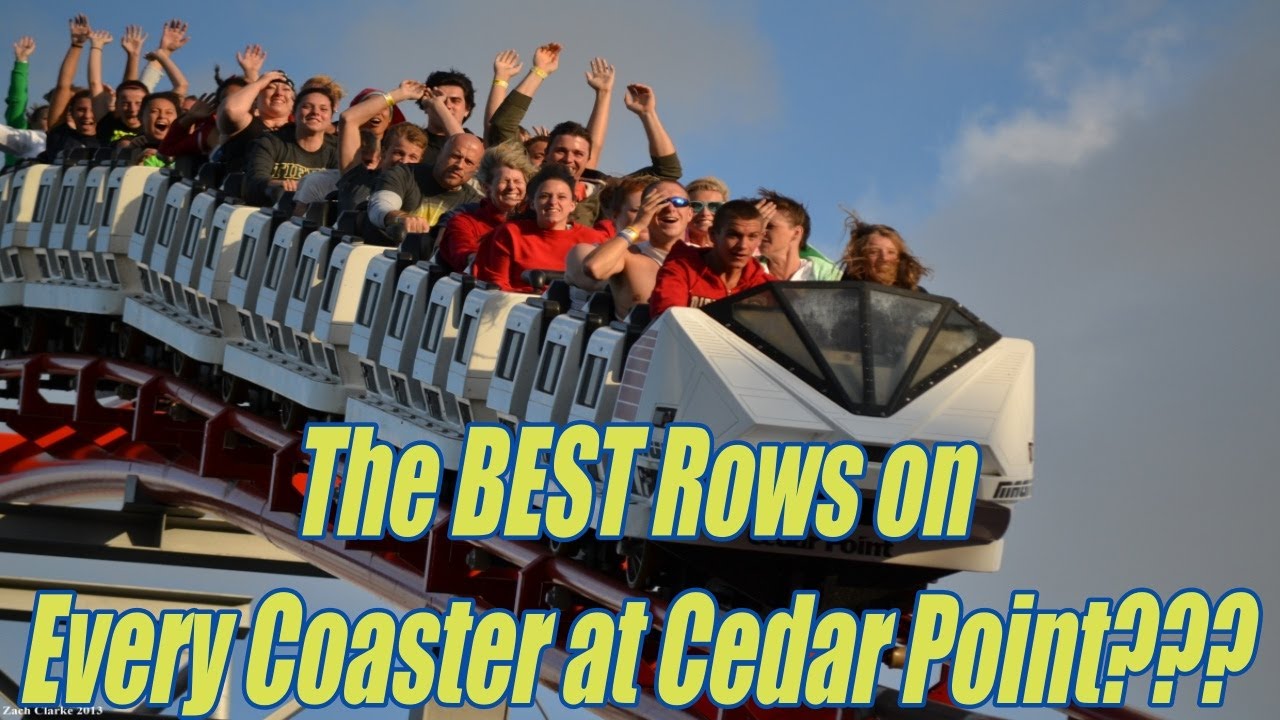
Verdicts come from the rider record, not from me and not from the park. “Try the test seat” is not a hedge; it’s the strategy the community itself converged on after years of platform heartbreak.
| Ride | Test seat? | Known tight points | Rider-reported verdict |
|---|---|---|---|
| Steel Vengeance | Yes (rider-confirmed) | Lap bar over thighs; belt catches if pulled fast; tightest restraint in the park by consensus | Thigh-heavy bodies struggle most; some who fit report the test seat reading red anyway. Reports conflict at the same stats. Test seat, always. |
| Millennium Force | Yes (official) | Short seatbelt across upper thighs and hips | The classic heartbreaker. Belt fit depends on thighs, not waist. Riders reported newly shortened belts in spring 2026; treat all older “I fit” reports as suspect until that settles. |
| Maverick | Yes (official) | Vest-style restraint; buckle can be blocked by a very large midsection; some report thigh stapling | Repeatedly named the most plus-size-friendly big coaster. Riders denied everywhere else often ride Maverick. |
| Top Thrill 2 | Yes (official) | Lap bar must firmly contact pelvis and thighs (official language) | New trains since the Dragster era, so old TTD lore no longer applies. Thin record so far. Test seat. |
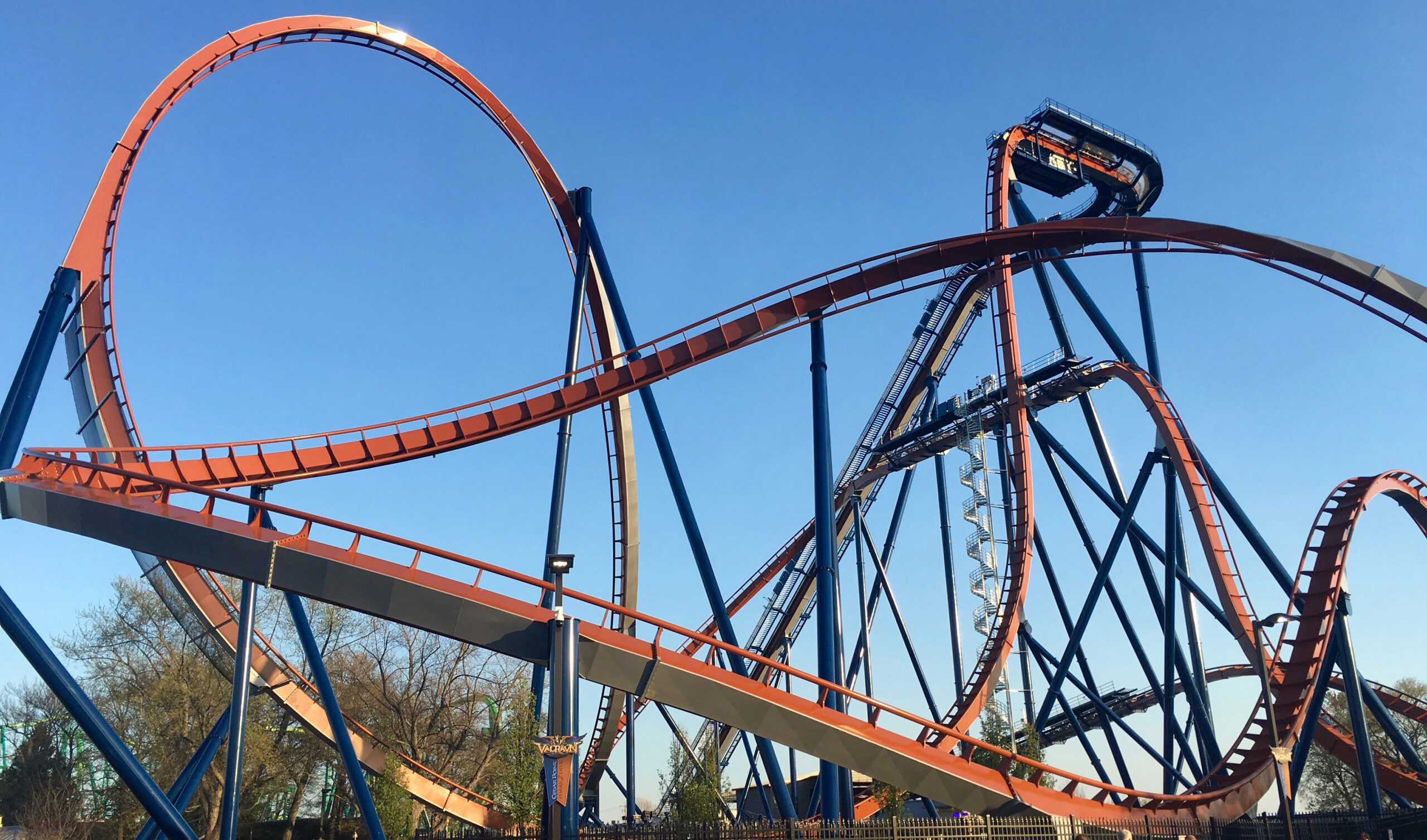
| Valravn | Ask at entrance | Shoulder harness plus belt; chest and shoulders | Modified seats with red belts reported in every row. Riders report getting “stapled” but riding. One of the friendlier inverting coasters. |
| GateKeeper | Yes (rider-confirmed) | Shallow seat; thighs, chest, shoulders; regular-row belts run short | Go straight to row 4, the marked larger seats with red belts. Regular rows described as “1-for-5” odds by one regular. The largest riders report row 4 can still say no. |
| Raptor | Yes (official) | Shoulder harness; chest and shoulder width | Larger seats with double belts reported in row 4. Chest-heavy riders get booted here more than anywhere except MF. Ride op effort genuinely matters. |
| Rougarou | Ask at entrance | Bucket seat pinches hips and thighs; shoulder bar itself is roomy | Hips are the whole question. Double-belt larger seats reported in row 4. |
| Magnum XL-200 | Ask at entrance | Short seatbelt; fixed low lap bar cramps long legs | Most fit; the belt is the only gate. Tall riders with long legs call it painful, not tight. |
| Gemini | Ask at entrance | Belt only; bench seats | Consistently reported friendly. A reliable yes for most. |
| Iron Dragon | Ask at entrance | Pull-down chest restraint, generous fit | The most comfortable seat in the park, per multiple riders. Start your day here if nerves are loud. |
| Blue Streak | Ask at entrance | Divided seats; short belt that snags while buckling; dividers sit off-center on some rows | The sleeper rejection. Riders who fit steel giants report failing this wooden classic on hips alone. |
| Corkscrew | Ask at entrance | Over-shoulder harness; chest and belly | Snug but doable for many; the very largest riders report the harness will not lock. |
| Cedar Creek Mine Ride | Ask at entrance | One shared lap bar per bench; short belt; no room for wide thighs beside the bar | The park’s most deceptive no. It’s a family coaster that rejects more plus-size riders than half the giants. Cross your ankles and angle your knees if you try. |
| Wild Mouse | Ask at entrance | Individual over-thigh lap bar | Seats molded wider than older spinners by design; some larger builds still report a tight thigh bar. Mostly a yes. |
| Siren’s Curse | Yes (official) | Vest harness with between-the-legs belt; chest contact required | Too new for a deep record. Official pages carry the larger-guest warning and a test seat sits at the entrance. Report back. |
How to Read That Table Without Spiraling
First, notice what actually gates each ride. It’s almost never weight as a number. It’s geometry: where the belt crosses you, where the bar lands, whether your hips let you slide fully back in a bucket seat. The community record is full of pairs of people with near-identical stats and opposite outcomes, including two men of the same weight where one rode Steel Vengeance comfortably and the other was turned away at the test seat. Nobody on a forum can tell you your answer, and neither can I. What the record can tell you is which body part each ride interrogates, and that’s genuinely useful: if you carry weight in your thighs, your hard rides are the lap-bar giants; if you carry it in your chest and shoulders, your hard rides are the harness coasters; if it’s your hips, watch the divided and bucket seats.
Second, understand what the test seat is and isn’t. Riders have long sworn the test-seat belts run slightly shorter than the belts on the actual trains, and more than one has quoted a Cedar Point height checker saying that if the metal touches, you’ll likely be fine onboard. That would make the test seat a worst-case scenario, which is exactly what you want it to be. But in spring 2026, Millennium Force riders started reporting the reverse: passing the test seat, waiting through the line, and being denied on the platform. Both patterns are rider-reported, and they can’t both describe a well-calibrated system, which tells you the calibration is not something to bet an hour of queueing on. Use the test seat as strong evidence, not a contract.
Steel Vengeance and Millennium Force: The Two That Decide Your Day
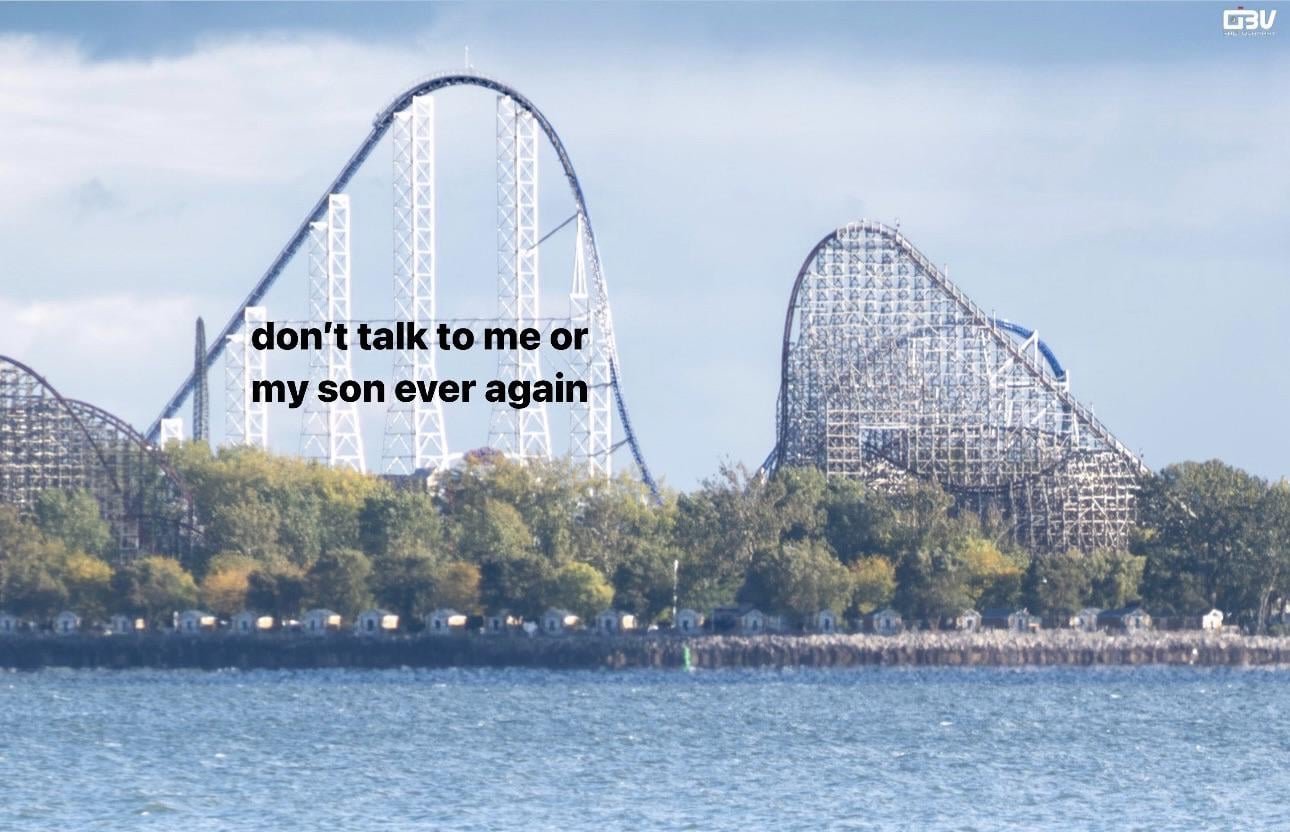
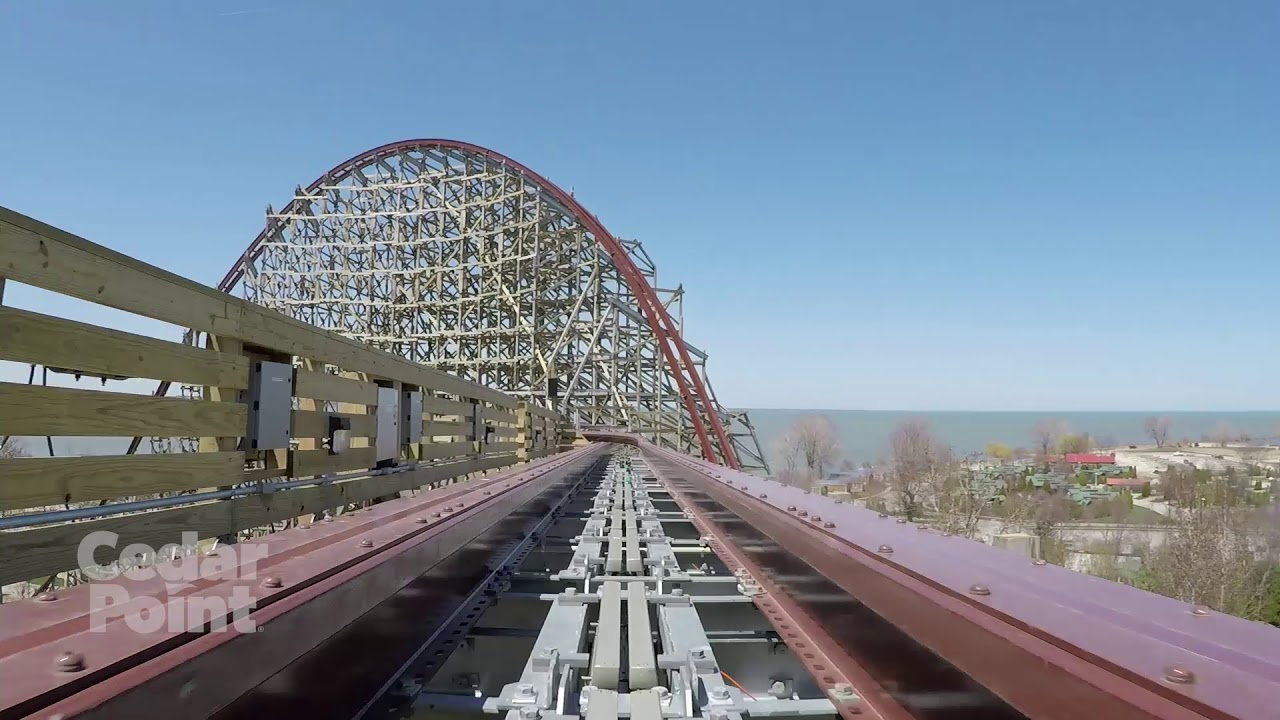
These are the rides people lose sleep over before a trip, so let’s be precise about both.
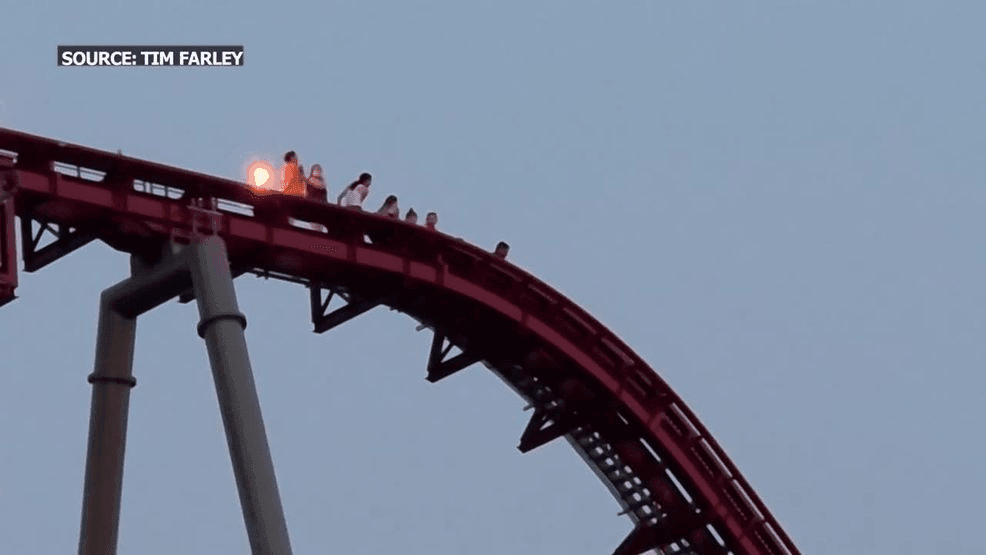
Steel Vengeance runs a lap bar with a shin restraint and a seatbelt, and the consensus across every thread is the same: it is the tightest restraint at the Point, and it interrogates your thighs. The station has a screen showing a green or red light for every seat, and the veterans’ choreography is well documented: slide your butt all the way back, buckle before you bring the bar down, get as much of your midsection above the bar as you can, and bring it down with momentum rather than a slow press. The belt likes to catch if you yank it. Riders describe punching the bar down the last inch for the green light, and ride ops will give a firm push if you ask. Here’s the honest part: at the same height and weight, one rider reports “no trouble whatsoever” and another reports being turned away at the test seat. Distribution decides, not the scale. If your weight lives in your gut and chest, your odds are decent. If it lives in your thighs, take the test seat verdict seriously.
Millennium Force is a different machine with a simpler gate: a plain lap bar and a famously short seatbelt that crosses your upper thighs, not your waist. For two decades the community advice was consistent - it’s a thigh ride, thin fabric helps, and a women’s size 20 rider described the belt as “just barely” closing. Then came the 2026 season. Riders who had fit for years began posting that they were suddenly turned away, with one reporting a ride attendant confirmed the belts had been shortened, and aggregated complaints included people with waists in the mid-thirties struggling to buckle. Cedar Point hadn’t publicly explained the change when those reports circulated. I can’t tell you where that lands by the time you visit. I can tell you the only rational play: treat every earlier MF fit report, including your own past rides, as unreliable, use the test seat the morning you’re there, and don’t let this one ride carry your whole trip’s emotional weight. It has broken enough hearts on that platform already.
The B&M Secret: Marked Seats With Longer Belts
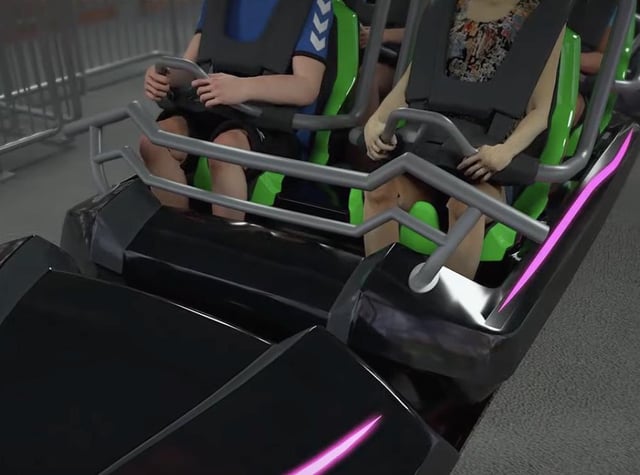
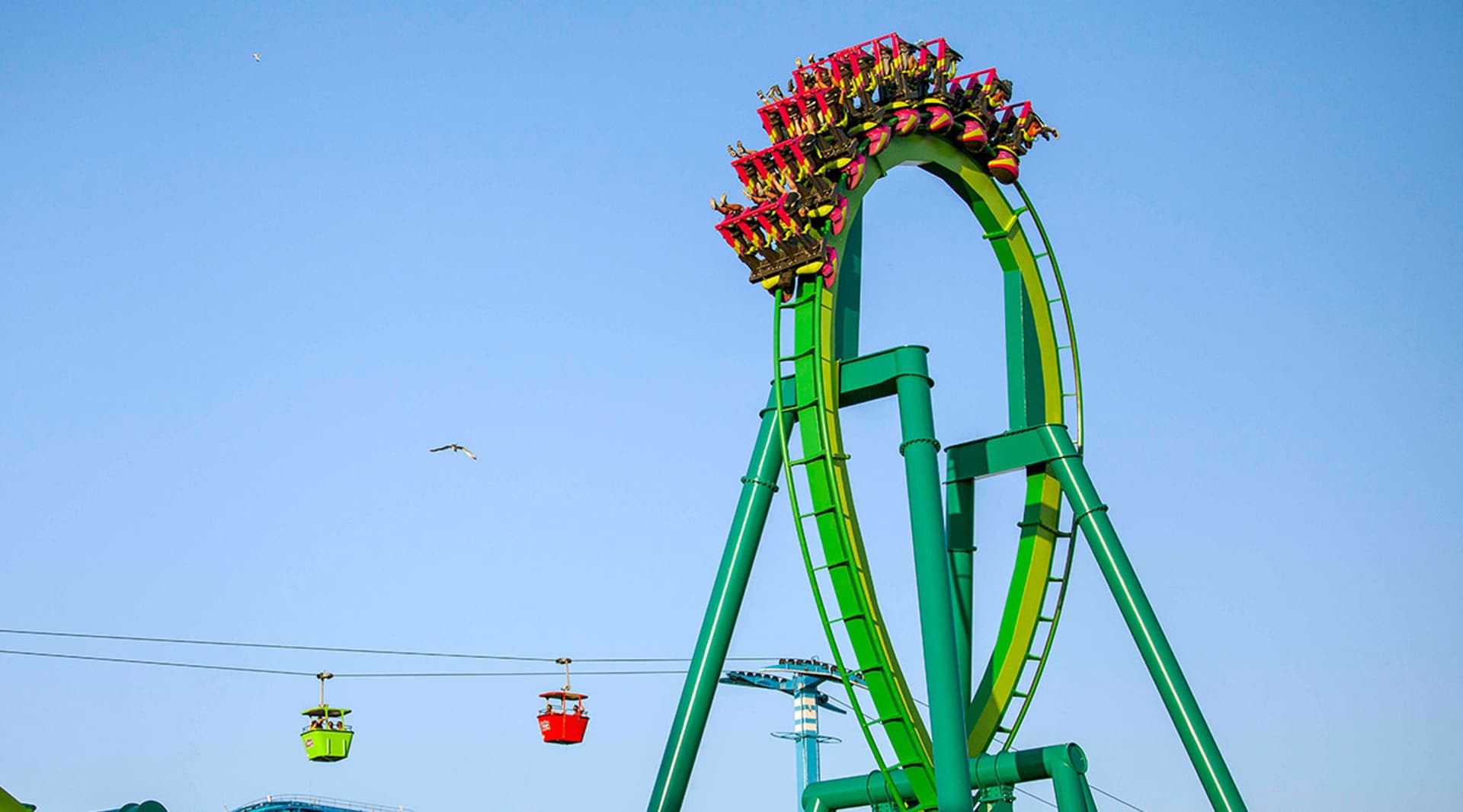
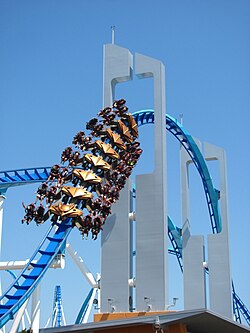
Here’s the single most useful thing buried in the forums, the thing that should be on a sign at the front gate: the park’s four big inverting coasters from manufacturer B&M all have modified seats with longer belts, and the community has mapped them. Enthusiasts report double belts on row 4 of both Raptor and Rougarou, red belts on the same row of GateKeeper, and red-belt seats on Valravn spread across its rows. Riders say the accommodating rows are labeled on the station floor, and ride ops will point you to them if you ask. That one paragraph converts four intimidating coasters into four realistic ones.
The nuance per ride: Valravn draws the warmest reports of the group, including from riders denied elsewhere who described being clamped in snugly but riding happily, twice. GateKeeper is the wild card; its regular seats sit shallow and its belts run short, and even the marked row has said no to riders at the biggest end of the record, so treat row 4 as a good chance rather than a promise. Raptor is where chest and shoulder width matters most, and the record is full of riders who fit one year and not the next, with outcomes that visibly depended on how hard the ride op was willing to work. Rougarou’s shoulder bar is roomy; its bucket seat is not, and wide hips are the sticking point. On all four, the ask is identical and painless: walk up, say “which row has the larger seats,” and let the crew seat you. They do this all day. You will not be the first, or the tenth.
The Quiet Yeses
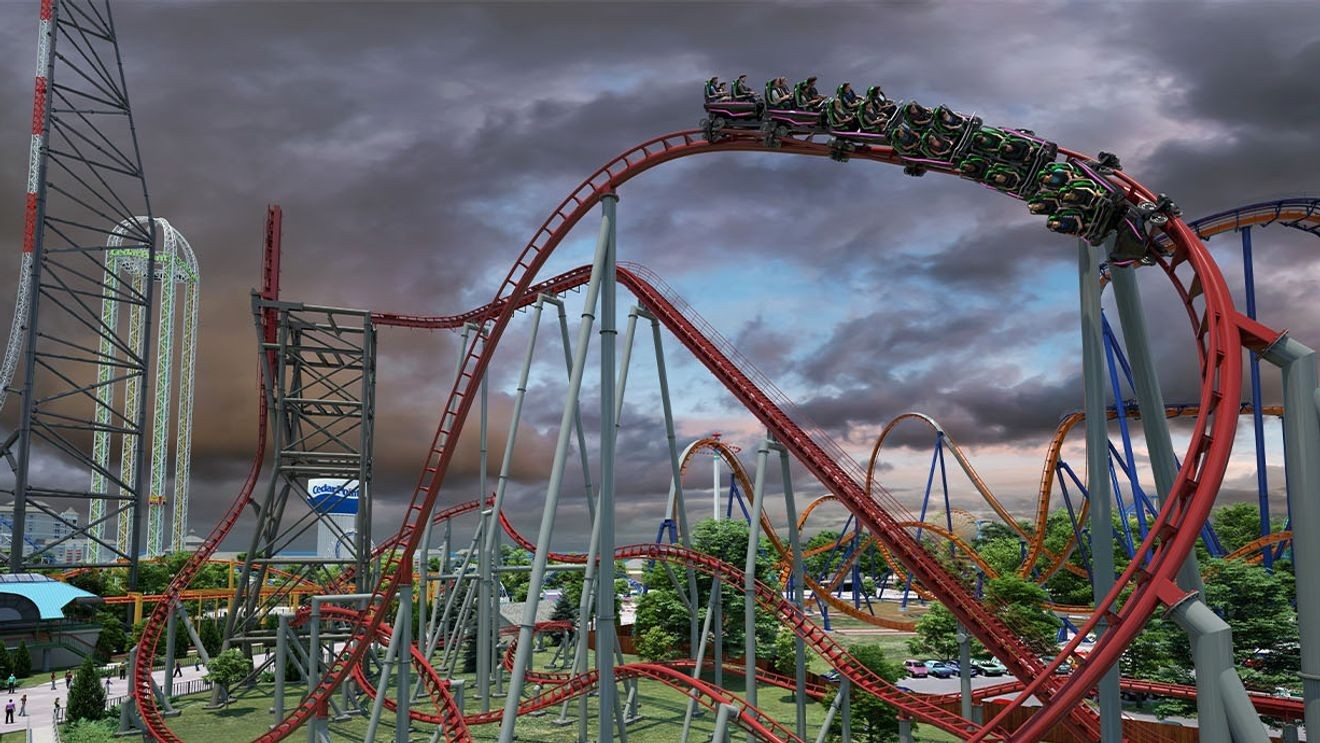
Maverick deserves its reputation as the plus-size ride of the park. Across years of threads, it’s the coaster that people who fit nothing else ride with room to spare, including a size 22/24 rider whose entire successful day was Maverick on repeat. Its vest restraint fits most bodies; the exceptions in the record are riders with very large midsections, where the buckle simply can’t reach around, and occasional complaints of the bar pinning thighs uncomfortably. It also has an official test seat, so you can confirm in thirty seconds.
The old Arrow steel lineup is your comfort zone. Iron Dragon gets called the most comfortable seat at Cedar Point so consistently that I’d make it your first ride of the day on purpose: an easy, guaranteed win that resets your nervous system before you negotiate with the giants. Gemini’s bench seats and simple belts accommodate nearly everyone in the record. Magnum XL-200 fits most bodies through the belt, with one caveat that has nothing to do with width: its fixed lap bar sits low and close, and tall riders with long legs describe real pain rather than tightness, including one visitor who rode once and refused a second lap. Wild Mouse, the newer spinning coaster, was built with deliberately wider molded seats, though a few larger riders still report the individual thigh bar landing snug.
The Sleeper Rejections
Now the ambushes, because these hurt more than a Steel Vengeance no. Nobody cries over the park’s most extreme coaster turning them away; everybody remembers being rejected by the kiddie-adjacent one while their family watched.
Blue Streak, the gentle wooden classic from 1964, fails plus-size riders constantly. The seats have dividers, the belts run short, and buckling requires a contortion where the belt snags mid-motion. Riders who cleared Millennium Force have failed Blue Streak on hip width alone. One regular’s tip from the record: the dividers aren’t mounted evenly, and on some trains the second-to-last row has an off-center divider that leaves one side noticeably wider. Cedar Creek Mine Ride is worse, because it looks like nothing. It’s a family mine train, and it runs one shared lap bar across each bench, which means the bar comes down to the largest rider and wide thighs have nowhere to go beside it. The record calls it “awful on the belly,” “hideously tight,” and a flat no for riders who fit half the big coasters. Riders who made it describe crossing their ankles and angling their knees to steal an inch. Corkscrew sits in between: an old-school shoulder harness that many plus-size riders squash into successfully and the largest riders report won’t click.
The pattern is age and restraint design, not thrill level. Newer coasters were engineered with test seats and marked accommodations; the classics were built for 1969 bodies. Plan accordingly, and don’t let a wooden coaster’s rejection tell you anything about the steel ones.
The New Generation: Top Thrill 2 and Siren’s Curse
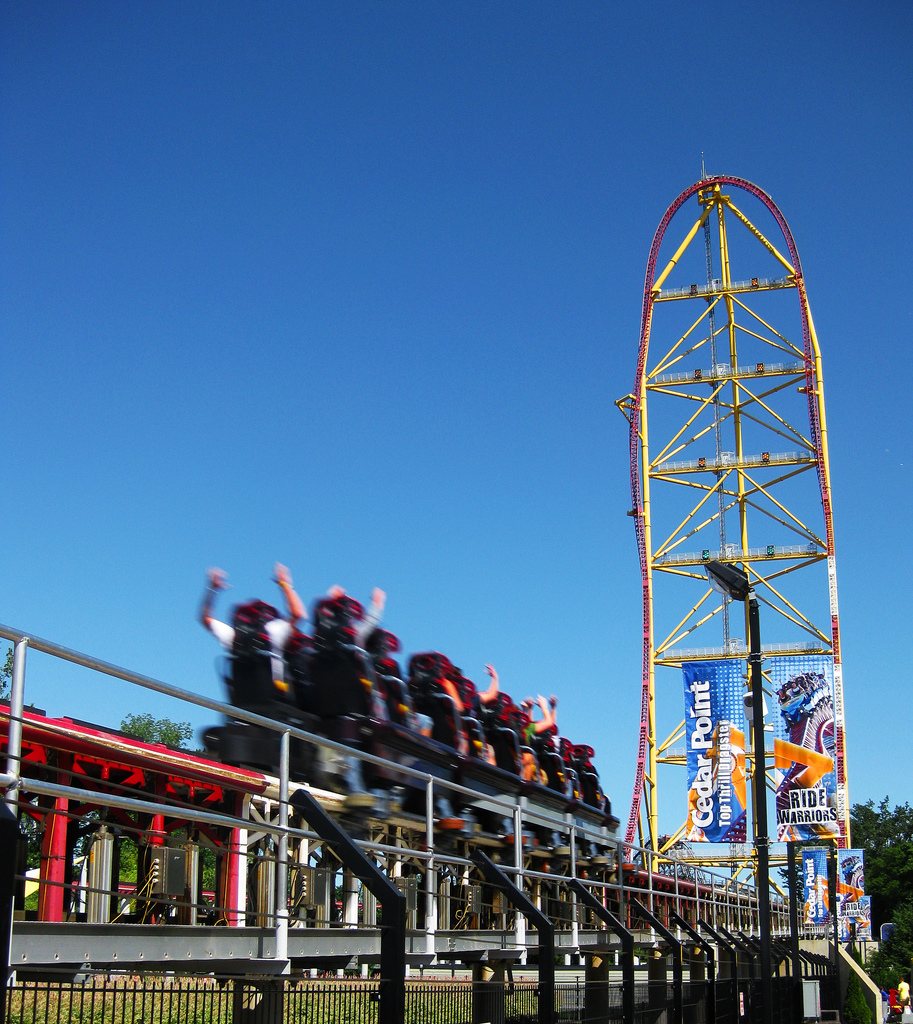
Both of the park’s newest headliners carry the official larger-guest warning and an official test seat at the entrance, which is the modern template: no published dimensions, but at least an honest preview chair. Top Thrill 2 matters here for what it isn’t - it is not Top Thrill Dragster. The trains were replaced entirely when the ride was rebuilt, and the official language now requires the lap bar in firm contact with your pelvis and thighs. Every piece of Dragster fit lore, positive or negative, describes hardware that no longer exists. Siren’s Curse, the tilt coaster, uses a vest harness with a between-the-legs belt, and its plus-size record is still thin. If you ride either one, post your stats and outcome somewhere public afterward. That’s not a platitude; that community record is literally the only documentation that exists, and this article is built from people who bothered.
How to Work the Day: Fabric, Timing, and Ride Ops
The community’s tactical consensus is remarkably consistent, so here it is as a plan rather than a scatter of tips.
Wear the thinnest, stretchiest bottoms you own. This is the single most repeated finding in the entire record: riders report clearing belts in thin athletic shorts that they couldn’t close in cargo shorts or jeans, because structured fabric holds bulk exactly where the belt needs it to move. Several riders go further and wear compression shorts a size down under thin shorts or leggings, which does double duty at Cedar Point specifically: the same layer that helps a belt close is the layer that stops your inner thighs from grinding through eight hours of walking the longest midways in the country. If you skip the compression layer, at least throw an anti-chafe stick in your bag, because the peninsula is humid and the queues are long. Empty your pockets before every test seat; keys and a phone add real bulk exactly where the bar lands.
Do your test seats first thing in the morning. This is borrowed straight from a veteran of the plus-size threads: at opening, the midways are empty, and you can walk the park and sit in every test seat that matters to you with no audience at all. Fifteen quiet minutes converts the whole day from a series of public auditions into a checklist. You’ll know your yes rides, your maybe rides, and your skip rides before the crowds arrive, and you’ll spend the rest of the day riding instead of rehearsing. Morning also happens to be when your body is at its smallest; riders consistently report fits getting harder late in the day after meals and heat swelling, so put your borderline rides early. A portable neck fan earns its bag space in those afternoon queues, and cushioned walking shoes matter more at this park than almost any other, because it’s enormous and you will lap it.
Finally, let the ride ops help. Read any of these threads and you’ll notice something tender underneath the logistics: rider after rider goes out of their way to thank a crew member by shift and seat number for genuinely trying, for the firm push on the bar, for the quiet “lift your arms” that made a harness click. Getting a push is not a scene; it’s a normal part of loading a train, and the crews that work these platforms do it dozens of times a day. If a seat says no, the record’s etiquette is worth adopting: no arguing, walk to the next ride, and remember it’s a hardware measurement, not a character reading. And know the geography of a no before it happens: on most coasters you exit the platform the normal way, nobody announces anything, and the moment is smaller in real life than it is in your head at 2 a.m.
Cedar Point is the first regional park in this series, because the search records show thousands of people asking this exact question into a void every summer. CGJ will be building the same ride-by-ride record for other regional parks, mined from the same community sources.
Sixteen Verdicts Beat One Fear
Here’s your itinerary, in the Zoe tradition of endings you can execute. Arrive at opening. Walk the empty midway and run your test seats: Steel Vengeance, Millennium Force, Maverick, and whichever of the new pair you’re eyeing. Ride Iron Dragon first for the easy win, then spend your morning on your borderline rides while your body and the belts are on best terms. Ask every B&M crew for the marked rows: row 4 on Raptor, GateKeeper, and Rougarou, red belts on Valravn. Save Gemini and Magnum for the afternoon, skip Blue Streak and the Mine Ride unless the test sit says otherwise, and file a report in one of the threads on your way home, because the next terrified person planning this trip will find your post the way you found this article. The test seat was never the enemy. It’s the one chair in the park that works for you.