

An under-breast rash is one of those problems almost nobody talks about and an enormous number of people deal with. Warm skin folded against warm skin, trapped moisture, a little friction, and within a day or two you have a red, stinging, sometimes itchy patch that catches every time you move. It has a proper medical name, intertrigo, and it is extremely common in anyone with larger breasts, simply because there is more skin in contact for longer. That is anatomy doing what anatomy does, not a hygiene failure, and treating it as a hygiene failure is the reason so many people scrub at it and make it worse.
The good news is that uncomplicated intertrigo usually settles quickly once you break the moisture and friction cycle. The complication worth knowing about is that a damp skin fold is also an inviting place for yeast, and a rash that has tipped into a yeast overgrowth needs a different treatment. Below is how to tell those apart, what actually clears each one, how to stop it returning, and the specific signs that mean you should stop self-treating and get it looked at.
What an under-breast rash actually is
Intertrigo is inflammation caused by skin rubbing against skin in a warm, moist environment. It typically shows up as a red or reddish-brown patch that mirrors the fold itself, often symmetrical on both sides, and it can sting, burn or itch. The skin may feel raw or look slightly shiny, and in stubborn cases it can crack or weep a little. Heat, humidity, sweat, tight or non-breathable fabrics and prolonged contact all push it along, which is why it flares in summer, after exercise, and during long days in a bra that traps moisture rather than moving it away.
The important thing to understand is the cycle. Moisture softens the skin barrier, friction damages the softened skin, damaged skin weeps slightly, and that moisture feeds the next round. Every effective treatment works by interrupting that loop at one point or another, which is why keeping the area genuinely dry does more than any cream can on its own. If your underlying issue is heavy sweating in that area rather than an active rash, our guide on how to stop boob sweat and under-breast sweat tackles the root cause and is worth reading alongside this.
How to tell whether yeast has moved in
This distinction changes what you should put on it, so it is worth a careful look before you treat. Plain intertrigo tends to be a fairly uniform red patch confined to where skin touches skin. A candidal, or yeast, overgrowth usually looks angrier and more defined: a brighter red patch with a clear scalloped border, often with small separate spots or pustules just beyond the main area. Those outlying spots, called satellite lesions, are the most useful single clue, because plain friction rash does not scatter like that. Yeast also tends to itch more intensely than it stings.
| Sign | Friction rash | Likely yeast | Needs a doctor |
|---|---|---|---|
| Shape | Follows the fold | Defined scalloped edge | Spreading outward fast |
| Outlying spots | No | Yes, satellite spots | Pustules with pus |
| Sensation | Stings, burns | Intense itch | Severe or deep pain |
| Other signs | None | Sometimes odour | Fever, foul odour |
There is a third possibility worth naming, which is bacterial infection. That tends to bring genuine pain rather than itch, warmth, swelling, sometimes pus or a distinctly unpleasant smell, and redness that spreads beyond the fold. Bacterial infection is not something to treat with drugstore creams, and it is covered in the escalation section further down. If you are ever unsure which of the three you have, that uncertainty is itself a good reason to have someone qualified look at it rather than cycling through products.
Treating it, step by step
Start with cleansing, and be gentler than instinct suggests. Wash the area with lukewarm water and a mild, fragrance-free cleanser, then rinse properly so no residue sits in the fold. Skip antibacterial or heavily perfumed soaps, which strip an already compromised skin barrier and frequently make the stinging worse. Then dry the fold completely, which is the step most people rush and the one that matters most. Pat rather than rub, and if patting is not getting it properly dry, a hairdryer on its cool setting held at a distance works well and takes under a minute.
Once the skin is genuinely dry, apply a barrier. A zinc oxide ointment is the standard choice because it physically separates the two skin surfaces and repels moisture rather than absorbing it. If you have identified likely yeast, an over-the-counter antifungal cream containing clotrimazole or miconazole is the appropriate treatment, applied thinly twice daily and continued for the full course on the packet even after it looks better, because stopping early is the most common reason yeast comes straight back. Do not reach for a steroid cream on its own, since steroids calm redness but can let a fungal infection flourish underneath.

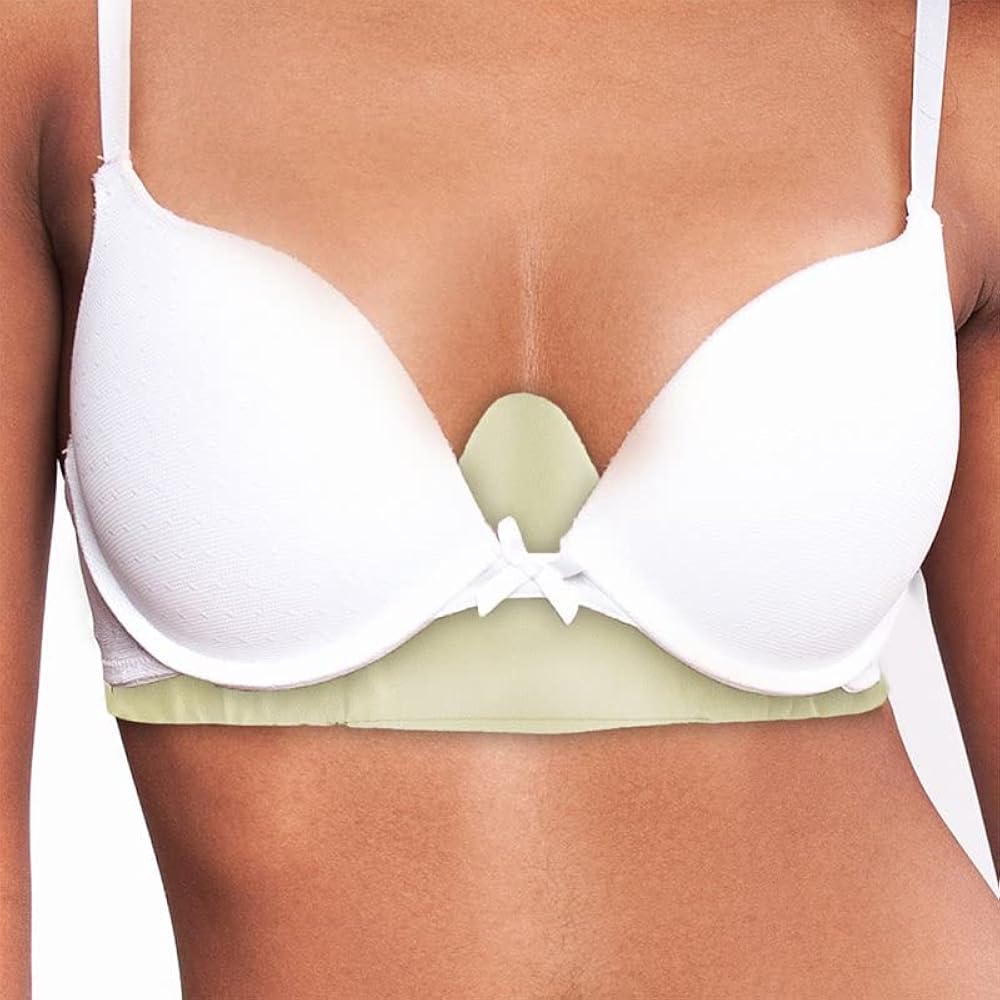
Between treatments, keep the surfaces apart. A soft cotton or bamboo bra liner sits in the fold, absorbs moisture and stops skin touching skin, and it is probably the single most useful object you can own if this happens to you regularly. Change it whenever it feels damp rather than once a day. Giving the area genuine air time also helps more than people expect, so a stretch braless in a loose cotton top in the evening is doing real work, not nothing.
Stopping it from coming back
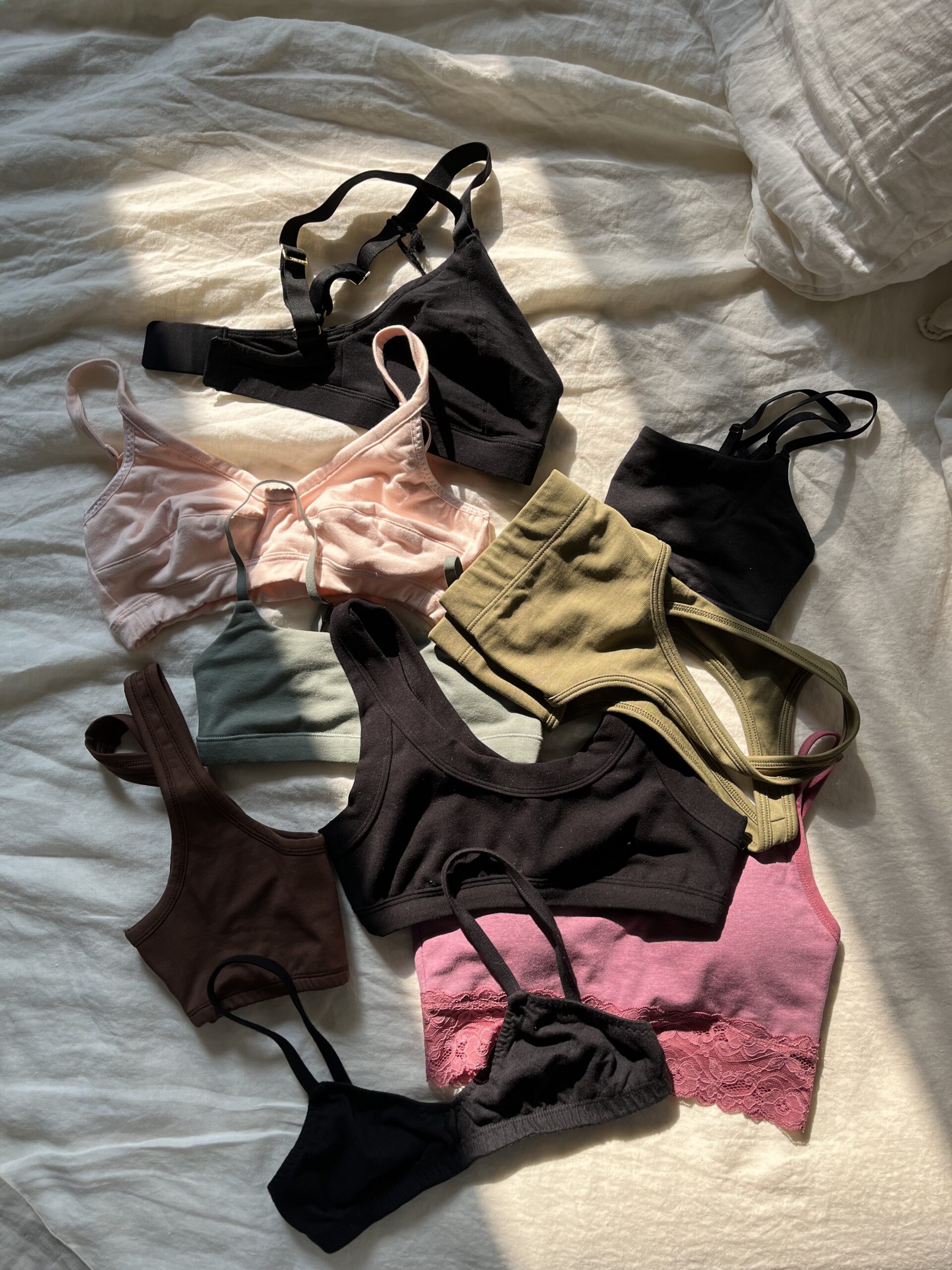
Prevention is mostly a fabric and fit problem. A supportive, well-fitting bra that actually holds breast tissue up and away reduces how much skin sits in contact, which is why a proper fit does more for recurrent intertrigo than any cream. Choose breathable materials, cotton or a technical moisture-wicking knit, over synthetics that hold sweat against you, and be honest about whether an underwire is sitting in the fold and adding friction. A breathable cotton-lined supportive bra in your correct size solves a surprising amount of this on its own.
The rest is routine. Change out of a sweaty bra promptly rather than letting it dry on you, and never re-wear a damp one. Wash bras more often than feels necessary in hot weather, since old sweat and product residue irritate compromised skin. If you are prone to flares in summer, applying a barrier preventively on hot days is far easier than treating a rash after it appears. And if you notice it recurring constantly despite doing all of this, that pattern is worth mentioning to a doctor, because persistent skin-fold yeast can occasionally be a flag for undiagnosed diabetes or another underlying issue.
When to stop self-treating and see a doctor
Most uncomplicated cases improve noticeably within a few days and clear within one to two weeks of consistent care. Anything that does not follow that pattern deserves professional attention rather than another product. Book an appointment if the rash has not improved after about two weeks of proper treatment, if it is spreading beyond the fold, or if it keeps returning as soon as you stop treating it.
Seek care promptly, rather than waiting, if you have pus or open sores, a foul odour, significant pain, a fever, or redness that is expanding and warm to the touch, since those suggest a bacterial infection that may need prescription treatment. The same urgency applies if you have diabetes, a weakened immune system, or are taking immunosuppressive medication, because skin-fold infections can escalate faster and are harder to clear. None of this is cause for alarm in the typical case, but knowing the line means you can treat confidently at home without wondering whether you are missing something.
Common mistakes that make it worse
A few well-intentioned habits actively prolong this. Scrubbing the area, using antibacterial or fragranced soap, and applying alcohol-based products all damage the skin barrier you are trying to rebuild. Cornstarch is a popular home remedy and a poor one when yeast is involved, because it can feed the overgrowth rather than starve it. Talc is best avoided too, both because of longstanding safety questions and because it cakes into damp folds and adds grit where you wanted smoothness.
The other frequent error is applying cream to skin that is still damp, which seals moisture against the very surface you needed to dry out. And covering an active rash with a tight synthetic bra for a twelve-hour day undoes whatever the cream achieved that morning. Treatment and clothing have to work together, otherwise you spend weeks treating something that is being re-created daily.
Quick answers to the questions everyone asks
What causes a rash under the breast? Most often intertrigo, which is inflammation from skin rubbing against skin in a warm, damp fold. Sweat, heat, friction and non-breathable fabrics drive it. It is a common consequence of having larger breasts and more skin in contact, not a sign of poor hygiene.
How do I get rid of an under-breast rash fast? Cleanse gently with a mild fragrance-free wash, dry the fold completely, then apply a zinc oxide barrier. Use a cotton liner to keep skin surfaces apart and change it when damp. If there are satellite spots and intense itch, use an antifungal cream instead.
Is my under-breast rash a yeast infection? Likely if it is bright red with a clearly defined scalloped edge, itches intensely, and has small separate spots just outside the main patch. Plain friction rash follows the fold uniformly without those outlying spots. When unsure, get it looked at rather than guessing.
Can I put powder under my breasts? A moisture-absorbing barrier helps, but skip talc and skip cornstarch, since cornstarch can feed a yeast overgrowth. A zinc oxide ointment or a purpose-made body powder is a better choice, and a fabric liner usually outperforms powder because it does not cake in the fold.
How long should an under-breast rash take to clear? Uncomplicated cases usually improve within a few days and resolve in one to two weeks with consistent care. If yours has not improved after two weeks, keeps recurring, or shows pus, odour, fever or spreading redness, stop self-treating and see a doctor.
Treating the fold, not just the rash
The reason this problem recurs for so many people is that they treat the rash and ignore the conditions that produced it. Cream clears the current flare, then the same bra, the same fabric and the same trapped moisture rebuild it within a fortnight. The version that actually works treats both at once: settle the skin with gentle cleansing, thorough drying and the right barrier or antifungal, then change what happens in that fold day to day with a properly fitted breathable bra, a liner you swap when damp, and a bit of air in the evenings. Watch for the red flags, take them seriously when they appear, and this moves from a recurring misery to something you handle in a few days and mostly forget about.
This article is general information, not medical advice. If your rash is painful, spreading, producing pus or not improving, please see a doctor or pharmacist.