After tracking 38 oily-skin moisturizer prices across Sephora, Ulta, Target, Amazon, and brand direct sites over four months, plus wearing 12 of them for at least two weeks each, the under-$150 oily-skin moisturizer category is more confusing than it should be. There is a $16 jar at the drugstore that performs nearly identically to a $68 designer dupe. There is a $48 mid-range bottle that genuinely is worth the price. And there is a $145 luxury option that is mostly paying for the packaging. This guide gives you the real numbers, the real ingredient drivers, and the real save-or-splurge calls for oily skin specifically. I am NC45 with a combination-oily T-zone, so most of this comes from my own face. The pricing comes from receipts.
The fast answer
A solid oily-skin moisturizer in 2026 costs between $14 and $145 for a 1.7 oz jar or bottle, with the strongest value clustering at the $20-$48 mid-range. The drugstore tier ($14-$24) is genuinely competitive on formulation now and is where I send most of my friends first. The mid-range tier ($28-$68) is where you get the cleanest textures, the most reliable niacinamide percentages, and the gel-cream finishes that actually work under makeup. The premium tier ($75-$145) buys you elegant packaging, slightly better fragrance experiences, and a thinner emulsion, but rarely a meaningfully better acne-or-oil-control outcome. Realistic budget for an oily-skin moisturizer that performs: $20-$40. Premium splurge: $90-$145.
What actually drives the price
Moisturizer pricing in the oily-skin category is built on five cost levers, and most brands only talk about one of them in their marketing copy. Here is the full picture so you can read a $90 price tag and understand exactly what you are paying for.
Active ingredient concentration
The actives that actually matter for oily skin are niacinamide (2-10% for sebum control and pore appearance), salicylic acid (0.5-2% for chemical exfoliation), hyaluronic acid (a humectant that hydrates without adding oil), and zinc PCA. The Ordinary sells a 10% niacinamide serum for around $7. CeraVe’s PM Facial Moisturizing Lotion costs around $16. Paula’s Choice CLEAR Oil-Free Moisturizer with niacinamide and salicylic acid costs around $32. Drunk Elephant’s B-Hydra costs around $52. The active concentration is roughly comparable across these four products. You are paying for the carrier formulation, not for more active. This is the line item with the biggest markup variance and the one to scrutinize first.
Texture and finish engineering
Oily skin texture preferences split into gel, gel-cream, and lightweight lotion. Engineering a moisturizer to absorb in under 90 seconds without leaving a film is genuinely expensive R&D. The drugstore tier often has a slight tackiness that takes 5-8 minutes to fully sink in. The mid-range tier is where you get the 60-second absorption and the matte-but-hydrated finish. For me, NC45 with a T-zone that turns into a disco ball by 2pm, the texture difference between CeraVe and Tatcha Water Cream is real but not 4x real. Texture is a legitimate cost driver but one you can negotiate on if you do not mind waiting an extra five minutes after application.
Fragrance and sensory experience
This is the line item that creates the biggest price gap with the smallest functional benefit. Drugstore moisturizers are mostly fragrance-free or use minimal scent. Mid-range moisturizers introduce subtle natural fragrances. Premium moisturizers have an entire sensory ritual built in - the smell, the sound the pump makes, the weight of the jar in your hand. Within our under-$150 range, the sensory premium adds roughly $30-$60 to the price versus a comparable unscented mid-range option. If you have sensitive skin or if you genuinely do not care about smell, this is the line item to cut.
Packaging and pump engineering
Airless pumps cost more than jars. Glass costs more than plastic. Frosted glass with metallic accents costs more than clear glass. None of this affects how the moisturizer works on your face. Tatcha’s Water Cream uses a heavy frosted glass jar that contributes meaningfully to its $72 price for 1.7 oz. The same formula in a tube would likely sell at $48. Drunk Elephant uses airless pumps that protect their formulas from oxidation - a real benefit for vitamin C products, less critical for niacinamide moisturizers. Packaging is the most visible cost driver and the easiest one to justify cutting.
Brand cachet and distribution
The final line is pure marketing markup. A moisturizer sold at Sephora carries a distribution margin of around 40-50%. A moisturizer sold at the drugstore carries a much thinner margin. Drunk Elephant’s $52 B-Hydra is partly priced for the clean-beauty positioning. Tatcha’s $72 Water Cream is partly priced for the Japanese-luxury positioning. CeraVe’s $16 PM is partly priced for the dermatologist-recommendation positioning - the cheapest of the three because the positioning is also the lowest-margin. Drugstore is not a downgrade. It is the same product without the badge.
Price tiers with examples
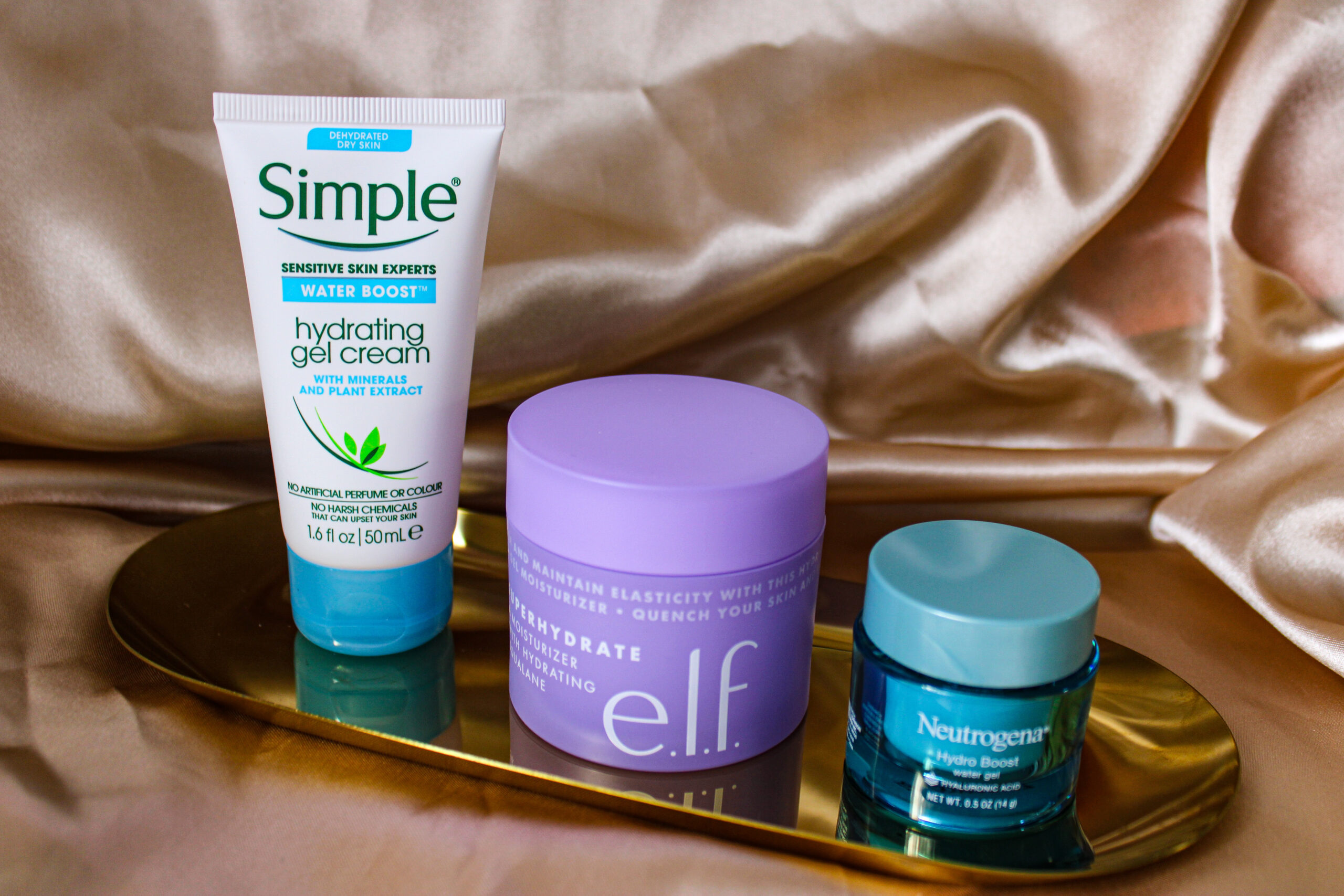
Budget tier: $14-$24 for a full-size moisturizer. Brands to look at: CeraVe (PM Facial Moisturizing Lotion at around $16 is the most-recommended drugstore option for oily skin among dermatologists), La Roche-Posay (Effaclar Mat at around $22 is mattifying without being drying), Cetaphil (Daily Facial Moisturizer with niacinamide at around $14), and The Ordinary (Natural Moisturizing Factors at around $9 if you want absolute floor pricing). For me, CeraVe PM has been the lowest-fuss daily moisturizer I have used since 2021. It does not pill under foundation, it controls oil moderately well through about six hours of wear, and the niacinamide concentration is high enough to make a visible pore-appearance difference after about three weeks. The texture is the weakest part - it takes about 7 minutes to fully sink in, and I cannot apply it in a rush. CeraVe PM Facial Moisturizing Lotion is on Amazon Subscribe & Save and comes out to about $14 with the discount.
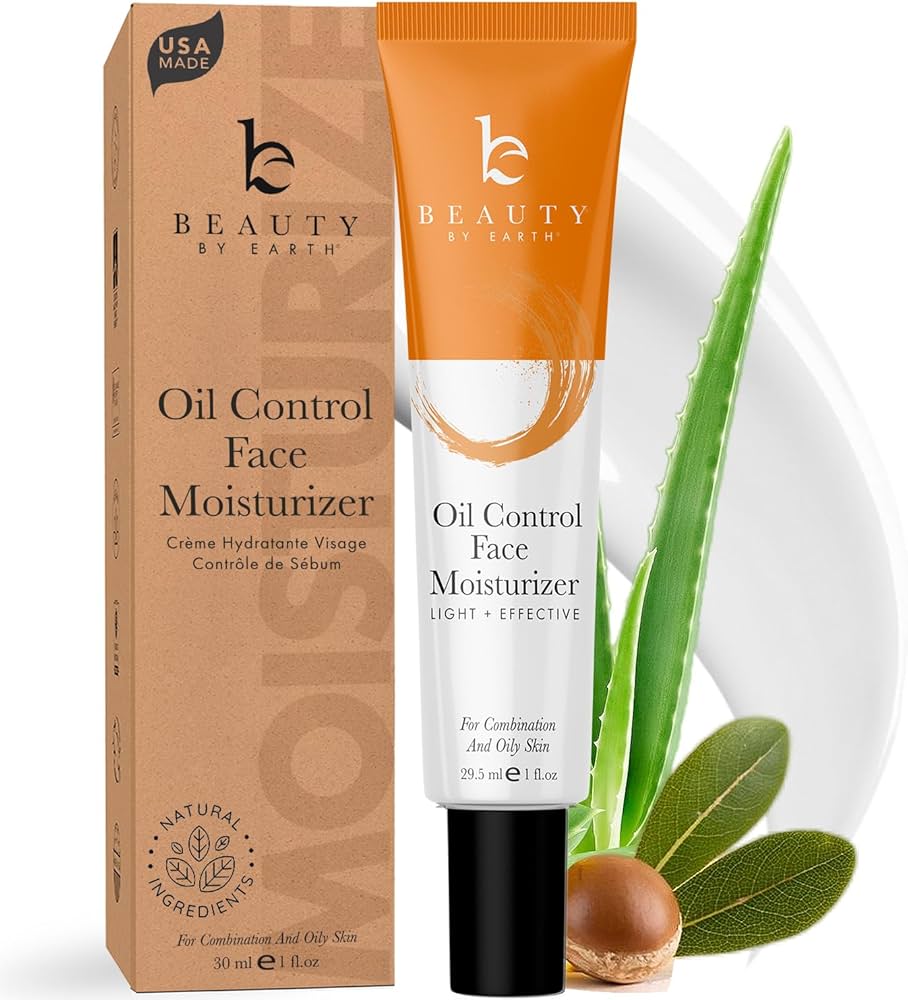
Mid-range tier: $28-$68 for a full-size moisturizer. Brands: Paula’s Choice (CLEAR Oil-Free Moisturizer with niacinamide and salicylic acid at around $32), Glow Recipe (Watermelon Glow Niacinamide Dew Drops adjacent to their Plum Plump moisturizer at around $39), COSRX (Snail 96 Mucin Power Moisturizer at around $25 leans this direction even though it prices below), Drunk Elephant (B-Hydra Intensive Hydration Serum-Gel at around $52), and Tatcha (Water Cream at around $72 sits at the top of this tier). The Paula’s Choice CLEAR Oil-Free is the one I have rebought four times. For me, it is the best balance of niacinamide percentage, salicylic acid percentage, gel-lotion texture, and price in the category. It absorbs in about 90 seconds, it does not pill under SPF, and the salicylic acid keeps my T-zone clearer over time in a way the CeraVe alone does not. Paula’s Choice CLEAR Oil-Free Moisturizer is at Sephora and Ulta both. If you are deciding between this and Drunk Elephant B-Hydra, Paula’s Choice wins on functional outcome and Drunk Elephant wins on texture elegance. I keep both. I use Paula’s Choice four mornings a week.
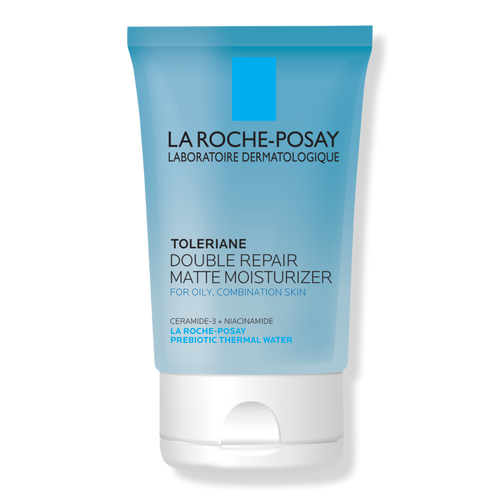
Premium tier: $75-$145 for a full-size moisturizer. Brands: Tatcha (Dewy Skin Cream at around $72 sits at the bottom of this tier and is the most-justified premium price in the category), SkinCeuticals (Phyto Corrective Gel at around $82), Drunk Elephant (Protini Polypeptide Cream at around $68 leans premium), and Charlotte Tilbury (Magic Cream at around $100). At this tier you are paying for elegant packaging, refined texture, and sensory experience. The functional outcome for oily skin specifically is not better than the mid-range tier - it is comparable. I have used Tatcha Water Cream off and on for three years and the texture is the best in the category, but I cannot tell you the niacinamide is doing anything my Paula’s Choice is not doing. Tatcha Water Cream at Sephora is the most-recommended premium pick if you want to splurge on one item. Skip the rest of the brand’s range unless the sensory experience is the whole point.
Where to save and where to splurge
Save on the moisturizer itself. The CeraVe PM and Paula’s Choice CLEAR Oil-Free combo costs around $48 total and outperforms most $90+ single-product options for oily skin specifically. The drugstore tier is genuinely competitive in this category now, and the mid-range tier solves any remaining texture concerns.
Save on fragrance. If you do not care about the smell, the unscented version of almost any moisturizer costs $10-$25 less and performs identically. La Roche-Posay’s fragrance-free range is roughly $5 cheaper per item than their scented equivalent.
Splurge on sunscreen instead. The $40-$60 you save on a premium moisturizer is better spent on a quality SPF you will actually wear daily. A daily mineral or chemical sunscreen costs more than most oily-skin moisturizers and matters more for long-term skin outcomes. La Roche-Posay’s Anthelios sunscreens at around $36 are where I send the savings.
Splurge on the active ingredient lineup if you can afford to. A $32 Paula’s Choice moisturizer plus a $9 The Ordinary niacinamide serum is a stronger oily-skin routine than a single $90 product trying to do everything. Layering order: water-based serum first, then moisturizer, then SPF. Save your money on the all-in-one premium pick. Spend it on the right combo of mid-range and budget actives.
Frequently asked questions
Why does oily skin even need a moisturizer?
Skipping moisturizer when you have oily skin is one of the most common mistakes I see. Oily skin can still be dehydrated, and dehydrated skin produces MORE oil to compensate. A lightweight niacinamide-based moisturizer regulates sebum production over time. The goal is hydration without occlusion. A gel or gel-cream texture is the right call. A heavy cream is not.
Is there a real difference between $16 CeraVe and $52 Drunk Elephant?
There is a real texture difference and a real fragrance-and-packaging difference. The functional outcome on the skin is much closer than the price gap suggests. If you are buying based on outcome alone, CeraVe wins on value by a wide margin. If the daily ritual matters to you and you want a product that feels elegant to apply, the mid-range tier is where the texture jump is most noticeable. The jump from mid-range to premium is smaller than the jump from drugstore to mid-range.
How long does a full-size oily-skin moisturizer actually last?
For daily morning and evening application of a pea-sized amount, a 1.7 oz jar lasts roughly 3-4 months. That makes the real cost-per-month for a $16 CeraVe around $4-$5, and for a $72 Tatcha around $18-$24. The premium tier monthly cost is roughly 4x the drugstore tier - useful framing when you are deciding what to buy.
What about acne-prone oily skin specifically?
Look for non-comedogenic labeling and a salicylic acid component if breakouts are an ongoing issue. Paula’s Choice CLEAR Oil-Free in the mid-range tier and La Roche-Posay Effaclar Duo (around $35) in the slightly-above-drugstore tier are both formulated for acne-prone oily skin. CeraVe PM is non-comedogenic but does not include salicylic acid, so it is a maintenance moisturizer rather than an active treatment.
The realistic number to budget
For an oily-skin moisturizer that performs daily, looks reasonable on your counter, and does not require a second job, budget $20-$40. This number gets you either a strong drugstore pick like CeraVe PM at around $16 plus a budget serum, or a single mid-range pick like Paula’s Choice CLEAR Oil-Free at around $32 that handles the full job. Going above $75 buys texture refinement and packaging - real but optional benefits. Going below $14 is feasible with The Ordinary but requires more layering steps to match a full-formula option. The $32 sweet spot delivers a moisturizer that controls oil, hydrates without weight, plays well with SPF and foundation, and does not feel like a compromise. Save your money on the $145 luxury jar. Spend it on the SPF, the actives, and the foundation that actually meets your skin where it is.