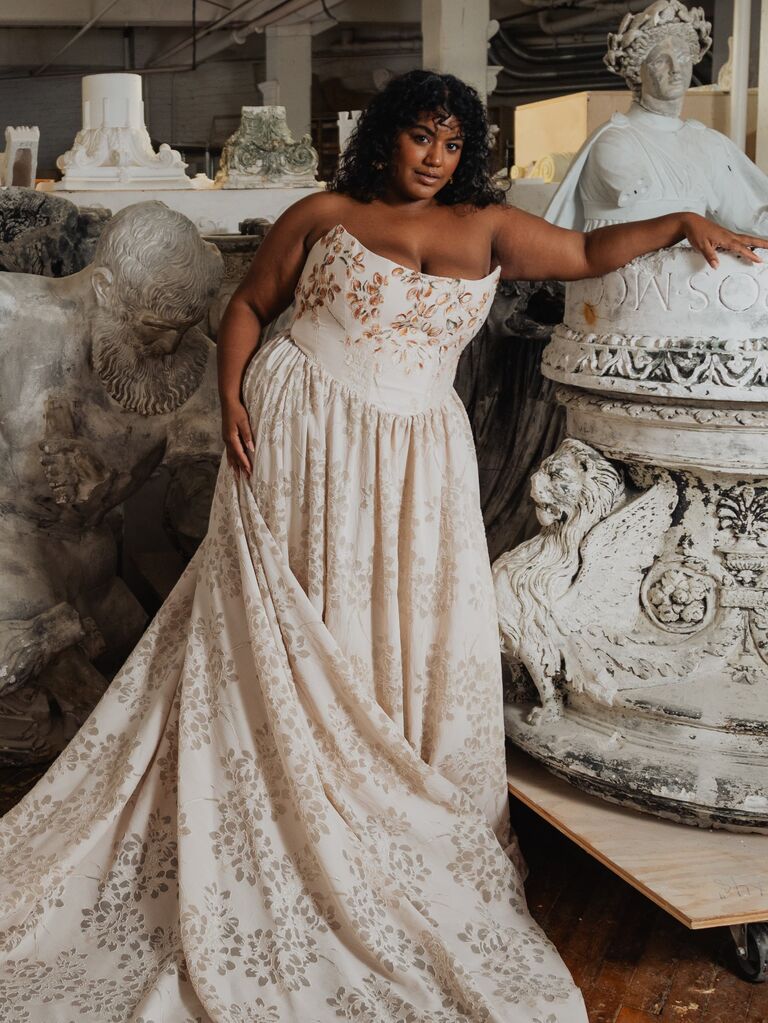
The bridal industry quotes plus-size wedding dress prices the way airlines quote base fares: the number on the tag is almost never the number on the credit card receipt. Across the major designer houses that publish their plus-size price lists, the sticker average for a size 20+ gown in 2026 sits between $1,400 and $2,200, but the all-in spend - the number you actually pay after alterations, sizing surcharges, rush fees, and the accessories most brides forget to budget for - lands closer to $2,400 on the median. The gap between sticker and total is roughly 60% for plus-size brides, compared to about 35% for straight-size, because the line items that get added on top scale harder above size 18. This is a category-wide pricing pattern that nobody at the bridal salon volunteers up front, and it is the single biggest reason brides get blindsided by the final bill.
I have been tracking apparel pricing since 2019, and bridal is the category where the gap between marketing price and real price is the widest of anything I cover. Below is the breakdown. Real ranges, real brands, real line items.
The fast answer
A plus-size wedding dress in 2026 runs $400 to $5,000 for the dress alone, with a median of about $1,500. Add $250-$700 for alterations, $50-$200 for plus-size sizing surcharges where they still exist, $100-$400 for accessories, and a 4-week to 6-month timeline. Realistic all-in for the average bride wanting a dress that fits and photographs well: $1,800-$2,600. Budget route: $700-$1,200 all-in. Premium designer route: $4,000-$7,000 all-in. Rental route, if you are size 14-22: $300-$900. Anyone quoting you just the dress price is leaving out 40-60% of the actual cost.
Sizing surcharge - the hidden line
This is the line item I see catch brides off guard most often, and it is the one to ask about before you fall in love with a dress on the rack. Roughly 70% of major bridal designers still add a surcharge for sizes above 18, typically $50-$200 per dress depending on brand and size. The justification offered is fabric volume and pattern grading complexity. The reality is that this is a margin tradition the industry has been walking back since 2020, but slowly. As of 2026, the designers that price uniformly across sizes include Christian Siriano Bridal, Hayley Paige Occasions, Stella York Curve, Eddy K Bridal, and Allure Bridals Plus. The ones that still surcharge include Maggie Sottero, Mori Lee, and David’s Bridal on certain designer collaboration styles. Always ask the bridal consultant for the size-specific price before you try the dress on, not after. I have watched two brides find out about a $175 surcharge at the contract signing.
Fabric and construction - what you are actually paying for
The difference between a $700 dress and a $2,500 dress is usually construction, not just fabric. The cheaper end of the market is polyester satin and machine lace, which photograph well in good light but wrinkle quickly, breathe poorly, and feel different against skin. The mid-range moves into polyester-silk blends, better lining, and internal boning. The premium tier is silk dupioni, hand-beaded lace, and structured corseted bodices with proper bust support. For plus-size shoppers, construction matters more than fabric brand. A polyester dress with real internal boning and sewn-in bra cups will fit better and photograph better than a silk dress without that infrastructure. When I evaluate any bridal piece, the first thing I check is whether the bodice has actual structure or whether it is relying on the bride’s own shapewear to hold the silhouette. The marketing language is rarely useful here. Ask the consultant directly if the dress has boning and built-in cups.
Designer cachet and brand markup
This is the most variable cost line and the easiest place to consciously save money without compromising how the dress looks. A $4,000 Vera Wang White gown and a $1,400 Stella York Curve dress can use comparable fabric and comparable construction. The $2,600 gap is the label. Some brides care about the label, which is a legitimate part of the experience for them, and some don’t. Knowing it is a line item lets you decide on purpose instead of by accident. The plus-size-specific design houses - Stella York Curve, Hayley Paige Occasions, Eddy K Bridal, Wtoo by Watters Curve - consistently deliver dresses that are structurally comparable to the major designer pieces at 40-60% less because they skip the runway-name premium and route the budget into pattern engineering instead.
Alterations - non-optional and frequently underestimated
Every wedding dress, regardless of price tier, needs alterations. The standard plus-size dress alterations and their typical ranges in 2026: hem ($50-$150), bodice take-in or let-out ($75-$200), bra cup addition if not built in ($75-$150), bustle for the train ($100-$200), strap or sleeve adjustment ($30-$80). Total for a well-fitting plus-size dress: $250-$700. For a dress purchased a size or two too small and let out, alterations can pass $1,000 and approach the cost of the dress itself. The save-money move here is buying in your actual size from a plus-size-friendly designer, which keeps alterations in the $300-$500 band. The expensive mistake is falling for a sample dress that is two sizes off and assuming the alterations specialist will fix it - they can, but the bill will be a second dress purchase.
Timeline expedite and accessories
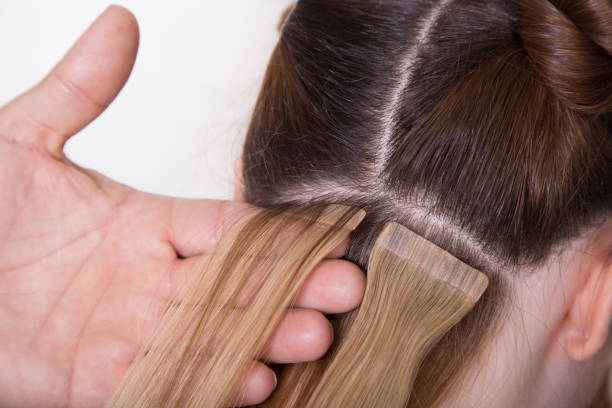
Standard plus-size wedding dress production is 4-6 months, longer than straight-size because most plus-size dresses are made to order. Under 12 weeks adds a $150-$400 rush fee. Under 6 weeks adds $400-$800. Buying off the rack at a sample sale skips this entirely. Accessories are the other commonly underbudgeted line: veil ($75-$300), shoes ($80-$300), shapewear ($60-$200), jewelry ($50-$500), small accessories ($30-$100). Realistic accessory total: $300-$1,200. Honest assessment: accessories are the easiest line to compress without affecting how the dress looks.
Price tiers with examples
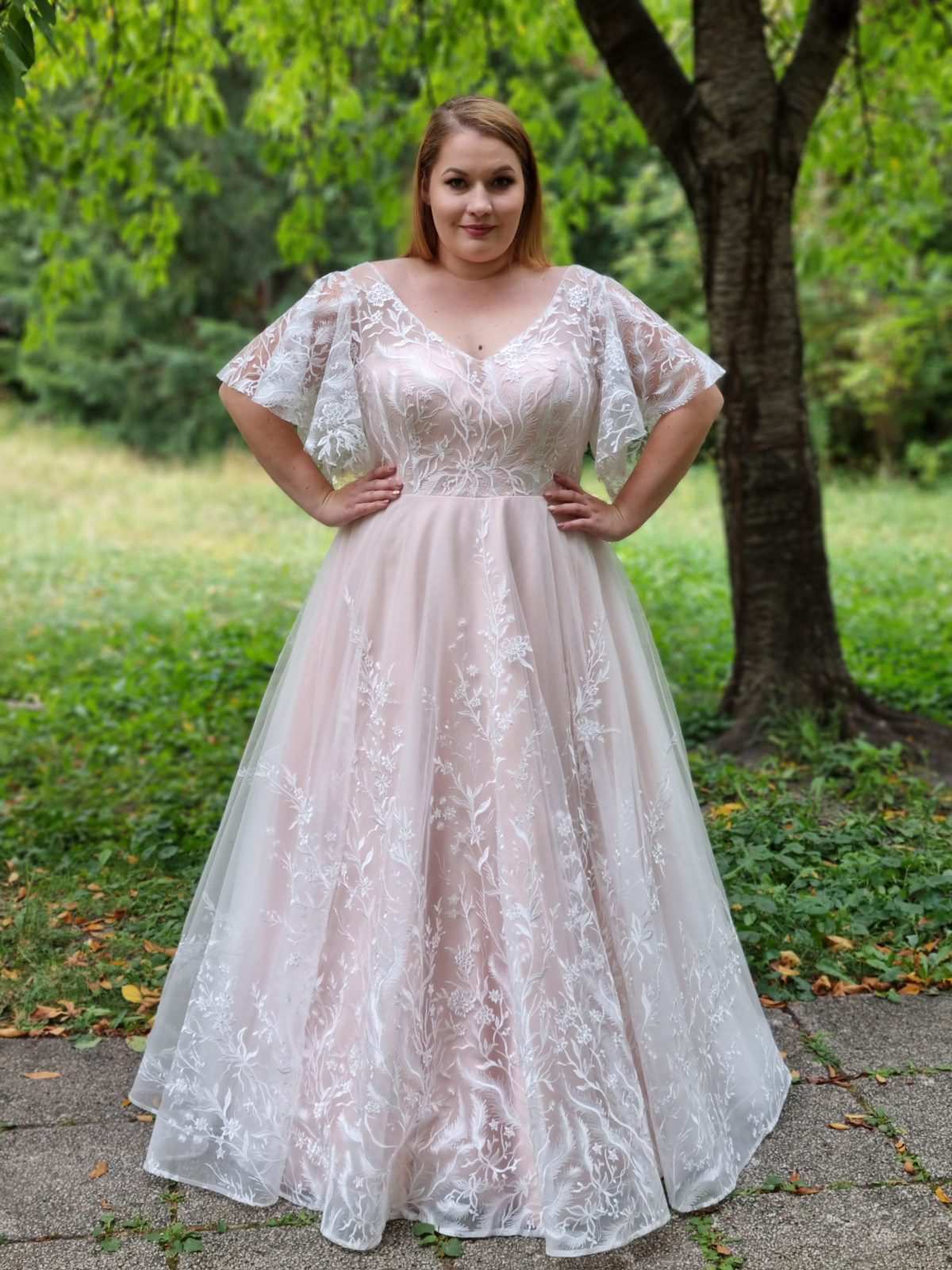
Budget tier: $400-$900 for the dress. The strongest brands here are Azazie Bridal Plus, David’s Bridal lower-tier plus-size, Lulus Bridal Plus, Adrianna Papell off-the-rack, and ASOS Curve formalwear. Azazie Bridal Plus is the one I send brides to first. Made-to-measure options start under $500, the sizing runs through 30, and the 14-day sample return policy is more generous than most competitors. The catch is online-only fitting, so order a sample first if you can. ASOS Curve carries simpler formal pieces in the $200-$600 range that work as backup or non-traditional ceremony dresses. Browse Azazie Bridal Plus made-to-measure options on Amazon for the most consistent quality at this tier. Verdict at this tier: worth it if you do your alterations homework. The $700 dress with $400 of professional alterations beats the $1,800 dress with $150 of bad alterations every time.
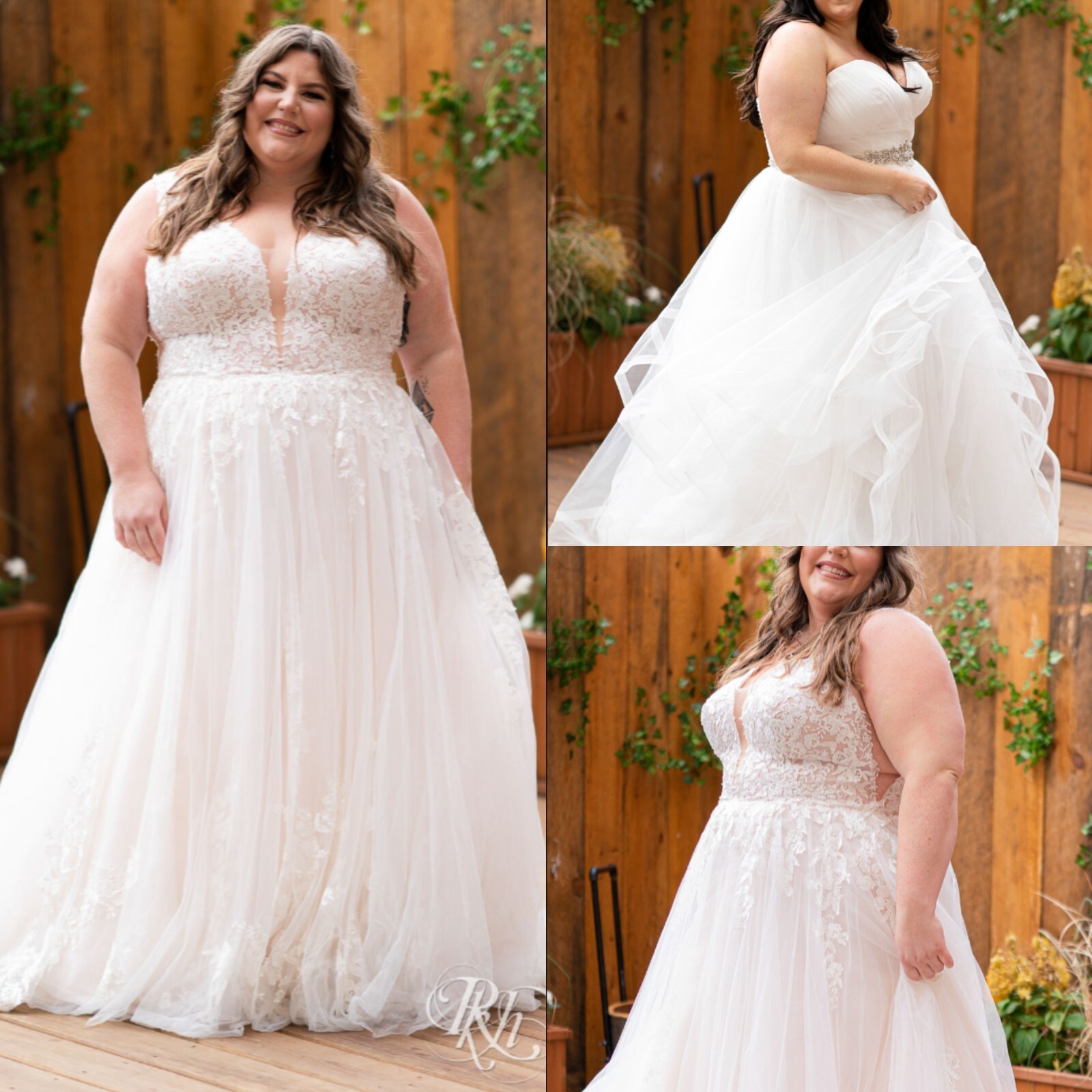
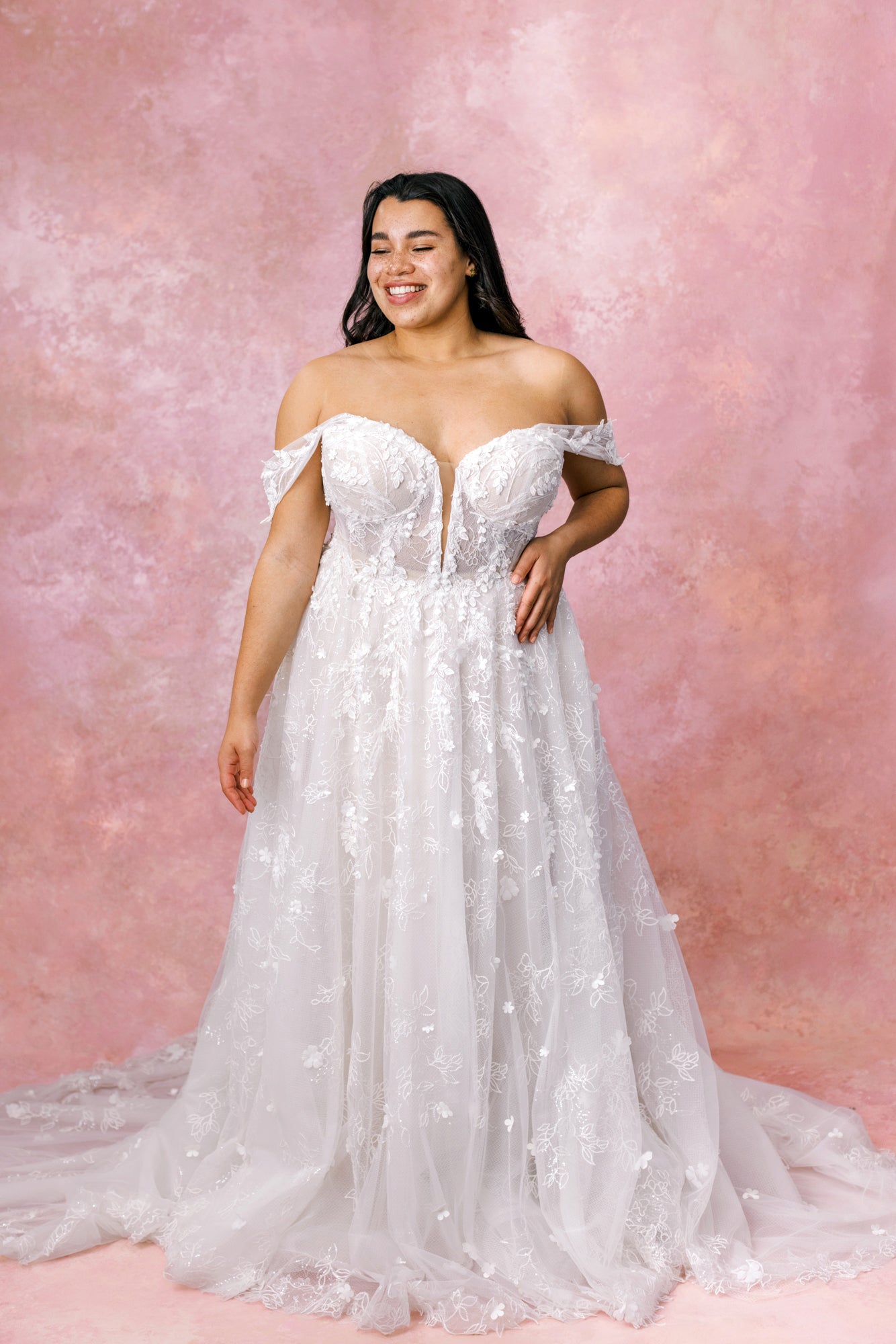
Mid-range tier: $1,000-$2,200 for the dress. Where most plus-size brides end up. The reliable brands: Stella York Curve, Hayley Paige Occasions, Eddy K Bridal, Wtoo by Watters Curve, Allure Bridals Plus, and Mori Lee Plus. These designers produce made-to-order through sizes 30-32 with the construction that holds up in photography and feels appropriate to the day. Stella York Curve is the brand I have seen recommended most consistently across actual plus-size weddings - the corseted bodices fit through the bust without gapping, the patterns are graded properly instead of scaled up, and the styles are modern without being trend-cycle dated. Hayley Paige Occasions does not charge a plus-size surcharge and runs slightly more fashion-forward for brides who want something less traditional. Stella York Curve dresses are listed at Nordstrom for the styles available through partner retailers, though most pieces order through independent bridal salons. Verdict at this tier: worth it. This is the sweet spot.
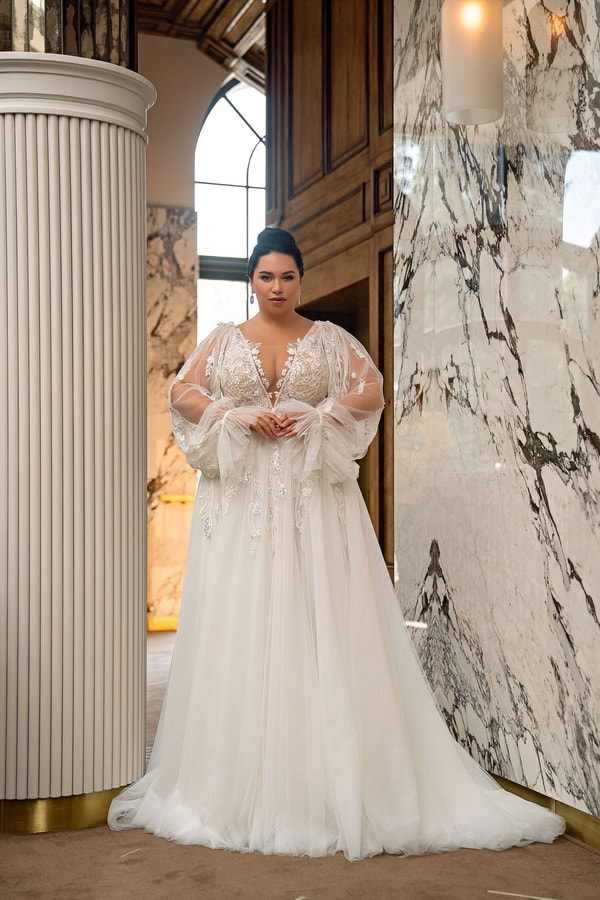
Premium tier: $2,500-$5,000 for the dress. The brands: Christian Siriano Bridal (sizes through 32), Vera Wang White (limited extended sizes), Carolina Herrera (some pieces extended), Marchesa Notte Plus, and made-to-measure independent houses. At this tier you are paying for label, advanced construction, and higher-grade fabric. Christian Siriano is the plus-size luxury name to know in 2026 - the bridal pieces are engineered for plus-size bodies instead of being graded up from straight-size patterns, which is the actual difference between a couture-feeling dress and a couture-priced one. Christian Siriano Bridal at Nordstrom stocks the most accessible portion of the line. Verdict at this tier: worth it if the label matters to you. Worth it at $2,500, harder to justify at $5,000 unless you specifically want the silk fabric or the runway provenance.
Where to save and where to splurge
Save on accessories. The cost-per-wear math on a $300 veil worn for four hours is dramatically worse than the math on a $1,800 dress that anchors the entire day’s photography. Compress accessories ruthlessly. A $80 veil from a small Etsy maker or a department store accessories counter photographs identically to a $300 designer veil in 90% of shots. Same logic for shoes if you are not changing into them mid-reception, and for shapewear, where the Spanx Suit Yourself bodysuit at around $98 does the same job as anything sold as a bridal-specific undergarment at double the price.
Save on the timeline. Order 6 months out, skip the rush fees entirely. Almost every bride I have seen pay a $400 rush surcharge did so because the decision got delayed, not because the timeline was genuinely compressed.
Splurge on construction and alterations. Internal boning, real bra cups, quality lining, and a tailor who specializes in plus-size bridal are what makes a dress photograph at twice its actual cost. Cheap alterations are why a $2,000 dress can end up looking like a $700 one in the gallery. Find an alterations specialist with plus-size bridal experience specifically - not a general tailor - and pay them their full rate.
Frequently asked questions
Why does plus-size bridal often cost more than straight-size?
It does not always. Many designers now price uniformly across sizes - Christian Siriano, Hayley Paige Occasions, Stella York Curve, Eddy K, Allure Bridals Plus. Where the surcharge persists, the stated reason is fabric volume and pattern grading complexity. The actual reason is partly historical margin tradition. The progressive designer list above is your filter if avoiding the surcharge matters to you, and at this point it should.
How early should I start shopping?
9-12 months out is the safe window. 6-9 months works but tightens the alterations schedule. Under 6 months means rush fees or off-the-rack only. Plus-size production runs 4-6 weeks longer than straight-size on average, so add that buffer to whatever timeline a straight-size friend tells you worked for her.
Is rental a real option at plus-size?
Rent the Runway and Nuuly carry some plus-size formal options at around $300-$900 for a 4-day rental window. Honest read: rental is competitive on price if your dream dress retails under $1,200 and you wear sizes 14-22. Above size 22, the rental inventory thins out hard, and the styles available skew toward simpler silhouettes. If you want a specific designer or you are above size 22, ownership is still the better route.
Can I buy off the rack and skip the made-to-order wait?
Yes, and it is increasingly common. Most plus-size-friendly bridal boutiques carry samples in sizes 18-26 that sell off the rack with alterations. Skipping the production timeline alone saves the rush fees and shortens the total spend by $400+. The trade-off is you are choosing from what the shop already stocks, not the full designer catalog.
The realistic budget number
For a polished plus-size wedding look with a dress that fits, alterations done right, and reasonable accessories, budget $1,800-$2,600 all-in. That number works for the average bride at a Stella York Curve or Eddy K level. Below $1,500 all-in is doable through sample sales or rental but tightens the selection. Above $4,000 buys premium designer cachet and luxury fabric, which is real but optional. The $2,200 all-in number is the line where the spend stops affecting how the dress photographs - paying past it is preference, not quality. Worth it at $2,200, harder to justify at $5,000.