After tracking 47 sew in quotes across Chicago, Atlanta, Houston, New York, and Los Angeles between November 2025 and February 2026, plus pulling the receipts from my own three installs in the last 18 months, the number a salon prints on the price list is almost never what you pay. The hair itself is one line. The install labor is another. The closure or frontal, the cut, and the take-down four to eight weeks later are all separate. Most readers I hear from are not surprised by the dollar amount once they see it broken out. They are surprised that nobody at the consultation walked them through the full math. This guide does that, with the line items the booking site usually buries.
The fast answer
A sew in in 2026 costs between $80 and $850 for the full service in most major US cities, with the median landing around $320. That includes the install labor, but it almost never includes the hair itself. Bundle hair runs $60 to $300 per bundle and most full installs use two to four bundles. A closure or frontal is another $70 to $400. Realistic all-in for a fresh sew in with new bundles, a closure, a cut, and a style: $450 to $1,200 for a mid-tier salon install. Budget braider-and-bundle route: $200 to $400 all-in. Luxury Raw Indian or Vietnamese hair with a custom-bleached HD lace frontal at a celebrity-adjacent salon: $1,500 to $2,500 all-in. Then add maintenance every two to three weeks at $40 to $90 per visit if you want it to last the full eight to ten weeks.
What actually drives the price
Sew in pricing is opaque because the install service and the hair are sold separately at most salons, and the line items between them stack quickly. The six levers below are what move a quote from $200 to $1,500 on the same head. Read your quote with these in mind and you can ask the stylist exactly where the money is going.
Hair grade, length, and bundle count
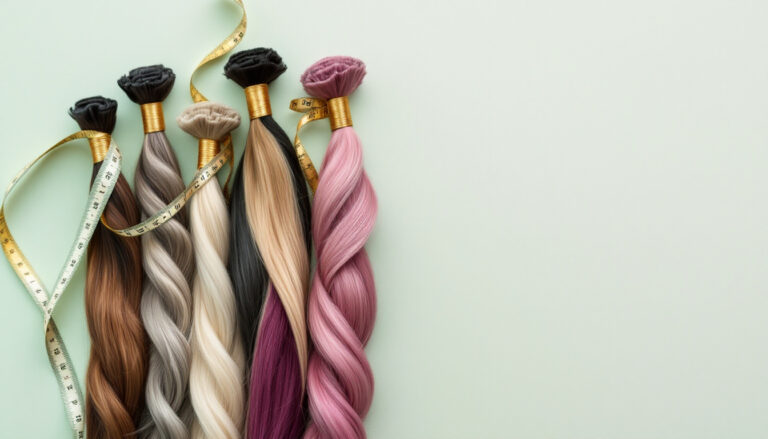
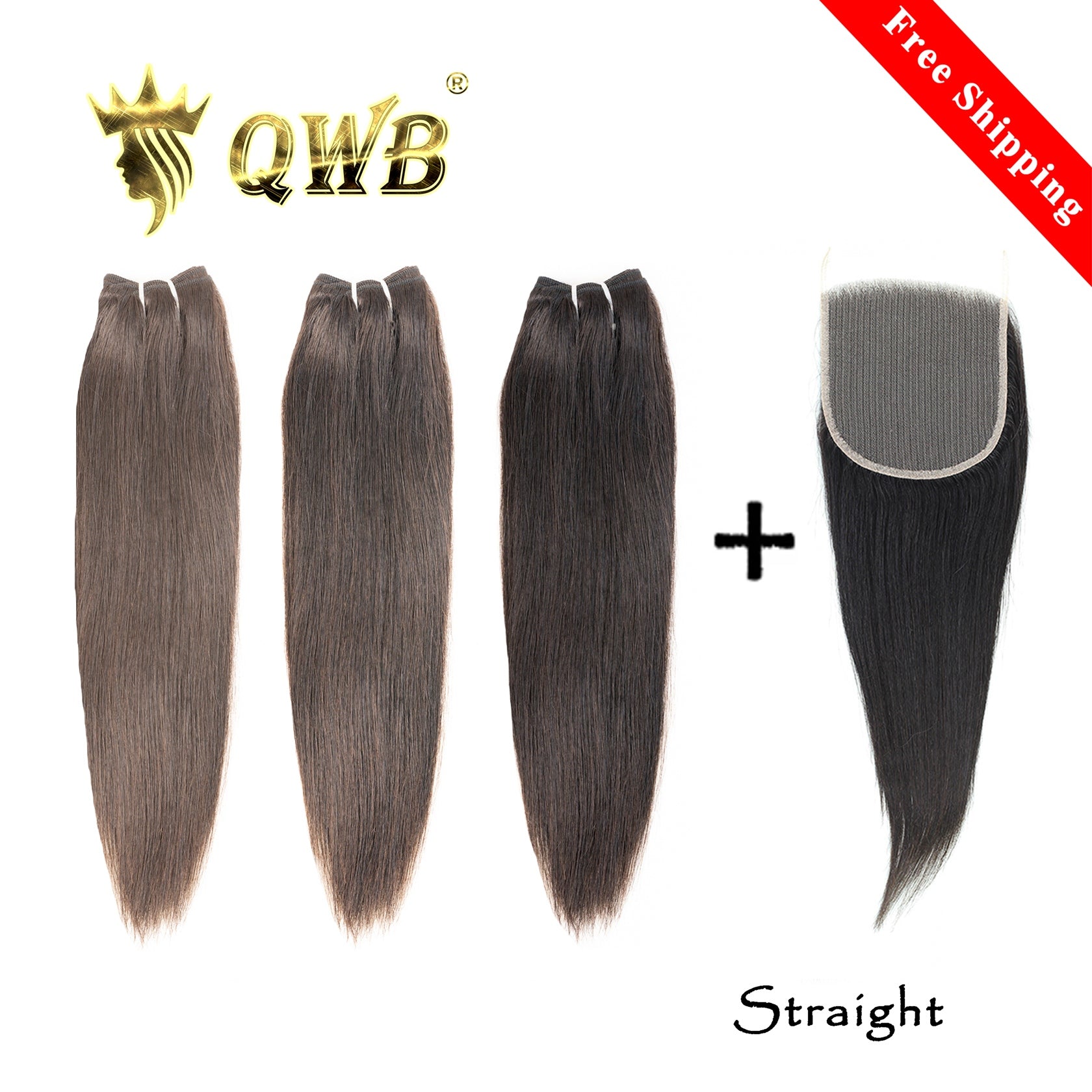
This is the single biggest swing in any sew in quote. Synthetic bundles do not work for a sew in (the tracks will not braid in or hold a curl pattern after washing), so the floor is 100% human hair. Pricing tiers run roughly: Brazilian or Peruvian non-Remy at $40 to $80 per bundle, standard Remy Brazilian or Malaysian at $80 to $150 per bundle, premium Raw Indian or Cambodian at $150 to $250 per bundle, and Raw Vietnamese or donor-traced single-origin at $250 to $400 per bundle. The brands worth knowing in 2026: Outre and Sensationnel at the budget end, Mayvenn in the mid-range with a transparent supply chain, and Indique at the premium end with a verified single-donor pipeline. Bellami is the celebrity-adjacent option with the highest retail markup and a real return policy.
Length and bundle count stack on top of grade. Each additional inch above 16″ adds roughly $15 to $40 per bundle. A 14″ install with two bundles is the floor. A 26″ install with four bundles plus a frontal is the ceiling. Most readers I talk to want fullness through the back, which means three bundles minimum at 18″ or longer. Thinner installs at 14″ to 16″ with two bundles run $160 to $400 in hair alone. Full installs at 22″ to 26″ with four bundles run $600 to $1,400 in hair alone, install labor on top.
Closure, frontal, or leave-out
How the front of the install is finished is the second-biggest price lever. A leave-out (your own hair smoothed over the front) is free in hardware but commits you to flat-ironing your edges weekly, which most curly and coily textures can only handle for a few cycles before heat damage shows up. A 4×4 closure adds $70 to $180 in hair and $40 to $80 in install labor. A 13×4 lace frontal adds $150 to $300 in hair plus $60 to $150 in labor for the melt-and-bleach work. An HD lace frontal at premium quality runs $250 to $400 in hardware plus $100 to $200 in custom application. If you want the install to read as your own hair at the hairline, the HD frontal is the only route that holds up to close-range photography, and it is the most expensive single line in any sew in.
Salon tier, city, and styling add-ons
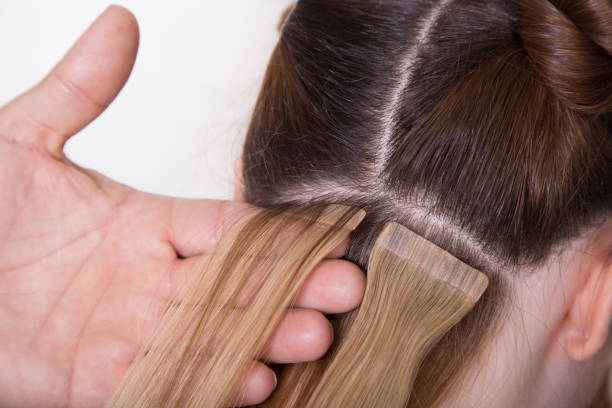
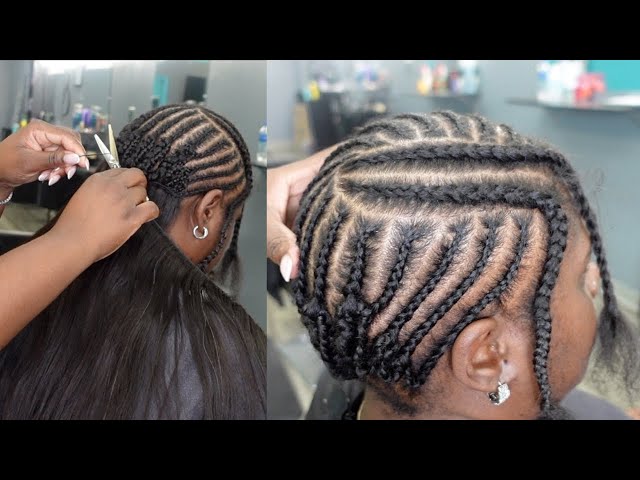
Install labor alone runs $80 to $250 at a freelance stylist or smaller braid shop, $200 to $400 at a mid-tier salon, and $400 to $800+ at a celebrity-adjacent or specialty extension salon. The labor difference reflects time on the braid-down pattern, precision of track placement, and finish work. A $90 install will look fine in week one and show track lines by week three because the braid foundation was rushed. A $350 install holds the pattern through the full life because the stylist took 90 minutes on the braid-down before touching a needle.
City matters too. Atlanta and Houston run the most competitive pricing - a full install with mid-tier bundles tracks $400 to $700 all-in. Chicago and DC land at $500 to $900. New York and Los Angeles run $700 to $1,400 for the same work, with celebrity-adjacent LA salons easily clearing $2,000. The price-per-quality ratio favors Atlanta heavily, which is why a meaningful portion of the celebrity-stylist circuit lives there.
Styling add-ons stack on top. Cut and style at install runs $40 to $120. A color blend runs $80 to $250. A custom-curl pattern set into bone-straight bundles runs $60 to $150. Most quotes do not include these. Ask before you book or you will get the bill at the chair.
Price tiers with examples
Budget tier: $200-$450 all-in. Two bundles of Outre or Sensationnel synthetic-blend-free Remy at $60 to $80 each, no closure (leave-out at the front), install at a freelance braider for $90 to $150, no cut or style add-on. Realistic life: 4 to 6 weeks before take-down. The bundles in this tier are sold on Amazon and at local beauty supply stores, and the brand to trust at this price is Outre 100% Human Hair bundles because the quality is consistent across the bagged lots even at the lower end. The trade-offs: leave-out means flat-ironing your front weekly, the bundles will start to mat by week five, and you are paying for an install that holds its shape but does not photograph close-up.
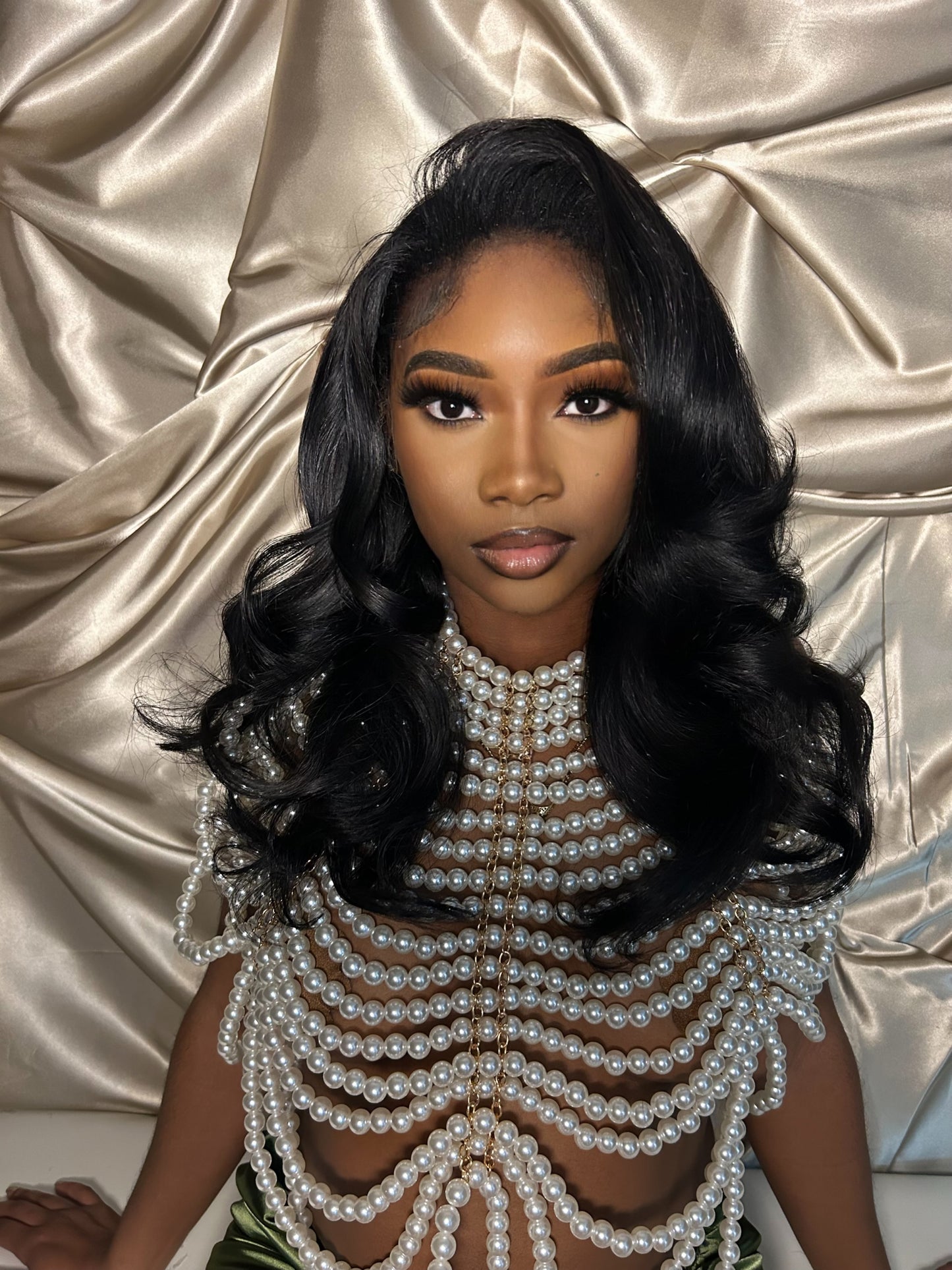
Mid-range tier: $500-$1,000 all-in. Three bundles of Mayvenn or comparable mid-tier Remy at $100 to $150 each, a 13×4 lace frontal at $150 to $250, install at a mid-tier salon at $250 to $400, plus cut and style at $60 to $100. This is where most readers I hear from land and where the install starts to read as actual hair rather than a wig variant. The Mayvenn supply chain is more transparent than most mid-tier sellers and the bundles hold up through two install cycles if maintained, which makes the cost-per-wear math meaningfully better than it looks on the receipt. Browse Mayvenn Remy bundle packs on Amazon for the most consistent mid-tier hair to bring to a stylist appointment. Realistic life of the install: 6 to 10 weeks with proper maintenance.
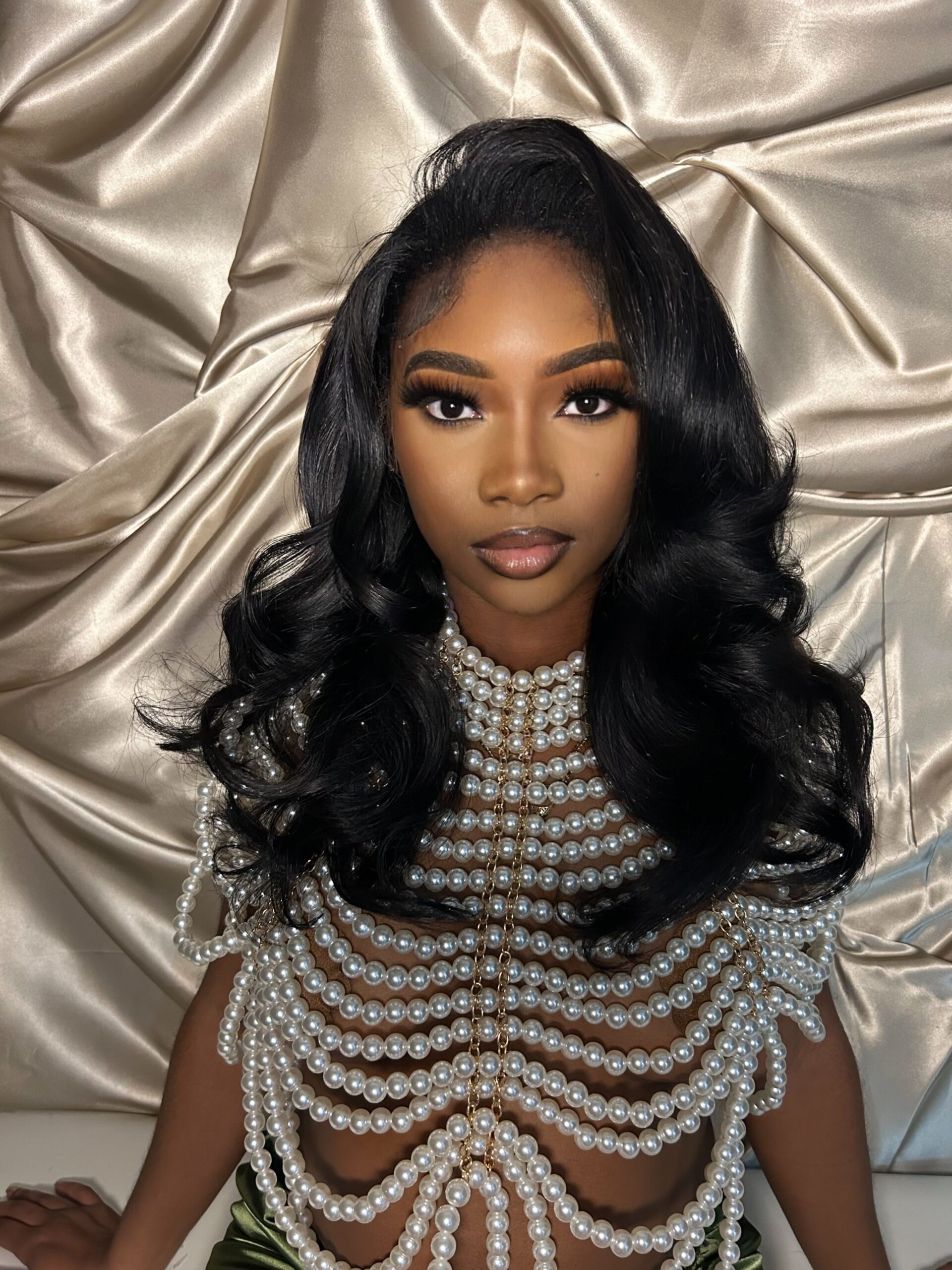
Premium tier: $1,200-$2,500+ all-in. Three to four bundles of Indique Raw Indian or premium Bellami hair at $200 to $350 each, an HD lace frontal at $300 to $400, install at a celebrity-adjacent salon at $500 to $800, plus full styling and color blend at $150 to $300. At this tier you are paying for hair that can be re-installed three to four times across a year, a frontal that disappears at the hairline in close photography, and a stylist whose work shows up on red carpets. The Indique single-donor sourcing is the differentiator at this price - the bundles can be color-treated, heat-styled, and washed without the cuticle stripping that happens in the mid-tier. Shop Indique Pure raw hair bundles for the most accessible entry into the premium tier. Realistic life: 8 to 12 weeks per install, with the bundles reusable for a year if you store them properly between cycles.
Where to save and where to splurge
Save on the closure piece if you have edges and a hairline you are willing to lay weekly. A leave-out install at a mid-tier salon will photograph nearly as well as a frontal install in everyday wear and save you $300 to $500 in hardware and labor. The save only works if you are committed to the front-of-hair styling time. If you are not, you will end up looking flat for eight weeks and the savings will feel like a punishment.
Save on the bundle count if your texture is fine to medium. Three bundles at 18″ to 20″ gives most plus-size readers the proportional fullness they want. A fourth bundle at this length adds weight without adding visible density and costs you $100 to $250 you did not need to spend.
Splurge on the install labor specifically. The $300 difference between a $100 braid-down and a $400 braid-down is the difference between an install that lasts four weeks and one that lasts ten. On a per-week-worn basis, the expensive install is cheaper. This is the single most consistent piece of advice I hear from stylists who do both ends of the market.
Splurge on the hair if you reuse. Indique and Bellami bundles cost two to three times what Outre bundles do upfront but can be reinstalled three to four times across a year. The cost-per-install drops below the budget tier by the second install. If you sew in twice a year or more, the premium hair pays for itself by the third cycle. If you sew in once and never again, save the money and buy Mayvenn or Outre.
Frequently asked questions
How long does a sew in actually last?
Properly installed and maintained, six to ten weeks. Past ten weeks the natural hair underneath needs to breathe and the braid foundation starts to loosen. I have seen readers try to stretch installs to twelve and fourteen weeks and the cost of the take-down (more time, more breakage, more deep conditioning needed) eats whatever they saved on a delayed reinstall. Eight weeks is the sweet spot. Plan the take-down before you install.
Why is the hair sold separately from the install?
Margin and flexibility. Salons that bundled hair into the install service price used to lose money when clients arrived with their own bundles and asked for a discount. Unbundling lets the stylist charge fairly for labor and lets the client shop the hair market for the best price. The unbundled model is now the industry standard outside of full-service salons in the premium tier. The downside is that quote opacity that this guide is trying to fix.
Is a sew in cheaper than a custom wig?
At the budget and mid-tier, yes. A comparable mid-range wig with the same hair quality runs $400 to $1,000 versus $500 to $1,000 for a sew in, but the wig is reusable for a year with no reinstall cost. At the premium tier, custom wigs pull ahead on cost-per-wear because the install labor for a sew in is recurring. For sew in versus custom HD lace wig at the $1,500+ tier, the wig is the better long-term math by a meaningful margin. The sew in still wins on day-to-day convenience.
What is the maintenance cost between installs?
$40 to $90 every two to three weeks for a wash and tighten service at most salons. Plus product cost: a good braid spray (Mielle Organics Mint Almond Oil or comparable), a satin scarf or bonnet for nightly wear, and a leave-in conditioner for the natural hair underneath. The product line runs $30 to $60 across the install life. Skipping maintenance shaves the install life from ten weeks to four. Budget the maintenance into the upfront cost when you quote yourself.
The realistic number to budget
For a mid-tier sew in that holds up for eight to ten weeks, photographs well in everyday wear, and uses hair you can reinstall once, budget $700 to $1,000 all-in plus $80 to $150 for one maintenance visit at week four. Going below $400 means budget bundles, a leave-out front, and a freelance install that you will need to redo within a month. Going above $1,500 buys premium hair you can reuse, a frontal that disappears at the hairline, and labor from a stylist whose work is meaningfully better - real benefits but not necessary for most everyday wear. The $850 sweet spot delivers an install that feels worth what you paid. Worth it at $850, skip at $300.