
Why Flying as a Plus-Size Passenger Is Still a Challenge
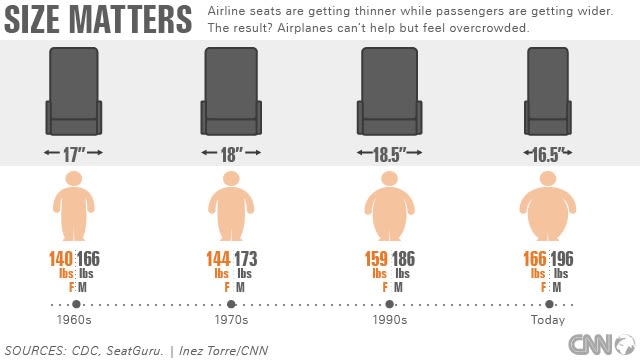
Air travel in 2026 is still not designed for larger bodies. The average economy airline seat is 17 to 18 inches wide - a width that was established decades ago when the average American body was significantly smaller. Today, this seat width is uncomfortable for many average-sized adults and genuinely painful for plus-size passengers. Add narrow armrests, tight seatbelt lengths, and the anxiety of potentially being asked to purchase an additional seat, and flying becomes a source of stress rather than excitement.
The good news is that awareness is growing, policies are slowly improving, and some airlines are significantly better than others for plus-size passengers. Knowing which airlines offer more space, better policies, and more respectful treatment can transform your flying experience from dreaded to manageable, and in some cases, genuinely comfortable.
This guide ranks airlines based on three factors that matter most to plus-size passengers: seat width in economy class, their official policy regarding passengers of size, and real-world experiences reported by plus-size travelers. Because you deserve to travel wherever you want without your body being treated as a problem to solve.
What to Look For in an Airline as a Plus-Size Passenger
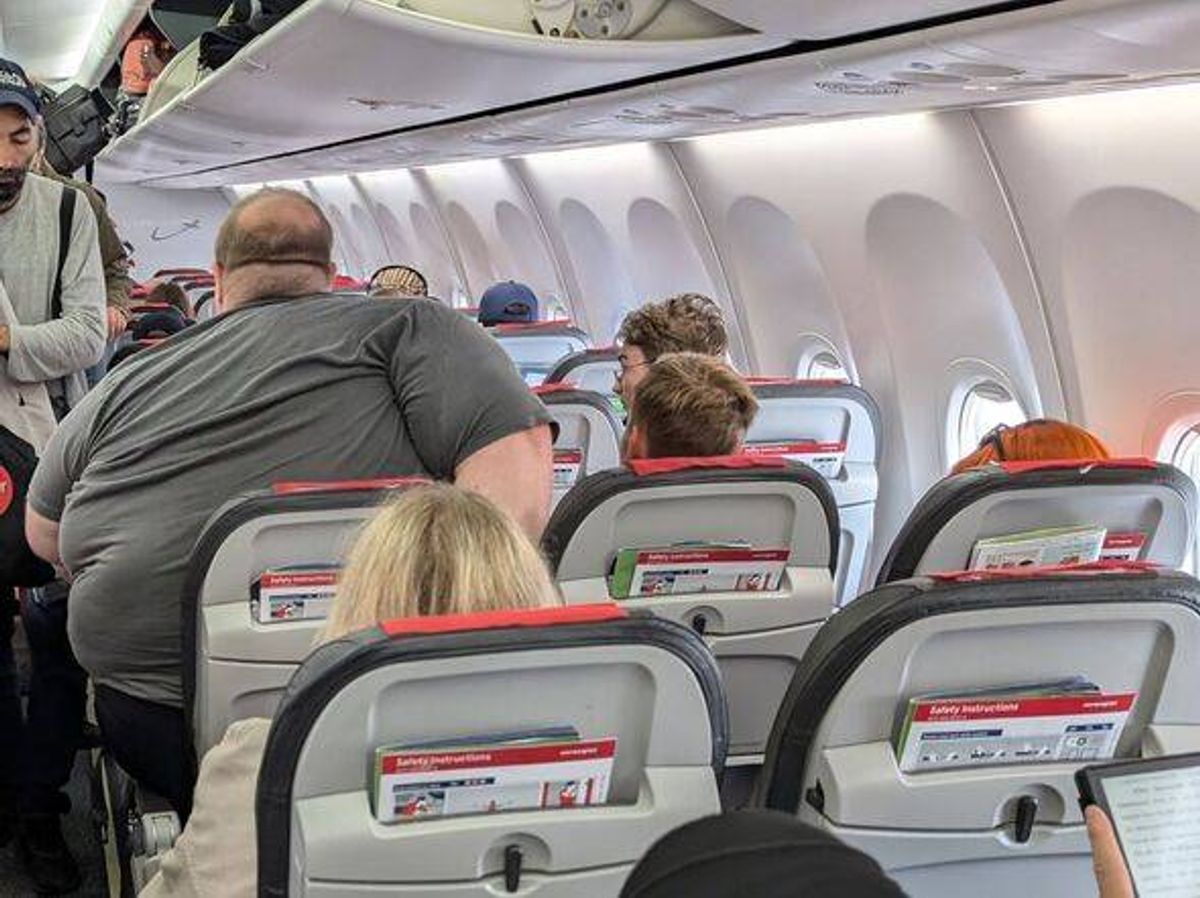
Seat Width
Seat width is measured from the inside of one armrest to the inside of the other armrest. For economy class, the industry standard ranges from 17 to 18.5 inches, but some airlines go as low as 16.5 inches. Every half inch matters when you are a larger person. For reference, a plus-size woman wearing a size 18 to 20 typically has a seated hip width of approximately 20 to 22 inches. That means even the widest economy seats are a tight squeeze, and the narrowest ones are nearly impossible.
Seat Pitch

Seat pitch refers to the distance between your seat and the one in front of you. Standard economy pitch ranges from 28 to 34 inches. More pitch means more legroom, which matters if you carry weight in your thighs and belly. Extra legroom seats (often available for an upgrade fee) can make a significant difference in comfort.
Armrest Configuration

Fixed versus movable armrests can make or break your comfort. Movable armrests allow you to lift them up for more hip room, which is a game-changer for plus-size passengers. Many airlines have at least some rows with movable armrests, but window-side and aisle-side armrests are typically fixed.
Seatbelt Length
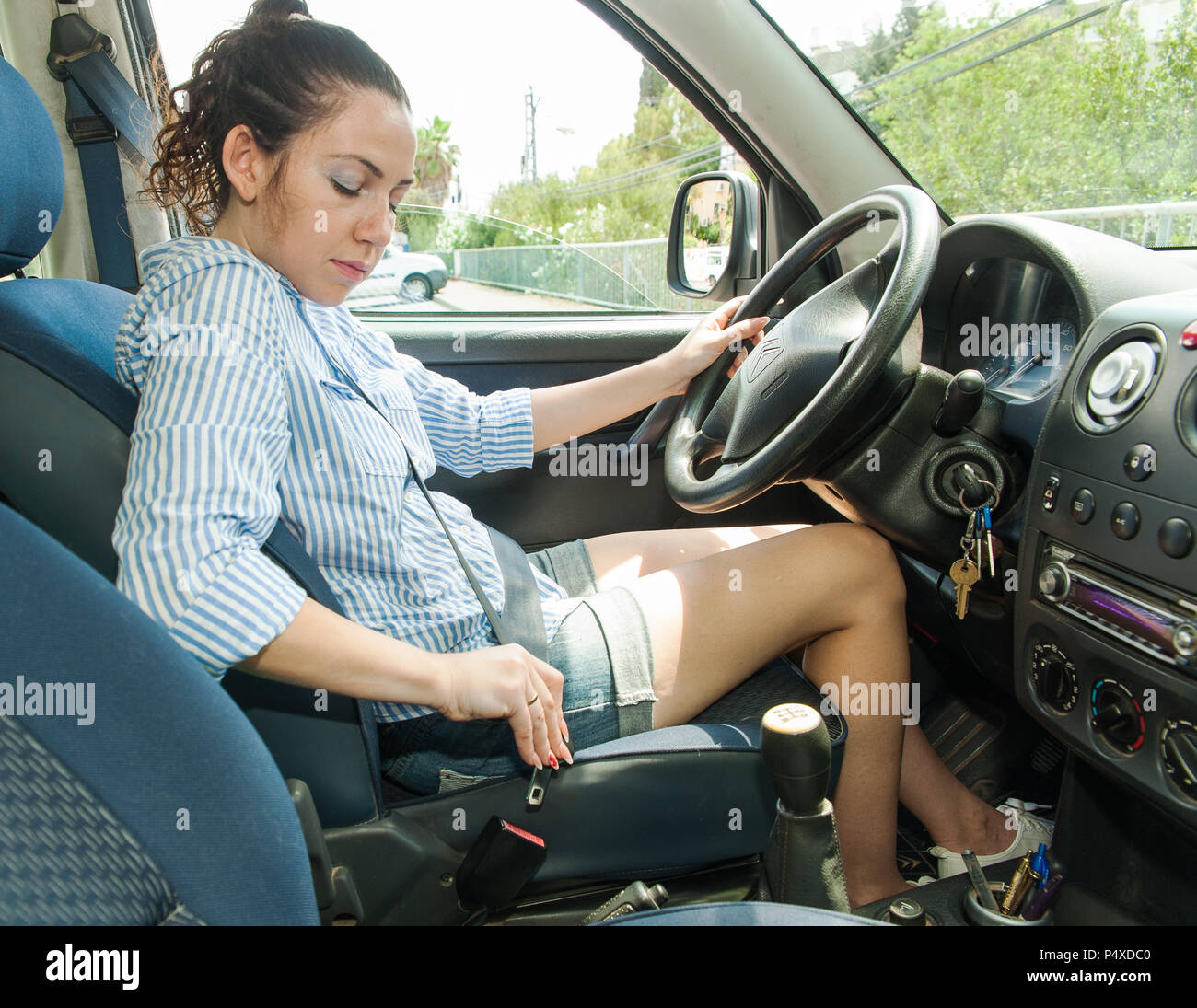
Standard airline seatbelts are approximately 45 inches long, which is not long enough for many plus-size passengers. Seatbelt extenders add 12 to 25 inches of additional length. Most airlines provide them upon request, but asking can feel embarrassing. Knowing the policy in advance and requesting discreetly helps.
Customer-of-Size Policy
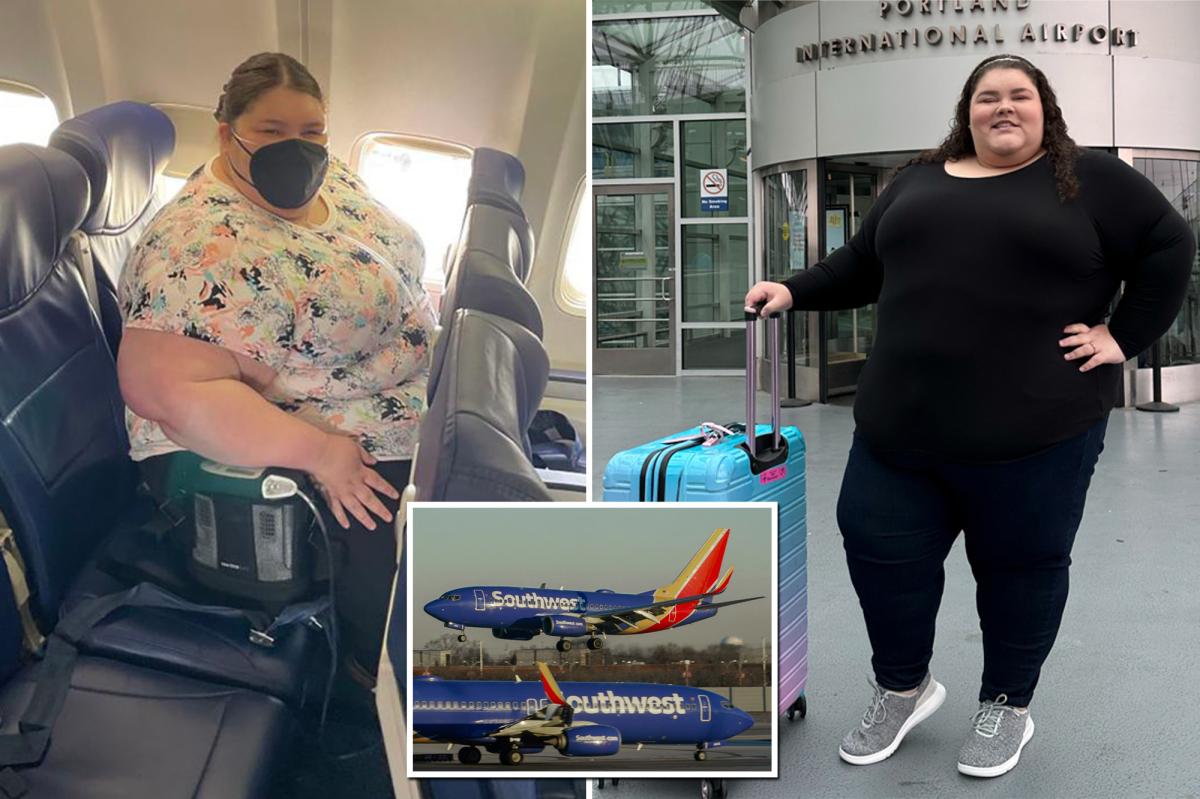
Each airline has its own policy regarding passengers who need more than one seat. Some require you to purchase a second seat at full price. Some offer complimentary second seats or refunds for second seats. Some handle it on a case-by-case basis. Knowing the policy before you book saves you from unpleasant surprises at the gate.
Best U.S. Airlines for Plus-Size Passengers
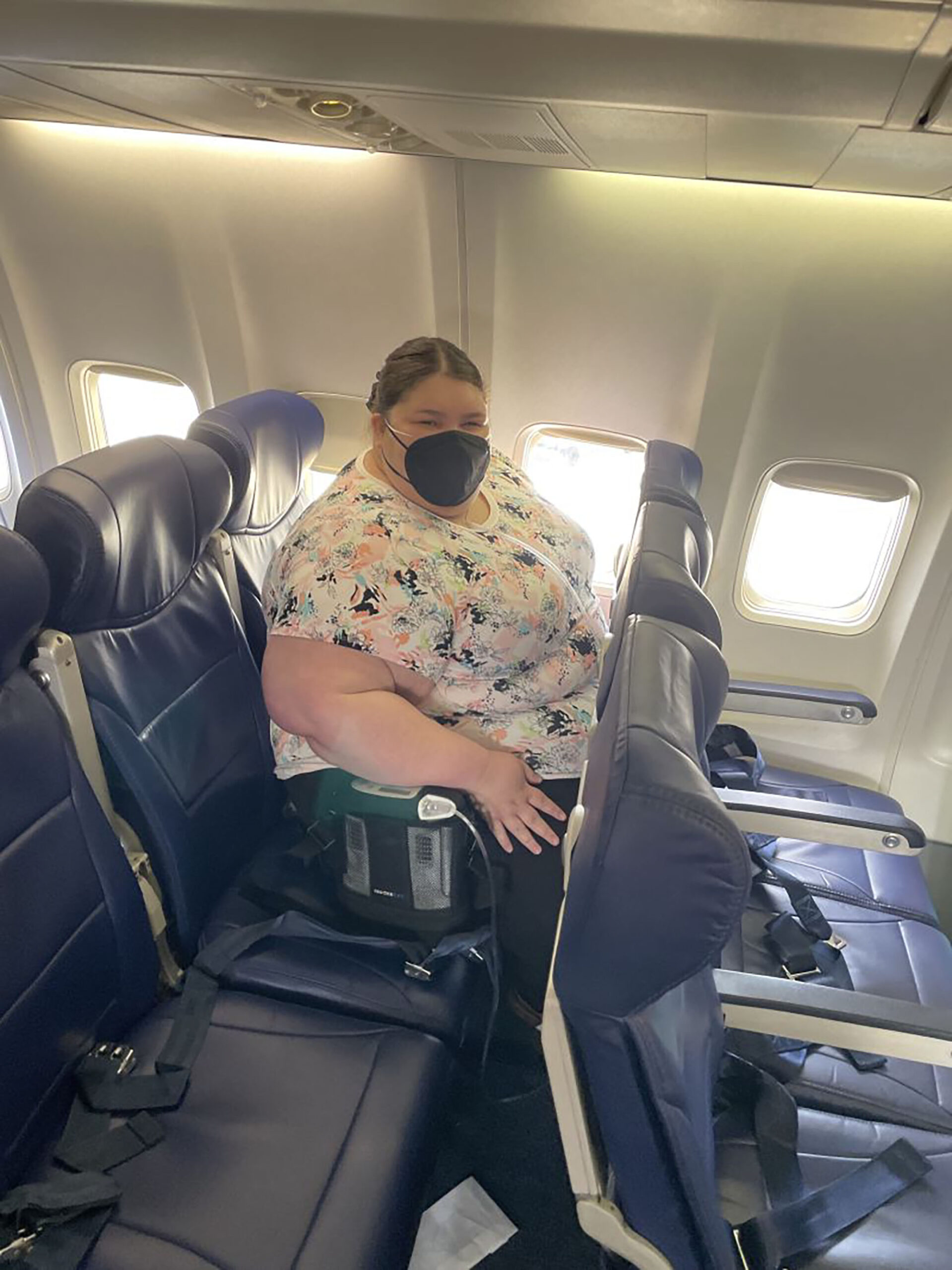
1. Southwest Airlines - Best Overall for Plus-Size Passengers
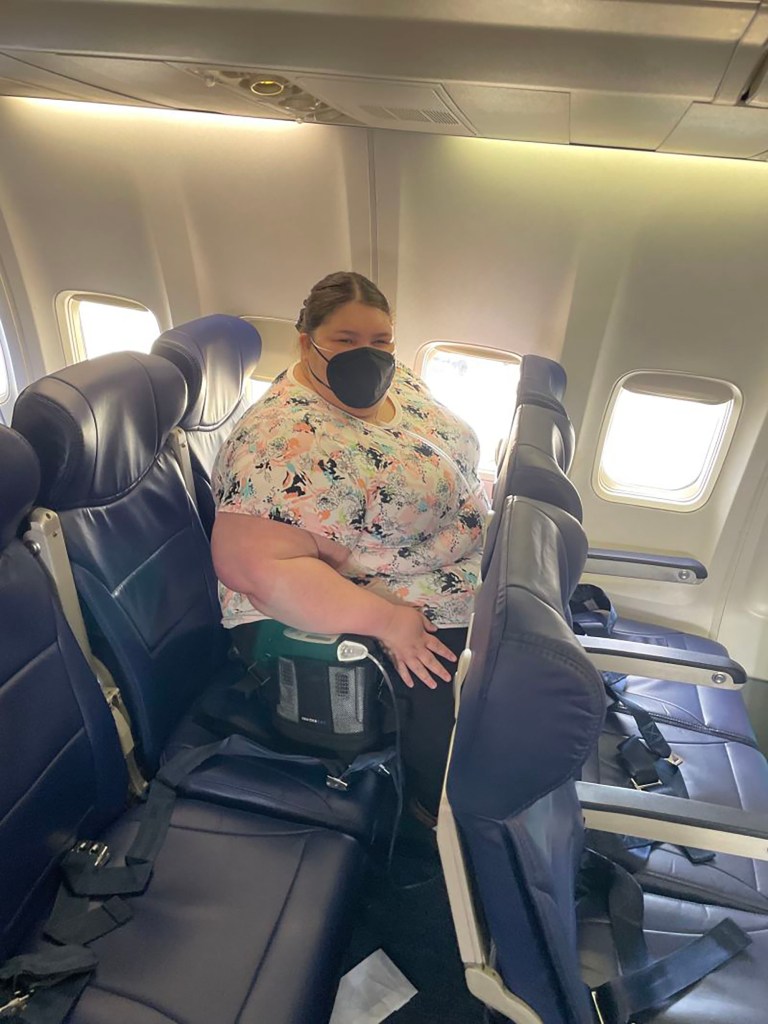
Southwest Airlines has the best customer-of-size policy in the U.S. airline industry, and it is not even close. If you need additional space, Southwest allows you to purchase a second seat and then receive a full refund for it after your flight. Essentially, you fly with an empty seat next to you at no additional cost. To use this policy, purchase two seats at the lowest fare, then contact Southwest customer service to request a refund for the extra seat after travel. Southwest’s economy seats are 17 inches wide with 32 to 33 inches of pitch, which is average, but the free second seat policy more than compensates.
2. JetBlue - Most Comfortable Economy Seats
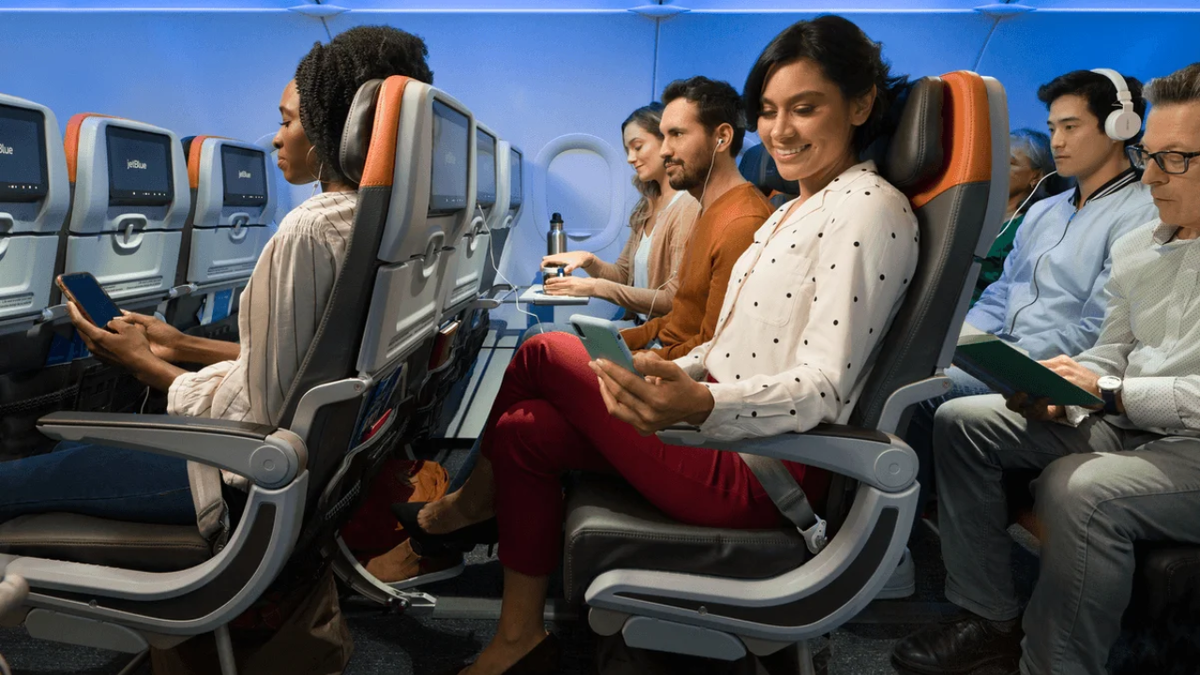
JetBlue offers some of the most generous seat dimensions in U.S. economy class, with seats measuring 18 to 18.4 inches wide and pitch ranging from 32 to 34 inches. Their “Even More Space” seats offer up to 38 inches of pitch, which is approaching premium economy comfort. JetBlue does not have a formal customer-of-size policy, but their wider seats mean many plus-size passengers fit comfortably in a single seat. JetBlue’s service is also consistently rated highly for courtesy and respect.
3. Delta Air Lines - Best Premium Economy Option
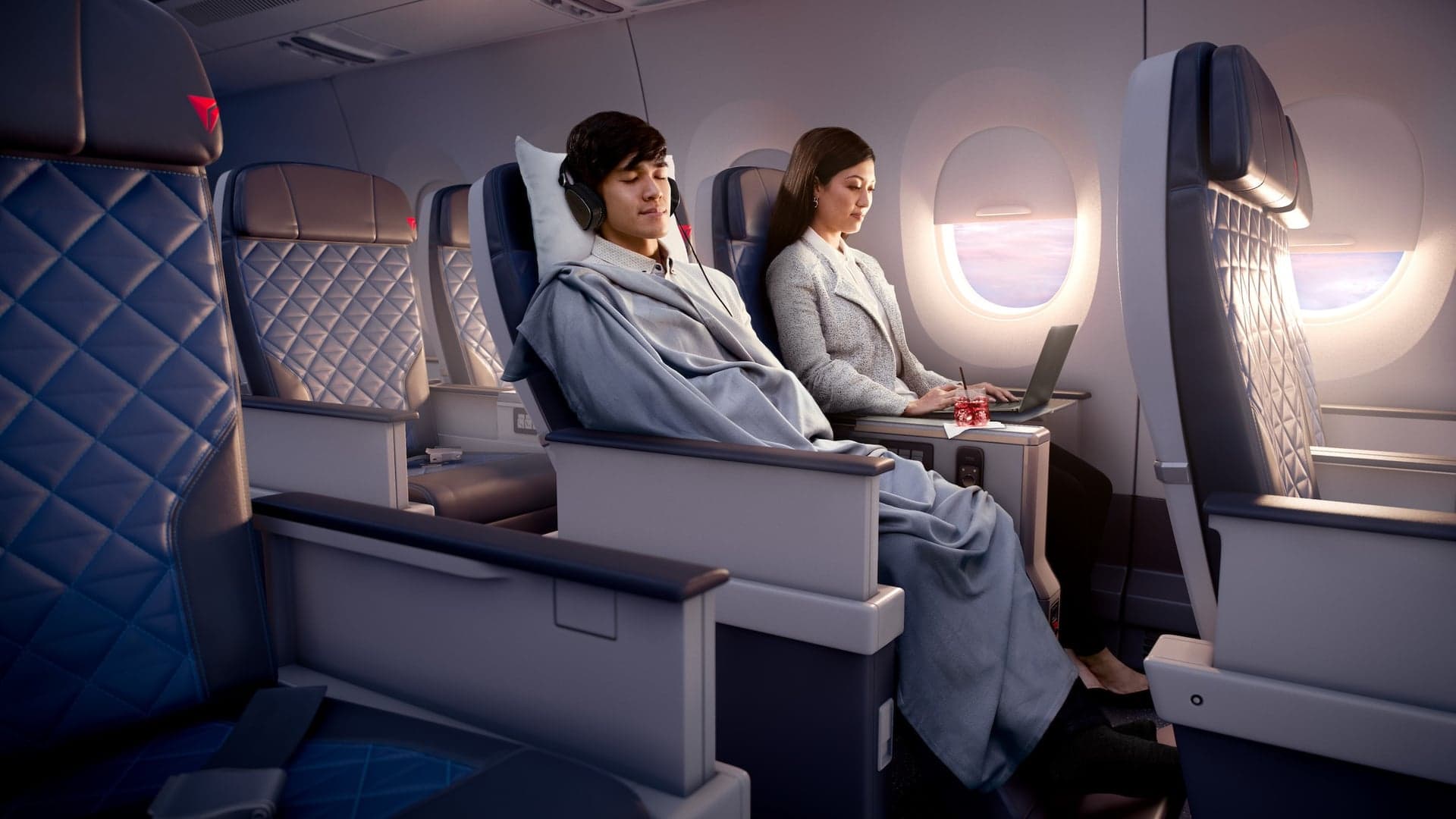
Delta’s standard economy seats are 17.2 to 18.6 inches wide depending on the aircraft, with 31 to 33 inches of pitch. Their Comfort Plus class offers 34 to 36 inches of pitch with wider seats on some aircraft. Delta does not have a formal free second seat policy, but their gate agents are generally trained to handle passenger-of-size situations with discretion. Delta’s newer aircraft (particularly the A321neo) tend to have the most generous dimensions.
4. Alaska Airlines - Good Dimensions with Upgrade Options
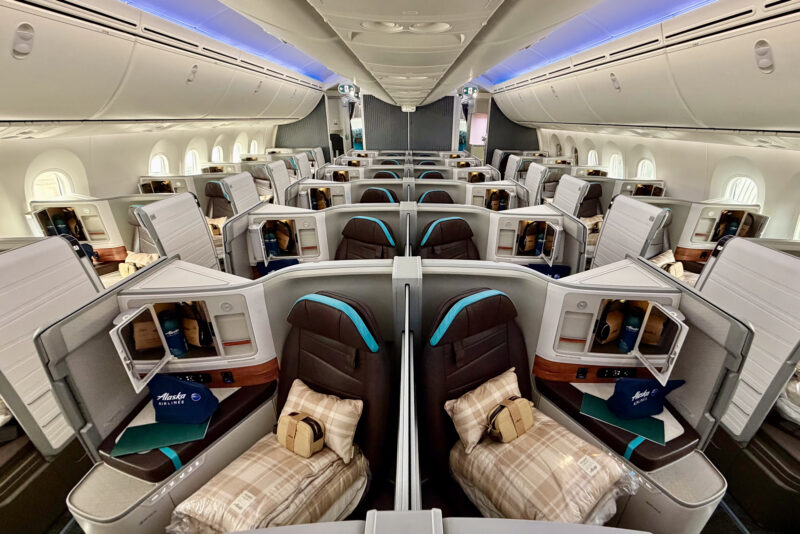
Alaska Airlines’ economy seats are 17 to 18 inches wide with 31 to 32 inches of pitch. Their Premium Class seats offer significantly more legroom (35 to 40 inches) at a modest upgrade cost. Alaska’s customer service is well-regarded, and plus-size passengers report generally positive experiences. Alaska does not offer free second seats but their upgrade pricing to Premium Class is often reasonable.
5. United Airlines - Improving but Still Average
United’s standard economy seats range from 17 to 18 inches wide depending on the aircraft. Their Economy Plus seats offer 34 to 35 inches of pitch, which is a meaningful improvement. United does not have a customer-of-size policy and may require passengers to purchase a second seat without refund options. United’s newer Polaris business class seats on international flights are spacious and comfortable for larger passengers.
Airlines to Use with Caution
Spirit Airlines and Frontier Airlines have some of the narrowest seats in the industry (as low as 17 inches wide with 28 inches of pitch) and limited customer-of-size accommodations. While their low fares are appealing, the cramped seating can make the experience miserable for plus-size passengers. If you fly these carriers, seriously consider upgrading to an exit row or Big Front Seat (Spirit) for a more comfortable experience.
Best International Airlines for Plus-Size Passengers
Emirates
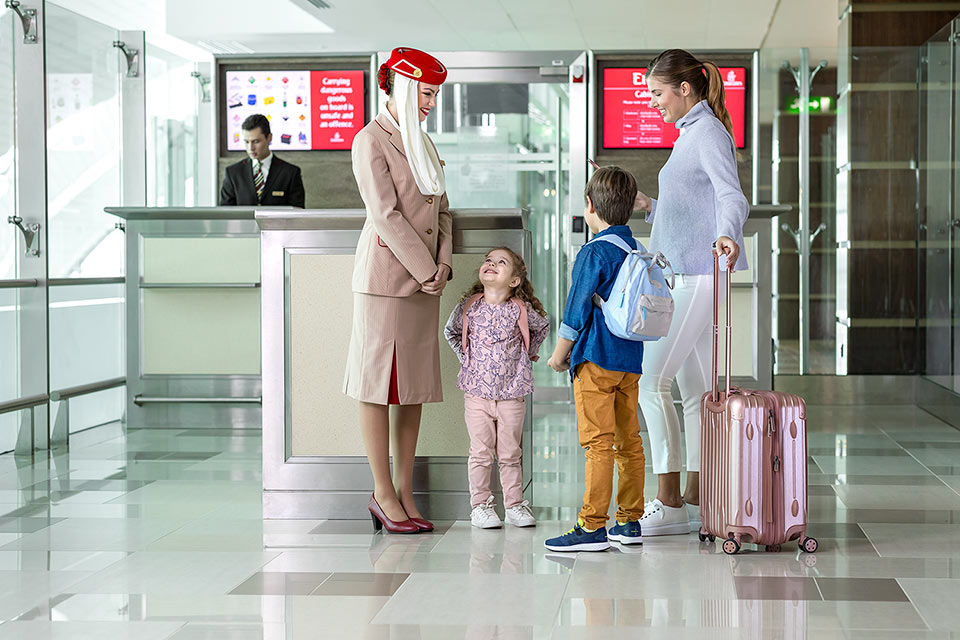
Emirates’ economy class seats are among the widest internationally at 18 to 18.5 inches, with 32 to 34 inches of pitch. Their newer aircraft (A380 and 777X) offer the most space. Emirates’ service culture emphasizes comfort and hospitality, and plus-size passengers report respectful, accommodating treatment. Their business class seats are among the most spacious in the world.
Singapore Airlines
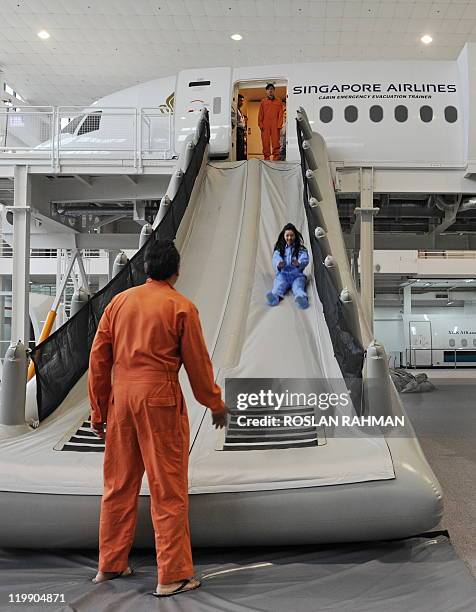
Singapore Airlines offers economy seats measuring 18 to 19 inches wide with 32 inches of pitch. Their A380 economy class is particularly generous. Singapore Airlines is consistently rated the world’s best airline for service quality, and their inclusive, respectful approach extends to passengers of all sizes.
Air New Zealand
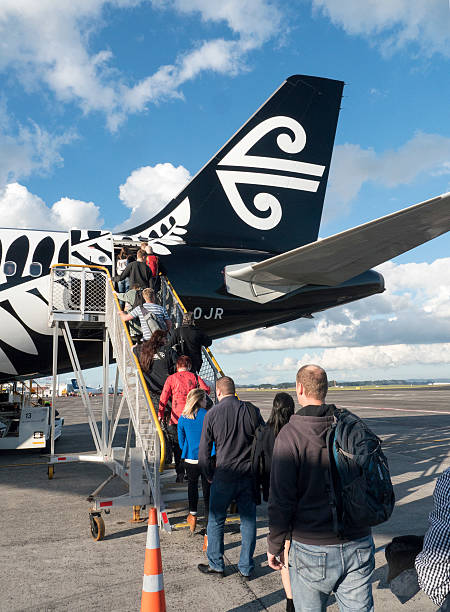
Air New Zealand stands out for its innovative Skycouch product - a row of three economy seats that converts into a flat surface, essentially creating a mini bed. This option, while designed for couples or families, is a game-changer for plus-size passengers on long-haul flights who need extra space. Their standard economy seats are 17.2 inches wide.
Lufthansa

Lufthansa’s economy seats are 17 to 18 inches wide with 31 to 32 inches of pitch. Their Premium Economy offers 18.5-inch-wide seats with 38 inches of pitch, making it one of the most comfortable premium economy products for larger passengers. Lufthansa’s service is professional and respectful.
Qantas
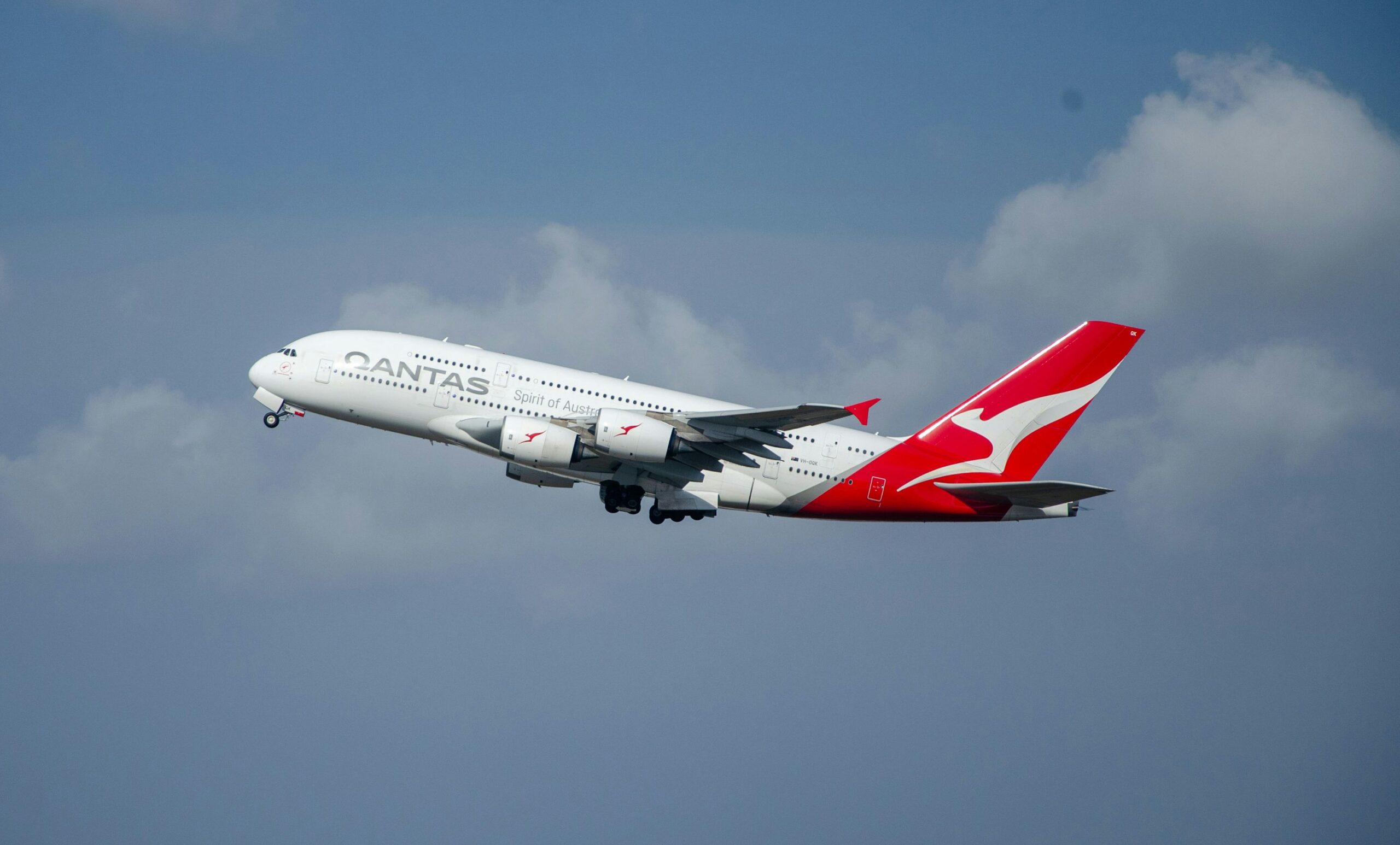
Qantas offers economy seats of 17.5 inches wide with 31 inches of pitch. Their customer-of-size policy is relatively accommodating - they will work with passengers who need additional space on a case-by-case basis. Qantas Premium Economy seats are 19.5 inches wide, which is among the widest premium economy seats available.
Know Your Rights and Airline Policies
Understanding your rights as a plus-size airline passenger helps you advocate for yourself and avoid mistreatment.
U.S. Department of Transportation Guidelines

In the U.S., there is no federal law requiring airlines to provide accommodations for passengers of size (unlike disability accommodations, which are protected under the Air Carrier Access Act). Each airline sets its own policy. However, you cannot be removed from a flight solely because of your size if you have purchased a seat and can properly fasten your seatbelt (with an extender if needed). If an airline requires you to purchase a second seat, they must inform you of this policy at the time of booking.
Canadian Regulations

Canada has stronger protections. The Canadian Transportation Agency’s “one person, one fare” policy requires Canadian airlines to provide a second seat at no additional cost to passengers who need it due to size or disability. This applies to domestic flights within Canada on Canadian carriers.
How to Request Accommodations

Call the airline directly before your flight to discuss your needs. This is more effective than trying to handle things at the gate. Ask about seatbelt extender availability, movable armrests, and their customer-of-size policy. Request to be seated in a row with an empty middle seat if possible. Some airlines will note your request in your reservation, increasing the chances of a comfortable experience.
Seatbelt Extenders
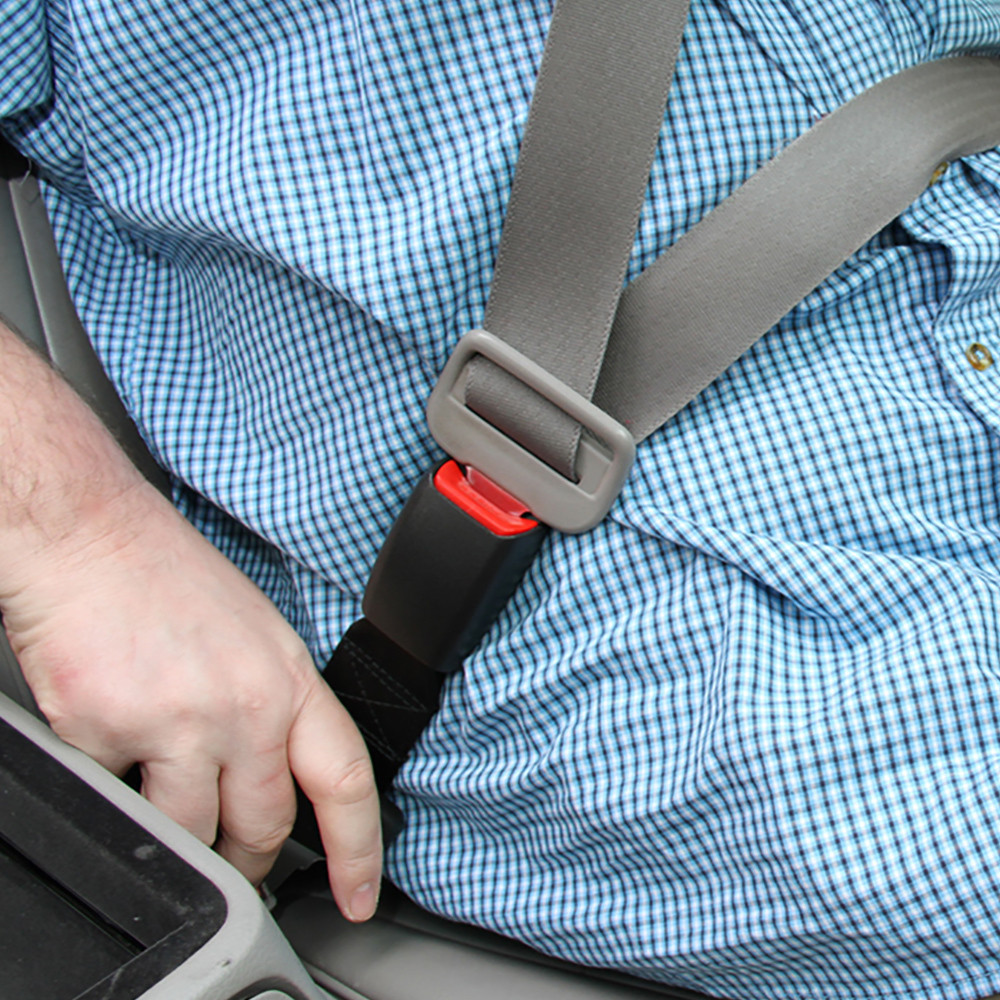
All U.S. airlines are required to have seatbelt extenders available on every flight. You can request one from a flight attendant before takeoff. If you prefer not to ask in front of other passengers, board early and make your request as you pass a flight attendant. You can also purchase your own FAA-approved seatbelt extender to bring on flights, which eliminates the need to ask entirely. FAA-approved airline seatbelt extenders are available online and are universally compatible with most airline seatbelt types.
Tips for a More Comfortable Flight
Choose Your Seat Strategically

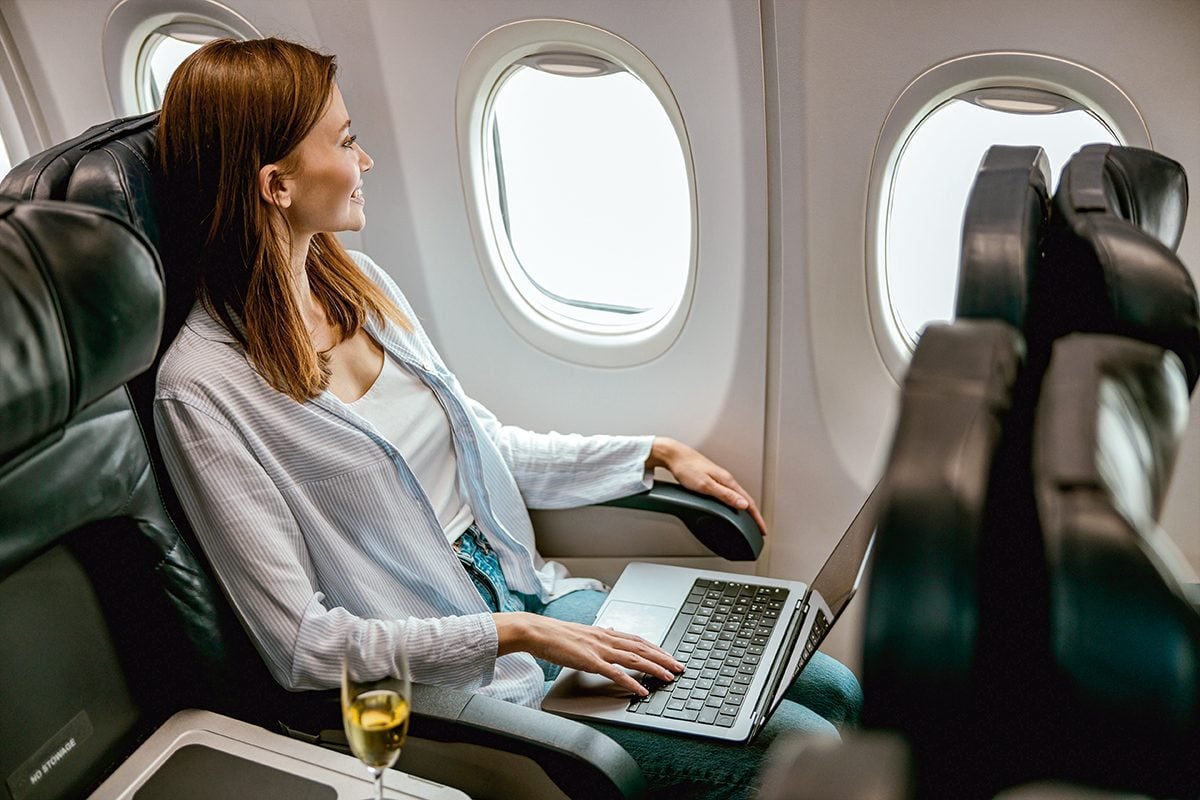
Aisle seats give you the ability to lean slightly into the aisle for extra shoulder room. Exit row seats offer significantly more legroom. Bulkhead seats (the first row of a cabin) have no seat in front to crowd your space. Window seats can be more comfortable if you like leaning against the wall for support. Use SeatGuru.com to check specific seat dimensions and reviews for your exact aircraft before choosing.
Board Early

Take advantage of early boarding options (many airlines offer them for purchase or through loyalty programs) so you can settle in, stow your bag, request a seatbelt extender, and get comfortable without the pressure of a line of passengers behind you. Southwest’s open seating policy actually works in your favor - boarding in the A group gives you the best seat selection.
Wear Comfortable Clothes

Tight jeans and restrictive waistbands make a cramped seat feel even worse. Wear stretchy, comfortable clothing - leggings, joggers, or soft pants with elastic waists. Plus-size travel joggers with pockets give you comfort without sacrificing functionality. Layers help you adjust to varying cabin temperatures.
Bring Your Own Comforts

A neck pillow, compression socks, noise-canceling headphones, snacks, and a large water bottle make any flight more tolerable. A personal blanket or shawl provides warmth without the thin airline blanket that barely covers your shoulders. Having your own comfort items reduces your dependence on airline provisions that are often designed for smaller bodies.
Stay Hydrated and Move

Airplane cabins have extremely low humidity, which dehydrates your skin and body. Drink water throughout the flight and avoid excessive alcohol and caffeine, which increase dehydration. Get up and walk the aisle every hour or two on longer flights to reduce swelling, prevent blood clots, and relieve stiffness. Seated stretches - ankle circles, calf raises, and gentle torso twists - also help.
What to Do If You Are Treated Unfairly

Unfortunately, size discrimination by airline staff does happen. Knowing how to respond protects your rights and your dignity.
If you are asked to purchase a second seat or are threatened with removal, remain calm and ask for the specific written policy that supports their request. Ask for the gate supervisor or a customer service manager. Document the interaction - names, times, and exactly what was said. If you feel you have been discriminated against, file a complaint with the airline’s customer service department after the flight and with the U.S. Department of Transportation.
Record everything in writing. Keep confirmation emails, boarding passes, and any receipts for additional seats purchased. If you were treated disrespectfully, describe the specific behavior in your complaint rather than making general statements. Specific details are harder to dismiss and more likely to result in meaningful response.
Consider sharing your experience (after filing the formal complaint) on social media. Airlines are responsive to public accountability, and your experience can help other plus-size travelers know what to expect. Use your voice not just for yourself but for the community - every complaint filed and every experience shared moves the industry toward better treatment of larger passengers.
Key Takeaways
- Southwest Airlines has the best customer-of-size policy in the U.S. with free second seats (purchased then refunded after travel).
- JetBlue offers the widest standard economy seats among U.S. carriers at 18 to 18.4 inches.
- Seat width, pitch, armrest type, and seatbelt length are the four dimensions that matter most for plus-size comfort.
- Always call the airline before your flight to discuss accommodations rather than trying to handle things at the gate.
- You can purchase your own FAA-approved seatbelt extender to avoid the awkwardness of requesting one on board.
- If you experience discrimination, document everything and file complaints with both the airline and the Department of Transportation.
Frequently Asked Questions
Do I have to buy two seats if I am plus size?
It depends on the airline and your specific size. Most airlines state that if you cannot lower both armrests and need to “encroach” on the adjacent seat, you may be required to purchase a second seat. However, Southwest Airlines offers a policy where the second seat cost is refunded. Many plus-size passengers in the size 18 to 22 range fit in a single economy seat comfortably on airlines with wider seats (JetBlue, Emirates). If you are unsure, call the airline to discuss your specific situation before booking.
Can I bring my own seatbelt extender on a plane?
Yes, but it must be FAA-approved and Type A certified. FAA-approved extenders are widely available online and compatible with most airline seatbelt types. Having your own eliminates the need to ask a flight attendant, which many plus-size passengers find embarrassing. Keep it in your carry-on bag for easy access during boarding.
Which seat should I choose for maximum comfort?

Aisle seats give you the most flexibility to lean out for extra shoulder room and make it easier to get up and move. Exit row seats provide significantly more legroom. Bulkhead seats offer no obstruction in front of you. Avoid middle seats whenever possible, as you are squeezed between two fixed armrests with no room to expand. Use seat selection tools like SeatGuru to check the specific dimensions and reviews for seats on your aircraft type.
Are first class or business class seats worth the extra cost?
If your budget allows, premium cabins offer dramatically more space for plus-size passengers. Domestic first class seats are typically 20 to 21 inches wide with 36 or more inches of pitch. International business class seats often convert to fully flat beds. The comfort difference is significant, and many plus-size travelers find that the reduced stress and physical discomfort is worth the additional investment, especially on longer flights. Watch for fare sales and use credit card points to make premium cabins more accessible.