The Honest Truth About Amusement Parks and Plus-Size Bodies
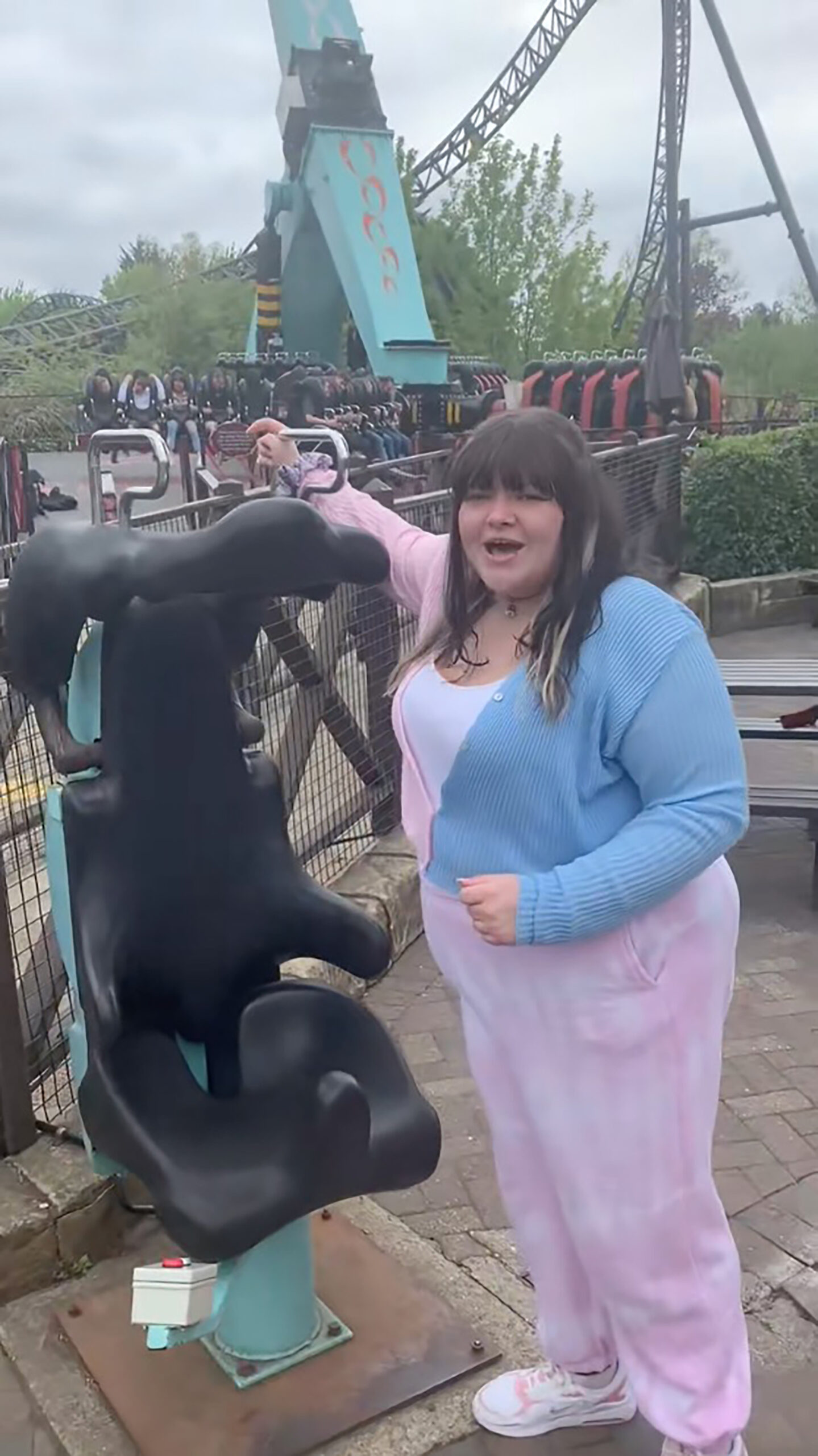
Let us address this directly: visiting an amusement park as a plus-size person can be stressful, embarrassing, and disappointing. The anxiety of approaching a ride and not knowing whether you will fit. The humiliation of the walk of shame when a restraint will not close. The frustration of watching your friends and family enjoy rides you cannot join. These experiences are painful, and if you have been through them, your feelings are completely valid.
The amusement park industry has been slow to acknowledge that their guests come in all sizes, and ride design has historically prioritized a narrow range of body types. But things are changing - slowly but measurably. More parks are adding test seats outside rides, designing new attractions with larger restraint options, and training staff to handle size-related situations with discretion and sensitivity. We are not where we need to be yet, but progress is happening.
This guide exists to give you the practical information you need to plan an amusement park visit with confidence. We will cover which types of rides tend to be most and least accommodating, what to expect at major parks, and strategies for maximizing your enjoyment while minimizing the chances of an uncomfortable experience. Because you deserve to have fun at amusement parks too - and with the right information, you absolutely can.
A note on language: ride fit depends on many factors including body shape, weight distribution, height, and where you carry your weight. Two people who wear the same clothing size can have very different experiences on the same ride. The information in this guide is general, and your individual experience may vary.
How Ride Restraints Work and Why Size Matters
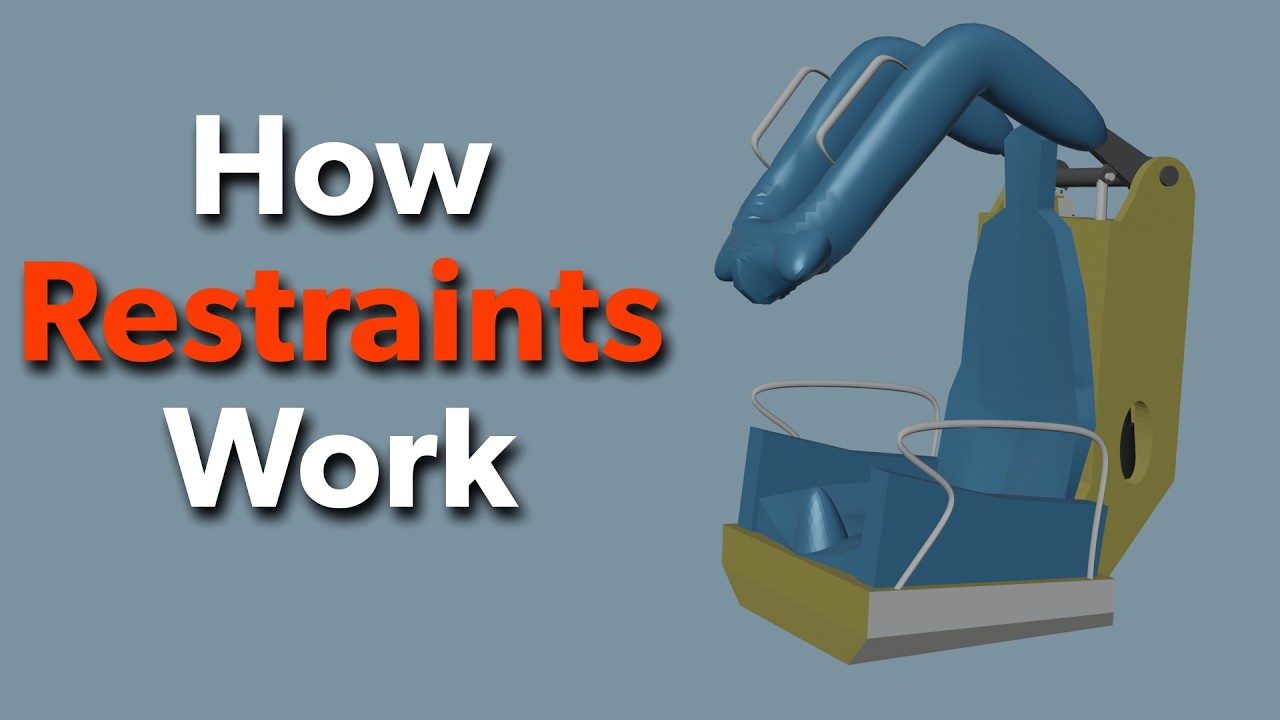
Understanding why some rides are harder to fit is the first step toward navigating the situation. Ride restraints are safety mechanisms designed to keep you securely in your seat during the ride. They must lock into a specific position to pass the safety check. The two main types you will encounter are lap bars and over-the-shoulder harnesses, and each interacts differently with larger bodies.
Lap Bars
Lap bars press down across your thighs and hips. For plus-size guests, the challenge is usually with people who carry weight in their midsection, hips, and thighs. If the lap bar cannot push down far enough to engage the locking mechanism, the ride cannot operate. Some newer rides have individual lap bars (one per person) rather than shared lap bars (one bar for two or three people in a row), and individual bars are significantly more accommodating for larger bodies because they are not affected by the person sitting next to you.
Over-the-Shoulder Harnesses (OTSR)
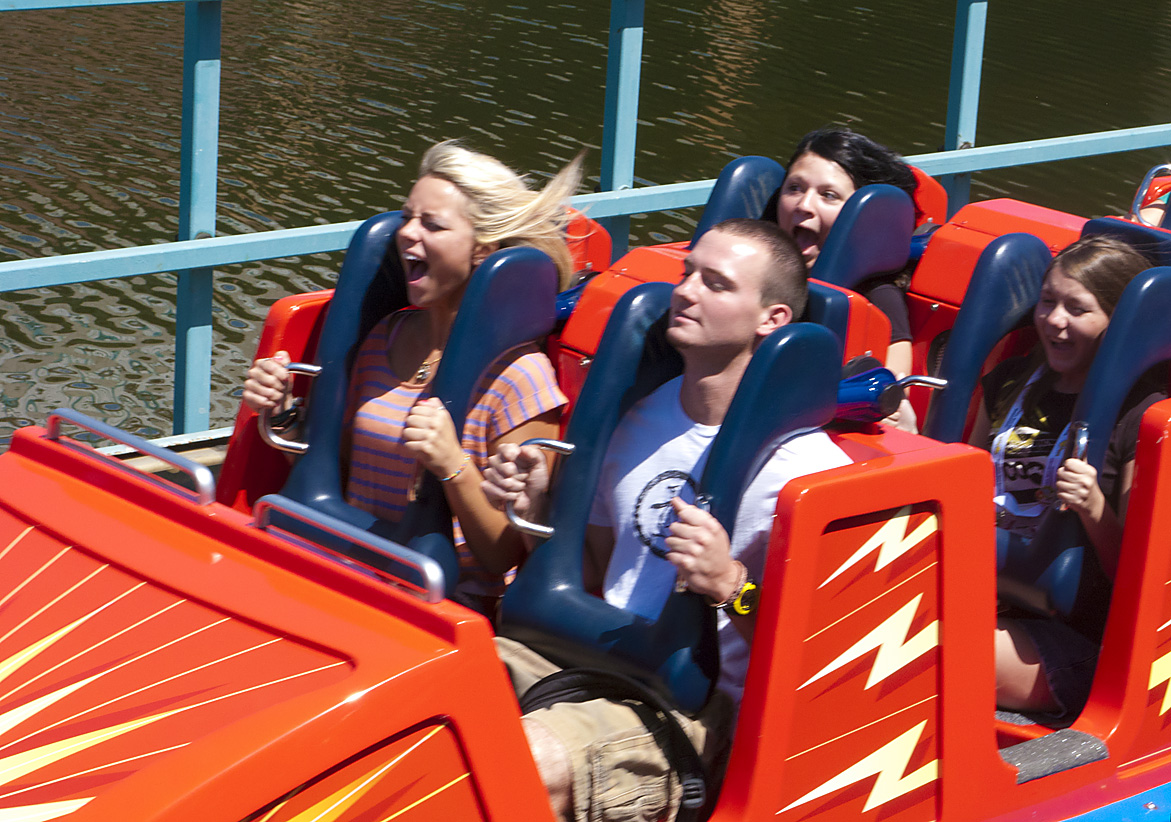
These restraints come down over your head and lock in front of your chest. They are the most challenging for plus-size guests, particularly those with broad shoulders, large chests, or significant upper body size. The shoulder harness must click down to a specific point to clear the safety check, and there is less flexibility in how they accommodate different body shapes compared to lap bars. Many of the highest-profile ride rejections happen on OTSR rides.
Seatbelts
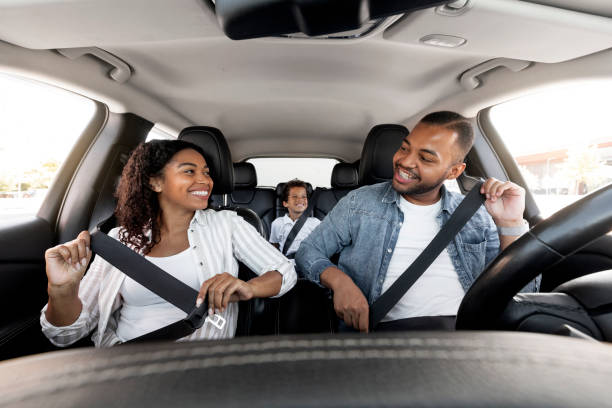
Some rides use seatbelts in addition to bars or harnesses. These secondary restraints have a fixed length and must buckle for the ride to operate. Seatbelt length varies widely between rides and parks, and they are often the limiting factor for plus-size guests even when the bar or harness closes successfully. Some parks offer seatbelt extenders on certain rides - it is worth asking.
Park by Park - What Plus-Size Guests Can Expect
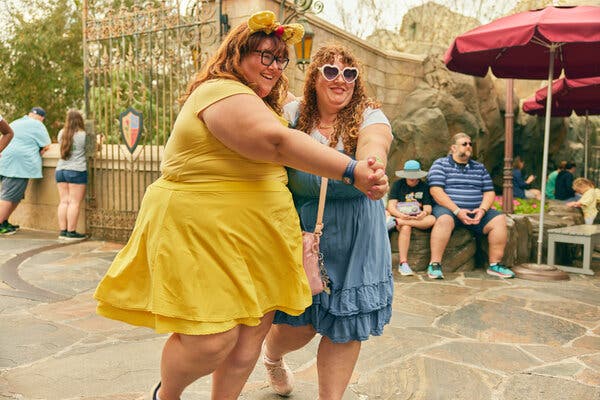
Walt Disney World and Disneyland
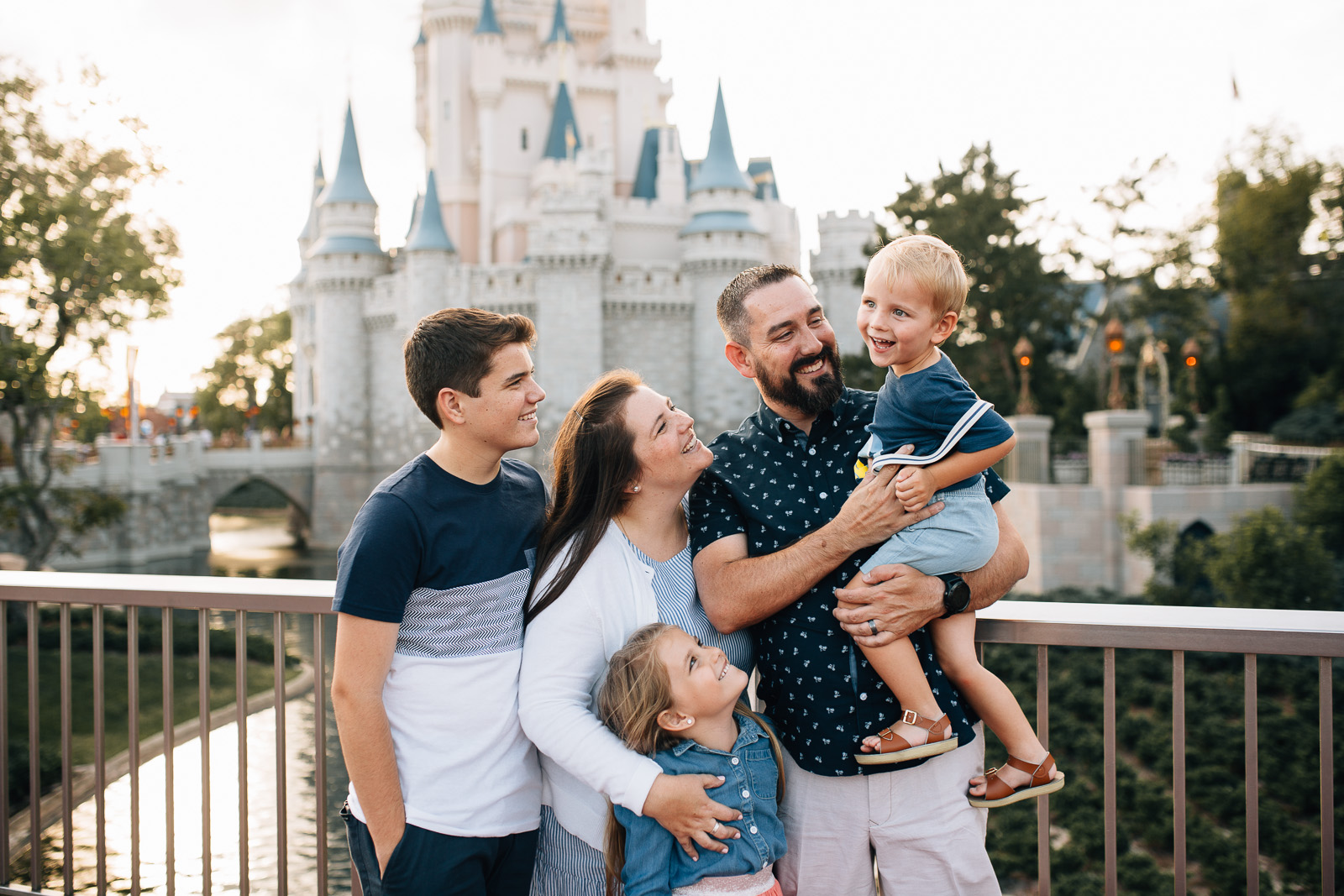
Disney parks are generally among the most accommodating for plus-size guests. Many Disney rides use vehicle designs with bench seating, lap bars, or simple seatbelts that accommodate a wide range of body sizes. Rides like Pirates of the Caribbean, Haunted Mansion, Small World, Jungle Cruise, and most dark rides are comfortable for nearly all body types. The newer rides, including Rise of the Resistance and Remy’s Ratatouille Adventure, have been designed with accessibility in mind. The rides that can be challenging include some roller coasters like Space Mountain and Rock ‘n’ Roller Coaster, which have tighter restraints.
Universal Studios (Orlando and Hollywood)
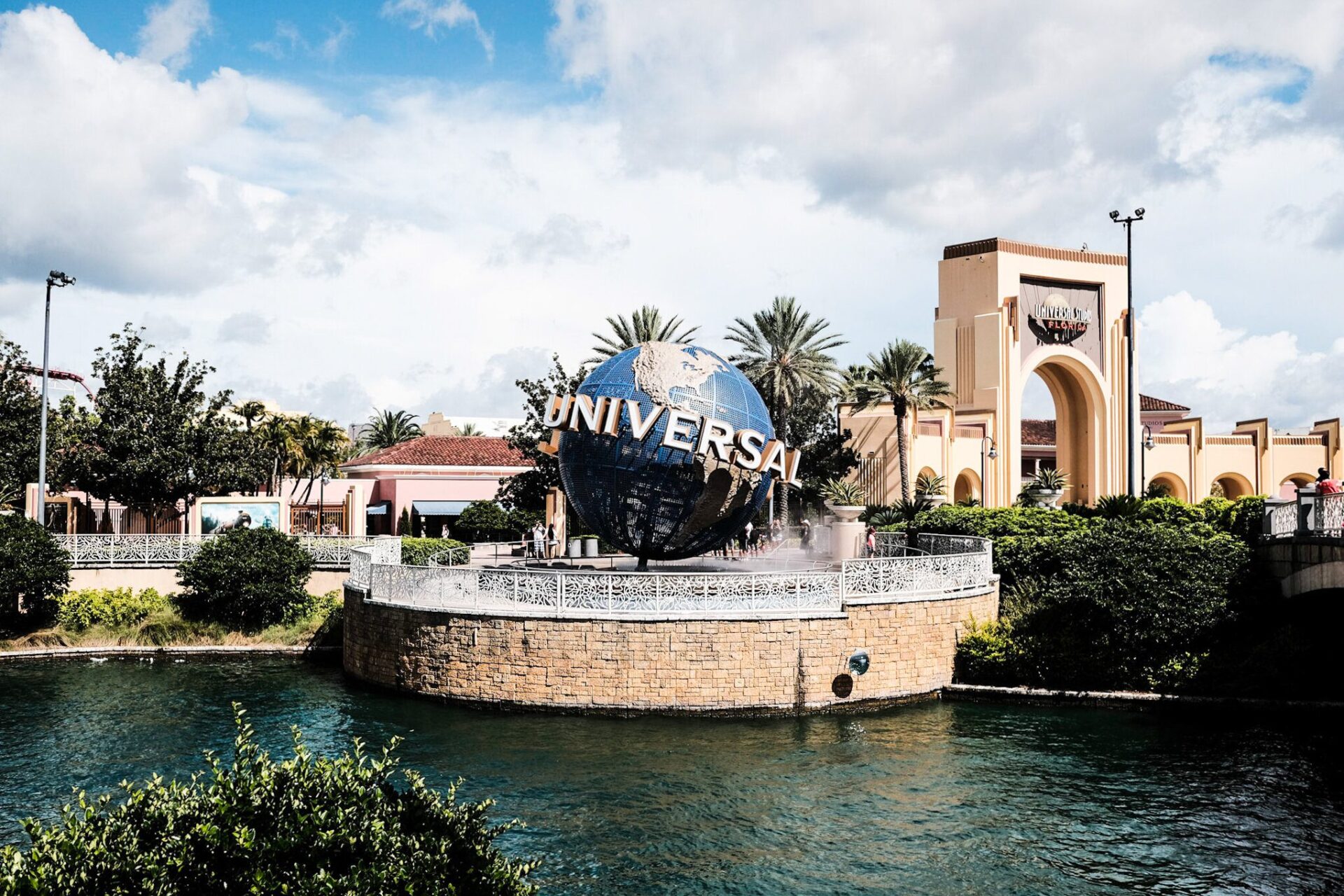
Universal has made significant improvements in ride accessibility but still has some of the most notoriously restrictive rides in the industry. Many Universal rides use OTSR harnesses that can be difficult for larger guests. However, Universal has added test seats outside most rides so you can check your fit before waiting in line. The Hogwarts rides (Forbidden Journey and Hagrid’s) have been particularly challenging for plus-size guests, though Hagrid’s is more accommodating than Forbidden Journey. Newer attractions are being designed with greater size inclusivity.
Six Flags Parks
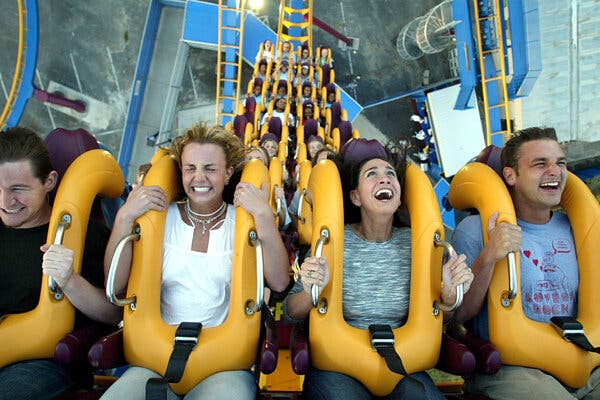
Six Flags parks vary significantly by location, as they operate independently and have different ride lineups. Generally, Six Flags roller coasters tend to have tighter restraints than Disney rides. Many coasters use OTSR harnesses with secondary seatbelts that can be restrictive. Test seats are available at most major rides. The flat rides, water rides, and family attractions are usually more accommodating than the thrill coasters.
Cedar Fair Parks (Cedar Point, Kings Island, Knott’s)
Cedar Point, known as the “Roller Coaster Capital of the World,” has rides that range from very accommodating to very restrictive. Some coasters, particularly newer B&M models, have been designed with modified seats on specific rows that offer extra room for larger riders. Ask ride operators about “big boy seats” or modified rows - they exist on several coasters and can make the difference between fitting and not fitting. Cedar Fair parks also generally have test seats available.
Comfortable walking shoes are essential for any park visit. A pair of Nike Air Max sneakers in wide widths provide cushioning and support for the 15,000+ steps you will likely walk in a day at a major theme park.
Rides That Are Generally Plus-Size Friendly
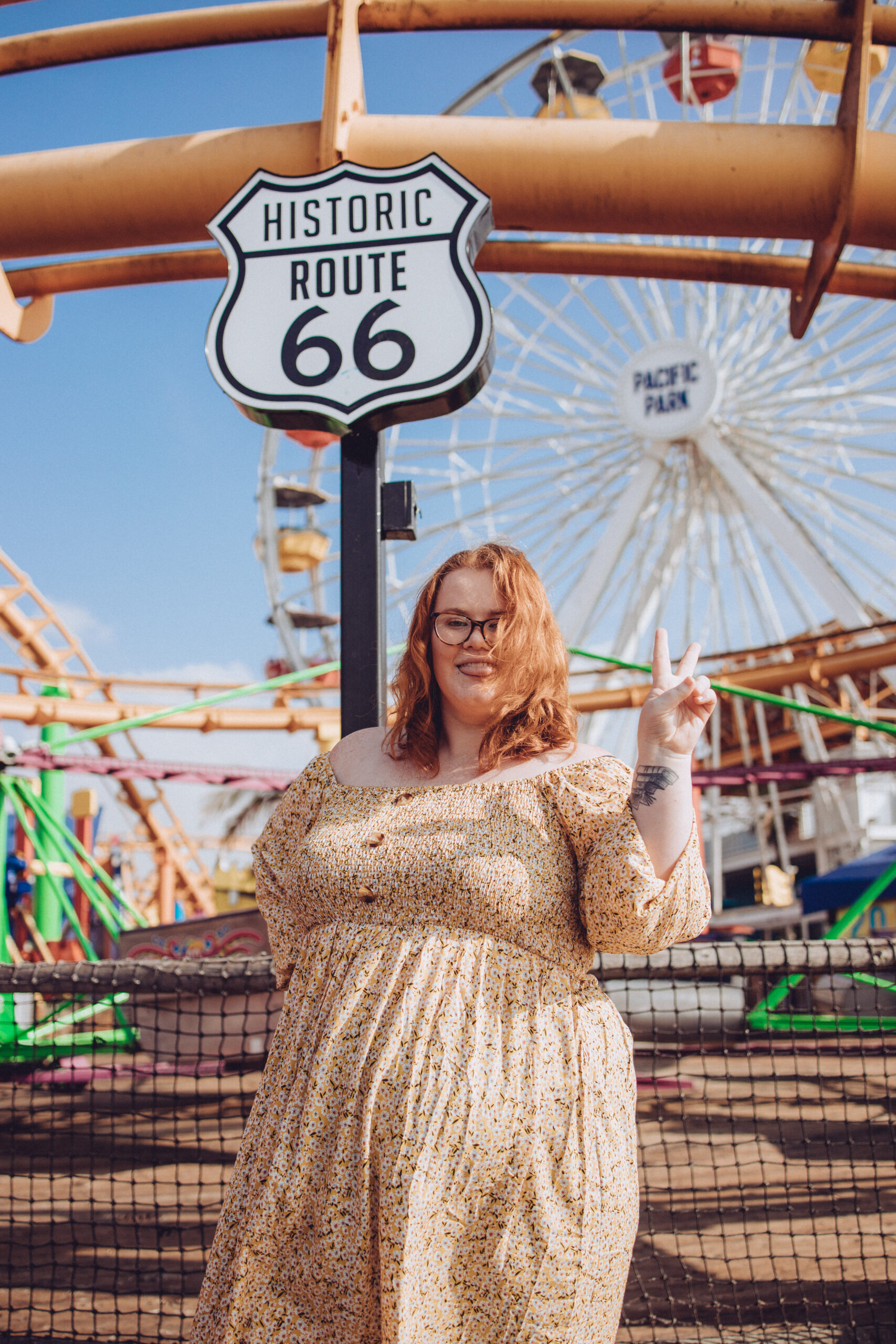
While individual experiences vary, these types of rides tend to be the most accommodating for plus-size guests across most parks.
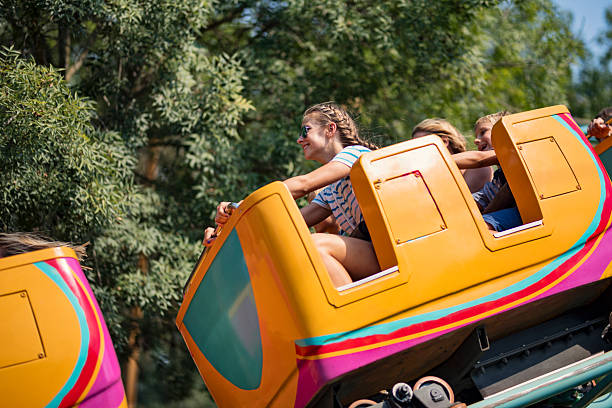
Dark rides and trackless rides (like Haunted Mansion, Pirates of the Caribbean, Rise of the Resistance) typically use open vehicles with bench seating and simple lap bars that accommodate most body types comfortably. Water rides (like log flumes and rapids rides) generally have larger seats and more flexible restraint systems. Ferris wheels and observation rides have spacious gondolas designed for multiple passengers. Carousels, train rides, and gentle spinning rides are almost universally accessible. Shows, parades, fireworks, and character experiences have no size restrictions whatsoever.
Many flat rides like bumper cars, spinning rides, and swing rides are also generally accommodating, though individual rides vary. When in doubt, ask the ride operator or look for a test seat before getting in line.
Rides That Tend to Be More Restrictive
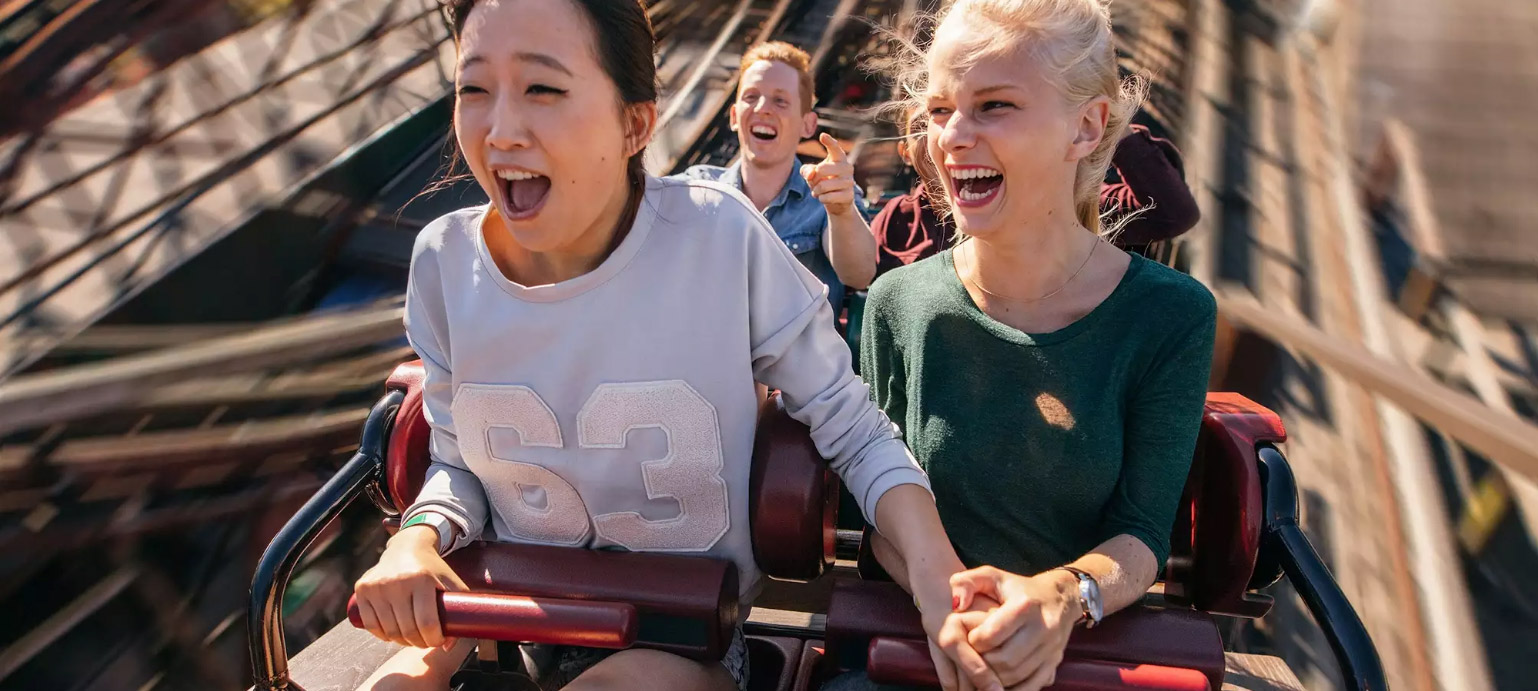
Understanding which ride categories are most likely to present challenges helps you plan your day and manage expectations.
Inverted coasters (where your feet dangle below the track) typically have the tightest OTSR harnesses and are among the most restrictive rides for plus-size guests. Launch coasters and high-speed coasters often have tight restraints designed for extreme forces, leaving less room for larger bodies. Screen-based motion rides (like Universal’s simulator attractions) sometimes use restraint systems that are restrictive for guests with wider torsos or larger midsections. Some floorless coasters have modified seats available on specific rows - always ask before waiting in line.
The rides most commonly reported as problematic by plus-size guests include Harry Potter and the Forbidden Journey at Universal, El Toro at Six Flags Great Adventure, and some of the older steel coasters at various parks that were designed decades ago when size inclusivity was not a consideration.
Practical Tips for a Comfortable Park Visit
Armed with the right strategies, you can have an amazing amusement park experience. Here are practical tips from plus-size park veterans.
Use Test Seats
Most major rides at major parks now have test seats located near the ride entrance. Use them before getting in line. This is not embarrassing - it is smart. Test seats let you check your fit privately and without the pressure of holding up a ride. If you fit the test seat, you will fit the ride. If you do not, you have saved yourself an hour of waiting and potential public embarrassment.
Ask About Modified Seats
Many coasters have one or two rows with modified seats that offer extra room. These are sometimes called “big boy seats,” “modified seats,” or “accessibility seats.” They are not always advertised, so ask the ride operator when you reach the loading platform. Specifying a row with a modified seat can make the difference between riding and not riding.
Dress for Comfort and Function

Wear clothing that does not add bulk. Tight-fitting stretchy clothing actually works better for ride restraints than loose, baggy clothing because there is less fabric between you and the restraint. Avoid thick belts, bulky wallets in pockets, or anything that adds to your waist or hip measurements. Comfortable, supportive walking shoes are non-negotiable for a full day on your feet.
Go Early and Have a Plan
Arrive when the park opens and ride the rides you are most uncertain about first, when wait times are shortest. If a ride does not work out, you have lost 10 minutes instead of 90. Plan a mix of rides you are confident about and rides you want to try, so your day has guaranteed wins regardless of what happens with the uncertain ones.
Bring Supportive Friends
Having friends or family who are understanding and supportive makes a world of difference. Let them know in advance that some rides might not work for you, and have a plan for what happens when the group splits - maybe you grab snacks and find a photo spot while they ride something that does not accommodate you. Good friends will make sure you never feel left out or pitied.
An insulated water bottle keeps your drink cold all day in the heat, and staying hydrated is especially important when you are walking miles in warm weather.
How Parks Are Improving Accessibility for Larger Guests
The amusement park industry is slowly recognizing that a significant portion of their guests are plus-size, and some parks are making meaningful changes. New ride designs increasingly include modified seat options, wider restraint ranges, and individual restraint systems rather than shared bars. Some parks have begun training their staff specifically on how to handle size-related situations with dignity and discretion.
Advocacy from the plus-size community has been a driving force in these changes. Social media campaigns, online reviews highlighting accessibility issues, and direct feedback to park management have pushed parks to acknowledge the problem. Several parks have also partnered with ride manufacturers to retrofit existing rides with larger seat options or extended seatbelts.
You can be part of this change by providing feedback to parks you visit. If a ride does not accommodate you, contact guest services and let them know. If a park handles the situation well, tell them that too. Parks respond to customer feedback, and the more voices they hear advocating for size inclusivity, the faster changes will happen.
Some parks that have received praise from the plus-size community for their accessibility efforts include Walt Disney World (consistently cited as the most accommodating major park), Dollywood (known for Southern hospitality that extends to guests of all sizes), and SeaWorld parks (which have generally spacious ride vehicles). Look for reviews from plus-size park visitors on social media before planning your trip.
Key Takeaways
- Amusement park ride fit depends on body shape, weight distribution, and restraint type - not just clothing size or weight alone.
- Lap bar rides and bench-seat dark rides are generally the most accommodating for plus-size guests, while inverted coasters and OTSR rides tend to be the most restrictive.
- Disney parks are consistently the most size-inclusive major parks, while Universal and Six Flags have more restrictive rides but offer test seats and some modified seat options.
- Always use test seats before waiting in line, ask about modified rows, and wear form-fitting stretchy clothing to maximize your chances of fitting comfortably.
- Plan your day strategically - ride uncertain rides early when lines are short, mix guaranteed wins with ones you want to try, and bring supportive friends.
- Parks are slowly improving, driven by guest feedback and advocacy - your voice matters in pushing for greater size inclusivity.
Frequently Asked Questions
What should I do if I cannot fit on a ride after waiting in line?
First, know that this is not your fault and you have nothing to be ashamed of. Ride operators are trained to handle this situation, and most will be discreet. At most parks, there is an exit pathway that allows you to leave the loading platform without walking back through the line. If a ride operator handles the situation insensitively, report it to guest services. You can also request a return-time pass from guest services so that your friends do not have to wait in line again after you exit. Most importantly, do not let one ride define your entire day - there are dozens of other experiences waiting for you.
Are water parks more plus-size friendly than regular amusement parks?
Generally, yes. Water slides and attractions tend to have more generous weight limits (often 250 to 350 pounds per person) and wider slide openings than dry rides. Lazy rivers, wave pools, and splash pads have no restrictions at all. Some tube slides have weight limits per tube rather than per person, which can be a factor for larger guests. Check the park’s website for specific weight limits before your visit. The biggest challenge at water parks for plus-size guests is often finding comfortable swimwear and dealing with the walk between attractions, not the rides themselves.
Can I request a seatbelt extender on amusement park rides?
Some rides at some parks do offer seatbelt extenders, but this varies significantly by ride and park. The availability of extenders depends on the ride manufacturer’s specifications and the park’s safety protocols. Ask the ride operator directly when you reach the loading platform. If an extender is not available for a particular ride, it is because the manufacturer has determined that an extended seatbelt would not provide adequate safety restraint for that specific ride’s forces and movements. This is a safety decision, not a judgment.
Which amusement parks are the most accommodating for plus-size guests overall?
Walt Disney World and Disneyland consistently receive the highest ratings from plus-size park visitors for ride accessibility, staff sensitivity, and overall experience. Dollywood in Tennessee is also frequently praised for its welcoming atmosphere and generous ride designs. SeaWorld parks have spacious ride vehicles on most attractions. Among regional parks, many Herschend Family Entertainment parks (Silver Dollar City, Dollywood) prioritize accessibility. Research specific parks before your visit by searching for plus-size reviews and checking community forums dedicated to plus-size travel and theme park experiences.