
The Chafing Conversation We Need to Have

Let us talk about something that affects millions of curvy women and yet rarely gets discussed honestly: chafing. Inner thigh chafing, underarm chafing, under-bust chafing, and the general friction-based misery that comes from skin meeting skin in warm, humid conditions. It is not a weight problem. It is a skin-contact problem. People of all sizes experience chafing, and anyone who tells you otherwise has simply never walked ten thousand steps in a tropical climate.
For curvy travelers, chafing is not just an inconvenience, it is a vacation-threatening reality. A full day of sightseeing in Rome can go from magical to miserable if your inner thighs start burning by lunchtime. A beach walk in Cancun loses its romance when every step feels like sandpaper. And nothing ruins a cute vacation dress faster than the knowledge that wearing it means raw, painful skin by the end of the evening.
The good news is that anti-chafe products have evolved enormously in recent years, and the options available in 2026 are more effective, longer-lasting, and travel-friendlier than ever. We have tested dozens of products during actual travel, subjecting them to the real-world conditions that matter: twelve-hour sightseeing days in European summers, humid Caribbean beach days, and everything in between. This guide covers the products that actually work, the ones that do not, and the prevention strategies that keep you comfortable from takeoff to touchdown.
There is absolutely nothing embarrassing about taking care of your comfort. Professional athletes use anti-chafe products. Marathon runners use anti-chafe products. And every curvy traveler should have a tested, trusted anti-chafe product in her bag at all times. Let us find yours.
Why Travel Makes Chafing Worse

Travel creates the perfect storm of chafing conditions, which is why a product that works fine during your normal daily routine might fail completely during a vacation day.
Increased Walking. Most people walk significantly more during travel than in daily life. A typical sightseeing day can easily reach fifteen to twenty thousand steps, compared to the five to eight thousand steps of a normal day. More steps mean more skin-on-skin friction, and the cumulative effect over hours of walking produces chafing that your everyday routine never triggers.
Heat and Humidity. Warm, humid conditions increase sweating, which breaks down the protective barrier of anti-chafe products faster and adds moisture to friction zones. Tropical destinations, summer European cities, and even the humid interiors of airports and planes create conditions that accelerate chafing.
Unfamiliar Clothing. New vacation clothes, particularly dresses and shorts that you might not wear in daily life, can create friction patterns your body is not accustomed to. Fabric types, seam placement, and fit differences all contribute to chafing in unexpected areas.
Salt Water and Pool Chemicals. Swimming in the ocean or pool, then walking in salt-or-chlorine-dried skin, dramatically increases friction. Salt crystals on skin act like tiny abrasives, and the drying effects of chlorine strip away natural moisture that normally protects against friction.
Sitting for Extended Periods. Long flights and car rides create pressure-based chafing in areas where skin folds press together for hours. This is different from friction-based chafing but equally uncomfortable, and it often hits in areas like the underside of your belly, under your bust, or in the crease where your thighs meet your torso.
Types of Anti-Chafe Products Explained
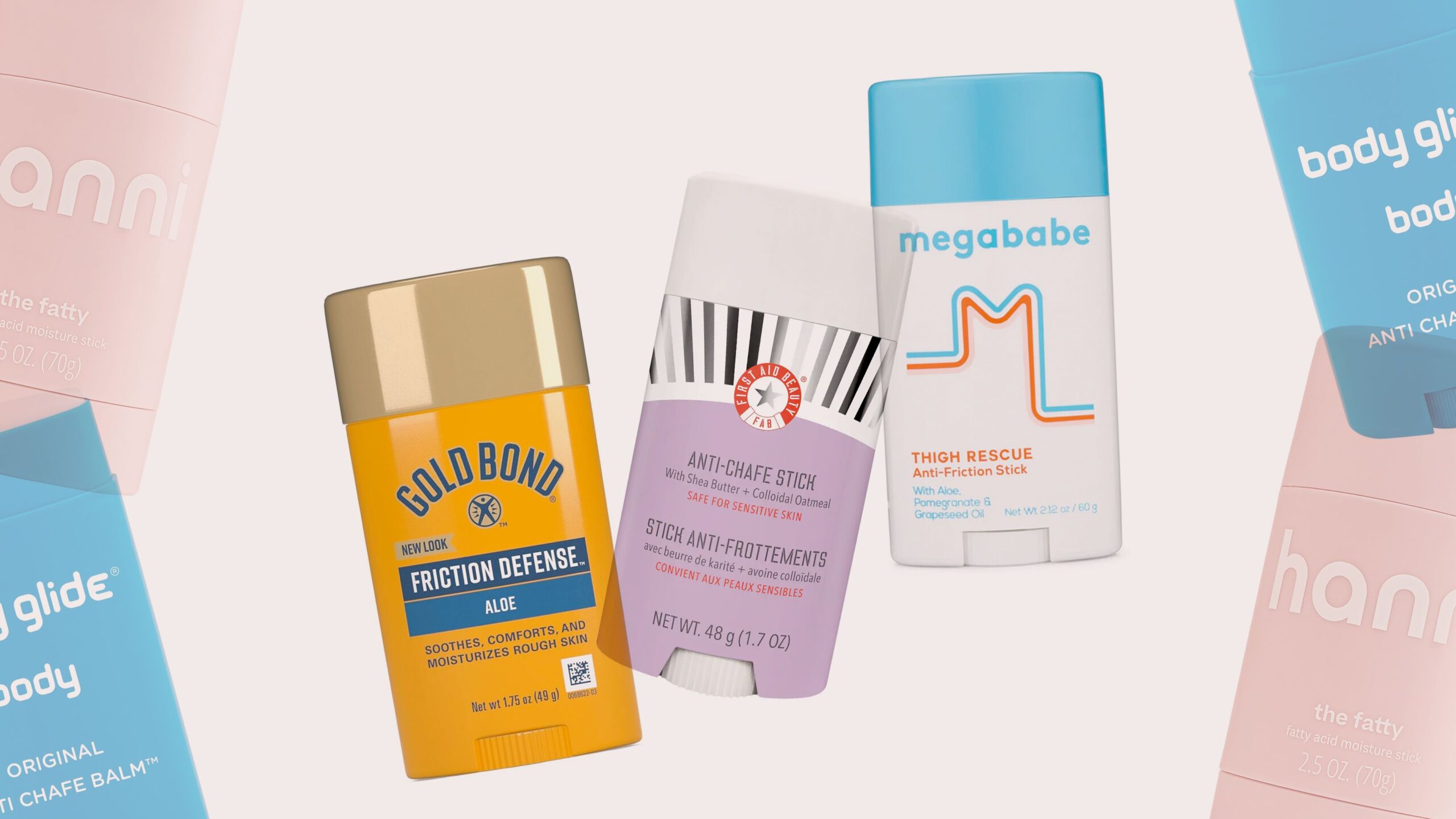
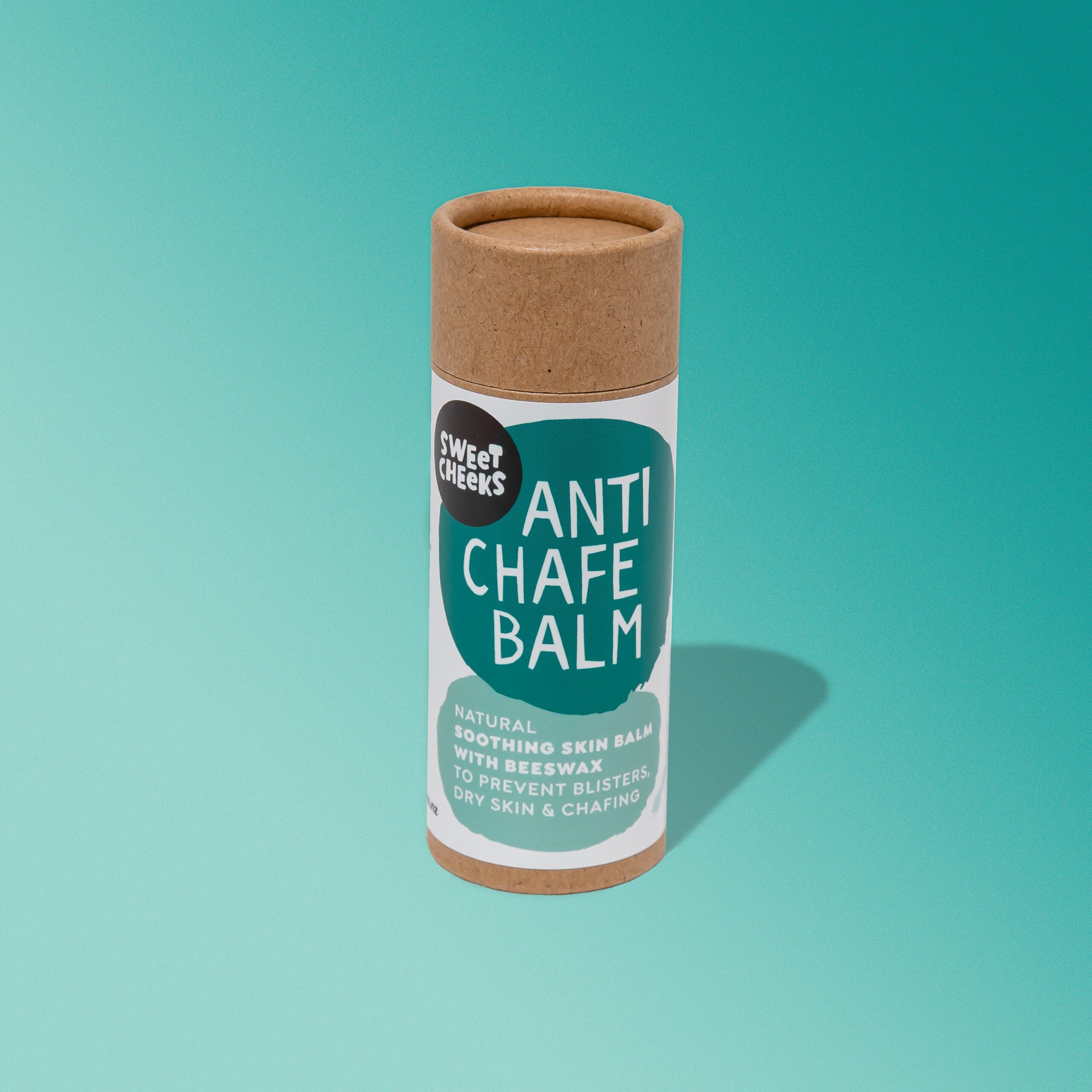
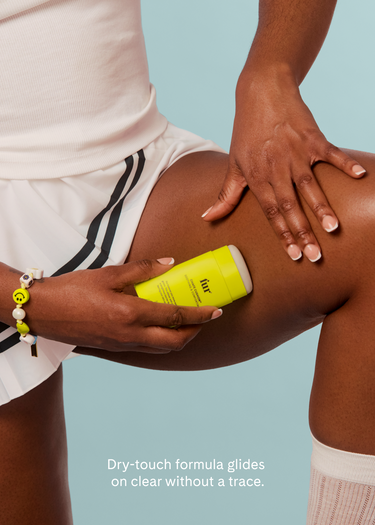
Sticks and Balms. These solid, deodorant-style products glide on skin and create a smooth barrier that reduces friction. They are the most popular and convenient anti-chafe format for travel because they are mess-free, TSA-friendly in standard sizes, and easy to apply and reapply. Most sticks last two to four hours before needing reapplication, depending on activity level and humidity.
Creams and Lotions. Cream-based anti-chafe products are thicker and often more moisturizing than sticks. They tend to last longer per application but can feel greasy on skin and are less convenient for on-the-go reapplication. Creams are best applied in the morning before getting dressed and supplemented with a stick for midday touch-ups.
Powders. Anti-chafe powders absorb moisture and reduce friction through dryness rather than lubrication. They are excellent for areas where moisture is the primary chafing trigger, like the underside of the bust and skin folds. However, powders can cake in very humid conditions and may not be sufficient for high-friction areas like inner thighs during heavy walking.
Physical Barriers. Anti-chafe shorts, bands, and thigh wraps create a physical barrier between skin surfaces, eliminating friction entirely. These are the most reliable anti-chafe solution because they do not wear off with sweat or activity. The tradeoff is an additional layer of clothing, which adds warmth and may be visible under certain outfits.
Best Anti-Chafe Sticks for Travel
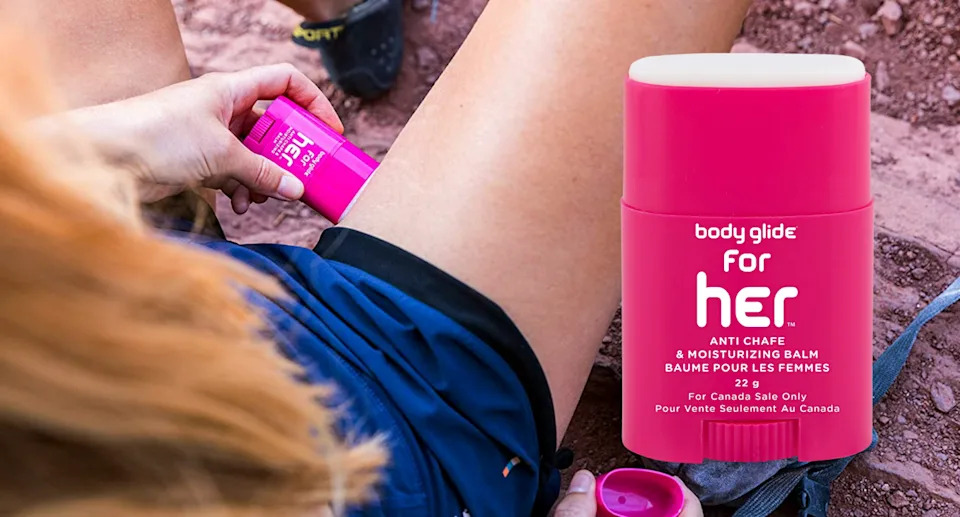
Megababe Thigh Rescue Anti-Chafe Stick. This is our number one pick for travel, and it is not close. Megababe Thigh Rescue goes on smooth, creates an effective friction barrier, and keeps inner thighs comfortable even on long, hot sightseeing days. The formula includes grapeseed oil for hydration, vitamin E for skin protection, and aloe for soothing. It has won multiple beauty awards including the Allure Best of Beauty and New Beauty Best Chafe Stick, and the cult following among plus-size women is well-earned. The full-size stick is TSA-friendly, and we recommend keeping one in your purse and one in your hotel bathroom.
Check Megababe Thigh Rescue at Target
Body Glide Original Anti-Chafe Balm. Body Glide is the original anti-chafe product, born in the running and athletic world. It goes on smoothly, does not clog pores, and creates a slick barrier that effectively prevents friction. The formula is vegan, allergen-free, and suitable for sensitive skin. Body Glide’s athletic heritage means it is formulated to withstand serious sweating and extended activity, which translates well to active travel days. It is widely available at big-box stores and pharmacies, making it easy to purchase or replace during travel if needed.
Monistat Chafing Relief Powder Gel. This pharmacy classic is a budget-friendly anti-chafe option that doubles as a makeup primer, which makes it the ultimate multi-tasking travel product. The silicone-based formula creates a smooth, protective barrier on skin and dries to a powdery finish that is comfortable under clothing. It is less thick than Megababe or Body Glide, which some women prefer, and it is available at virtually every pharmacy and drugstore, making it the easiest anti-chafe product to find while traveling.
Check Monistat Chafing Relief at Walmart
Squirrel’s Nut Butter All Natural Anti-Chafe. For travelers who prefer natural, clean ingredients, Squirrel’s Nut Butter uses a blend of coconut oil, cocoa butter, beeswax, and vitamin E to create a natural friction barrier. It glides on easily, smells subtly pleasant, and performs surprisingly well for a natural product. The longevity is slightly less than synthetic options, so plan for more frequent reapplication, but the ingredient list is impressively clean for an effective anti-chafe product.
Best Anti-Chafe Creams and Balms
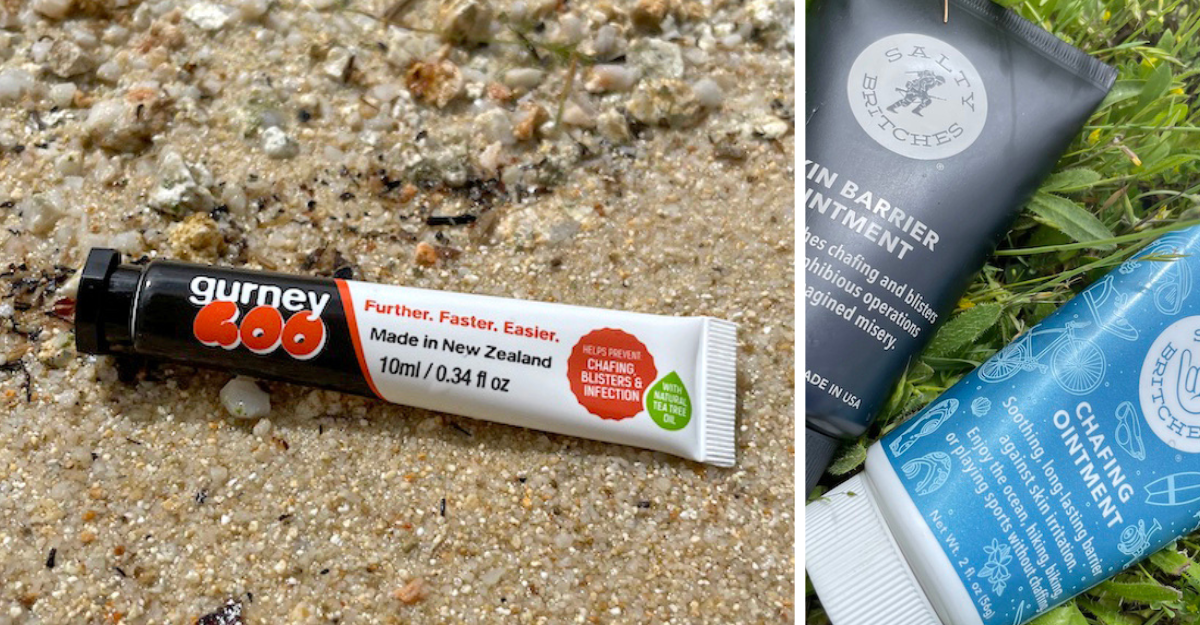
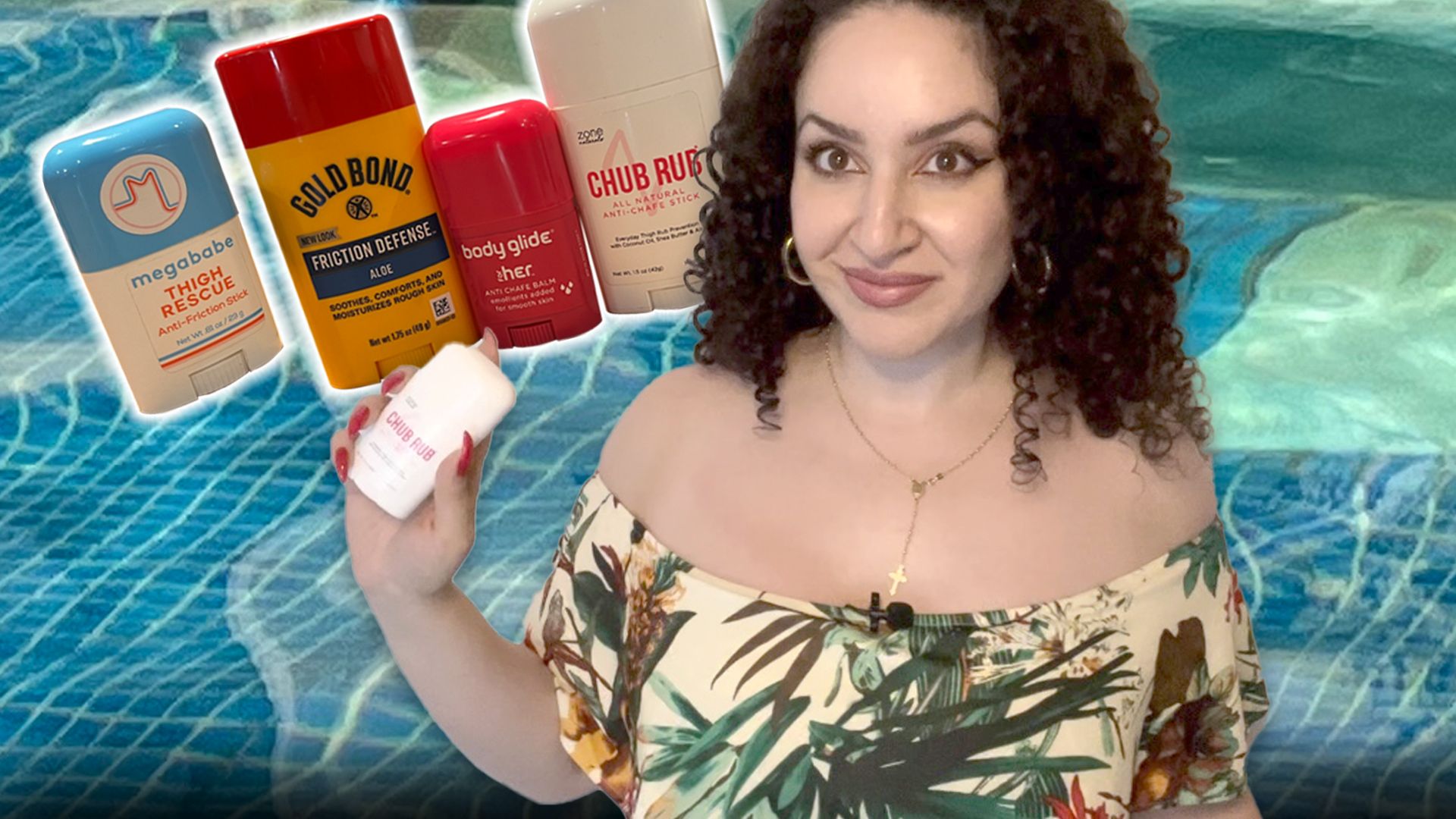
Gold Bond Friction Defense Stick. Despite the stick format, Gold Bond’s formula acts more like a cream, providing a thicker, more cushioning barrier than lighter stick products. It is particularly effective for areas that experience heavy friction, and the formula includes seven moisturizers that help protect and soothe skin. It lasts longer per application than most sticks, making it a good choice for days when you know you will not have convenient opportunities to reapply.
CeraVe Healing Ointment. While not marketed specifically as an anti-chafe product, CeraVe’s Healing Ointment is an excellent overnight treatment for skin that has already experienced mild chafing, and it works as a preventive barrier when applied to problem areas before activity. The ceramide-rich formula helps repair the skin barrier, and the petroleum base creates an effective occlusive layer that prevents friction. Keep a tube in your hotel bathroom for nightly repair and morning prevention.
Check CeraVe Healing Ointment at Ulta
Best Anti-Chafe Powders
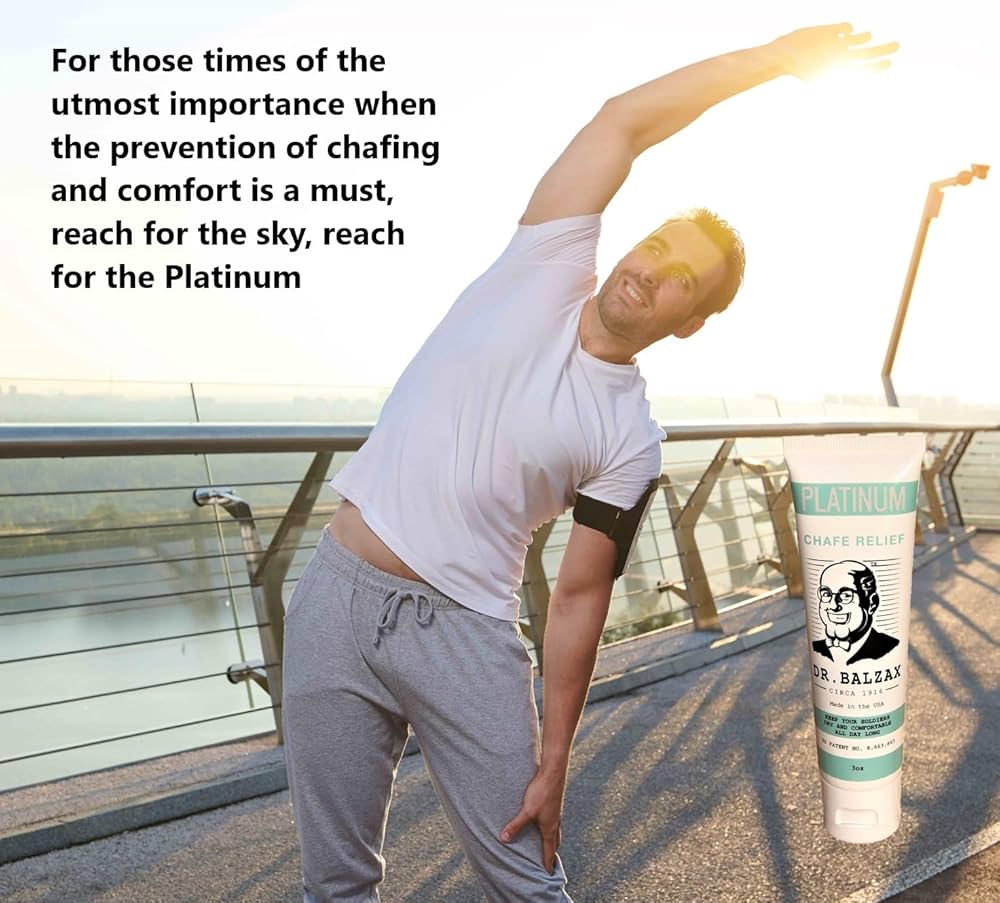
Megababe Body Dust. From the same brand that makes our favorite anti-chafe stick, Megababe Body Dust is a talc-free powder infused with lavender and green tea extracts. It absorbs moisture effectively without the health concerns associated with talc-based powders, and the subtle lavender scent is pleasant without being overpowering. Use it in conjunction with a stick product for maximum protection: apply the powder to areas where moisture is the primary concern and the stick to high-friction zones.
Check Megababe Body Dust at Target
Lush Silky Underwear Dusting Powder. Lush’s cocoa butter-based dusting powder absorbs moisture while leaving a silky, smooth feel on skin. The cocoa butter provides a layer of lubrication in addition to moisture absorption, making it more effective at preventing friction than powder alone. It smells like vanilla and chocolate, which is a delightful bonus. The solid format makes it extremely travel-friendly, with no risk of powder spills in your suitcase.
Best Anti-Chafe Shorts and Bands

Undersummers Classic Shortlette. Undersummers makes the best anti-chafe shorts on the market, period. These lightweight, breathable shorts are specifically designed to be worn under dresses and skirts to prevent inner thigh chafing. The moisture-wicking fabric keeps you cool, the stay-put waistband does not roll, and the mid-thigh length covers the most common chafe zone without being visible under most dress lengths. They are available in sizes up to 5X and come in multiple colors. For dress-wearing travel days, Undersummers are absolutely essential.
Check Undersummers Classic Shortlette on Amazon
Bandelettes Elastic Thigh Bands. If full shorts feel like too much coverage, Bandelettes offer a minimal alternative: elastic lace bands that sit on your upper thighs and prevent skin-on-skin contact at the most common chafe point. They stay in place remarkably well considering how simple the design is, and the lace material looks attractive rather than utilitarian, which is a bonus if they peek beneath a shorter dress. Available in a range of sizes including plus options.
Jockey Skimmies Slip Shorts. Jockey’s Skimmies are a lightweight, seamless short that provides anti-chafe protection without adding bulk. They are thinner and less structured than Undersummers, which some women prefer in hot weather. The seamless construction means no visible lines under fitted dresses, and the microfiber fabric wicks moisture effectively.
How to Treat Chafing When It Happens
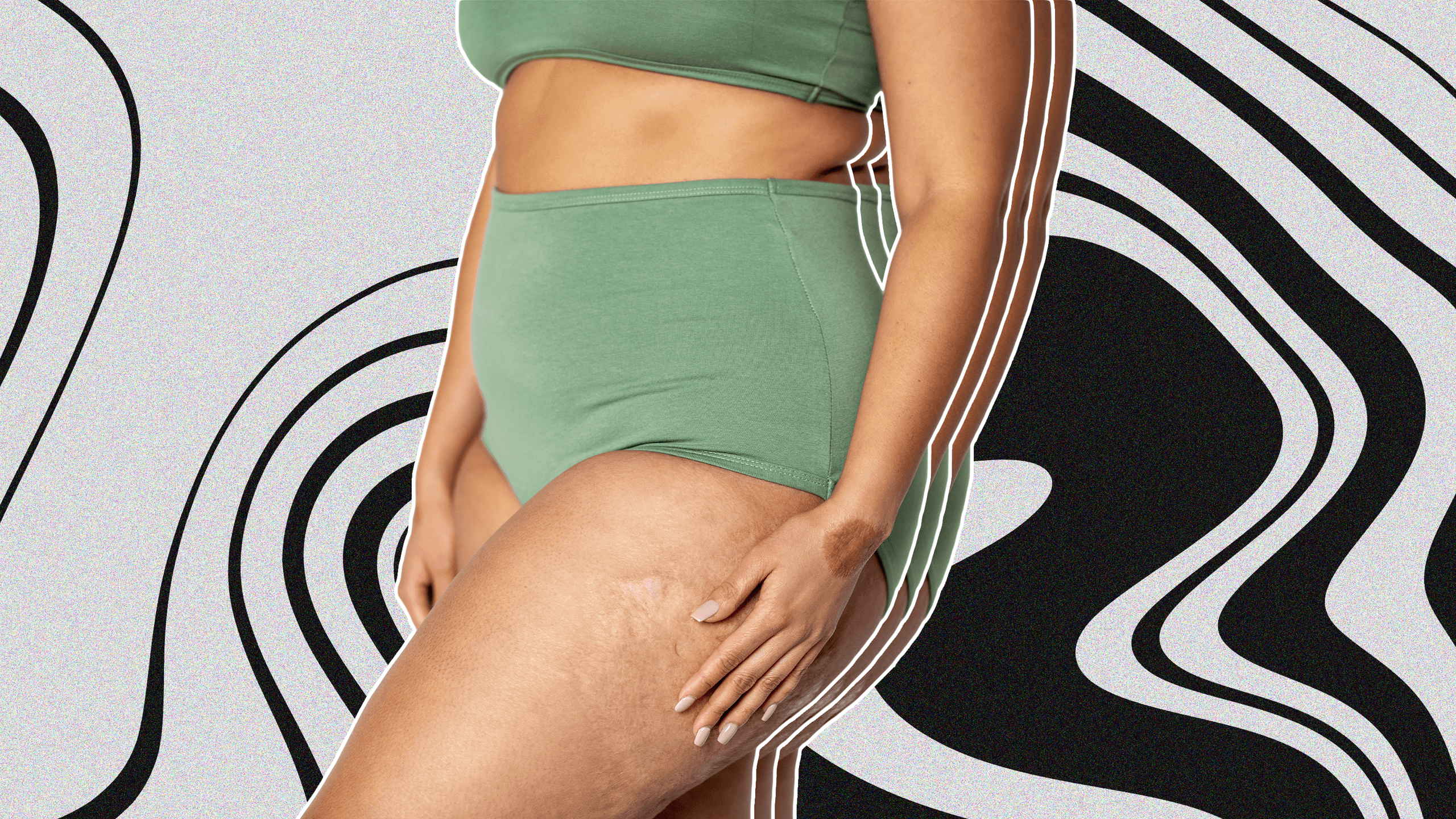
Despite your best prevention efforts, chafing can still happen during travel. When it does, quick treatment prevents it from getting worse and helps you recover faster for the next day’s adventures.
Clean the area gently. Wash chafed skin with lukewarm water and a gentle, fragrance-free cleanser. Avoid hot water, which can sting and further irritate raw skin. Pat dry gently, never rub.
Apply a healing barrier. CeraVe Healing Ointment, Aquaphor, or a similar occlusive healing product creates a protective barrier over chafed skin and promotes healing. Apply a generous layer and allow it to absorb before dressing. For overnight healing, apply a thick layer before bed.
Let it breathe when possible. If you can, give chafed skin time without clothing friction. Hotel evenings are ideal for this: change into loose, breathable pajamas or loungewear that does not rub against the affected area.
Choose your next-day outfit carefully. After experiencing chafing, choose outfits that protect the affected area. Anti-chafe shorts under dresses, looser pants instead of shorts, or leggings that cover chafed thighs all help prevent re-aggravation while you heal.
Seek medical attention if needed. If chafed skin becomes infected, showing signs like increasing redness, warmth, swelling, or discharge, seek medical attention. Minor chafing is a normal skin irritation, but broken skin in warm, humid conditions can occasionally develop infection.
Prevention Strategies Beyond Products
Stay dry. Moisture accelerates chafing, so dry off thoroughly after swimming before putting on clothes, change out of sweaty clothes as soon as practical, and consider carrying a small travel towel for midday freshen-ups in restrooms.
Choose the right fabrics. Moisture-wicking, smooth-textured fabrics create less friction than cotton or rough-weave materials. Synthetic athletic fabrics, silk, and bamboo are all excellent choices for garments that touch common chafe zones.
Wear well-fitting clothes. Both too-tight and too-loose clothing can cause chafing. Too-tight clothes press skin together more forcefully, while too-loose clothes shift and rub with movement. Aim for clothes that fit close to the body without constriction, with smooth seams and soft waistbands.
Pre-apply before you need it. Apply anti-chafe products before activity, not after chafing starts. Once friction has already irritated your skin, products provide less protection and may sting on contact. Make anti-chafe application part of your morning getting-dressed routine and reapply midday as a preventive measure.
Building Your Anti-Chafe Travel Kit
Here is our recommended anti-chafe travel kit that covers every scenario you might encounter during travel.
In your purse or day bag: One travel-size Megababe Thigh Rescue or Body Glide stick for midday reapplication. This is your first line of defense and should be accessible at all times.
In your hotel bathroom: One full-size anti-chafe stick for morning application. One tube of CeraVe Healing Ointment or Aquaphor for overnight treatment and healing. One talc-free body powder for under-bust and skin-fold areas.
In your suitcase: Two to three pairs of Undersummers or similar anti-chafe shorts for dress-wearing days. One pair of Bandelettes for nights out in shorter dresses.
This comprehensive kit adds minimal weight and suitcase space to your travel packing but provides complete protection and treatment for any chafing situation. The peace of mind alone is worth the small investment in products and packing space.
Key Takeaways
- Megababe Thigh Rescue is our top anti-chafe stick pick for travel, offering effective, long-lasting protection in a travel-friendly format.
- Travel increases chafing risk due to increased walking, heat, humidity, and unfamiliar clothing, making anti-chafe products essential packing items.
- Undersummers anti-chafe shorts are the most reliable physical chafing prevention for dress-wearing travel days.
- Apply anti-chafe products preventively before activity, not after chafing has already started, for the most effective protection.
- A complete anti-chafe travel kit includes a portable stick for reapplication, a healing ointment for treatment, and anti-chafe shorts for dress days.
- Body Glide and Monistat Chafing Relief are widely available alternatives that can be purchased at pharmacies during travel if your primary product runs out.
- Chafing is a skin-contact issue, not a weight issue, and treating it as a normal part of travel comfort planning removes unnecessary shame from the conversation.
Frequently Asked Questions
How often do I need to reapply anti-chafe stick during travel?
Most anti-chafe sticks last two to four hours during normal activity in moderate conditions. On hot, humid, or heavily active days, plan to reapply every two hours. After swimming, reapply immediately after drying off. Carrying a travel-size stick in your purse or day bag makes midday reapplication easy and discreet.
Can I use anti-chafe products on sensitive skin?
Most anti-chafe products are formulated for sensitive skin, but if you have known sensitivities, test any new product on a small skin patch before travel. Body Glide is allergen-free and fragrance-free, making it one of the safest options for sensitive skin. Natural options like Squirrel’s Nut Butter use minimal, recognizable ingredients. Avoid products with fragrance if you have sensitive or reactive skin.
Are anti-chafe products TSA-approved for carry-on luggage?
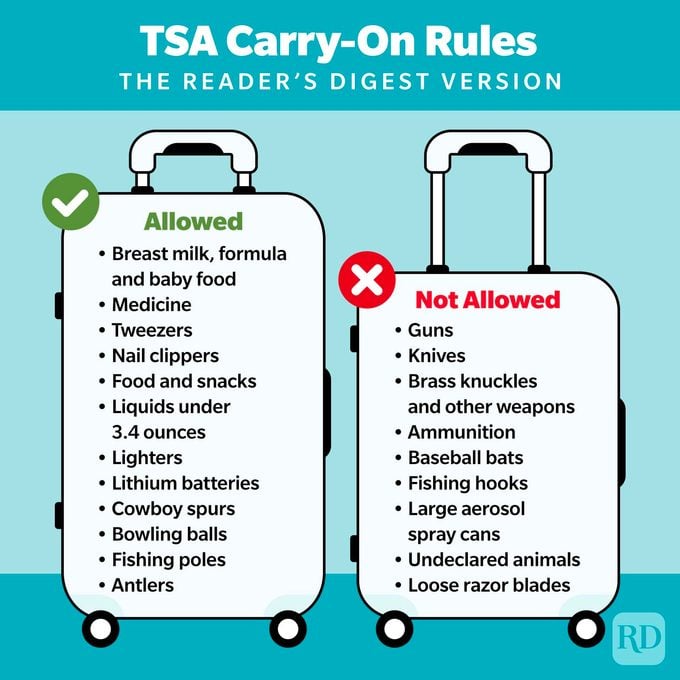
Solid sticks and balms like Megababe Thigh Rescue and Body Glide are not subject to TSA liquid restrictions and can be packed in carry-on luggage in any size. Cream and gel products in containers over 3.4 ounces must go in checked luggage or be decanted into smaller containers for carry-on. Powders in containers over 12 ounces may require additional screening but are permitted in carry-on bags.
What should I do if I forgot to pack anti-chafe products?
In a pinch, deodorant can provide temporary anti-chafe protection, though it is less effective than dedicated products. Monistat Chafing Relief is available at virtually every pharmacy worldwide, making it the easiest product to find while traveling. Petroleum jelly, available at any drugstore, also provides temporary friction reduction. For the long term, order a proper anti-chafe product to your hotel via Amazon or purchase from a local store.