


A desk chair usually fails slowly, then all at once. First it develops a lean, then the seat starts sinking a few inches every hour so you spend the afternoon pumping the lever, and then one day the whole thing drops or a caster snaps off the base while you are reaching for a pen. If that has happened to you more than once, the story you were probably told is that the chair was not made for a body like yours. The more useful version is that most office chairs are built to a price against a rating that assumes an average sitter, and the parts that give out are entirely predictable. Once you know which spec lines matter and which are marketing, buying a chair that lasts becomes a straightforward job.
What a weight rating actually promises
Every chair carries a capacity figure, and it is far less generous than it sounds. Most published ratings describe a static load, meaning a weight resting evenly on a seat that is not moving, tested for a defined period under laboratory conditions. Real sitting is dynamic: you drop into the seat, you push back, you lean, you swivel, you roll across a floor, and every one of those actions loads the cylinder and the base with more force than your body weight alone. Testing standards for commercial furniture cover cycles of that kind of use, but a rating on its own does not tell you which standard was applied or how long the chair is expected to survive at the top of its range. Treat the number as a ceiling, not a target.
Why you buy above your weight, not at it
The practical rule that saves most people a repeat purchase is to buy a chair rated meaningfully above your own weight rather than one that just clears it. Sitting at the very top of a chair’s range means every component spends its whole life at maximum stress, and the failure that follows is a lifespan problem rather than a dramatic one: the cylinder starts leaking, the seat foam flattens into a dish, the base flexes, the tilt mechanism develops play. Give yourself real headroom and the same components coast. This is also why a chair rated for a higher capacity often feels better from day one, since the extra rating is usually delivered through a thicker cylinder, a steel base, denser foam, and a heavier frame rather than through a sticker.
Seat width is a separate spec from capacity
A chair can be rated for a very high capacity and still be too narrow to sit in comfortably, because capacity is about load and width is about geometry. Manufacturers usually publish a seat width and sometimes a seat depth in the specification table, and those are the numbers to compare, not the marketing copy. Measure yourself sitting rather than standing: sit on a firm bench, measure across the widest point of your hips and thighs where they meet the seat, and look for a seat pan wider than that measurement with room to spare on both sides. Depth matters too, because a seat that is too deep forces you to perch forward and lose the backrest entirely, which is why a sliding seat depth adjustment is worth more than most premium features.
Arms are the hidden width limit
The specification says the seat is wide. The armrests say otherwise. Fixed arms mounted close to the seat pan narrow the usable width dramatically, and they are the single most common reason a chair that looked right online feels wrong in the room. There are three good answers. Width adjustable arms slide outward on a track and are the best option when you can find them. Removable arms let you take them off entirely, which many people prefer once they try it. Fully armless chairs, sometimes sold as task or drafting chairs, sidestep the problem completely and often cost less. Check whether arms are height adjustable as well, since arms that sit too high push your shoulders up and undo any good the seat is doing.
The gas cylinder is where chairs die
Ask anybody who repairs office furniture what fails first and the answer is almost always the pneumatic cylinder. It is the sealed gas strut in the column that lets the seat rise and fall, and when it wears it either sinks under load or refuses to hold height at all. Cylinders are graded by class, with the higher classes built for heavier loads and longer cycle life, and a chair sold for higher capacities should specify a heavy duty or high class cylinder rather than staying silent about it. The genuinely good news is that a cylinder is a replaceable part on most chairs and generally inexpensive, so a sinking seat is a repair rather than a write off. If a listing will not tell you the cylinder class, that silence is information.
Steel base, five points, and the parts nobody photographs
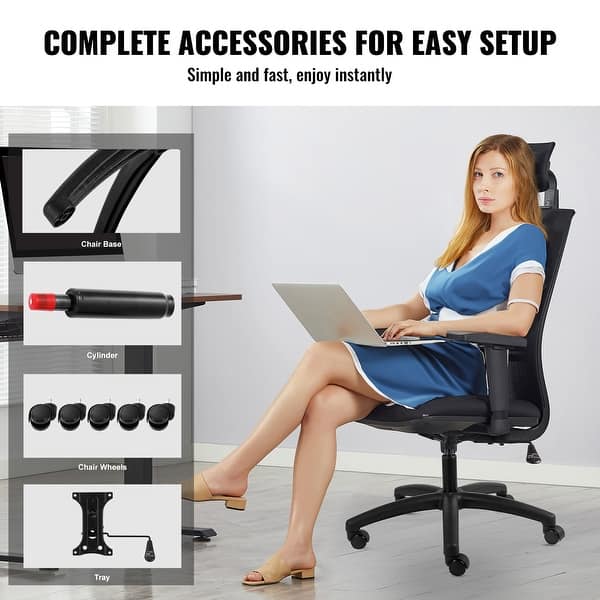
Underneath the seat, the base is the other component that separates a chair that survives from one that cracks. Nylon and reinforced plastic are standard on cheaper chairs, while steel and aluminium are what serious capacity ratings are built on. Look for five points and a wide footprint, since a wider spread resists tipping. Casters matter more than they look, and larger diameter wheels roll better under weight while stressing the base less.
Big and tall chairs, explained honestly
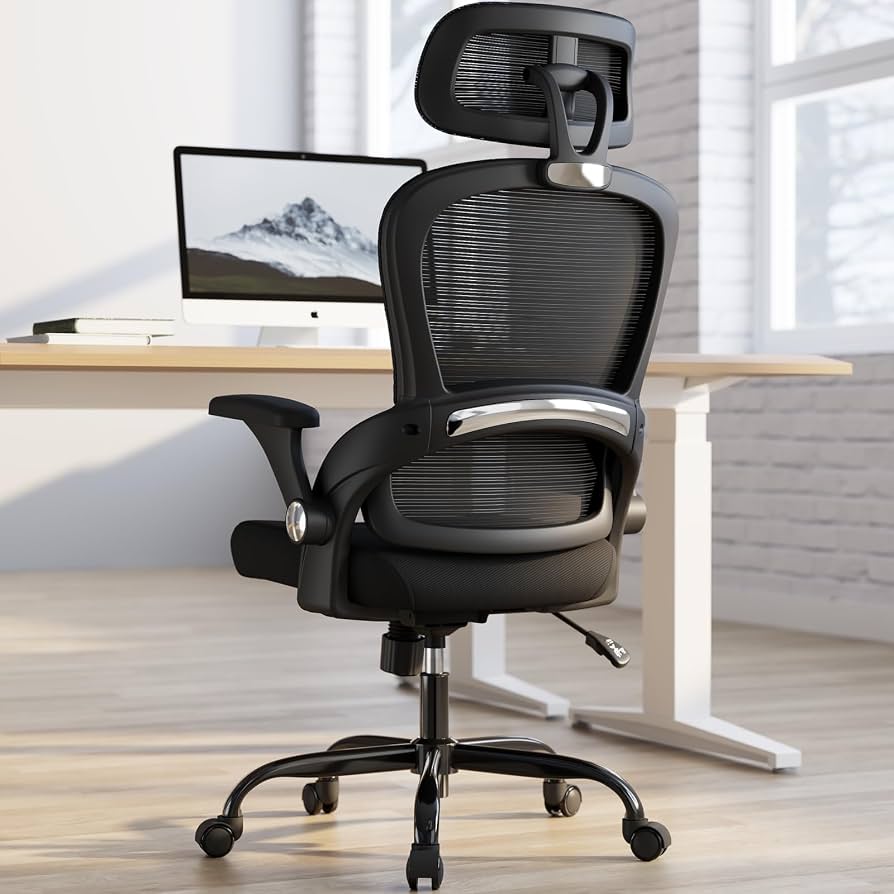
Big and tall is a furniture category, not a compliment or an insult, and it is worth understanding on its own terms. It generally means a chair engineered for higher capacity and larger dimensions, which in practice tends to bring a steel base, a heavier duty cylinder, a wider and deeper seat, a taller backrest, and thicker foam. Some of the category is genuinely well built. Some of it is an ordinary chair with a higher number printed on the box and a bulkier appearance, particularly in the executive style with thick padded upholstery that flattens within a year. The useful test is to ignore the label and read the specification: base material, cylinder class, seat width, warranty terms. If a product is truly built for the job it will publish those numbers without being asked.
Warranty length is the real quality signal
Of every number attached to an office chair, the warranty tells you the most, because it is the manufacturer betting its own money on how long the chair will survive. Read what is actually covered rather than the headline figure. A chair may carry one term on the frame, a shorter one on mechanisms and the cylinder, and a shorter one again on foam and upholstery, and those component terms are the honest ones. Check whether the warranty is stated at your weight, since some are reduced or voided above a certain load or for use beyond a set number of hours per day. A long, plainly written warranty that covers the cylinder and the base at your capacity is a stronger buying signal than any material or ergonomic claim on the page.
| Spec line | What to look for | Why it matters |
|---|---|---|
| Capacity rating | Comfortably above your weight, not just clearing it | Parts sitting at maximum load wear out fastest |
| Seat width | A published measurement wider than your seated hips | Capacity and width are separate specs |
| Armrests | Width adjustable, removable, or absent | Arms, not the seat pan, usually set the real width |
| Gas cylinder | A stated heavy duty or high class rating | The most common failure point, and replaceable |
| Base | Steel or aluminium, five points, wide footprint | Resists cracking and tipping under load |
| Warranty | Component terms, stated at your weight | The maker’s own bet on how long it lasts |
Budget, mid range, and premium: what more money buys
Prices move constantly, so think in tiers rather than figures. At the budget end you get plastic bases, standard cylinders, thin foam, and fixed arms, and a chair here can work for light use if the rating has real headroom, though it is a chair you expect to replace. The mid tier is where most people should shop: steel base, upgraded cylinder, adjustable or removable arms, adjustable lumbar, and a warranty measured in years rather than months. Premium buys durability and adjustability rather than luxury, meaning long component warranties, replaceable parts sold individually, and mechanisms that hold their settings for a decade. A well specified heavy duty office chair with a steel base from the middle tier outlasts two cheap ones and usually costs less across the same years.
Home setups that skip the office chair entirely
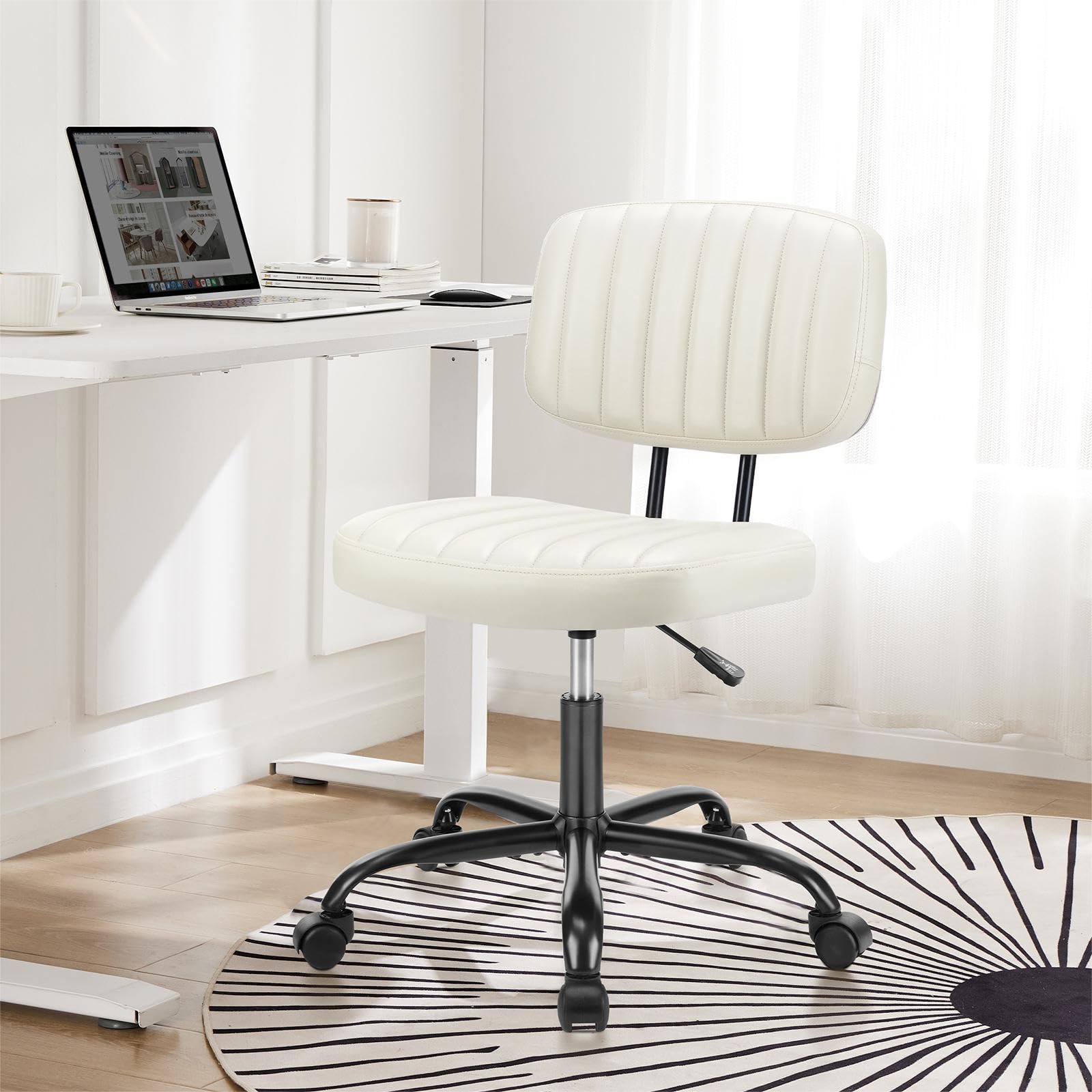
Not every desk needs a wheeled task chair, and some of the most comfortable home offices do not have one. A sturdy dining or side chair with a wide flat seat and no arms works well for a desk used a few hours a day, especially with a cushion for support. Bench seating suits shared or craft desks and removes the width question completely, though it gives you no back support, so it is best for short sessions or paired with a wall. Stools and saddle seats encourage an open hip angle that some people find far more comfortable than a bucket shaped seat, but capacity ratings on stools tend to run lower than on office chairs and are often quoted vaguely, so check the figure before you buy. A high capacity armless wide seat task chair is often the simplest fix of all.
Setting the chair up once you have it
A good chair set badly is a bad chair. Start with height: feet flat on the floor, thighs roughly level, and a footrest if the desk forces the seat up. Set seat depth so there is a small gap behind your knees, then bring the lumbar support to the curve of your lower back rather than to your waistband. Then unlock the tilt, because chairs are designed to move and a locked upright seat holds you in one posture all day.
Quick answers to the questions everyone asks
How much above my weight should a chair be rated? Give yourself real headroom rather than buying a chair that only just clears your weight. Sitting at the top of the range keeps the cylinder, base, and foam under maximum stress all day, which shortens their life. Higher rated chairs also tend to include a steel base and a heavier cylinder, which is the durability you are actually paying for.
Why does my office chair keep sinking down? Almost always a worn pneumatic cylinder, which is the sealed gas strut inside the column. Under repeated load it loses the ability to hold height. It is a replaceable part on most chairs and generally inexpensive, so a sinking seat is usually a repair rather than a reason to replace the whole chair.
Is a big and tall chair genuinely different? Sometimes. The label describes a category built for higher capacity and larger dimensions, and the good ones bring a steel base, a heavy duty cylinder, a wider seat, and thicker foam. Others are ordinary chairs with a bigger number printed on the box, so read the specification rather than the label.
Should I get a chair with arms or without? Armless or width adjustable arms if hip room is your priority, because fixed arms usually set the real width limit regardless of the seat measurement. Removable arms give you the choice later. If you keep arms, make sure they adjust for height so your shoulders stay relaxed rather than lifted.
What is the single best quality signal on a listing? The warranty, read in detail. Component terms covering the frame, mechanisms, cylinder, and foam tell you what the manufacturer expects to fail and when. Check whether cover is reduced or voided above a certain weight or beyond a set number of hours per day, since that clause changes what the headline term means.
A chair you stop thinking about
The measure of a good desk chair is that it disappears. You sit down in the morning, the seat holds its height until you get up, nothing digs into your hips, and you never once think about the mechanism underneath you. Getting there is mostly about ignoring the parts of a listing designed to impress and reading the four lines that matter: seat width, cylinder, base, warranty. Buy with headroom above your weight, choose arms you can move or remove, and keep the receipt and the warranty document somewhere you can find them. If seating in public spaces is the other half of this problem for you, our guide to seats in restaurants, stadiums, and theaters covers the chairs you do not get to choose.