


The waistband that felt fine at breakfast is cutting in by mid-afternoon. A meal that used to sit easy now leaves a heaviness that lingers into the evening. Maybe it is a stretch of days where a trip to the bathroom feels different, or a stomach that grumbles louder than the room. Most of us have learned to read these small shifts as background noise, the ordinary weather of being a woman with a body and a busy life. And most of the time, that reading is correct. The gut is a talkative organ, and a lot of what it says is nothing more than a comment on last night’s dinner.
But there is a difference between the gut clearing its throat and the gut raising its hand. Knowing which is which does not require a medical degree or a spiral into worst-case thinking. It requires a short, practical vocabulary: a handful of signals worth paying attention to, a few basic habits that keep food from making you sick in the first place, and a clear sense of the moment to stop guessing and let a professional take a look.
A note before anything else. What follows is general educational information, not medical advice, and it cannot diagnose anything. Your body, your history, and your circumstances are specific to you in ways an article can never be. If something feels wrong, persists, or worries you, the right move is always to check in with a doctor rather than to talk yourself out of it.
The Everyday Gut, and Why Most Rumbles Are Harmless

Here is the reassuring truth that rarely leads the conversation: the overwhelming majority of digestive complaints are benign and manageable. Bloating after a big or salty meal, gas after beans or a fizzy drink, a bathroom rhythm that speeds up when you travel or slows down when you are stressed, the occasional cramp that passes on its own. These are the gut doing its job in a body that is alive, hormonal, and reacting to real life.
Irritable bowel syndrome, one of the most common digestive conditions, is a clear example of how uncomfortable does not have to mean dangerous. It affects a meaningful slice of the population and can genuinely disrupt daily life with pain, bloating, and changes in bowel habits, yet it does not damage the bowel or raise the risk of more serious disease. It is a condition to be managed, not feared. According to the American College of Gastroenterology and clinics like Mayo, many people find real relief through unglamorous, evidence-informed steps: identifying personal trigger foods, adjusting fiber (soluble fiber in particular tends to help with both bloating and stool consistency), staying hydrated, moving your body, and working with a clinician on an approach that fits your specific pattern.
The point of learning red flags, then, is not to turn every gurgle into an emergency. It is the opposite. When you know the small number of signals that genuinely deserve attention, you can let go of the anxiety around all the ones that do not. Awareness is what makes calm possible.
The Signals Worth Bringing to a Doctor

Reputable sources including Mayo Clinic, Cleveland Clinic, and the NHS point to a consistent short list of symptoms that are worth discussing with a healthcare provider, especially when they are persistent, new for you, or getting worse. None of these automatically means something is seriously wrong. Each simply earns a conversation.
Persistent bloating. Bloating that comes and goes with meals and your cycle is ordinary. Bloating that stays, that feels like a genuine and lasting change in how your abdomen looks and feels, or that keeps showing up over weeks, is worth flagging. For women, this signal carries a little extra weight. Persistent bloating, feeling full quickly, and appetite changes that last for weeks are also among the symptoms associated with ovarian cancer. That is not a reason to panic, and the far more likely explanations are benign, including IBS and ovarian cysts. It is precisely a reason not to dismiss bloating as “just being a woman” when it lingers. The NHS guidance is practical here: if bloating, feeling full quickly, or lower-belly discomfort persists for around three weeks or shows up on most days, get it checked.
A lasting change in bowel habits. New constipation or diarrhea that hangs around, stools that are consistently thinner than usual, or a persistent feeling that the bowel has not fully emptied are all changes worth mentioning. A stomach bug or a new medication can shift things temporarily, and that is normal. It is the change that settles in and stays, typically for three weeks or more, that deserves a look.
Unexplained weight loss. Losing weight without trying, when you have not changed how you eat or move, is one of the signals doctors take seriously. Weight that comes off on purpose is a different story. Weight that leaves on its own is a question worth asking.
Blood in the stool or rectal bleeding. This one understandably alarms people, so here is the honest context. The most common cause of rectal bleeding is hemorrhoids, followed by small tears called anal fissures, both of which are common and very treatable. So bleeding is not a verdict. It is a symptom that should always be evaluated rather than watched, because it is one of the more important signals and because catching the less common causes early makes them far easier to treat. See a doctor for bleeding that lasts more than a day or two, and treat black, tarry stools, vomiting blood, or a large amount of blood as reasons to seek urgent care right away.
Persistent abdominal pain. Cramps that come and go with digestion are one thing. Pain that is severe, that keeps returning, that wakes you at night, or that comes with any of the signals above is another. Persistent or worsening belly pain is worth a professional opinion rather than another week of hoping it fades.
The quieter companions. Ongoing fatigue with no obvious cause and a noticeable lump in the abdomen round out the list that clinicians commonly cite. On their own each can have plenty of harmless explanations. Alongside the signals above, they add to the case for getting checked.
Food Safety, the Unsexy Habit That Prevents a Lot of Misery

A surprising share of “something I ate” is exactly that, and much of it is preventable with a few basic habits. Food safety is not about fear of your own kitchen. It is a small routine that spares you an unpleasant night and, occasionally, something worse. The core guidance from the USDA and FoodSafety.gov comes down to four familiar words: clean, separate, cook, and chill.
Cook to a safe temperature. Color is a poor judge of doneness, so a simple food thermometer earns its place in the drawer. The safe minimum internal temperatures are steady and worth memorizing: whole cuts of beef, pork, and lamb reach 145 degrees Fahrenheit with a three-minute rest, ground meats reach 160, and all poultry reaches 165. These numbers are where common bacteria stop being a threat.
Respect the two-hour rule. Bacteria multiply fastest in the “danger zone” between 40 and 140 degrees Fahrenheit, doubling in as little as twenty minutes. So perishable food should not sit at room temperature for more than two hours, and no more than one hour when it is hot outside, above 90 degrees, such as a summer picnic. Get leftovers into the fridge within that window, and cool large amounts quickly by dividing them into shallow containers rather than storing one deep pot.
Separate to prevent cross-contamination. Raw meat, poultry, and their juices are the usual culprits, so keep them away from foods that will not be cooked again. That means a dedicated cutting board for raw meat, wrapping raw items securely so their juices do not drip onto produce, and washing hands, boards, and utensils thoroughly after they touch anything raw.
Chill and use leftovers sensibly. Keep the refrigerator at or below 40 degrees Fahrenheit, and reheat leftovers thoroughly. When you are unsure how long something has been sitting or lurking in the back of the fridge, the oldest food-safety wisdom still holds: when in doubt, throw it out.
When a Stomach Bug Crosses Into Something More

Most foodborne illness is thoroughly unpleasant and thoroughly self-limiting. The nausea, cramping, and diarrhea run their course over a day or two, and the main job is staying hydrated while your body sorts itself out. Sip water or an oral rehydration solution, rest, and ease back into plain foods as your appetite returns.
The CDC names a clear set of signs that mean a bout of food poisoning has crossed from “ride it out” to “get medical care.” Reach out to a professional if you have bloody diarrhea, a fever above 102 degrees Fahrenheit, vomiting so persistent that you cannot keep liquids down, diarrhea lasting more than three days, or signs of dehydration such as very little urination, unusually dark urine, a dry mouth, or dizziness when you stand. These are the markers that separate an ordinary bad night from something that deserves attention, and they are worth knowing before you need them.
A brief, non-alarmist word on parasites, since they tend to attract more drama than they deserve. Intestinal parasites are real, but in places with reliable clean water and modern food handling they are an uncommon cause of everyday digestive trouble, and they are far more relevant in specific situations such as travel to certain regions. If a parasite is genuinely the issue, it is diagnosed with a proper test and treated with targeted medication prescribed by a clinician. What it is not solved by is a “parasite cleanse,” a “detox,” or a supplement marketed with unsettling before-and-after imagery. Those products are not evidence-based, they can be a waste of money at best, and they can delay real care at worst. If you suspect a parasite, especially after travel, the answer is a doctor’s visit and a real test, not a checkout cart.
Small Habits That Keep the Gut in Good Standing
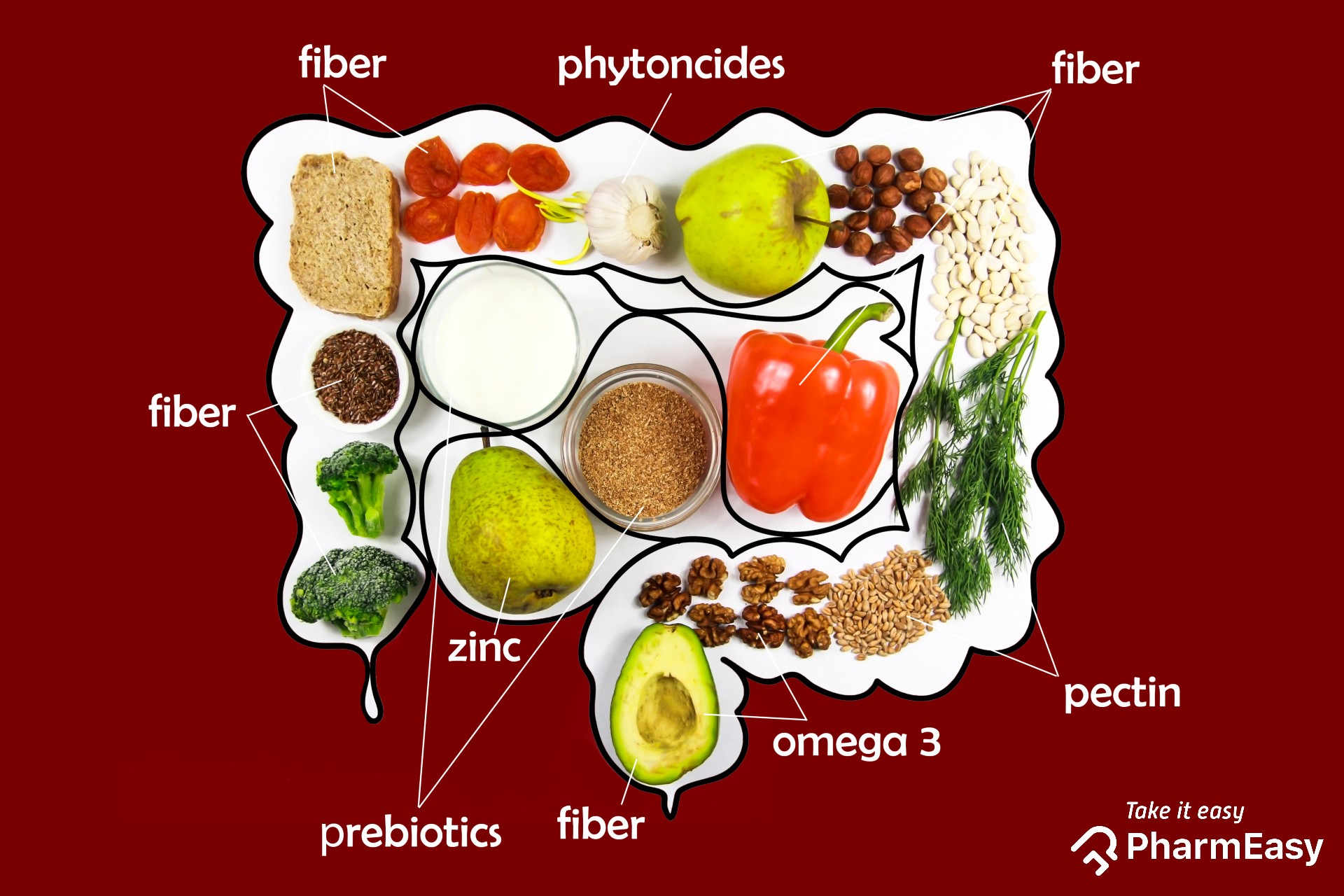
Between the reassurance and the red flags sits the everyday, where most of gut health actually lives. None of this is a cure or a guarantee, and none of it replaces medical care when a symptom warrants it. But these are the unremarkable practices that tend to keep digestion steady and give you a clearer sense of your own normal.
Eat in a way that includes a range of plants and enough fiber, and let your gut adjust to increases gradually rather than all at once, since a sudden fiber surge can cause the very bloating you were hoping to avoid. Drink enough water. Move your body regularly, because motion helps the bowel keep its rhythm. Notice, without obsessing, which foods reliably disagree with you, since a personal pattern is far more useful than any one-size-fits-all rule. Pay attention to stress, which is a genuine player in gut symptoms rather than an imaginary one, and give sleep the respect it deserves.
Perhaps the most useful habit of all is simply knowing your own baseline. When you have a rough sense of your ordinary rhythm, your typical response to certain meals, the way your body behaves across your cycle, you are far better equipped to notice when something has genuinely shifted. That noticing, calm and specific rather than anxious and vague, is what turns a vague worry into a useful sentence you can bring to a doctor.
Trusting the Signal Over the Story You Tell Yourself
The gut rewards a particular kind of attention: interested but not fearful, informed but not self-diagnosing. It is the attention that lets you shrug off the ordinary bloat after a salty dinner and, in the same breath, take seriously the bleeding or the persistent change that you might once have talked yourself out of mentioning. Women in particular are practiced at minimizing their own symptoms, at deciding the appointment can wait, at absorbing discomfort as the cost of a full life. The quiet skill worth building is the willingness to override that instinct when a signal repeats itself.
You do not need to memorize a textbook. You need a short list, a few kitchen habits, and the honesty to book the visit when a symptom lingers, worsens, or simply refuses to sit right with you. Everything else, the gurgles and the grumbles and the meals that did not agree with you, can go back to being ordinary life. And if a symptom is speaking up in a way you cannot quite dismiss, that is not a reason to spiral. It is a reason to make the call and let someone qualified listen with you.
This is a sensitive health topic, and everyone’s body and history are different, so please treat this as general information only and consult a qualified healthcare professional about any personal concerns or persistent symptoms.