
We have all been there. You wake up with the best intentions, blend up a beautiful, colorful smoothie, post a photo of it looking all gorgeous and healthy, take a few sips, feel great about your life choices - and then by 10 AM you are so hungry that you could eat your keyboard. What happened? Was the smoothie a lie?
Not exactly. The smoothie was probably delicious and full of vitamins. But if it was made mostly from fruit and juice (which is how most smoothie recipes are designed), it was essentially a liquid sugar bomb with very little protein, fat, or fiber to slow digestion. Your body processed it in about 45 minutes, your blood sugar spiked and crashed, and suddenly the vending machine started whispering your name.
The healthy smoothie recipes in this article are different. Every single one is designed with the science of satiety in mind - packed with protein to support muscle and metabolism, fiber to slow digestion, and healthy fats to keep your blood sugar stable. These are smoothies that genuinely function as meals, keeping you satisfied and energized from breakfast all the way to lunch. No mid-morning crash. No desperate snacking. Just sustained, comfortable fullness.
Why Most Smoothies Leave You Hungry an Hour Later
Understanding why typical smoothies fail at keeping you full helps you appreciate what makes these recipes different.
Most smoothie recipes follow a basic formula: fruit plus liquid, maybe some yogurt. A typical recipe might call for a banana, a cup of berries, some orange juice, and a splash of honey. It tastes amazing. It photographs beautifully. And nutritionally, it is essentially the equivalent of eating a bowl of fruit - lots of natural sugar, some vitamins, minimal protein, minimal fat, and minimal fiber (because blending breaks down the fiber structure of whole fruit).
When you drink this kind of smoothie, your body absorbs the sugars rapidly. Your blood sugar spikes. Your pancreas releases insulin to bring it back down. And then your blood sugar drops below where it started, triggering hunger signals and cravings for more sugar. It is a biochemical rollercoaster, and it is the reason you are starving by mid-morning.
A truly filling smoothie needs three things working together: protein to trigger satiety hormones and support steady energy, fiber to slow the absorption of sugar and keep your digestive system working, and healthy fat to further slow digestion and provide long-lasting fuel. When all three are present, your smoothie becomes a complete meal that keeps your blood sugar stable for hours. These healthy smoothie recipes deliver all three in every glass.
The Three Keys to a Truly Filling Smoothie
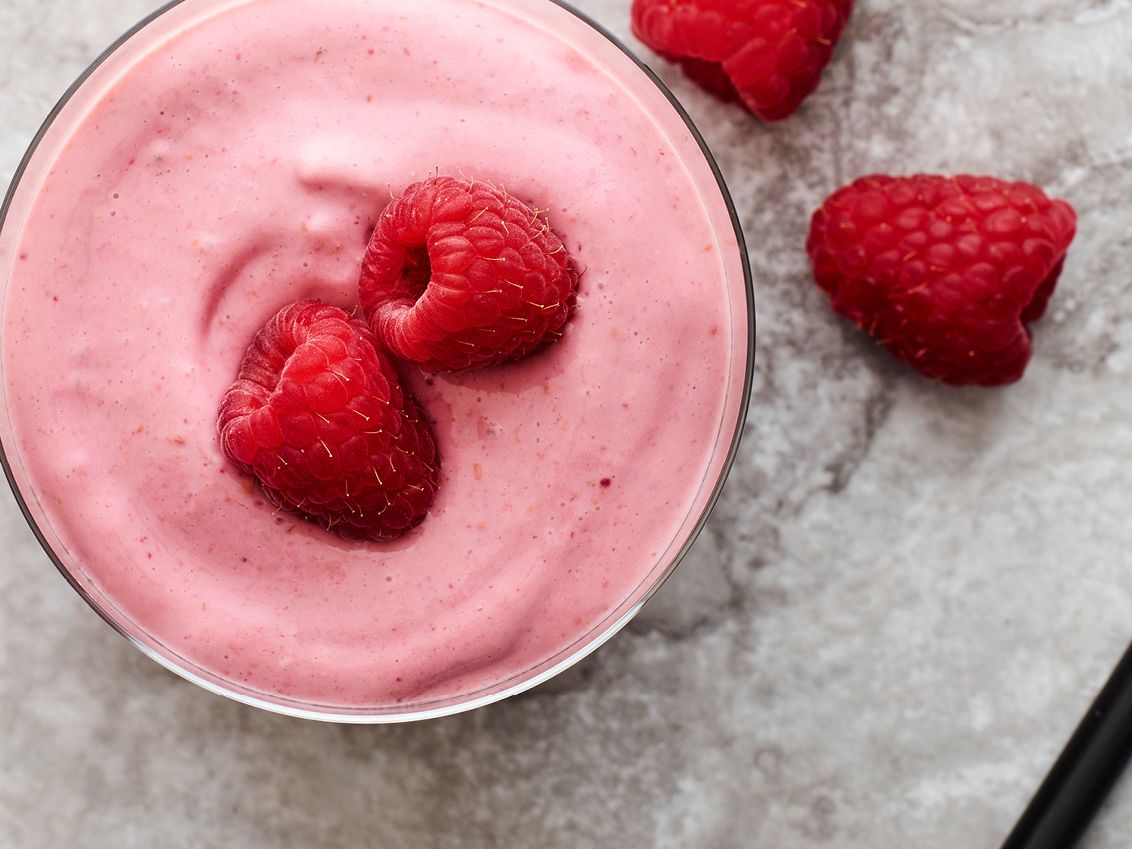
Key 1 - At Least 20 Grams of Protein
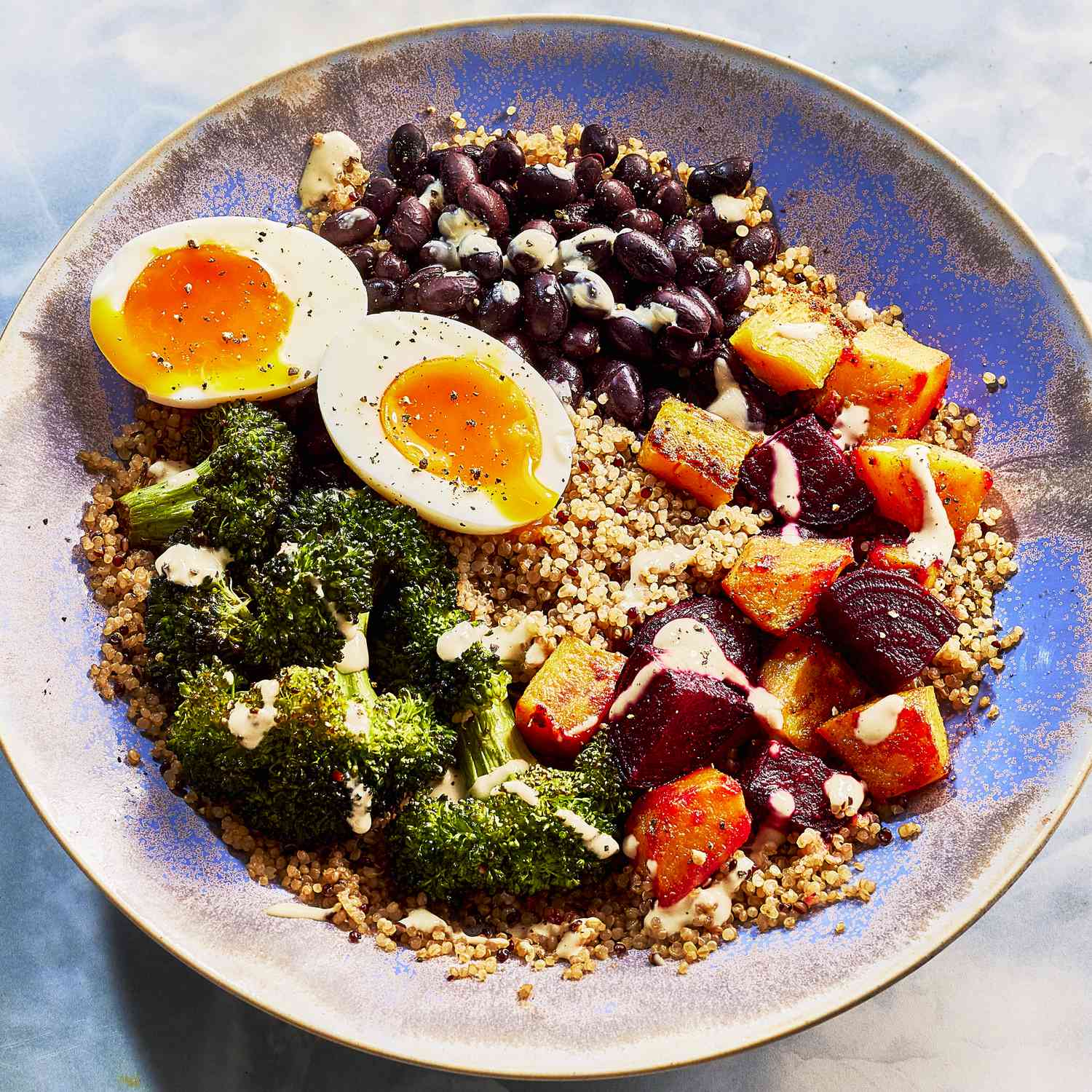
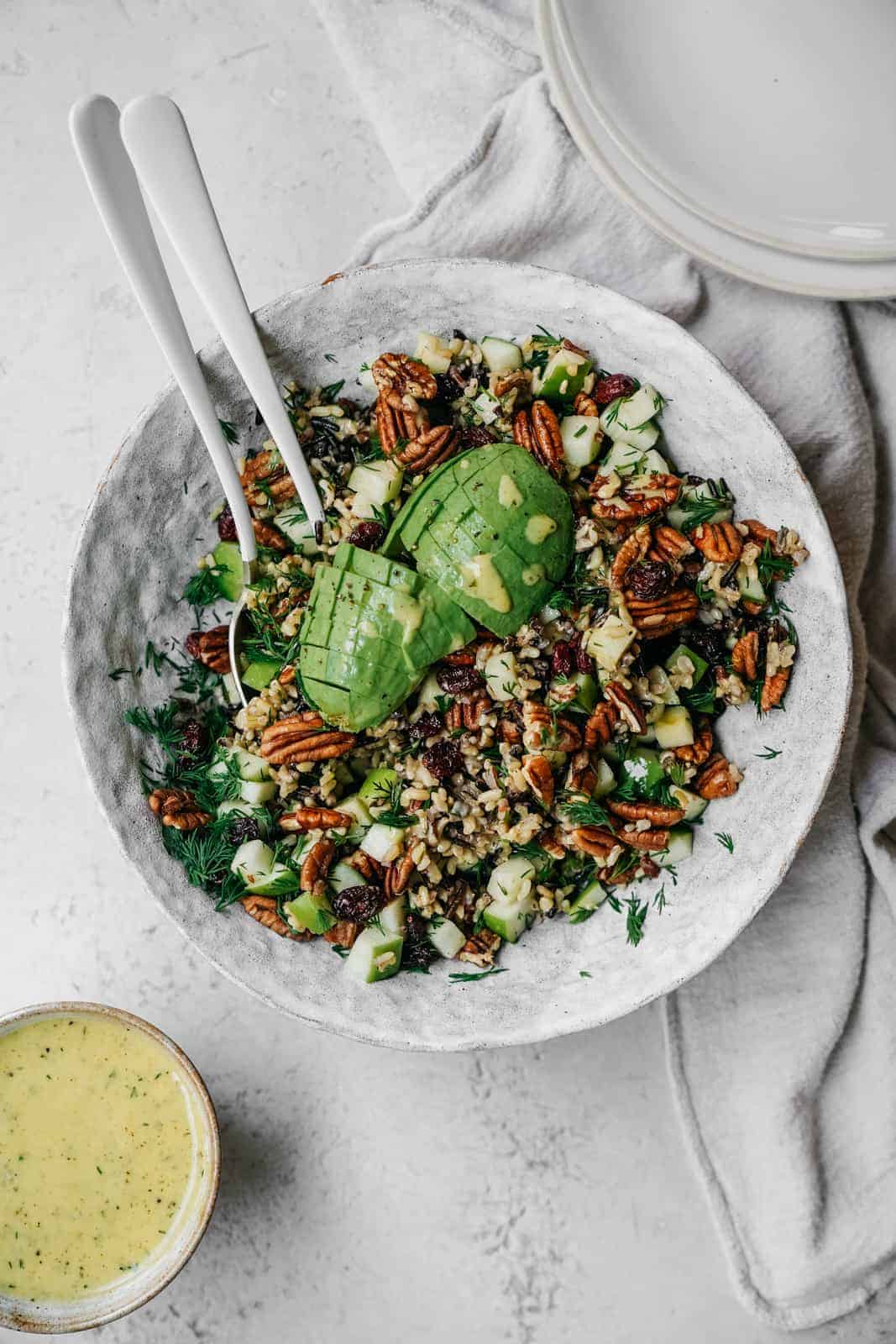
Protein is the most satiating macronutrient. It triggers the release of hormones like GLP-1 and PYY that signal fullness to your brain, and it takes longer to digest than carbohydrates. A filling smoothie needs at least 20 grams of protein. The best sources include protein powder (whey, pea, or hemp), Greek yogurt, silken tofu, cottage cheese, and nut butters. A high-quality plant-based protein powder is one of the easiest ways to hit this target without adding a lot of volume.
Key 2 - At Least 5 Grams of Fiber
Fiber slows digestion, feeds your gut bacteria, and creates physical bulk in your stomach that signals fullness. Great fiber sources for smoothies include flaxseed, chia seeds, oats, spinach, avocado, and berries (which have more fiber than most fruits). Ground flaxseed is particularly good because it adds fiber without significantly changing the texture.
Key 3 - A Source of Healthy Fat
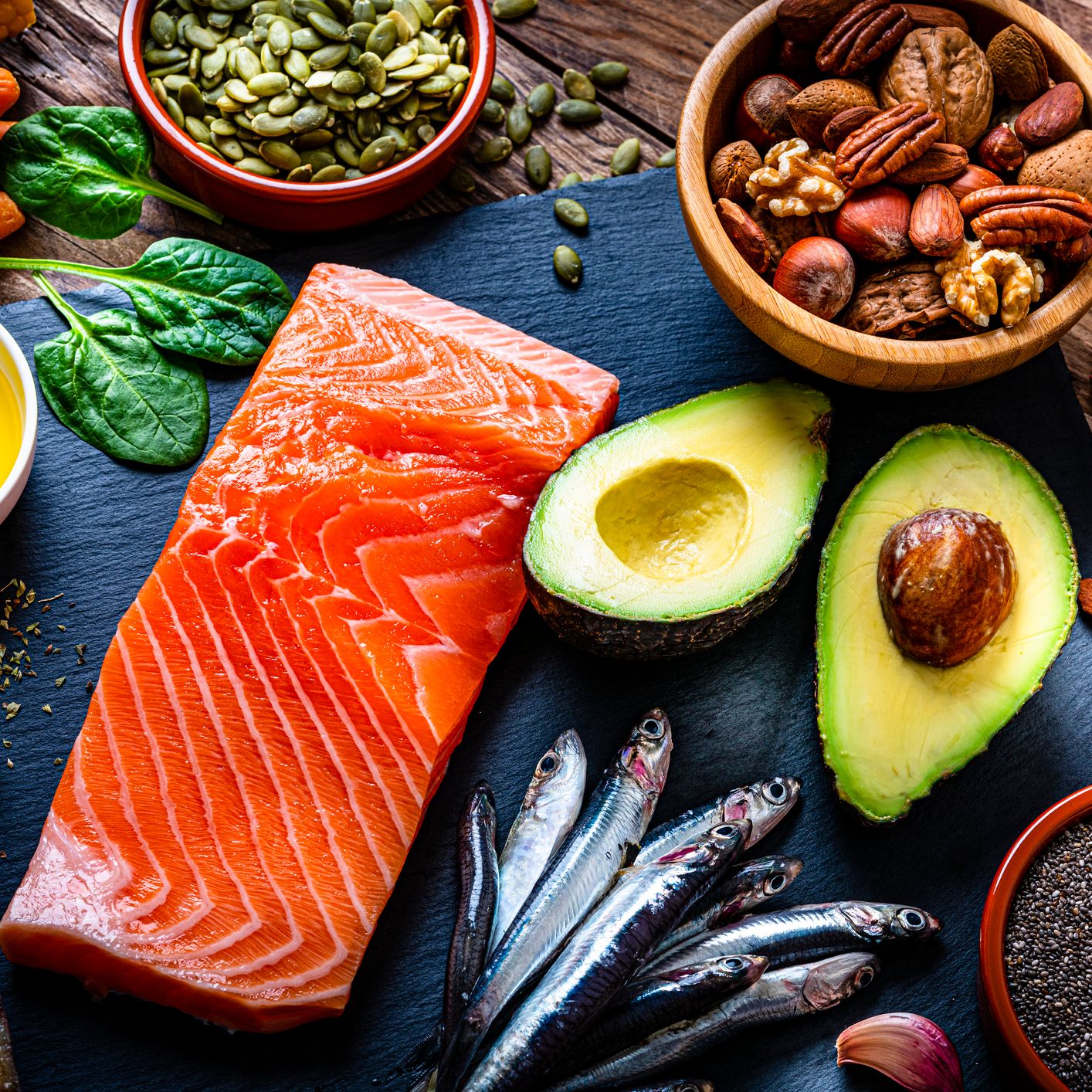
Fat takes the longest to digest of all macronutrients, which is why it is so effective at sustaining fullness. Good smoothie fats include avocado (which also makes smoothies incredibly creamy), nut butters, chia seeds, flaxseed, coconut oil, and full-fat yogurt. You do not need a lot - one to two tablespoons of a fat source is usually enough to significantly extend your smoothie’s staying power.
10 Healthy Smoothie Recipes That Keep You Satisfied
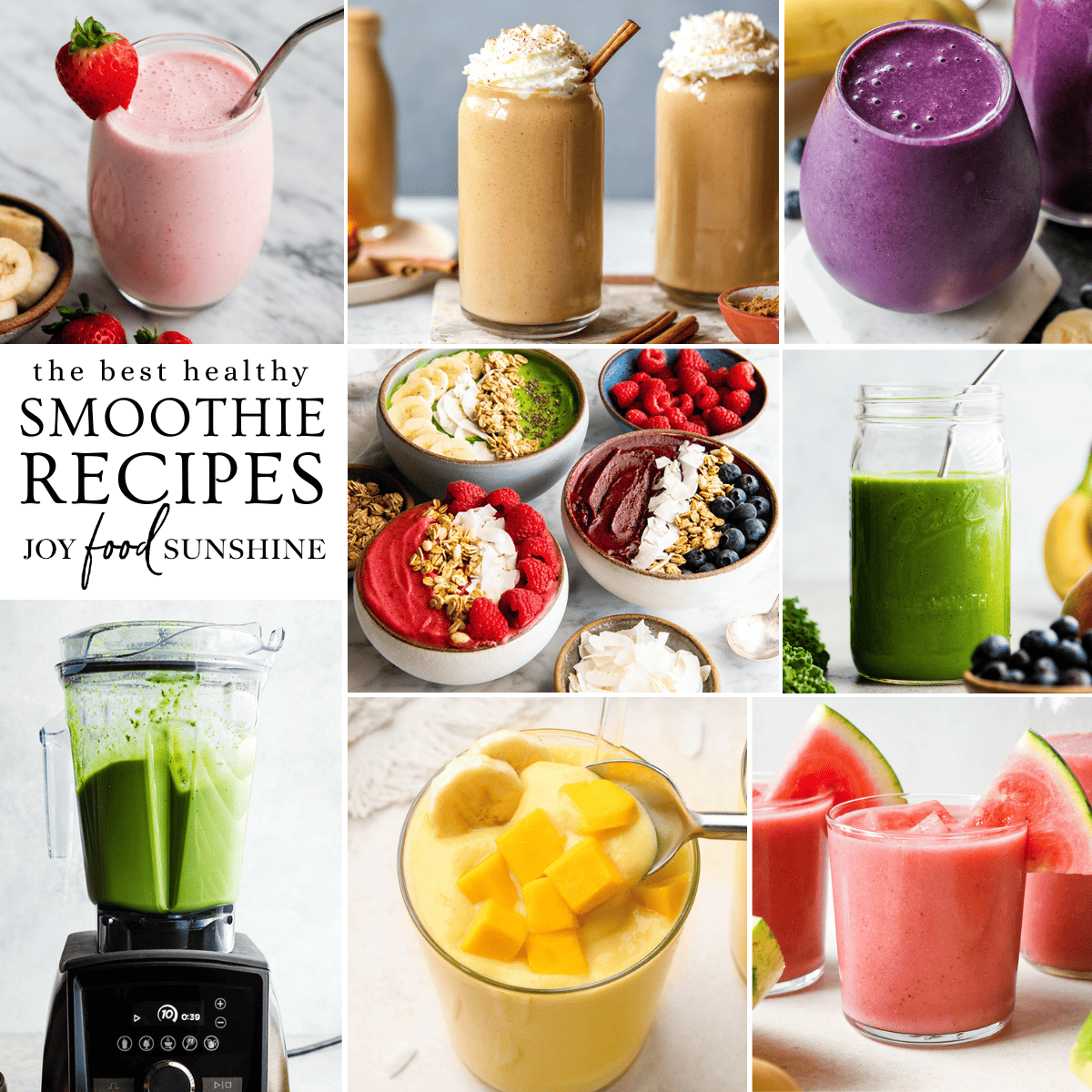
Each of these recipes serves one and provides at least 20 grams of protein, 5 grams of fiber, and a source of healthy fat. They are all designed to keep you comfortably full for four to five hours.
Recipe 1 - The PB and J Power Smoothie
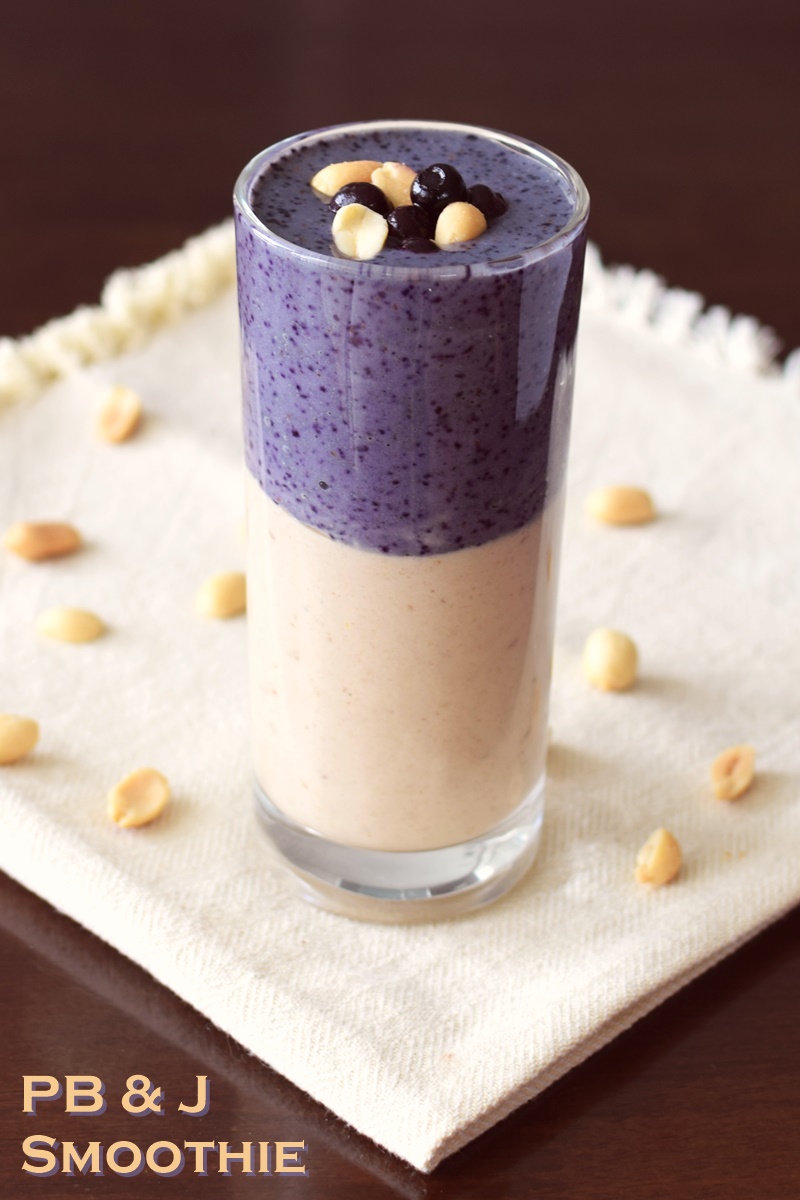
Blend together one cup of frozen mixed berries, one scoop of vanilla protein powder, two tablespoons of natural peanut butter, one tablespoon of ground flaxseed, one cup of unsweetened almond milk, and a handful of ice. This tastes like a peanut butter and jelly sandwich in liquid form. The peanut butter provides healthy fats and protein, the berries deliver fiber and antioxidants, and the flaxseed adds omega-3s. About 30 grams of protein, 8 grams of fiber.
Recipe 2 - The Green Machine
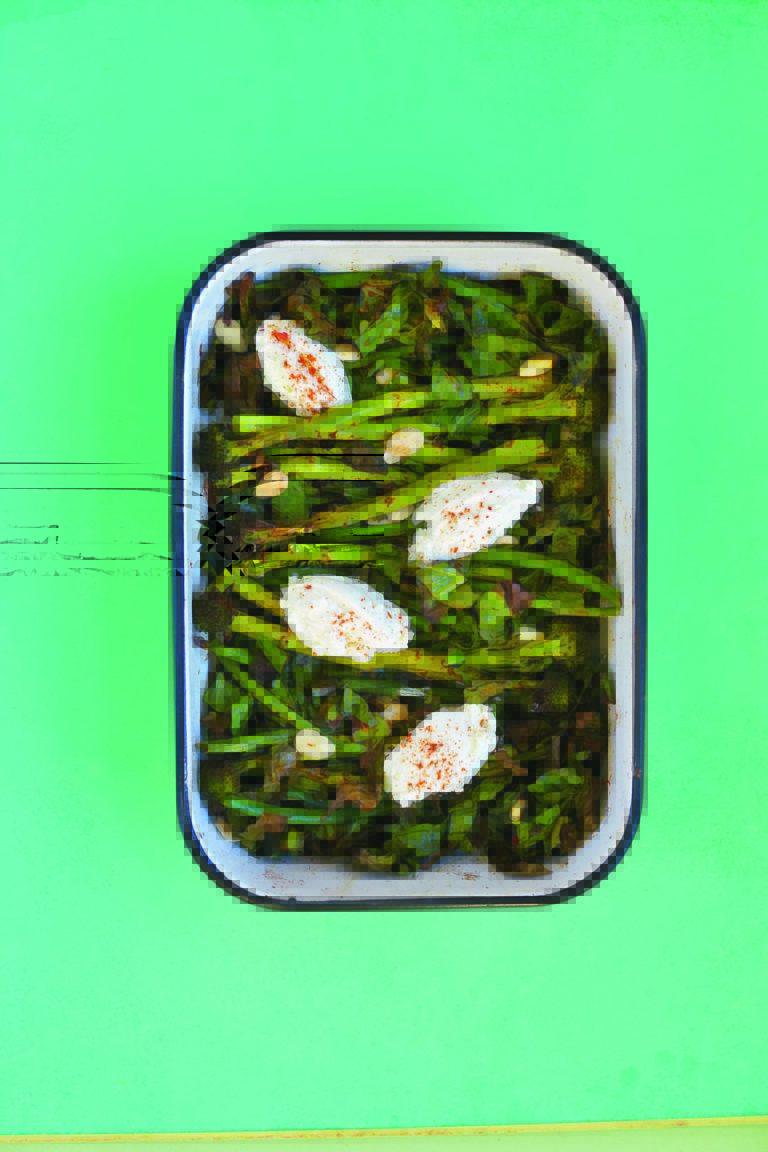
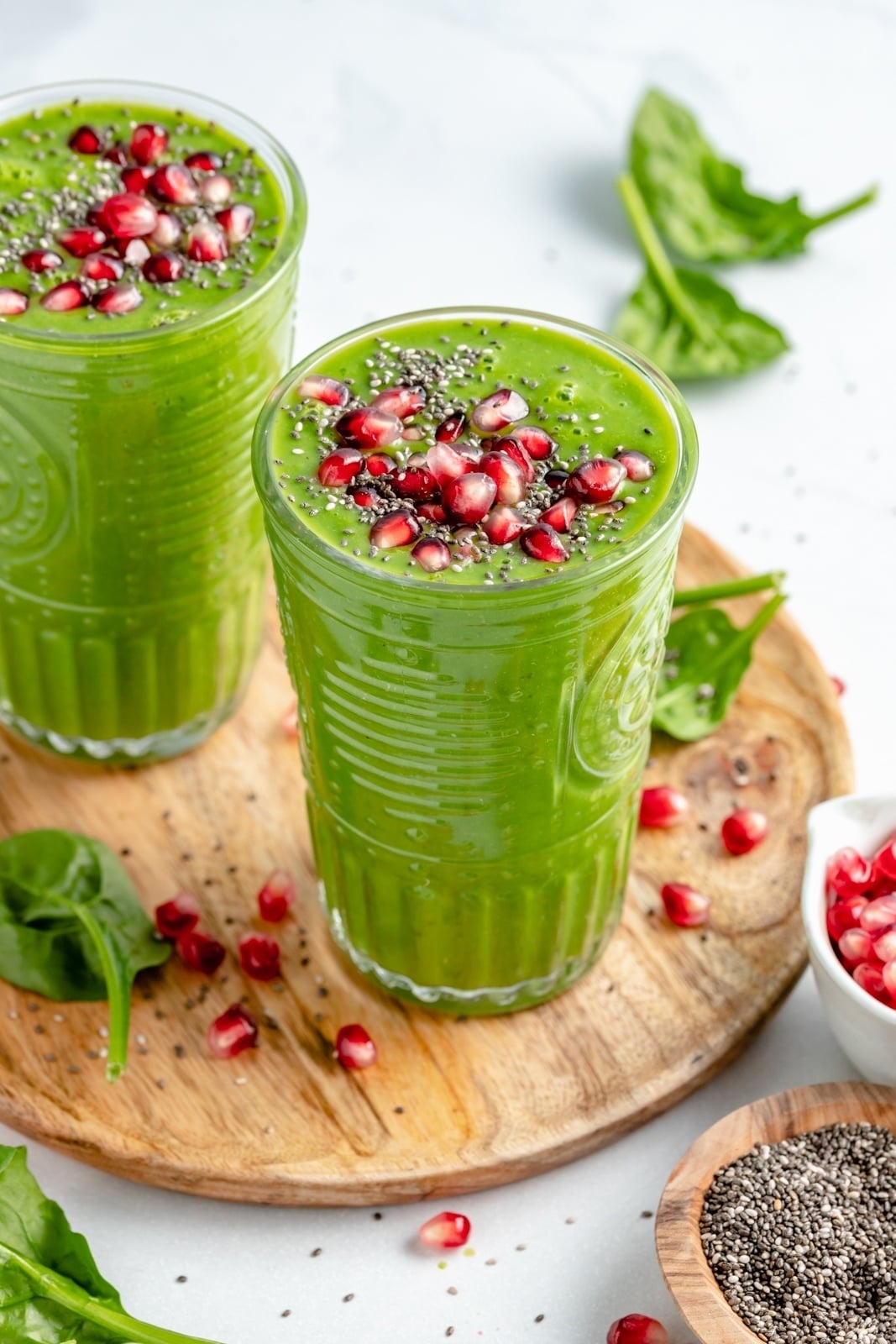
Blend together two large handfuls of spinach, half a frozen banana, half an avocado, one scoop of vanilla or unflavored protein powder, one tablespoon of chia seeds, one cup of unsweetened oat milk, and a squeeze of lemon juice. The avocado makes this incredibly creamy while providing healthy fats that keep you full for hours. The spinach is virtually undetectable taste-wise but adds iron, fiber, and a gorgeous green color. About 25 grams of protein, 10 grams of fiber.
Recipe 3 - Chocolate Peanut Butter Cup Smoothie
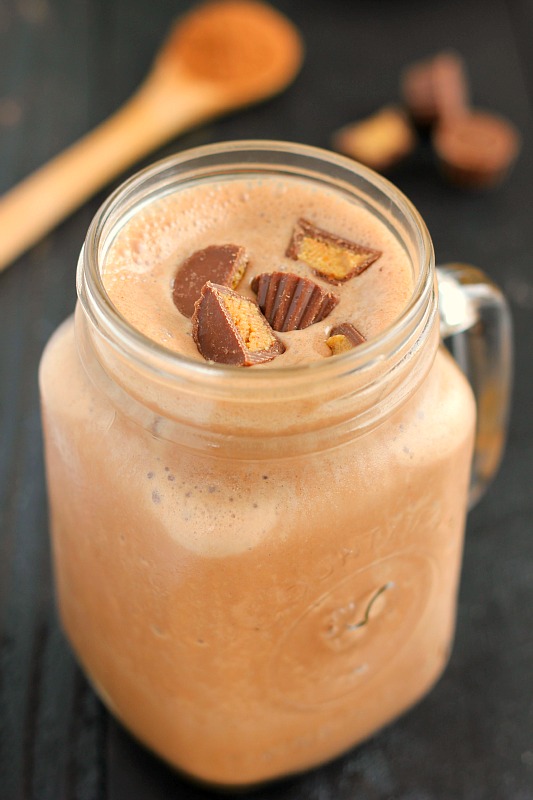
Blend together one scoop of chocolate protein powder, two tablespoons of natural peanut butter, one frozen banana, one tablespoon of cocoa powder, one cup of unsweetened almond milk, and a handful of ice. This tastes indulgent but is packed with nutrition. The combination of chocolate and peanut butter is deeply satisfying, and this smoothie contains enough protein and fat to power you through even the busiest morning. About 35 grams of protein, 6 grams of fiber.
Recipe 4 - Tropical Sunshine Smoothie
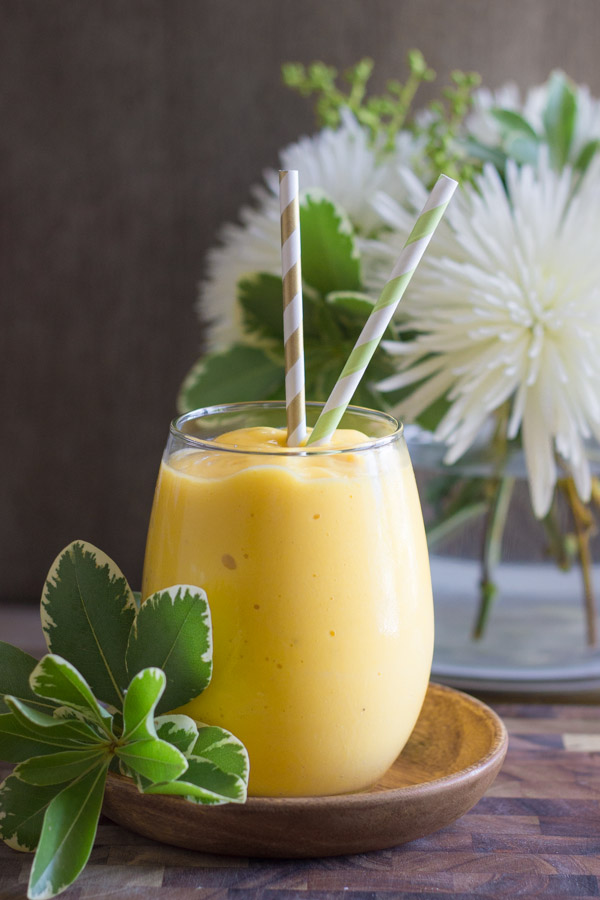
Blend together one cup of frozen mango chunks, half a cup of frozen pineapple, one scoop of vanilla protein powder, quarter cup of full-fat coconut milk, one tablespoon of hemp seeds, half a cup of unsweetened coconut water, and a handful of ice. This is summer in a glass. The coconut milk provides satisfying fats, the hemp seeds add complete plant protein, and the tropical fruits bring natural sweetness and fiber. About 25 grams of protein, 5 grams of fiber.
Recipe 5 - Berry Oatmeal Smoothie Bowl
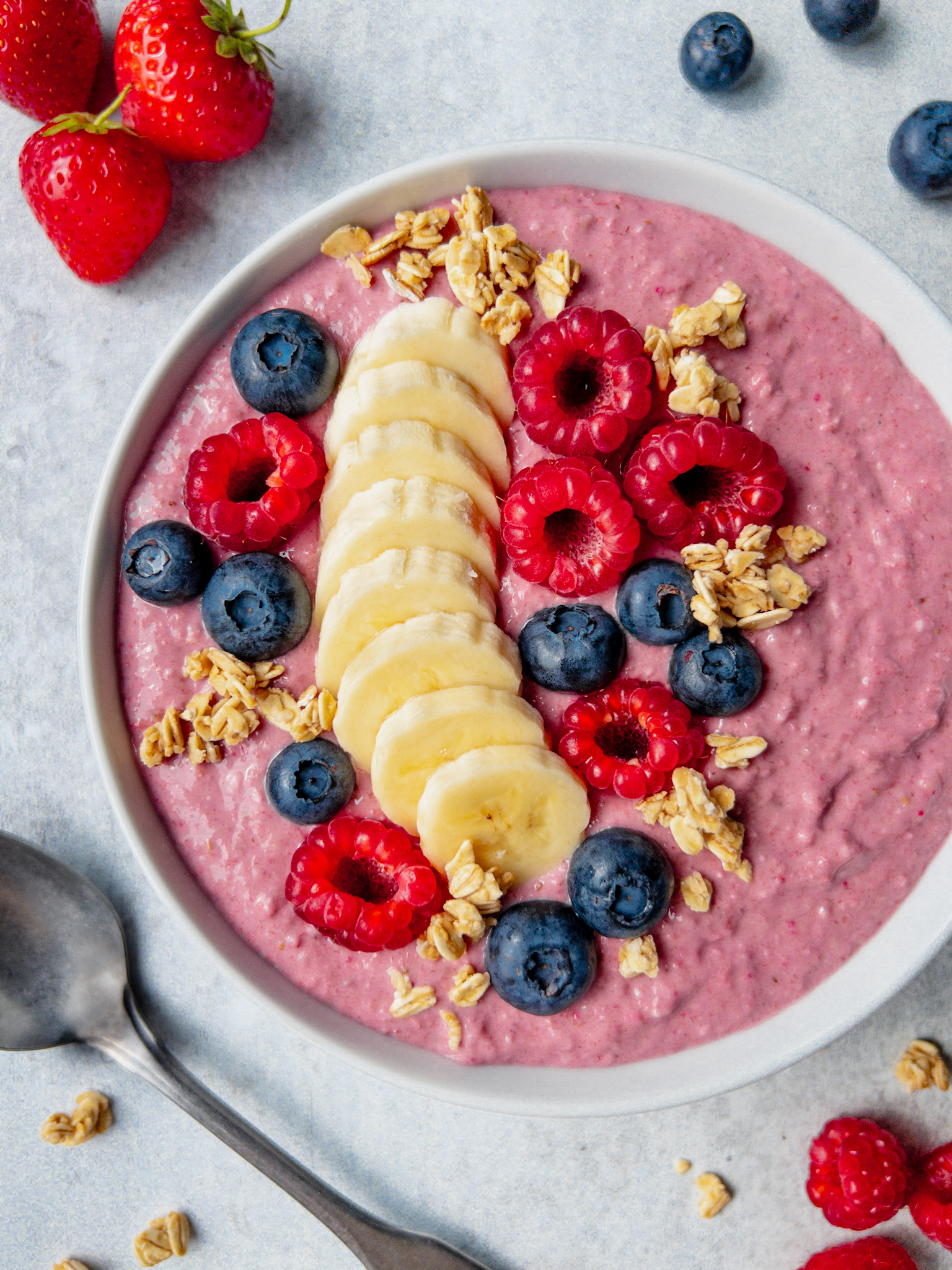
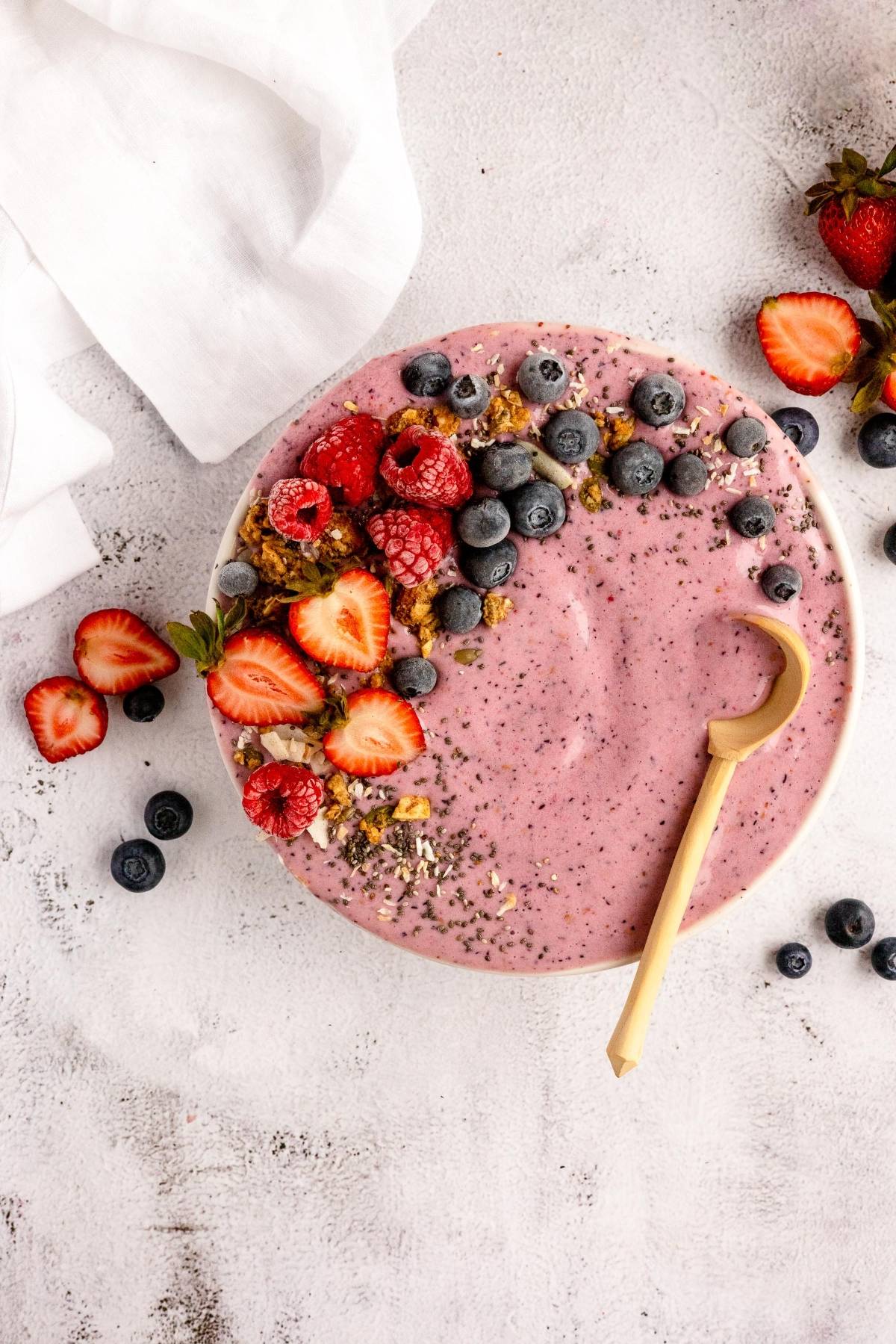
Blend together one cup of frozen mixed berries, half a cup of rolled oats, three-quarters cup of Greek yogurt, one tablespoon of almond butter, half a cup of unsweetened almond milk, and a drizzle of honey if needed. Pour into a bowl and top with sliced almonds, fresh berries, and a sprinkle of granola. Eating this with a spoon instead of drinking it through a straw actually increases satiety because your brain registers it as a meal. About 28 grams of protein, 8 grams of fiber. A high-quality personal blender makes preparing smoothies like this quick and painless.
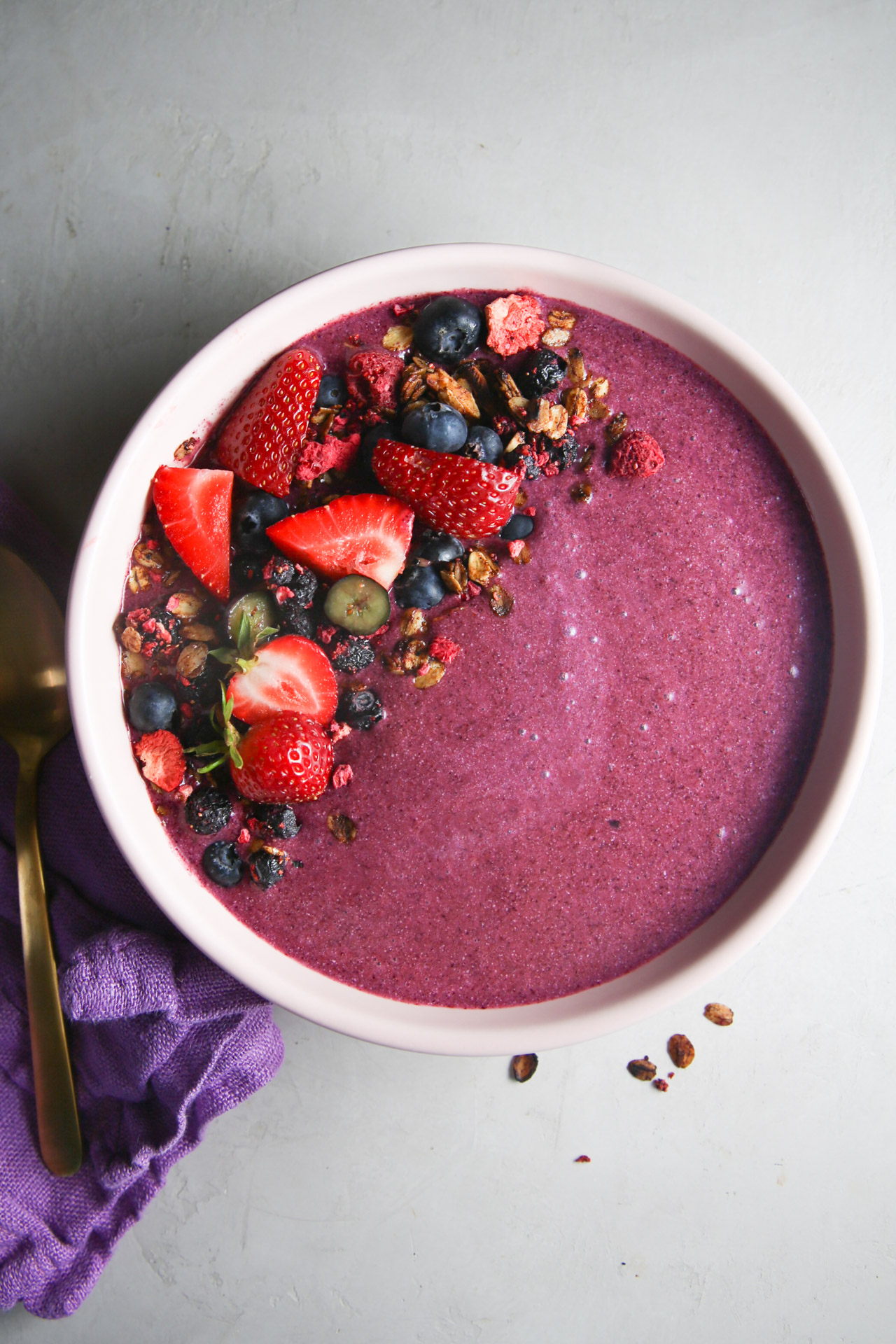
Recipe 6 - Vanilla Chai Protein Smoothie
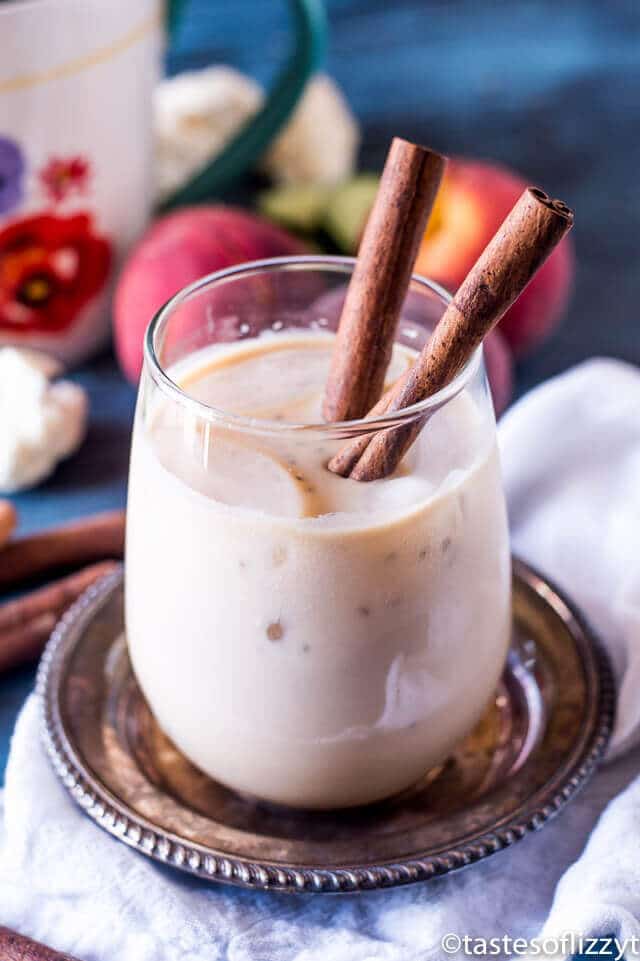
Blend together one scoop of vanilla protein powder, half a frozen banana, one cup of brewed chai tea (cooled), quarter teaspoon each of cinnamon, ginger, and cardamom, one tablespoon of cashew butter, one tablespoon of ground flaxseed, and a handful of ice. This is like drinking a chai latte that actually keeps you full. The warm spices are anti-inflammatory and the combination of protein powder, cashew butter, and flaxseed creates a wonderfully satiating texture. About 27 grams of protein, 6 grams of fiber.
Recipe 7 - Apple Pie Smoothie
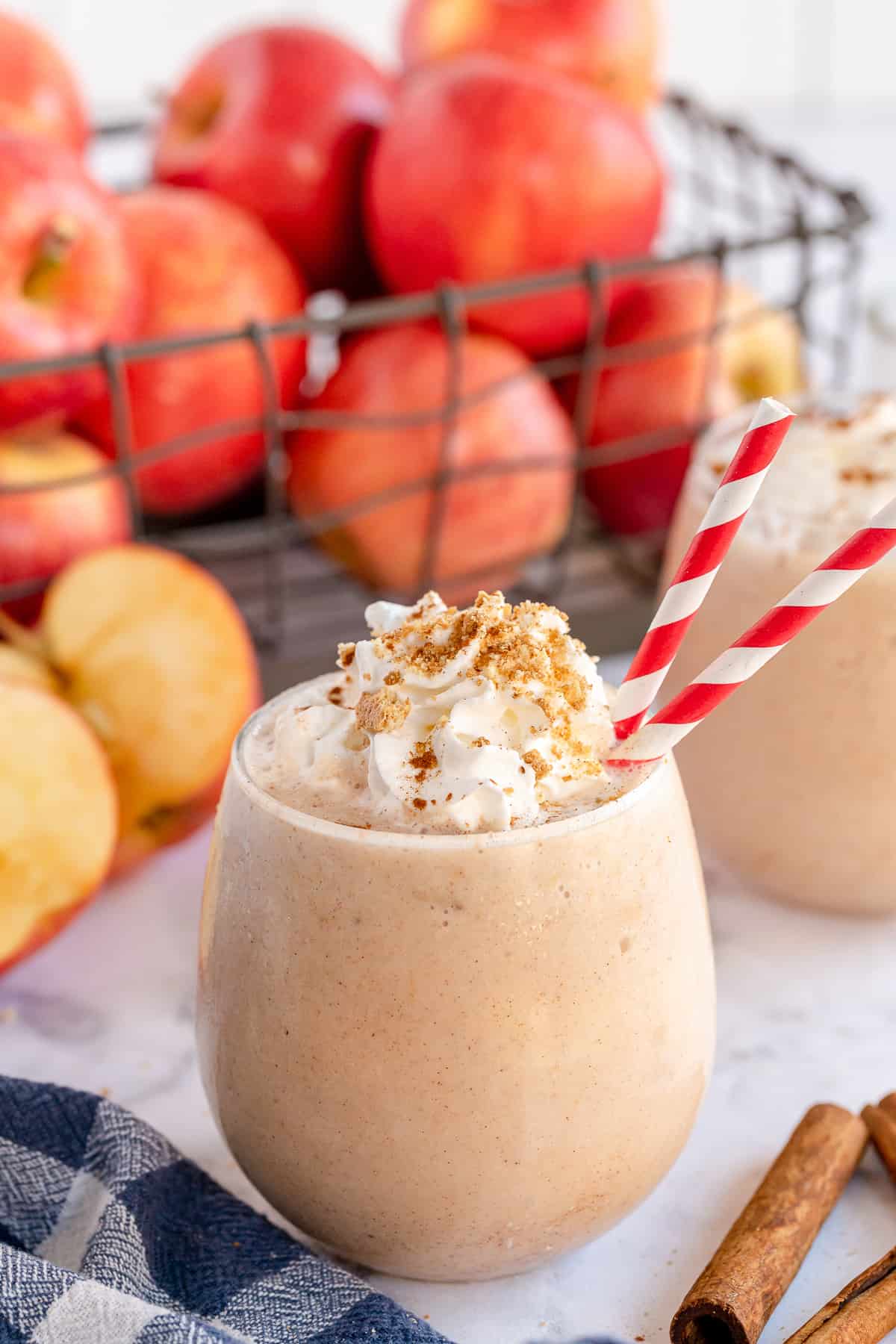
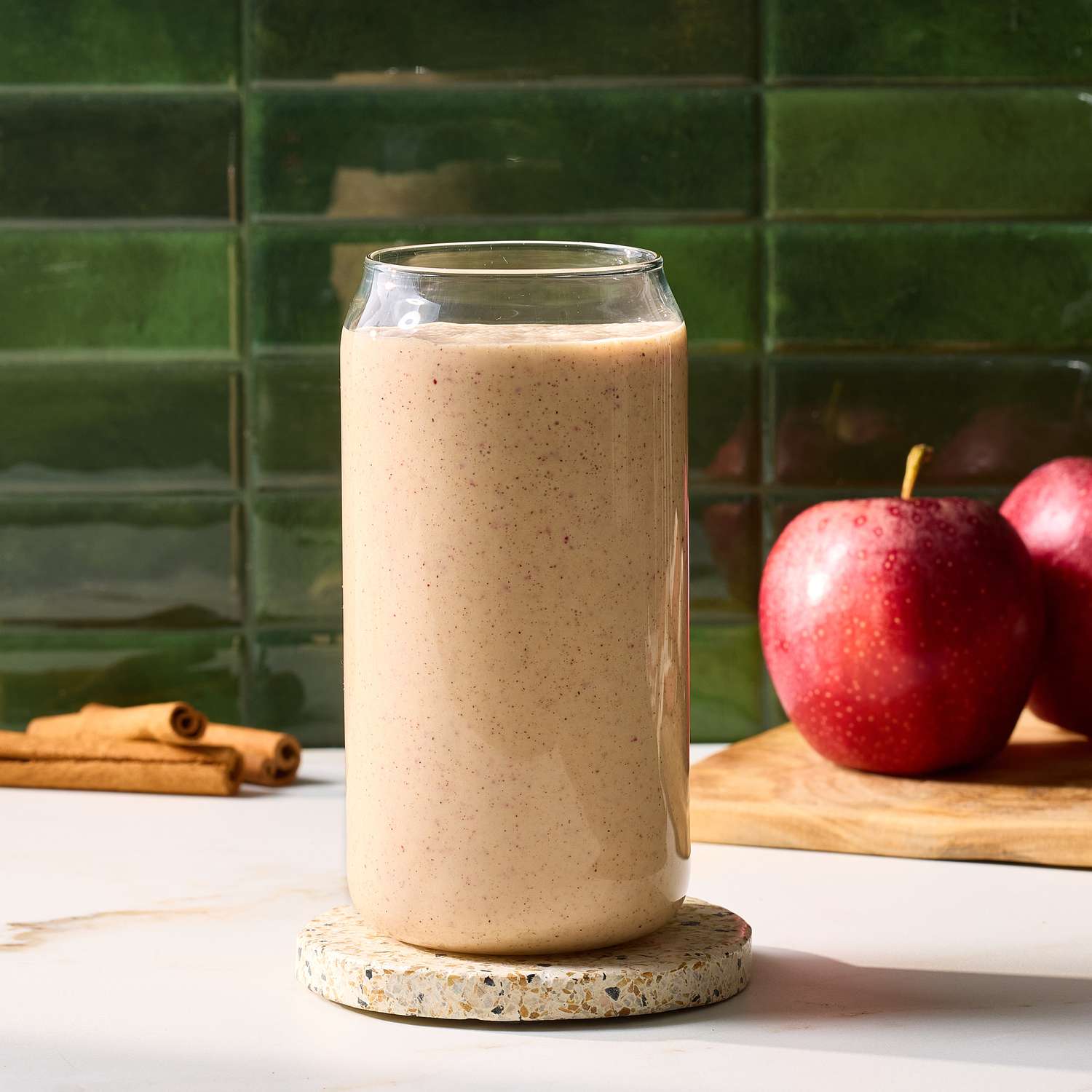
Blend together one medium apple (cored, skin on), half a cup of rolled oats, one scoop of vanilla protein powder, one tablespoon of almond butter, one teaspoon of cinnamon, a pinch of nutmeg, one cup of unsweetened almond milk, and a handful of ice. Leaving the skin on the apple adds extra fiber, and the oats create a thick, satisfying texture that genuinely feels like drinking apple pie. About 26 grams of protein, 9 grams of fiber.
Recipe 8 - Coffee Protein Mocha Smoothie
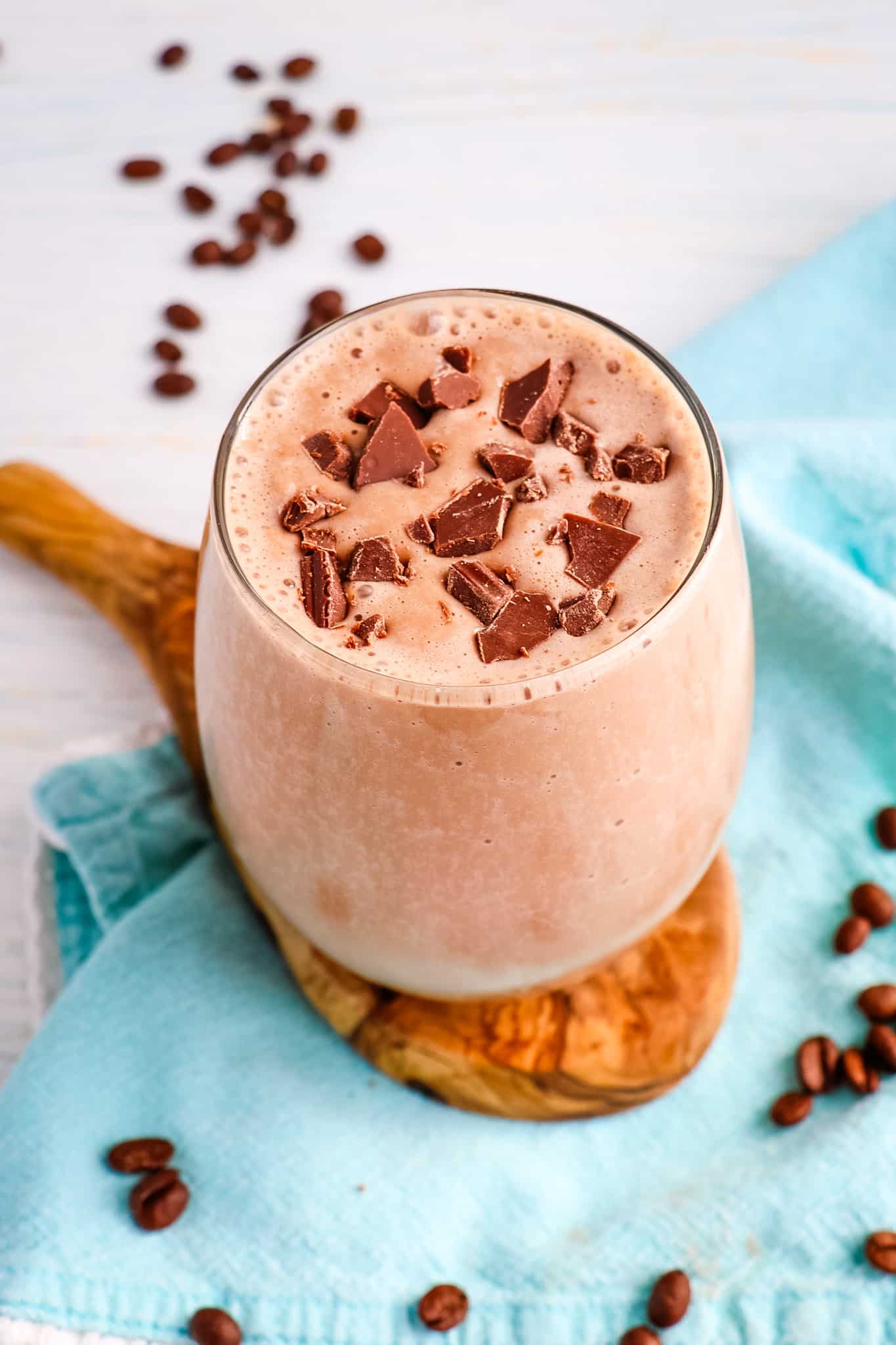
Blend together one cup of cold brew coffee, one scoop of chocolate protein powder, half a frozen banana, one tablespoon of almond butter, one tablespoon of cacao nibs, half a cup of unsweetened oat milk, and a handful of ice. This is for the people who need their coffee and their breakfast but do not have time for both. The cold brew provides caffeine for alertness while the protein and healthy fats prevent the jitters. About 30 grams of protein, 5 grams of fiber.
Recipe 9 - Blueberry Muffin Smoothie
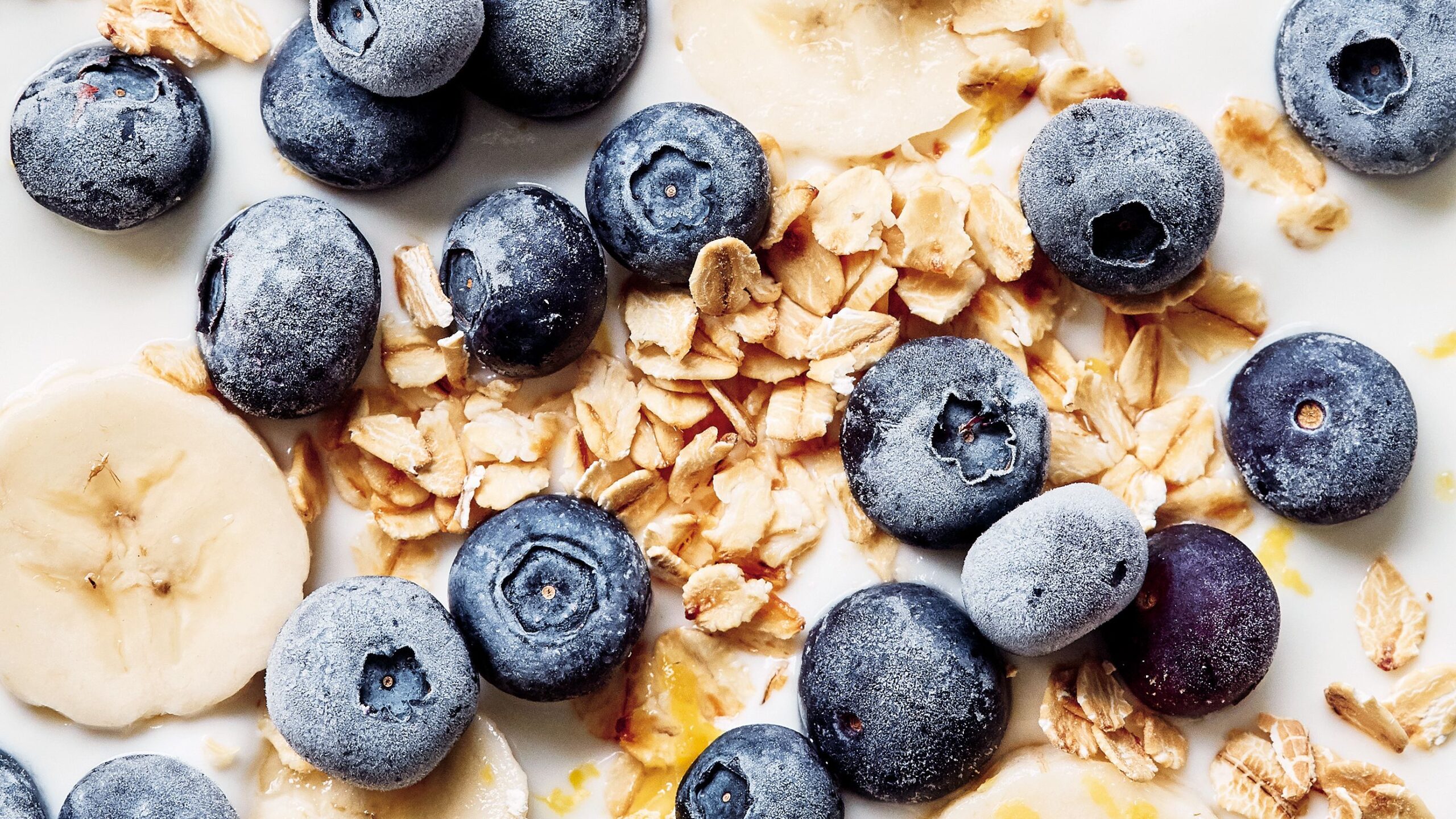
Blend together one cup of frozen blueberries, half a cup of rolled oats, three-quarters cup of vanilla Greek yogurt, one tablespoon of ground flaxseed, a pinch of vanilla extract, one cup of unsweetened almond milk, and a squeeze of lemon. This tastes remarkably like a blueberry muffin but is packed with antioxidants, protein, and fiber. Blueberries are one of the most nutrient-dense fruits you can eat, and pairing them with Greek yogurt and oats creates lasting fullness. About 24 grams of protein, 8 grams of fiber.
Recipe 10 - Pumpkin Spice Protein Smoothie
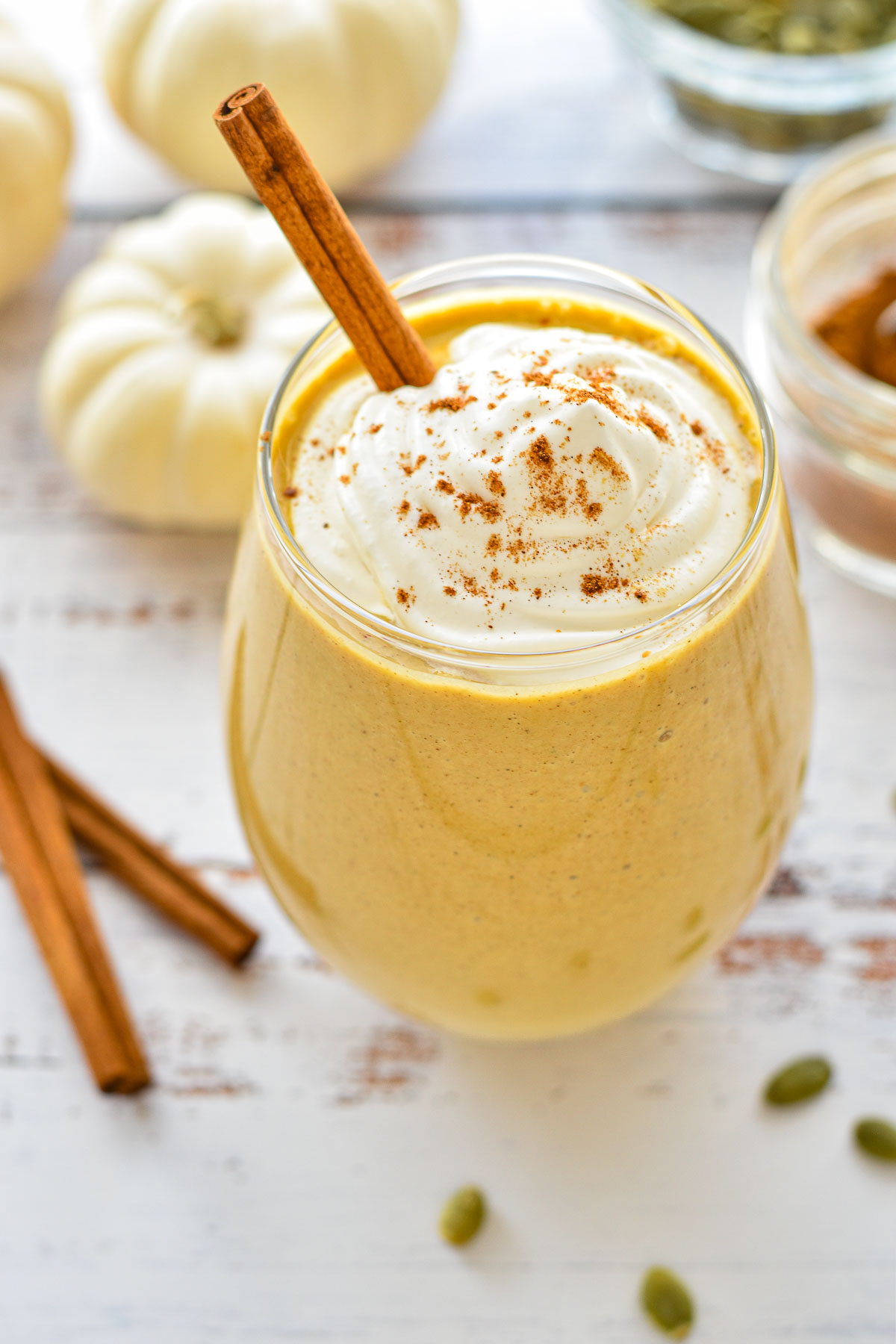
Blend together half a cup of canned pumpkin puree (not pie filling), one scoop of vanilla protein powder, half a frozen banana, one tablespoon of maple syrup, one teaspoon of pumpkin pie spice, one tablespoon of chia seeds, one cup of unsweetened oat milk, and a handful of ice. Pumpkin is secretly one of the best smoothie ingredients - it is low in calories, high in fiber, packed with beta-carotene, and creates an incredibly creamy texture. This smoothie is amazing year-round, not just in autumn. About 28 grams of protein, 9 grams of fiber.
Smoothie Add-Ins That Boost Fullness
Want to make any smoothie more filling? Add one or two of these ingredients.
Chia Seeds
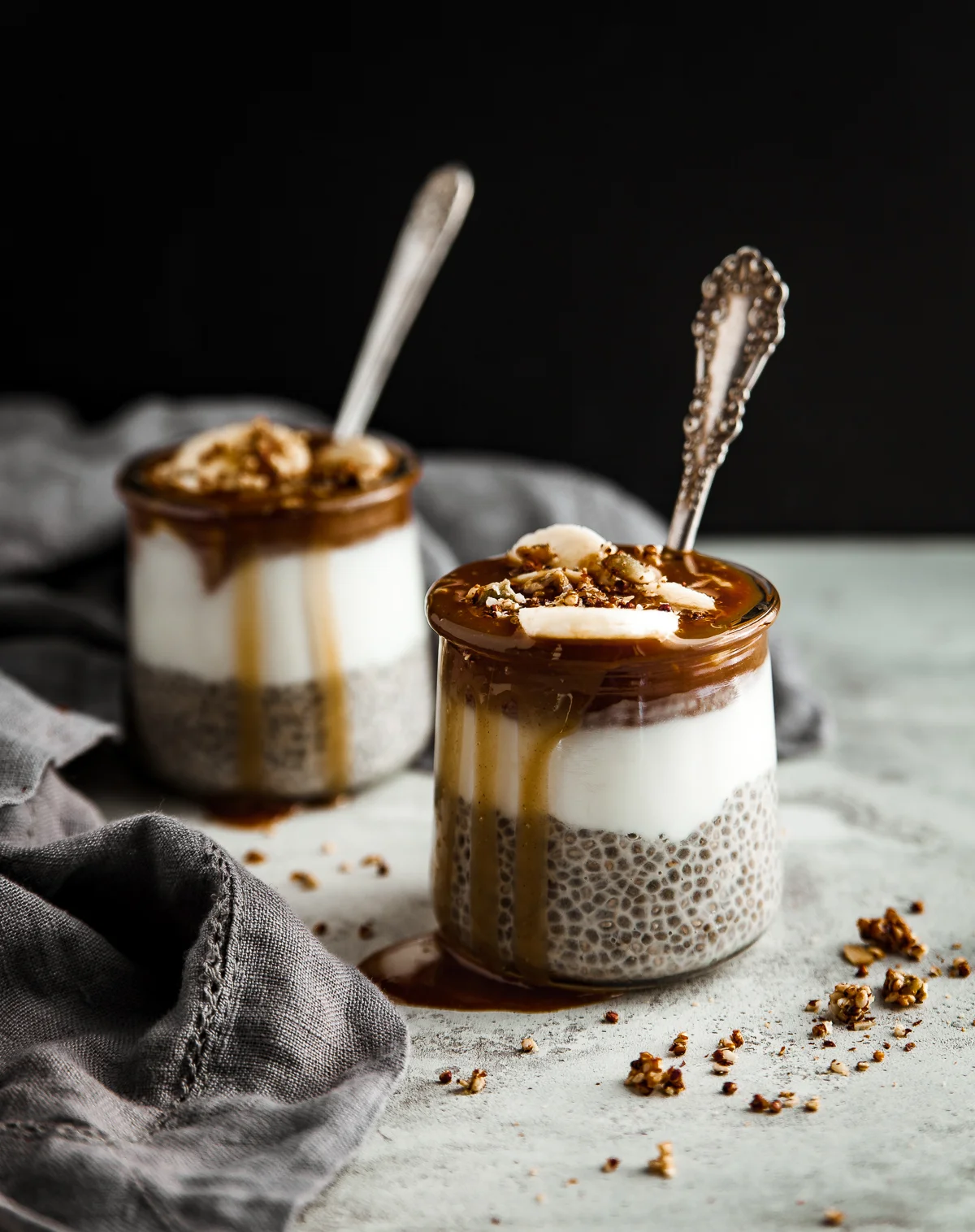
Just one tablespoon of chia seeds adds 5 grams of fiber and 2 grams of protein. When they absorb liquid, they expand and create a gel-like texture that physically fills your stomach and slows digestion. Add them to your blender or stir them in after blending and let the smoothie sit for a few minutes.
Rolled Oats
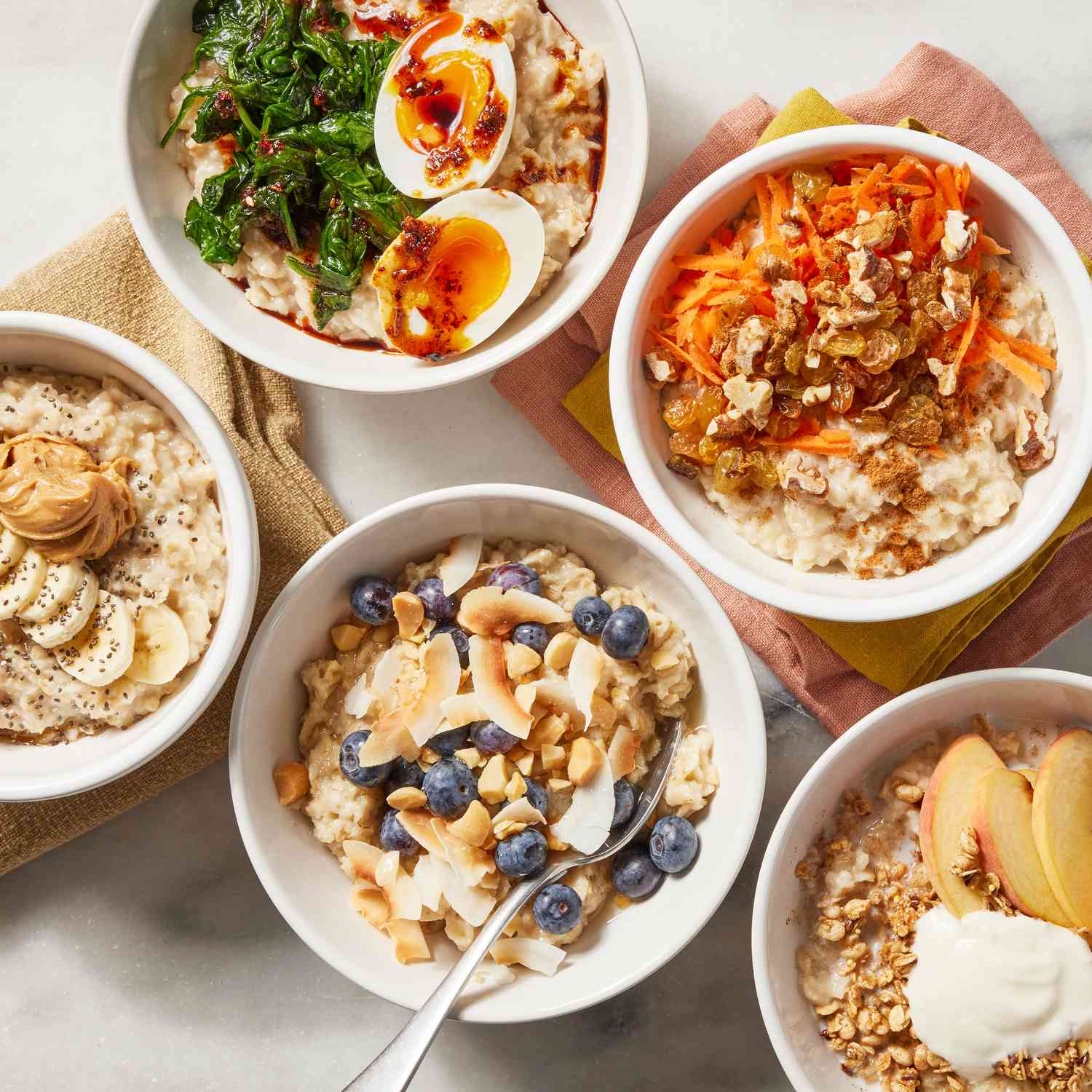
Half a cup of rolled oats adds about 4 grams of fiber and 5 grams of protein, plus complex carbohydrates that provide sustained energy. They blend smoothly and create a satisfying, thick texture. Oats also contain beta-glucan, a type of soluble fiber that is particularly effective at promoting fullness.
Avocado
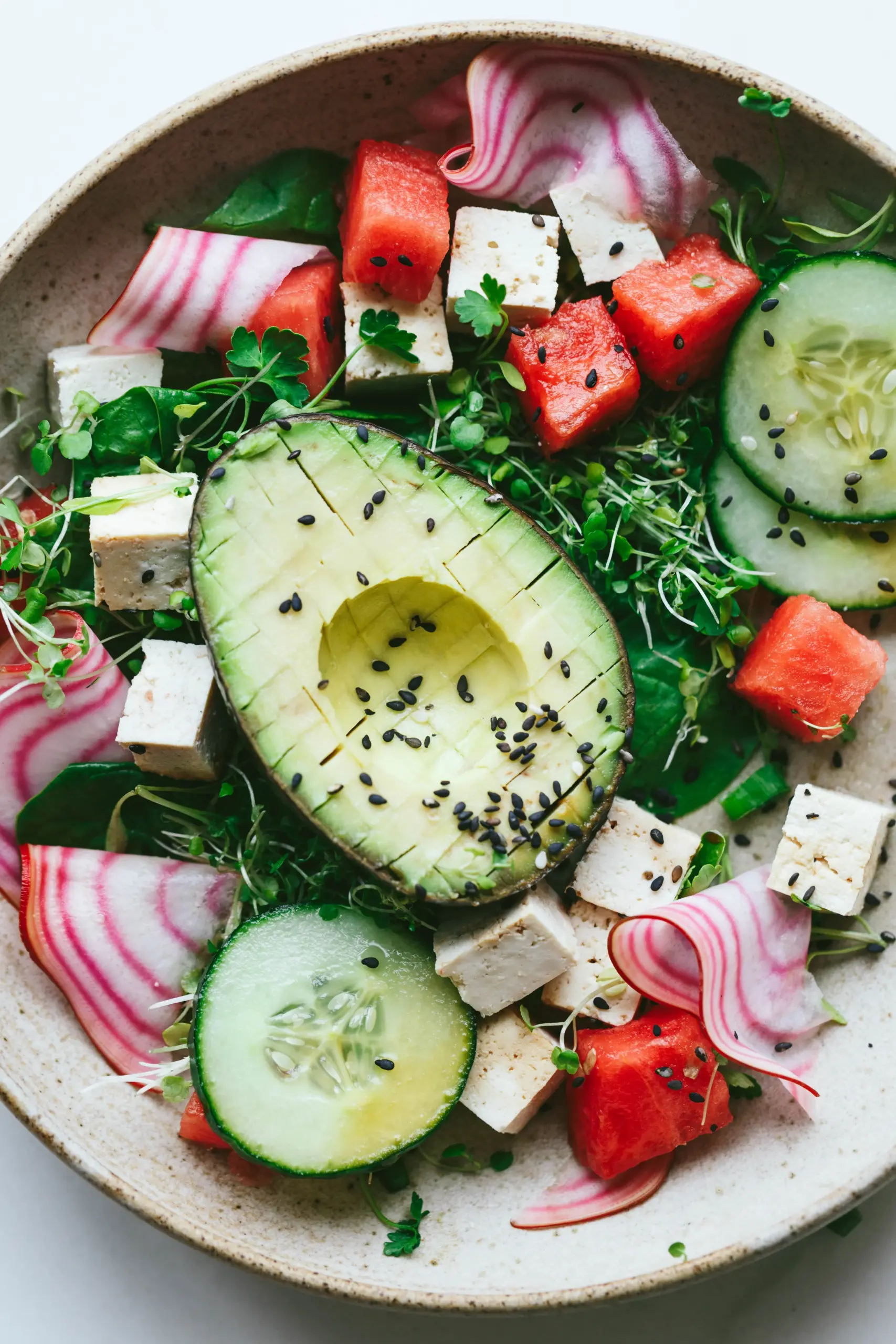
A quarter or half avocado adds creamy richness, healthy monounsaturated fats, and fiber. You will not taste the avocado (especially alongside strong flavors like chocolate or berries), but you will feel its satiating effects for hours. It also makes smoothies incredibly smooth and silky.
Collagen Peptides
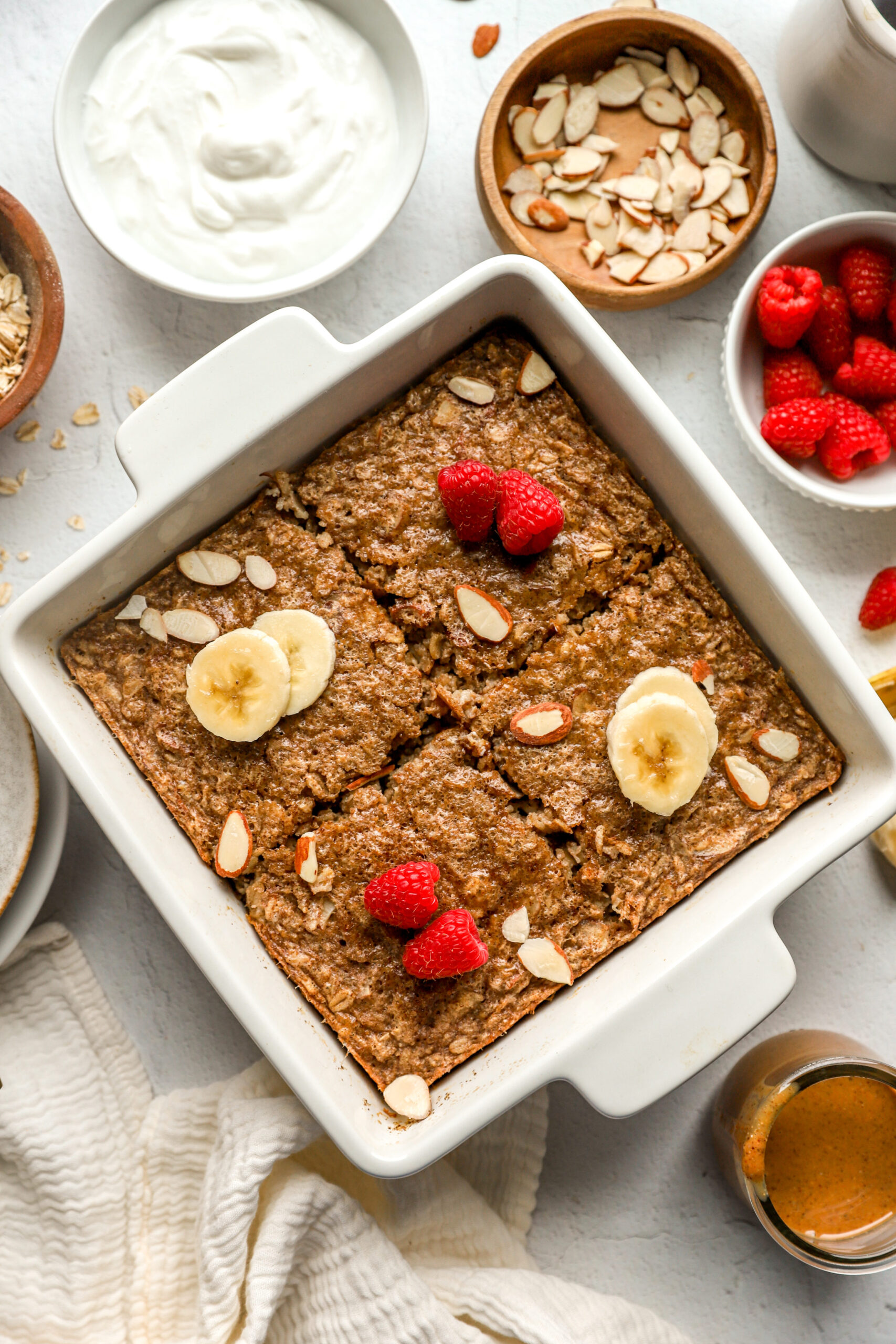
A scoop of unflavored collagen peptides adds 10 to 15 grams of protein without changing the taste or texture of your smoothie. Collagen also supports skin, hair, and joint health, making it a multi-benefit add-in.
Cottage Cheese
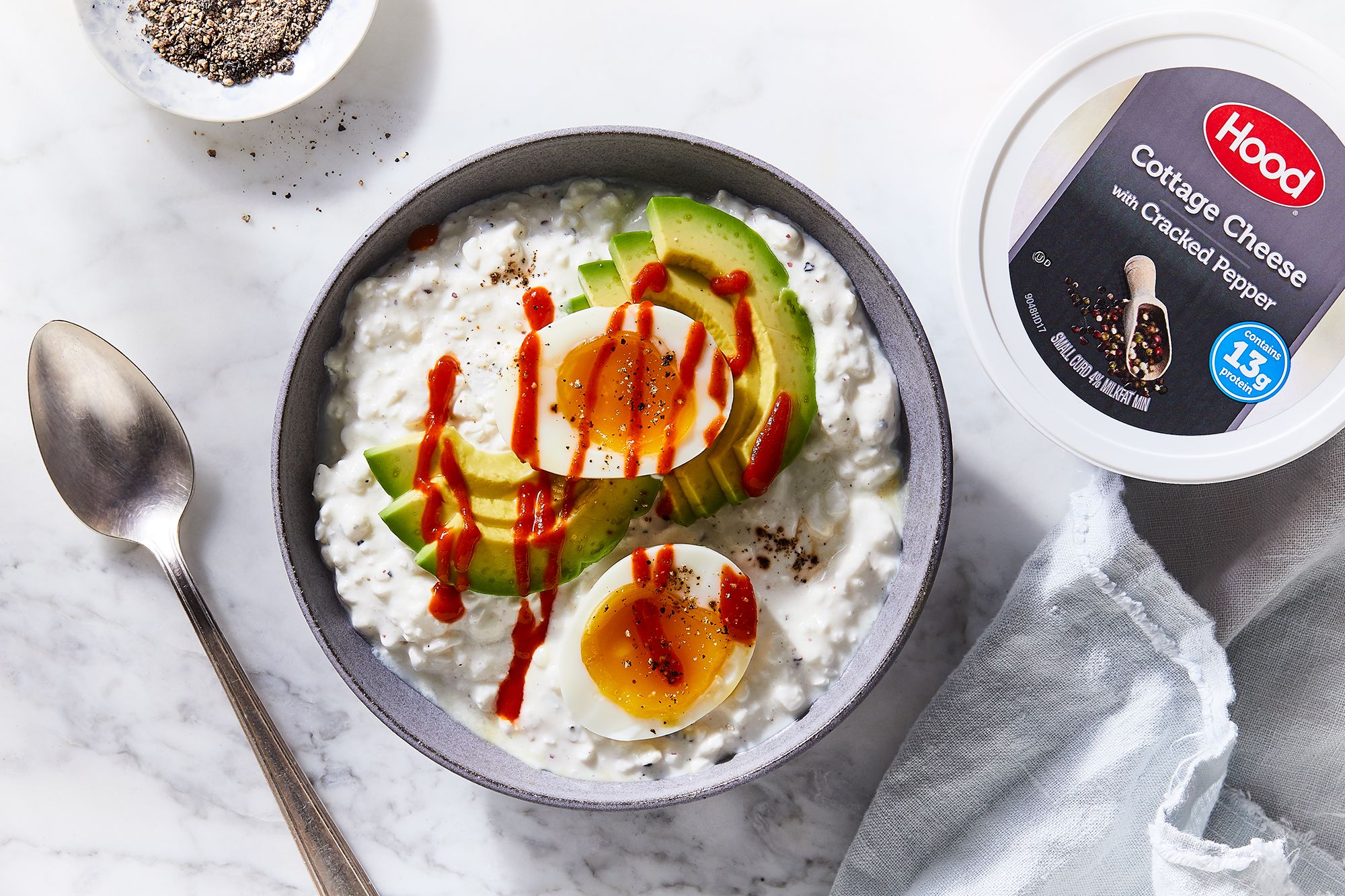
This might sound unusual, but blending half a cup of cottage cheese into a smoothie adds 14 grams of protein and creates an incredibly creamy, thick texture. The cottage cheese flavor is completely masked by other ingredients. It is one of the most effective (and affordable) ways to boost protein in a smoothie.
Frozen Cauliflower Rice
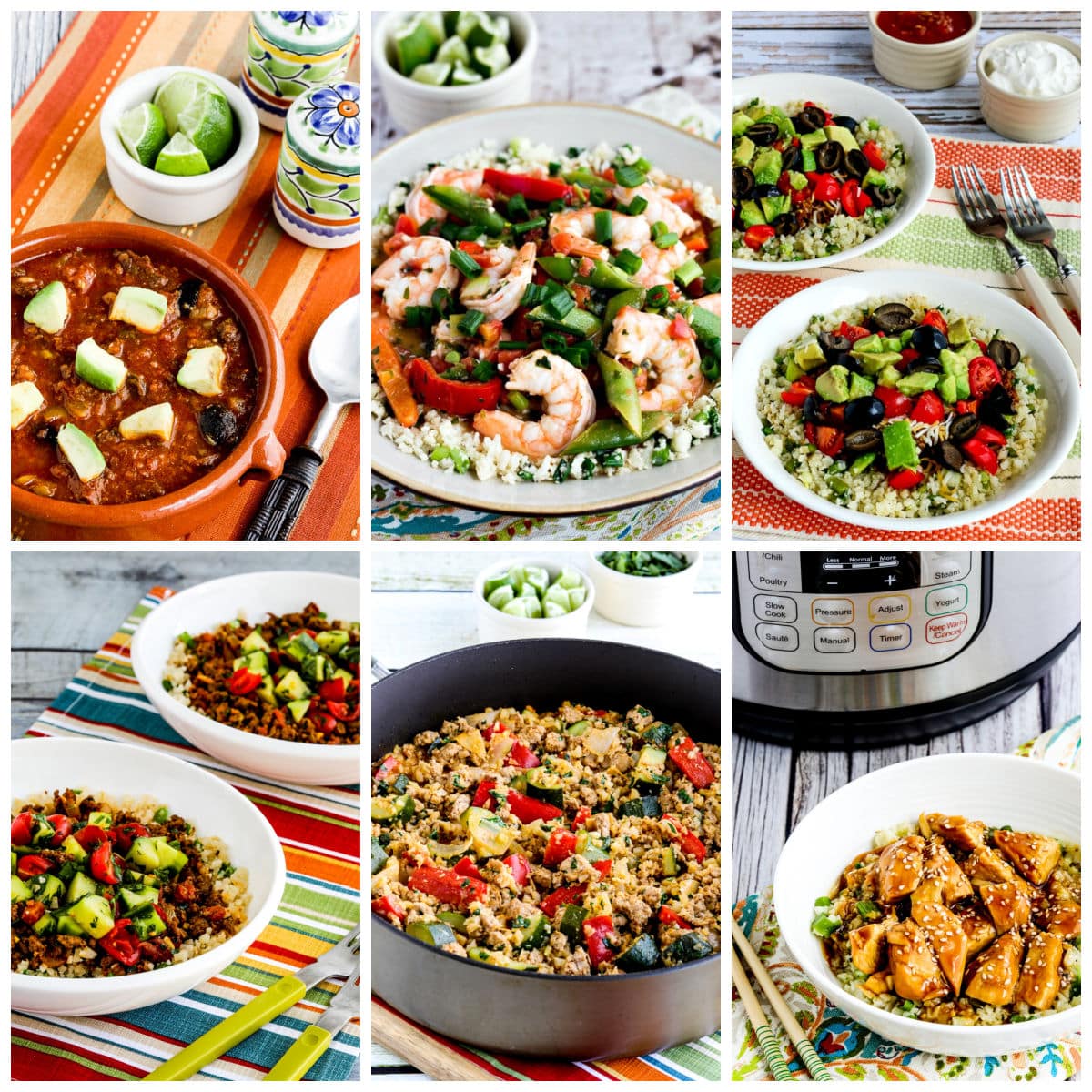
Adding half a cup of frozen cauliflower rice to a smoothie adds bulk, fiber, and nutrients without adding significant calories or changing the flavor. It blends completely smooth and is virtually undetectable. This is a great trick for making a smoothie feel more substantial without adding more sugar from fruit.
Smoothie Meal Prep Tips for Busy Mornings
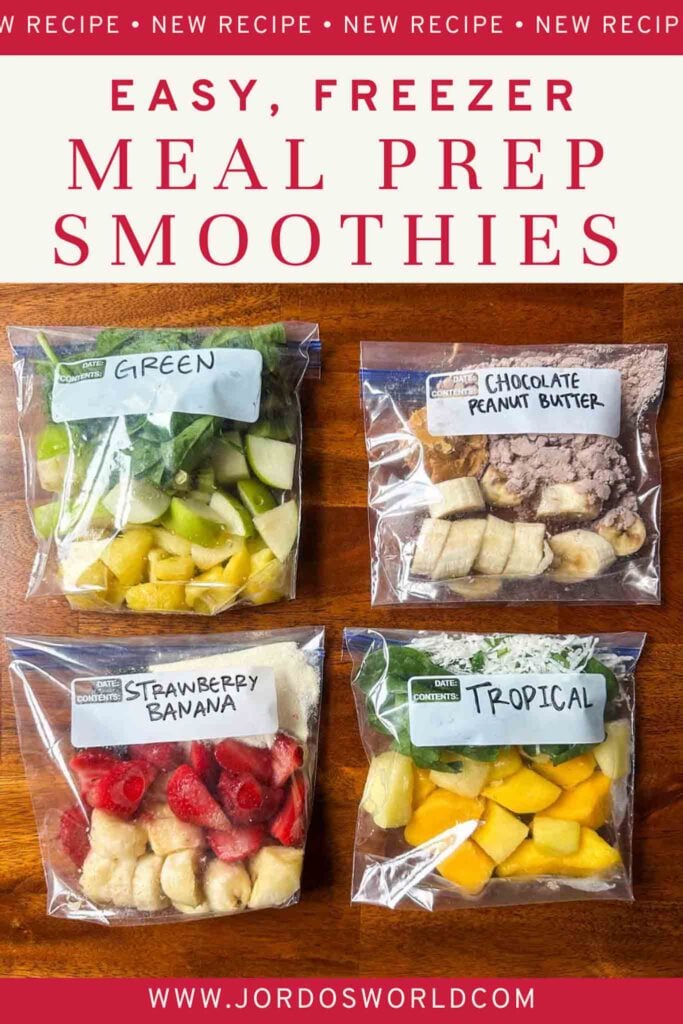
The biggest barrier to making healthy smoothie recipes consistently is time. Here is how to make it effortless.
Smoothie Freezer Packs
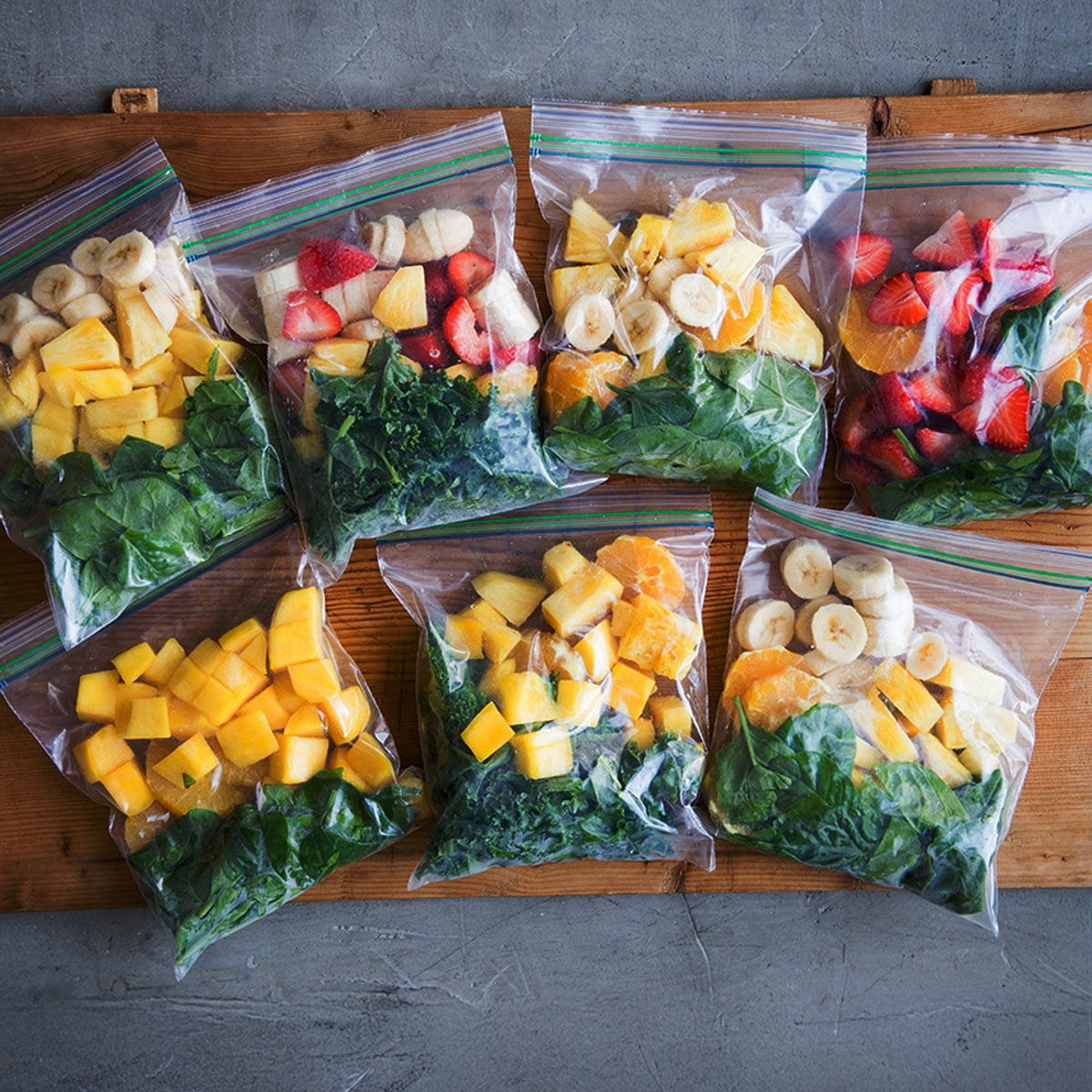
Spend 20 minutes on the weekend prepping smoothie packs for the entire week. For each pack, measure out the frozen fruit, greens, oats, seeds, and any other solid ingredients into a freezer bag or container. Label each pack with the recipe name. In the morning, dump the pack into your blender, add your liquid and protein powder, blend, and go. This cuts your morning prep time to about two minutes.
Invest in a Good Blender
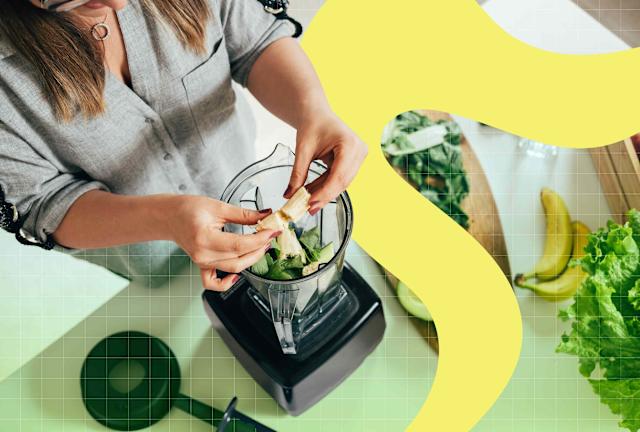
A high-powered blender makes a noticeable difference in smoothie texture. It pulverizes oats, seeds, and greens into a silky-smooth consistency that is much more enjoyable to drink than the chunky results from a less powerful machine. It is also faster, which matters on busy mornings. Consider it an investment in your health routine.
Prep Your Protein
Pre-measure individual servings of protein powder into small containers or bags. When each scoop is already measured out, it eliminates one more decision from your morning routine. You can also pre-mix dry ingredients like protein powder, ground flaxseed, and spices together for each recipe.
Make It the Night Before

Most smoothies hold up well in the refrigerator overnight, especially if they contain oats or chia seeds (which actually improve in texture as they absorb liquid). Blend your smoothie the night before, pour it into a jar with a lid, and grab it from the fridge in the morning. Give it a quick shake or stir before drinking.
These healthy smoothie recipes are designed to change your relationship with breakfast. No more choosing between something fast and something that actually keeps you full. No more smoothies that taste healthy but leave you ravenous. Every recipe here delivers genuine, lasting satiety alongside real nutrition. Pick one, try it tomorrow morning, and see how you feel at noon. We think you will be pleasantly surprised.
Key Takeaways
- Most smoothies fail at fullness because they are mostly fruit and juice - they spike blood sugar and leave you hungry within an hour.
- A truly filling smoothie needs at least 20 grams of protein, 5 grams of fiber, and a source of healthy fat to keep blood sugar stable and sustain fullness for 4 to 5 hours.
- Every recipe in this article hits these targets and tastes genuinely delicious - from Chocolate Peanut Butter Cup to Apple Pie to Pumpkin Spice.
- Top fullness-boosting add-ins include chia seeds, rolled oats, avocado, collagen peptides, and cottage cheese - each adds protein, fiber, or healthy fats without ruining the flavor.
- Smoothie freezer packs prepped on the weekend cut morning prep time to under two minutes and make consistent healthy breakfasts effortless.
Frequently Asked Questions
Can these smoothies help with weight management?
Yes, when used as a meal replacement for breakfast, these smoothies can support weight management because they provide balanced nutrition with controlled portions. The high protein and fiber content reduces overall calorie intake by keeping you full and eliminating the need for mid-morning snacking. However, smoothies work best for weight management when they replace a meal rather than being consumed in addition to one. Pay attention to portion sizes and avoid adding extra sweeteners beyond what the recipes call for. The goal is nourishing your body, not restricting it.
Are smoothies as filling as solid food?
Research is mixed, but generally, liquid calories are less satiating than solid food calories because drinking bypasses some of the chewing and digestive signals that tell your brain you are eating a meal. However, the smoothie recipes in this article are specifically designed to combat this by including thick, fiber-rich ingredients that slow gastric emptying and trigger fullness hormones. Making smoothies thicker (smoothie bowl style) and eating them with a spoon can further increase satiety. The protein, fat, and fiber combination in these recipes makes them significantly more filling than typical smoothies.
Can I use these recipes if I am lactose intolerant or vegan?
Absolutely. Every recipe can be adapted for dietary preferences. Replace dairy milk with almond, oat, or coconut milk. Replace Greek yogurt with coconut yogurt or silken tofu. Use plant-based protein powder instead of whey. Replace collagen with an additional scoop of plant protein. Nut butters, avocado, chia seeds, and hemp seeds are all naturally vegan and provide excellent protein and fat. The flavor and fullness factor remain just as strong with plant-based substitutions.
Is it okay to drink a smoothie for breakfast every single day?
Yes, as long as your smoothie provides balanced nutrition - which all ten recipes in this article do. A well-made smoothie with protein, fiber, healthy fats, and micronutrients from fruits and vegetables is a completely valid daily breakfast. The key is variety - rotating between different recipes ensures you get a diverse range of nutrients over the course of the week. If you notice any digestive discomfort from daily smoothies, try reducing the amount of raw greens or adding a digestive-friendly ingredient like ginger.