

Why Walking Is the Most Underrated Weight Loss Tool
The 30-day walking for weight loss plan you are about to follow is not a flashy fitness trend or an extreme challenge designed for people who already work out five days a week. This is a progressive, realistic plan built specifically for plus-size women who want to start moving more, feel stronger, and see real changes in their bodies and energy levels. Walking is the exercise that actually sticks, and this plan is designed to prove it.
Here is why walking deserves more respect than it gets. Research published in the Journal of Exercise Nutrition and Biochemistry found that women who walked 50 to 70 minutes three times per week for 12 weeks reduced their body fat, waist circumference, and BMI significantly. Another study in the British Journal of Sports Medicine showed that brisk walking produces comparable fat loss results to running when the energy expenditure is matched. You do not need to run to lose weight. You need to walk consistently and progressively.
Walking has several advantages over more intense forms of exercise, especially for plus-size women. It is low impact, meaning less stress on your joints, knees, and back. It does not require gym equipment or a membership. It can be done anywhere - your neighborhood, a park, a shopping mall, a treadmill at home. And perhaps most importantly, it does not leave you so exhausted and sore that you dread doing it again tomorrow. Sustainability is the secret ingredient in any weight loss plan, and walking is the most sustainable exercise on the planet.
The plan ahead gradually increases your walking time, pace, and intensity over four weeks. You will start where you are - not where someone else thinks you should be - and build from there. Every day has a specific goal, but every day also has built-in flexibility because real life does not pause for a fitness plan. If you miss a day, you pick up where you left off. No guilt, no starting over, no quitting.

Before You Start - Setting Yourself Up for Success
Check in With Your Body

If you have been mostly sedentary, have joint issues, or have any health conditions that might be affected by increased physical activity, talk to your doctor before starting. This is not about getting permission to move your body - your body is yours and you are allowed to move it. It is about making sure you have any information you need to move safely and comfortably. If you have knee issues, your doctor might suggest a knee brace. If you have plantar fasciitis, you might need specific shoes. This information helps, not hinders.
Get Your Baseline

Before day one, go for a walk at your normal comfortable pace and time how long you can walk before you feel like you need to stop or slow down significantly. This is your baseline. Maybe it is 10 minutes. Maybe it is 25 minutes. Maybe it is 5 minutes. Whatever it is, that number is your starting point and there is absolutely nothing wrong with it. Write it down. You are going to be amazed by how much that number changes over 30 days.
Choose Your Walking Route

Pick two to three routes near your home or workplace. Having options prevents boredom and gives you choices based on weather, time, and energy levels. A flat neighborhood loop is perfect for easy days. A route with some gentle hills adds natural intensity for harder days. An indoor option - a mall, a big box store, a treadmill - gives you a backup for bad weather days. Knowing your routes in advance removes one more decision from your daily routine, which makes it easier to just go.
Schedule Your Walks

Put your walks on your calendar like appointments. Research consistently shows that people who schedule their workouts are significantly more likely to complete them than people who try to fit them in when they have time. Morning walkers tend to be the most consistent because they get it done before the day’s demands pile up, but the best time to walk is whatever time you will actually do it. If that is your lunch break, after dinner, or during your kid’s soccer practice, that is perfect.
Track Your Progress

You need a way to track your walks. A simple notebook works. A step counter on your phone works. A fitness tracker works. The method does not matter as much as the habit of recording what you did. Tracking creates accountability, shows your progress over time, and gives you concrete evidence that you are changing even on days when the scale does not move.
Week 1 - Building Your Foundation (Days 1 through 7)

The goal of week one is simple - build the habit. You are not trying to break records or push limits. You are teaching your body and brain that walking is now a regular part of your routine. Consistency matters more than intensity this week.
Day 1 - Your Starting Walk

Walk for 15 minutes at a comfortable, conversational pace. This means you could hold a full conversation with someone without getting winded. If 15 minutes feels like too much, walk for whatever your baseline time was and work up from there. If 15 minutes feels easy, resist the urge to do more. You are building a habit, not proving anything.
Day 2 - Same Pace, Same Time

Walk for 15 minutes again at the same comfortable pace. Same route or a different one. Notice how your body feels compared to yesterday. Some people feel a little stiff after day one. That is completely normal and typically resolves within the first few minutes of walking.
Day 3 - Add Five Minutes

Walk for 20 minutes at a comfortable pace. This small increase is enough to challenge you slightly without feeling overwhelming. If you need to slow down during the last five minutes, slow down. Finishing the walk matters more than maintaining a specific speed.
Day 4 - Rest or Light Movement

Rest days are part of the plan, not a break from the plan. Your muscles repair and strengthen during rest. Today, you can take a complete rest day or do some gentle stretching, a slow stroll around your neighborhood, or some light housework. Listen to your body.
Day 5 - 20 Minutes With Purpose
Walk for 20 minutes, but this time, focus on your posture. Stand tall with your shoulders back and down, engage your core by gently pulling your belly button toward your spine, and swing your arms naturally. Good posture while walking increases calorie burn, reduces back pain, and strengthens your core without any extra effort.
Day 6 - 20 Minutes Exploring

Walk for 20 minutes on a different route than you have been using. A new route keeps your brain engaged, makes the walk feel shorter, and prevents the boredom that kills walking plans. If possible, find a route with some natural beauty - a park, a tree-lined street, a path near water.
Day 7 - Your First Longer Walk

Walk for 25 minutes at your comfortable pace. This is ten minutes more than day one, which is a meaningful increase. Pay attention to how you feel at minute 25 compared to how you felt at minute 15 on day one. You are already building endurance.
Week 1 Summary

Total walking days: 6 (with 1 rest day). Total walking time: approximately 115 minutes. Average daily walk: about 19 minutes. You have established the habit, built a small amount of endurance, and proven to yourself that you can do this consistently. That is a massive win.
Week 2 - Increasing Duration and Pace (Days 8 through 14)
Week two builds on your foundation by gradually increasing both how long and how fast you walk. You are ready for more, and your body is adapting. This week introduces the concept of pace variation, which is one of the most effective tools for increasing calorie burn during walks.
Day 8 - 25 Minutes With a Speed Check
Walk for 25 minutes. During the middle ten minutes, pick up your pace slightly. You should still be able to talk, but you might need to pause between sentences to breathe. This slightly faster pace is often called a brisk walk, and it is where the real calorie burning happens. Slow back down for the last five minutes as a cool-down.
Day 9 - 25 Minutes Steady
Walk for 25 minutes at a steady, moderate pace. Not your slowest, not your fastest, just a consistent moderate effort. Focus on keeping your stride even and your breathing rhythmic. Consistency of effort teaches your cardiovascular system to work more efficiently.
Day 10 - 30 Minutes With Intervals
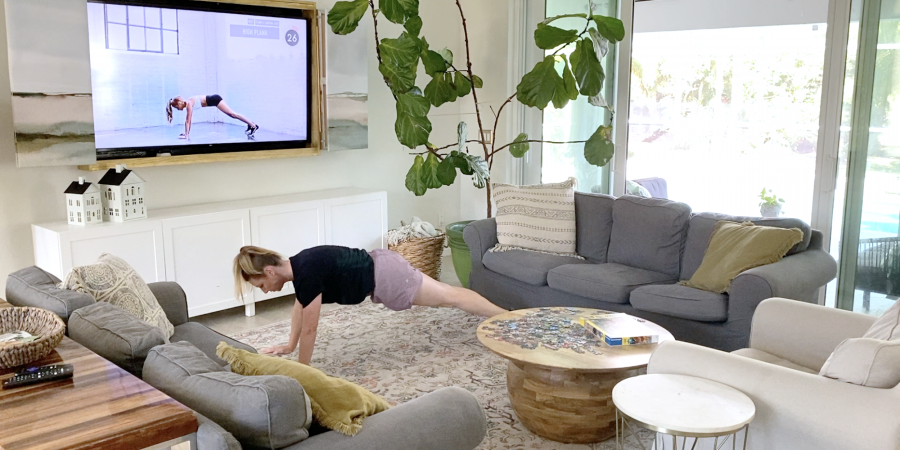
Walk for 30 minutes. After a five-minute warm-up at an easy pace, alternate between two minutes of brisk walking and two minutes of comfortable walking. Repeat this pattern until you reach the 25-minute mark, then cool down with five minutes of easy walking. These intervals boost your heart rate and increase calorie burn without requiring sustained high-intensity effort.
Day 11 - Rest or Gentle Movement

Your second rest day of the plan. Use it wisely. Gentle stretching, foam rolling, or a slow walk of 10 minutes or less is fine. Your body needs this recovery time especially as you start increasing intensity.
Day 12 - 30 Minutes Steady Brisk

Walk for 30 minutes at a brisk pace for the entire walk (after a brief warm-up). Brisk walking typically means 3 to 3.5 miles per hour, but do not worry about exact speed. The talk test is your best guide - you can talk but you would rather not sing. This is the pace that research links most strongly to weight loss and cardiovascular improvement.
Day 13 - 30 Minutes With Hills

Walk for 30 minutes on a route that includes some incline. Hills naturally increase your effort level, engage your glutes and hamstrings more than flat walking, and boost calorie burn significantly. If you do not have hills nearby, use a treadmill with a 2 to 4 percent incline, or find a parking garage and walk the ramps. Slow your pace on the uphills as needed. The incline is doing the work.
Day 14 - 35 Minutes at Your Choice

Walk for 35 minutes. You choose the pace and the route. This is about building your longest walk yet while also giving you ownership of the process. Some people prefer a steady moderate pace. Others prefer intervals. Some want hills. Choose what felt best this week and do more of it.
Week 2 Summary

Total walking days: 6 (with 1 rest day). Total walking time: approximately 175 minutes. Average daily walk: about 29 minutes. You have increased your walking time by over 50 percent from week one and introduced pace variation and incline. Your cardiovascular fitness is noticeably improving.
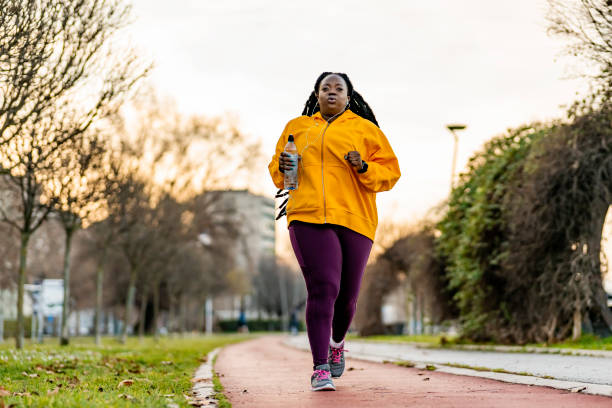
Week 3 - Adding Intensity and Variety (Days 15 through 21)
By week three, you are a walker. The habit is forming, your endurance has grown, and your body is ready for more challenge. This week introduces longer walks, more structured intervals, and some strength elements that amplify your results.
Day 15 - 35 Minutes With Power Intervals
Walk for 35 minutes. After a five-minute warm-up, do one minute of your fastest sustainable walking pace followed by two minutes of moderate recovery pace. Repeat this pattern for 25 minutes, then cool down for five minutes. These power intervals are where significant calorie burn happens because your heart rate spikes during the fast portions and stays elevated during recovery.
Day 16 - 35 Minutes Steady With Arm Movement

Walk for 35 minutes at a brisk, steady pace. Add intentional arm movement - pump your arms in a controlled, 90-degree angle motion as you walk. This turns your walk into a full-body exercise by engaging your upper body, core, and increasing your overall calorie burn by 5 to 10 percent. It also naturally increases your walking speed without feeling like you are pushing harder with your legs.
Day 17 - 40 Minutes Easy Pace
Walk for 40 minutes at a comfortable, easy pace. This is a recovery-paced walk with a longer duration. The purpose is to build endurance and burn calories through duration rather than intensity. Put on a podcast, call a friend, or just enjoy being outside. Not every walk needs to be hard to be effective.
Day 18 - Rest Day

Full rest or very gentle activity. At this point in the program, rest days are essential for preventing overuse injuries and allowing your muscles, joints, and connective tissue to adapt to the increased demands you are placing on them. Use this day to stretch, take a bath, or do some gentle yoga.
Day 19 - 35 Minutes With Walking Lunges
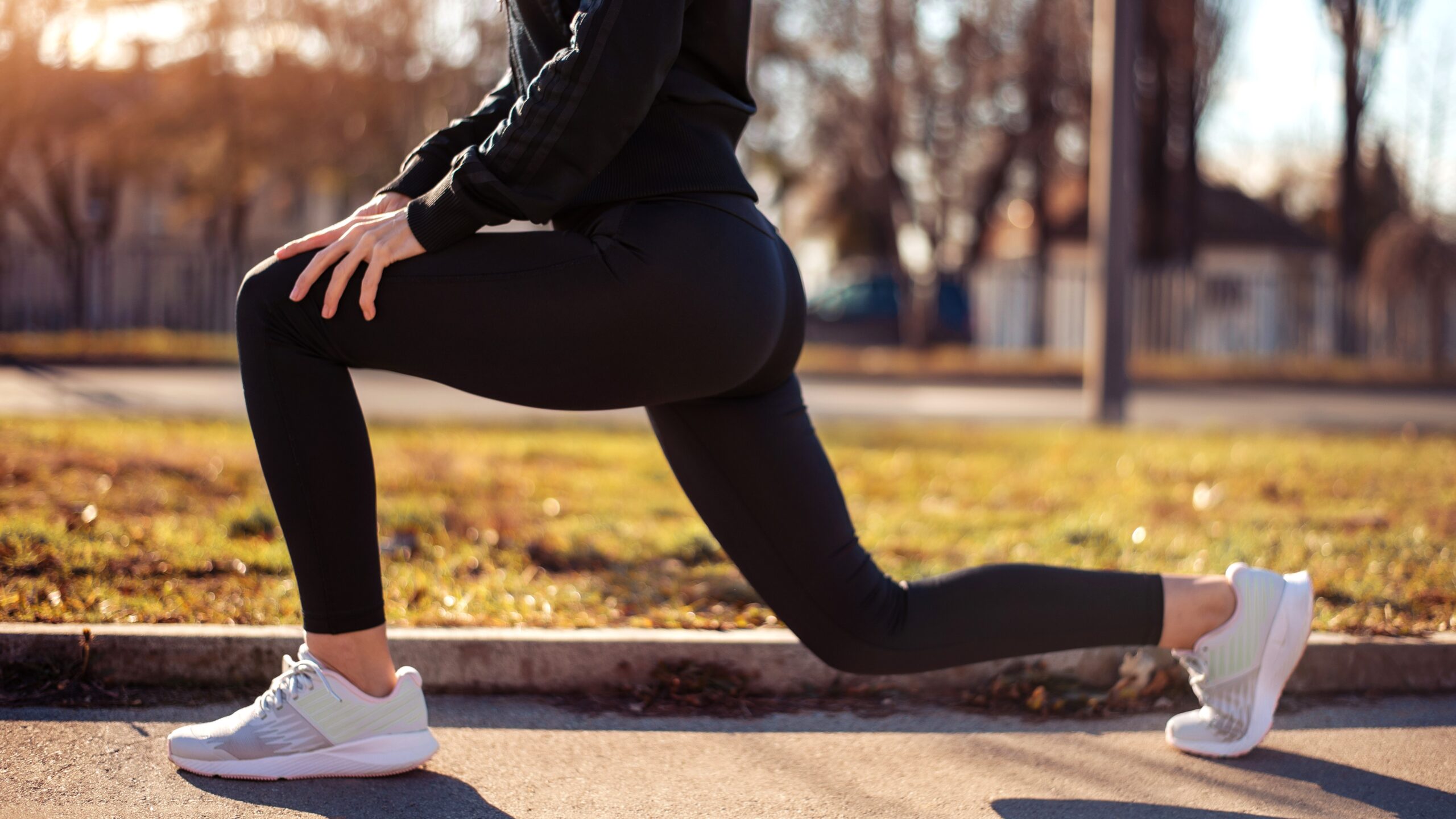
Walk for 35 minutes at a brisk pace. At the 10-minute mark and again at the 20-minute mark, stop and do 10 walking lunges (5 per leg). If lunges are uncomfortable for your knees, substitute 30 seconds of marching in place with high knees. Adding these brief strength bursts to your walk increases muscle engagement and boosts your metabolic rate for hours after your walk ends.
Day 20 - 40 Minutes With Hills

Walk for 40 minutes on your hilliest available route. By now, hills that felt challenging in week two should feel more manageable. Push yourself to maintain a brisker pace on the inclines than you did last week. Your legs are stronger, your heart is more efficient, and you can handle more.
Day 21 - 45 Minutes at Your Pace

Walk for 45 minutes. This is your longest walk yet and a milestone worth celebrating. Choose your pace and route based on how your body feels. If you are energized, make it a brisk, challenging walk. If you are tired from the week, keep it moderate and steady. Either way, 45 minutes of walking is an incredible achievement and a major jump from where you started.
Week 3 Summary
Total walking days: 6 (with 1 rest day). Total walking time: approximately 230 minutes. Average daily walk: about 38 minutes. You are now walking nearly double your week-one average and incorporating intensity techniques that significantly boost calorie burn. Most people notice tangible changes in their energy levels, sleep quality, and how their clothes fit by this point.
Week 4 - Pushing Your Limits (Days 22 through 30)

The final week is nine days instead of seven, giving you a full 30-day experience. This week challenges you with your longest walks, your most structured intervals, and culminates in a walk that would have seemed impossible on day one. You are ready for this.
Day 22 - 40 Minutes Power Walk

Walk for 40 minutes at the briskest pace you can sustain for the full duration. This is not a sprint. This is your fastest comfortable walking pace maintained consistently. Focus on posture, arm swing, and heel-to-toe foot placement. A sustained power walk at this duration burns significant calories and builds serious cardiovascular endurance.
Day 23 - 40 Minutes Pyramid Intervals
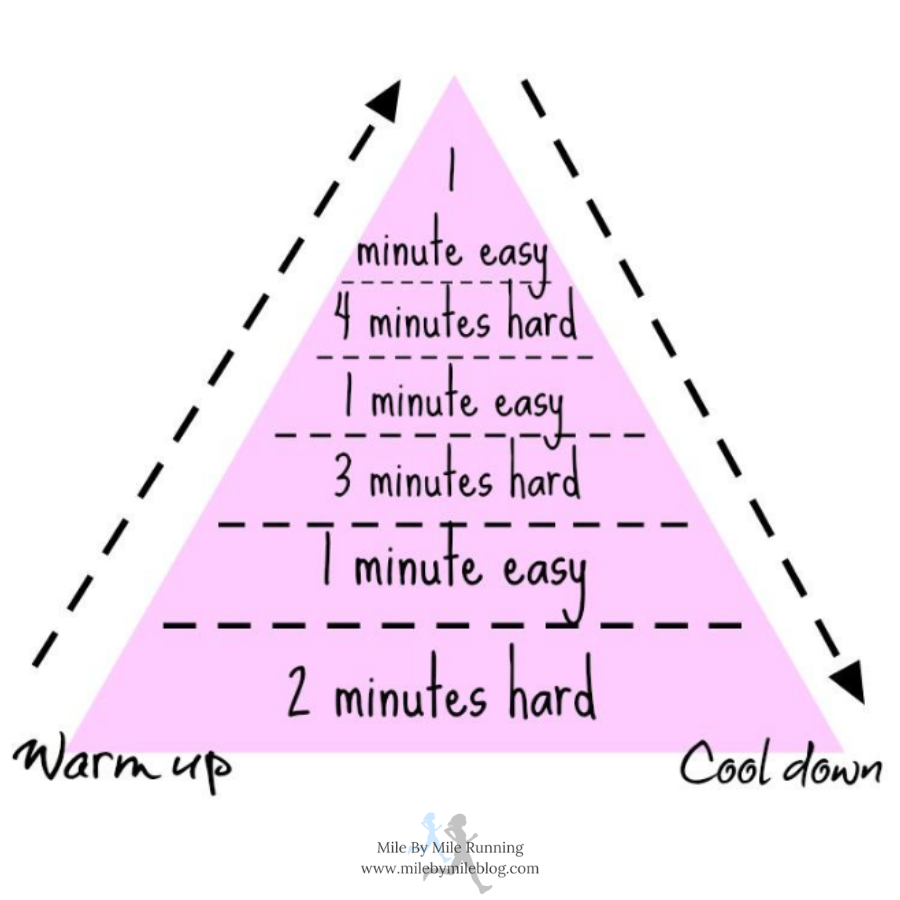
Walk for 40 minutes using pyramid intervals. After a five-minute warm-up, walk fast for one minute, recover for one minute, walk fast for two minutes, recover for one minute, walk fast for three minutes, recover for two minutes, then work back down - fast for two minutes, recover for one minute, fast for one minute, recover for one minute. Repeat the pyramid if time allows, then cool down. Pyramids prevent boredom and push your cardiovascular system in a progressive, manageable way.
Day 24 - 45 Minutes Steady

Walk for 45 minutes at a moderate to brisk pace. This is a workhorse walk - not your hardest, not your easiest, just solid consistent effort. These steady-state walks are the backbone of any walking program and are responsible for the majority of your cumulative calorie burn over 30 days.
Day 25 - Rest Day
Your final scheduled rest day. You have earned it. Stretch, foam roll, hydrate, and mentally prepare for the final push. Look back at your tracking log and appreciate how far you have come. Your day-one baseline probably feels laughable now, and that is exactly the point.
Day 26 - 45 Minutes With Strength Stops
Walk for 45 minutes at a brisk pace. At the 15 and 30-minute marks, stop and do a mini strength circuit: 10 squats, 10 calf raises, and a 20-second wall sit (use a bench, tree, or wall). These strength additions build the muscles that support your walking form and increase your resting metabolic rate, meaning you burn more calories even when you are not walking.
Day 27 - 50 Minutes Easy Exploration

Walk for 50 minutes at an easy, enjoyable pace on a route you have never tried before or rarely use. A new environment stimulates your brain, makes the time fly, and reminds you that walking is not just exercise - it is a way to explore and enjoy the world around you. This is your longest walk yet, and the easy pace makes it achievable and pleasant.
Day 28 - 45 Minutes With Maximum Intervals

Walk for 45 minutes. After a five-minute warm-up, alternate between 90 seconds of your absolute fastest walking pace and 90 seconds of recovery. This 1:1 interval ratio is demanding and incredibly effective for calorie burn and cardiovascular improvement. Continue this pattern for 35 minutes, then cool down for five minutes. Your fastest walking pace by day 28 is significantly faster than your fastest pace on day 10, which shows real fitness improvement.
Day 29 - 50 Minutes Moderate Steady
Walk for 50 minutes at a moderate, steady pace. This walk is about endurance and reflection. Think about how far you have come, how much stronger you feel, and what you want your walking practice to look like going forward. This is not the end of your walking journey - it is the foundation for everything that comes next.
Day 30 - Your Celebration Walk (60 Minutes)
Walk for 60 minutes. One full hour. Choose your favorite route, your favorite pace, and your favorite playlist or podcast. This walk is a celebration of 30 days of commitment, consistency, and growth. Four weeks ago, you walked for 15 minutes. Today, you are walking for a full hour. That transformation is extraordinary, and it happened because you showed up day after day.
Week 4 Summary

Total walking days: 8 (with 1 rest day). Total walking time: approximately 410 minutes (6 hours and 50 minutes). Average daily walk: about 51 minutes. You are now a strong, consistent walker who can comfortably walk for an hour. Your cardiovascular fitness, endurance, and calorie-burning capacity have transformed.

Essential Gear for Comfortable Walking
Walking Shoes
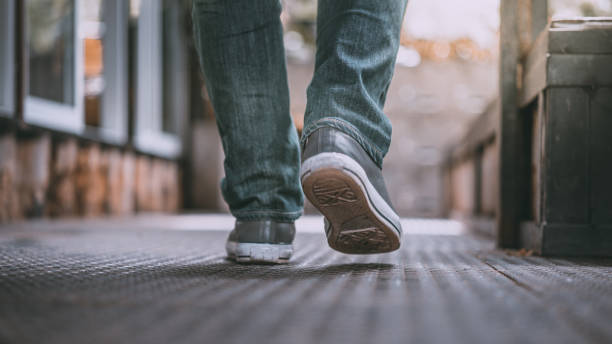
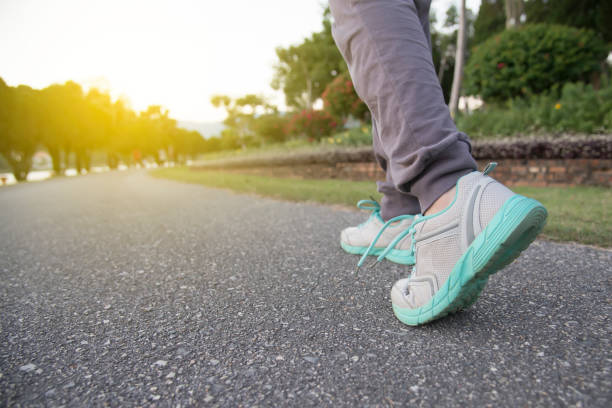
Your shoes are the single most important investment for a walking program. For plus-size walkers, proper footwear is even more critical because your feet support more weight with every step. Look for shoes with ample cushioning (especially in the heel and forefoot), a wide toe box that does not squeeze your toes, sturdy arch support, and a sole that provides good shock absorption.
The Nike Air Monarch IV is a classic walking shoe that comes in wide and extra-wide widths with excellent cushioning. For women who need maximum support, the Brooks Addiction Walker 2 is a podiatrist-recommended walking shoe available in wide widths that provides exceptional stability and motion control.
Replace your walking shoes every 300 to 500 miles, or roughly every three to six months of regular walking. Worn-out shoes lose their cushioning and support, which leads to foot, knee, and hip pain. If you notice aches that were not there before, your shoes might be the culprit.
Moisture-Wicking Clothing
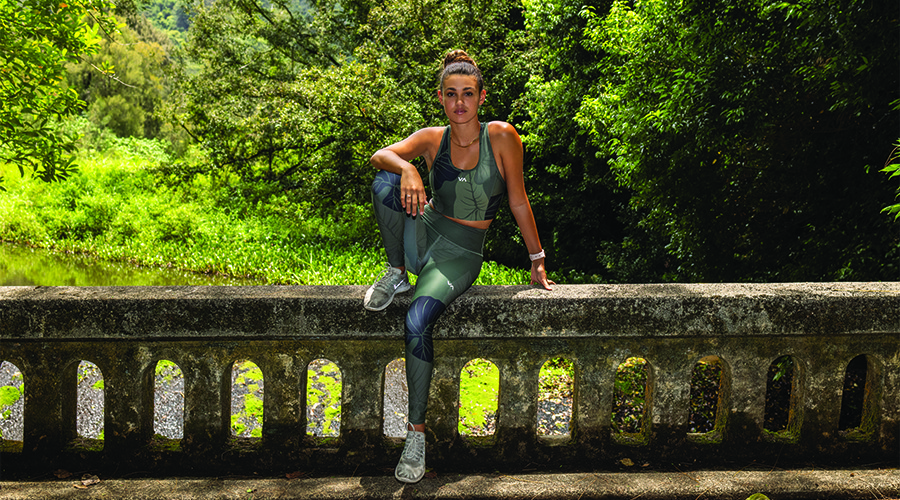
Cotton absorbs sweat and stays wet, which causes chafing, discomfort, and temperature regulation problems. Moisture-wicking fabrics pull sweat away from your skin and dry quickly, keeping you comfortable during longer walks. The plus-size moisture-wicking walking sets on Amazon are affordable and come in sizes up to 5X.
Anti-Chafe Products

Thigh chafing is real, it is painful, and it can derail your walking plan faster than anything else. Prevention is simple. Apply an anti-chafe balm or cream to your inner thighs, under your arms, and anywhere skin rubs together before every walk. Products like Body Glide or Megababe Thigh Rescue create a invisible barrier that prevents friction. Some walkers also wear bike shorts or slip shorts under their walking clothes for additional protection.
A Supportive Sports Bra

Walking creates repetitive motion that can be uncomfortable without proper breast support, especially for larger cup sizes. A high-impact sports bra is not necessary for walking - a medium-support encapsulation bra that separates and supports each breast individually tends to be more comfortable than a compression style. The All in Motion sports bras at Target offer excellent support in extended sizes at an accessible price point.
A Water Bottle

Hydration during walks longer than 20 minutes matters, especially in warm weather. A handheld water bottle or a waist-mounted hydration belt keeps water accessible without interrupting your stride. Aim for 8 ounces of water every 20 minutes during your walk, and more in heat or humidity.
Nutrition Tips to Maximize Your Walking Results
Fuel Before Your Walk

Walking on a completely empty stomach can leave you lightheaded and low-energy, while walking on a full stomach causes cramps and discomfort. The sweet spot is a small snack 30 to 60 minutes before your walk - something with simple carbohydrates and a little protein. A banana with a tablespoon of peanut butter, a small handful of trail mix, or a piece of toast with avocado gives you enough energy to power through your walk without weighing you down.
Recover After Your Walk
Eat a balanced meal or snack within an hour of finishing your walk. This helps your muscles recover and prevents the ravenous hunger that leads to overeating later. Include protein (to repair muscles), complex carbohydrates (to replenish energy stores), and some healthy fat (to keep you satisfied). A Greek yogurt parfait with fruit and granola, a turkey and avocado wrap, or a smoothie with protein powder, banana, and spinach are all excellent post-walk options.
Focus on Whole Foods
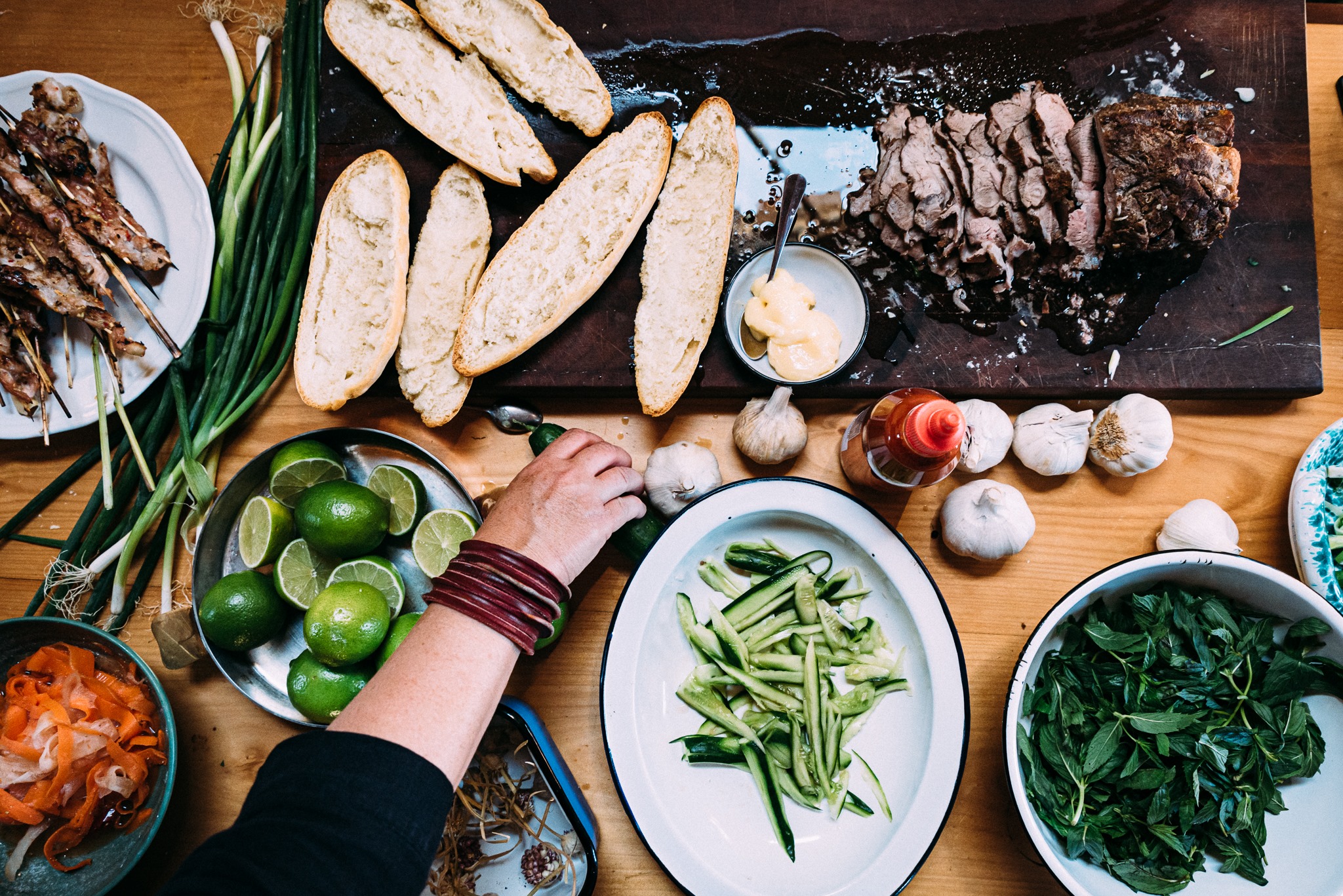
You do not need to follow a strict diet to see results from your walking plan. Focus on eating more whole, minimally processed foods - vegetables, fruits, lean proteins, whole grains, and healthy fats - and less of the processed, high-sugar, high-sodium foods that make up the modern diet. Small, sustainable nutrition improvements paired with consistent walking produce better long-term results than any crash diet.
Stay Hydrated All Day

Hydration affects everything from your energy levels to your appetite to your walking performance. Aim for half your body weight in ounces of water per day, plus additional water during and after your walks. If plain water bores you, add sliced fruit, cucumber, or a splash of lemon juice. Herbal teas count toward your water intake too.
Do Not Eat Back All Your Calories
One common mistake is using exercise as an excuse to eat significantly more. Walking burns real calories - a 200-pound woman walking briskly for 45 minutes burns approximately 300 to 350 calories. But that does not mean you should add 350 calories to your daily intake. A small post-walk snack is fine. Rewarding every walk with a large treat undermines your calorie deficit and stalls weight loss. This is not about deprivation - it is about awareness.

Troubleshooting Common Walking Challenges
Shin Splints
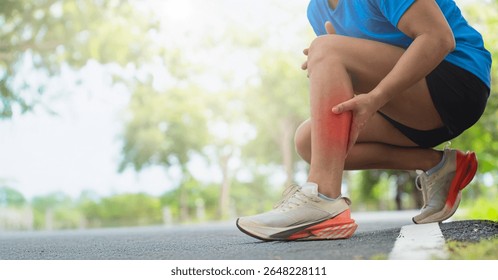
Pain along the front of your lower leg during or after walking is usually shin splints, caused by doing too much too soon, worn-out shoes, or walking on hard surfaces. Treatment includes rest, ice for 15 minutes several times a day, and stretching your calves. Prevention means increasing your walking time gradually (this plan is designed with that in mind), wearing proper shoes, and walking on softer surfaces like tracks or trails when possible.
Knee Pain
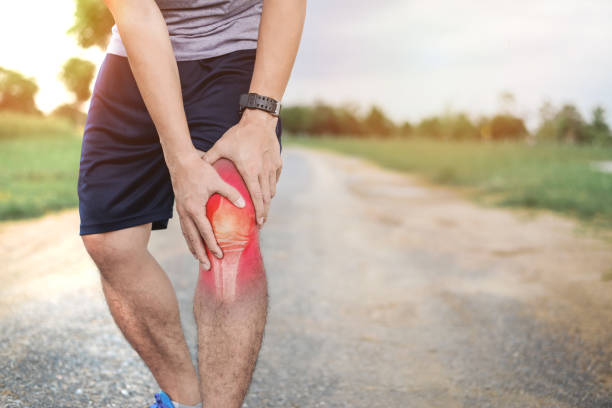
If your knees hurt during or after walking, check your shoes first - worn-out or unsupportive shoes are the most common culprit. Second, check your walking form - taking too-long strides puts extra stress on your knees. Shorter, quicker steps are easier on your joints. Third, consider your route - constant downhill walking is harder on knees than flat or uphill walking. If knee pain persists, a knee support sleeve can provide compression and stability during walks.
Boredom

Walking the same route at the same time every day gets monotonous. Combat boredom by rotating routes, listening to podcasts, audiobooks, or music, walking with a friend or family member, joining a walking group, or using a walking app that gamifies your routes. Some walkers track their cumulative miles and plot them on a virtual journey - like walking the equivalent distance from one city to another.
Weather

Bad weather is the most common excuse for skipping walks. Have an indoor backup plan ready at all times. A treadmill, a large store or mall, an indoor track, or even walking in place at home while watching TV are all valid alternatives. You do not lose progress because you walked indoors instead of outdoors. You lose progress by not walking at all.
Time Constraints

On days when you genuinely cannot fit in the full walk, do a shorter version rather than skipping entirely. Even a 10-minute walk maintains your habit and provides real health benefits. Research shows that three 10-minute walks throughout the day provide similar health benefits to one continuous 30-minute walk. Split your walk into morning, lunch, and evening segments if that is what fits your schedule.
Lack of Motivation

Motivation is unreliable. It comes and goes depending on your mood, energy, sleep, and stress levels. Do not depend on motivation - depend on routine. Set out your walking clothes the night before. Put your shoes by the door. Tell someone your walking plan so they can check in on you. On the days you least want to walk, commit to just five minutes. Most of the time, once you start, you will keep going.
What Happens After Day 30
What You Can Expect to Have Achieved

After 30 days of consistent walking, most people experience measurable changes. These typically include weight loss of 3 to 8 pounds (depending on starting weight and nutrition), reduced waist circumference, improved cardiovascular endurance, better sleep quality, higher daily energy levels, improved mood and reduced stress, and better blood pressure and blood sugar numbers. Your body has adapted to regular movement, and it now expects and craves it.
Keep the Momentum Going
Day 30 is not a finish line - it is a launching pad. You have built a walking habit, and now you get to decide what to do with it. You have several options for continuing your progress. You can repeat the plan with increased baseline times, starting at 25 minutes instead of 15 and scaling up from there. You can maintain your week-four walking schedule as your regular routine, walking 45 to 60 minutes most days. You can add other forms of exercise alongside your walking, like strength training, swimming, or yoga. Or you can train for a specific goal, like a 5K walk, a charity walk event, or hitting 10,000 steps daily.
Beyond the Scale
Weight loss may have been your initial motivation, and that is completely valid. But after 30 days, many women discover that the non-scale benefits of walking are even more valuable. The mental clarity, the stress relief, the quiet time with your own thoughts, the sense of accomplishment, the physical strength, the improved sleep - these benefits last long after you reach any number on the scale. Walking changes your body, but it also changes your relationship with movement. And that relationship is worth more than any number.
The fitness trackers with plus-size bands on Amazon can help you track your continued progress beyond the 30-day plan, monitoring steps, distance, heart rate, and calories burned throughout the day.
Key Takeaways
- Walking is one of the most effective and sustainable forms of exercise for weight loss, especially for plus-size women, because it is low impact, free, accessible, and produces real results when done consistently.
- This 30-day plan progressively builds from 15-minute walks to 60-minute walks, gradually increasing duration, pace, and intensity so your body adapts without injury or burnout.
- Proper gear - especially supportive walking shoes and moisture-wicking clothing - prevents pain, chafing, and discomfort that can derail your progress.
- Rest days are built into the plan because recovery is when your body gets stronger, and skipping rest leads to overuse injuries.
- Small, sustainable nutrition changes paired with consistent walking produce better long-term results than any extreme diet.
- After 30 days, most women experience 3 to 8 pounds of weight loss plus significant improvements in energy, sleep, mood, and cardiovascular fitness.
- Day 30 is a launching pad, not a finish line - use the habit you have built to keep walking, add new exercises, or train for specific goals.
Frequently Asked Questions
How many calories does walking burn for a plus-size woman?
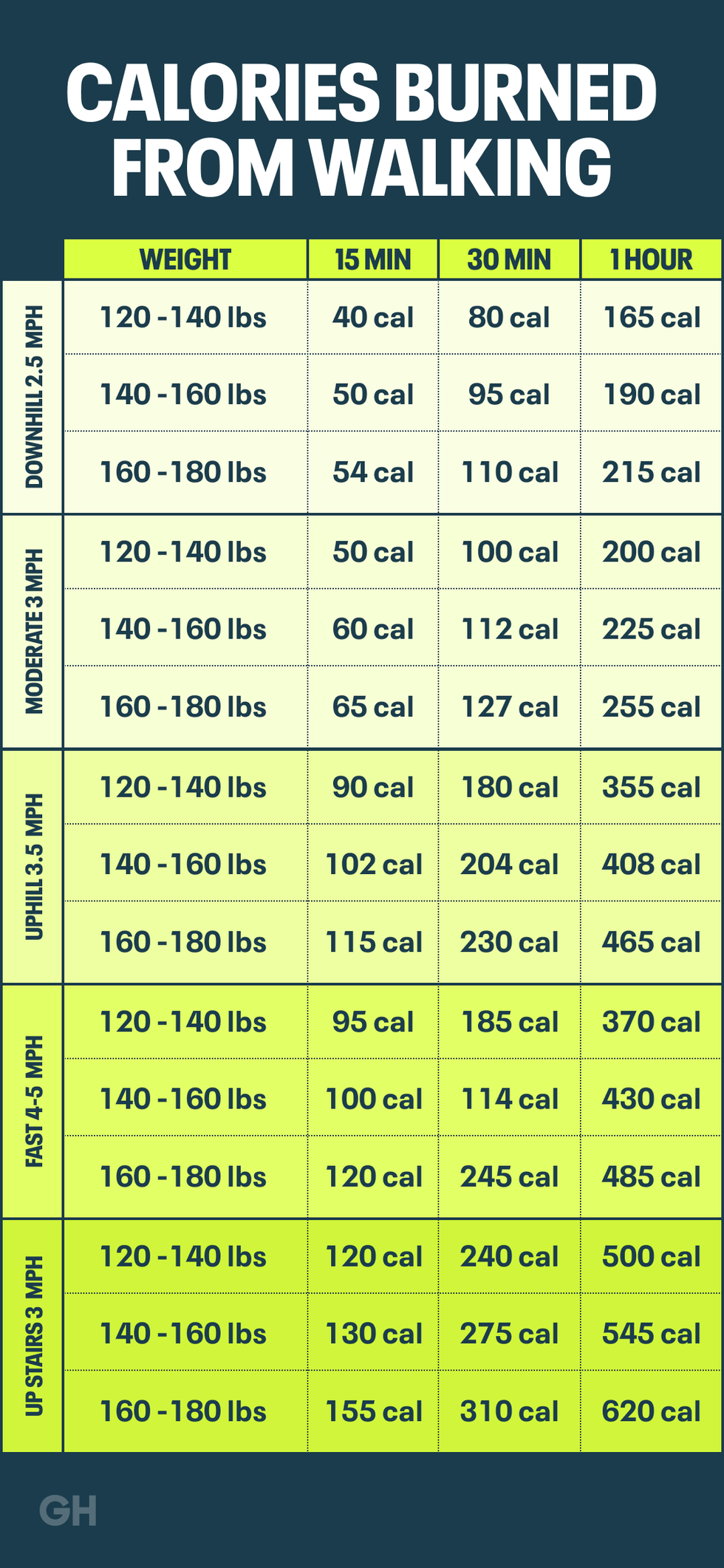
Calorie burn depends on your weight, walking speed, terrain, and duration. As a general estimate, a 200-pound woman walking at a brisk pace (3.5 mph) burns approximately 350 to 400 calories per hour. A 250-pound woman burns approximately 430 to 480 calories per hour at the same pace. Heavier bodies burn more calories during the same activity because they are moving more mass. Walking on hills or at faster speeds increases these numbers further. Over the course of this 30-day plan, total calorie burn from walking alone is approximately 7,000 to 12,000 calories, which translates to 2 to 3.5 pounds of fat loss from walking alone before accounting for any nutritional changes.
Can I walk every day or do I need rest days?
You can walk every day if your body feels good, but scheduled rest days are included in this plan for important reasons. Rest allows your muscles, joints, and connective tissue to recover and adapt. Without rest, you risk overuse injuries like shin splints, plantar fasciitis, and joint inflammation that could sideline you for weeks. If you feel great on rest days and want to move, keep it light - a gentle 10-minute stroll, some stretching, or easy yoga. Save your full-effort walks for the scheduled walking days.
Is walking enough for weight loss or do I need to diet too?
Walking alone can produce weight loss, especially if you were previously sedentary, because it creates a calorie deficit through increased activity. However, combining walking with mindful eating produces significantly better results. You do not need to follow a strict diet. Focus on eating more whole foods, watching portion sizes, staying hydrated, and reducing highly processed snacks and sugary drinks. The combination of regular walking and moderate nutritional improvements is the most sustainable and effective approach to lasting weight loss.
What if I miss a few days during the 30-day plan?
Missing days does not mean you failed or need to start over. Life happens - illness, bad weather, family emergencies, exhausting work days. If you miss one day, simply do that day’s walk tomorrow and shift the plan by one day. If you miss several days, go back to the last day you completed and pick up from there. The plan is designed to be flexible. Completing it in 35 or 40 calendar days still gives you the same progressive benefit as completing it in exactly 30. Consistency over time matters far more than perfection.
Should I walk on a treadmill or outside?
Both are effective. Outdoor walking offers natural terrain variation, fresh air, sunlight (which helps vitamin D production and mood), and changing scenery that reduces boredom. Treadmill walking offers climate control, consistent surfaces, precise speed and incline control, and convenience. The best choice is whichever one you will do consistently. Many successful walkers use both - outdoor walks when the weather cooperates and treadmill walks when it does not. If you primarily use a treadmill, set the incline to at least 1 percent to simulate the natural resistance of outdoor walking.