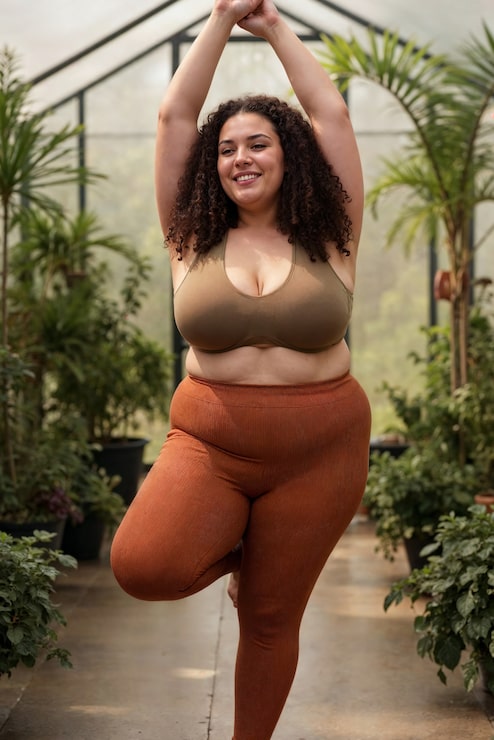
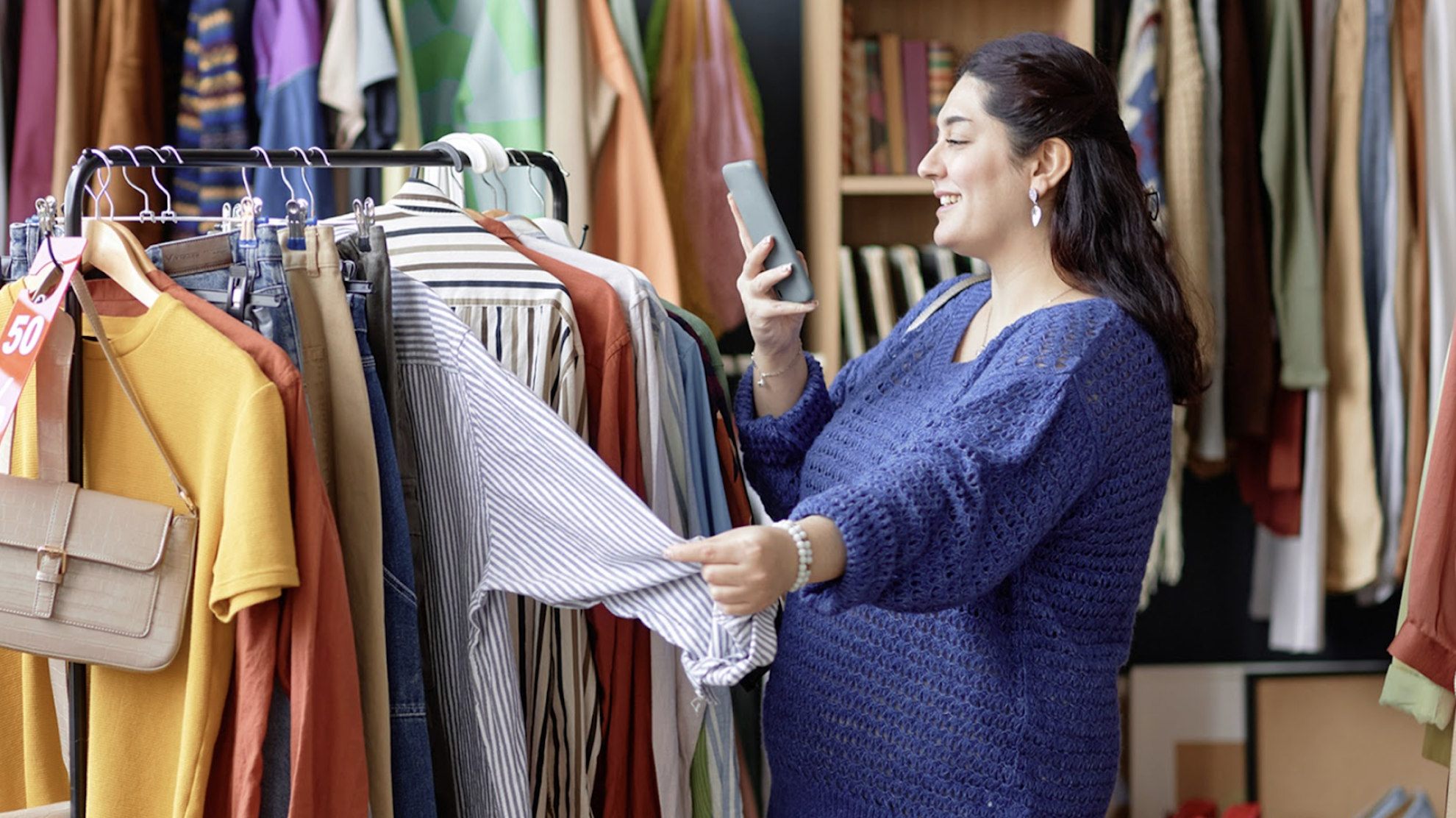
The mall on a Saturday afternoon has a rhythm you learn without meaning to. You know which anchor store to head for when you need a bra that actually fits, a work blazer that closes over your bust, a swimsuit before a trip. For a lot of women, that anchor was JCPenney - the reliable one with a real plus-size section, fitting rooms with good light, and prices that did not make you flinch. So when the news started rolling in that some of those stores were closing, it landed as more than a headline. It felt like losing a place that had your measurements memorized.
Here is the honest version of what is happening, and then the part that actually matters: where to shop now.
What Is Actually Going On With JCPenney
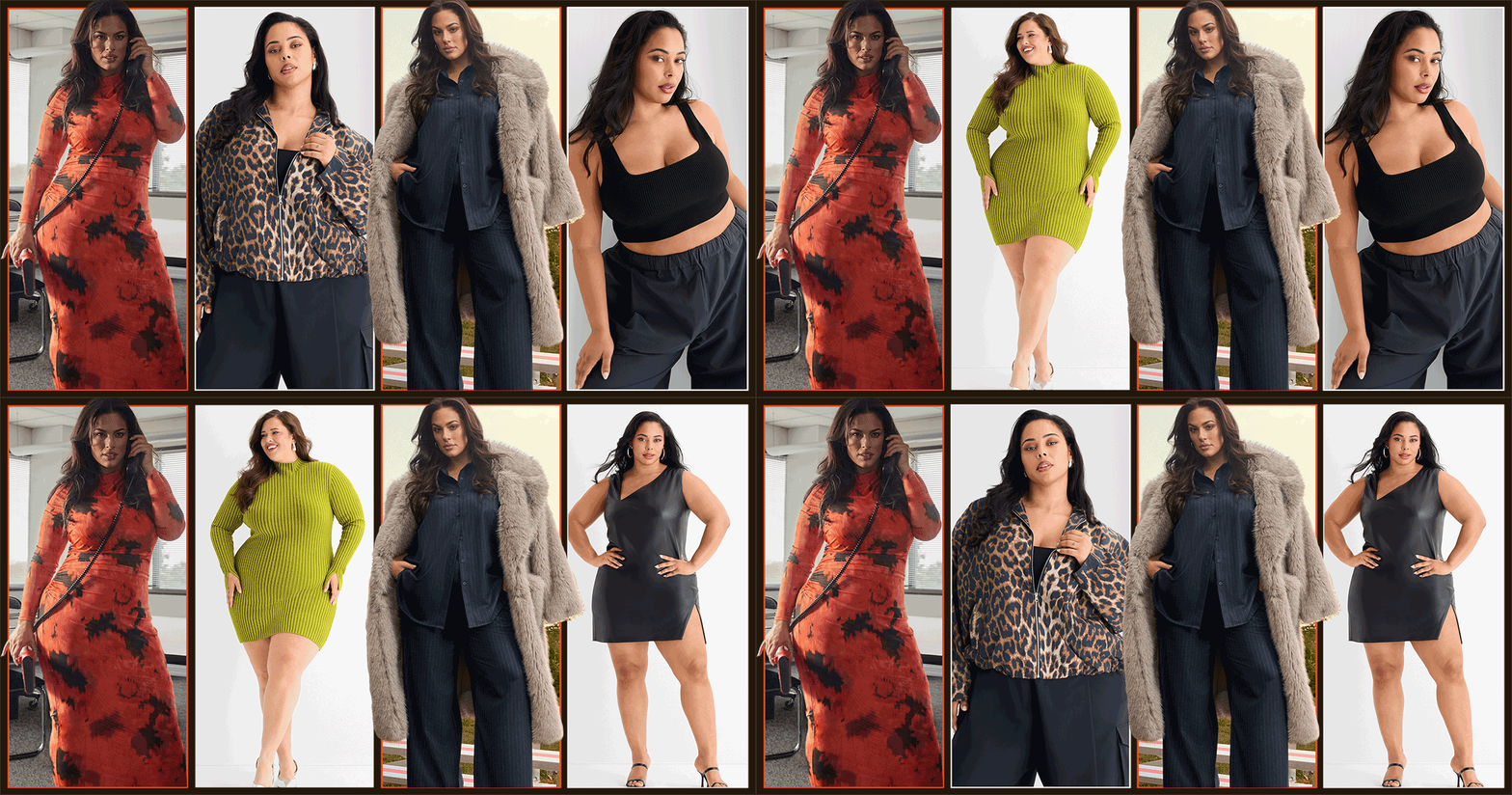
Let us separate the noise from the facts, because the internet loves a “the end of an era” story and this is not quite that.
JCPenney is closing some stores, but it is not going dark. In 2025 the chain shuttered a small handful of locations - reporting at the time counted roughly eight stores across eight states, which worked out to less than two percent of its footprint. Into 2026, a few more have closed their doors, including locations in California, Virginia, and Florida, some of them after decades in the same shopping center. There was also a larger real-estate deal involving a portfolio of stores that reportedly fell apart late last year, which kept the chain in the closure headlines.
But the scale is worth keeping in perspective. As of the middle of 2026, JCPenney still operated somewhere north of 640 stores across all fifty states, and the company has said it does not have plans to dramatically shrink that number. So if your local one is still open, it is very possibly staying open. Check the store locator before you assume anything, because a lot of the panic online is stitched together from old lists and recycled headlines rather than a fresh announcement.
The takeaway is calm, not catastrophic. Some doors are closing. Many more are not. And either way, the smart move is the same one savvy shoppers always make - never rely on a single store to dress you. Spread your options around, know who does what well, and you are covered no matter which sign comes down. So let us build that map.
The Trend-Forward Names: Torrid, Lane Bryant, and Eloquii
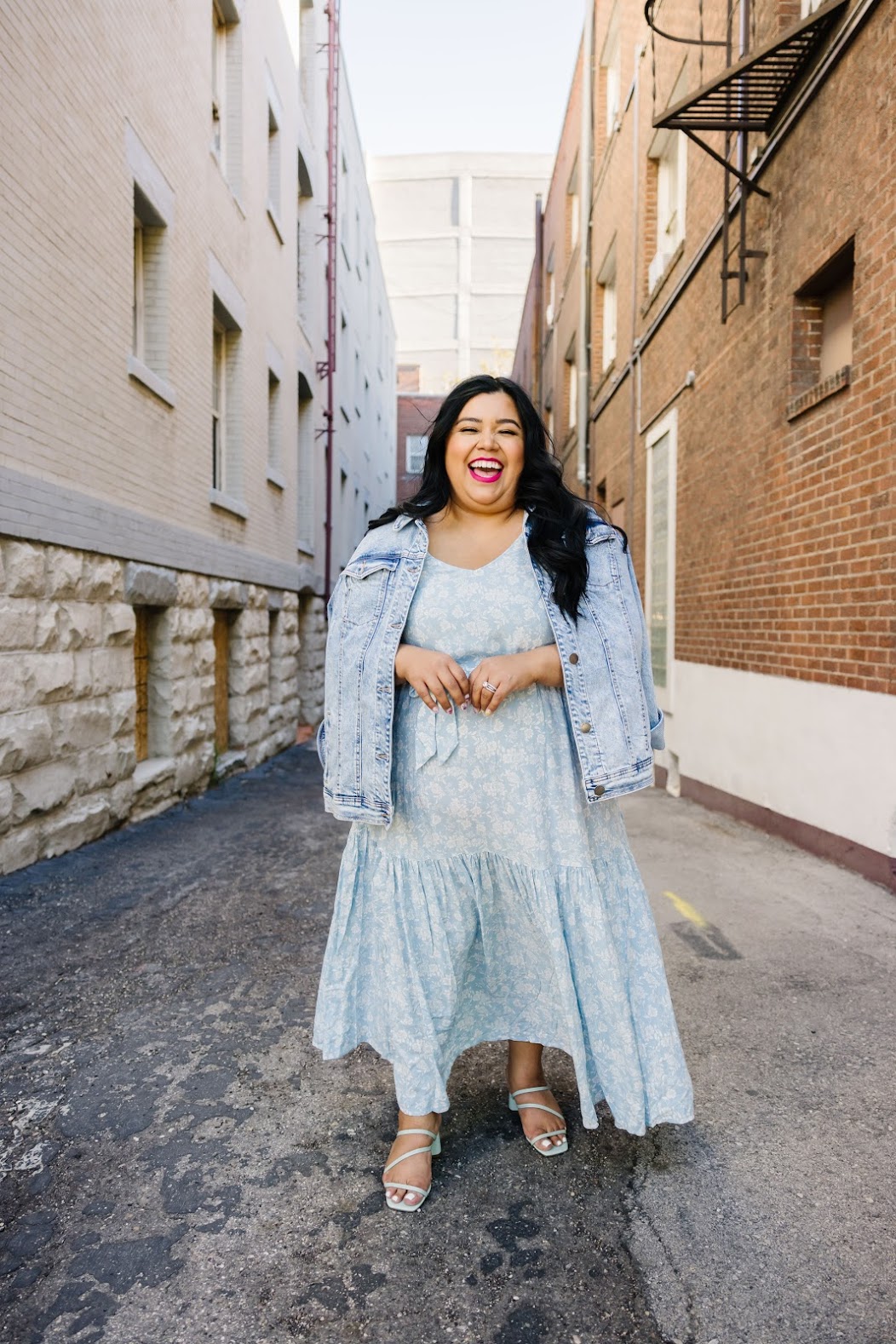
Start with the brands built for curves from the first sketch, not scaled up as an afterthought.
Torrid is the one to know if your closet leans bold. This is a plus-focused specialty retailer, generally running roughly sizes 10 through 30, and it leans into fashion rather than playing it safe. Think going-out tops, faux-leather leggings, statement dresses, and a genuinely strong lingerie and bra program with extended band and cup sizes. Torrid also nails the stuff that is hard to find cut well for fuller figures, like jumpsuits and fitted denim. Prices sit in the mid range - not fast-fashion cheap, but frequent sales and a rewards program make it friendlier than the tags suggest. Come here when you want to feel a little bit dangerous.
Lane Bryant is the seasoned veteran, and for a lot of women it is the emotional replacement for that department-store plus section. It carries a broad range across everyday basics, workwear, and one of the most trusted bra fitting experiences in plus retail - the Cacique line inside Lane Bryant is a genuine reason to visit. If you need well-made trousers that fit through the hip and thigh, wrap dresses that photograph well, and bras you can actually get sized for, this is a first stop. It skews slightly more classic and grown than Torrid, which is exactly what many shoppers want.
Eloquii deserves a spot for the woman who dresses for a life with meetings, weddings, and dinners out. It built its name on elevated, on-trend plus fashion - sharp blazers, occasion dresses, prints that feel current rather than “plus-size safe.” Sizes generally run from around 14 upward. It has changed corporate hands over the years and now sits under a plus-focused fashion group, but the design point of view has stayed consistent: clothes that look like they cost more than they do. Save it for when you need to show up looking deliberate.
The Everyday Workhorses: Old Navy, Target, and Walmart
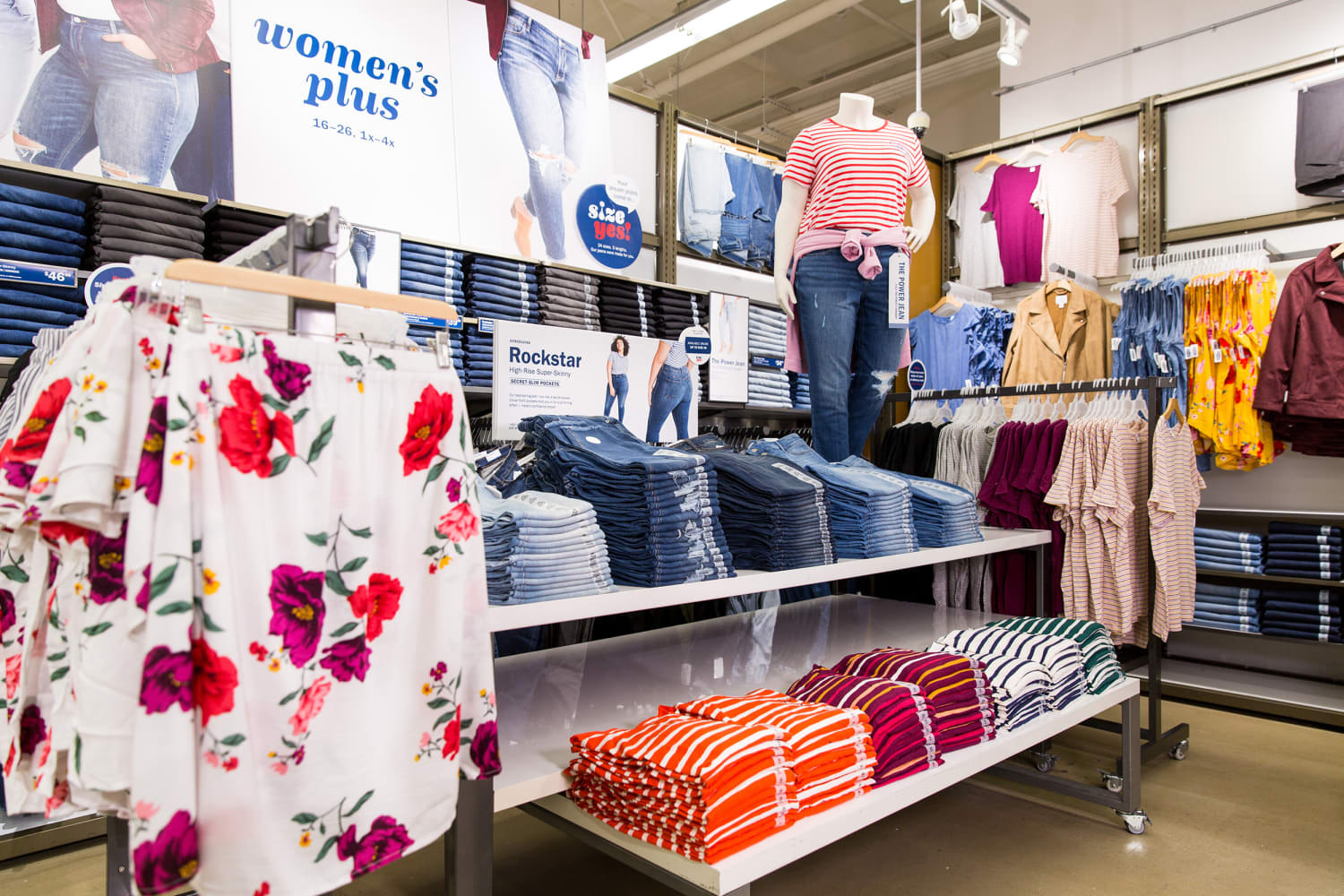
Not every shopping trip is an event. Most of them are leggings, tees, a cardigan, something for the kids, and getting out the door. This is where the big-box and mass names quietly earn their keep - and their extended sizing has gotten dramatically better.
Old Navy made real news a few years back when it committed to size inclusivity across its women’s line, offering an extended range online and mannequins in multiple body shapes in stores. For curvy shoppers this matters because Old Navy is where you stock the basics without overthinking - active leggings, denim in a range of rises, cozy sweaters, and kids’ and family pieces in the same trip. The fit runs generous and the prices are low enough that refreshing your basics twice a year does not sting. This is your foundation-layer store.
Target keeps its plus offering under names worth learning. Ava & Viv is the in-house plus-size line, and it covers the sweet spot of casual dresses, tees, denim, and loungewear at approachable prices, generally in an extended plus range. Target also stocks other size-inclusive brands and swim lines, so it is a strong one-stop for a cart that mixes clothing with everything else you needed anyway. Come here for cute, easy, and affordable without a special trip.
Walmart is the underrated one, and its Terra & Sky line is the reason. Terra & Sky is Walmart’s dedicated plus label, typically running through the upper end of the plus range, and it delivers genuinely wearable basics - flowy tops, everyday dresses, jeans, and layering pieces - at some of the lowest prices anywhere. It will not give you a fashion moment, but for the pieces you wear until they wear out, it is hard to beat on value. Treat it as your restock button.
The Fit-First Splurge: Universal Standard
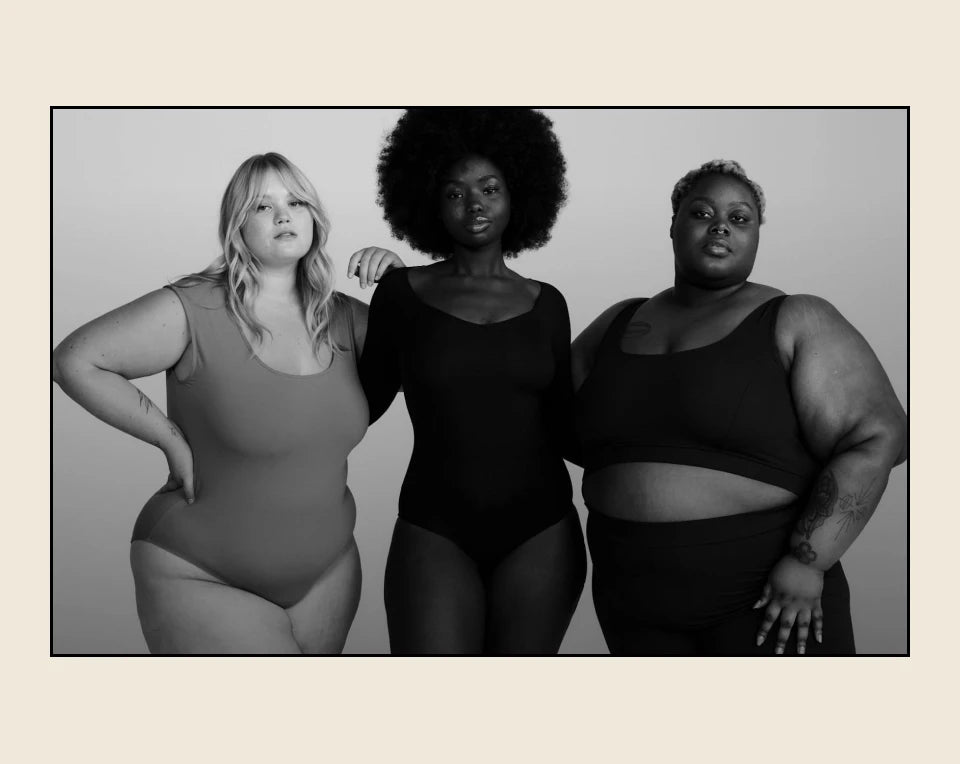
Some categories are worth spending a bit more on, and Universal Standard exists for exactly that shopper.
What makes this brand different is philosophical, not just practical. Universal Standard carries an unusually wide range - roughly sizes 00 through 40 - across its whole line, with no separate “plus” section tucked away in the back. A size 40 and a size 2 hang on the same rack at the same price. The brand is known for fit-testing its core garments across that full range rather than simply grading a small sample up, which is the reason its clothes tend to actually fit rather than merely come in your number.
Where it shines is elevated essentials: the perfect black trousers, a blazer that means business, tees and knits with a substantial hand, and denim cut to sit right on a curvy frame. It sits at a higher price point than the mass names, so this is not where you buy ten things - it is where you buy the two or three pieces you want to reach for constantly and have last. If you have been burned by clothes that fit in the store and betrayed you by lunch, this is the reset button. Build your capsule wardrobe here and fill in around it elsewhere.
The Department-Store and Big-Marketplace Route: Nordstrom, Kohl’s, ASOS Curve, and Amazon

If part of what you will miss about a department store is the sheer variety under one roof - many brands, many price points, one checkout - these options fill that gap in different ways.
Nordstrom is the elevated end of that experience. Its plus and extended-size assortment pulls together a wide swath of designer and contemporary labels, which means you can find occasion wear, quality denim, outerwear, and shoes without hunting brand by brand. Prices run higher, but the styling, the fabric quality, and the customer service (including generous returns) make it the place to go when the outfit matters and you would rather get it right once. It is also strong for the harder categories like coats and structured dresses. Bookmark it for the big moments.
Kohl’s is the mid-market all-rounder and a natural fit for anyone who liked the JCPenney formula. It carries a solid extended-size selection across a mix of its own labels and national brands, covers the whole family, and is famous for stacking sales and rewards that make already-reasonable prices genuinely low. It is a comfortable, unintimidating place to shop for real-life clothes, and many locations put the plus section front and center rather than hiding it. Think of it as the closest spiritual cousin to what you may be losing.
ASOS Curve is the online-first pick for the fashion-hungry, especially younger shoppers or anyone who wants trend-driven pieces in an extended plus range. The catalog is enormous, it moves fast with the trends, and it is a reliable source for event outfits, going-out looks, and of-the-moment silhouettes you will not find in a mall anchor. Because it is UK-based, give yourself a little grace on shipping timelines and check the size guide carefully. This is your play for looking current on a budget.
Amazon rounds it out as the utility player. It is not a curated boutique, but the breadth is unmatched - you can find plus basics, shapewear, swimwear, activewear, and specific hard-to-source items like extended-size bras or wide-calf boots, often with fast delivery and easy returns. The trick is to shop it deliberately: read the reviews, especially ones with photos from shoppers who list their measurements, and lean on brands that have earned a following rather than the cheapest unknown listing. Used well, it is the fastest way to solve a “I need this by Friday” problem.
Building a Wardrobe That Does Not Depend on One Store
Here is the quiet lesson underneath all of this. The reason a single store closing feels so destabilizing is that we let one place carry too much. When your bras, your work clothes, your swimsuit, and your everyday basics all come from the same anchor, that anchor becomes a single point of failure. Spread the load and no headline can rattle your closet.
A simple way to think about it: match the store to the job. Foundations and fit-critical pieces - bras, tailored trousers, the blazer you live in - are worth the trip to a fitting-focused name like Lane Bryant, or the splurge on Universal Standard. Everyday volume - leggings, tees, layering knits, family basics - belongs at Old Navy, Target’s Ava & Viv, or Walmart’s Terra & Sky, where the value lets you restock without guilt. Fashion and occasion moments go to Torrid, Eloquii, ASOS Curve, or Nordstrom depending on your vibe and budget. And Amazon stays in your back pocket for the specific, urgent, hard-to-find fixes.
Two more habits will save you real money and heartache. First, learn your measurements - bust, waist, hip, inseam - and keep them in your phone, because it makes online shopping across all these brands infinitely more accurate than guessing at a size number that means something different everywhere. Prices, by the way, shift constantly with sales and seasons, so treat any figure you see quoted as a rough estimate and time your bigger buys around clearance and rewards events. Second, when you find a garment that fits beautifully, note the brand and the exact style so you can rebuy it or find its siblings later.
Your Move This Weekend
Before you mourn anything, do the five-minute version of a plan. Pull up JCPenney’s store locator and confirm whether your location is actually one of the closing ones, because it may not be. Then pick two names from this list to try first - one workhorse for your basics and one fit-focused stop for the pieces that have to be right - and order or visit with your measurements in hand. Keep your receipts, take advantage of the free-return policies most of these retailers offer, and let the ones that fit your body and your budget earn a permanent spot in your rotation. A store closing its doors is not the end of dressing well as a curvy woman. It is just the nudge to build a smarter, sturdier map - one that belongs entirely to you.