
“The most powerful I have ever felt.” That is how one of Hollywood’s busiest women described her own life in the days before she turned 50, and it lands differently coming from an industry that has spent a century telling women their value drops the moment a candle gets added to the cake. Power, not panic. Confidence, not a countdown. It is a small phrase, but it rewrites a very old script - the one that says a woman should treat each birthday as something to survive rather than something to claim. Born in February 1974, the actress, producer, and director who built that phrase into a personal philosophy offers a working model of what it looks like to grow older on your own terms, in public, without flinching.
A Working Woman at 52, and Why That Matters
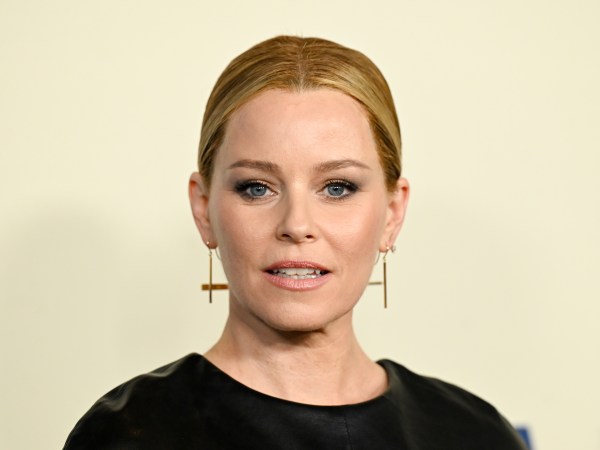
There is a version of Hollywood success that depends on staying frozen in time, and then there is the version that keeps moving. The second one is harder, riskier, and far more interesting to watch. At 52, the woman best known to millions as Effie Trinket in “The Hunger Games” films and as the deadpan a cappella commentator in the “Pitch Perfect” series is not coasting on past roles. She has spent the last decade quietly rearranging what her career even is.
Her directing resume tells that story plainly. She made her feature directorial debut with “Pitch Perfect 2” in 2015, and that film’s opening weekend set a record for a first-time director. She went on to direct “Charlie’s Angels” in 2019 and the horror-comedy “Cocaine Bear” in 2023. She runs Brownstone Productions, the company she co-founded in 2002 with her husband, Max Handelman, which gives her ownership over what gets made rather than only what she is cast in. In 2024 she starred in “Skincare,” a satirical thriller about a Los Angeles aesthetician unraveling in an industry built on the promise of staying young forever - a role she has openly said hit close to home.
Why does any of this matter to a reader who has never set foot on a film set? Because it is proof of a principle that applies far beyond Hollywood: a woman’s most productive, most authoritative, most expansive years do not have an expiration date stamped on them. The story of someone widening her ambitions in her late 40s and into her 50s is a quiet argument against the idea that life narrows as it goes. For every reader who has been told the door is closing, here is someone walking through a wider one.
Aging on Her Own Terms
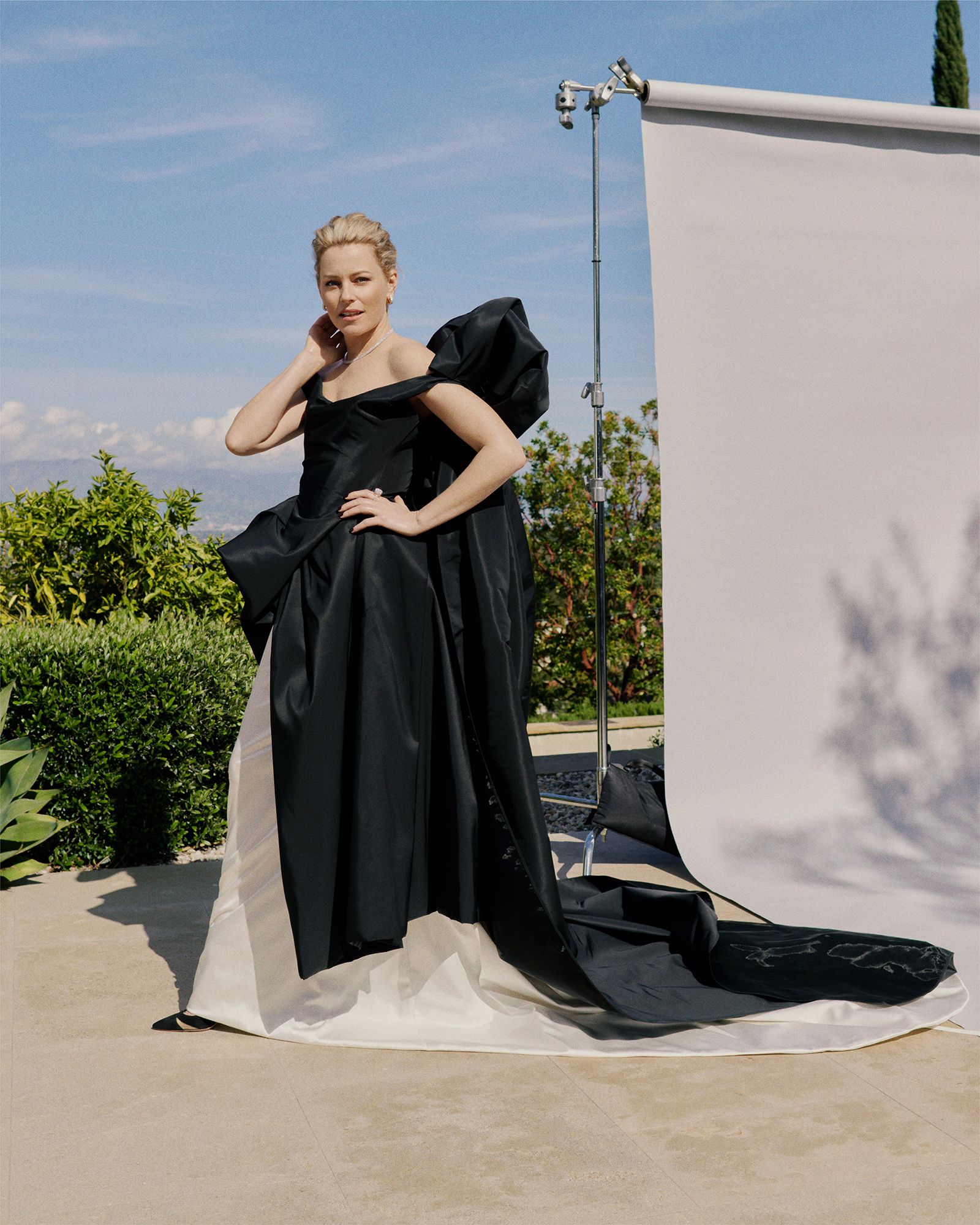
Speaking to Yahoo Life just before her 50th birthday, she did not offer the usual celebrity script about “embracing” age as if it were a chore. She mapped it. “In your 20s, you’re in the process of letting go of your childhood and your dependence on other people, like your parents and your bosses,” she explained. “I think in your 30s, many people make really big life decisions that have huge consequences.” The 40s, she said, are when “you really do start to settle in.” It is a generous way of looking at a life: each decade doing its own quiet work, none of them a decline.
What stands out is her refusal to let outside noise set the terms. “I’m aging in the public eye,” she told the outlet. “And so I just can’t allow everybody’s opinions or ideas about what I am or I’m not doing to infect me. I just have to do what makes the most sense for me, what feels right to me and what gives me the confidence to go out there.” She put the lesson even more bluntly: when it comes to aging in Hollywood, “you can’t win.” The math is rigged. Do nothing and you are letting yourself go. Do something and you are vain or insecure. Her response is to stop playing a game she cannot win and start playing one she can - the one where she decides what feels good and what does not.
That same clarity showed up in how she talked about the film “Skincare.” She has described relating to its central character, a woman working in a field “that prizes beauty and youth and what’s new above all else,” and to a broader cultural anxiety she sees taking hold. “We’re losing sight of the privilege and wisdom of aging,” she said in press interviews around the film, “in a time when our billionaires are going to sleep in, like, oxygen chambers or something.” Calling aging a privilege and a source of wisdom, rather than a problem to be solved, is the whole posture in a single sentence.
Style Evolution and Dressing With Confidence at Any Age
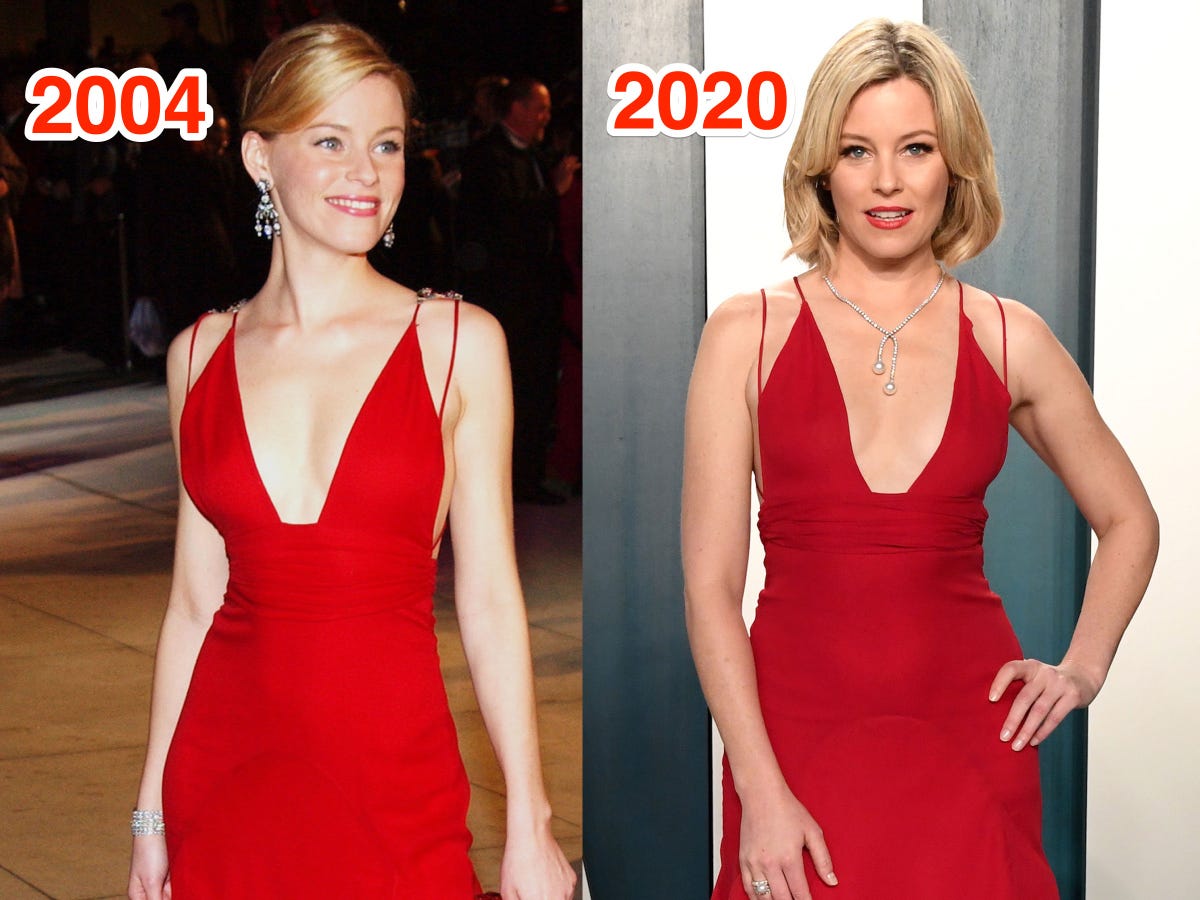
Style is where a woman’s relationship with her own age becomes visible, and it is also where so many get talked out of joy. There are unspoken rules everywhere about what is “appropriate” past a certain birthday - hemlines that supposedly should drop, colors that should mute, sparkle that should be handed off to someone younger. None of those rules were written by anyone who has your best interests at heart.
The more honest approach, and the one modeled by women who carry their age well, is that confidence is the actual garment. Everything else hangs off it. A red-carpet veteran who has spent decades being photographed learns this the hard way and then the freeing way: the looks that land are not the ones chasing the youngest trend in the room, they are the ones that fit the woman wearing them. Style maturing is not the same as style shrinking. It is editing. It is knowing which silhouettes make you stand taller, which colors wake up your face, which pieces you reach for because they feel like you and not like a costume borrowed from a decade you have already lived through.
For readers of every size, this is the part worth carrying home. Dressing with confidence has never been about a number on a tag or a number on a birth certificate. A body that has carried you through real life deserves clothes that celebrate it now, in this season, not clothes purchased as a hostage payment to some future “after.” The woman who dresses for the body and the age she actually has - rather than the one a magazine insists she should be chasing - is the one who walks into the room looking like she belongs there. Because she does.
Beauty Without Apology
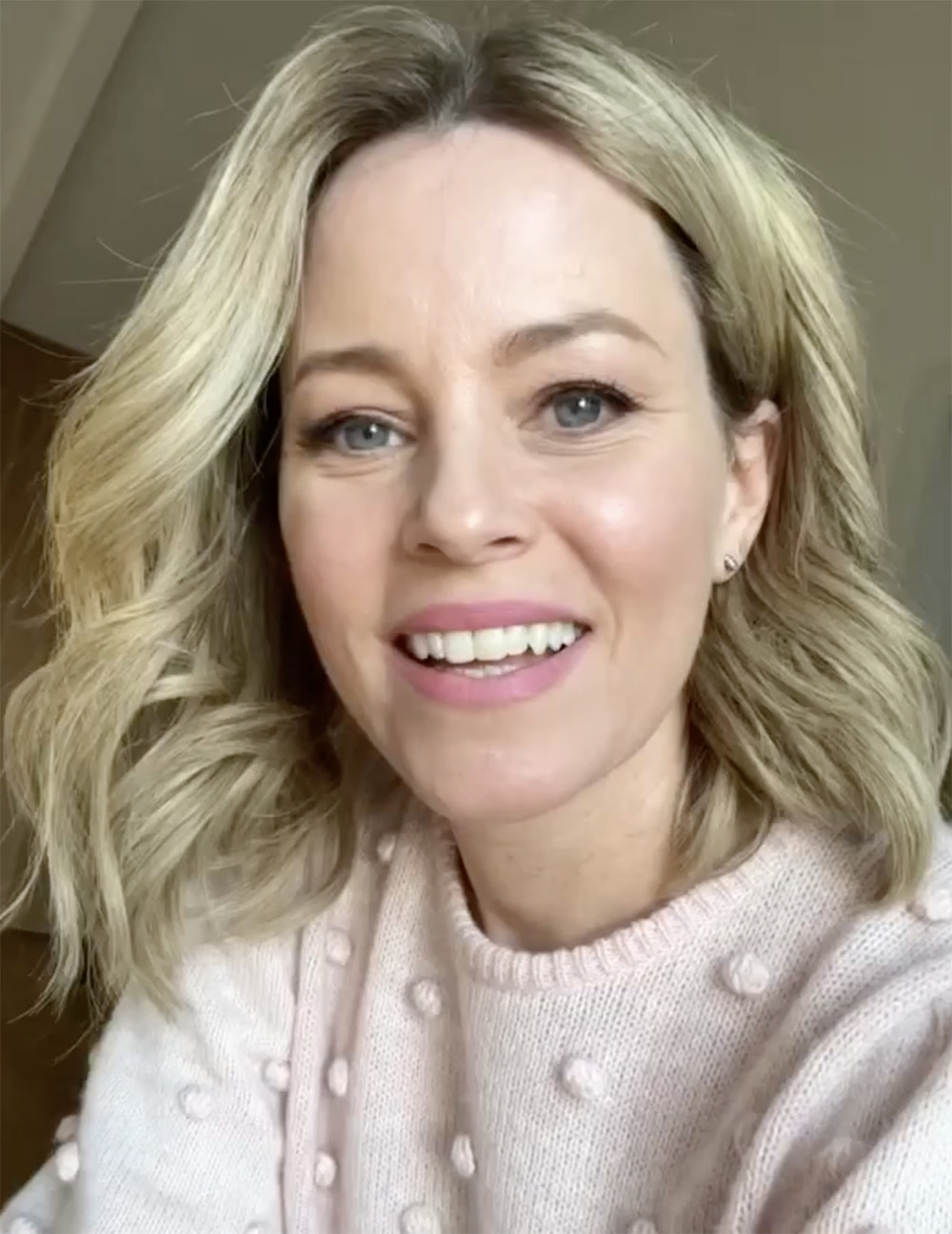
The pressure to erase every sign of a life lived is louder now than it has ever been, and she has named the machinery behind it directly. So much of the modern panic about aging, she has noted, is amplified online, where “everything can be filtered and everybody can be Botoxed, and everything can be filled.” The comparison is no longer against the woman next door. It is against a face that does not exist, assembled from filters and edits, presented as the new baseline. That is a fight nobody can win, because the opponent is fiction.
Her own stance refuses both extremes. She has been candid that she has not had cosmetic procedures so far, while also refusing to moralize about anyone who chooses differently. “I’m trying not to be judgmental of myself, of anything that I would do at any point from here on out, because I’ve never been this old before,” she has said. That is the part worth underlining. Beauty without apology does not mean drawing a hard line and judging the women on the other side of it. It means dropping the judgment entirely - of yourself first, and of everyone else by extension. There is no virtue in the procedure and no virtue in skipping it. The only thing that matters is whether the choice is yours, made for your reasons.
She has also reframed beauty as something that starts on the inside, describing her skin as “an external reflection of my internal wellness,” and has been open that her self-esteem and her mental health are connected. When she stops moving her body or getting outside, she has said, her mental health slips and “your self-esteem goes with it.” It is a refreshingly unglamorous truth from someone in a glamorous business: the glow people chase in a bottle often has more to do with sleep, sunlight, movement, and feeling like yourself than with anything you can buy. Her stated beauty routine is almost comically simple - “Wash your face, do the routine, pay attention to yourself.” The apology she has dropped is the one so many women carry without noticing: the quiet sense that the way they naturally look is a thing to be fixed.
Women, Ambition, and Reinvention
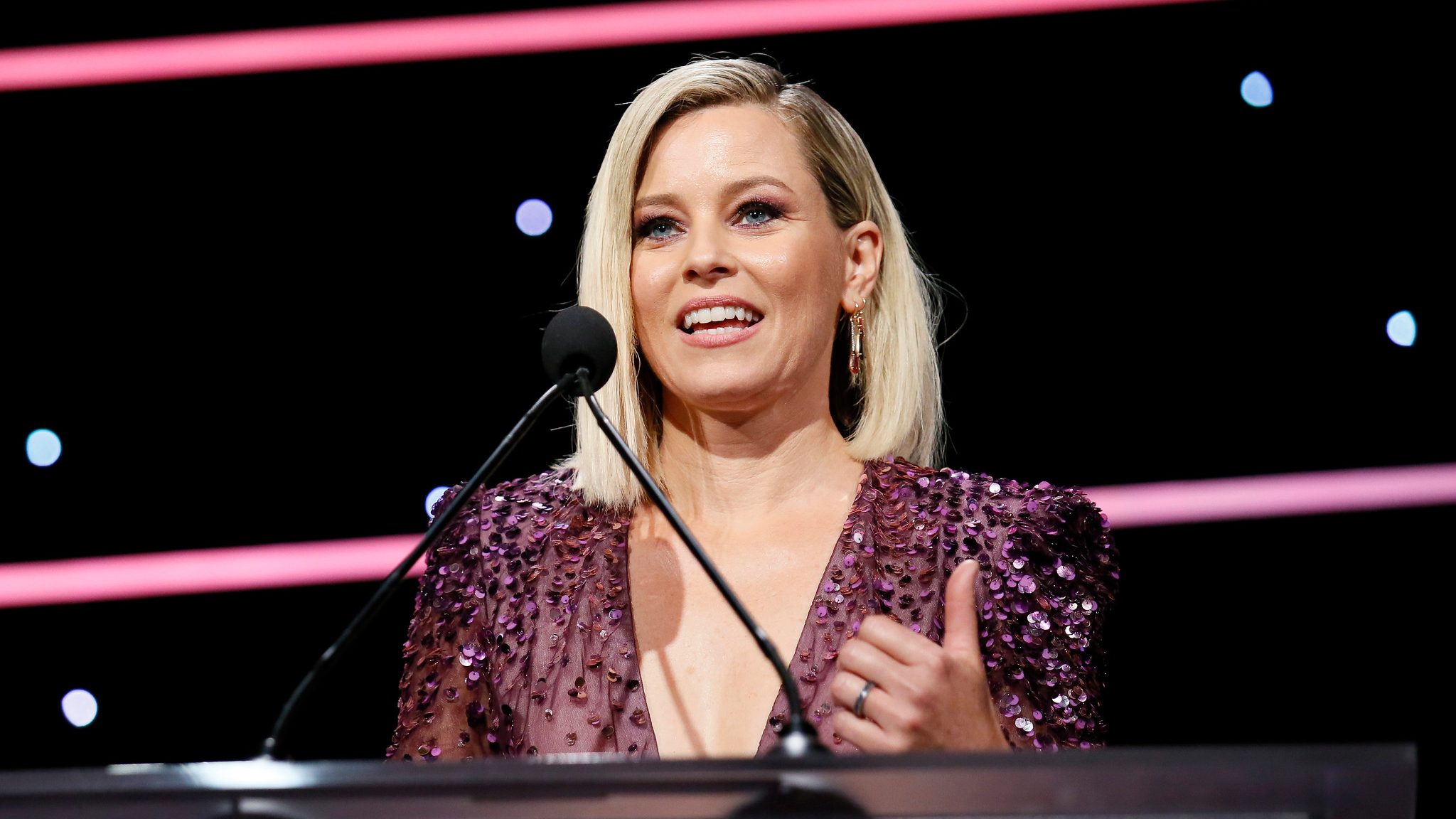
Reinvention is the throughline of her last decade, and it is the part that translates most directly to a reader’s own life. She did not stay in the lane she was handed. She stepped behind the camera. She built a company. She took on a dark, strange film about the very anxieties the industry tried to sell her. The point is not that everyone should direct a movie. The point is that ambition does not have a curfew, and reinvention is not a young woman’s exclusive privilege.
She has framed this season as a kind of liberation. “I’m trying to break out of anyone’s expectations of me, even my own,” she said of her 50s. “I’m trying to surprise myself.” Breaking out of your own expectations is the harder half of that sentence. Other people’s opinions are loud, but the script we have written for ourselves - the one that says it is too late, that this is just who I am now, that the big swings belong to the past - is often the one that holds us in place. Choosing to surprise yourself at 50, at 60, at any age, is a refusal to let that script have the final word.
There is also something pointed in how she talks about getting older as an accumulation rather than a loss. Age, she has said, gave her “the resources now to really focus on what I want to be doing and time with my family and work that matters to me.” Knowing who you are and what you want is not a consolation prize for losing your youth. For many women it is the actual prize, the thing the younger years were quietly working toward the whole time. The clarity that lets you say no to what does not serve you and yes to what does tends to arrive on a schedule, and that schedule rewards the years.
How Readers Can Apply It
None of this requires a film career, a stylist, or a red carpet. The principles scale down to an ordinary Tuesday.
Start by auditing whose voice is in your head when you look in the mirror. If the standard you are measuring against is a filtered, edited, impossible face, you are losing a race against fiction. Name that, and the pressure loosens its grip. The goal is not to compare better; it is to stop comparing against a ghost.
Make the judgment optional - toward yourself and toward other women. Whether you color your hair or let it go silver, whether you book the appointment or skip it, the only honest test is whether the choice is yours and whether it makes you feel more like yourself. Extend that same grace to the next woman, and you starve the whole comparison economy of its fuel.
Dress for the body and the age you have right now. Not the one from a decade ago, not the one a catalog insists you should be working toward. Pull the pieces that make you stand taller. Retire the rules about what is “appropriate” for your age or your size, because those rules were never built for your joy. Confidence reads from across a room long before anyone clocks the cut of your blazer.
Tend the inside as deliberately as the outside. Sleep, sunlight, movement, and the people who ground you do more for how you carry yourself than any serum on the shelf. And let ambition stay on the table. If there is a thing you have been telling yourself it is too late to start, treat that sentence as the thing to question, not the thing to obey.
The Last Word
She washes her face. She does the routine. She pays attention to herself, and she pays as little attention as she can manage to the people lining up to tell her what a woman her age should and should not be doing. She directs the films she wants to direct, runs the company she built, raises her two sons alongside her husband, and describes this stretch of her life as the most powerful she has ever felt. That is the whole blueprint, and there is nothing exclusive about it. A woman who decides her age is hers to define, her body is hers to dress, and her face is hers to wear without apology has everything she needs to walk into the room standing tall. The candles on the cake were never the problem. They are just light.