
Why Flexibility Matters More Than You Think
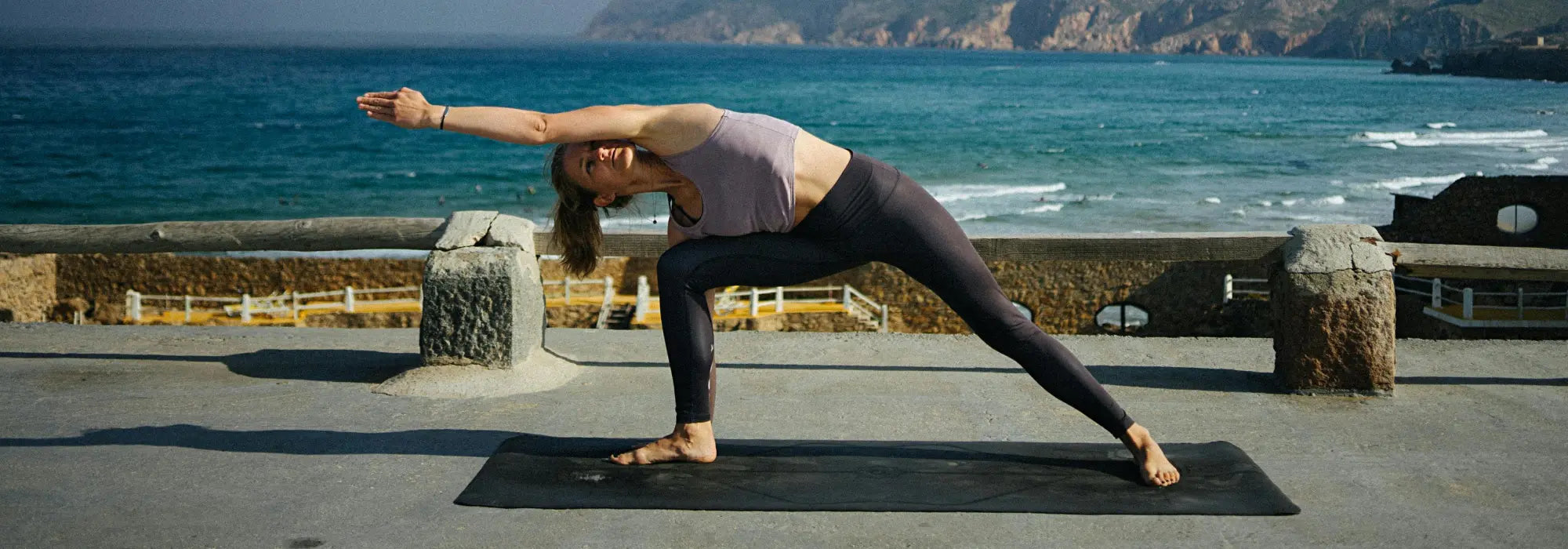
Flexibility is the quiet hero of physical health. It does not get the glamorous attention that strength training or high-intensity cardio receives, but it is arguably just as important for your daily quality of life. Flexibility determines how easily you can bend to tie your shoes, reach for something on a high shelf, turn to check your blind spot while driving, get up from the floor, or simply move through your day without stiffness and discomfort.
When flexibility declines - which happens naturally with age, sedentary lifestyles, and lack of stretching - everything gets harder. Your range of motion shrinks. Simple movements become uncomfortable. Your risk of injury increases because tight muscles pull on joints and create imbalances. Poor flexibility contributes to back pain, neck tension, hip stiffness, and that general feeling of being “locked up” that so many people accept as normal but that is actually very addressable.
For plus-size women, flexibility work offers specific benefits that are often underappreciated. It can reduce the joint stiffness that sometimes accompanies carrying more weight. It improves circulation, which supports cardiovascular health. It reduces muscle tension caused by postural compensation. And it feels genuinely amazing - there is an almost meditative quality to a good stretching session that calms your nervous system and leaves you feeling longer, looser, and more at peace in your body.
The best part? You can start improving your flexibility today, at any age, at any size, with just 15 minutes and no equipment. Flexibility responds quickly to consistent attention. Most people notice meaningful improvements within two to three weeks of daily stretching. And unlike many fitness pursuits, stretching has virtually no barrier to entry - if you can breathe and move even a little, you can stretch.
Stretching Myths That Need to Go
Myth - You Need to Be Flexible to Start Stretching
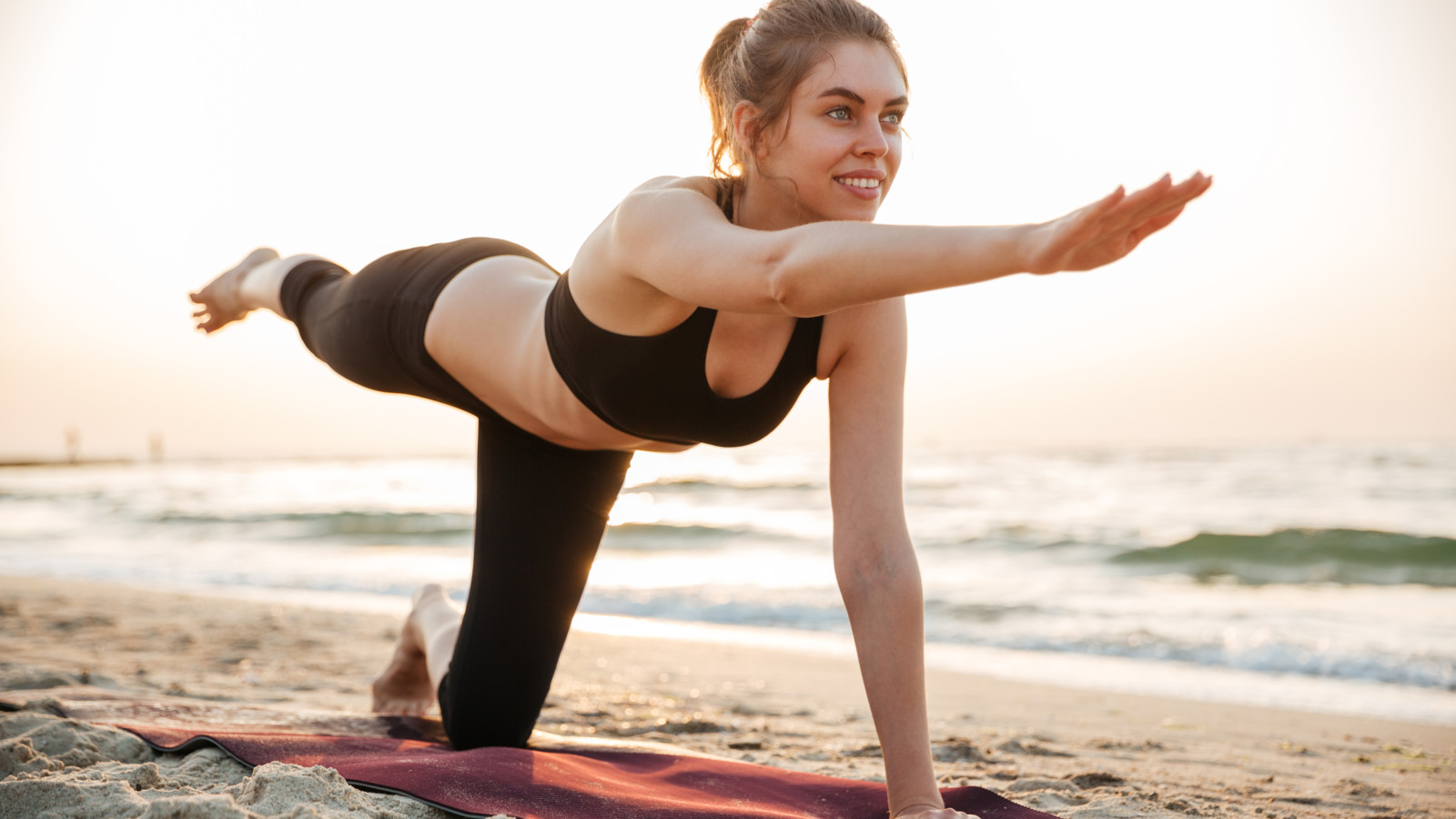
This is like saying you need to be clean to take a shower. Stretching is how you become flexible. You start wherever your body is right now, and you improve from there. If you cannot touch your toes, that is not a reason to avoid stretching - it is a reason to start.
Myth - Stretching Should Hurt
Good stretching feels like tension, not pain. The sensation should be a gentle pull - noticeable but not sharp, intense, or wincing. If a stretch hurts, you have gone too far. Back off until you feel a comfortable pull, and hold there. Pain is not progress - it is a warning signal.
Myth - You Need to Hold Every Stretch for 60 Seconds
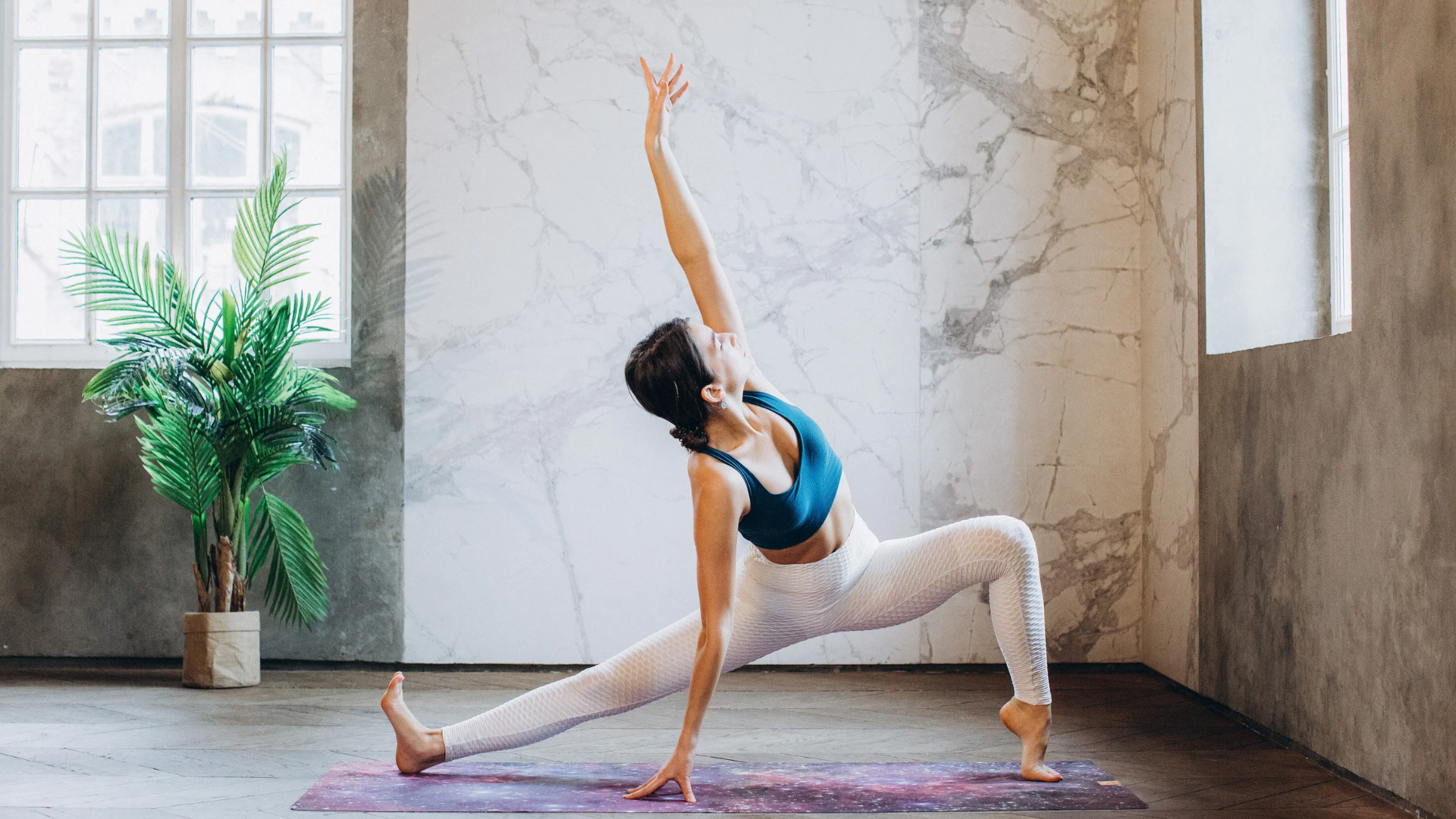
Research shows that holding a stretch for 15 to 30 seconds is effective for most people. While longer holds can be beneficial for deep connective tissue stretching (like in yin yoga), you do not need marathon holds to see improvement. Consistency matters far more than duration of individual stretches.
Myth - Stretching Is Only for Before and After Workouts
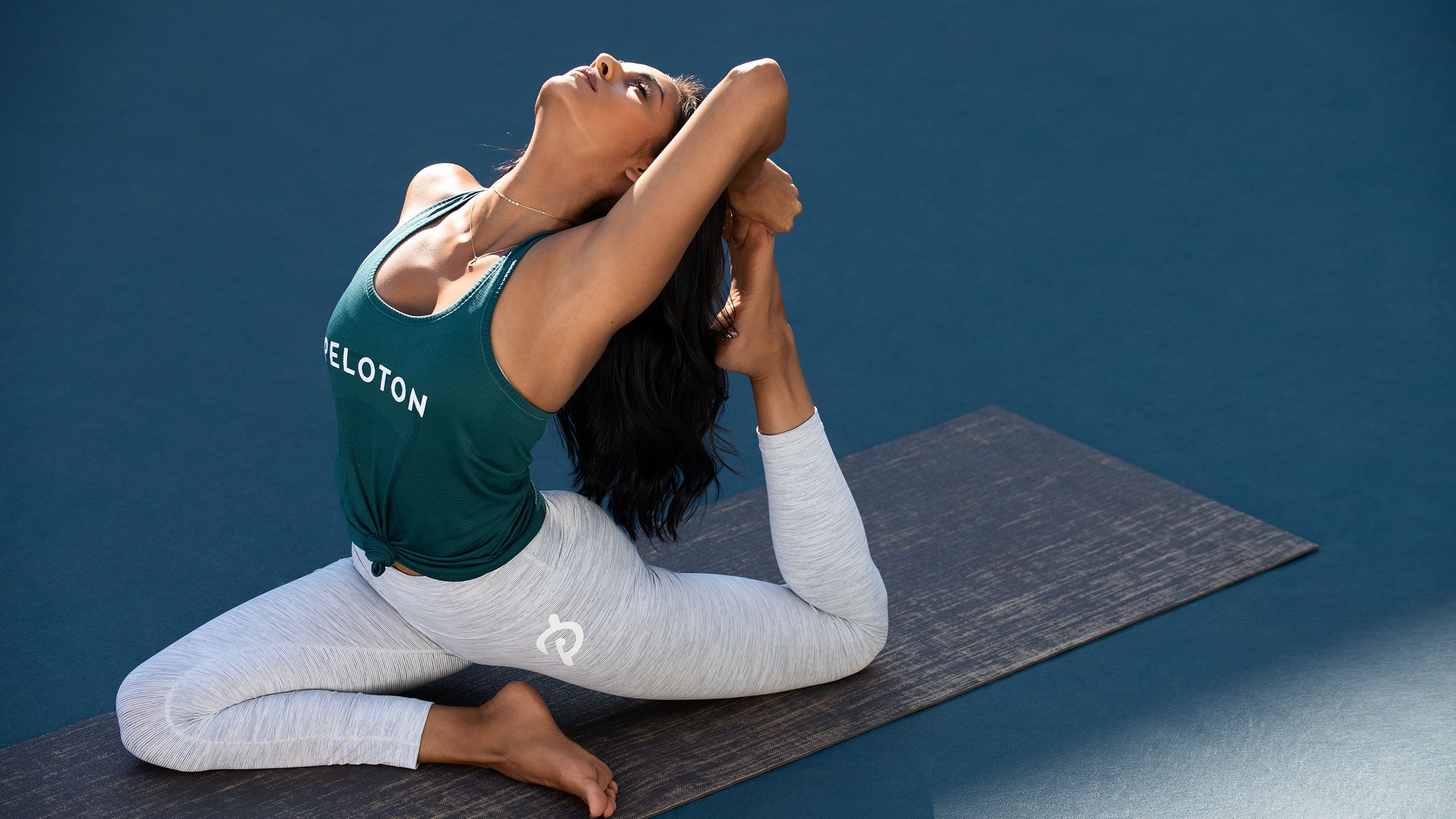
Stretching is a standalone practice that benefits your body whether or not you are doing other exercise. A daily stretching routine that exists independently of any workout program is one of the best things you can do for your body. Think of it as maintenance for your muscles and joints - like brushing your teeth for your physical body.
Myth - Plus-Size Bodies Cannot Be Flexible
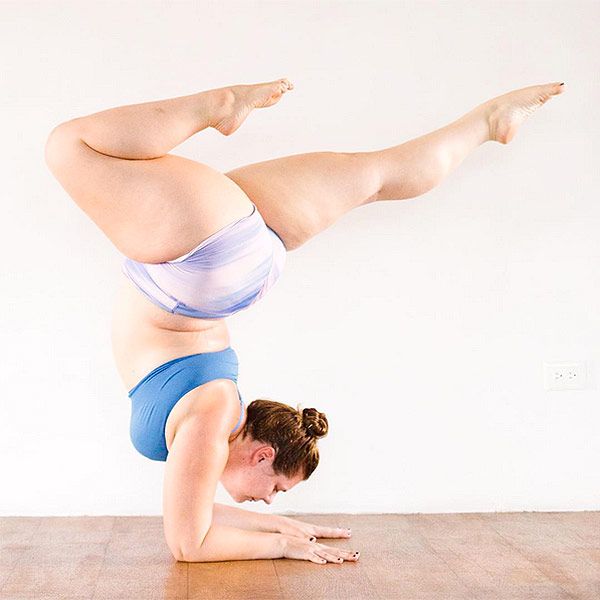
This is completely false. Flexibility is about the length and elasticity of your muscles and connective tissue, not your body size. Plus-size dancers, yogis, martial artists, and gymnasts demonstrate extraordinary flexibility every day. Your body may need different positions or modifications to access certain stretches comfortably, but the potential for flexibility improvement is the same regardless of size.
Modifications That Make Stretching Accessible for Every Body
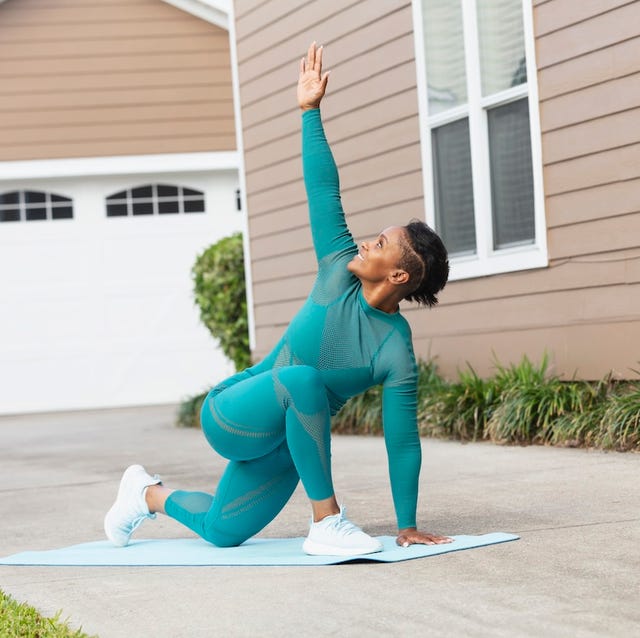
Some traditional stretching positions were designed without considering diverse body types. Here are universal modifications that make stretching comfortable and effective for every body.
Use Props
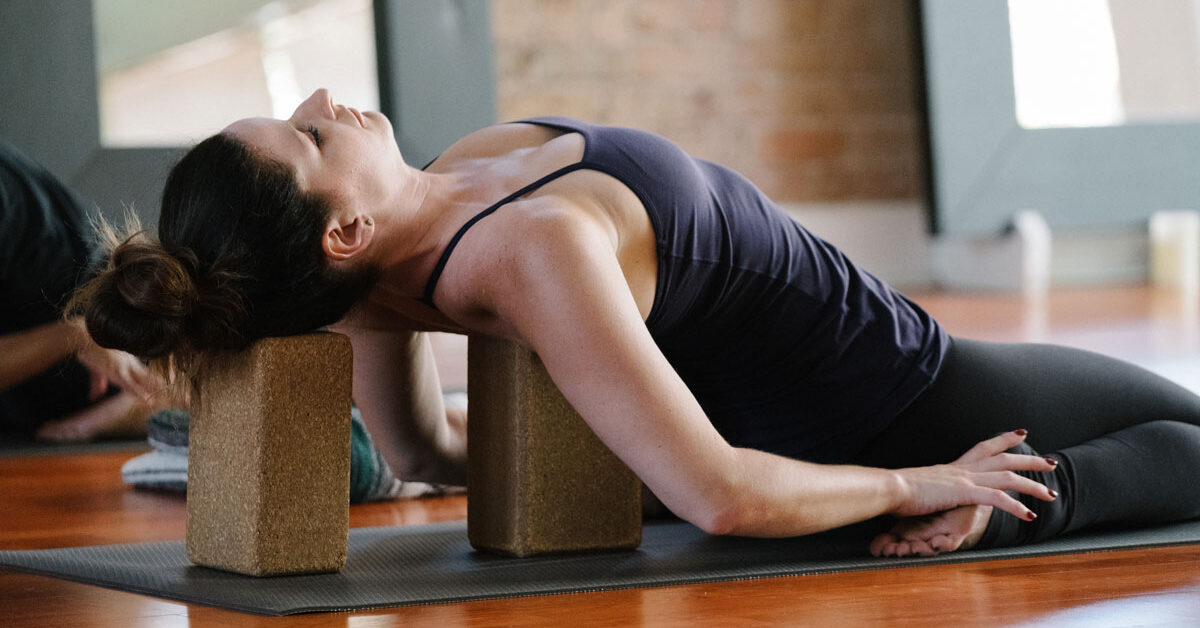
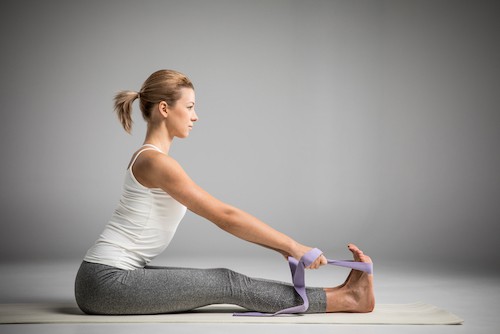
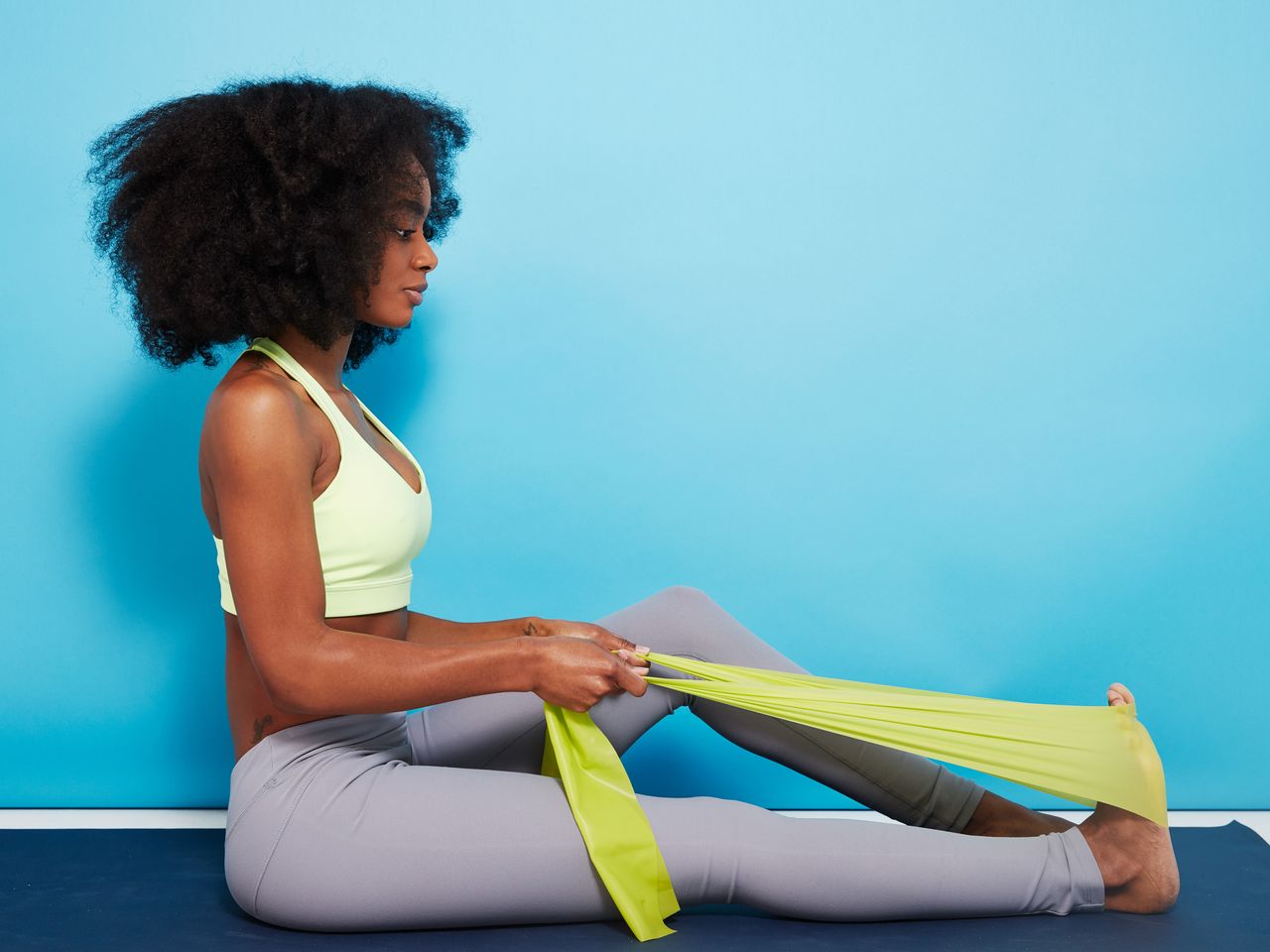
A yoga strap or stretching strap extends your reach, allowing you to hold stretches that your arms cannot quite reach. If you cannot touch your toes, loop a strap around your feet and hold the ends. If you cannot clasp your hands behind your back, hold a strap between them. Props are not cheating - they are tools that make stretches accessible.
Widen Your Stance
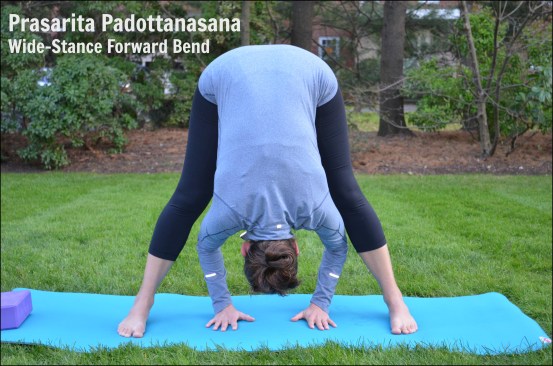
In forward folds, seated stretches, and any position where your legs are close together, widening your stance creates space for your belly and chest. This allows you to fold deeper and more comfortably without feeling compressed.
Use Elevation
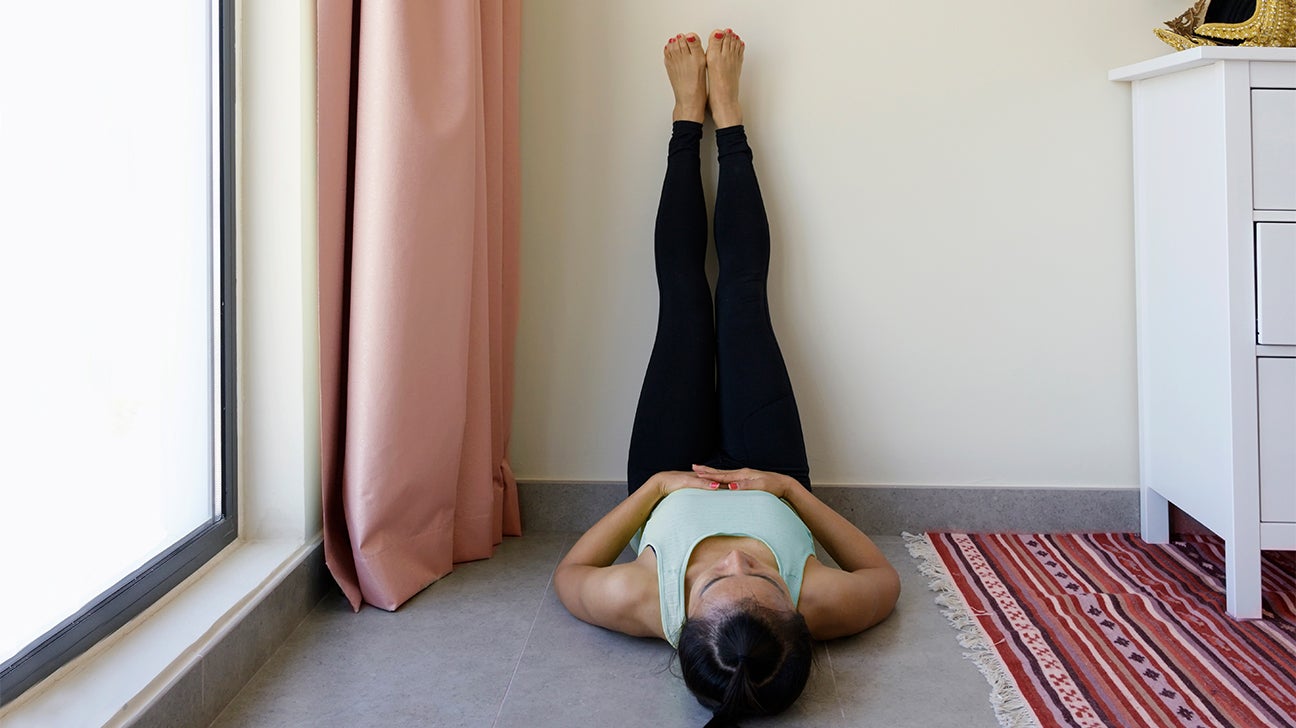
If getting down to the floor is difficult, many stretches can be done seated in a chair, standing with wall support, or lying in bed. You do not need to be on a yoga mat on the floor to stretch effectively. A sturdy chair is actually one of the most versatile stretching tools available.
Bend Your Knees
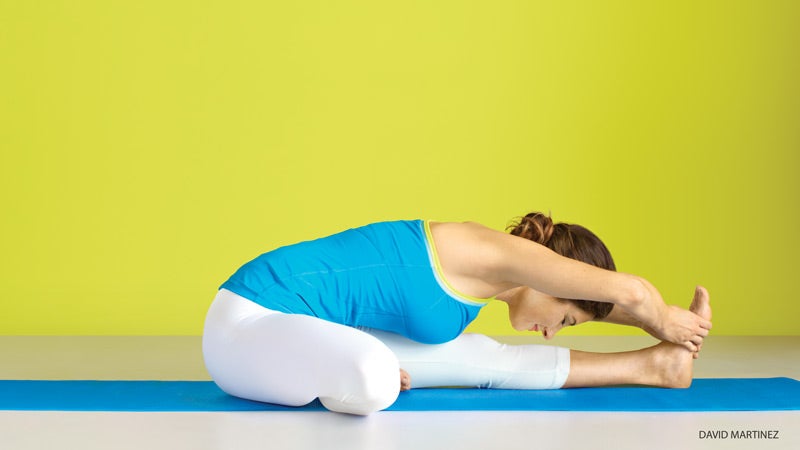
In hamstring stretches and forward folds, keeping a slight bend in your knees takes pressure off your lower back and lets you access the stretch more comfortably. Straight legs are not required for effective stretching - what matters is that you feel the stretch in the target muscle.
The 15-Minute Morning Stretching Routine
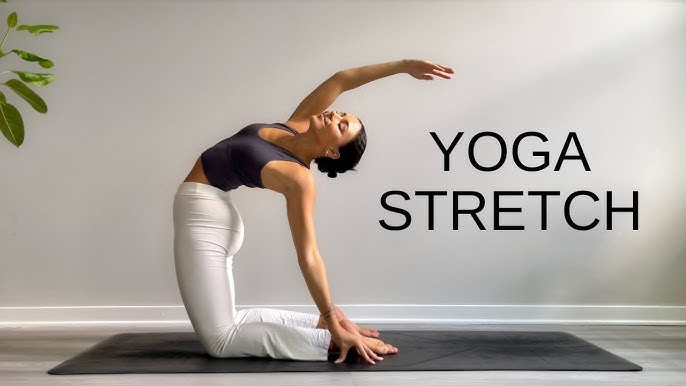
This routine is designed to wake up your body, release overnight stiffness, and set a positive tone for your day. Do each stretch gently - your body is still warming up in the morning.
Neck Rolls (1 Minute)
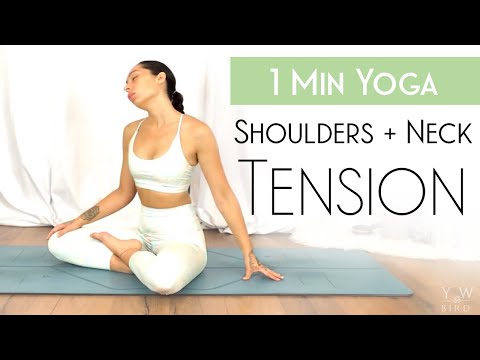
Standing or seated, slowly drop your chin to your chest and roll your head in a half circle from shoulder to shoulder. Do 5 half circles in each direction. This releases tension in your neck and upper traps that accumulates during sleep.
Shoulder Rolls and Arm Circles (1 Minute)
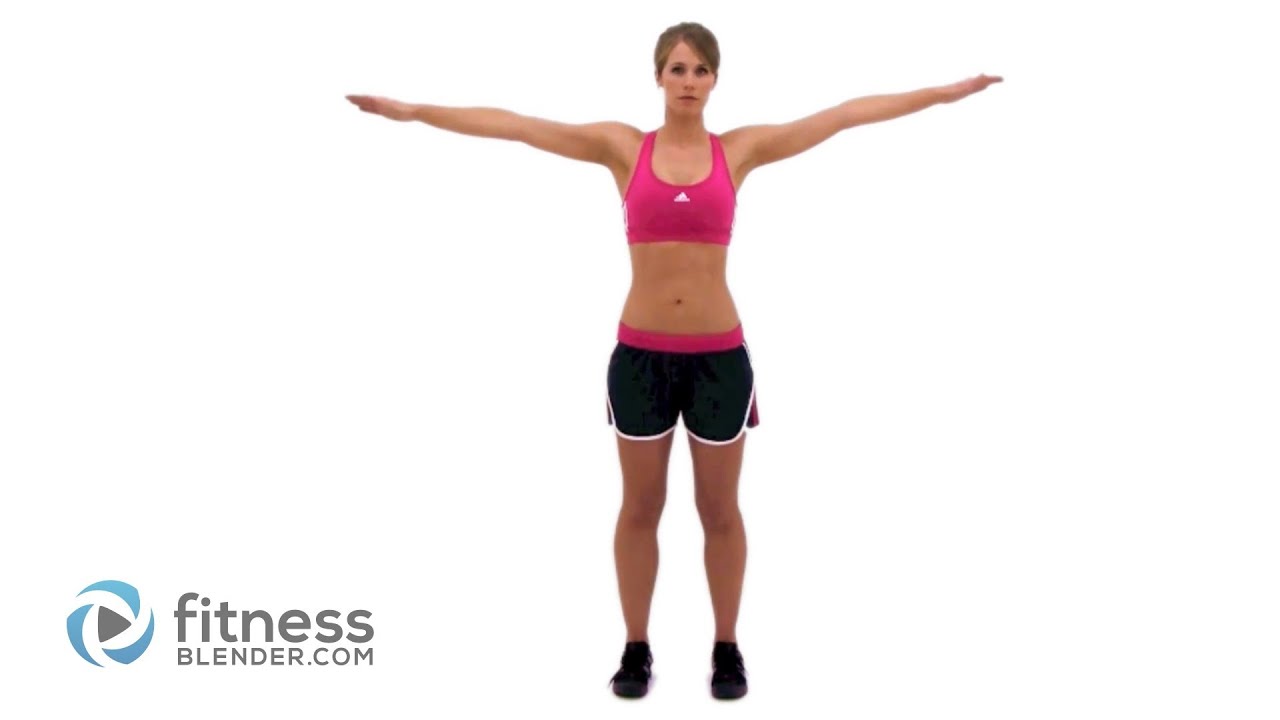
Roll your shoulders forward 10 times, then backward 10 times. Follow with arm circles - small for 15 seconds, gradually getting larger for another 15 seconds. Reverse direction. This warms up your shoulders and upper body.
Standing Side Stretch (1 Minute)
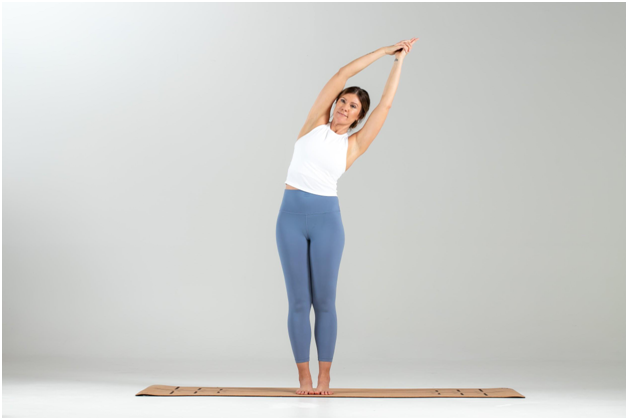
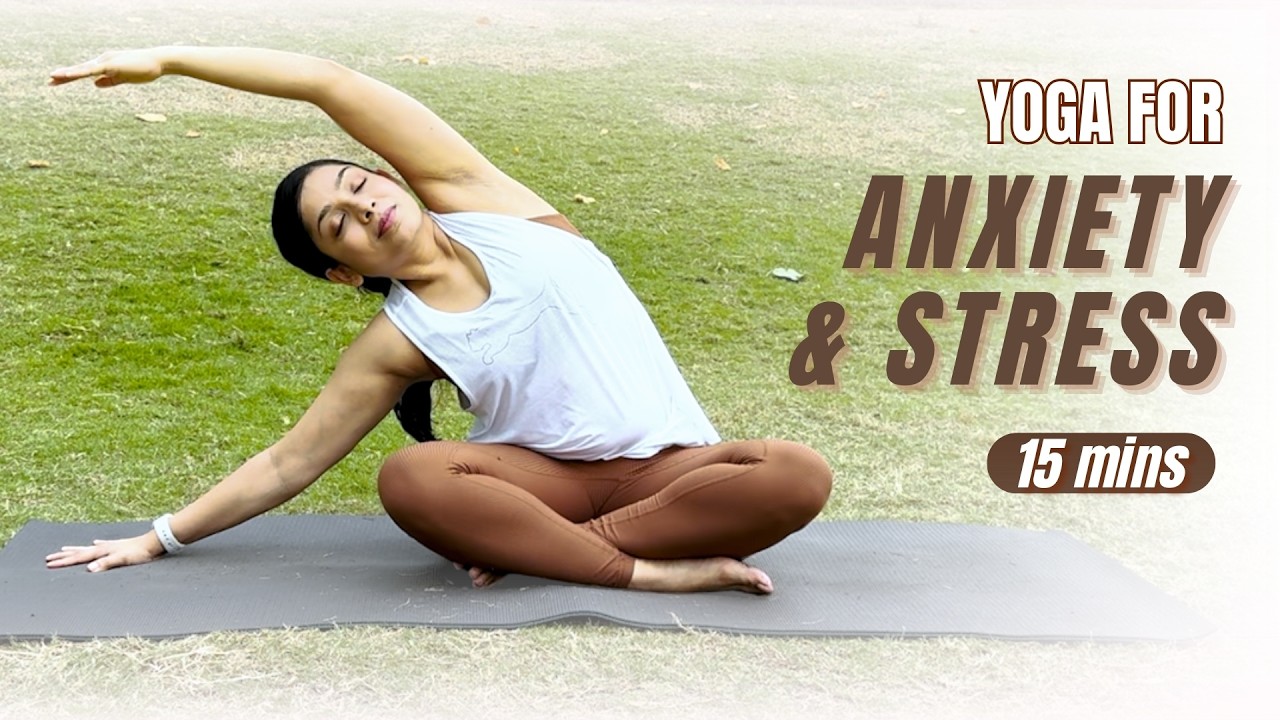
Stand with feet hip-width apart. Reach your right arm overhead and lean gently to the left, feeling a stretch along your right side. Hold for 20 seconds. Switch sides. Repeat once more per side. This opens up your intercostal muscles and lats.
Standing Cat-Cow (1.5 Minutes)
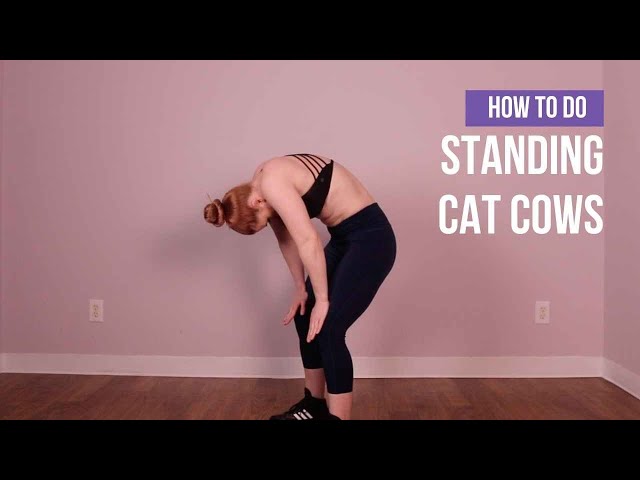
Stand with hands on your thighs, knees slightly bent. Round your spine (cat) by tucking your chin and curling forward, then arch your spine (cow) by lifting your chest and looking slightly upward. Move slowly between these positions for 1.5 minutes. This mobilizes your entire spine.
Standing Quad Stretch (1.5 Minutes)
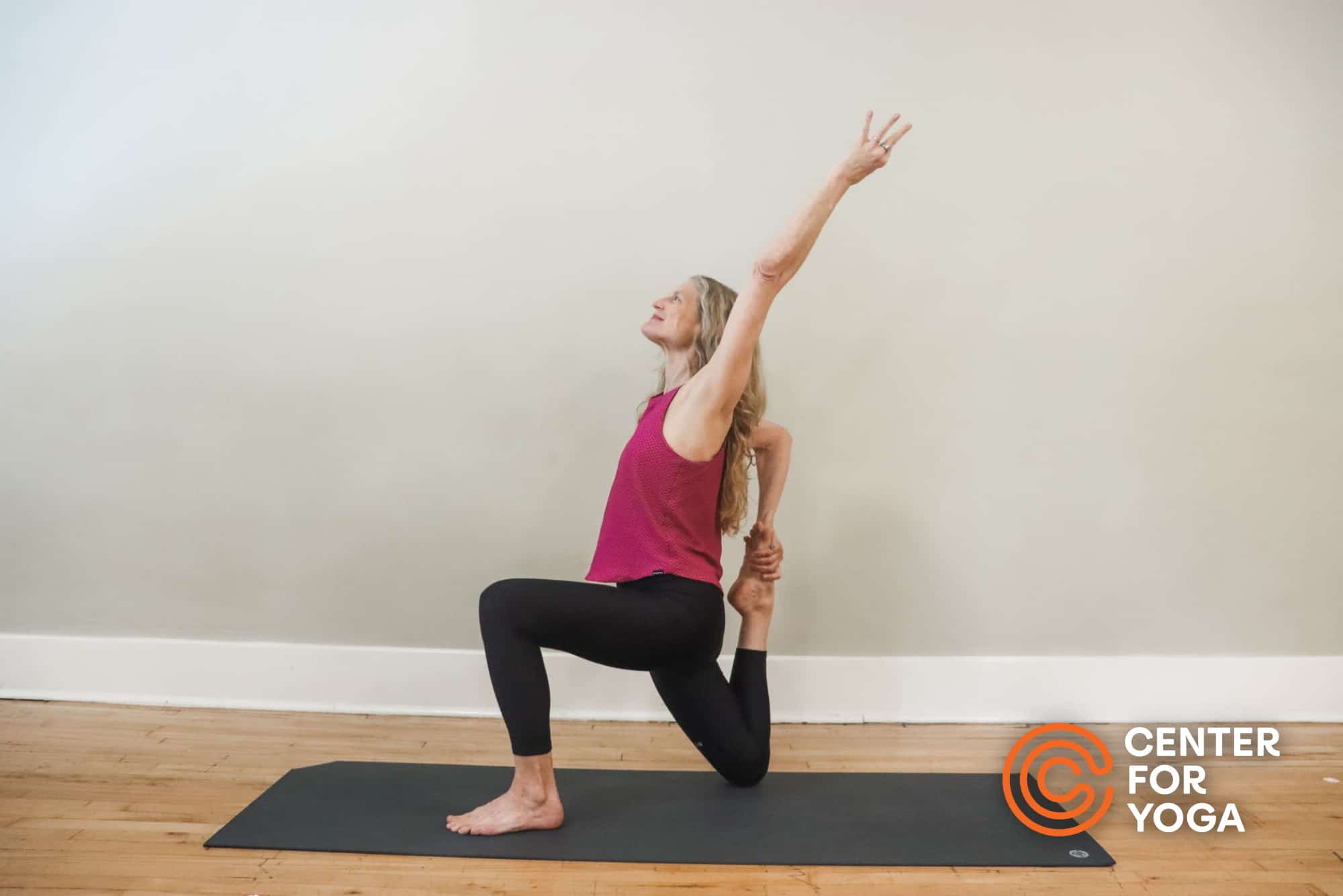
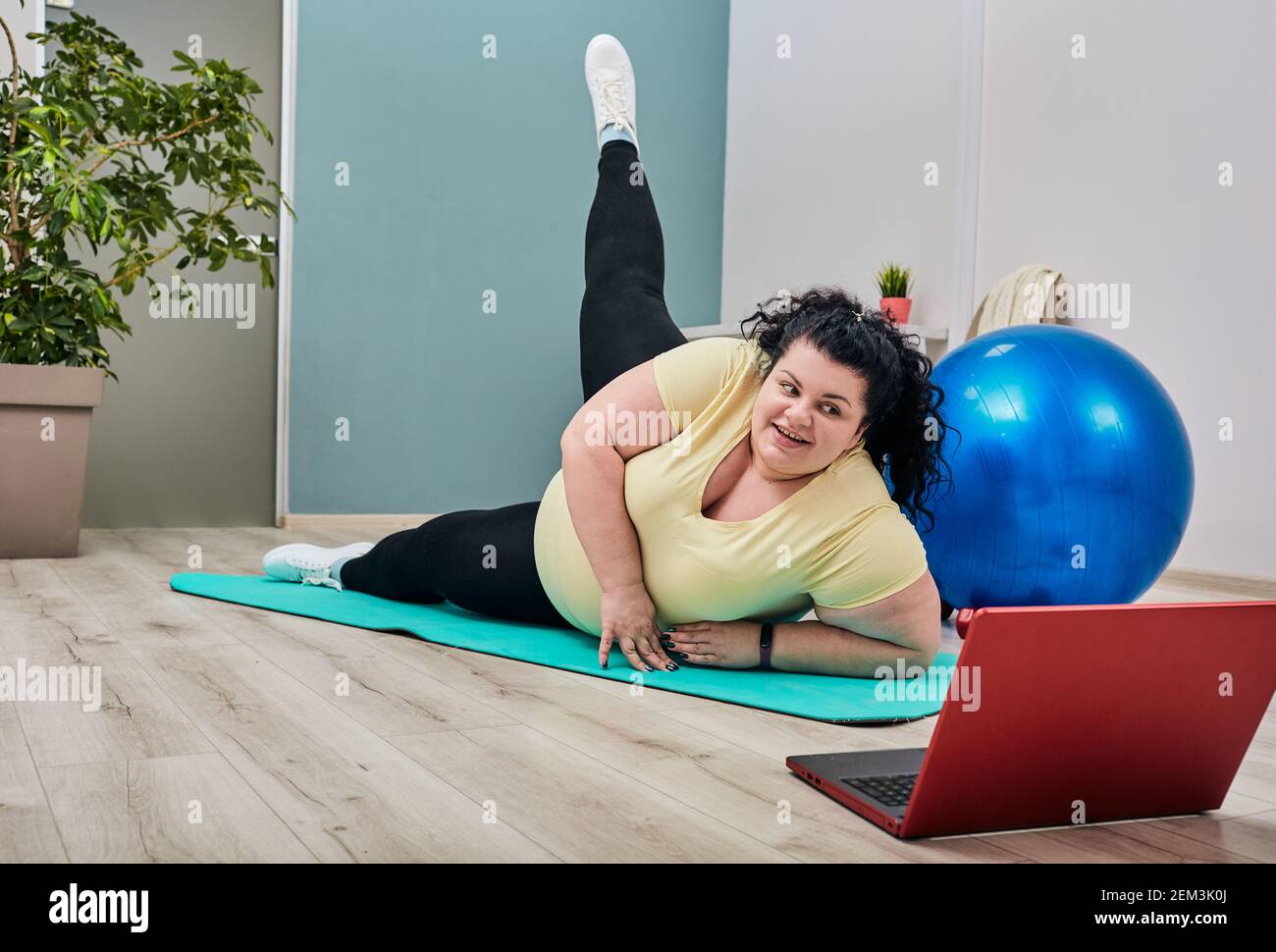
Holding a wall or chair for balance, bend your right knee and bring your heel toward your glute. Hold your ankle or use a strap if needed. Hold for 30 seconds per leg, repeat once per side. If balance is challenging, do this lying on your side instead.
Standing Hamstring Stretch (1.5 Minutes)
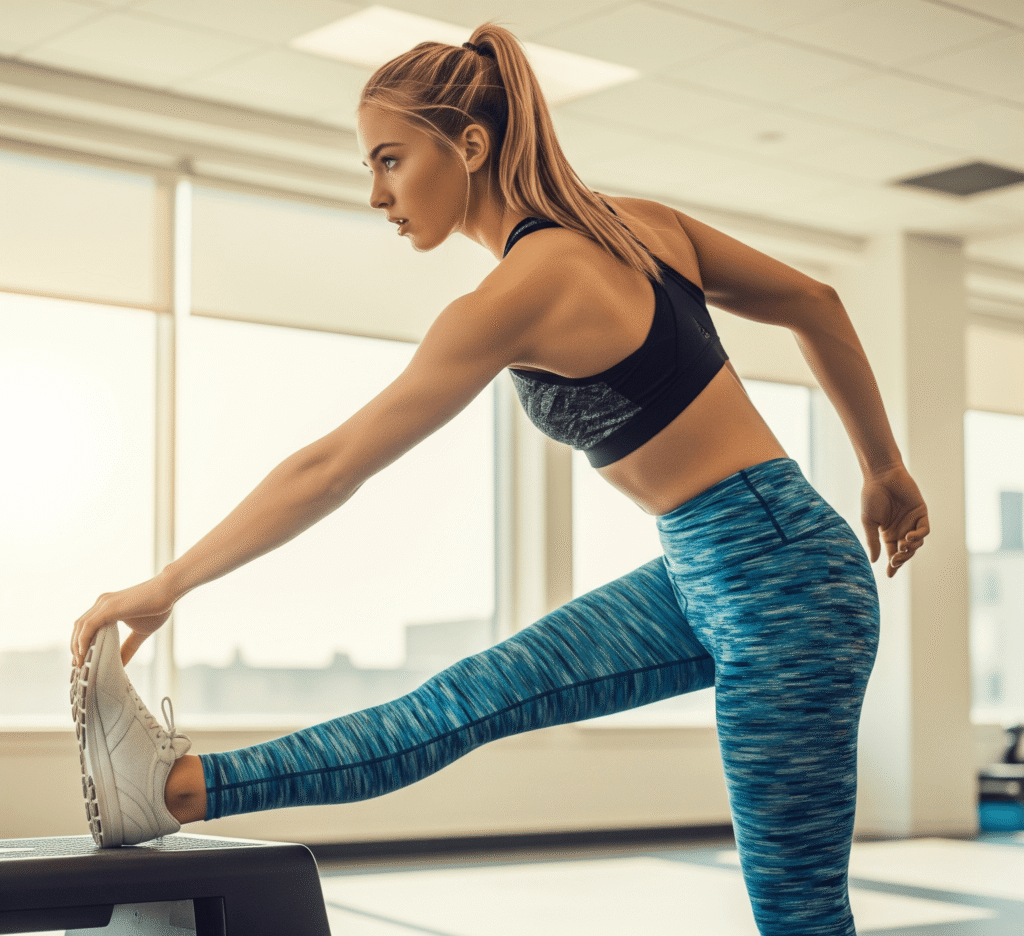
Place one foot on a low step, chair, or stool. Keeping your back flat, hinge forward from your hips until you feel a gentle pull in the back of your raised leg. Hold 30 seconds per leg, repeat once per side.
Hip Circles (1 Minute)
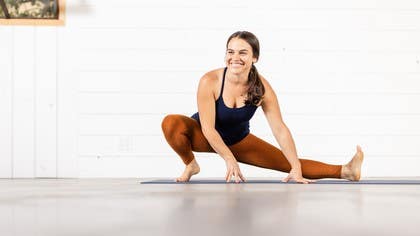
Stand with hands on your hips and make large, slow circles with your hips. Do 10 circles in each direction. This mobilizes your hip joints and warms up your lower body.
Calf Stretch (1 Minute)
Stand facing a wall with hands on the wall. Step one foot back, keeping it straight with the heel on the floor. Lean forward until you feel a stretch in your back calf. Hold 20 seconds, switch sides, repeat.
Standing Chest Opener (1 Minute)
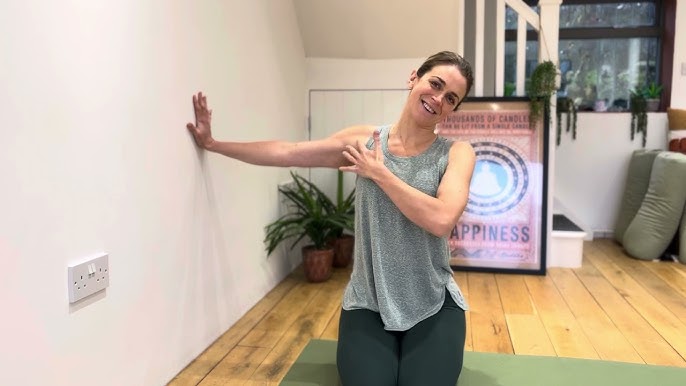
Clasp your hands behind your back (or hold a strap between them) and gently lift your arms away from your body while squeezing your shoulder blades together. Hold for 30 seconds, release, and repeat. This counteracts the forward-slumping posture that many of us develop from sitting.
Full Body Reach and Release (1 Minute)
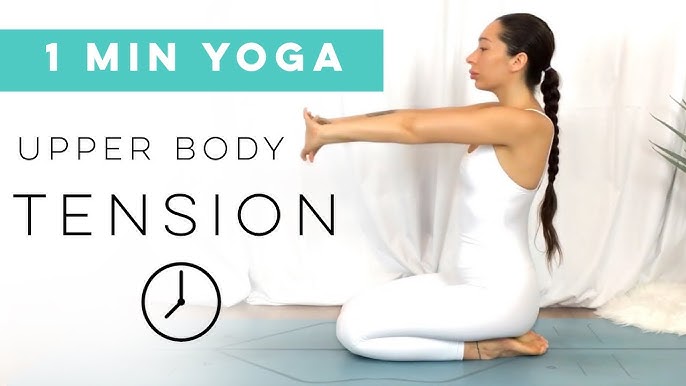
Inhale and reach both arms overhead, stretching as tall as you can. Exhale and release your arms down. Repeat 5 times, making each reach a little bigger and each release a little more complete. Finish by shaking out your hands and feet for 15 seconds.
Deep Breathing (1.5 Minutes)
Stand or sit comfortably. Take 5 slow, deep breaths - inhaling for 4 counts, holding for 2, and exhaling for 6. This activates your parasympathetic nervous system and sets a calm, centered tone for your day.
The 15-Minute Evening Wind-Down Routine
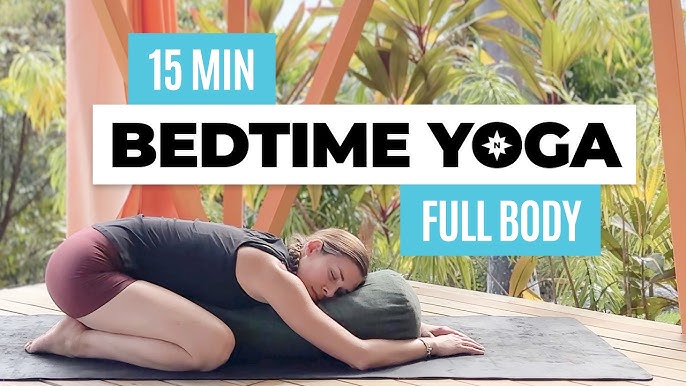
This routine is gentler and more relaxing than the morning version. It is designed to release the tension accumulated during your day and prepare your body and mind for restful sleep.
Seated Neck Stretches (1.5 Minutes)
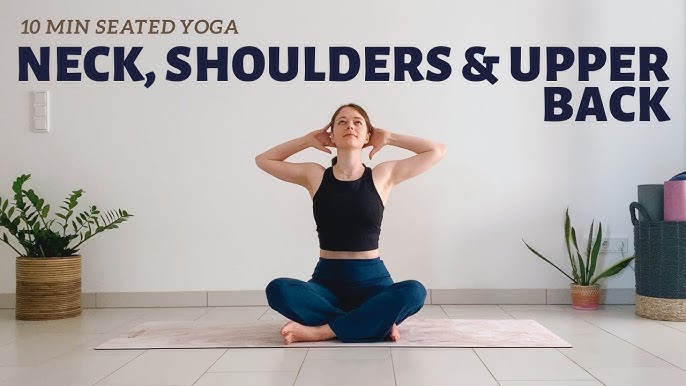
Sit comfortably. Drop your right ear toward your right shoulder and hold for 20 seconds. Switch sides. Then drop your chin to your chest and hold for 20 seconds. Gently place your hand on your head to deepen each stretch slightly.
Seated Spinal Twist (2 Minutes)
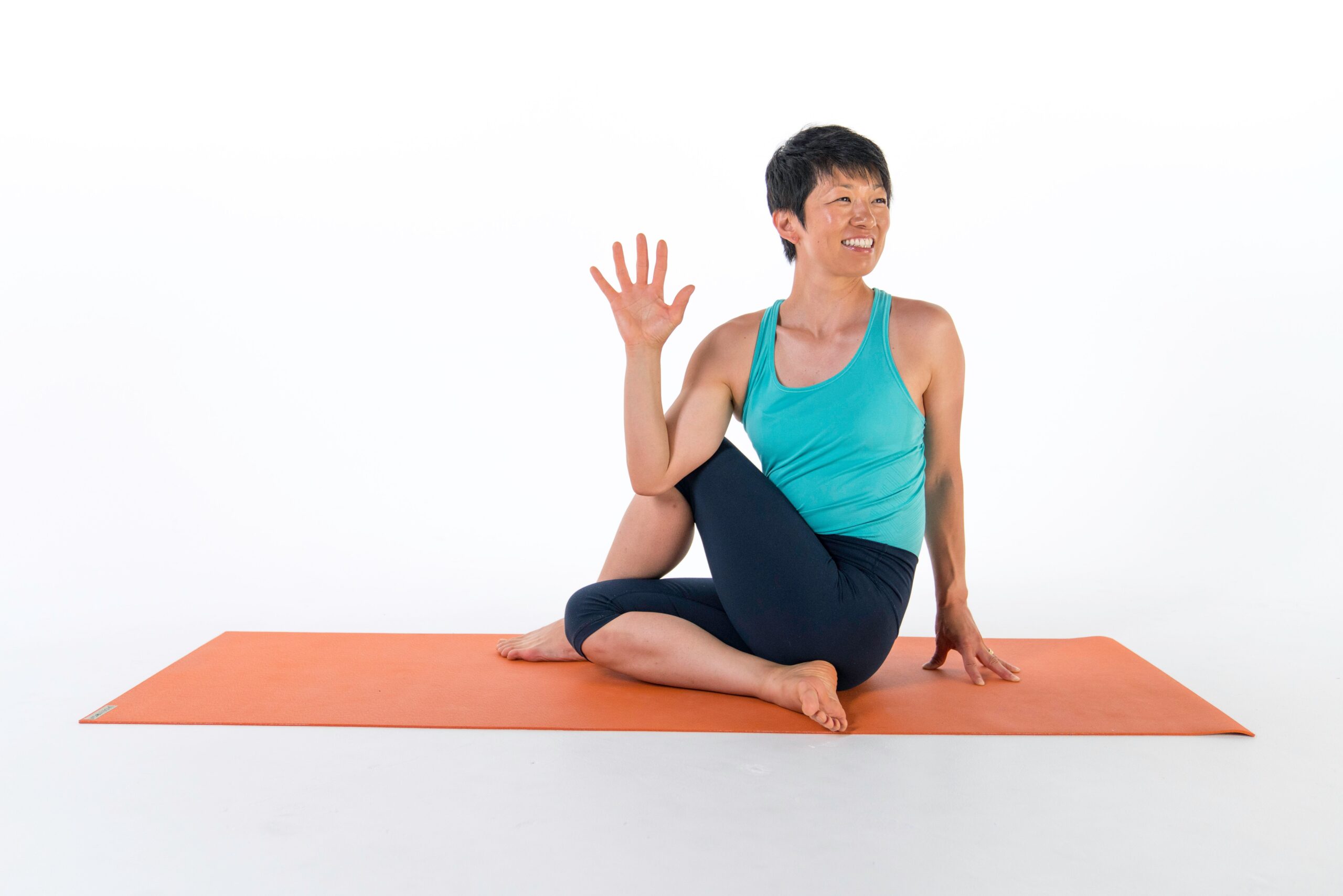
Sitting cross-legged or in a chair, place your right hand on your left knee and gently twist your torso to the left. Hold for 30 seconds while breathing deeply. Switch sides. Repeat once per side. This releases tension throughout your spine.
Seated Forward Fold (1.5 Minutes)
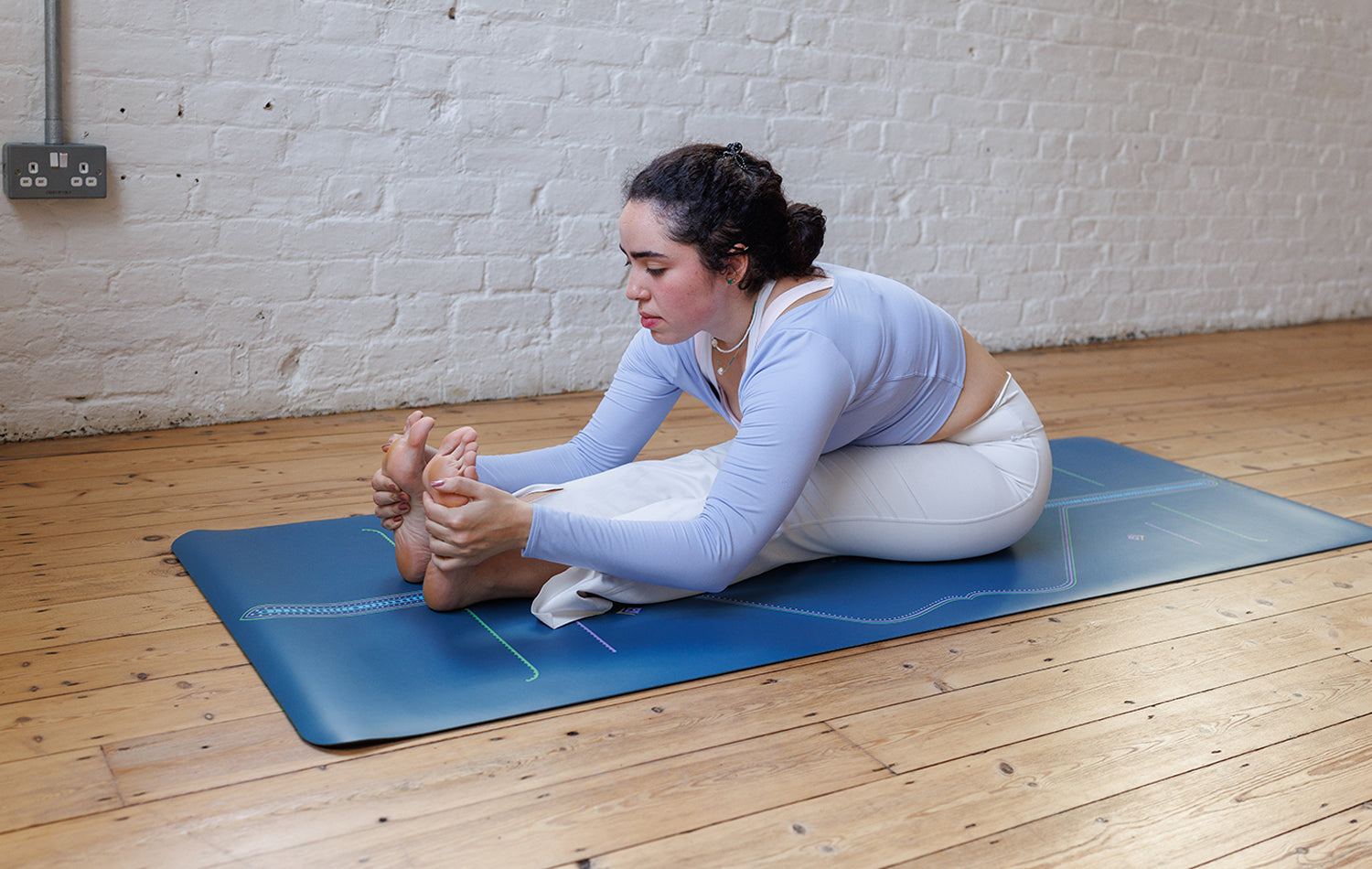
Sitting with legs extended in front of you (wide apart for comfort), slowly walk your hands forward along your legs. Go only as far as comfortable and hold for 45 seconds. Rest, then repeat. Use a strap around your feet if needed.
Reclined Figure Four (2 Minutes)
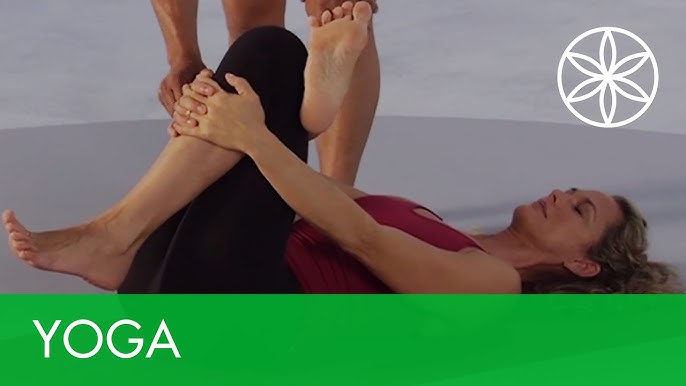
Lying on your back, cross your right ankle over your left knee. Gently pull your left thigh toward your chest. Hold for 45 seconds, then switch sides. This deeply stretches the piriformis and outer hip - an area that gets very tight from sitting.
Supine Spinal Twist (2 Minutes)
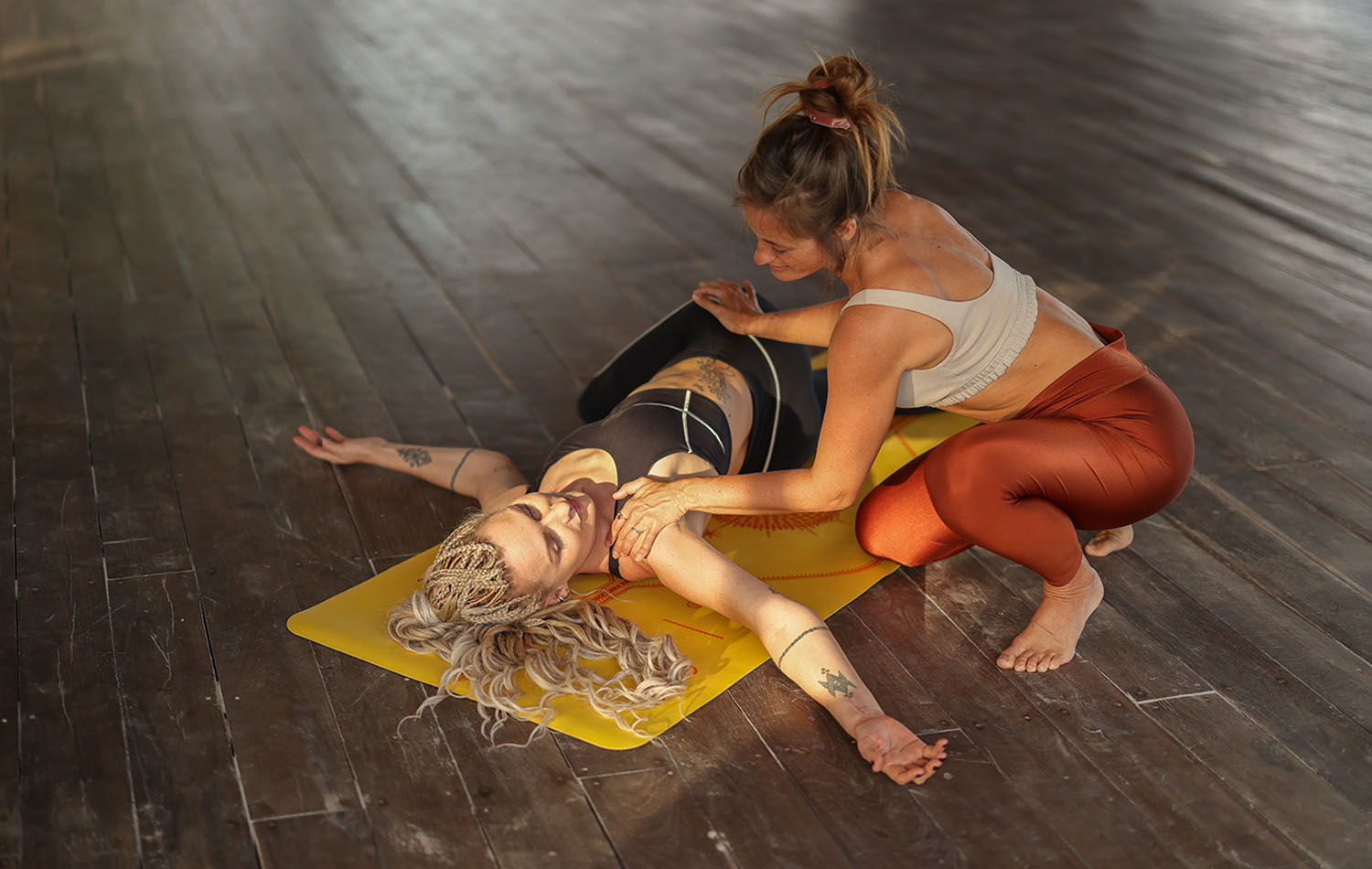
Lying on your back, bring your knees to your chest, then let them drop to the right side while keeping your left shoulder on the floor. Hold for 45 seconds, then switch sides. This stretch feels incredible for the lower back.
Knees-to-Chest (1.5 Minutes)
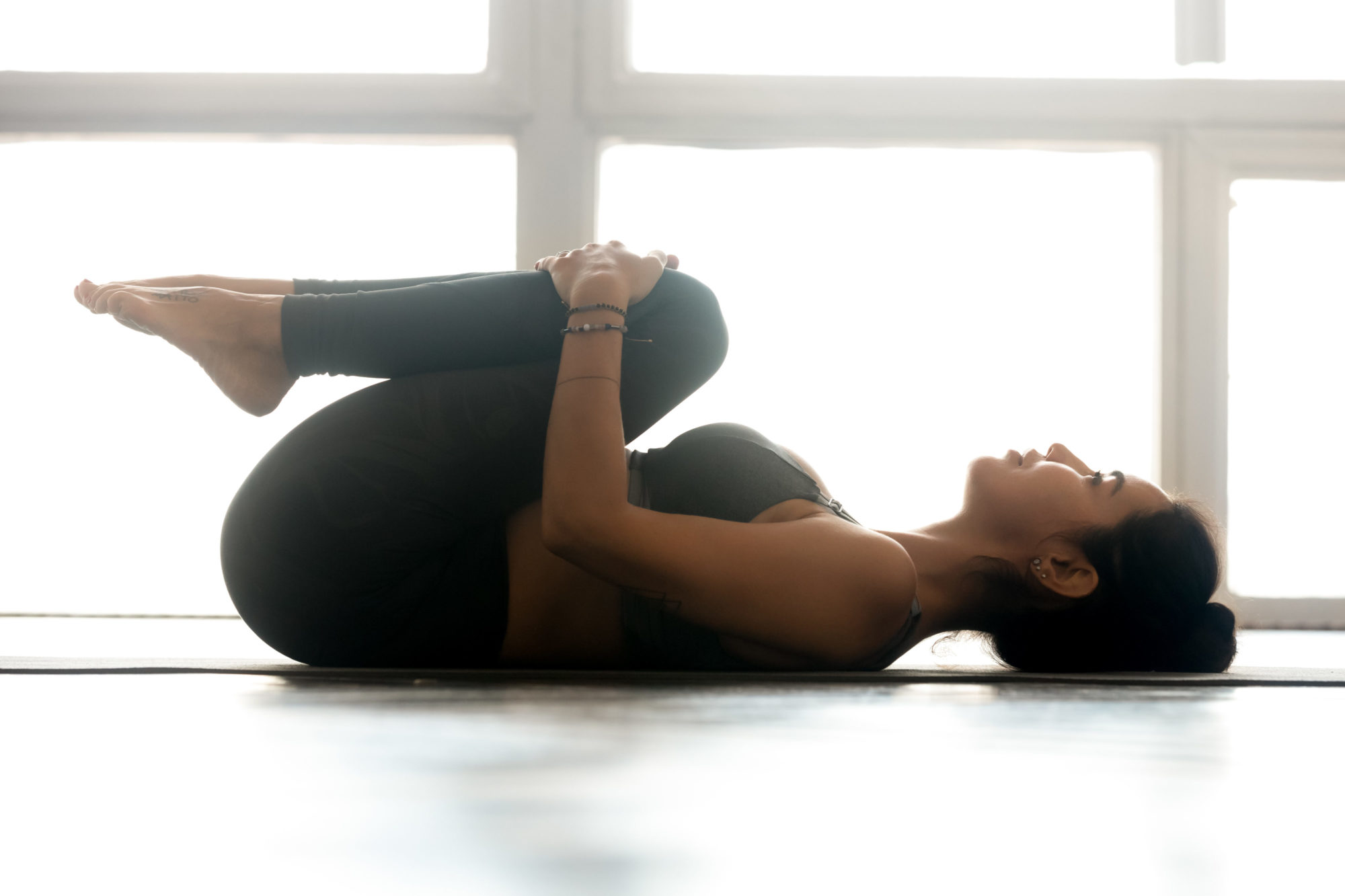
Lying on your back, hug both knees toward your chest. Rock gently side to side if that feels good. Hold for 1 minute. This releases the lower back and stretches the glutes.
Legs Up the Wall (2.5 Minutes)
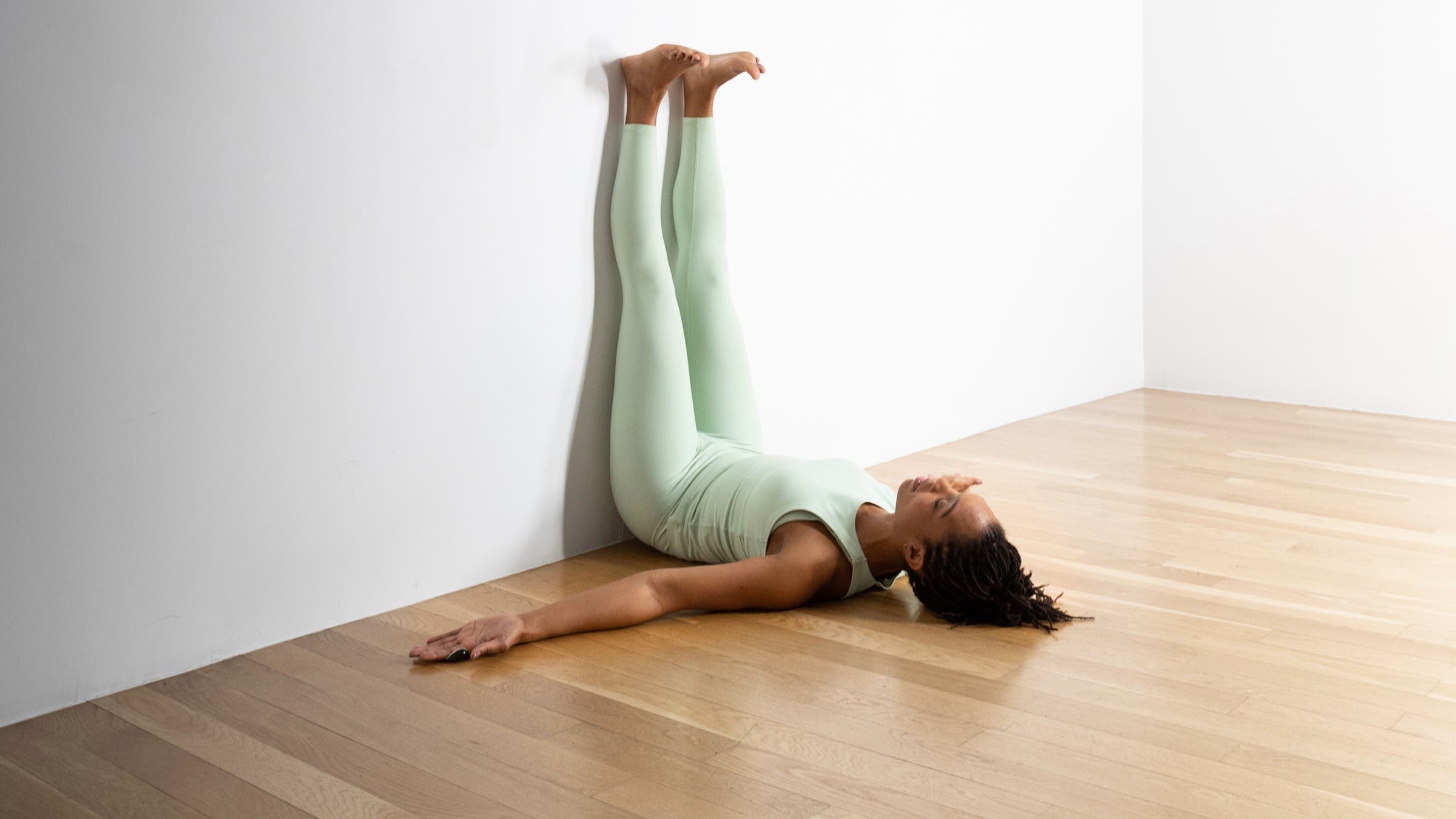
Lie on your back with your legs extended up a wall (or resting on the seat of a couch). Let your arms rest at your sides and breathe deeply. This gentle inversion improves circulation, reduces leg swelling, and is deeply calming. Stay here for the full 2.5 minutes and feel the day’s tension melt away.
Final Relaxation (2 Minutes)
Lie flat on your back with arms at your sides and legs slightly apart. Close your eyes and take 10 slow, deep breaths. Scan your body from head to toe, consciously releasing any remaining tension. This is your transition from wakefulness to rest.
Desk Stretches for When You Have Been Sitting Too Long
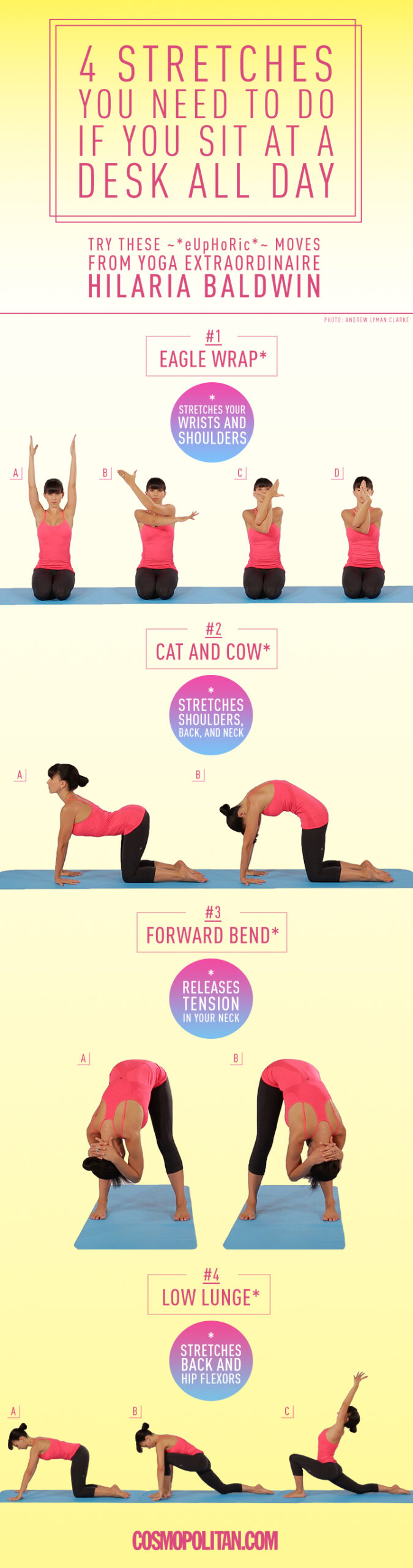
If you sit at a desk for work, these stretches can be done right in your chair without anyone knowing you are having a mini yoga session.
Seated Cat-Cow
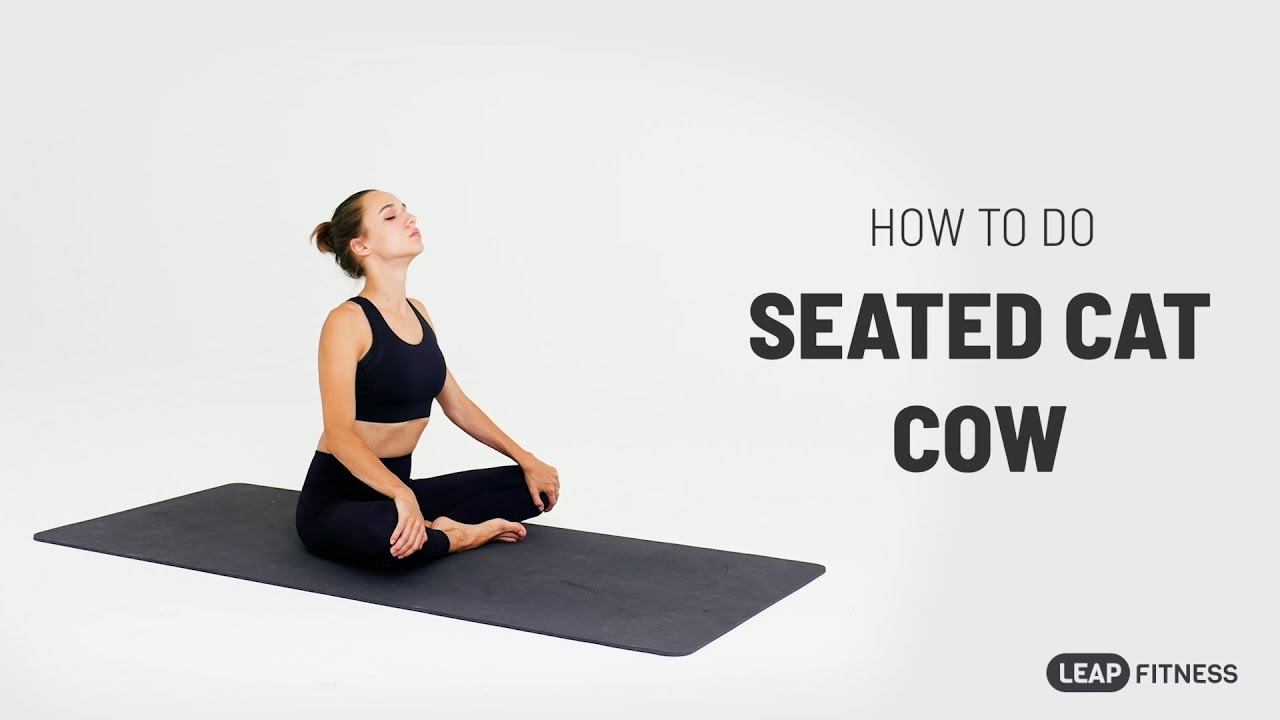
Sit at the edge of your chair with feet flat on the floor. Place hands on knees. Round your back and tuck your chin (cat), then arch your back and look up (cow). Do 10 rounds. Takes 1 minute.
Seated Pigeon
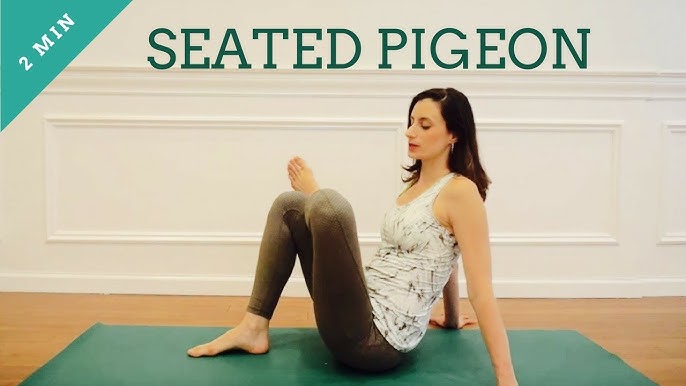
Cross your right ankle over your left knee and gently lean forward until you feel a stretch in your right hip. Hold 30 seconds per side. Takes 1 minute.
Chest Opener
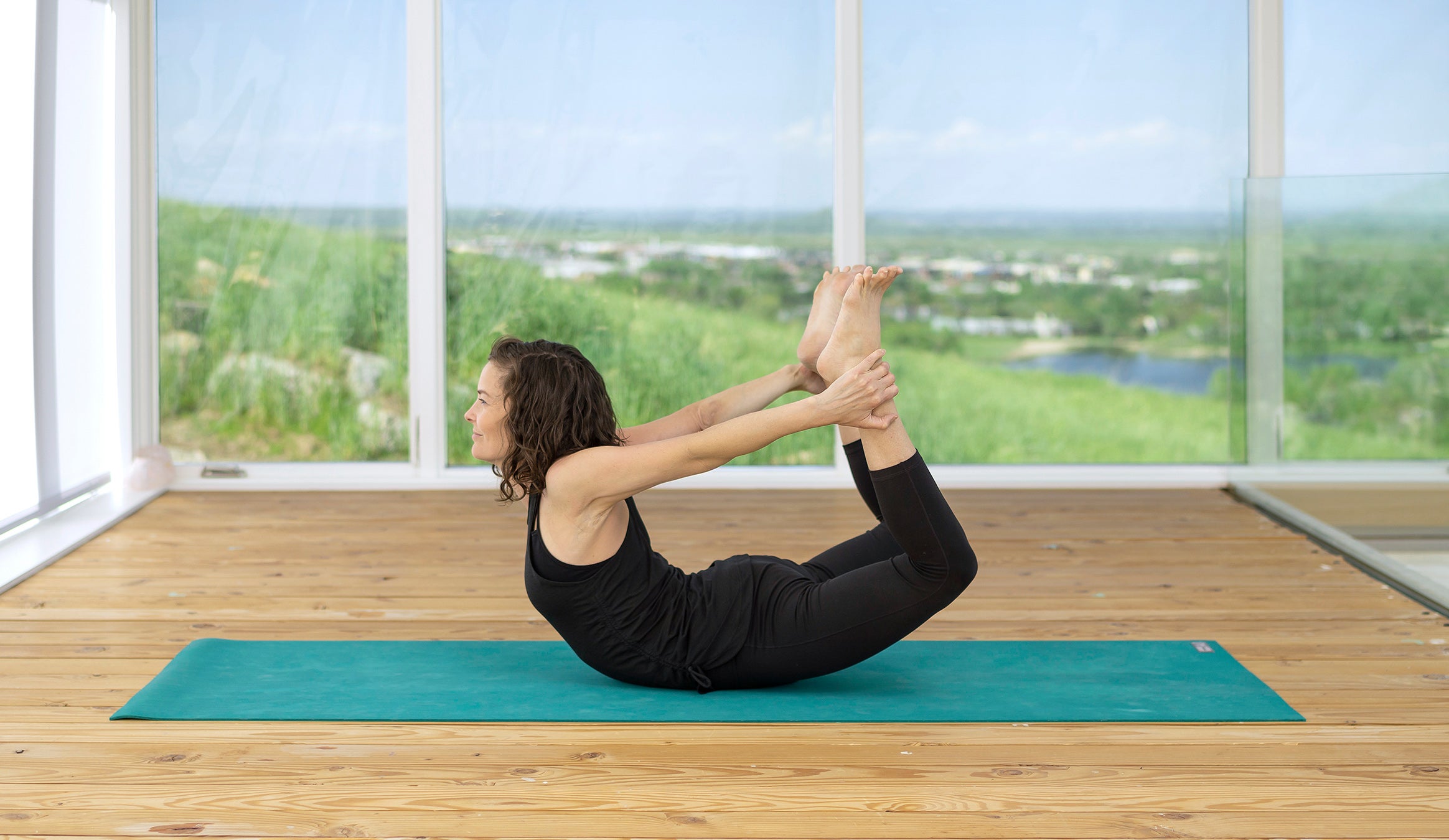
Clasp your hands behind your head and open your elbows wide, squeezing your shoulder blades together. Hold 20 seconds, release, repeat 3 times. Takes 1 minute.
Wrist and Forearm Stretch
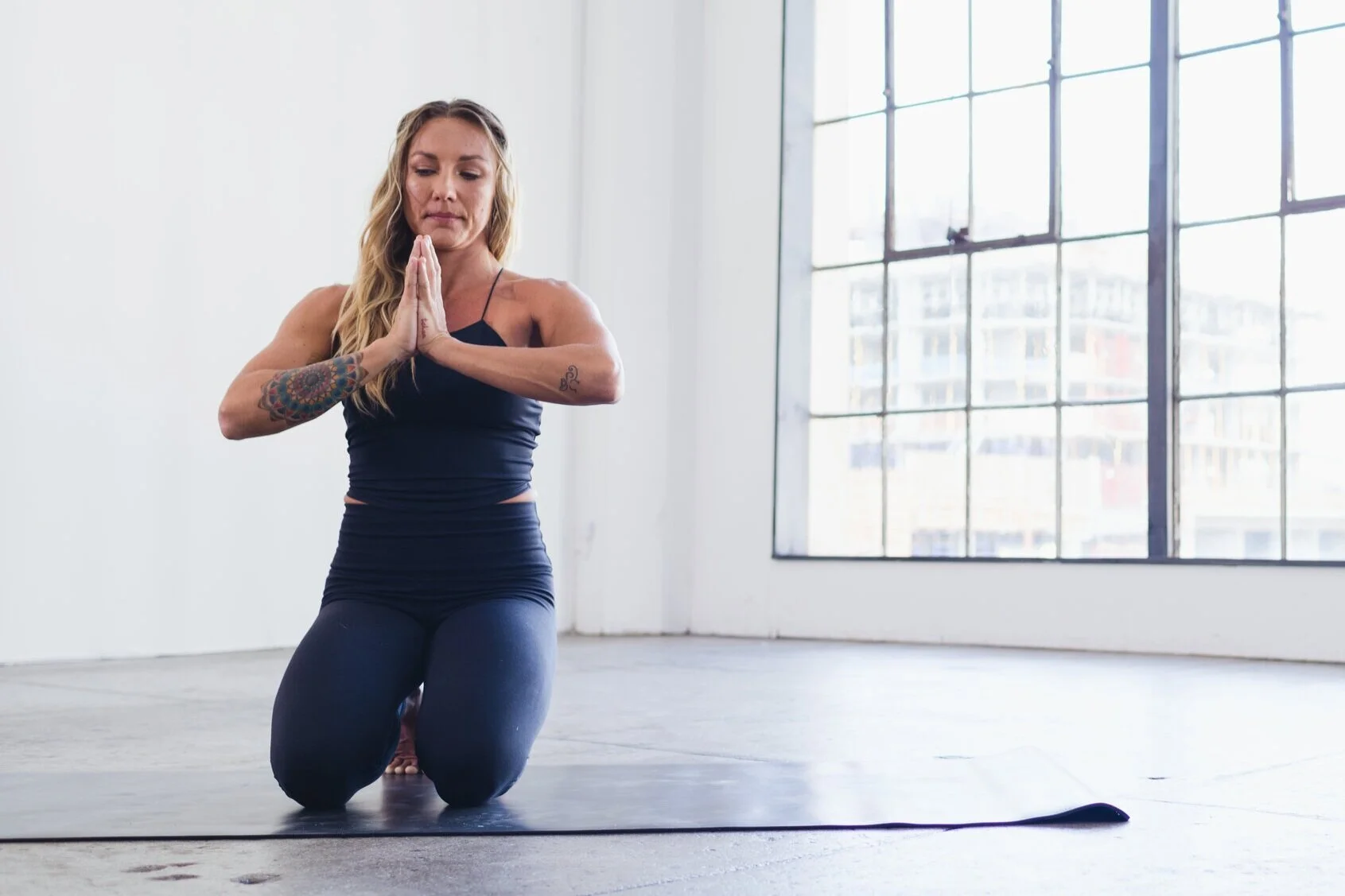
Extend one arm straight ahead, palm up. Use your other hand to gently pull your fingers down toward the floor. Hold 15 seconds. Flip your hand palm-down and push your fingers toward your body. Hold 15 seconds. Switch hands. Takes 1 minute.
Seated Figure Four
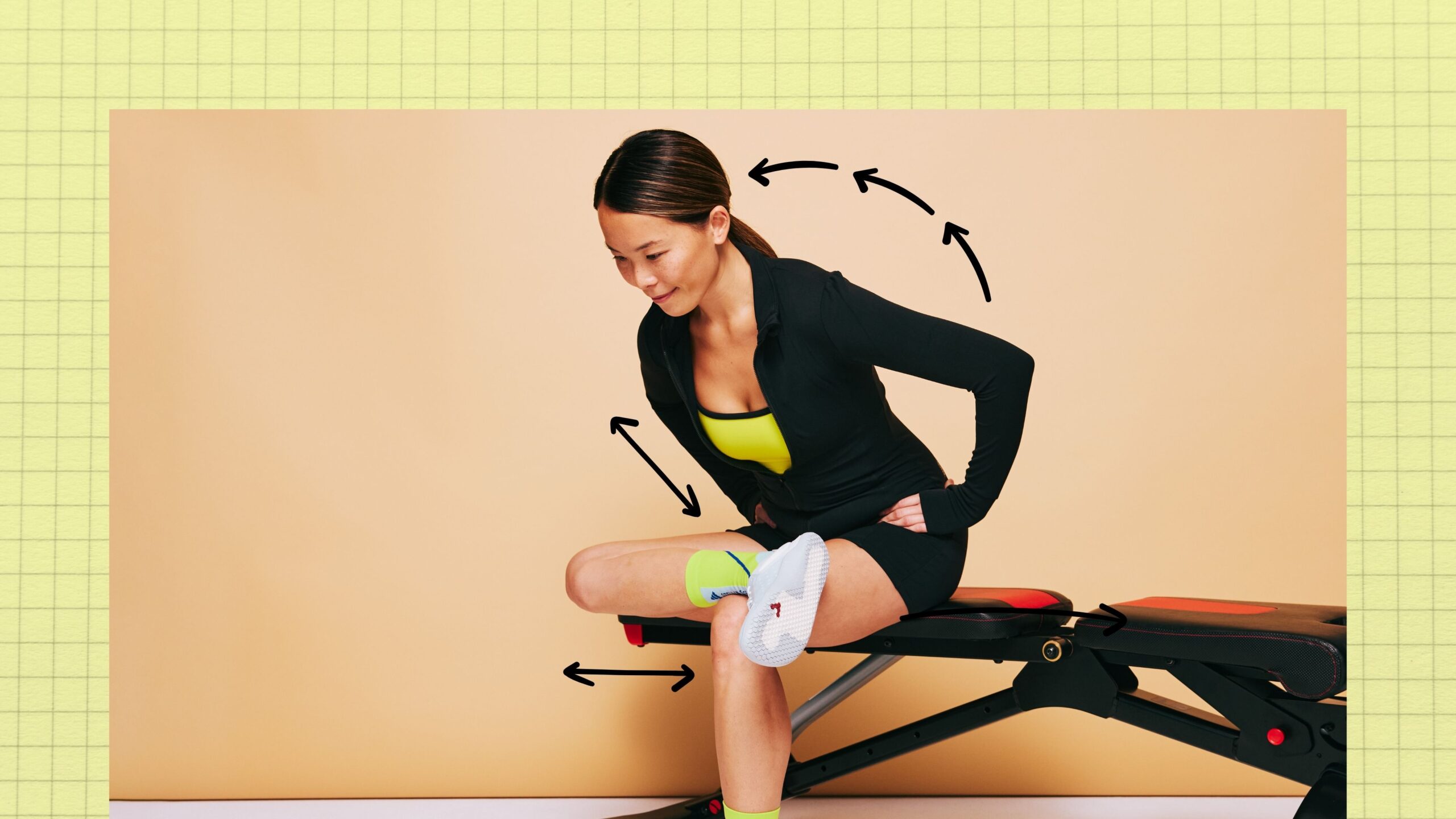
Cross your right ankle over your left knee. Sit tall and gently press your right knee down. Hold 30 seconds per side. Takes 1 minute.
Set a reminder to do these desk stretches every hour or two. A simple posture reminder device can buzz gently when it is time to stretch, helping you build the habit of regular movement breaks throughout your workday.
How to Progress Your Flexibility Over Time
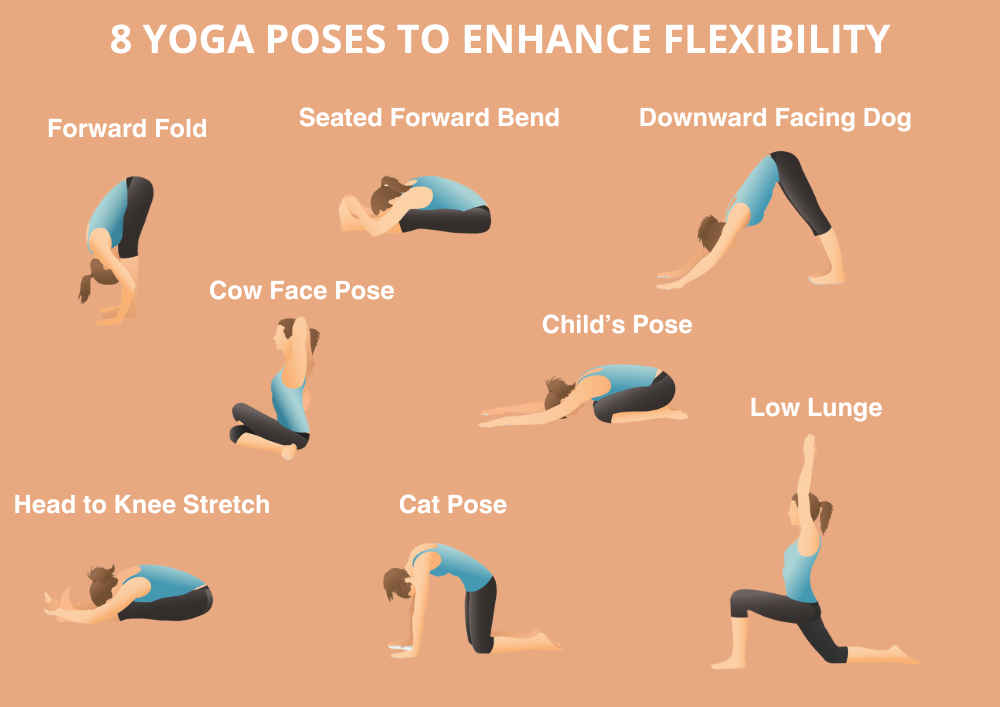
Flexibility improves with consistent practice, but it does require some patience. Here is how to progress safely and effectively.
Add Time Gradually
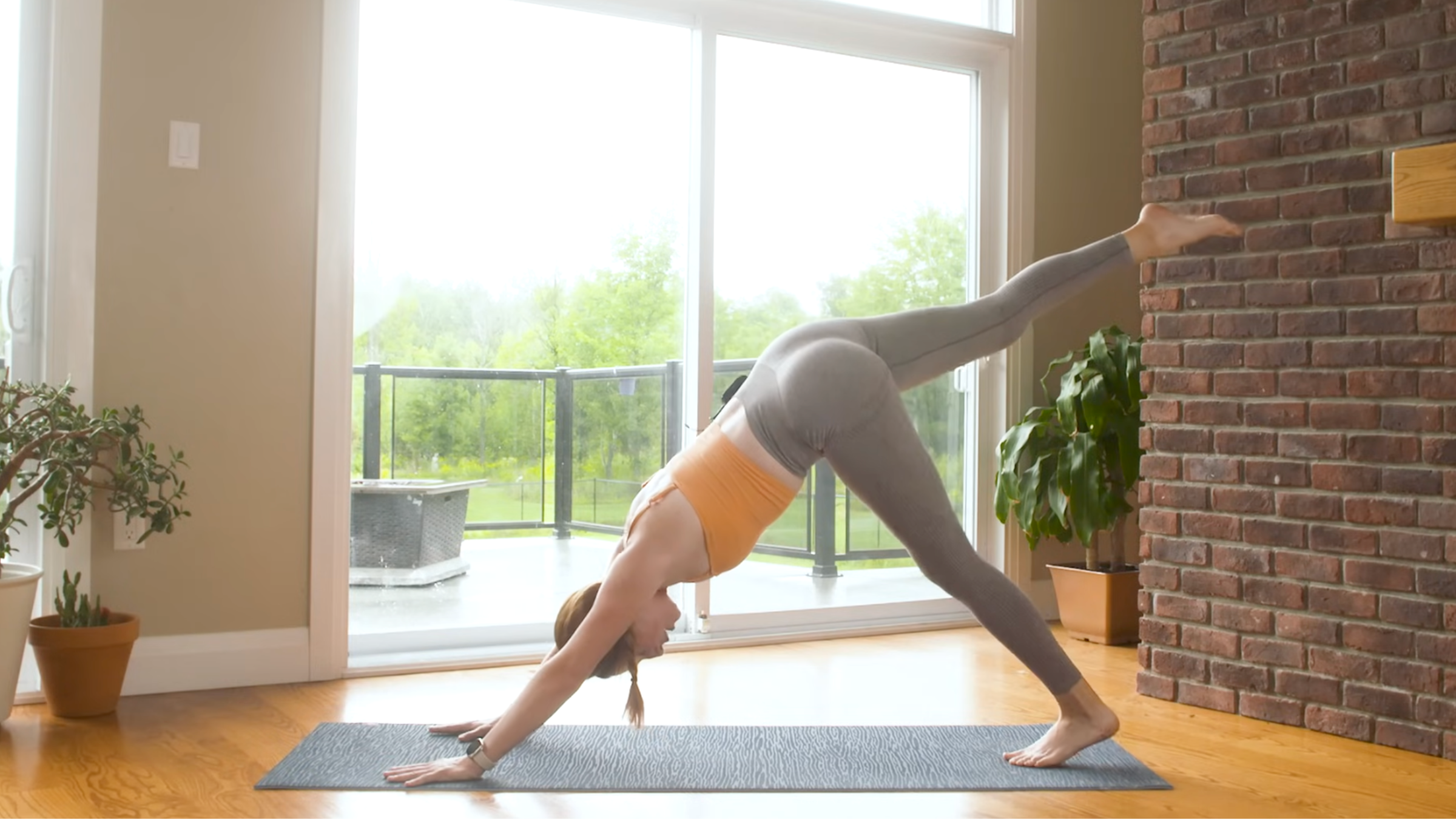
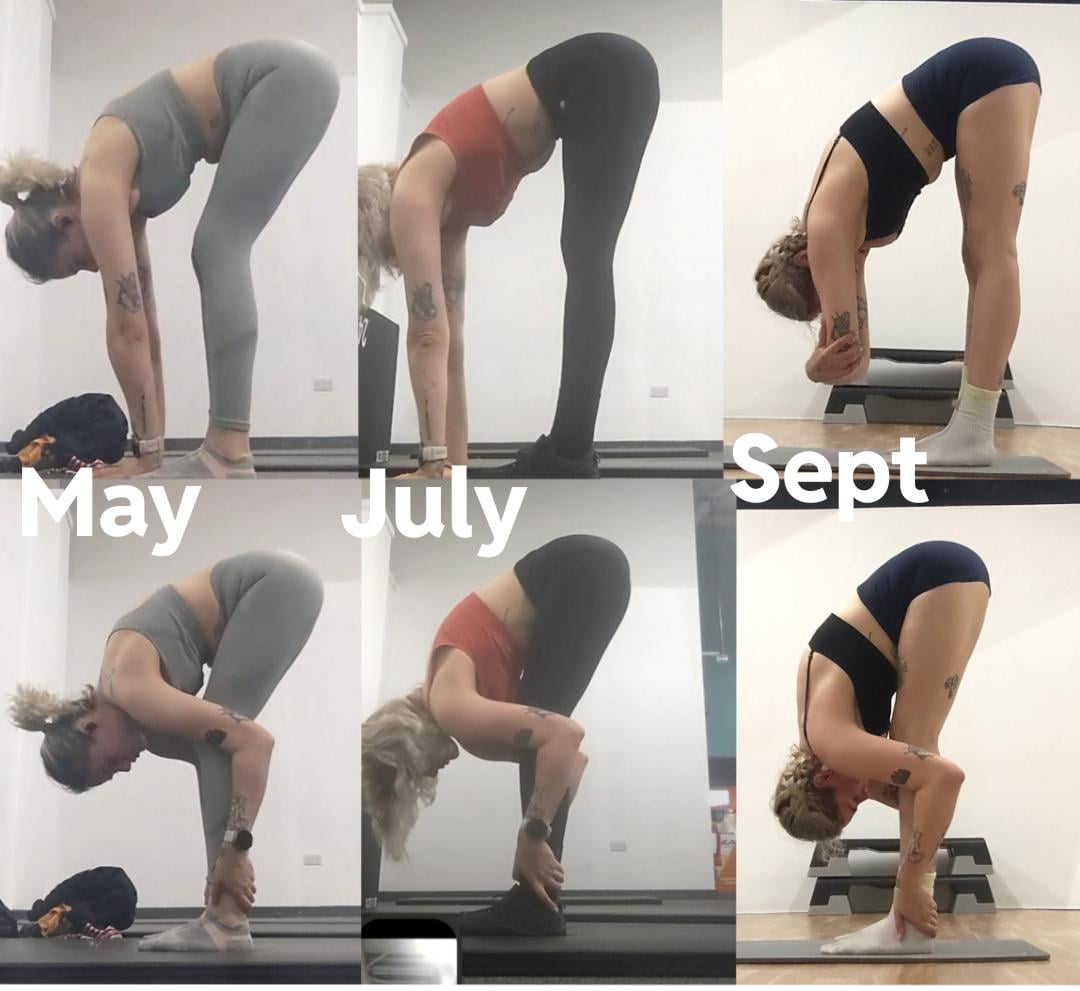
Once a stretch feels comfortable at 20 seconds, extend to 30 seconds, then 45, then 60. Longer holds allow your muscles to relax more deeply into the stretch, producing greater flexibility gains over time.
Increase Depth Gradually
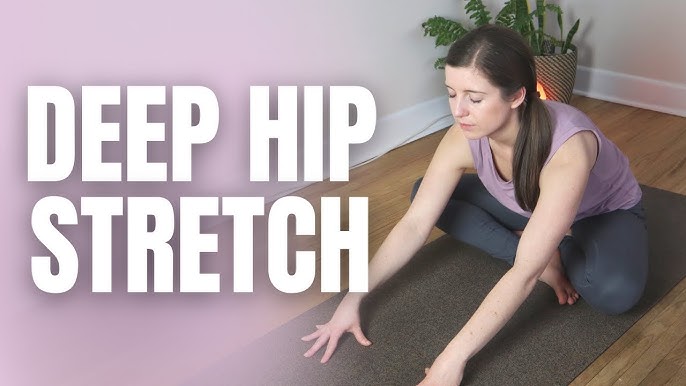
As a stretch becomes easier, go slightly deeper. The key word is slightly - pushing too far too fast can cause strains. Aim for a small increase each week. Progress is often measured in millimeters, not inches, and that is perfectly fine.
Try New Stretches
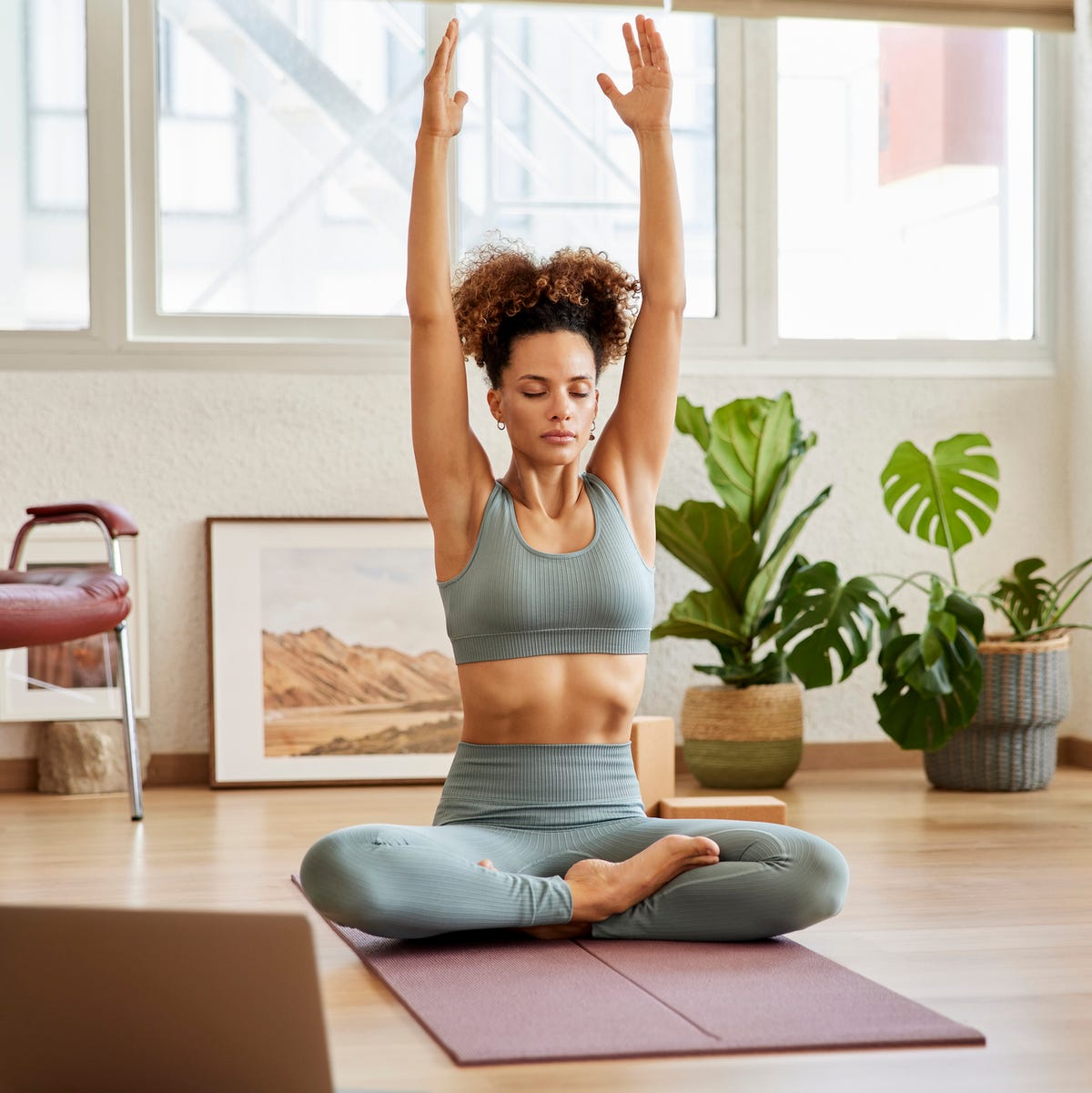
Your body adapts to the same stretches over time. Adding new stretches that target the same muscle groups from different angles keeps your flexibility progressing. A set of yoga blocks opens up dozens of additional stretching positions by bringing the floor closer to you and supporting your body in new poses.
Be Patient With Tight Areas
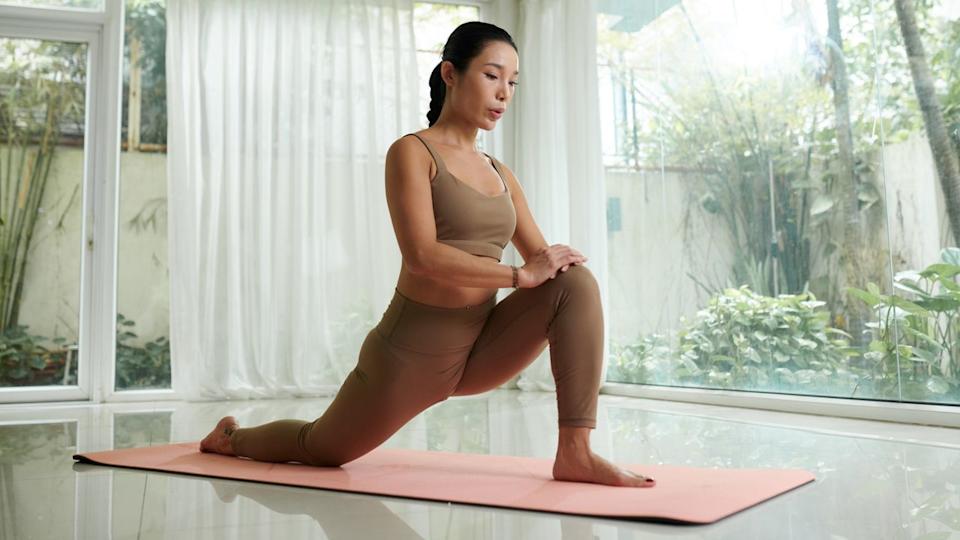
Some muscle groups - particularly hamstrings, hip flexors, and shoulders - can be stubbornly tight. These areas may take longer to show improvement, and that is normal. Consistent daily stretching will produce results, but some areas need weeks or months of patient work. Do not get discouraged by areas that seem to resist change - they will eventually respond to consistent attention.
Tools and Props That Make Stretching Easier
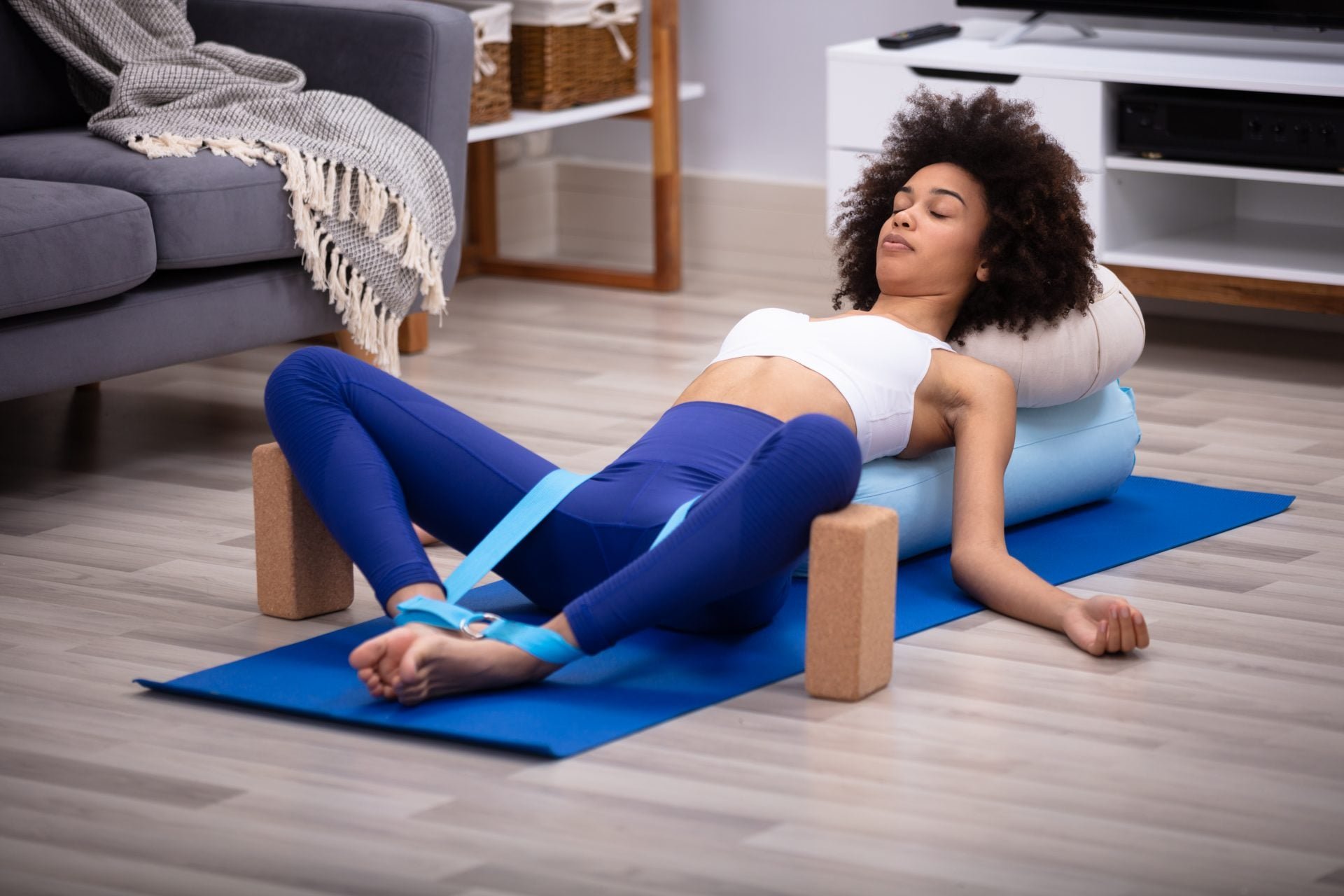
While you can stretch with nothing but your body, a few inexpensive props can significantly enhance your practice.
Yoga Strap
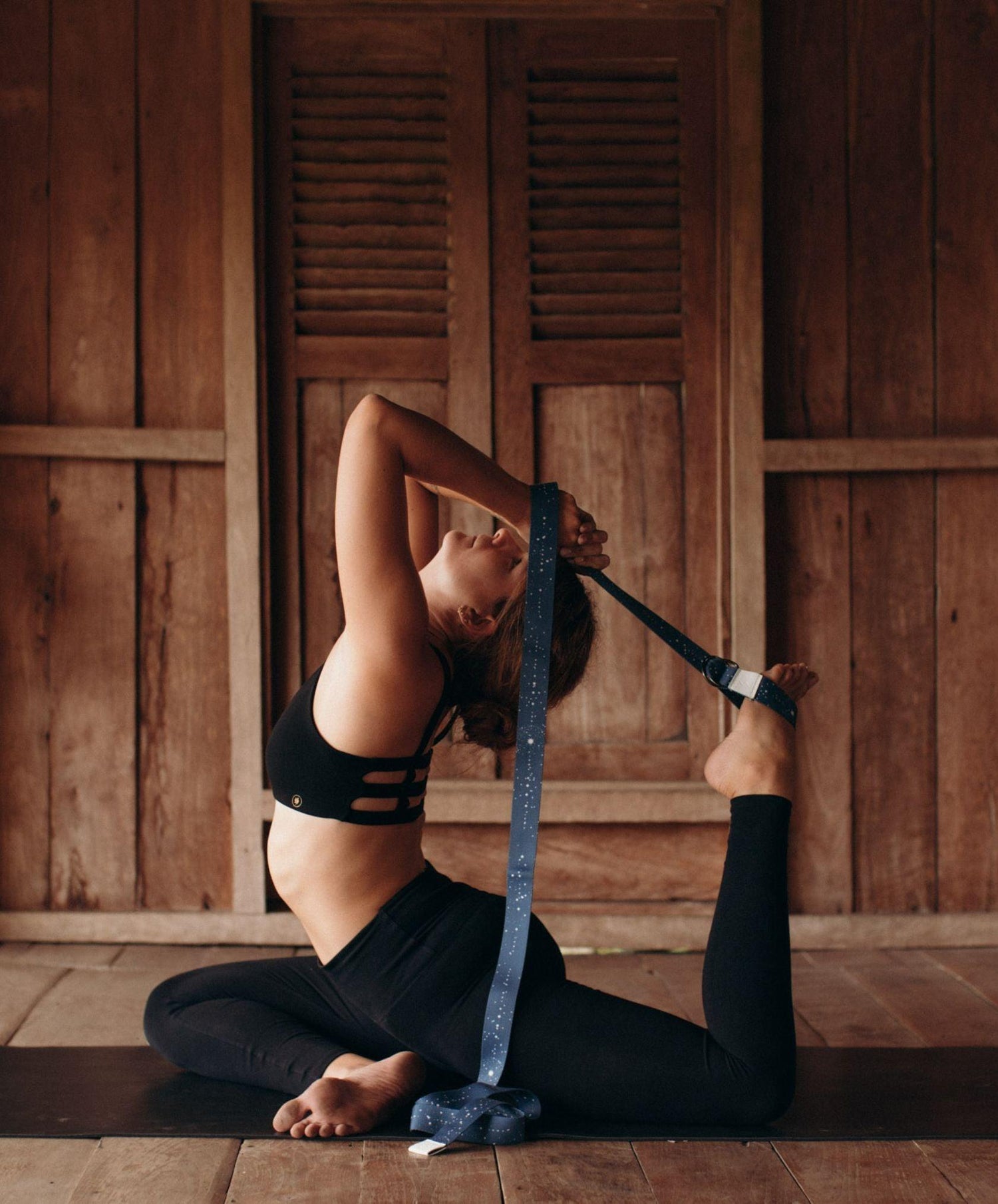
A 10-foot yoga strap extends your reach for hamstring stretches, shoulder stretches, and any position where your hands cannot quite reach their target. This is the single most useful prop for people with limited flexibility.
Yoga Blocks
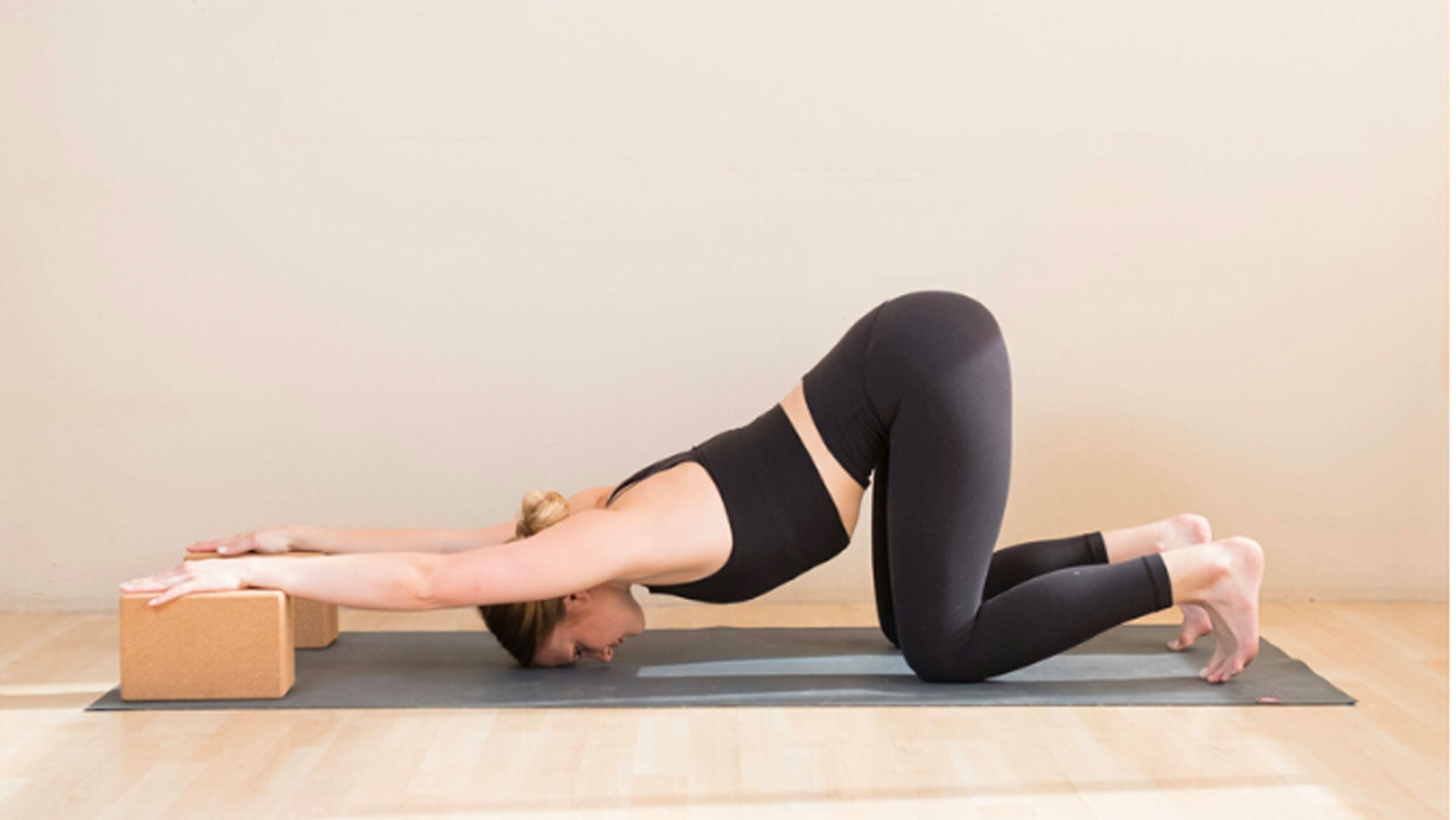
Blocks bring the floor closer to you. Place them under your hands in forward folds, under your hips in seated stretches, or between your thighs in bridge poses. A set of two blocks gives you the most versatility.
Foam Roller
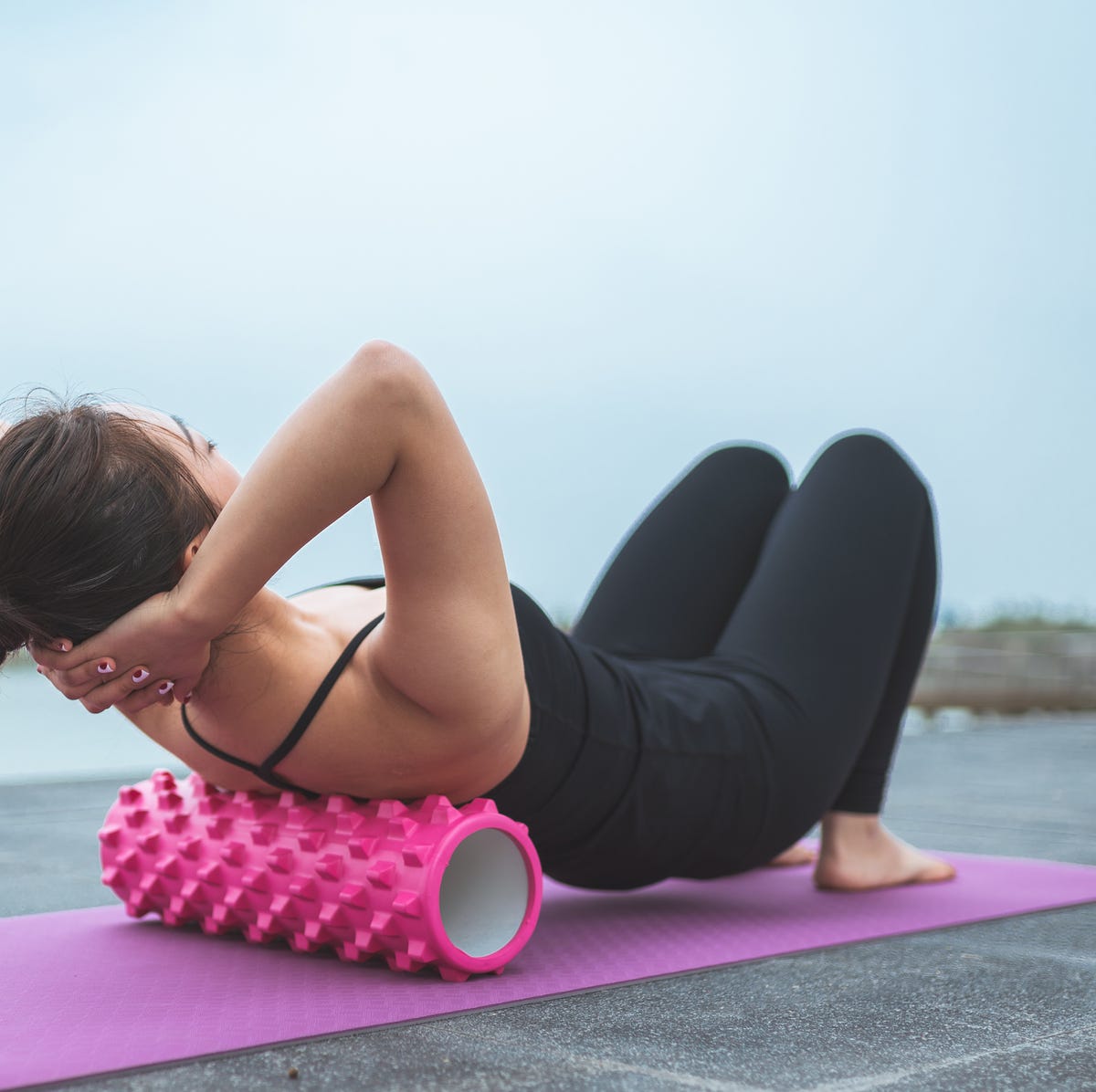
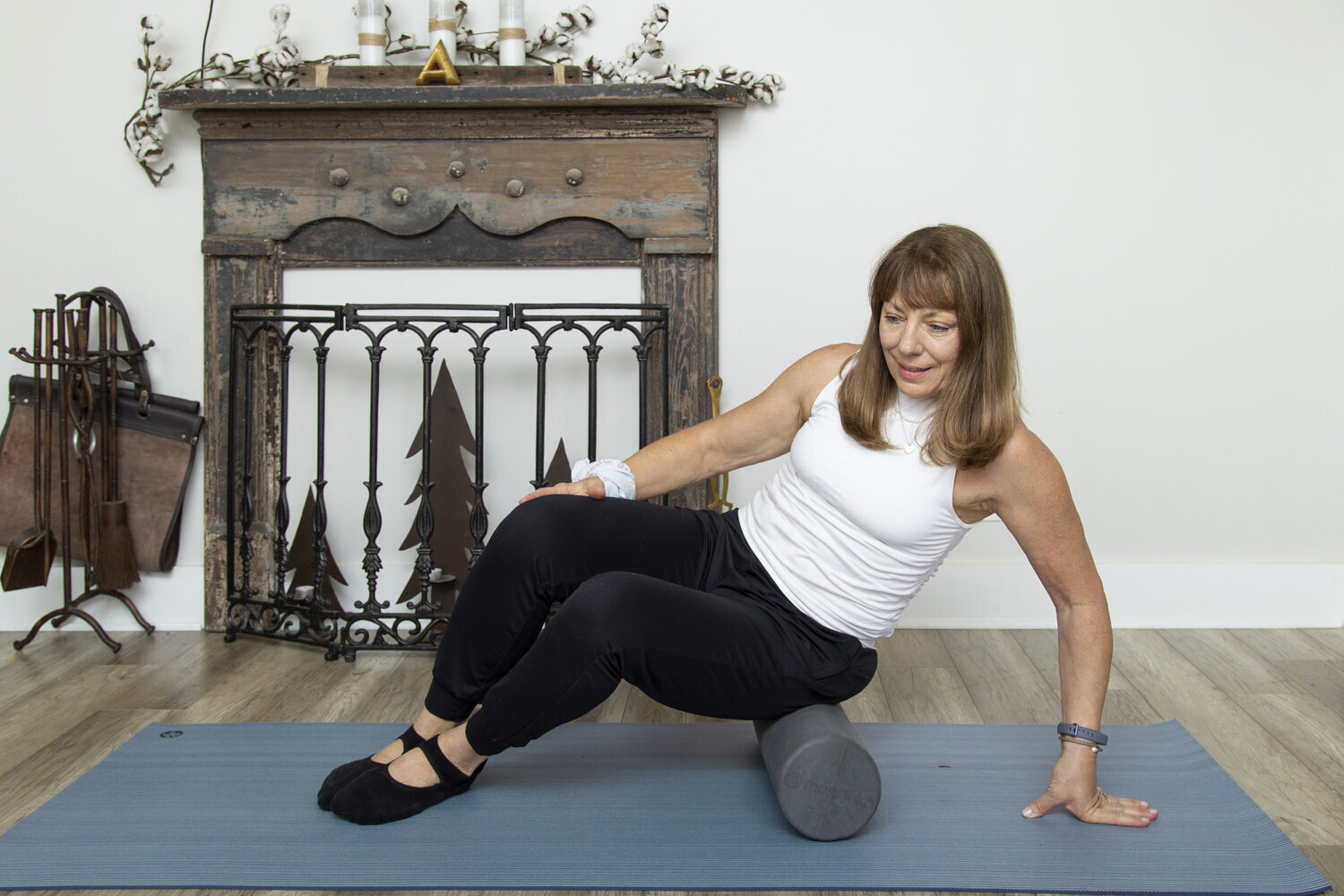
A medium-density foam roller is excellent for self-myofascial release - a form of self-massage that helps release tight muscle fascia and improve flexibility. Rolling your calves, quads, IT band, and upper back can dramatically improve how your stretches feel.
Thick Mat
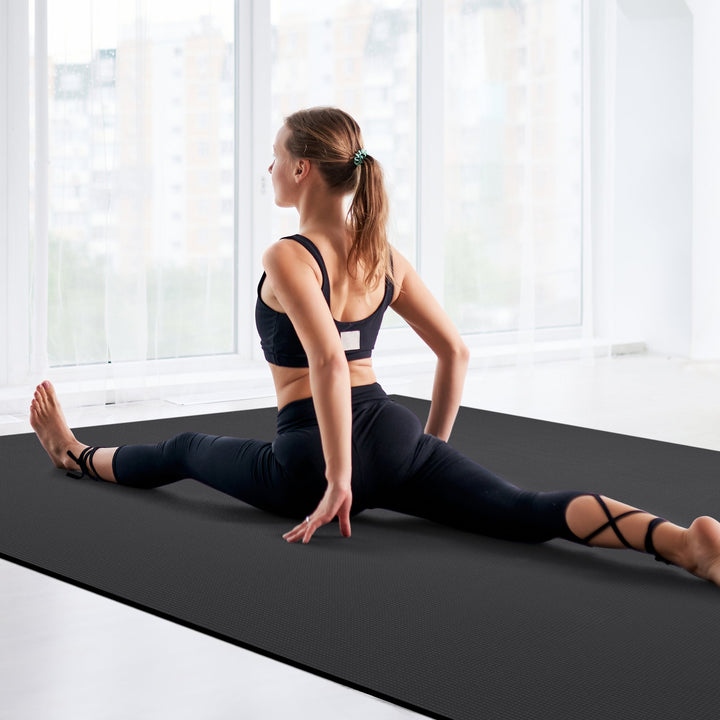
A mat that is at least 15mm thick cushions your knees, hips, and spine during floor stretches, making them much more comfortable and sustainable.
A Chair
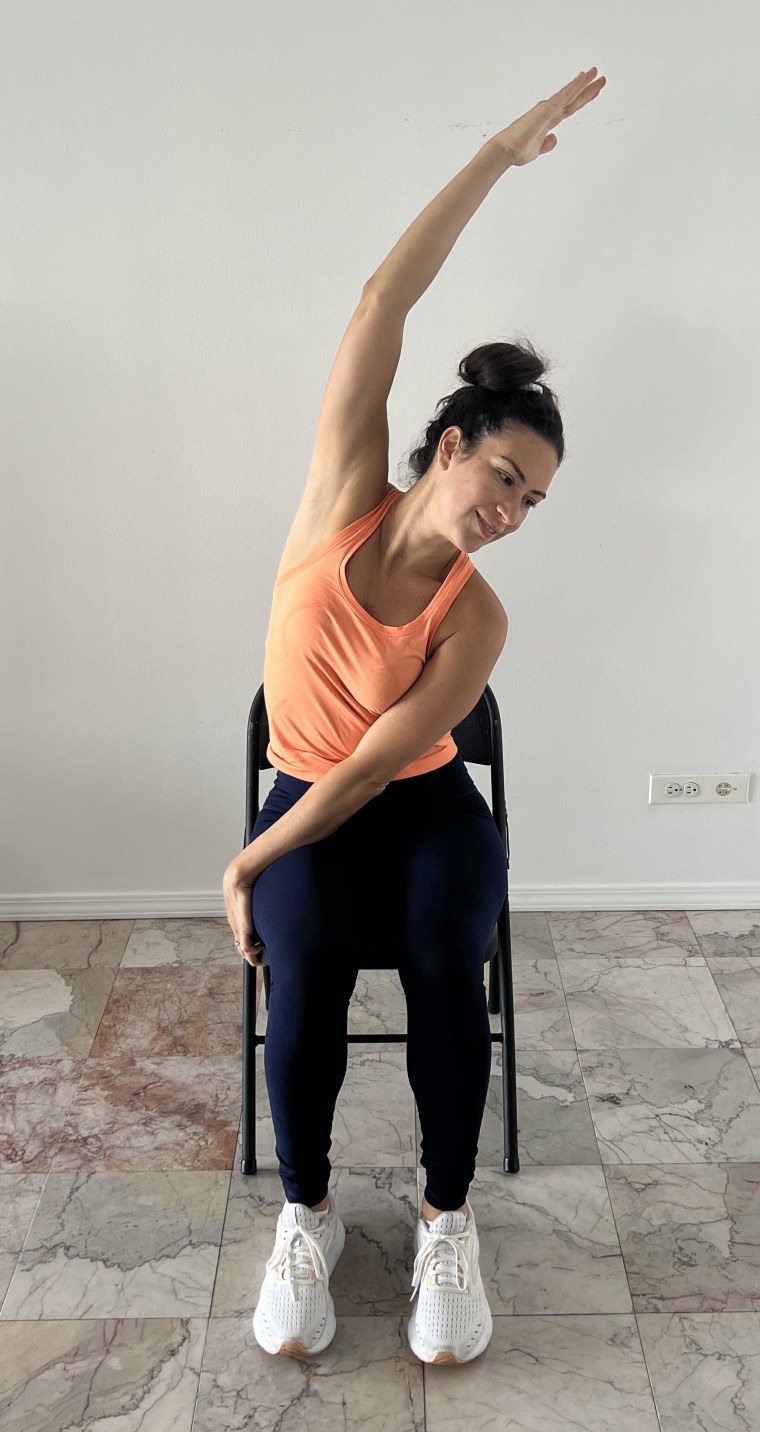
A sturdy chair without arms is an incredibly versatile stretching tool. Use it for seated stretches, as a balance aid for standing stretches, for elevated foot placement in hamstring stretches, and for support in numerous other positions. You probably already have one.
Fifteen minutes a day is all it takes to transform your flexibility, reduce your stiffness, and feel more comfortable in your body. That is one percent of your day invested in feeling significantly better for the other 99 percent. Whether you choose the morning routine, the evening routine, or create your own combination, the most important thing is to start. Your body will thank you, and the results will speak for themselves.
Key Takeaways
- Flexibility impacts every aspect of daily life from tying your shoes to turning your head while driving - it is far more important than most people realize.
- You do not need to be flexible to start stretching, stretching should not hurt, and plus-size bodies absolutely can achieve impressive flexibility gains.
- Props like yoga straps, blocks, and a sturdy chair make stretching accessible for every body by extending reach, providing support, and offering elevation options.
- The morning routine focuses on waking up your body and mobilizing your joints, while the evening routine focuses on releasing tension and preparing for sleep.
- Desk stretches done every hour or two prevent the stiffness and discomfort that comes from prolonged sitting.
- Progress comes from consistency - 15 minutes daily produces better results than an hour once a week, and most people see improvement within two to three weeks.
Frequently Asked Questions
Should I stretch before or after exercise?
Before exercise, do dynamic stretches (movement-based) like arm circles, leg swings, and hip rotations to warm up your muscles. After exercise, do static stretches (hold positions) to cool down and improve flexibility. The routines in this article are standalone practices that can be done at any time of day, independent of other exercise.
Is it normal to feel stiff when I first start stretching?
Completely normal. If you have not been stretching regularly, your muscles and connective tissue will be tight. The first few sessions might feel like your body has the flexibility of a two-by-four, and that is okay. This stiffness decreases noticeably within the first week of daily stretching, and significant improvements usually appear within two to three weeks.
Can stretching help with back pain?
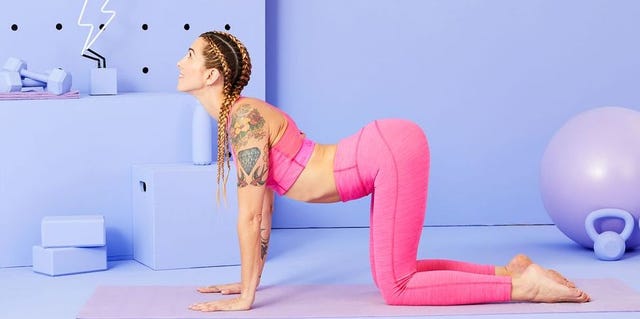
For many people, yes. Back pain is often caused or worsened by tight muscles in the hips, hamstrings, and back itself. Regular stretching of these areas can reduce tension, improve spinal alignment, and decrease pain. However, if you have chronic or severe back pain, consult a healthcare provider before starting a stretching routine to rule out conditions that require specific treatment.
How long until I can touch my toes?
This depends on your starting flexibility, consistency of practice, and individual anatomy (some people have naturally longer hamstrings and arms than others). Most people who stretch their hamstrings daily see meaningful progress within four to six weeks. Touching your toes is a nice milestone, but it is not the ultimate goal of stretching - improved comfort, reduced stiffness, and easier daily movement are far more important markers of success.
Can I stretch every day, or do I need rest days?
Gentle stretching can be done daily - it is one of the few physical activities that does not require rest days because it does not create the muscle damage that strength training does. In fact, daily stretching produces better results than intermittent stretching because your muscles respond to consistent, repeated lengthening. Just make sure you are stretching gently and not pushing into pain, and daily practice is not only safe but optimal.