
Why 20-Minute Home Workouts Actually Work
There is a persistent myth in fitness culture that if you are not spending an hour or more at the gym, you are wasting your time. This could not be further from the truth, and honestly, this kind of thinking keeps a lot of people from exercising at all. If the only “real” workout is a long one, and you cannot find an hour in your schedule, why even bother? That logic sounds reasonable, but it is completely wrong.
Twenty minutes of focused, intentional movement is more than enough to improve your cardiovascular health, build strength, boost your mood, improve your sleep, and increase your energy levels. A 2025 meta-analysis published in the British Journal of Sports Medicine found that as little as 15 to 20 minutes of moderate physical activity per day was associated with significant reductions in all-cause mortality and improvements in cardiovascular markers. That is not twenty minutes as a warm-up to the “real” workout - that is twenty minutes as the whole workout, and it makes a real difference.
For plus-size women especially, the 20-minute home workout removes virtually every barrier to exercise. No gym membership needed. No commute. No worrying about what to wear or who might be watching. No expensive equipment. Just you, your body, a small space in your home, and twenty minutes. That is it. If you have a body and a floor, you have everything you need.
The workouts in this article are designed to be done in your living room, bedroom, or any space where you have enough room to stand with your arms outstretched. They require absolutely no equipment - not even a mat, though having one makes floor exercises more comfortable. Each workout can be modified for different fitness levels, and every one of them can be completed in 20 minutes or less.
Before You Start - Tips for Success
A few practical tips will help you get the most out of these workouts and keep you coming back for more.
Wear Supportive Shoes or Go Barefoot
If you are doing standing exercises with any impact (marching, stepping, light bouncing), supportive shoes protect your feet and ankles. For floor-based work, barefoot is perfectly fine and actually helps you grip the surface better. A pair of Nike Revolution training shoes are lightweight and supportive enough for home workouts without being heavy or bulky.
Have Water Nearby
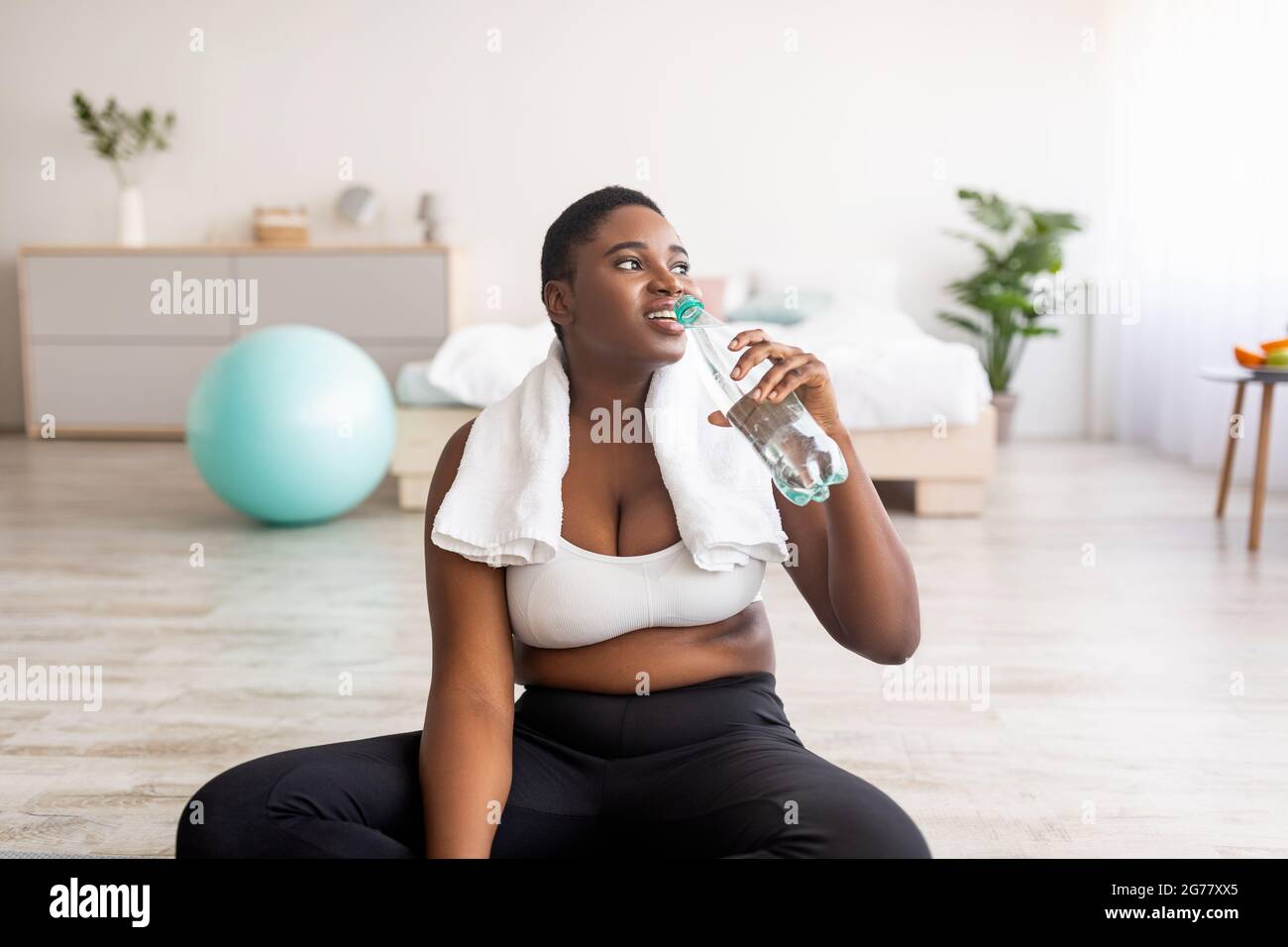
Even a 20-minute workout can make you thirsty. Keep a water bottle within arm’s reach so you can sip between exercises without losing momentum.
Listen to Your Body
Every workout includes modifications, but you are the expert on your own body. If something hurts (not muscle burn - actual pain), stop and move on to the next exercise. If you need longer rest breaks, take them. If you can only do half the repetitions, that is absolutely fine. You are building a practice, not competing in a fitness contest.
Wear What Makes You Comfortable
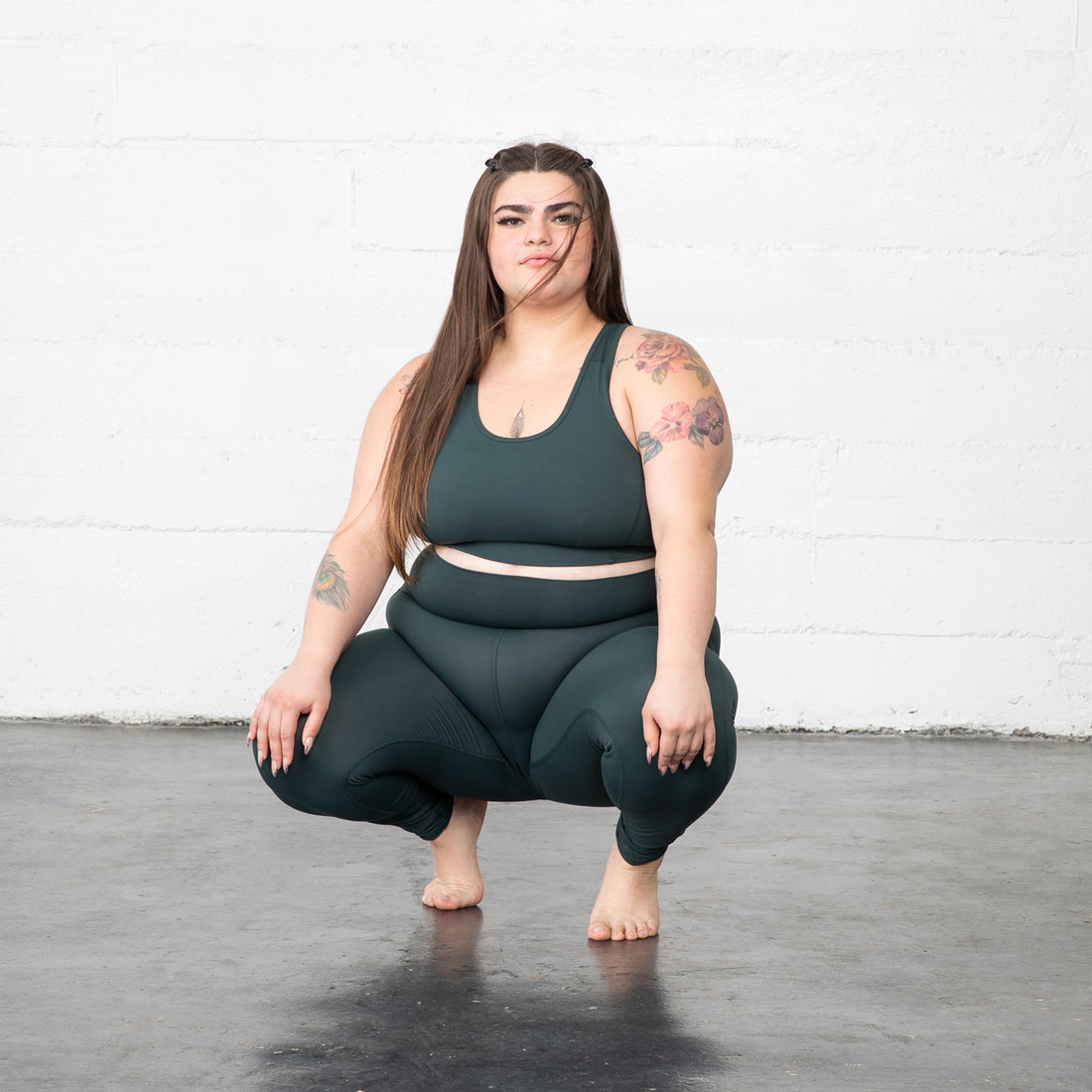
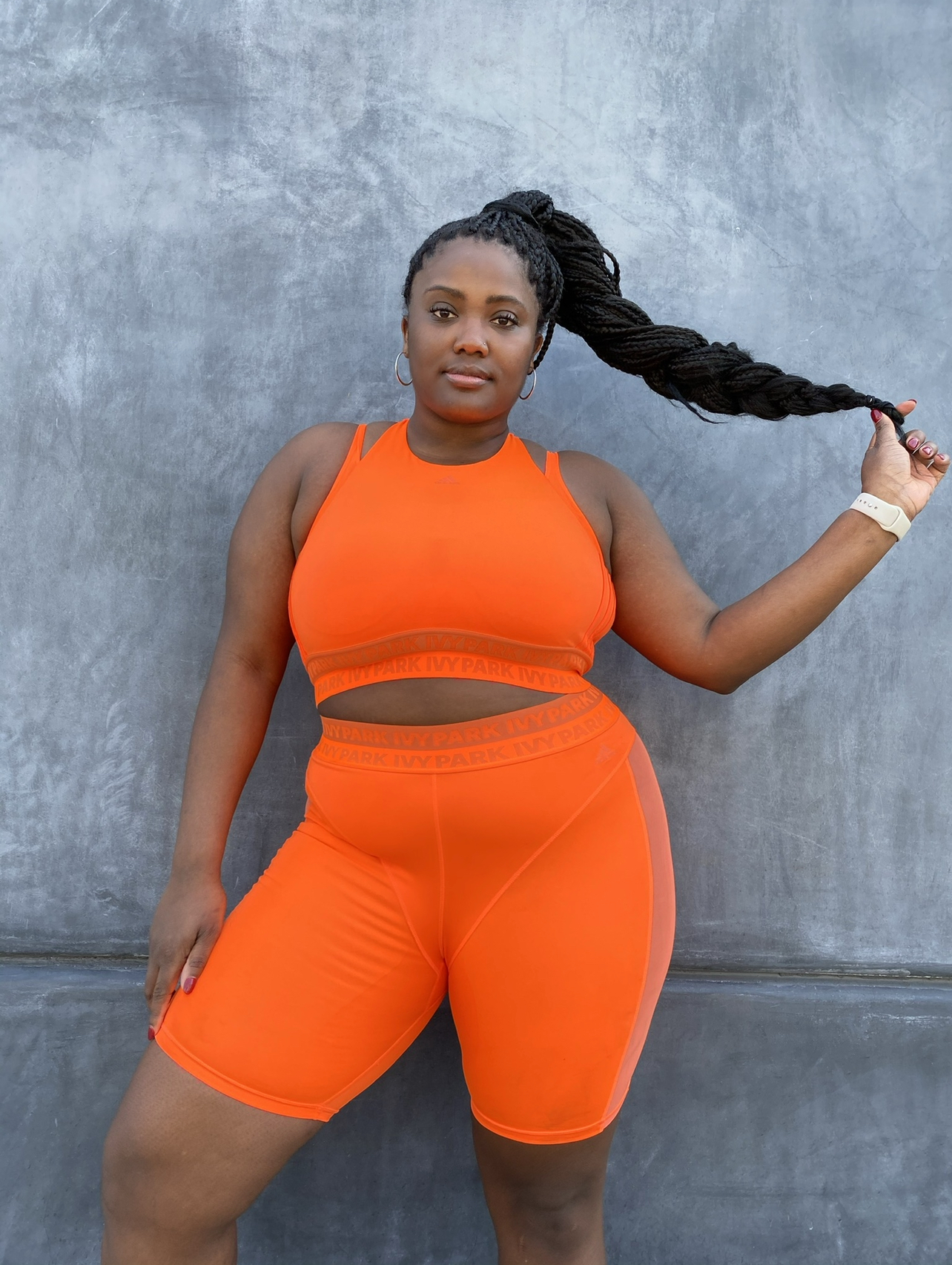
You are in your own home - there is no dress code. Pajamas, leggings, a big t-shirt, full athletic wear, whatever helps you feel good and move freely. For those who want supportive activewear, Target’s All in Motion plus-size leggings are affordable, stretchy, and stay in place during all types of movements.
Workouts 1 Through 5 - Cardio and Energy Boosters
Workout 1 - The Morning Wake-Up Call
This workout is designed to get your blood pumping first thing in the morning. It uses simple standing movements that require zero warm-up because the warm-up is built in. Start with 2 minutes of marching in place, lifting your knees as high as is comfortable. Follow with 2 minutes of step-touches side to side, adding arm movements as you go. Then do 2 minutes of standing knee lifts, alternating legs. Next, 2 minutes of arm circles - 1 minute forward, 1 minute backward. Then 2 minutes of gentle jumping jacks - if jumping is not comfortable, do stepping jacks instead by stepping one foot out at a time while raising your arms. Repeat this entire circuit once more for the remaining 10 minutes, pushing slightly harder the second time through.
Workout 2 - The Dance Party Cardio
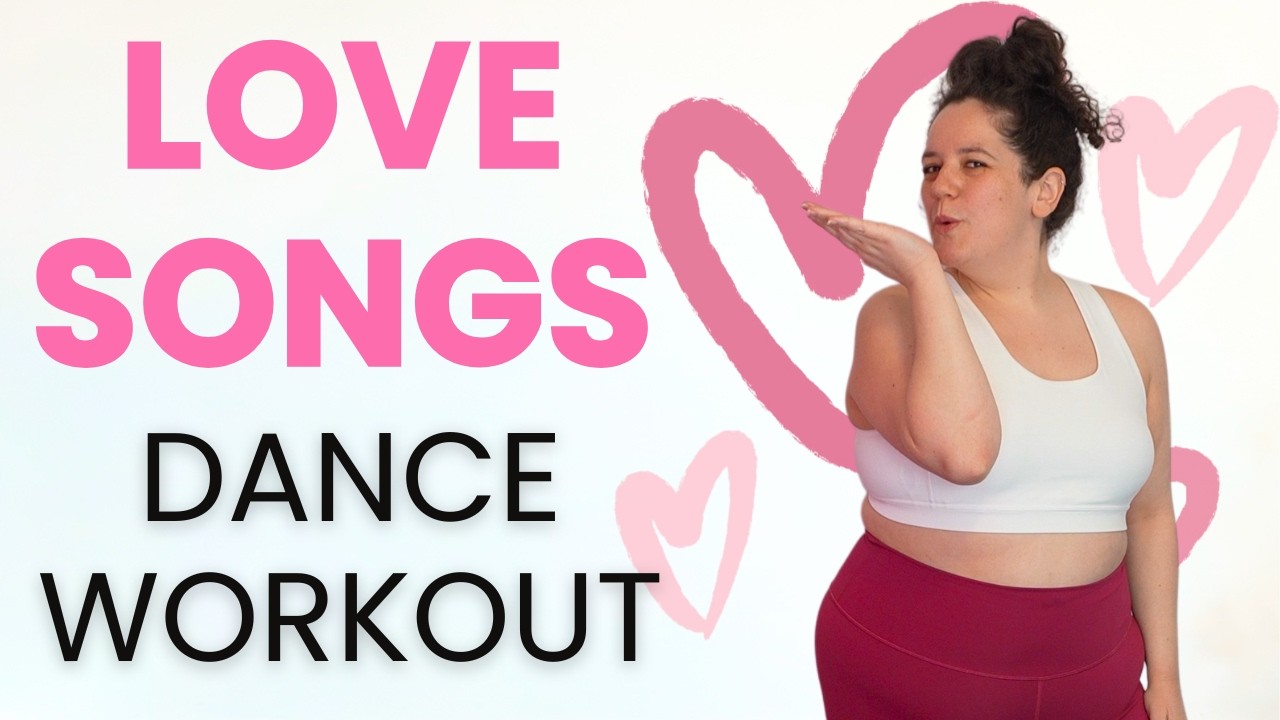
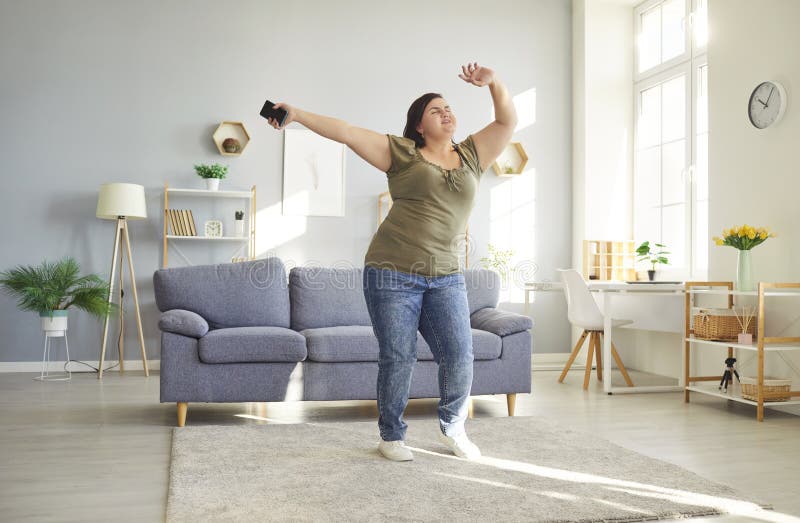
Put on your favorite playlist and commit to moving for 20 minutes straight. There are no specific exercises here - just dance. Roll your hips, pump your arms, step side to side, spin around, shimmy your shoulders, and let the music guide you. The only rule is that you keep moving for the full 20 minutes. Take it easy during slower songs, go all out during your favorite bangers, and have the time of your life. This is exercise at its most joyful, and it burns just as much energy as a structured routine.
Workout 3 - The Low-Impact Cardio Circuit
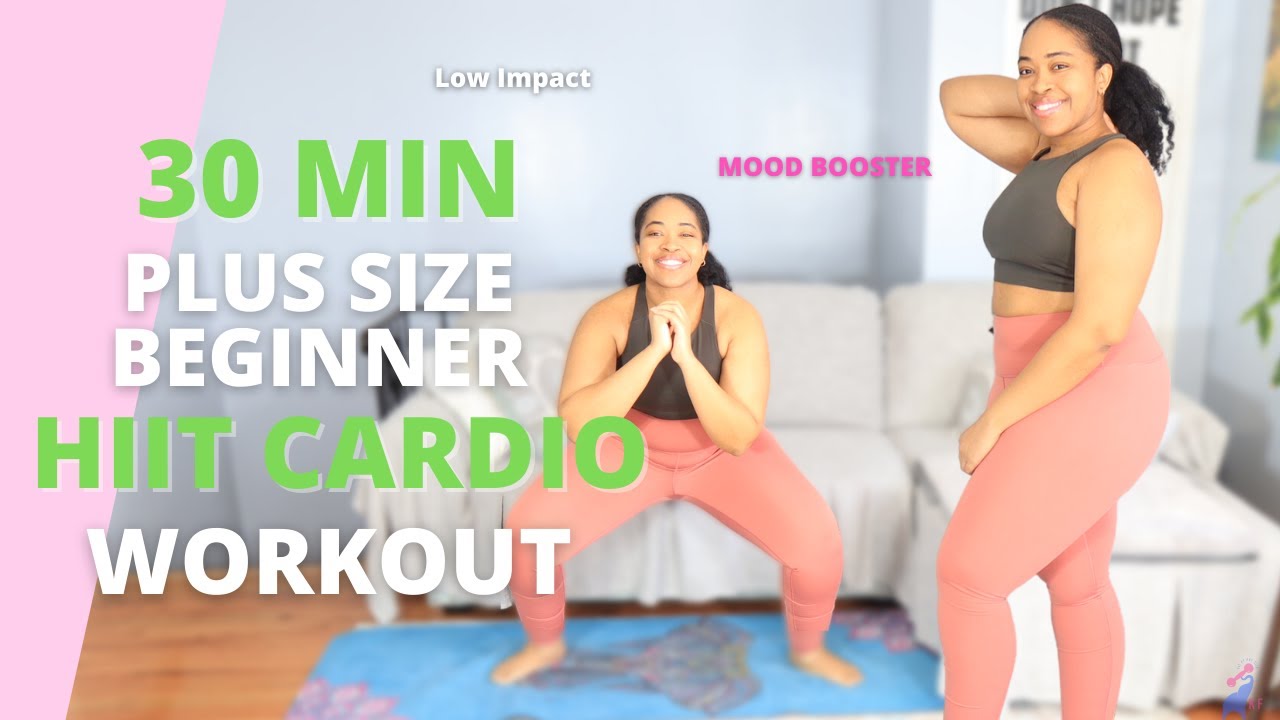
Do each of these exercises for 1 minute, rest for 30 seconds, then move to the next. March in place with high knees, side steps with arm raises, standing oblique crunches (elbow to knee), hamstring curls (kicking your heels toward your glutes), boxing punches (alternate arms while stepping), standing side leg lifts, toe taps forward and back, wide marching with overhead reach, gentle torso twists with arms swinging, and finish with a cool-down march. Run through the circuit once and you are done in exactly 20 minutes including rest periods.
Workout 4 - The Walking Workout (Indoor Edition)
You do not need to leave your house to walk for exercise. In your living room or hallway, walk at a brisk pace for 2 minutes, then switch to a power walk with exaggerated arm swings for 2 minutes. Add side steps for 2 minutes, walk backward carefully for 1 minute, then repeat. Throw in some walking lunges every 5 minutes if you want an extra challenge. Walking at home lets you control the environment completely - blast your music, watch your favorite show, or listen to a podcast while you move.
Workout 5 - The Commercial Break Blast
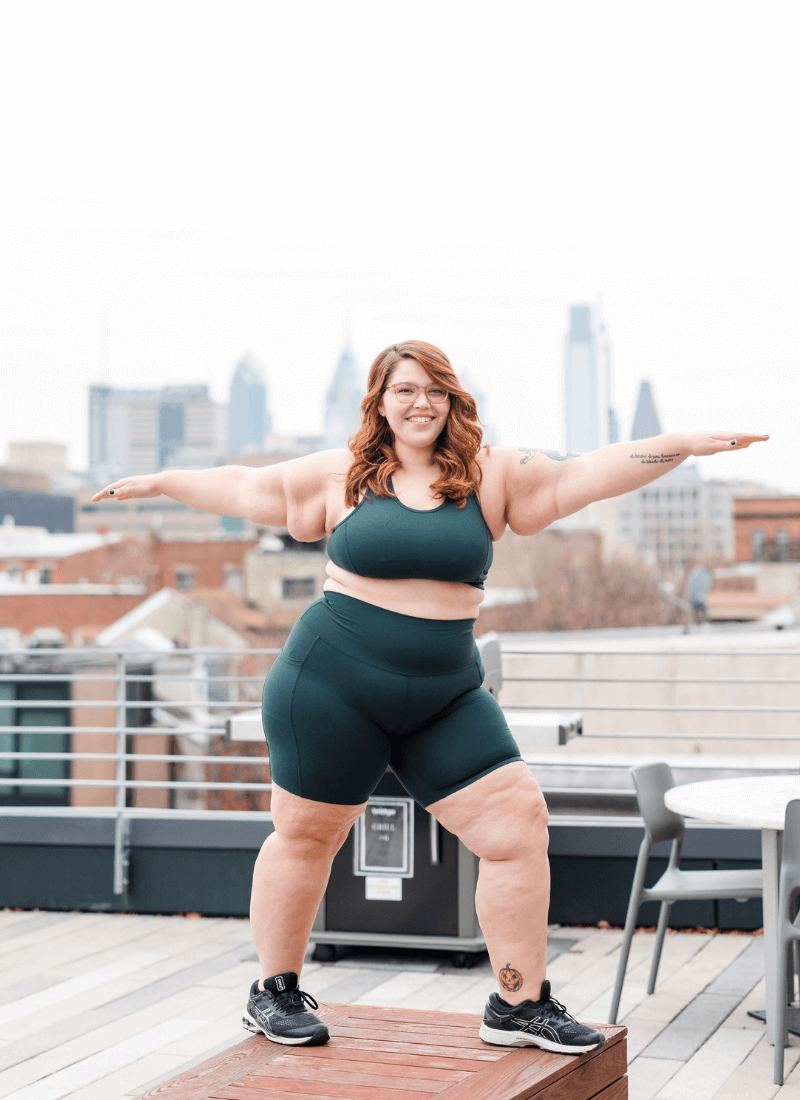
This workout is designed around watching TV. During each commercial break (or every 10 minutes if you are streaming), do one exercise at maximum effort until the break ends. First break - marching with high knees. Second break - standing squats (as deep as comfortable). Third break - wall push-ups. Fourth break - standing calf raises. Fifth break - arm circles. Sixth break - standing hip circles. By the end of a one-hour show, you have accumulated 20 or more minutes of exercise without ever feeling like you “worked out.” This is one of the sneakiest and most sustainable ways to build a fitness habit.
Workouts 6 Through 10 - Strength and Toning
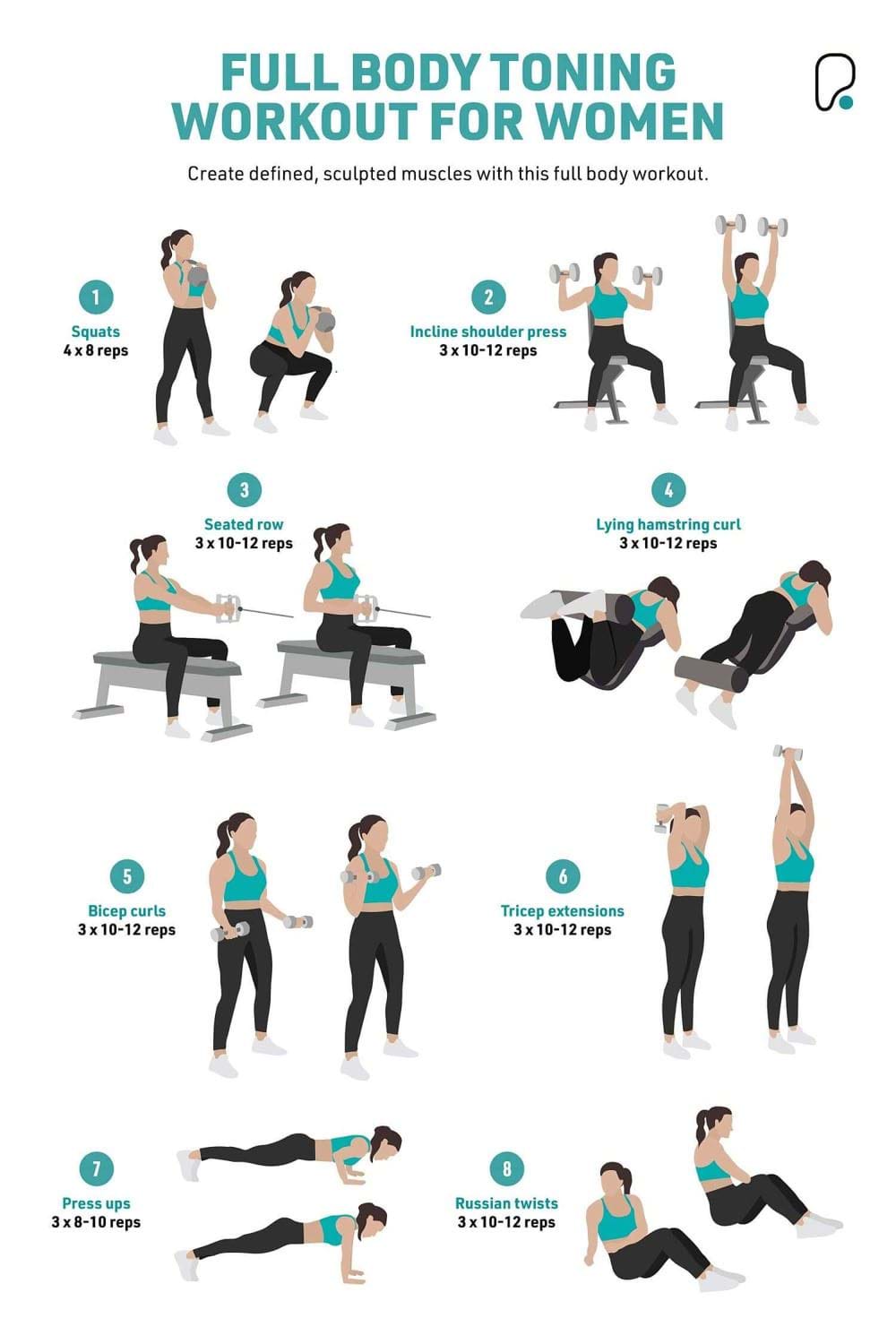
Workout 6 - The Upper Body Builder
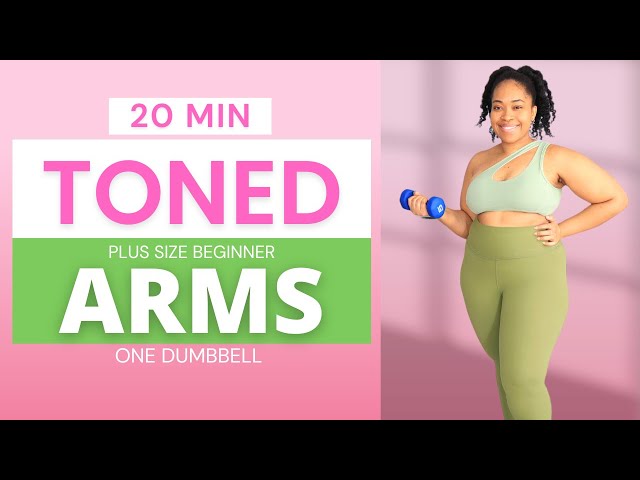
Your own body weight provides all the resistance you need for an excellent upper body workout. Start with 2 minutes of arm circles to warm up. Then do 10 wall push-ups (stand arm’s length from a wall, place your palms flat, and push-up against the wall), 10 tricep dips using a sturdy chair or couch edge, 10 standing shoulder presses (press your fists from shoulder height to overhead), 10 bicep curls using filled water bottles or canned goods as light weights, and 30-second plank holds (modified on knees is absolutely fine). Rest 30 seconds between exercises and repeat the circuit twice.
Workout 7 - The Lower Body Powerhouse
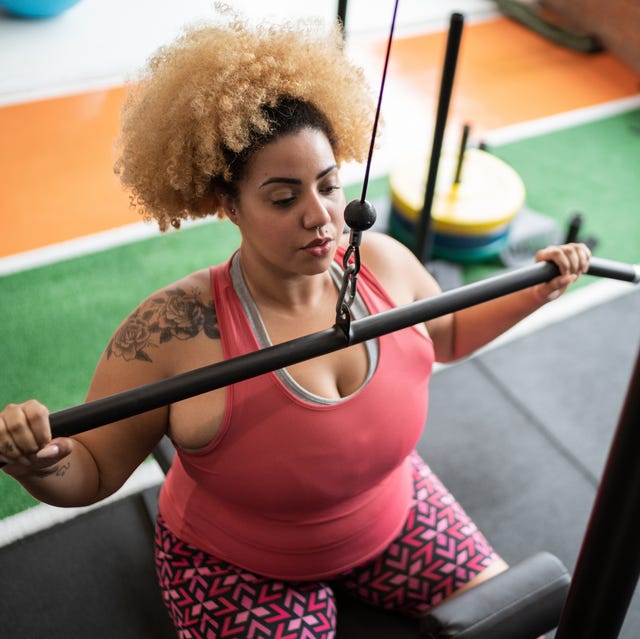
This one targets your legs and glutes with zero equipment. Warm up with 2 minutes of marching. Then do 12 bodyweight squats (only go as deep as comfortable - even a quarter squat counts), 10 reverse lunges per leg (step back instead of forward for easier balance), 12 standing calf raises, 10 side leg lifts per leg, 12 glute bridges lying on your back, and 30 seconds of wall sits. Rest between exercises as needed and repeat the circuit once more.
Workout 8 - The Core Connector
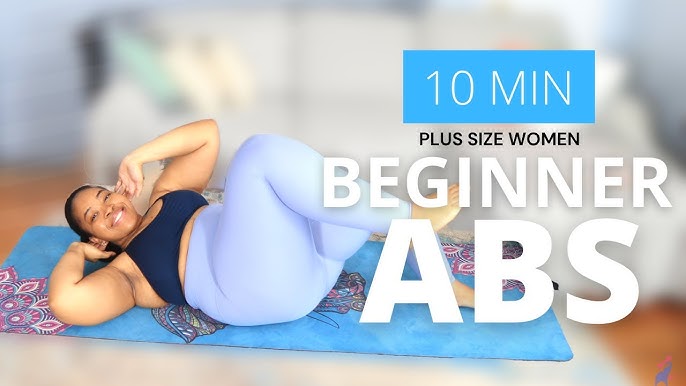
A strong core supports everything else you do. Start with 2 minutes of gentle standing twists. Then do 10 standing crunches (bring your elbow to your opposite knee while standing), 10 seated leg extensions (sit on a chair and extend one leg at a time), 30-second modified plank hold, 10 lying pelvic tilts, 10 bridges, and 10 dead bugs (lying on your back, extend opposite arm and leg while keeping your core stable). Rest as needed and complete two rounds.
If you find that floor exercises are uncomfortable on hard surfaces, a wide, extra-thick exercise mat makes a significant difference. Look for one that is at least 72 inches long and half an inch thick for proper cushioning.
Workout 9 - The Full Body Fusion
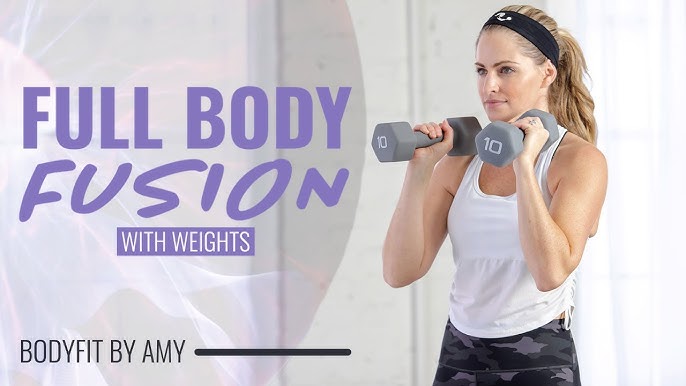
This workout hits every major muscle group in 20 minutes. Warm up with 2 minutes of marching and arm swings. Then do each of these exercises for 45 seconds with 15 seconds of rest between them - squats, wall push-ups, standing knee lifts, glute bridges, standing shoulder presses with water bottles, side lunges, standing oblique crunches, calf raises, modified plank, and standing boxing punches. That is one round. Rest for 1 minute and repeat. Two rounds brings you to exactly 20 minutes.
Workout 10 - The Staircase Workout
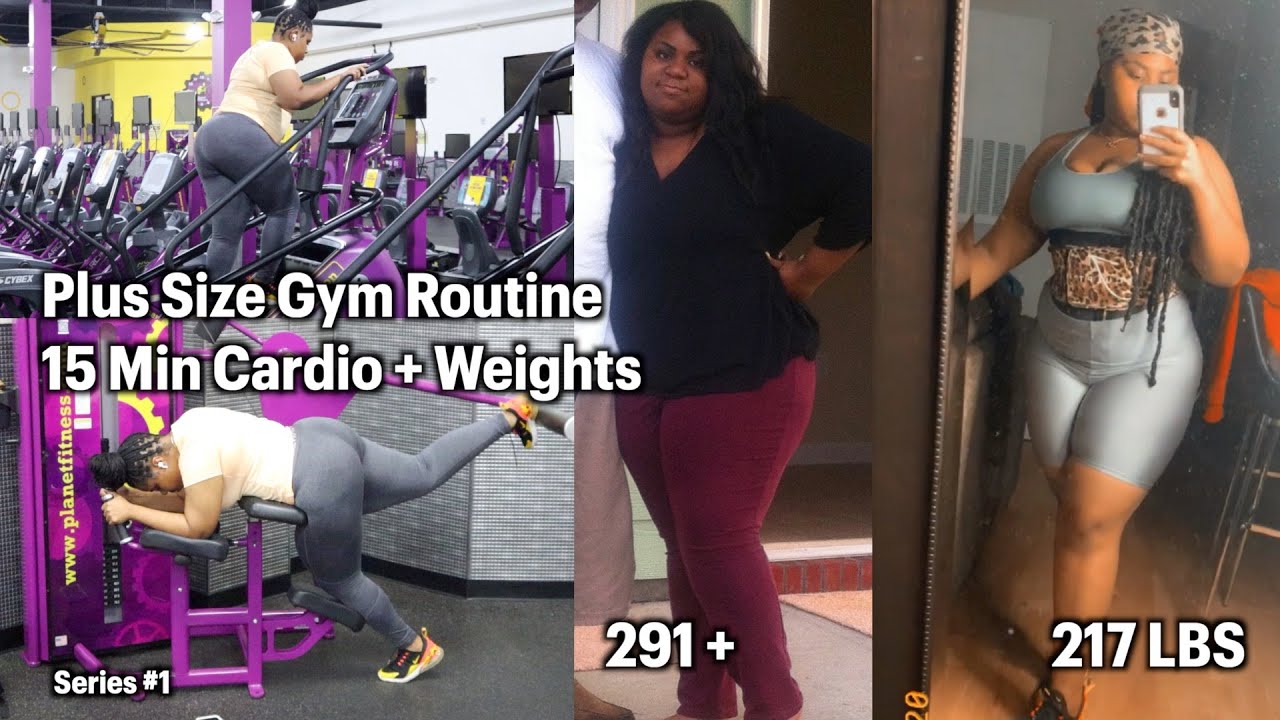
If you have stairs in your home, you have a built-in workout machine. Walk up and down the stairs at a moderate pace for 2 minutes. Then do 10 step-ups on the bottom stair (alternate legs). Walk up and down again for 2 minutes. Do 10 incline push-ups using the stair railing or a step. Walk the stairs again. Do 10 calf raises on the bottom step. Continue alternating stair walks with exercises for 20 minutes. Stairs naturally elevate your heart rate and build leg strength without any equipment whatsoever.
Workouts 11 Through 15 - Flexibility and Recovery
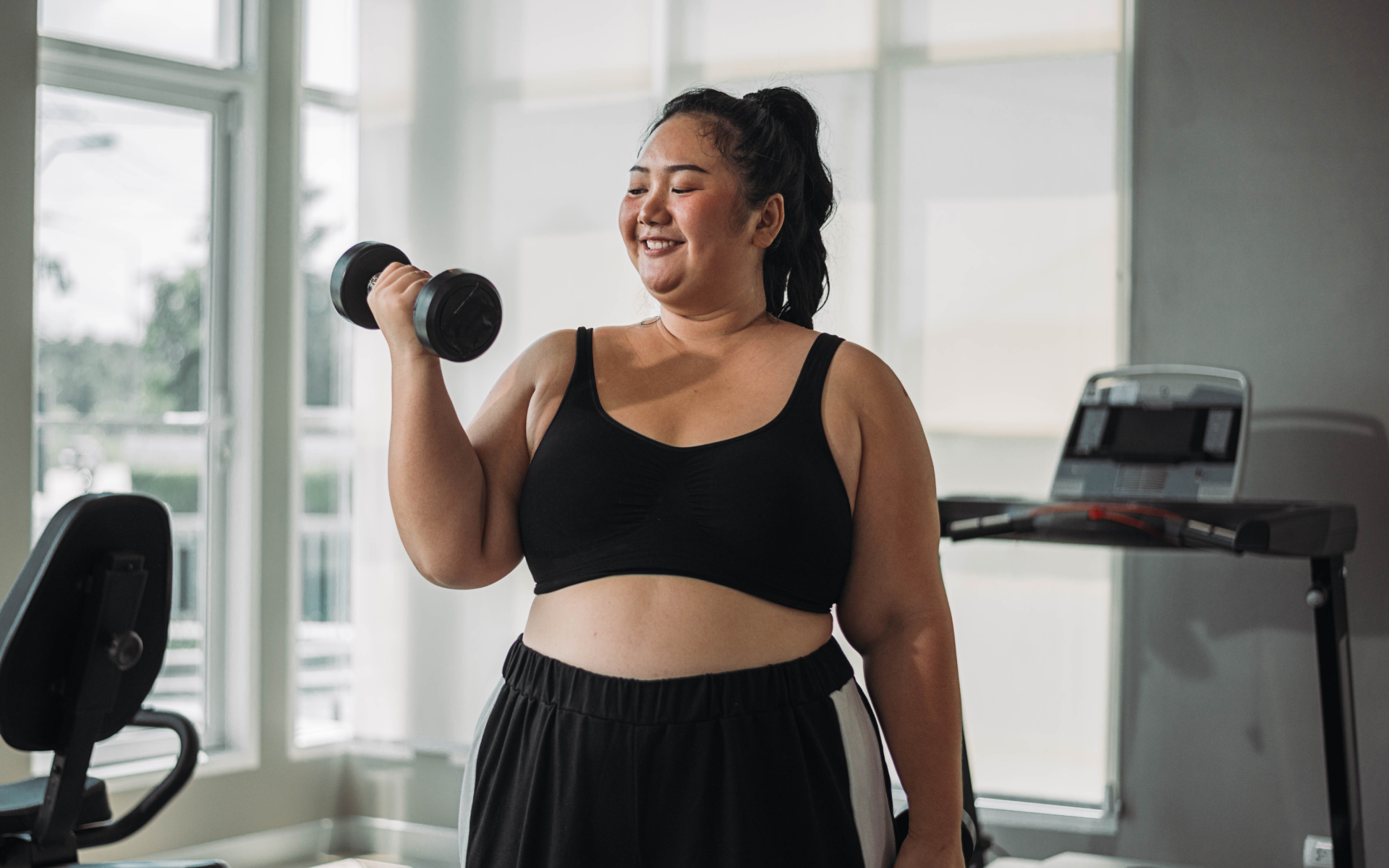
Workout 11 - The Gentle Yoga Flow
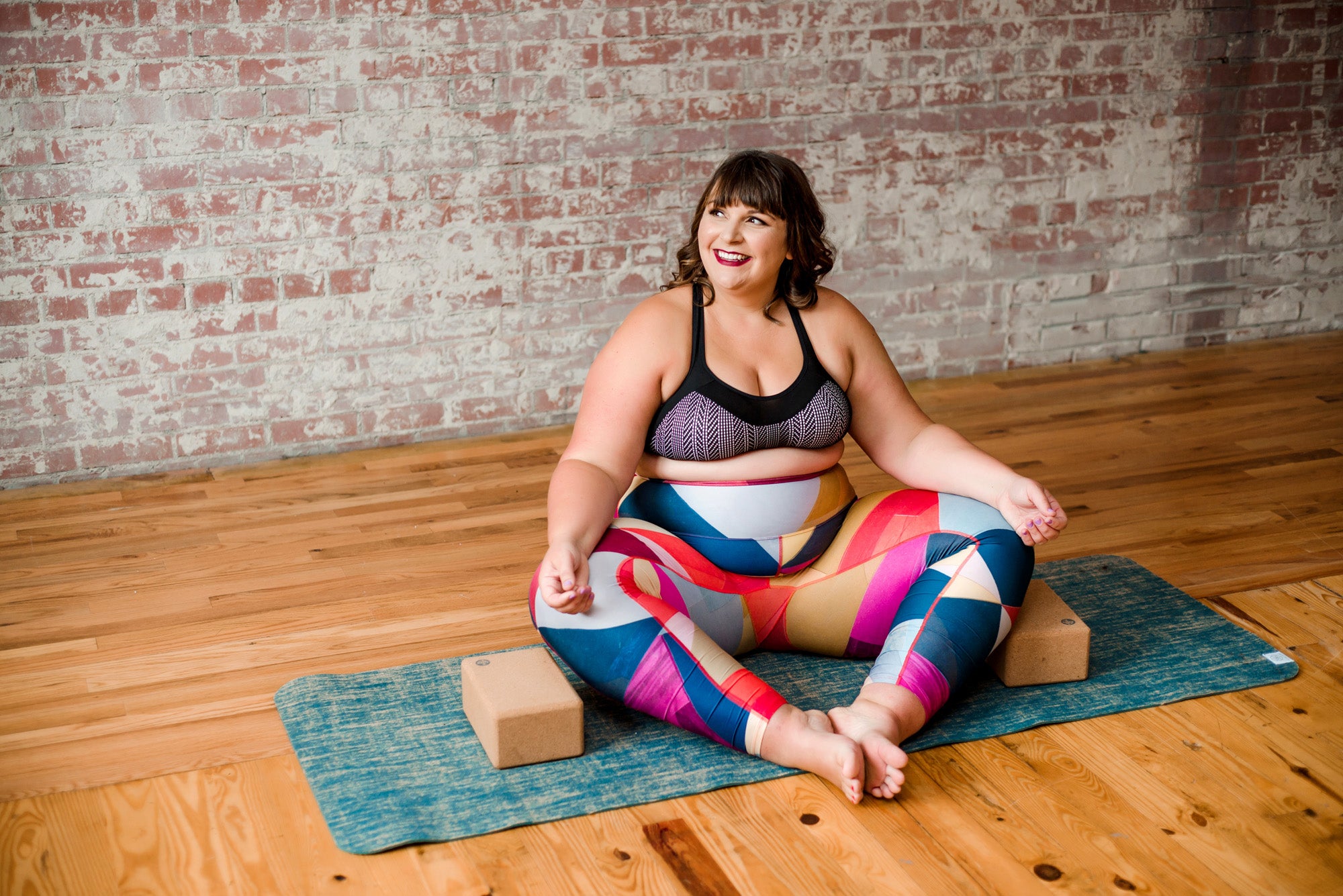
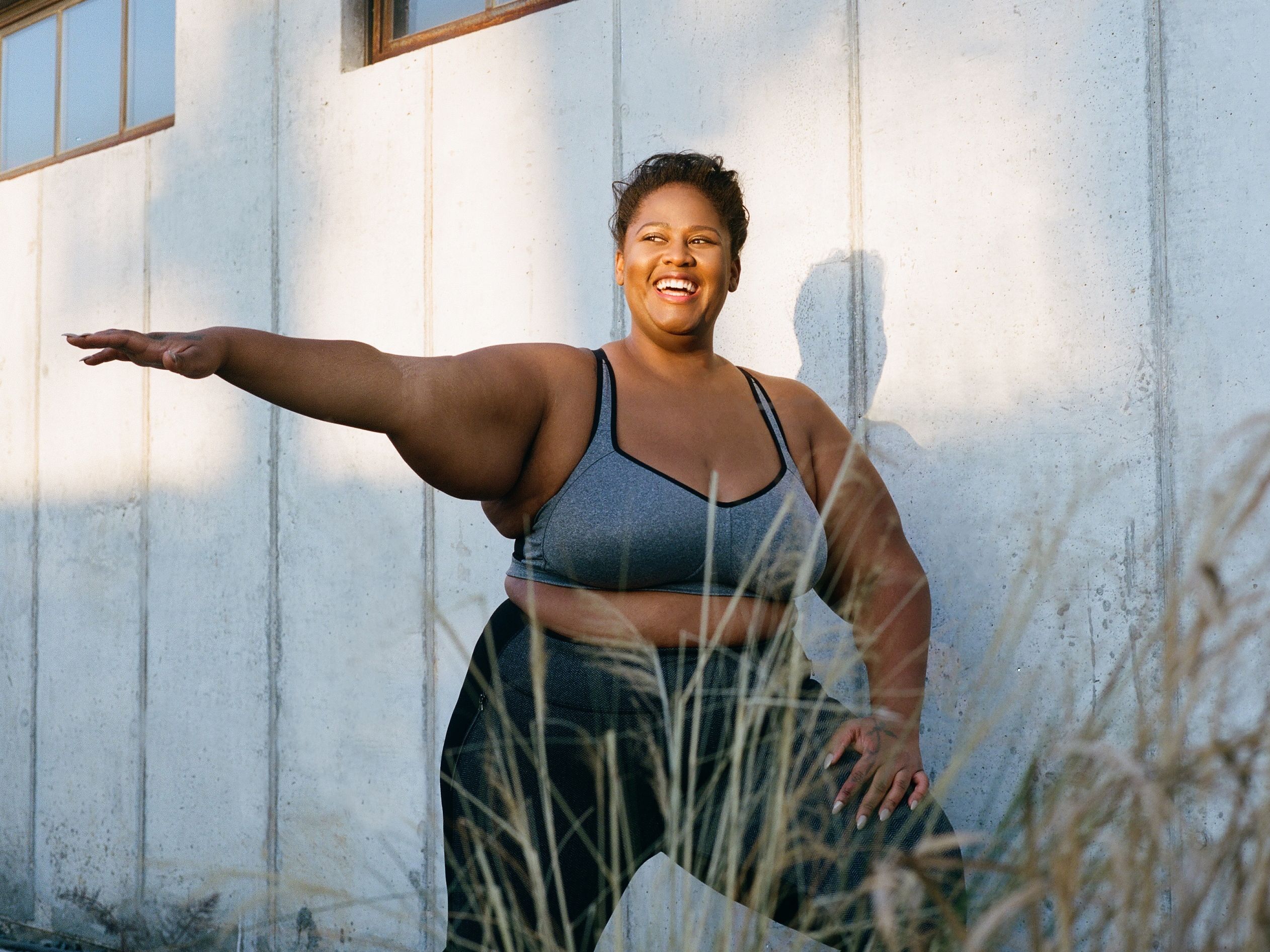
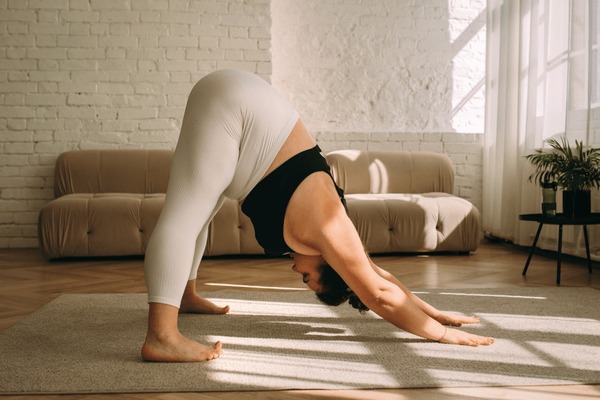
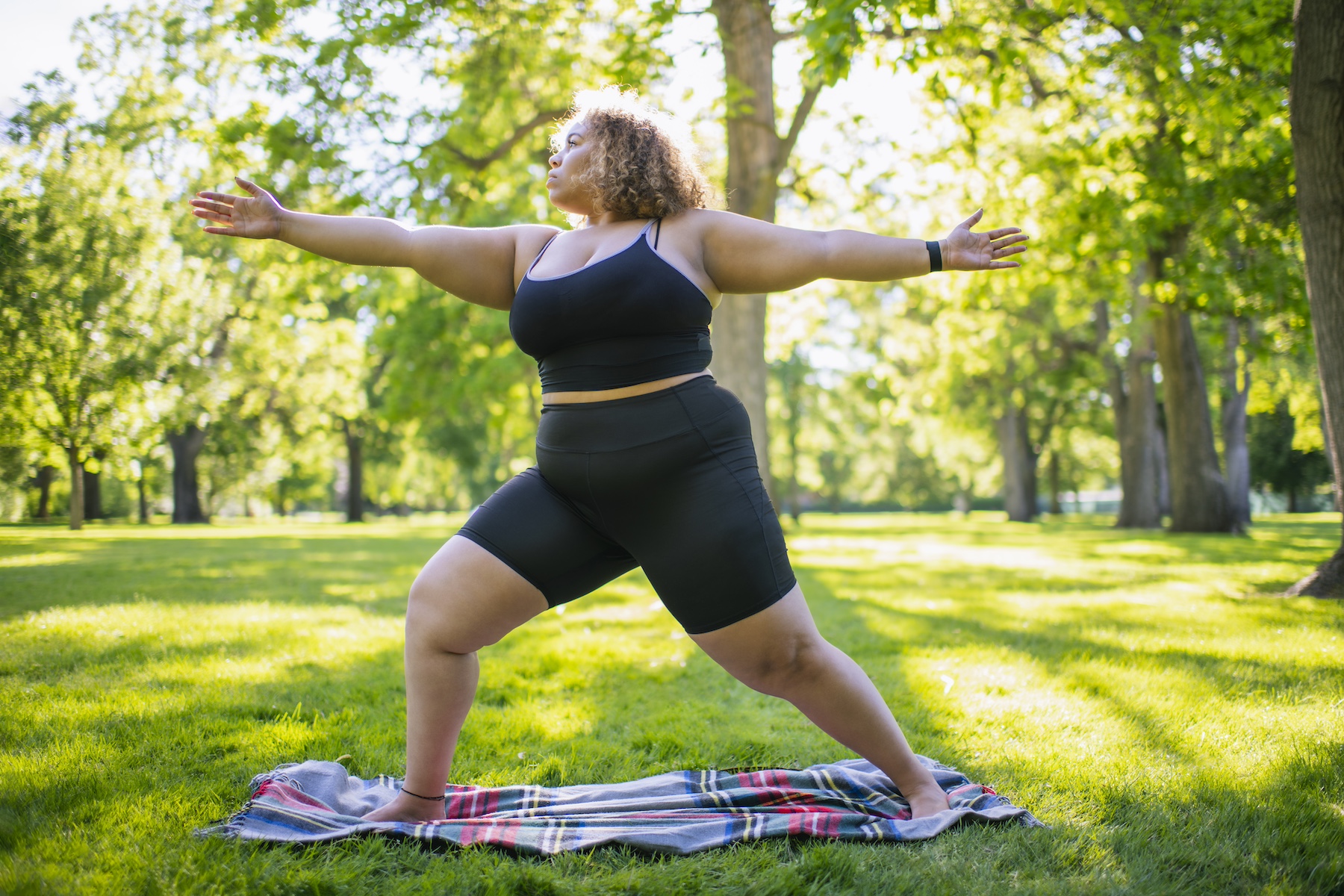
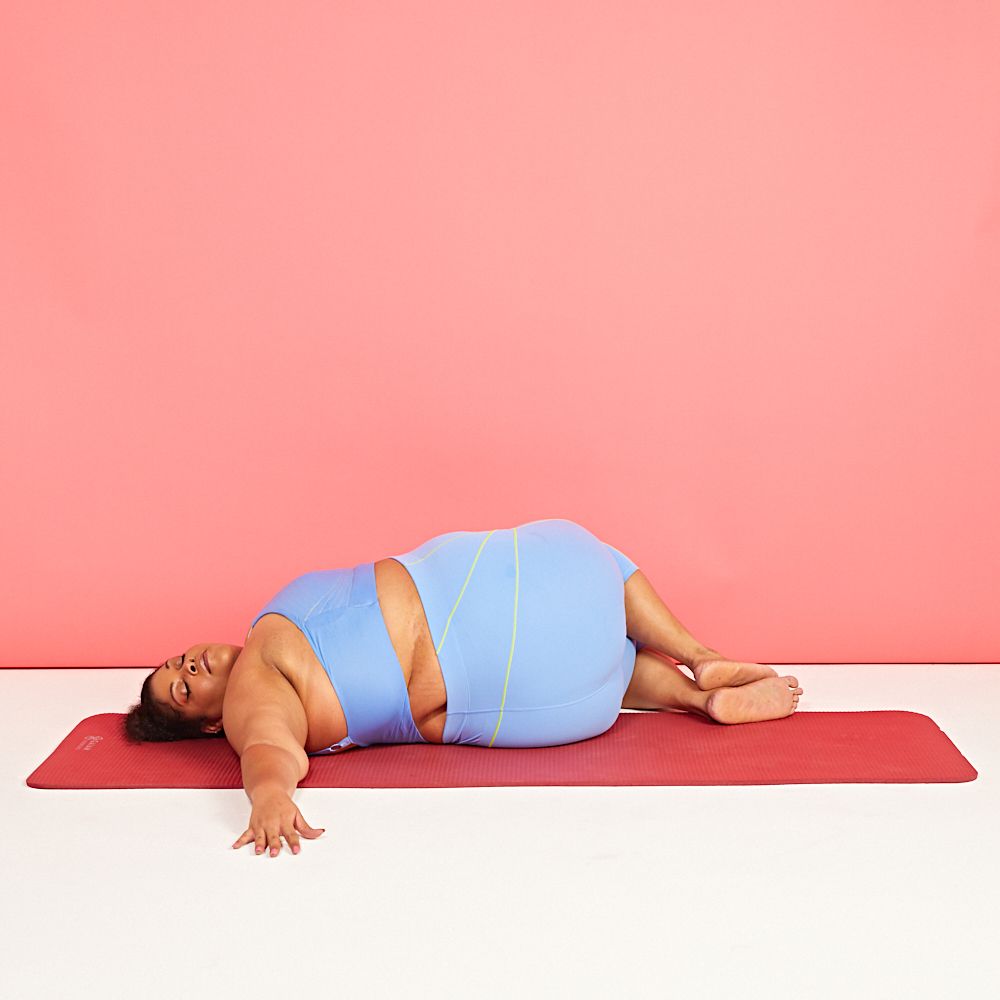
This is not a full yoga class, but a simple flow that improves flexibility and relaxes your body. Spend 2 minutes in a comfortable seated position, breathing deeply. Move to cat-cow stretches on hands and knees for 2 minutes. Hold a child’s pose (or modified version with knees wide) for 1 minute. Do standing forward folds for 2 minutes. Hold warrior II on each side for 1 minute. Seated spinal twists for 2 minutes per side. Reclined figure-four stretch for 2 minutes per side. Finish with 2 minutes of lying flat in savasana (complete relaxation). This workout is perfect for rest days or evenings when you want to wind down.
Workout 12 - The Foam-Free Myofascial Release
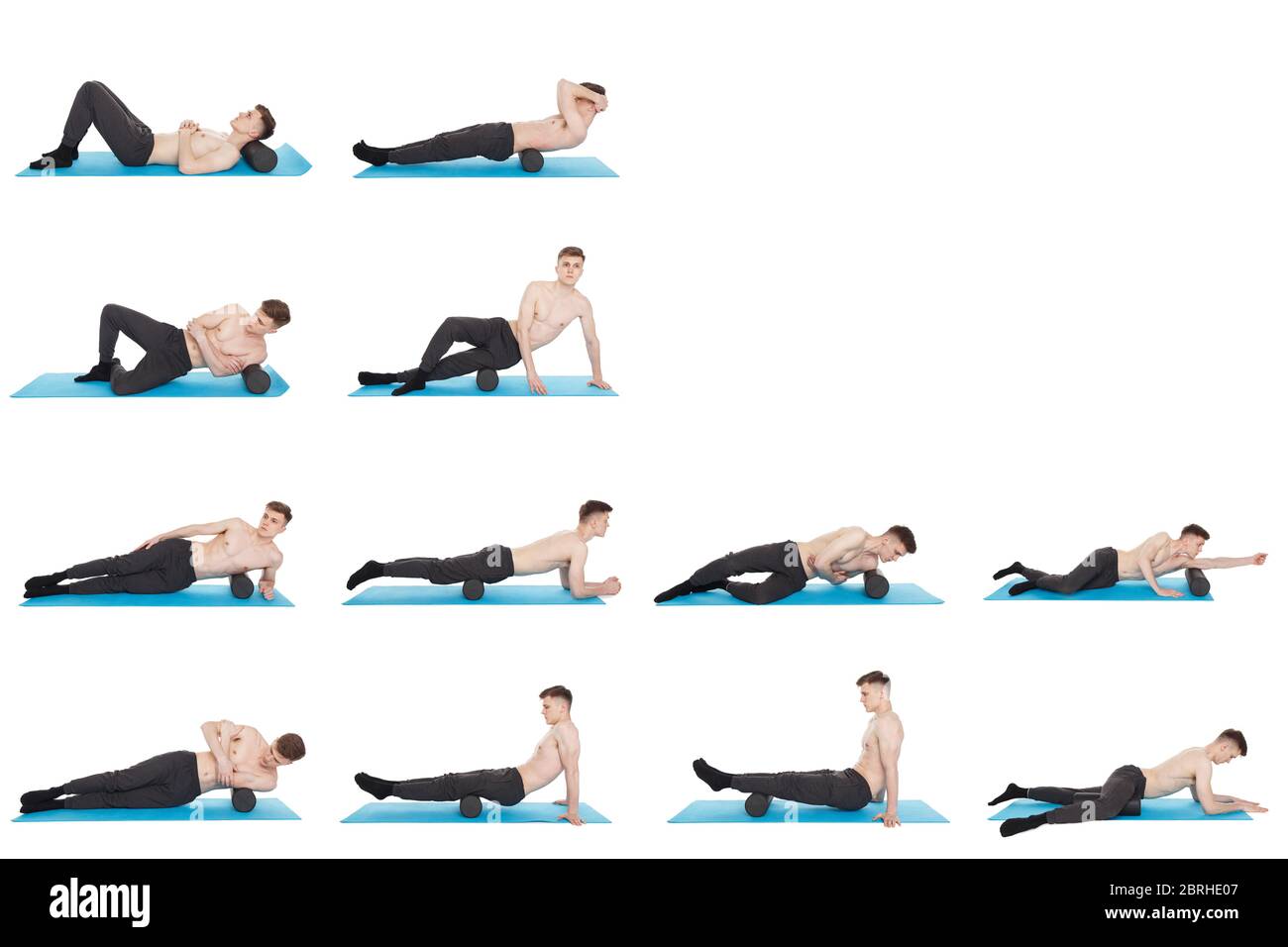
You do not need a foam roller to release tight muscles. Using a tennis ball or even a rolled-up towel, you can target tight spots effectively. Spend 2 minutes rolling each foot on a tennis ball. Then sit on the floor and roll the ball under each thigh for 2 minutes per side. Lie on the ball to target your upper back for 2 minutes per side. Stand against a wall with the ball between you and the wall to target your shoulders for 2 minutes per side. Finish with 2 minutes of gentle full-body stretching. This workout relieves muscle tension and improves mobility without any impact.
Workout 13 - The Mobility Reset
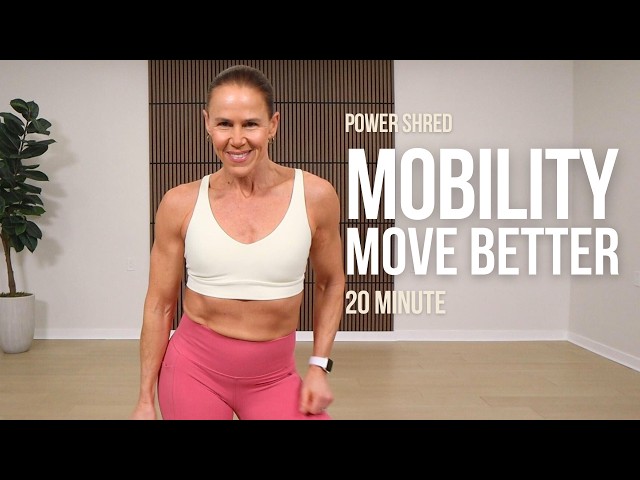
Mobility is different from flexibility - it is about moving your joints through their full range of motion with control. Start with neck circles (1 minute), shoulder rolls (1 minute), arm circles getting progressively larger (2 minutes), torso circles (2 minutes), hip circles (2 minutes per direction), ankle circles (1 minute per foot), knee circles (1 minute), wrist circles (1 minute), and full-body reach and bend (3 minutes). Repeat any movements that feel particularly good. This is an incredible routine for people who sit at a desk all day.
Workout 14 - The Balance Builder
Balance tends to decline if we do not actively work on it, and improving your balance has huge benefits for everyday life. Start by standing on one foot for 30 seconds per side (hold a chair for support if needed). Then do heel-to-toe walking forward and backward for 2 minutes. Standing leg swings (hold a wall) for 1 minute per leg. Single-leg calf raises for 10 per leg. Side leg lifts with a 3-second hold at the top for 10 per leg. Standing knee lifts with a pause at the top for 10 per leg. Finish with tree pose (or modified tree with your toe on the floor) for 1 minute per side. Repeat the circuit to fill 20 minutes.
Workout 15 - The Breathwork and Movement Flow
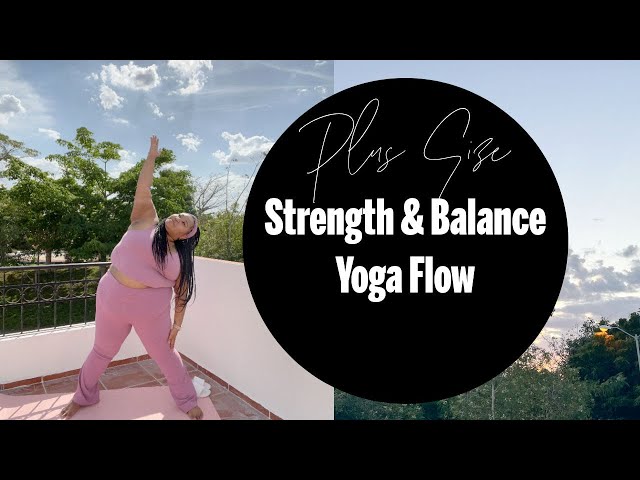
This workout connects breath with movement for a deeply calming experience. Stand comfortably. Inhale and raise your arms overhead, exhale and lower them. Do this for 2 minutes. Inhale and reach right, exhale center. Inhale reach left, exhale center. Do this for 2 minutes. Inhale and gently arch your back, exhale and round forward. Do this for 2 minutes. Continue creating slow, breath-led movements for 20 minutes total - gentle twists, side bends, forward folds, and standing backbends. The pace should be slow enough that your breathing stays calm and deep throughout. This is movement as meditation, and it is profoundly restorative.
How to Build a Weekly Schedule With These Workouts
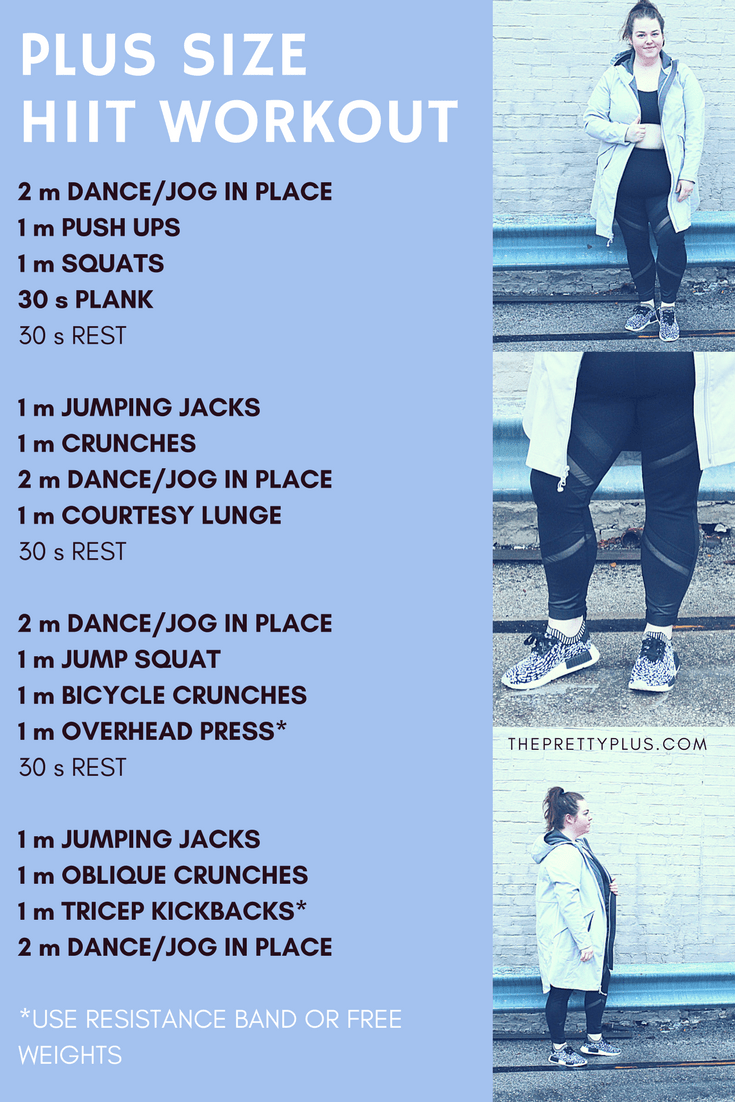
With 15 workouts to choose from, you have more than enough variety to keep things interesting all month. Here is a sample weekly schedule that balances cardio, strength, and recovery.
Sample Week
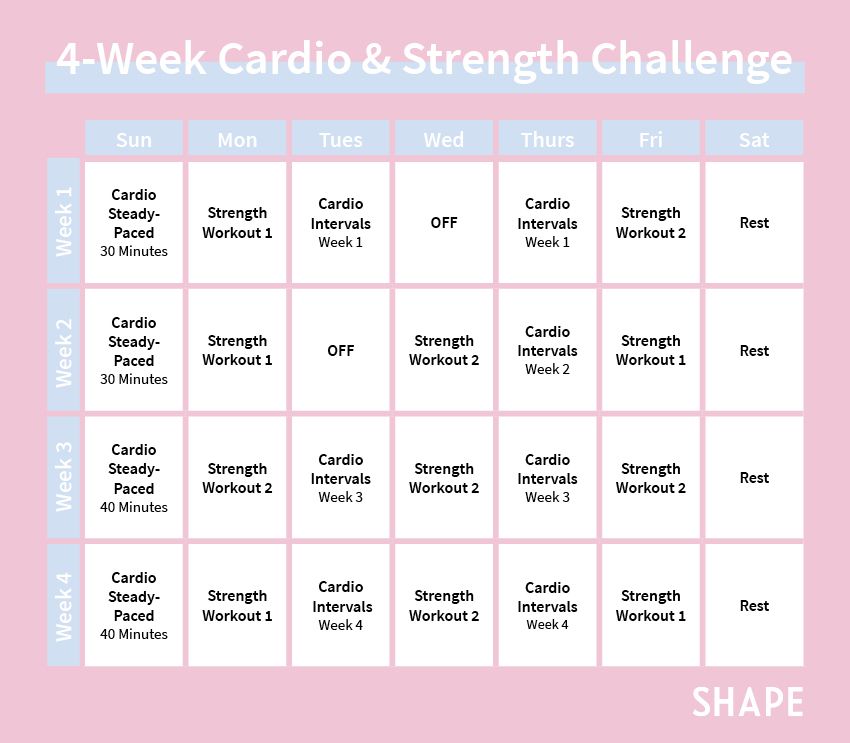
Monday - Workout 1 (Morning Wake-Up Call). Tuesday - Workout 6 (Upper Body). Wednesday - Workout 11 (Gentle Yoga Flow). Thursday - Workout 3 (Low-Impact Cardio). Friday - Workout 7 (Lower Body). Saturday - Workout 2 (Dance Party). Sunday - Workout 13 (Mobility Reset) or rest day.
This gives you a mix of cardio, strength, and flexibility work throughout the week with built-in variety so you never get bored. Feel free to swap workouts around based on your energy and mood - the important thing is consistency, not rigid adherence to a specific schedule.
For added comfort during floor exercises, a pair of exercise knee pads protects your knees during lunges, planks, and any kneeling positions. They are inexpensive and make a big difference in comfort.
Progressing Over Time
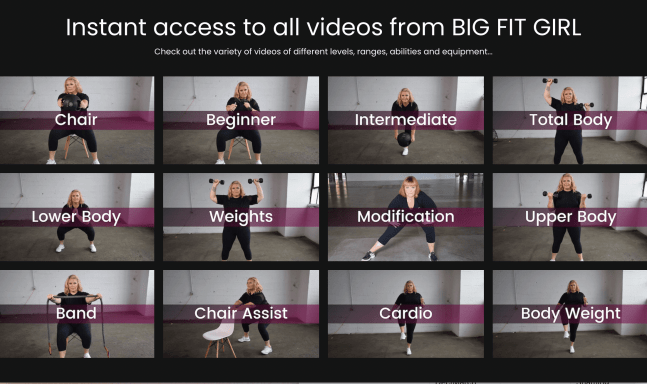
After a few weeks, you will notice the workouts getting easier. When that happens, you have options - add more repetitions, reduce rest time between exercises, combine two workouts into a longer session, or increase the intensity by moving faster or holding positions longer. The beauty of bodyweight exercise is that progression is built right in. You are never stuck at one level unless you choose to be.
Making Your Home Workout Space Work for You
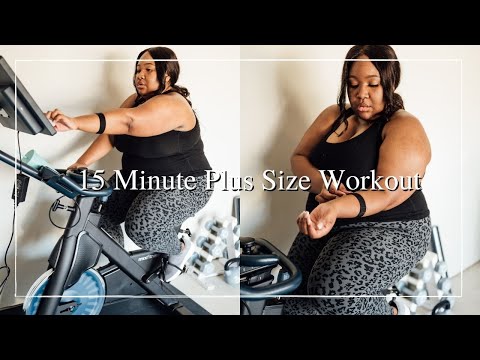
You do not need a home gym or even a dedicated room to work out at home. You need roughly the space of a yoga mat - about 6 feet by 3 feet - and a clear path to move around in. Here are some tips for making any space workout-friendly.
Push furniture aside temporarily. A couch against the wall and a coffee table moved to the corner creates plenty of room in most living spaces. Use a sturdy chair, couch, or counter for support exercises like dips, incline push-ups, and balance work. Make sure the floor surface is not slippery - if you have hardwood floors, a non-slip exercise mat prevents sliding during standing exercises.
Keep your workout “gear” (water bottle, towel, mat, sneakers) in one place so you do not have to hunt for them when it is time to exercise. The fewer barriers between you and your workout, the more likely you are to actually do it. Some people find that laying out their workout clothes the night before creates a visual cue that helps them follow through in the morning.
Consider making your workout space feel good. A candle, a favorite playlist, or even just opening the curtains for natural light can transform a mundane exercise session into something you genuinely look forward to. This is your time, in your space, on your terms. Make it feel like a treat, not a chore.
Key Takeaways
- Twenty minutes of focused exercise is scientifically proven to improve cardiovascular health, mood, sleep, and energy levels - you do not need an hour to make a difference.
- All 15 workouts require zero equipment and can be done in any small space at home, eliminating virtually every barrier to exercise.
- Workouts 1 through 5 focus on cardio and energy, 6 through 10 build strength, and 11 through 15 improve flexibility and recovery.
- A balanced weekly schedule mixing all three types gives you well-rounded fitness without monotony.
- Every exercise can be modified to match your current fitness level - the goal is consistency, not perfection.
- Making your workout space inviting and keeping your gear accessible removes friction and helps you build a lasting habit.
Frequently Asked Questions
Can I really get fit with just 20 minutes a day?
Yes. Research consistently shows that 20 minutes of moderate-intensity exercise provides significant health benefits including improved cardiovascular health, better mood, increased energy, and reduced disease risk. The key is consistency - 20 minutes done regularly is far more effective than an hour done sporadically. Many people who start with 20 minutes find themselves naturally extending their workouts over time, but even if you stick to 20 minutes indefinitely, you are doing your body a tremendous amount of good.
What if I cannot do some of the exercises?
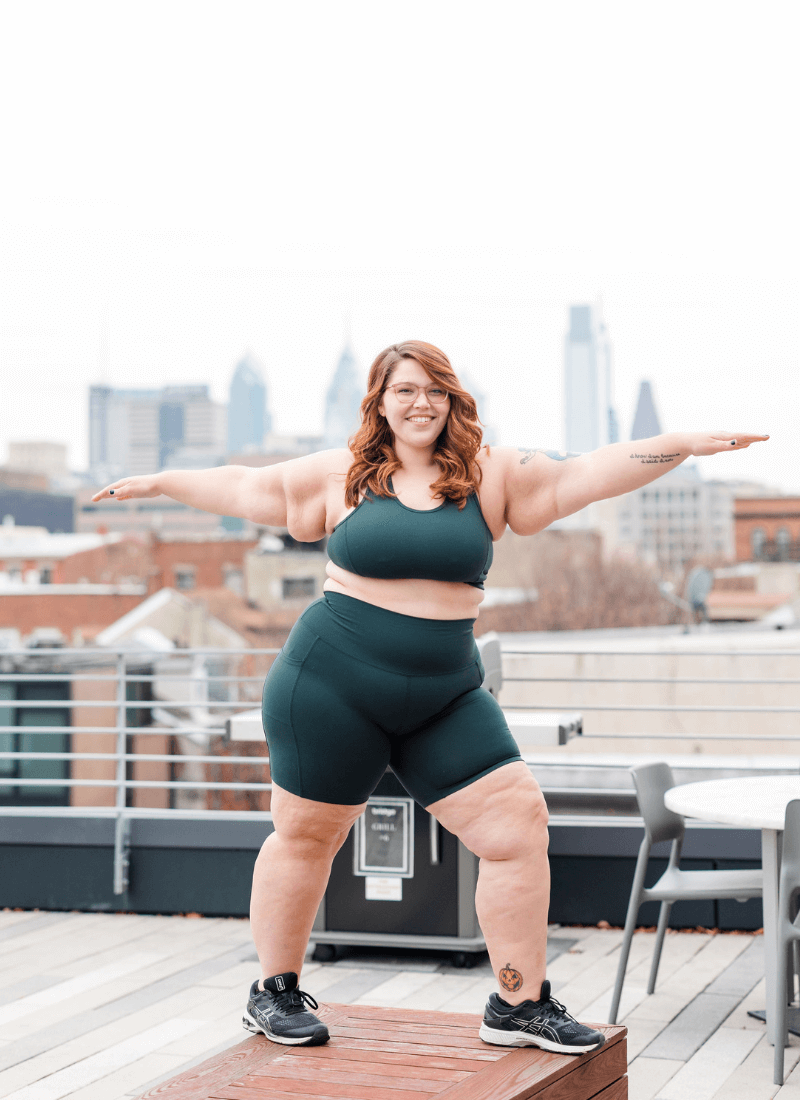
Skip them and substitute something you can do. If you cannot get on the floor, do standing exercises instead. If jumping is not comfortable, march or step instead. If an exercise causes pain, move on to the next one. There is no rule that says you must do every exercise in a workout for it to be effective. Doing six out of eight exercises is still a great workout. The goal is to move your body in ways that feel challenging but not painful.
Do I need to warm up before these workouts?
Most of these workouts have warm-ups built into their structure, starting with easier movements and building in intensity. For the strength workouts, 2 to 3 minutes of marching in place or gentle arm swings before starting is sufficient. For the flexibility and recovery workouts, the gentle nature of the movements means a separate warm-up is not necessary. Always listen to your body - if you feel stiff, take an extra minute or two to loosen up before diving in.
How many days per week should I do these workouts?
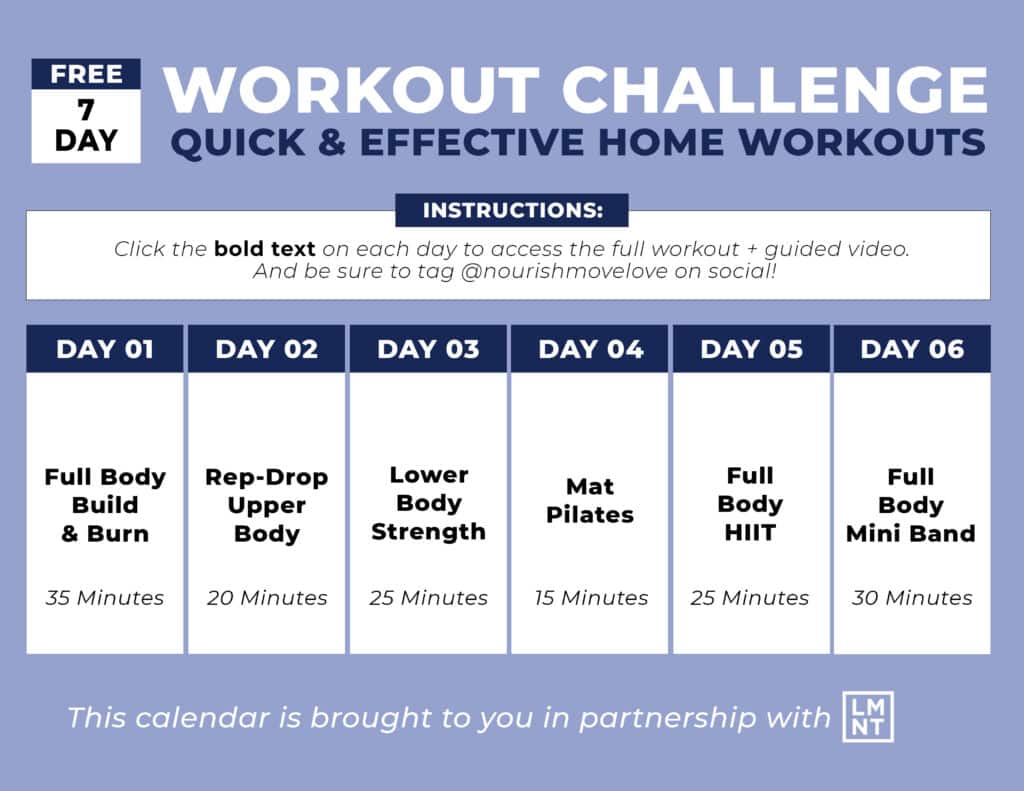
Aim for three to five days per week, with at least one or two rest or recovery days. Your body needs time to repair and adapt, especially when you are starting a new routine. A good approach is to alternate between cardio, strength, and flexibility workouts so you are not working the same muscle groups on consecutive days. As your fitness improves, you can increase frequency, but even three sessions per week will produce noticeable benefits.