
It was 9:47 pm on a Tuesday in early March when I admitted to myself that the side hustle wasn’t working. My one-bedroom in Chicago had become a small warehouse. A garment rack from Target stood in the corner of the living room with twenty-three plus-size pieces hanging on it - sizes 18, 20, 22, 24, a couple of stretchy 26s - and I was on hour three of trying to photograph a navy fit-and-flare dress that the algorithm didn’t want to move. Twelve listings posted across the previous six weeks. One sale. A $32 sundress that netted me $19.43 after Poshmark’s twenty percent fee and a shipping concession I made because the buyer asked. The ring light kept tipping over. My phone kept refusing to focus on the dress because the background was the same warm beige as the fabric. I’d bought the dress at an estate sale for $4 with the conviction that any plus-size piece from a closing-up boutique would move. It had been sitting in the closet for forty-one days. Twelve listings. One sale. Six weeks. The math was the math.
What I had not understood when I started reselling was the demographic gravity of the resale market. Most of the volume on the major platforms is sub-size-fourteen buyers - the same skew the primary retail market has, the same skew the runway has - and the volume that exists for plus-size pieces sits later in the funnel, with a longer time-to-sale, a narrower buyer pool, and a price ceiling that nobody on YouTube tells you about when they are filming their thrift haul. The full-time resellers who post their $4,000 weeks on TikTok are usually moving size 4 through size 12 inventory at high velocity. The size 18 to 24 reseller is running a different business. Same platforms, same fees, slower clock. If you do not adjust the cadence and the pricing and the photography time per piece, the math turns on you, and three months in you are sitting at 9:47 pm on a Tuesday with a ring light tipping over and twenty-three pieces on a Target garment rack you cannot move.
This is the playbook I wish someone had handed me at hour three of that Tuesday. It’s the platform-by-platform math, the cadence that lets you keep your weekends, the pricing rule that actually works for plus pieces, the tax reality once your gross sales cross the platform reporting threshold, and the twelve-month plan with a dollar target that won’t destroy your nervous system. I’m still reselling. I’m also still pulling receipts on every plus brand I review, which is the only reason I can be honest about this. Reselling is a real side income. It’s not a get-rich-quick situation, especially in plus, and the people selling you the dream of quitting your job in six months aren’t selling the size 22 dress.
The plus-size reseller burnout pattern has a data signature
ThredUp publishes an annual Resale Report every spring, and recent editions are the documents every plus-size reseller should read once before they list a single item. The headline number from the report is the one that gets repeated everywhere: the secondhand apparel market crossed $197 billion globally in 2023 and is projected to keep growing into the hundreds of billions through the end of the decade. The number underneath the headline, the one that doesn’t get repeated, is the velocity gap. Plus-size garments consistently sit in the marketplace longer than equivalent straight-size garments before selling, according to reseller-community data and platform feedback. The buyer pool is smaller, the fit risk is higher, and the search behavior is more specific. That’s the data signature of the burnout pattern.
What the gap means in practice: a size 8 sundress that would sell in three weeks can take a month or more in a size 18. A blazer that would move in a month-and-a-half can sit closer to two months. A formal dress that would move in two months can sit closer to three. The total addressable market for the plus-size piece is smaller in pure buyer-count terms, the buyer is more careful because the fit risk is higher, and the search behavior is more specific - a size 22 buyer is searching for a size 22, not browsing for whatever fits. The platform’s algorithm responds to engagement velocity, so listings that don’t sell quickly get less feed real estate the next week, which compounds the problem.
The reseller community on YouTube and in Reddit’s r/poshmark has documented the same pattern in monthly recap videos and breakdowns. Plus-size pieces routinely take longer to sell than straight-size pieces and price out lower per item on average for resellers carrying mixed inventory. The plus inventory is still worth carrying because buyer loyalty is higher and the repeat-customer rate is better, but the cadence has to be different. Sustainable plus resellers list less of it per week. They price it tighter at the start. They don’t chase the algorithm with daily listings the way straight-size resellers do.
Poshmark, founded by Manish Chandra and now operated under Naver after the 2023 acquisition, has publicly framed extended sizes as a growth category and has rolled out fit and sizing filters that address some of the search friction. The framing is bullish and the platform-level data supports it - the plus category does grow on Poshmark year over year - but the growth is from a smaller base, and the individual reseller experience hasn’t caught up to the macro story. The category grows. The individual seller of a size 22 dress still waits longer for the sale than the seller of a size 8.
The burnout pattern that follows this data is consistent. New plus-size reseller hears the ThredUp headline, sees a few viral TikToks, sources a lot of inventory quickly, posts twenty listings in week one, then twenty more in week two, sees minimal sales by week four, and panics. The panic response is to list more, not less. The reseller pushes to thirty listings a week, then forty. The photography gets sloppy, the descriptions get short, the pricing gets random, the inventory sits in the apartment growing into a physical and emotional problem, and somewhere around week eight to twelve the reseller hits the wall. I hit it at week six. The data says I was early.
Platform-by-platform fee and audience math
The single biggest education a new plus-size reseller can give themselves is understanding the fee structure and the audience composition of each platform. Most resellers list across two or three platforms, which is the right move, but the choice of which two or three matters enormously. Here is the working math for the major platforms in 2026, with the audience reality each one carries.

Poshmark: 20 percent fee, the social-feed engine, plus-friendly buyer base
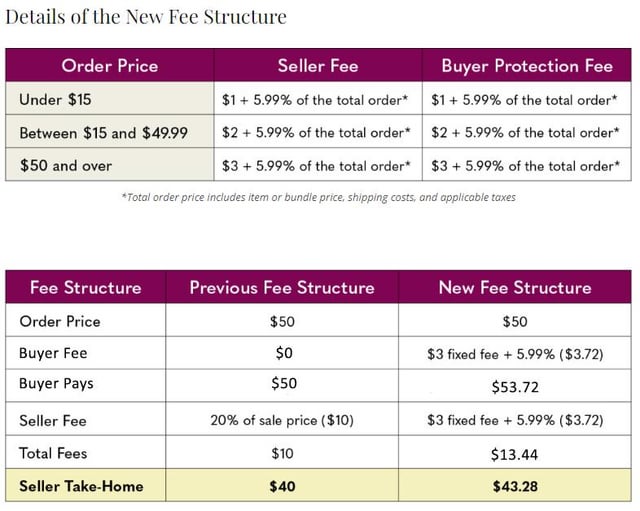
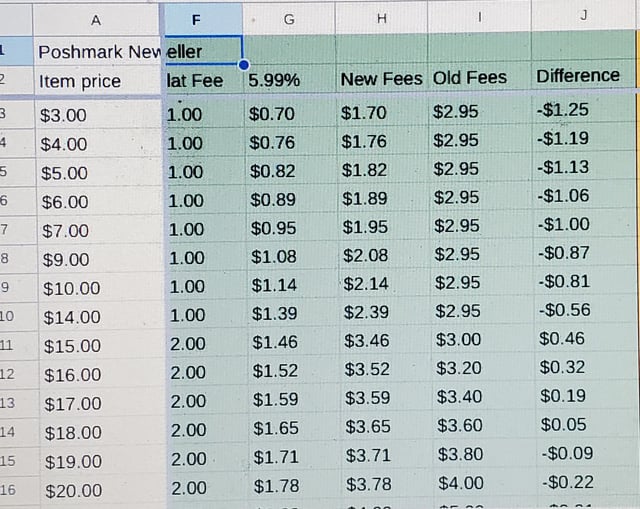
Poshmark charges a flat 20 percent commission on any sale over $15, and a flat $2.95 on sales of $15 or less. The math is unforgiving on cheap items - a $12 sale nets you $9.05 - but the fee structure is predictable once you cross $30 per piece. A $50 dress nets you $40. A $100 piece nets you $80. There are no listing fees, no insertion fees, no relisting fees. Shipping is a flat $8.27 paid by the buyer for items up to five pounds, which works in the seller’s favor on most clothing.
The audience on Poshmark skews female, U.S.-based, ages 25 to 44, with a moderate plus-size buyer share. The platform’s “Sized to Sell” feature added in 2022 lets buyers filter by extended sizes specifically, which is a real upgrade. The community share-economy mechanic - where users share each other’s listings to their followers - is the part of Poshmark that no other platform replicates, and it is the reason plus-size resellers tend to do better here than on the listing-only platforms. A network of plus-size resellers who share each other’s items is a real algorithmic advantage. The downside is that the social labor is constant. If you stop sharing your closet daily and engaging with the community, your listings drop in the feed. The platform rewards daily presence, which is part of why it is also the platform most associated with the burnout cycle. The fix is to share with a routine, not on demand, which I will get to in the cadence section.
Depop: 10 percent fee, young buyer base, mostly straight-size demand
Depop charges a 10 percent fee on the sale price as of the platform’s 2022 fee restructure, which was a significant cut from the previous 10 percent plus payment processing model. The platform was acquired by Etsy in 2021 and the buyer base remains heavily Gen Z, Europe-leaning, and skewed toward vintage and Y2K aesthetic pieces. The plus-size category exists but is smaller. A size 22 vintage Levi’s jacket will move on Depop. A size 22 contemporary plus-size brand piece - say, a current-season Lane Bryant blazer - moves slower and at a lower price than it would on Poshmark.
The Depop audience economic reality is the part that matters. Average sale prices on Depop run lower than Poshmark across the board, partly because the buyers are younger and have less disposable income, and partly because the aesthetic preference is for cheaper, more disposable pieces with a vintage or thrifted vibe. A piece you would list at $58 on Poshmark might list at $38 on Depop and sit for longer at that lower price. The fee is lower, the price ceiling is lower, the net comes out roughly the same. The reason to be on Depop is reach into the under-30 buyer who is not on Poshmark, not better economics.

ThredUp: 25 to 80 percent payout tiers, zero listing labor, the volume-clear-out play
ThredUp is structurally different from Poshmark and Depop. You do not list. You ship a bag of clothes to ThredUp’s processing center using a “Clean Out Kit,” and ThredUp assesses, photographs, lists, and sells the pieces for you. In return, you get a payout that scales by item value. The payout tiers as published on ThredUp’s site for 2026 are: 5 to 15 percent on items that sell for under $20, scaling up to 60 to 80 percent on items that sell for over $200. A $40 item nets you somewhere between $6 and $11. A $100 item nets you somewhere between $25 and $50.
The math on ThredUp is brutal on low-value items, generous on high-value items, and the unsold items are donated unless you pay an “Assisted Return” fee to get them back. For a plus-size reseller, ThredUp is best used as a clear-out lane for pieces you have given up on, not as a primary income channel. The platform’s plus-size category is real and growing - ThredUp’s own data shows plus listings are a meaningful share of the women’s inventory - but the per-piece payout for the seller is the lowest of any platform on this list. The trade you are making is the listing labor. Zero photography, zero descriptions, zero shipping, zero customer service messages. You ship a bag and forget it. For pieces you would otherwise donate, the math is “some money is better than no money.” For pieces you actively want to sell at fair value, ThredUp is the wrong channel.
Mercari: roughly 10 percent fee, broader category mix, lower plus-size velocity
Mercari restructured its fee model in 2024 to a sale-price-based commission of around 10 percent depending on category, with a payment processing fee added on top, which lands the net seller cost in the 12 to 14 percent range. The platform is broader than Poshmark in category - it covers electronics, home goods, beauty, toys, and apparel together - which means clothing is not the primary feed for a typical Mercari buyer. The audience is older on average than Depop and slightly more male-skewed than Poshmark.
For plus-size apparel specifically, Mercari is a thinner lane. The buyer is on the platform looking for a deal across many categories, not specifically hunting for a size 22 dress. Listings show up in keyword searches, which works if your titles are dialed in, but the social-feed mechanic that drives Poshmark does not exist on Mercari. The seller is doing more SEO work and less community work. The net for plus-size sellers tends to be slower sell-through and similar net dollars per sale to Poshmark after the fees are accounted for. Mercari is worth listing on as a third platform, not a primary one, for most plus-size resellers.
eBay: variable fee around 13 percent, the long-tail buyer, the auction option
eBay is the oldest platform on this list and the most underestimated by new resellers. The fee structure is variable by category, but for apparel the final value fee runs around 13 percent including the payment processing component as of 2026. eBay’s buyer base is enormous and global, which means a niche plus-size piece - a vintage Lane Bryant blouse from 1998, a discontinued Eloquii dress with a cult following - can find its specific buyer in a way the other platforms do not deliver. The auction format also exists, which is the only platform on this list where a competitive bid can push a listing above the seller’s expected price.
The friction on eBay is that the buyer expectations are higher. Listings need more detail. Photography needs more angles. Returns are policed more strictly. Shipping is handled by the seller through a label-purchase flow that requires more administrative time per sale than Poshmark’s flat-rate shipping. For a plus-size reseller with vintage or designer pieces, eBay is essential. For a reseller moving contemporary plus-size pieces from mainstream brands, it is one channel among several. The payout per sale tends to be the highest of the listing platforms after fees, but the time-per-sale is also the highest.
Vinted: zero seller fees, European buyer base, growing U.S. presence
Vinted, the Lithuanian-founded peer-to-peer marketplace that has dominated the European resale scene since the late 2010s, launched in the U.S. market in 2023 and has been growing through 2025 and 2026. The headline feature is that sellers pay zero fees - all the platform costs are paid by the buyer through a small “buyer protection fee” added at checkout. For a seller, this is genuinely meaningful. A $40 dress on Vinted nets you $40, not $32 after Poshmark’s cut or $34 after Mercari’s.
The catch is the audience. Vinted’s U.S. user base is still small compared to Poshmark and Mercari, and the platform’s algorithm is still maturing for U.S. inventory. The plus-size buyer is on the platform but in smaller numbers. The European audience is real but the shipping math for international sales rarely works in the seller’s favor unless you are moving high-ticket pieces. Vinted is worth listing on for the zero-fee math alone, with the understanding that the volume will be smaller than Poshmark for now. The trajectory is up. The current state is still maturing.
Curtsy: women-only, college-skewing, fast for trendy pieces
Curtsy is a smaller peer-to-peer marketplace built specifically for women, with a buyer base that skews college-aged and trend-driven. The fee structure is around 20 percent on items over $20, similar to Poshmark, and the platform has a “Buy It Now” plus offer system that drives faster sales on hot pieces. The plus-size lane on Curtsy is small but the buyers who are there are loyal. For trendy plus pieces - a current-season formal dress, a viral TikTok jeans brand in extended sizes - Curtsy can move inventory fast. For older or more classic pieces, it is the wrong fit. Most plus-size resellers do not need to be on Curtsy. The ones who specialize in current-season trendy inventory should consider it.
Facebook Marketplace: zero fees for local pickup, hyperlocal buyer, no shipping
Facebook Marketplace charges zero fees for local pickup transactions and a small fee for shipped purchases, which makes it the cheapest channel on paper. The reality is that the marketplace is local, the buyer expects to negotiate, no-shows are constant, and the time per transaction is high. For bulky inventory you do not want to ship - a coat, a wedding dress, a piece of formal wear - Facebook Marketplace can clear it for cash with no fees. For a plus-size reseller running a real volume operation, it is a clearance lane, not a main channel. Worth using strategically. Not worth building a business around.
Whatnot: live selling, 8 percent fee plus processing, performance-heavy
Whatnot is the live-stream selling platform that exploded in 2022 and 2023 and is now a meaningful channel for resellers willing to broadcast. The fee structure is around 8 percent on the sale plus payment processing fees, so the net cost is roughly 10 percent. Sellers go live on a scheduled stream, hold pieces up to the camera, and buyers bid or buy at fixed prices in real time. For plus-size sellers with a dialed presentation style, the platform can move significant volume in a single ninety-minute stream.
The labor is the broadcast itself. Setting up the studio, scheduling the stream, marketing it to your buyer base, performing for ninety minutes in a row, packing and shipping everything that sold in the next twenty-four hours. It is exhausting and it is not the right channel for someone who is already burned out from listing. It is the right channel for a reseller who is ready to graduate from listing-platform passive sales to performance-driven active sales. Most plus-size resellers should treat Whatnot as a year-two channel, not a year-one channel.
Instagram: DM-based sales, zero platform fees, relationship-driven
Selling through Instagram is not a platform feature, it is a behavior. Resellers build a following, post pieces in their grid or stories, and complete sales through direct messages with payment via Venmo, Cash App, or PayPal Goods and Services. There are no platform fees. The payment processor takes a small cut if you use Goods and Services for buyer protection, which is around 3 percent. The buyer pool is whoever follows you and trusts you. For plus-size resellers with an existing following or a strong visual brand, Instagram can be the highest-margin channel by a wide margin. The catch is that you need the following first. New resellers without an audience cannot sell through Instagram. Established resellers with a few thousand engaged plus-size followers can.
The 3-listing-per-week sustainable cadence
The single biggest mindset shift between the burnout reseller and the sustainable reseller is the listing cadence. The standard advice in reseller YouTube, repeated by influencers chasing growth at all costs, is to list daily, at minimum five to ten pieces a day, to keep the algorithm fed. For a full-time reseller moving straight-size inventory at velocity, that cadence might be sustainable. For a part-time plus-size reseller with a day job, it is the direct cause of the burnout cycle I described at the top of this article.
The cadence that works for sustainable plus-size reselling is three listings per week. Three. Not three a day. Three total, spread across the week. Monday, Wednesday, Saturday. Or Tuesday, Thursday, Sunday. Pick a rhythm and hold it. The discipline of three a week does several things at once. It forces you to source more selectively, because you cannot just keep buying inventory and dumping it into the closet. It gives each piece more photography care, because you are doing one piece on a Monday evening, not five. It distributes your time across the week instead of compressing it into a Sunday-night marathon. It lets the algorithm see consistent activity from your account rather than feast-or-famine spikes.
The three-listing rhythm pairs with a daily “engagement window” of fifteen minutes. The engagement window is when you share your closet on Poshmark, respond to offers, ship anything that sold, and check the other platforms. Fifteen minutes a day. Set a timer. When the timer rings, close the apps. The combination of three listings per week plus fifteen minutes a day of engagement is roughly four to five hours of total reselling time per week, which is the upper bound of what is sustainable next to a full-time job.
The burnout cycle, for comparison, looks like twenty listings a week, ninety minutes a day of engagement, weekend marathons sourcing new inventory at estate sales and thrift stores, and a constant low-grade anxiety about the apartment filling up. That is somewhere around fifteen to twenty hours a week, which is a part-time second job, which is not what most plus-size resellers signed up for. The three-listing cadence is half the income of the twenty-listing cadence in the short run and roughly the same income in the long run, because the sustainable seller is still selling six months later when the burnout seller has quit.
Photography that takes 3 minutes per piece, not 20
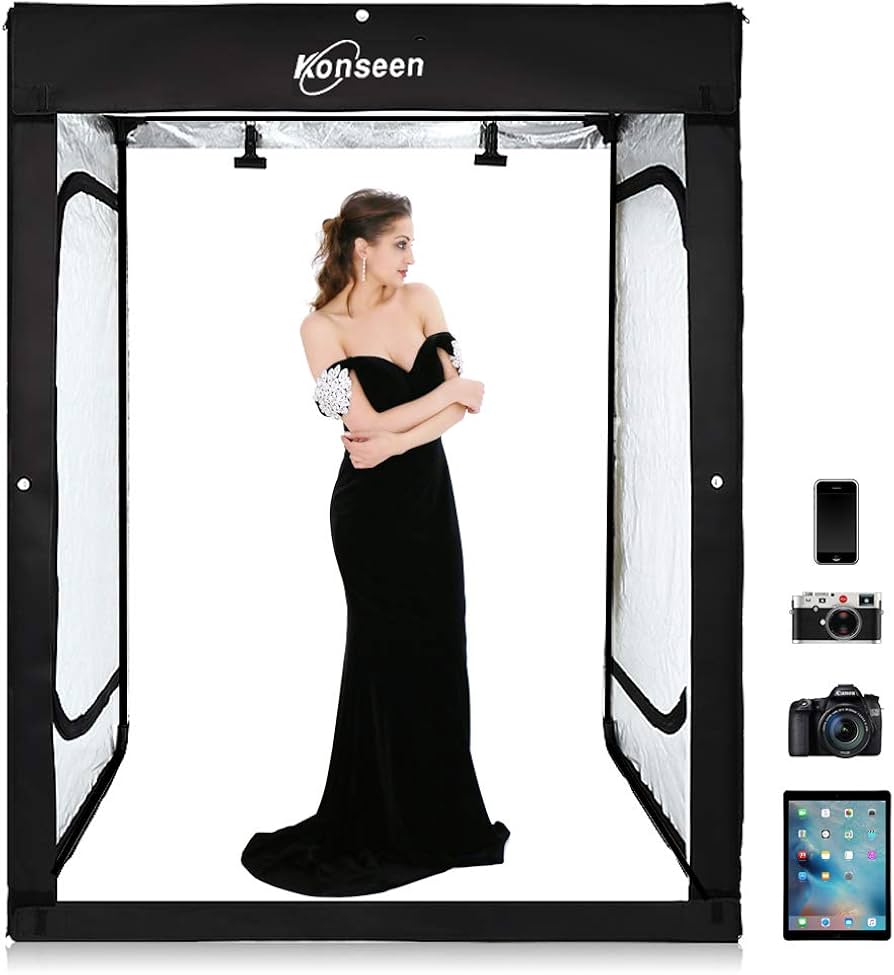
The photography burnout I described at the top of this article - the ring light tipping over, the navy dress that would not focus, the hour three of trying to get one shot - is a solvable problem and the solution is brutal simplification. Most reseller YouTube teaches a photography setup that takes twenty minutes per piece. Lightbox, two lights, white wall backdrop, mannequin, multiple angles, flat-lay shots, detail shots, tag shots. By the time you have shot one piece at that level of production, your evening is gone. Multiply by three listings a week and you are spending an hour a week just on photography, which is fine, but if you scale to twenty listings a week you are spending six and a half hours on photography alone, and that is the part where the burnout starts.
The three-minute photography setup is the answer. One white wall in your apartment, or a clean light-color sheet pinned to the wall. Natural daylight from a window if it is daytime, a single inexpensive LED floor lamp if it is night. The garment on a wooden hanger or a torso mannequin. Phone on a small tripod or just held steady. Three shots: front, back, one detail (the tag, an embellishment, the fabric texture). Done. Move to the next piece.
The trade you are making is fidelity for time. The Pinterest-perfect plus-size reseller photography you see on Instagram took someone an hour per piece. Your job is to take photography good enough to sell the piece, not photography good enough to win an award. A clean front shot on a clean background with accurate color and a clean back shot showing the silhouette will sell the dress. The buyer is going to message you for measurements regardless of how many shots you took. The detail shot does the work of answering “is this fabric stretchy” without a message. Three shots per piece, three minutes total. Nine minutes a week of photography across the three listings. The math reverses.
Pricing the size 18 to 24 garment correctly
Pricing is where plus-size resellers consistently leave money on the table. The default reseller pricing framework, taught in every Poshmark beginner guide, is to price at roughly thirty to forty percent of original retail. A dress that retailed at $80 lists at $28. A blazer that retailed at $120 lists at $42. The math is borrowed from straight-size reseller economics and it is wrong for plus-size pieces.
The reason it is wrong is the supply-and-demand gap. A size 6 version of any given plus-size brand’s dress is everywhere on the secondhand market. A size 22 of the same dress is rare. The buyer who wants that size 22 dress has fewer alternatives, which means the demand curve is steeper at the larger sizes. A size 22 dress from a desirable plus-size brand - Eloquii, Universal Standard, City Chic, 11 Honoré - should price higher than the equivalent straight-size piece from the same brand, not lower, because the supply is smaller.
The rule I use, which I arrived at after eight months of mispricing my own inventory: the size 18 to 24 piece from a plus-friendly brand prices at fifty to sixty percent of original retail in the first thirty days, dropping to forty percent after sixty days. The straight-size benchmark of thirty percent is the floor, not the target. A Universal Standard Seine dress that retailed at $128 lists at $64 to $77 in the first month, drops to $55 if it has not sold by day sixty, and only drops to $42 (about thirty-three percent of retail) if it is still sitting at day ninety. My size 6 sister’s equivalent dress, the same brand and style at her size, would price at $40 from day one because the supply at size 6 is enormous and the buyer has thirty alternatives. My size 22 has three alternatives. The pricing should reflect that.
The exception is contemporary fast-fashion plus pieces - SHEIN, ASOS Curve fast-fashion lines, Fashion Nova - which have low resale value across the board because the supply is high and the perceived quality is low. Those pieces should price aggressively because they will not move at a premium. For those, the thirty percent rule applies. For genuine plus-size-specialist brands and contemporary mid-tier pieces, the fifty to sixty percent rule applies. Knowing which bucket the piece falls into is the seller’s job before listing.
The donate-vs-resell-vs-trash decision tree
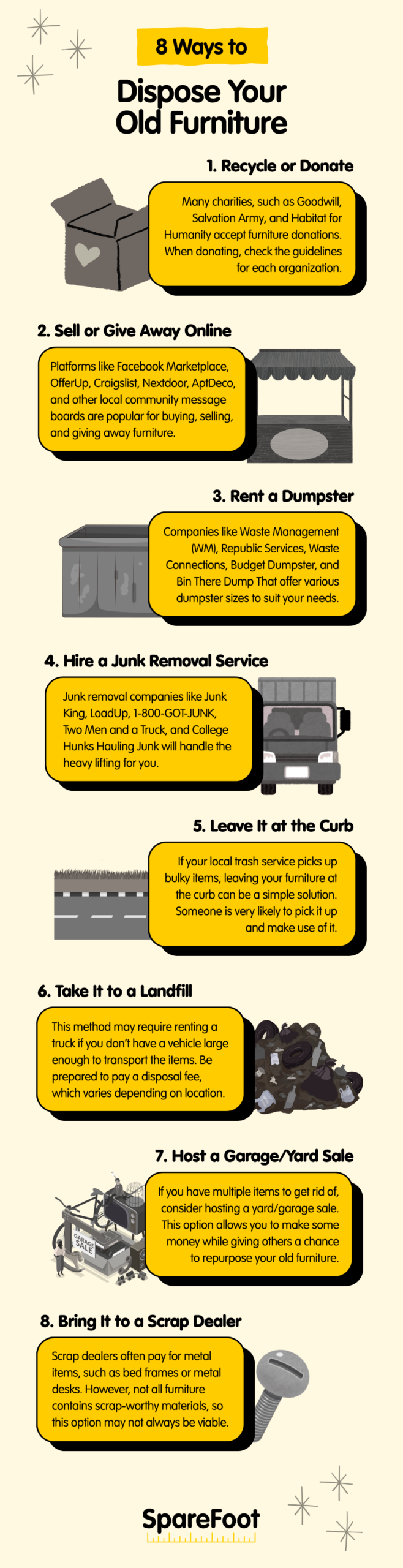
Not every plus-size piece in your closet should be listed. The sustainable reseller’s discipline is the upfront sort. Before a piece goes on a hanger and into the listing queue, it should pass three filters.
Filter one: condition. The piece must be in excellent or better condition. No pilling that cannot be removed with a fabric shaver, no permanent stains, no broken zippers, no missing buttons that are not easily replaceable. If the piece would embarrass you to ship to a buyer, it does not list. It goes to donation or trash. Most resellers, including me at the start, are too generous with their condition assessment. A piece that “looks fine if you do not look closely” is not a piece that will get a five-star review. Returns and bad reviews destroy your seller rating faster than slow sales destroy your morale.
Filter two: brand value. The piece must come from a brand that has secondhand market recognition. Universal Standard, Eloquii, Torrid (selectively), Lane Bryant (selectively), Old Navy (only for in-season), J.Crew Extended Sizes, Madewell extended, Eileen Fisher, 11 Honoré, Henning, Anthropologie A-plus, Athleta, Madewell, Free People (selective), Ganni, vintage anything pre-2010. Brands the resale market does not value - off-brand SHEIN dupes, generic Amazon plus-size brands, the no-name resellers cannot place - do not list at a price that justifies the listing time. Those pieces go to donation.
Filter three: realistic resale price. The piece must be able to net at least $15 after fees. A piece that will list at $20 and sell at $15 will net you $12 on Poshmark. After packaging materials and the time to ship, you made about $9. For three minutes of photography, $9 is fine. For the cumulative time of listing, messaging buyers, and shipping, $9 is not enough to justify the cognitive overhead. The minimum net per sale, in my system, is $15. Pieces that cannot clear that go to donation. The donation has a small tax benefit if you itemize (the IRS allows fair-market-value deductions for donated clothing in good condition), which makes the math close to neutral even on pieces you do not sell.
The trash filter is the easiest one. If the piece has a stain, a tear, an odor, or any condition issue that means a thrift store will not resell it either, it goes to a textile recycling program. Most major cities have one - in Atlanta, the H&M store accepts any-brand textiles for recycling and gives a small store credit. The point of the trash filter is to stop sending genuinely unsellable items to a thrift store, where they become someone else’s problem.
The tax reality at $600 plus in resale income
The tax conversation is where most reseller content goes vague, and the vagueness costs sellers real money at year end. The 1099-K threshold, which is the dollar amount at which third-party platforms (Poshmark, Mercari, eBay, ThredUp, Depop) are required to send you a tax form and report your sales to the IRS, has been moving for several years and the 2026 threshold matters.
Under the original American Rescue Plan Act of 2021, the threshold was supposed to drop from $20,000 to $600 starting in tax year 2022, which would have meant any reseller who crossed $600 in gross sales on a platform would receive a 1099-K. The IRS delayed the implementation in late 2022, again in late 2023, and again in late 2024, phasing the threshold down in steps. The published schedule from the IRS for tax year 2026 sits at $2,500 in gross sales as the federal threshold, with the full $600 threshold scheduled to take effect for tax year 2027 unless Congress changes it again. Several states (Massachusetts, Vermont, Virginia, Maryland, and the District of Columbia among them) already have lower state-level thresholds, some at $600, which means resellers in those states may receive a 1099-K even below the federal threshold. Check your state’s revenue department site for the current number.
Here is the part that matters regardless of what number is on the IRS schedule: you are legally required to report all reselling income on your tax return, whether you receive a 1099-K or not. The 1099-K is just the platform’s report to the IRS. The income obligation exists from the first dollar. What the 1099-K threshold actually controls is the audit risk, not the legal obligation.
The good news for resellers is that the IRS treats reselling as a hobby or a business depending on intent and frequency, and either category allows you to deduct the cost basis of the item from the sale price before paying tax on the profit. A dress you bought for $4 and sold for $50 is taxable on $46 of profit, not $50 of gross. A dress you bought for $30 retail, wore for two years, and resold at $25 is a loss (you cannot generally deduct losses on personal-use property in a hobby context, but the loss means there is no tax owed on the sale either). The accounting work is the part most resellers skip. The fix is a simple spreadsheet with columns for date acquired, source, cost basis, date sold, platform, gross sale, fees, net sale, and category. Five extra minutes per sale. Saved at tax time.
For resellers who cross the $5,000 to $10,000 gross sales mark in a year and want to treat the activity as a business rather than a hobby, the deductions expand to include packaging materials, mileage to thrift stores, a portion of home internet, a portion of phone, the cost of a tripod and ring light, and other ordinary and necessary business expenses. A CPA who works with side-hustle clients - and most CPAs in major cities have at least a few - can structure this correctly for a flat fee of $300 to $600 a year, which is itself a deductible expense. The seller who does this correctly pays less in tax than the seller who does not. The seller who ignores it entirely pays no tax until they get audited, at which point they pay back tax plus penalties plus interest, which is a much worse outcome than the spreadsheet.
The 12-month plan with a real dollar target

Here is the part of the article where I tell you what success looks like, in numbers, twelve months from a starting point of zero or near zero. This is the prediction. This is what a sustainable plus-size reselling practice looks like one year out from the burnout moment I described at the top.
Month one through three is the build. The cadence is three listings per week, fifteen minutes a day of engagement, one Saturday morning a month sourcing new inventory at estate sales, consignment store clearance racks, or relatives’ closets. Total inventory at the end of month three sits around thirty-six to forty active listings. Gross sales in month one are probably $50 to $150. Gross sales in month two move to $150 to $300 as the closet fills out and the algorithm starts to recognize the account. Gross sales in month three crack $300 to $500. Net after fees and shipping concessions sits around seventy to seventy-five percent of gross. The seller is making roughly $200 to $375 a month in net side income by month three, which is real but is not life-changing.
Month four through six is the optimization. The seller adds a second platform (Vinted is my preferred pick for the zero-fee math, or eBay for vintage-leaning inventory). The seller refines pricing based on what actually sold and what sat. The seller writes templates for common buyer messages (a measurements template, a smoke-free-home template, a bundle-discount template) to cut response time. Listings expand to four a week as the rhythm becomes natural, but only if the seller is not feeling overwhelmed. Inventory turns over more cleanly. Gross sales by month six sit at $500 to $900 a month with net around $350 to $625.
Month seven through nine is the scaling decision. The seller looks at their data and decides whether to scale up to a third platform, whether to test Whatnot live selling, or whether to hold steady at the current rhythm. The right choice depends on the rest of the seller’s life. A seller with bandwidth to grow can add eBay or Depop and push gross sales to $800 to $1,200 a month. A seller without bandwidth can hold steady and accept the existing rhythm. Both choices are valid. Burnout is the only wrong choice.
Month ten through twelve is the consolidation. The seller has a clean inventory system, a tax spreadsheet, a buyer list, a few repeat customers, a feed presence on two or three platforms, and a routine that fits next to a day job without destroying weekends. Gross sales sit at $700 to $1,400 a month depending on how aggressively the seller pursued growth. Net side income runs $500 to $1,000 a month, which is $6,000 to $12,000 a year, which is meaningful for a side hustle and is taxed correctly because the spreadsheet exists. The seller has a closet that has shrunk back to manageable size because the inventory turns over. The Atlanta apartment is no longer a warehouse. The ring light stays on the desk. The Tuesday night photography session takes nine minutes instead of three hours.
The prediction I want to leave with the plus-size reseller reading this on her own version of a 9:47 pm Tuesday with her own ring light tipping over: twelve months from now, the sustainable plus reselling practice looks like a three-platform mix (Poshmark, Vinted, plus one of Mercari/eBay/Depop based on inventory style), a three-listing-per-week cadence holding firm, a $700 to $1,400 monthly gross target with a $500 to $1,000 monthly net, a one-hour-per-week total time budget plus the daily fifteen-minute engagement window, a clean tax spreadsheet that keeps you out of audit trouble, a slowly improving closet that gets thinner instead of thicker, and a buyer list of women in sizes 16 to 28 who message you when they need something specific because they trust you to source it. The dress that took three hours to photograph on the Tuesday I almost quit sold for $48 on day thirty-one. I learned to take its photo in three minutes. The dress that hasn’t been bought yet, the one that will be the next listing, is hanging in the closet. The cadence keeps me from burning the whole project to the ground. The plan keeps me from quitting in week six. The math, finally, works.