
Why DIY Hair Growth Oils Work So Well for Natural Hair
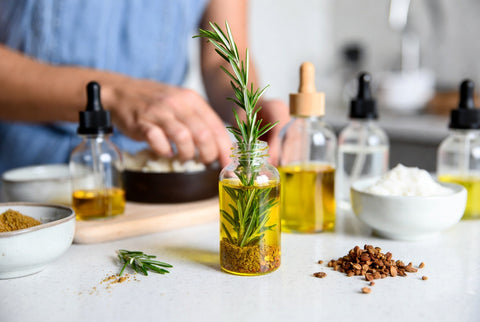
There is something deeply satisfying about mixing up your own hair growth oil, knowing exactly what goes into it and trusting that every single ingredient is there for a purpose. In a world where commercial hair products often come with ingredient lists longer than a grocery receipt, making your own growth oil puts you back in control of what goes on your scalp and strands. And the best part? These homemade blends are not just cheaper than store-bought alternatives - they are often more effective because you can customize them to address your specific hair needs.
Natural hair thrives on oils. The coily and kinky texture patterns of type 3 and type 4 hair make it harder for the natural sebum produced by your scalp to travel down the entire length of each strand. This is why natural hair tends to feel drier than straight hair and why regular oiling is such an essential part of any natural hair care routine. When you add growth-stimulating ingredients to your oil blends, you are nourishing your hair and encouraging new growth at the same time.
Science backs up what the natural hair community has known for generations. Studies have shown that certain essential oils like rosemary and peppermint can increase blood circulation to the scalp, stimulate hair follicles, and even rival the effects of minoxidil - the active ingredient in many commercial hair growth products. A 2015 study published in SKINmed Journal found that rosemary oil was as effective as 2% minoxidil for treating androgenetic alopecia after six months of use. When you combine these proven essential oils with nourishing carrier oils, you create blends that feed your hair from root to tip.
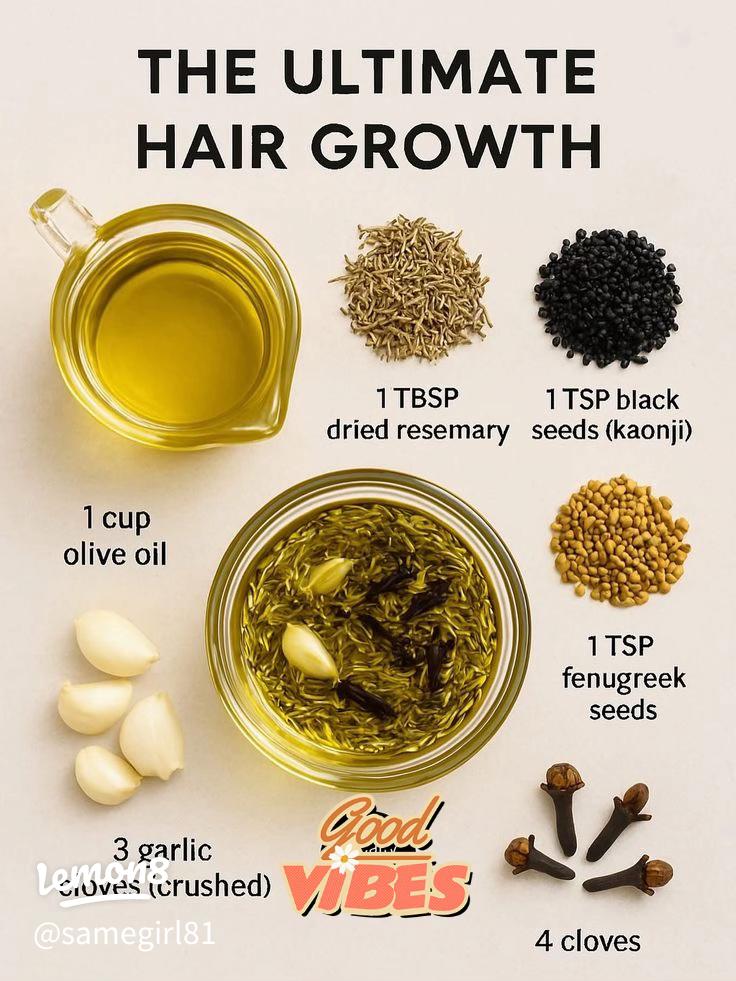
The five recipes in this article are specifically formulated for natural hair. Each one targets different aspects of hair growth - from scalp stimulation and follicle activation to strengthening and moisture retention. You do not need to make all five. Read through them, see which one addresses your biggest hair concern, and start there. You can always experiment with the others once you see how your hair responds to your first blend.
Understanding Carrier Oils vs Essential Oils
Before we dive into the recipes, let us cover an important foundation. There are two categories of oils used in these blends, and understanding the difference is crucial for both safety and effectiveness.
Carrier Oils
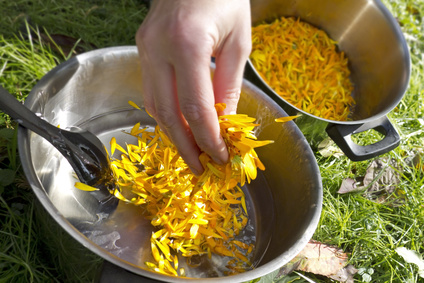
Carrier oils are the base of any hair oil blend. They are gentle, nourishing oils that can be applied directly to your skin and hair without dilution. Common carrier oils for hair growth include castor oil, jojoba oil, coconut oil, sweet almond oil, argan oil, and grapeseed oil. Each carrier oil has unique properties - castor oil is thick and deeply moisturizing, jojoba oil closely mimics the natural sebum your scalp produces, and coconut oil penetrates the hair shaft to reduce protein loss.
For the best results, always choose cold-pressed, unrefined versions of your carrier oils. Cold-pressed oils retain more of their natural nutrients and beneficial compounds because they have not been exposed to high heat during processing. Look for organic cold-pressed castor oil like Sky Organics on Amazon which is hexane-free and comes in a convenient dark glass bottle that protects the oil from light degradation.
Essential Oils

Essential oils are highly concentrated plant extracts that carry potent therapeutic properties. They should never be applied directly to your skin or scalp without being diluted in a carrier oil first, as they can cause irritation or even chemical burns at full strength. In hair growth blends, essential oils are the active ingredients that do the heavy lifting - stimulating blood flow, fighting scalp infections, reducing inflammation, and activating hair follicles.
A safe dilution ratio for scalp application is generally 2-3% essential oil to carrier oil. This translates to about 12 to 18 drops of essential oil per ounce of carrier oil. Some essential oils, like tea tree and peppermint, are more potent and should be used at the lower end of this range, especially when you are first starting out.
A Note on Patch Testing
Before using any new oil blend on your entire scalp, always do a patch test first. Apply a small amount of the blended oil to the inside of your wrist or behind your ear, wait 24 hours, and check for any signs of irritation like redness, itching, or swelling. If you experience any reaction, do not use that particular blend. Essential oils are natural but powerful, and individual sensitivities vary.
Recipe 1 - The Rosemary and Castor Oil Growth Powerhouse
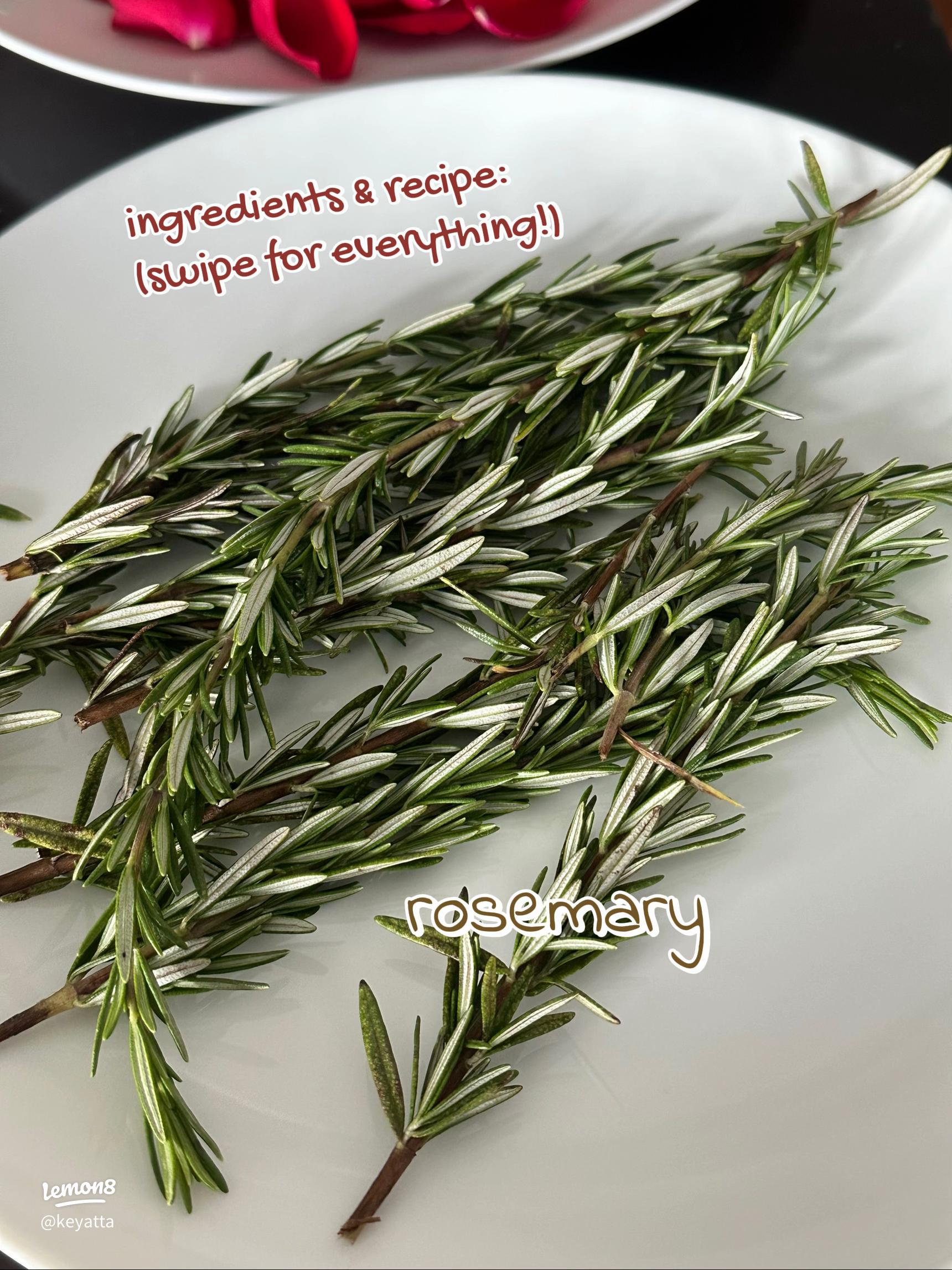
This is our number one recommended blend for anyone starting their DIY hair oil journey. Rosemary essential oil is the undisputed champion of hair growth essential oils, and when paired with the intense moisturizing power of castor oil, you get a blend that stimulates growth while keeping your strands deeply nourished.
Ingredients
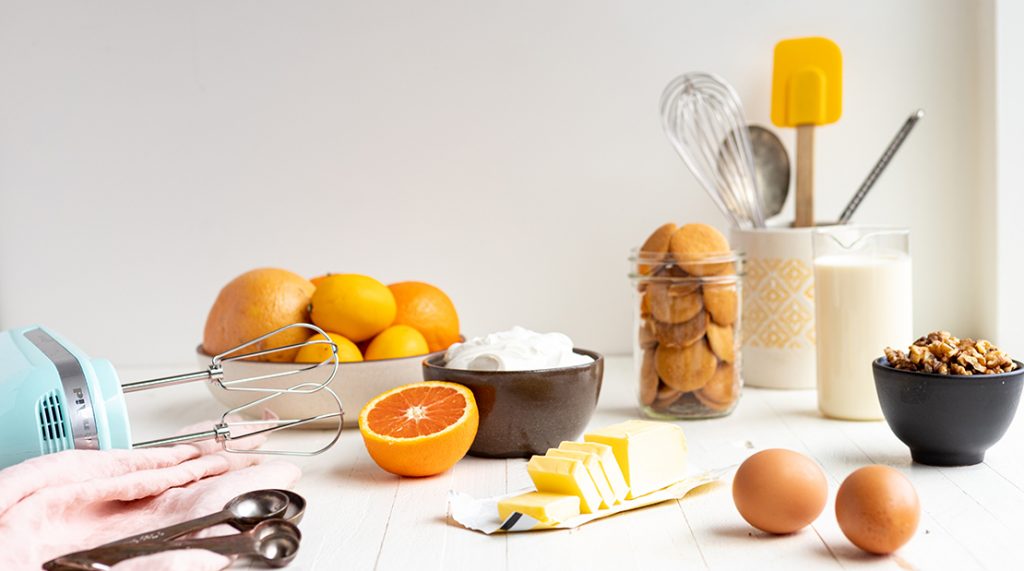
You will need 2 tablespoons of Jamaican black castor oil, 2 tablespoons of jojoba oil, 1 tablespoon of sweet almond oil, 15 drops of rosemary essential oil, and 5 drops of lavender essential oil. The jojoba and almond oils lighten the thick consistency of the castor oil, making the blend easier to apply, while lavender adds calming properties and has been shown to promote hair growth in its own right.
How to Make It

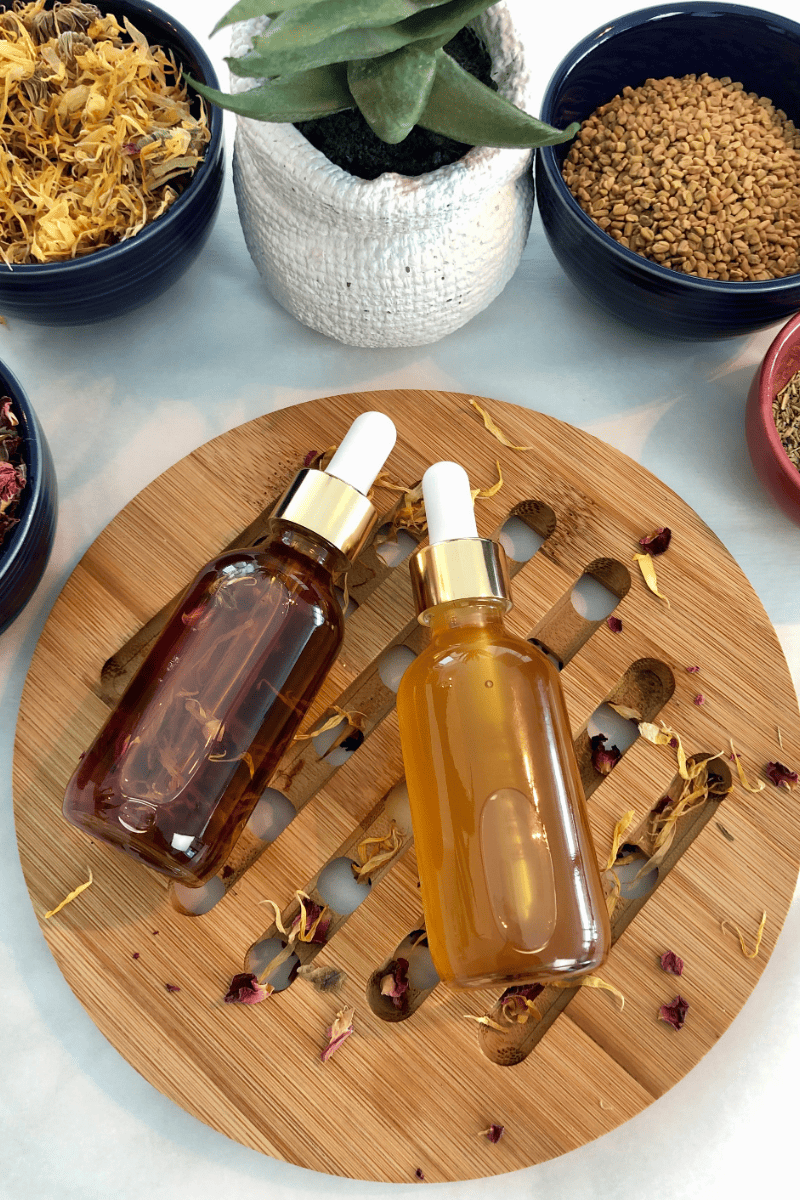
Combine all the carrier oils in a clean, dark glass bottle. Dark glass protects the oils from light, which can degrade their beneficial properties over time. Add the rosemary and lavender essential oil drops, cap the bottle tightly, and shake well to combine everything thoroughly. Let the blend sit for at least 24 hours before first use so the essential oils fully integrate with the carriers. Store at room temperature away from direct sunlight, and your blend will stay potent for up to six months.
Why This Blend Works
Rosemary essential oil increases blood circulation to the scalp, which delivers more nutrients and oxygen to your hair follicles. This stimulation encourages follicles that may have become dormant to start producing hair again. Jamaican black castor oil is rich in ricinoleic acid, which has anti-inflammatory properties and helps to strengthen the hair shaft. Together, they create a powerful one-two punch for hair growth. The Plant Therapy Rosemary Essential Oil from Amazon is a wonderful therapeutic-grade option that is affordable and widely trusted.
Recipe 2 - The Peppermint Scalp Stimulator
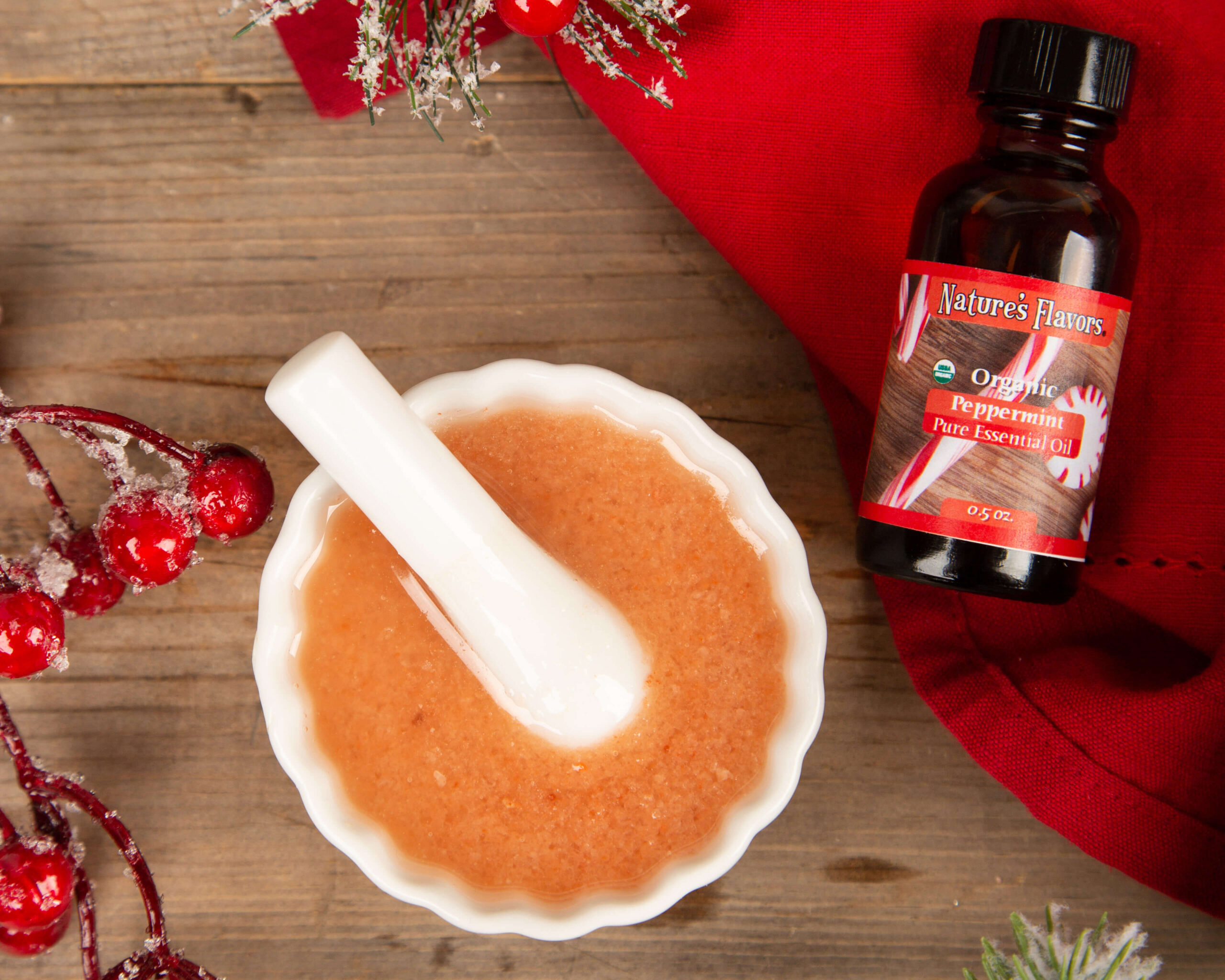
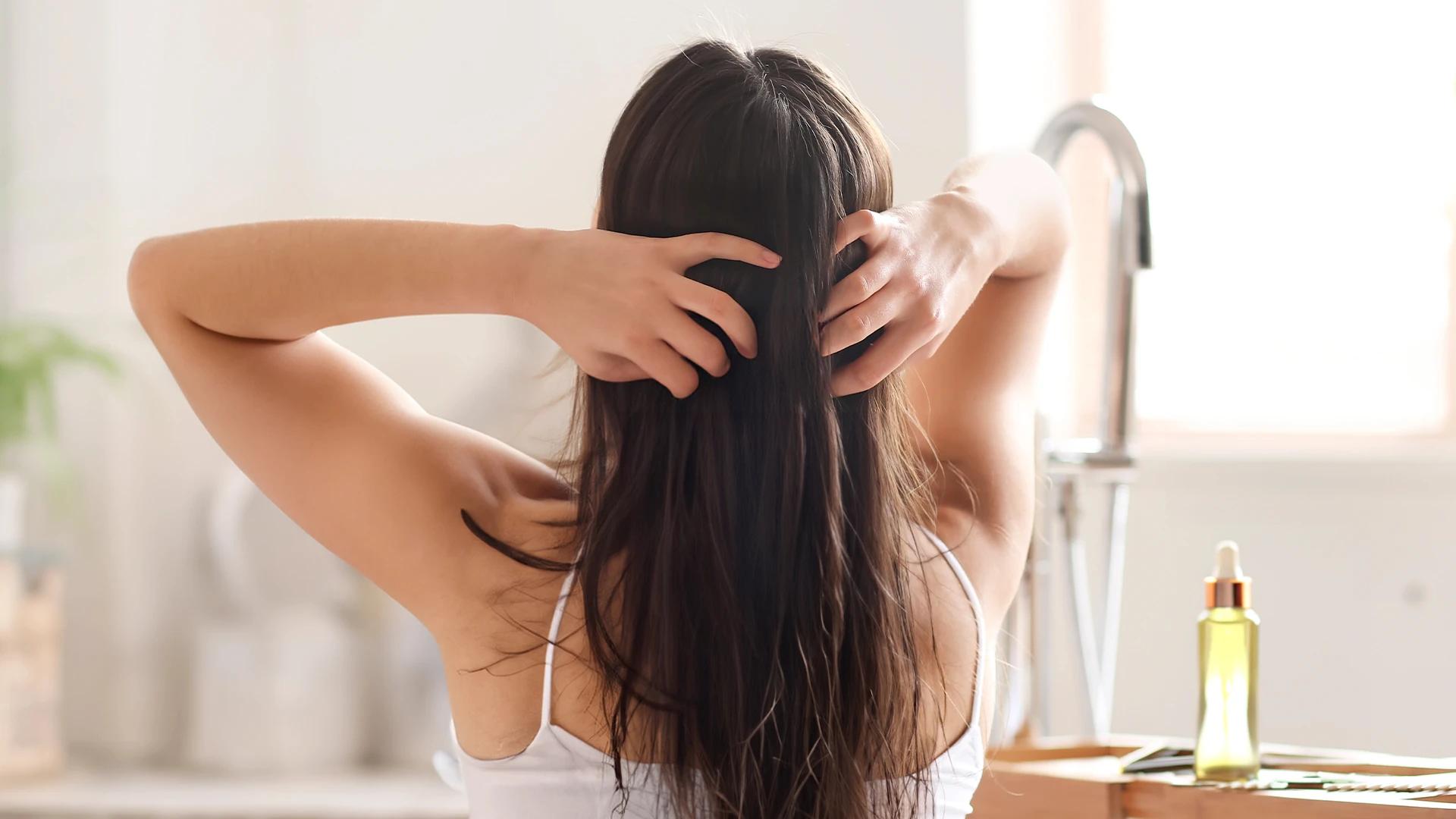
If you love that tingly, refreshing feeling on your scalp, this blend is going to be your new favorite. Peppermint oil is a powerhouse for scalp stimulation, and research has shown it can actually increase the number of hair follicles, follicle depth, and overall hair growth when applied topically.
Ingredients

Gather 2 tablespoons of grapeseed oil, 2 tablespoons of jojoba oil, 1 tablespoon of coconut oil (melted), 10 drops of peppermint essential oil, 5 drops of eucalyptus essential oil, and 5 drops of rosemary essential oil. Grapeseed oil is lightweight and rich in vitamin E, making it an excellent base that will not weigh your hair down.
How to Make It
If your coconut oil is solid, gently warm it until it liquefies - you can do this by placing the jar in a bowl of warm water for a few minutes. Combine all three carrier oils in your glass bottle, then add the essential oils. Shake well and let it sit overnight. This blend has a wonderfully invigorating scent that makes scalp massage feel like a spa experience.
Why This Blend Works
A 2014 study published in Toxicological Research found that peppermint oil significantly increased dermal thickness, follicle number, and follicle depth in mice, outperforming even minoxidil. The menthol in peppermint oil creates a cooling sensation that indicates increased blood flow to the area. This rush of blood brings nutrients directly to your hair follicles, creating an optimal environment for new growth. Eucalyptus oil adds additional circulation benefits and has antimicrobial properties that keep your scalp healthy and free from infection.
Recipe 3 - The Ayurvedic Hair Growth Elixir
Ayurvedic hair care practices have been used for thousands of years in South Asia, and for excellent reason - they work. This blend incorporates traditional Ayurvedic ingredients that have stood the test of time for promoting thick, long, healthy hair.
Ingredients
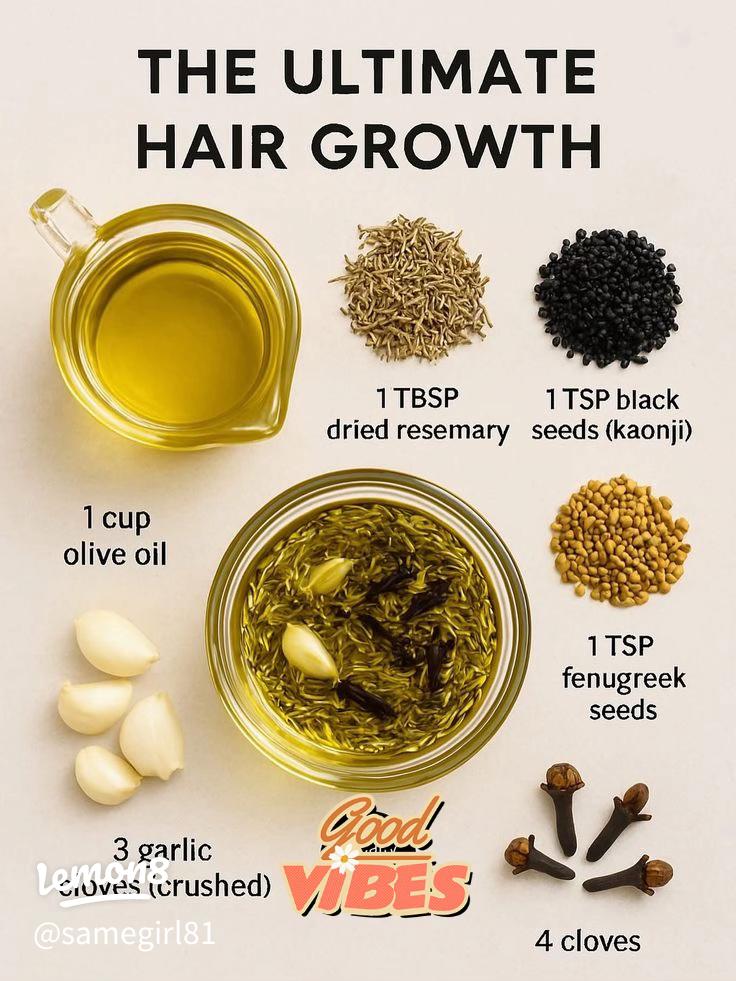
You will need 3 tablespoons of sesame oil, 2 tablespoons of coconut oil, 1 tablespoon of amla (Indian gooseberry) oil, 1 tablespoon of brahmi oil, and 10 drops of rosemary essential oil. If you cannot find amla and brahmi oils pre-made, you can infuse them yourself by simmering dried amla and brahmi powder in coconut oil on very low heat for several hours, then straining.
How to Make It
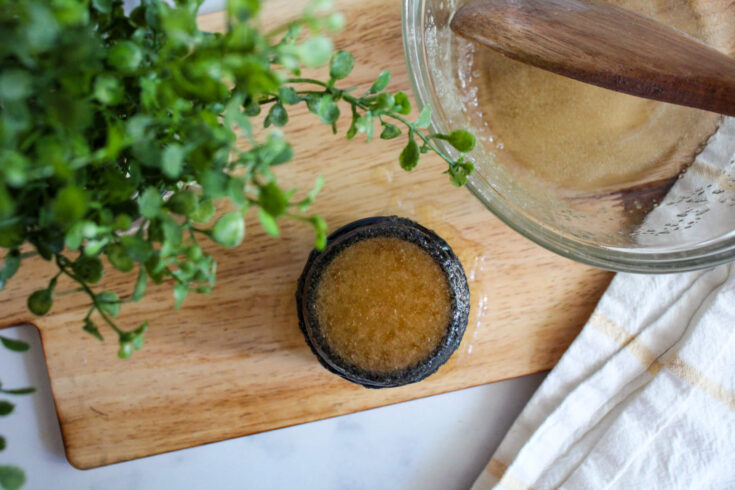
Warm the sesame oil and coconut oil together gently until the coconut oil is fully liquid. Add the amla and brahmi oils, then the rosemary essential oil drops. Mix thoroughly and pour into your dark glass bottle. For an enhanced version, you can also add a pinch of dried fenugreek seeds directly to the bottle and let them infuse for a week before using - fenugreek is rich in proteins and nicotinic acid, both of which strengthen hair and prevent breakage.
Why This Blend Works
Amla oil is incredibly rich in vitamin C and antioxidants that strengthen hair follicles and prevent premature graying. Brahmi oil nourishes the roots and has been used for centuries to thicken hair and reduce hair loss. Sesame oil, the traditional base oil in Ayurvedic hair treatments, penetrates deeply into the scalp and has natural antibacterial properties. Together, these ingredients create a deeply nourishing blend that addresses hair growth from multiple angles. You can find quality organic amla oil for hair growth on Amazon from several trusted Ayurvedic brands.
Recipe 4 - The Tea Tree and Jojoba Scalp Healer
This blend is specifically designed for anyone dealing with scalp issues that may be hindering hair growth - things like dandruff, flakiness, product buildup, or fungal infections. A healthy scalp is the foundation of healthy hair growth, and sometimes the best thing you can do for length is to heal your scalp first.
Ingredients
You will need 3 tablespoons of jojoba oil, 1 tablespoon of argan oil, 1 tablespoon of hemp seed oil, 10 drops of tea tree essential oil, 5 drops of lavender essential oil, and 5 drops of cedarwood essential oil. Jojoba oil is the star carrier here because its molecular structure is the closest to human sebum, making it incredibly effective at balancing your scalp’s natural oil production.
How to Make It
Combine all carrier oils in your glass bottle and add the essential oils. Shake vigorously and allow the blend to sit for 24 hours before first use. This blend has a clean, herbal scent that is pleasant without being overpowering. If you find the tea tree scent too strong, reduce it to 7 drops and increase the lavender to 8 drops.
Why This Blend Works
Tea tree oil is one of nature’s most powerful antimicrobial and antifungal agents. It effectively combats the fungus that causes dandruff, clears clogged follicles, and reduces scalp inflammation - all of which can significantly impede hair growth. Cedarwood essential oil has been shown to stimulate the hair follicles by increasing circulation, and it also has antifungal properties that complement the tea tree oil. Lavender rounds out the blend with its calming, healing properties and pleasant scent. The 100% Organic Cold-Pressed Jojoba Oil from The Ordinary at Ulta is an excellent affordable option for the base of this blend.
Recipe 5 - The Black Seed and Argan Strengthening Oil

This final recipe focuses on strengthening your existing hair to prevent breakage, because retention is just as important as growth. You can grow all the new hair in the world, but if your ends are breaking off at the same rate, you will never see length. This blend fortifies your strands from the inside out.
Ingredients

Gather 2 tablespoons of black seed oil (also called black cumin seed oil or Nigella sativa oil), 2 tablespoons of argan oil, 1 tablespoon of avocado oil, 8 drops of ylang ylang essential oil, and 7 drops of clary sage essential oil. Black seed oil has been called the remedy for everything except death in traditional Middle Eastern medicine, and its benefits for hair are remarkable.
How to Make It
Black seed oil has a distinctive, strong scent that some people find overpowering. The argan and avocado oils help to mellow it out, and the ylang ylang adds a sweet floral note that balances the overall fragrance. Combine all carrier oils, add the essential oils, shake well, and let it sit for 24 hours. If the scent is still too strong for your preference, you can add 3 to 5 drops of vanilla essential oil, which pairs beautifully with the other ingredients.
Why This Blend Works
Black seed oil contains thymoquinone, a powerful antioxidant and anti-inflammatory compound that has been shown to reduce hair loss and promote hair regrowth. It is also rich in fatty acids that nourish and strengthen the hair shaft. Argan oil, often called liquid gold, is packed with vitamin E and essential fatty acids that increase hair’s elasticity - meaning your strands can stretch and bend without breaking. Avocado oil penetrates the hair shaft to moisturize from within, and ylang ylang essential oil has been traditionally used to stimulate hair growth while adding beautiful shine.
How to Use Your DIY Hair Growth Oils for Best Results
Having a great oil blend is only half the equation - how you apply it matters just as much. Here are the application methods that will maximize the growth-boosting benefits of your homemade oils.
The Scalp Massage Method
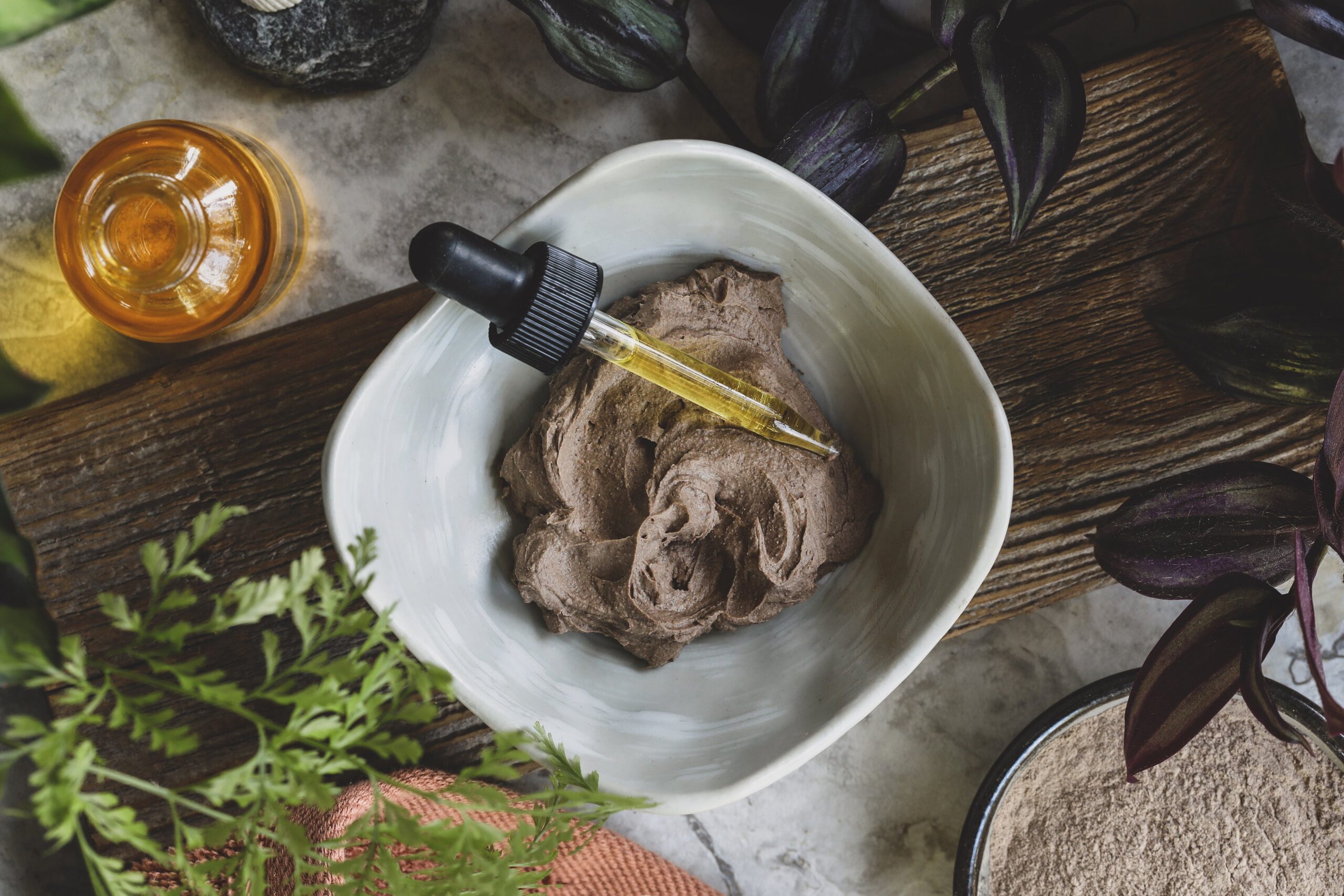
This is the most common and effective application method. Apply your oil blend directly to your scalp using an applicator bottle or your fingertips. Then, using your fingertips - never your nails - massage your scalp in small circular motions for at least five minutes. Cover your entire scalp, paying extra attention to areas where you want to see the most growth, like your edges, crown, and nape. Scalp massage alone has been shown to increase hair thickness by stretching the cells of hair follicles, and when you add growth-stimulating oils to the mix, the benefits multiply.
The Hot Oil Treatment Method
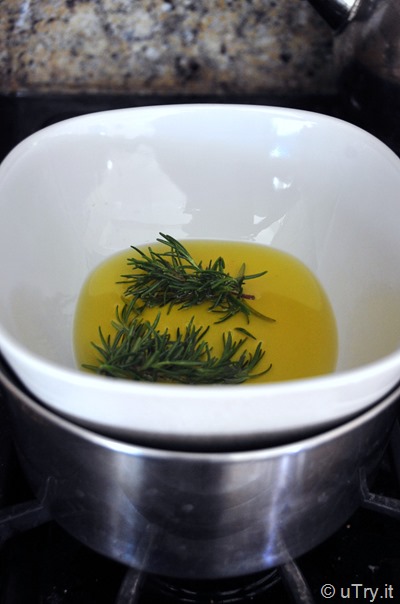
For a more intensive treatment, warm your oil blend gently by placing the bottle in a bowl of hot water for a few minutes. Test the temperature on your wrist before applying - it should be comfortably warm, never hot. Apply the warm oil to your scalp and hair, then cover with a plastic cap and a warm towel. The heat opens your hair cuticles and scalp pores, allowing the oils to penetrate more deeply. Leave it on for at least 30 minutes, or for maximum benefits, leave it on overnight and wash it out in the morning.
How Often to Apply
For best results, apply your growth oil two to three times per week. Consistency is key - you will not see dramatic results after one application, but after four to six weeks of regular use, many people notice reduced shedding, stronger hair, and new growth along their hairline and throughout their scalp. Take photos at the start of your journey so you can track your progress over time.
Storage and Shelf Life

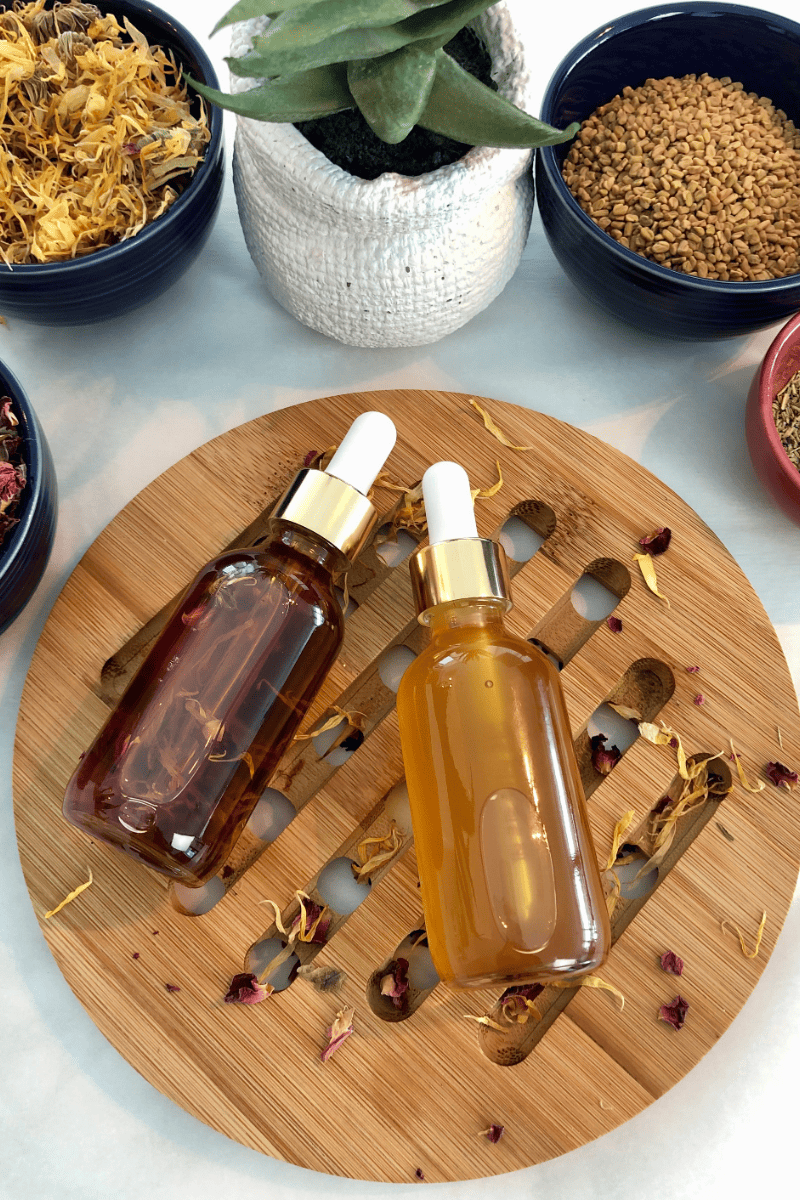
Store all your blends in dark glass bottles at room temperature, away from direct sunlight and heat. Amber or cobalt blue bottles are ideal because they filter out light that can degrade the oils. Most homemade oil blends will stay potent for three to six months. If your oil starts to smell rancid or changes color significantly, it is time to make a fresh batch. Always label your bottles with the date you made the blend and the recipe name so you can keep track.
Making your own hair growth oils is one of the most empowering things you can do for your natural hair journey. You know exactly what is going into your blend, you can customize it for your specific needs, and you are tapping into centuries of traditional knowledge backed by modern science. Whether you start with the rosemary powerhouse, the peppermint stimulator, or any of the other recipes, your natural hair is going to thank you. Give your chosen blend at least six weeks of consistent use, and we are confident you will be amazed by the results.
Key Takeaways
- DIY hair growth oils let you control exactly what goes on your scalp while being more affordable and often more effective than commercial alternatives.
- Essential oils like rosemary and peppermint have scientific backing for their ability to stimulate hair follicles and promote growth, rivaling commercial products like minoxidil.
- Always dilute essential oils in carrier oils before applying to your scalp, and do a patch test with any new blend to check for sensitivities.
- Consistency is more important than which recipe you choose - apply your growth oil two to three times per week for at least six weeks to see noticeable results.
- Scalp massage is a critical part of the application process, as it increases blood flow to the follicles and helps the oils penetrate more effectively.
Frequently Asked Questions
Can I use these oil blends on relaxed or color-treated hair?
Yes, these oil blends are safe for relaxed and color-treated hair. In fact, hair that has been chemically processed often benefits even more from regular oiling because the treatments can strip natural moisture. Just be aware that some essential oils, particularly tea tree, can be drying if overused, so start with the rosemary and castor oil blend or the black seed and argan blend for chemically treated hair.
How long before I see results from using DIY hair growth oils?
Most people begin to notice reduced shedding and stronger hair within four to six weeks of consistent use. Visible new growth typically becomes noticeable after two to three months. Hair grows an average of half an inch per month, so give your oil blend at least three months before making a final judgment on its effectiveness. Taking monthly progress photos helps you see the gradual changes that might not be obvious day to day.
Can I mix different recipes together?
While you technically can combine elements from different recipes, we recommend starting with one complete recipe and using it consistently for at least a month before making changes. This way, you can accurately assess what is working for your hair. If you do want to customize, keep the total essential oil concentration at or below 3% of the total blend to avoid scalp irritation.
Are these oils safe to use during pregnancy?

Some essential oils are not recommended during pregnancy, including rosemary, peppermint, and clary sage. If you are pregnant or nursing, consult with your healthcare provider before using any essential oil blends. You can still benefit from applying carrier oils like jojoba and coconut oil to your scalp and hair without adding essential oils during this time.
Will these oils make my hair greasy?
If you use the right amount, these oils should not make your hair look greasy. Start with a small amount - about a teaspoon for a full scalp application - and add more only if needed. Focus the oil on your scalp rather than saturating your hair strands. Lighter carrier oils like grapeseed and jojoba absorb more quickly and leave less residue than heavier oils like castor oil.