
Why Deep Conditioning Is Non-Negotiable for Natural Hair
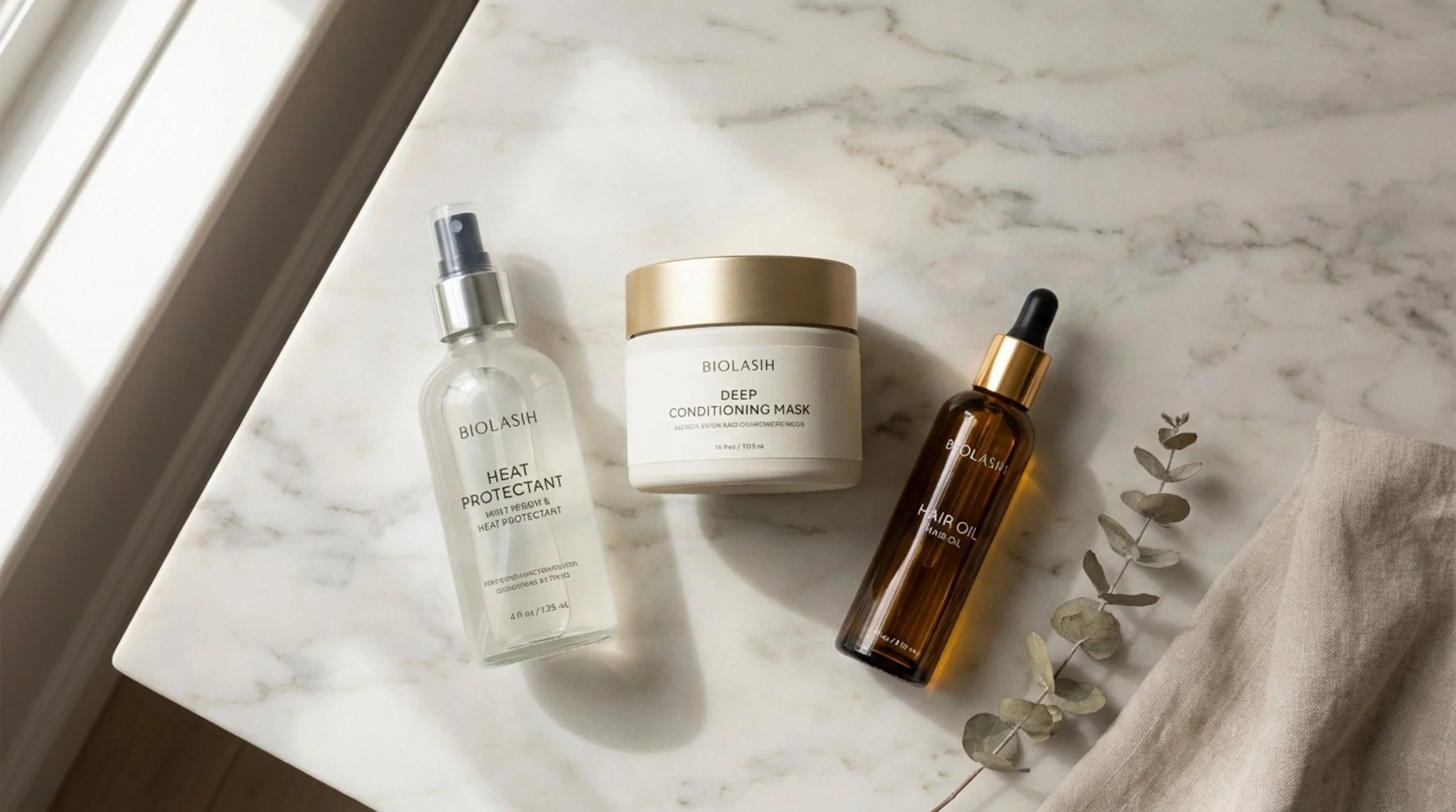
If there is one step in your natural hair routine that you should never skip, it is deep conditioning. Regular conditioner is fine for daily or weekly use, but it only coats the outside of the hair shaft, providing temporary softness and detangling ease. Deep conditioning goes further - it penetrates the hair cuticle to deliver moisture, protein, and nutrients deep into the cortex of each strand, repairing damage from the inside out and building strength that lasts between wash days.
Natural hair, especially type 4 hair, has a unique structure that makes deep conditioning particularly important. The tight coil pattern creates multiple points along each strand where the cuticle can lift and become damaged. These lifted cuticle layers allow moisture to escape easily, which is why natural hair tends toward dryness. Deep conditioning temporarily smooths and seals these cuticle layers, improving moisture retention, reducing friction-based breakage, and giving your curls and coils that soft, bouncy, well-hydrated feel we all love.
Think of deep conditioning as feeding your hair. Just as your body needs regular nourishing meals to function at its best, your hair needs regular deep conditioning treatments to stay strong, elastic, and resilient. Without it, natural hair gradually becomes dry, brittle, and prone to breakage - no matter how great your other products and techniques are. Deep conditioning is the foundation that makes everything else in your routine work better.
How Often Should You Deep Condition
The ideal deep conditioning frequency depends on your hair’s current condition, porosity, and how you style it. Here are general guidelines to help you find your sweet spot.
Every Wash Day - For Most Natural Hair
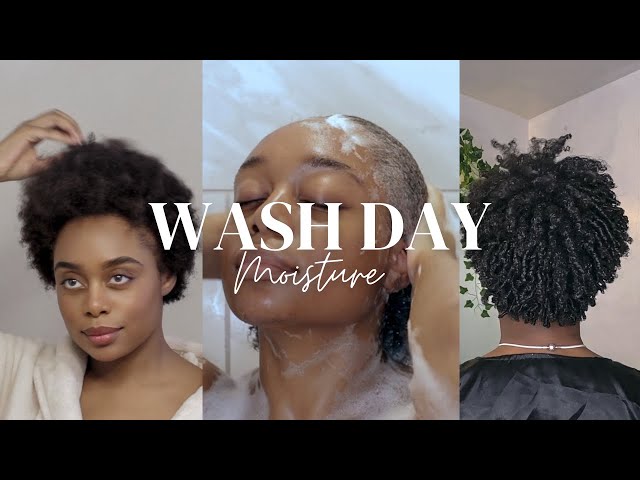
If you wash your hair weekly or biweekly, deep conditioning every wash day is a solid baseline. This ensures your hair gets a consistent boost of moisture and strength with each wash cycle. For most people with type 3C to 4C hair, this frequency keeps their hair in optimal condition without overdoing it.
Twice a Week - For Severely Dry or Damaged Hair
If your hair is extremely dry, has heat damage, chemical damage, or excessive breakage, you may benefit from deep conditioning twice a week until the condition improves. This intensive approach provides rapid repair and moisture infusion. Once your hair’s condition improves - usually after four to six weeks of intensive treatment - you can reduce to once a week.
Every Other Week - For Healthy, Low-Porosity Hair
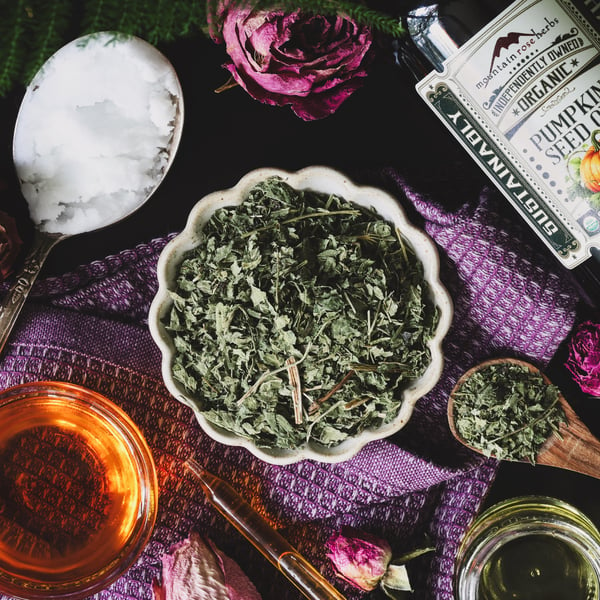
If your hair is already in good condition and you have low porosity hair that does not absorb products easily, deep conditioning every other week may be sufficient. Low porosity hair’s tightly sealed cuticle means it retains moisture better than high porosity hair, so it does not need as frequent replenishment. Over-conditioning low porosity hair can actually lead to buildup and limp, mushy-feeling strands.
Moisture vs Protein Deep Conditioners - Knowing What Your Hair Needs
Not all deep conditioners are created equal, and understanding the difference between moisture and protein treatments is crucial for getting the results you want.
Moisture Deep Conditioners
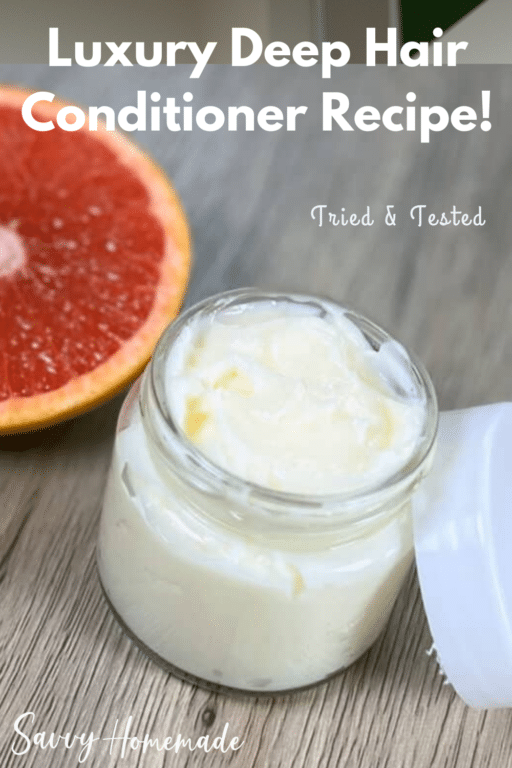
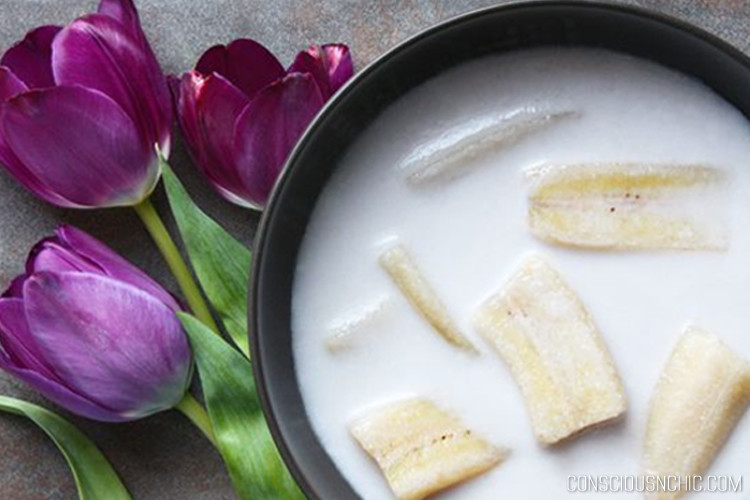
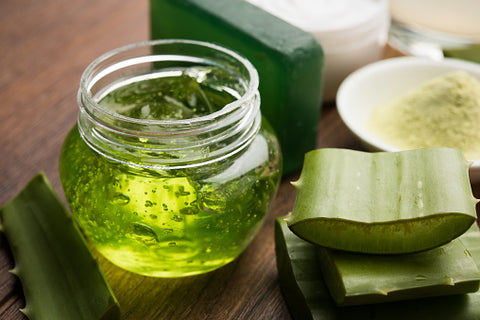
Moisture-focused deep conditioners are designed to hydrate and soften your hair. They contain humectants like glycerin and honey that attract and hold water, emollients like shea butter and oils that seal moisture in, and hydrating ingredients like aloe vera and coconut milk. Your hair needs a moisture treatment when it feels dry, rough, stiff, or lacks elasticity. If a strand of hair snaps immediately when stretched instead of bouncing back, it is crying out for moisture.
Protein Deep Conditioners
Protein treatments repair and strengthen the hair shaft by filling in gaps in the hair’s protein structure - the keratin that makes up the bulk of each strand. They contain ingredients like hydrolyzed keratin, silk protein, wheat protein, or collagen. Your hair needs protein when it feels limp, mushy, overly stretchy, or is breaking easily despite being moisturized. If a strand stretches excessively before breaking rather than bouncing back, it needs protein.
The Protein-Moisture Balance

Healthy hair requires a balance of both protein and moisture. Too much protein without enough moisture makes hair hard, dry, and brittle. Too much moisture without enough protein makes hair weak, limp, and prone to stretching and snapping. Most people do well with a moisture-focused deep conditioner as their primary treatment and a protein treatment every four to six weeks. Adjust this ratio based on how your hair responds - learning to read what your hair needs is one of the most valuable skills in your natural hair journey.
The Best Deep Conditioners for Natural Hair in 2026
Best Moisture Deep Conditioner
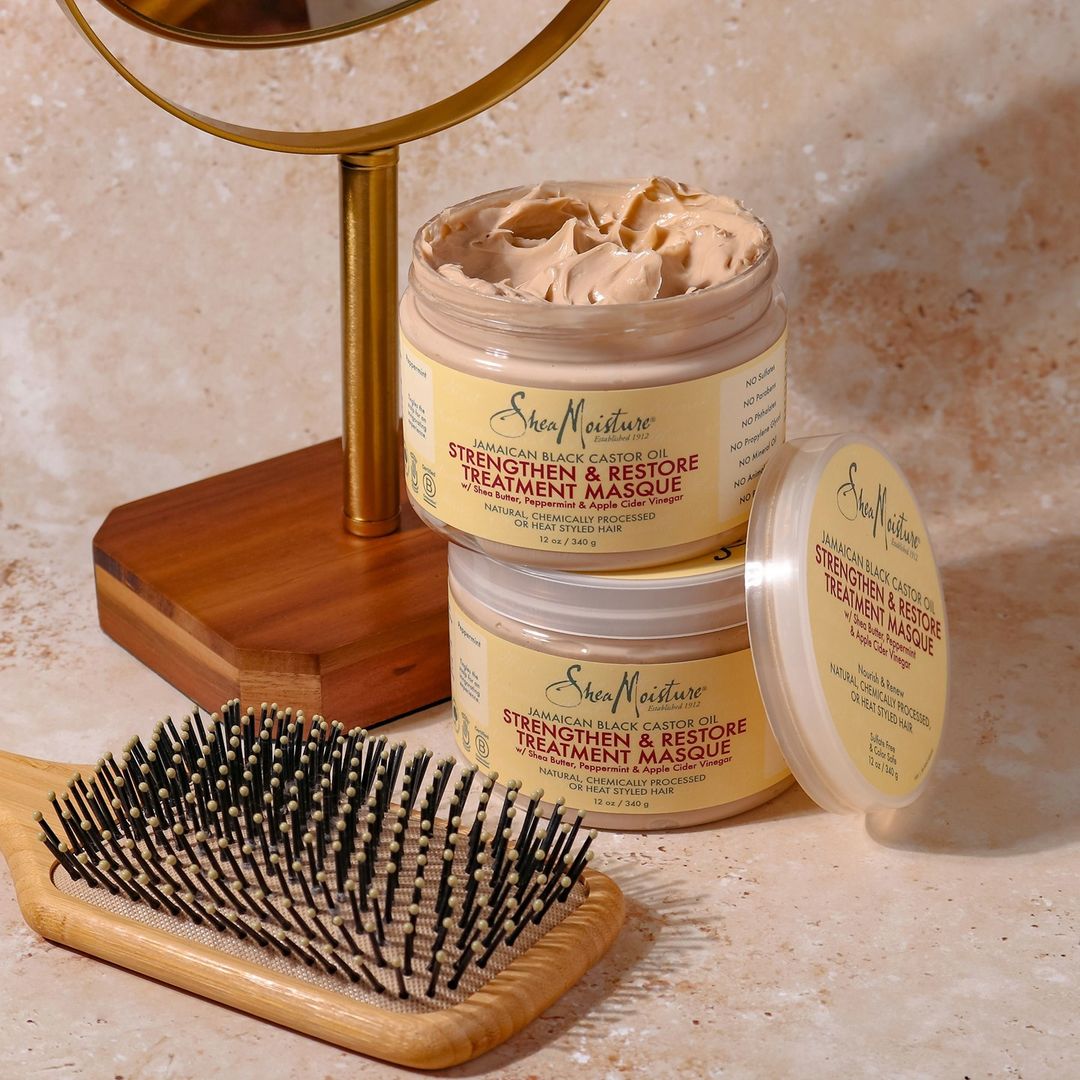
The SheaMoisture Manuka Honey and Mafura Oil Intensive Hydration Hair Masque from Ulta remains a top choice for moisture-starved natural hair. This rich masque contains manuka honey for deep hydration, mafura oil for sealing, and baobab oil for strengthening. It transforms dry, brittle hair into soft, pliable curls after just one treatment. It is also affordable enough to use as your regular wash day deep conditioner without breaking the bank.
Best Protein Treatment
The Aphogee Two-Step Protein Treatment from Amazon is the gold standard for protein repair. This professional-grade treatment rebuilds damaged hair bonds and significantly reduces breakage. It is an intensive treatment - your hair will feel very hard while it is on, which is normal - but after the accompanying balancing conditioner, your strands will feel noticeably stronger and more resilient. Use this every six to eight weeks or as needed when your hair shows signs of protein deficiency.
Best Balanced Deep Conditioner
For a deep conditioner that provides both moisture and light protein, the Mielle Organics Babassu Oil and Mint Deep Conditioner from Amazon is excellent. It contains babassu oil for moisture and amino acids for gentle protein support. The mint provides a pleasant tingling sensation and stimulates the scalp. This is a great all-around deep conditioner for maintenance between more targeted moisture or protein treatments.
5 DIY Deep Conditioner Recipes You Can Make at Home
You do not always need to buy commercial deep conditioners - some of the most effective treatments can be made from ingredients in your kitchen. These DIY recipes are simple, affordable, and genuinely effective.
Recipe 1 - The Honey and Olive Oil Moisture Bomb
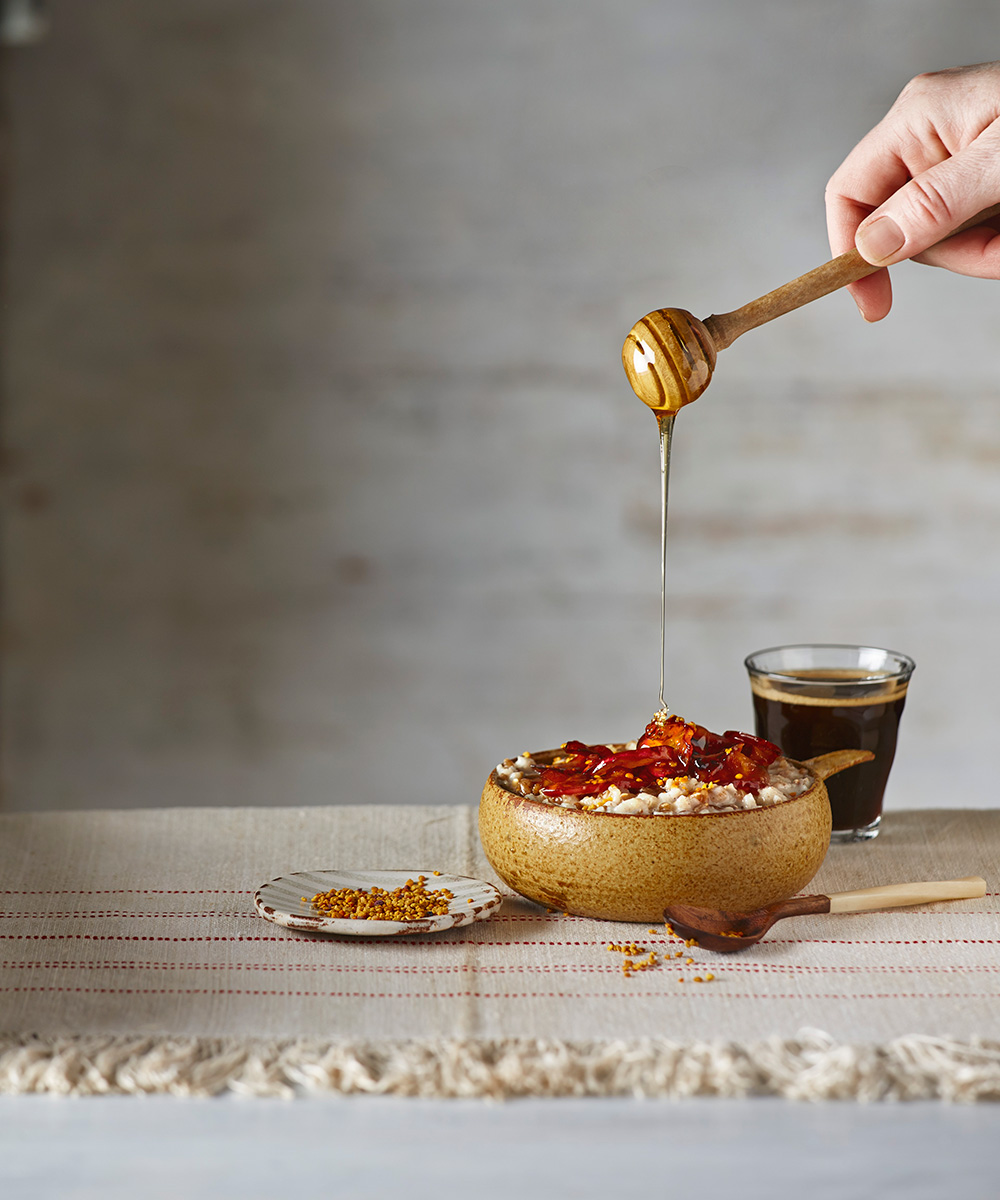
Mix together half a cup of olive oil, a quarter cup of raw honey, and two tablespoons of coconut milk. Honey is a natural humectant that draws moisture to your hair, olive oil penetrates the hair shaft for deep conditioning, and coconut milk adds protein and fats. Apply to freshly washed hair, cover with a plastic cap, and leave on for 30 to 45 minutes before rinsing thoroughly.
Recipe 2 - The Avocado and Banana Strength Builder
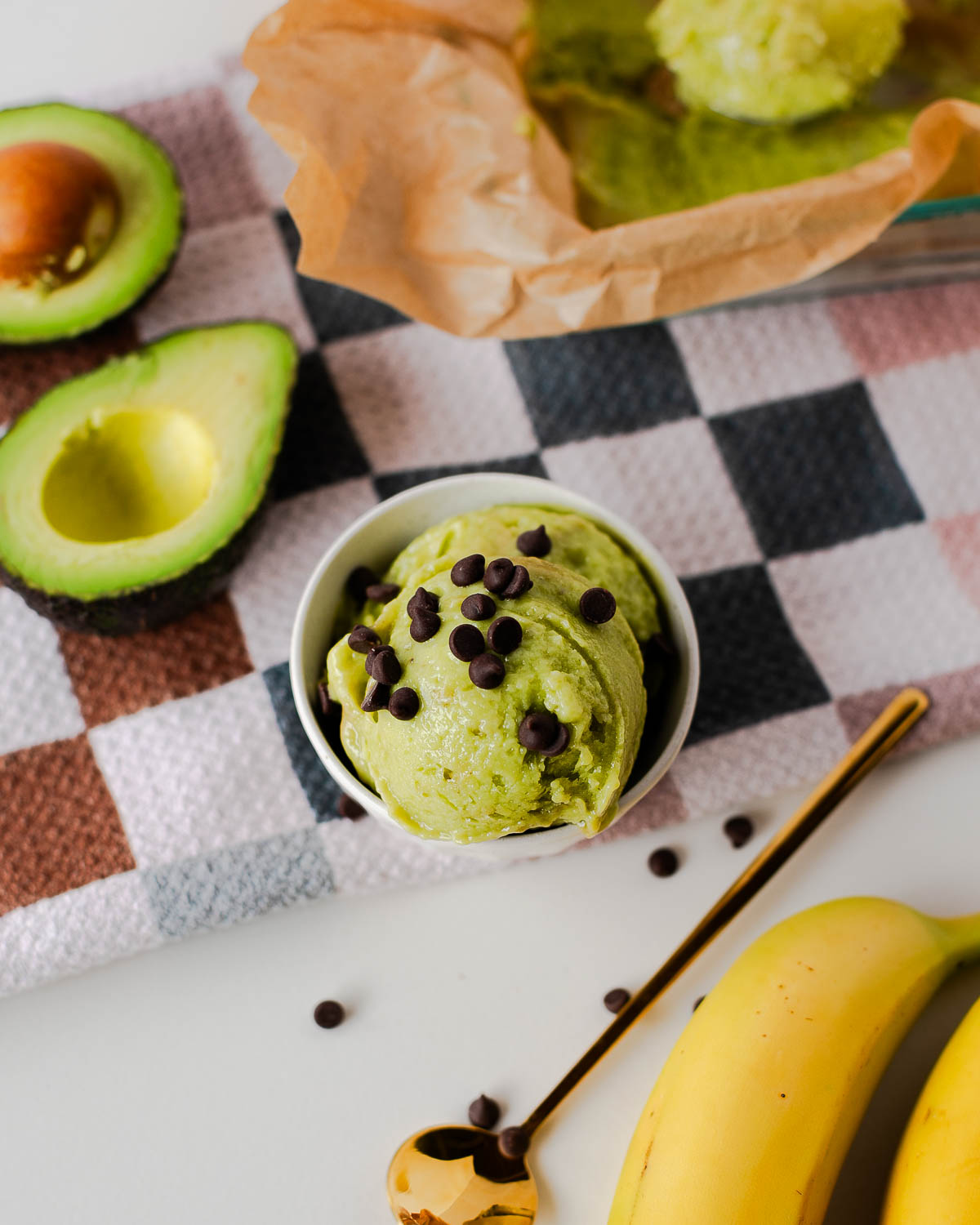
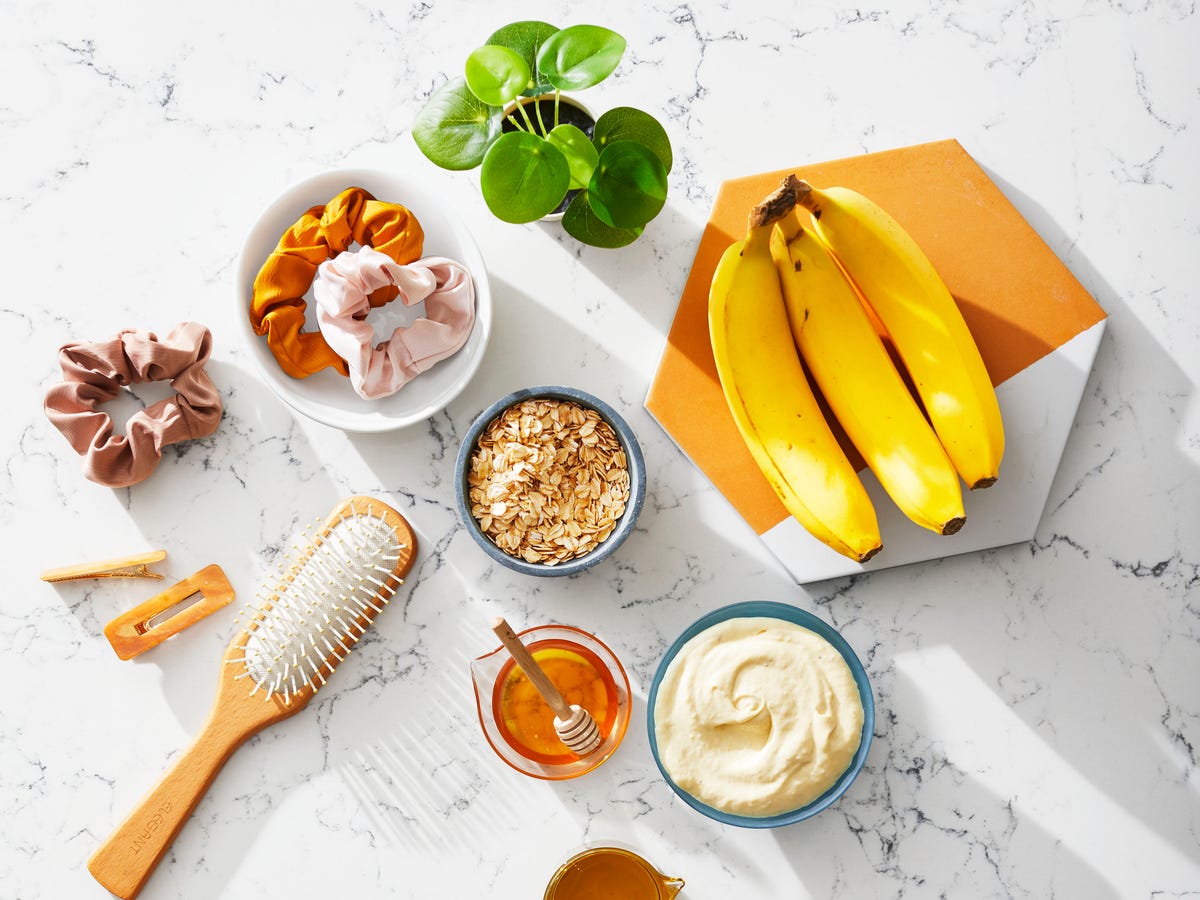
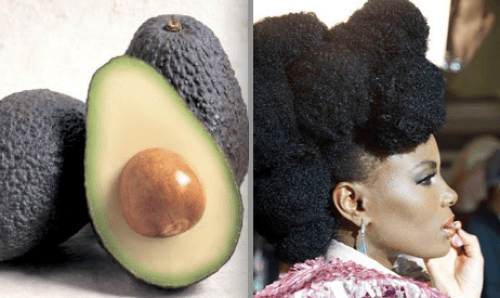
Blend one ripe avocado, one ripe banana, two tablespoons of olive oil, and one tablespoon of honey until completely smooth - no chunks, as they will be nearly impossible to rinse out of curly hair. Avocado is rich in vitamins A, B, D, and E and contains natural oils that penetrate the hair shaft. Banana is loaded with potassium, natural oils, and vitamins that help soften and improve manageability. Leave on for 20 to 30 minutes under a plastic cap.
Recipe 3 - The Egg and Mayonnaise Protein Treatment

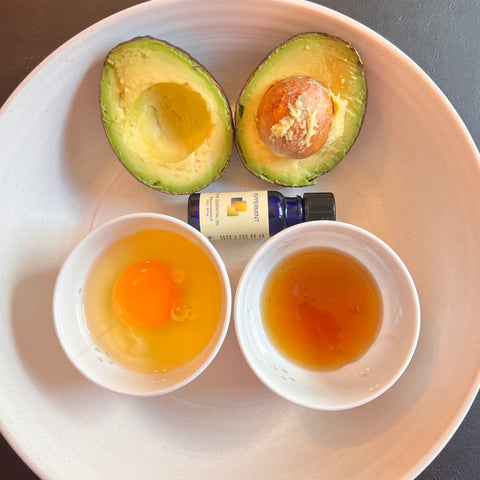
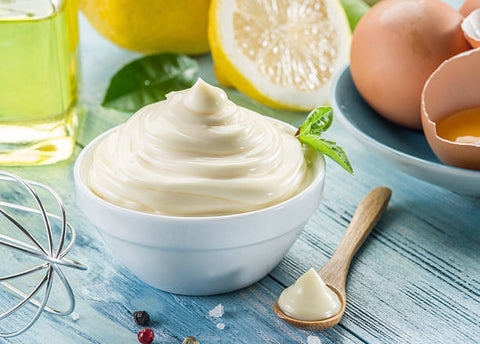
Combine one whole egg with half a cup of full-fat mayonnaise and one tablespoon of olive oil. The egg provides protein directly to repair damage, while mayonnaise - which contains eggs, oil, and vinegar - acts as a rich conditioner. This is an excellent DIY protein treatment for hair that feels weak and mushy. Apply to damp hair, leave on for 20 minutes under a plastic cap, and rinse with cool water - warm water will cook the egg in your hair, and no one wants that experience.
Recipe 4 - The Coconut Milk and Honey Hydrator
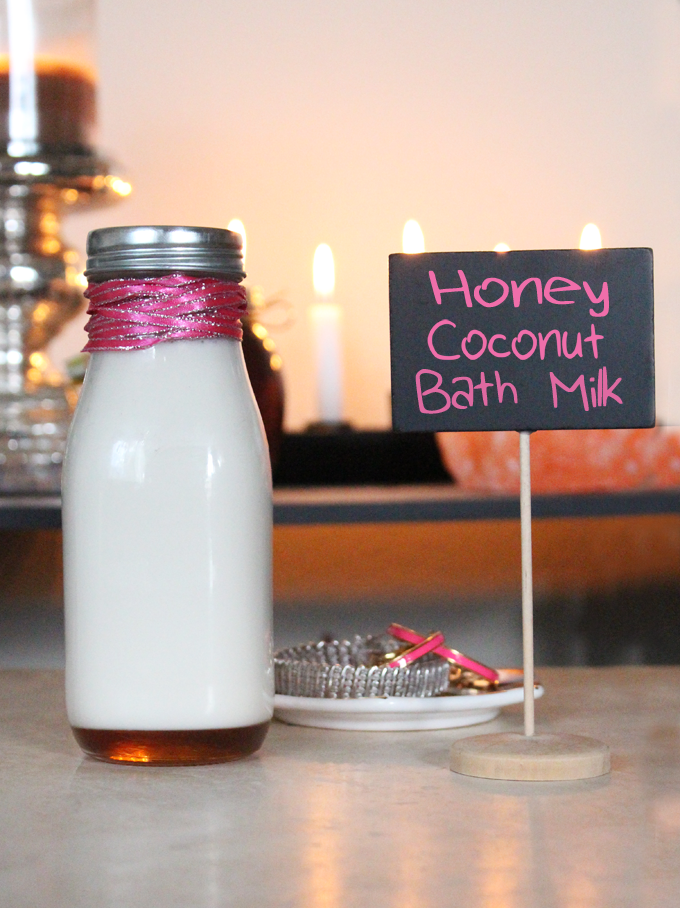
Mix one can of full-fat coconut milk with three tablespoons of raw honey and one tablespoon of coconut oil. This ultra-hydrating treatment is perfect for very dry hair that needs an intense moisture boost. The coconut milk provides lauric acid, which has a high affinity for hair protein and actually penetrates the hair shaft. Apply generously, cover, and leave on for 30 minutes to an hour for maximum absorption.
Recipe 5 - The Yogurt and Honey Smoothing Treatment
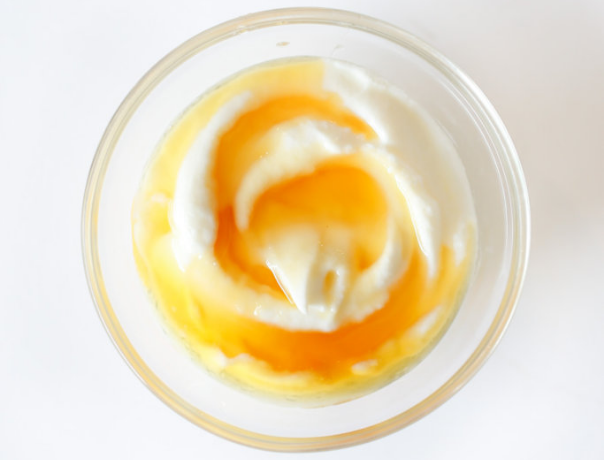
Combine half a cup of plain full-fat yogurt with two tablespoons of honey and one tablespoon of apple cider vinegar. Yogurt contains lactic acid that gently removes buildup while its proteins strengthen the hair. The apple cider vinegar helps smooth and seal the cuticle, adding shine and reducing frizz. This treatment is particularly good for high porosity hair that struggles to keep its cuticle layer sealed. Leave on for 20 minutes and rinse thoroughly.
How to Deep Condition for Maximum Results

The technique you use when deep conditioning matters as much as the product itself. Here is how to get the absolute most out of every treatment.
Start with Clean Hair
Always deep condition after shampooing, not before. Shampooing opens the hair cuticle and removes product buildup, allowing the deep conditioner to penetrate more effectively. If you apply deep conditioner to dirty hair, the buildup acts as a barrier that prevents the treatment from doing its job.
Section Your Hair

Work the deep conditioner through your hair in sections to ensure complete, even coverage. On thick natural hair, applying product randomly means some sections get saturated while others barely get any. Use four to eight sections depending on your hair density, and make sure every strand in each section is coated from root to tip.
Use Heat for Better Penetration

Heat opens the hair cuticle further, allowing the deep conditioner to penetrate more deeply. Cover your treated hair with a plastic cap and then apply heat using one of these methods - sit under a hooded dryer for 15 to 30 minutes, wrap a warm towel around your head, use a thermal heating cap, or simply let your body heat warm the cap naturally for a longer period. Even without external heat, the plastic cap traps your body heat and creates a greenhouse effect that improves absorption.
Timing Matters

Most deep conditioners need 15 to 30 minutes to work effectively. Leaving them on longer is not always better - some conditioners, especially protein treatments, can actually over-process your hair if left on too long, leading to hard, brittle strands. Follow the instructions on your product, or for DIY treatments, stick to the times recommended in the recipes above. Moisture-only treatments are more forgiving with timing and can generally be left on longer without negative effects.
Rinse with Cool Water
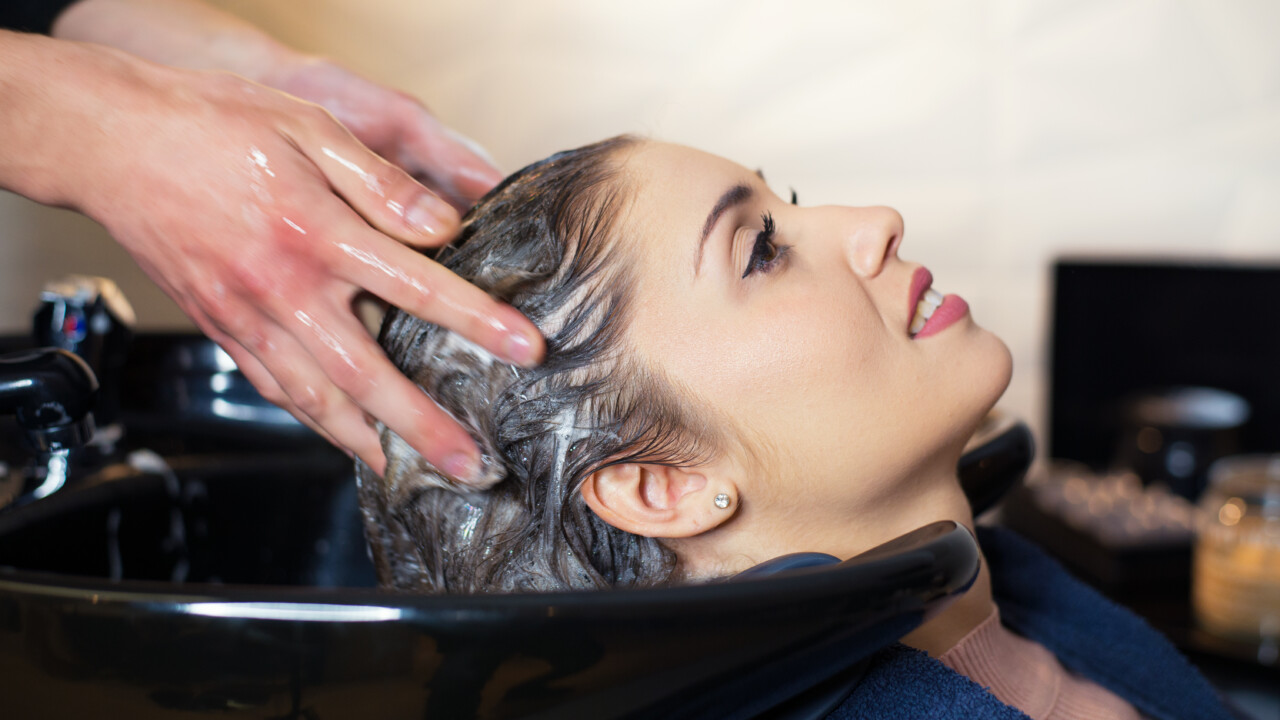
After your treatment time is up, rinse with cool or lukewarm water rather than hot. Cool water helps seal the cuticle, locking in the moisture and nutrients you just spent time putting in. Hot water opens the cuticle and can allow some of that goodness to escape. The cool rinse also adds shine by creating a smoother cuticle surface that reflects light.
Deep conditioning is the backbone of healthy natural hair care. It is not a luxury or an occasional treat - it is a consistent practice that keeps your curls and coils strong, moisturized, and resilient against the daily challenges they face. Whether you choose a store-bought product or whip up a DIY treatment in your kitchen, the act of regularly nourishing your hair with deep conditioning sets you up for success in every other area of your hair care routine. Your natural hair deserves this love, and you deserve the gorgeous, healthy results that come from giving it.
Key Takeaways
- Deep conditioning penetrates the hair shaft to deliver moisture and strength from within, unlike regular conditioner which only coats the outside of the strand.
- Most natural hair types benefit from deep conditioning every wash day - typically once a week or biweekly - with adjustments based on your hair’s current condition and porosity.
- Understanding whether your hair needs moisture or protein is crucial - too much of either without the other creates its own set of problems.
- DIY deep conditioners made from kitchen ingredients like honey, avocado, eggs, and yogurt can be just as effective as commercial products at a fraction of the cost.
- Using heat during deep conditioning, working in sections, and rinsing with cool water are techniques that significantly improve the effectiveness of every treatment.
Frequently Asked Questions
Can I leave deep conditioner in my hair overnight?
Moisture-based deep conditioners can generally be left in overnight without issues - in fact, the extended time can improve results for very dry hair. However, protein treatments should never be left on longer than recommended, as over-processing can make hair hard and brittle. If you do an overnight deep conditioning session, cover your hair with a plastic cap and a satin bonnet to protect your pillowcase and create a warm, humid environment for maximum absorption.
What happens if I skip deep conditioning?
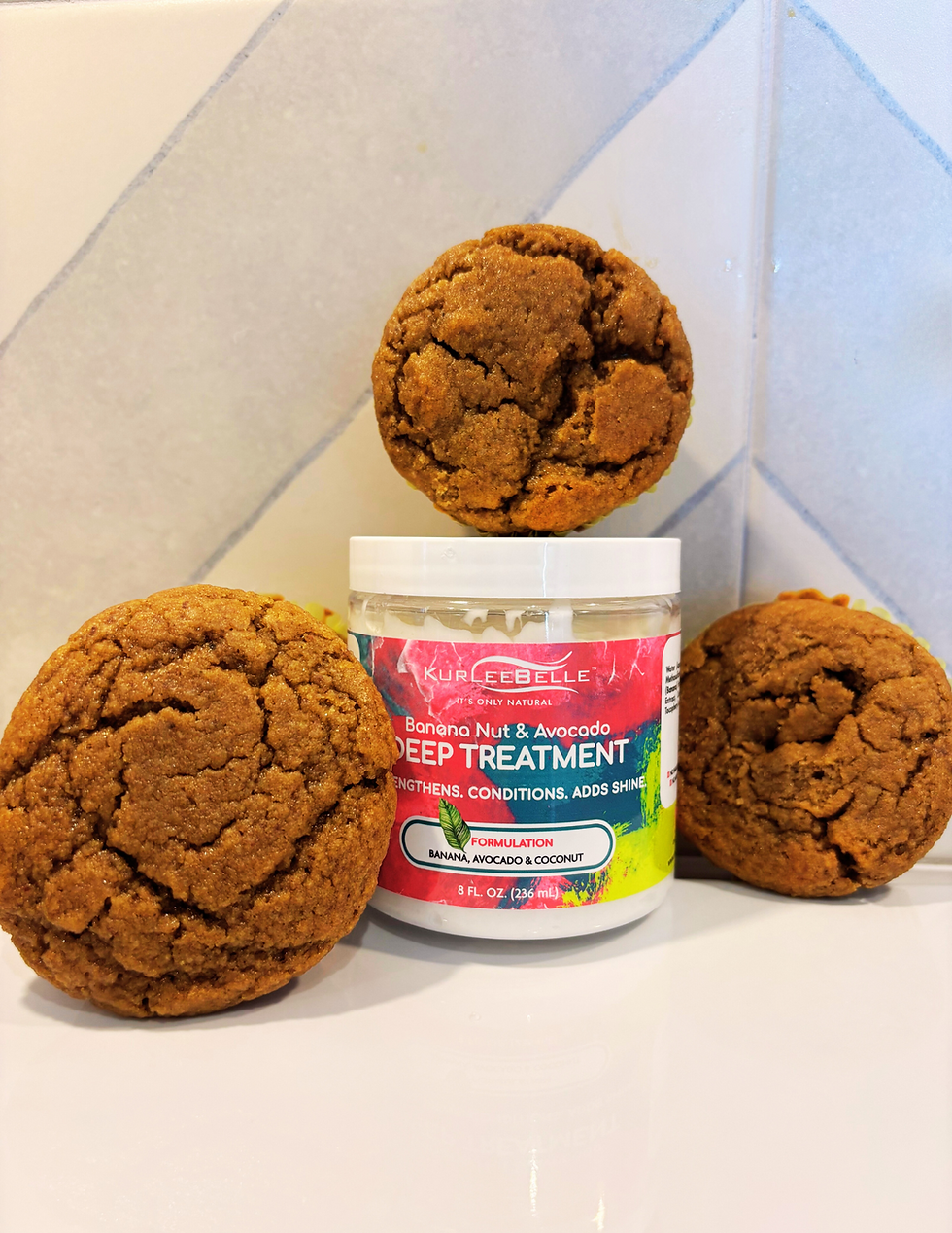
Over time, skipping deep conditioning leads to progressively drier, weaker hair that is more prone to breakage, tangling, and dullness. Your regular conditioner can maintain day-to-day softness, but it cannot provide the deep repair and nourishment that keeps your strands strong and elastic. Think of it like only drinking water but never eating - hydration alone is not enough to sustain optimal health.
Can I deep condition too often?
Yes, though it depends on the type of deep conditioner. Over-conditioning with moisture can lead to hygral fatigue - a condition where the hair cuticle becomes fatigued from swelling and contracting too frequently with water absorption. This makes hair feel mushy and limp. Over-conditioning with protein makes hair hard and brittle. For most people, once a week for moisture and once every four to six weeks for protein is the right balance.
Should I deep condition before or after a protein treatment?
Always follow a protein treatment with a moisturizing deep conditioner. Protein treatments strengthen the hair but can leave it feeling hard and stiff. A moisture-based deep conditioner applied after the protein treatment restores softness and flexibility, giving you the best of both worlds - strong yet supple hair. Many protein treatments, like the Aphogee Two-Step, come with a specific moisturizing conditioner designed to be used immediately after the protein step.