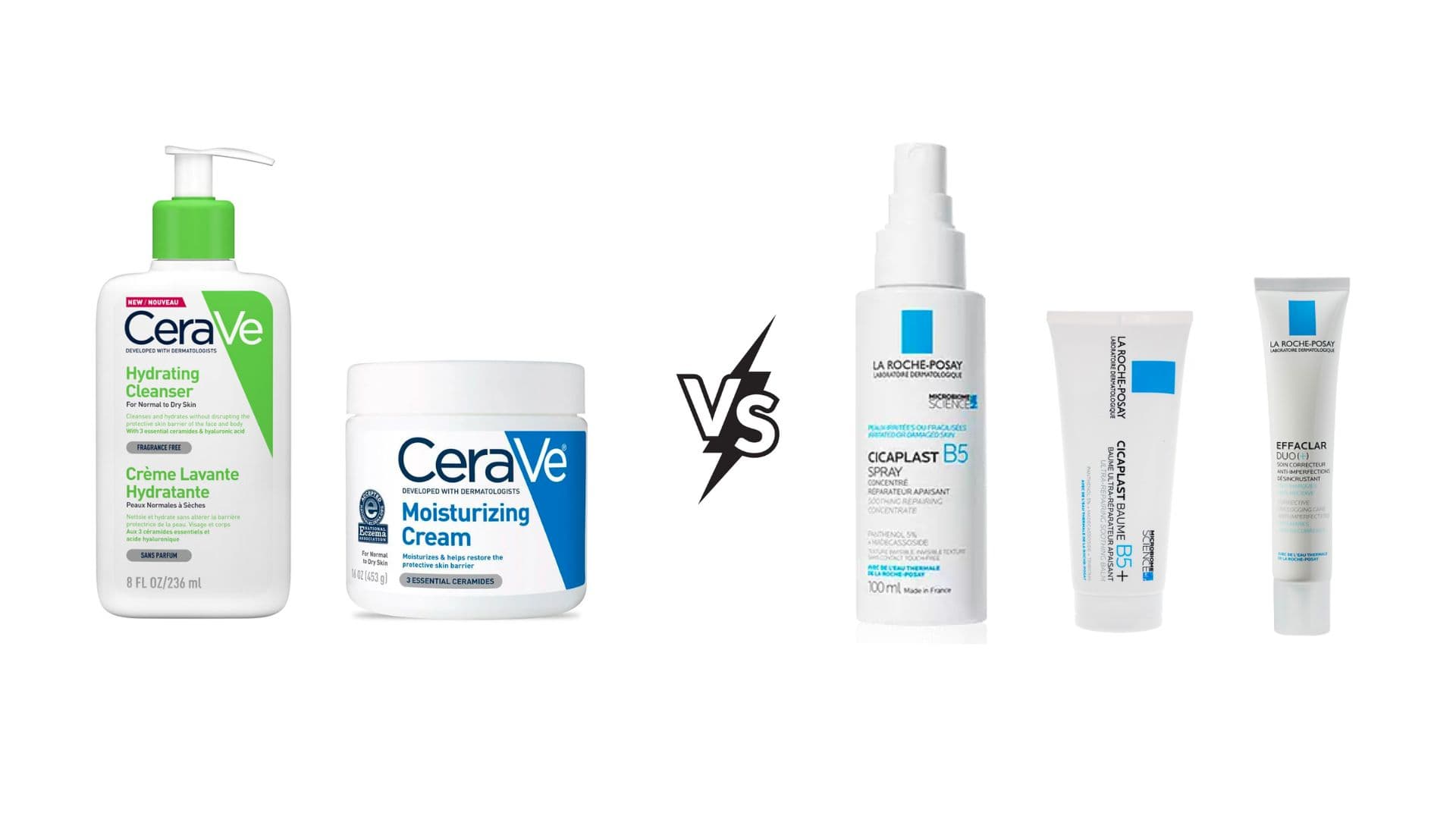
The cheaper brand wins the daily-routine showdown, but not the categories most people assume. After eight months running both brands on the same NC45 acne-prone face - one side of my routine CeraVe, the other La Roche-Posay - the budget option took the basics and the premium option took the specialty work, which is the inverse of how most beauty editors frame this matchup. Anyone reading “drugstore skincare” thinkpieces would expect the $20 brand to lose the head-to-head against the $30 brand. That is not what happened on my skin. The categories split cleanly, the value math is not subtle, and the verdict is specific enough that I can tell you which jar to put in your cart at Target tonight.
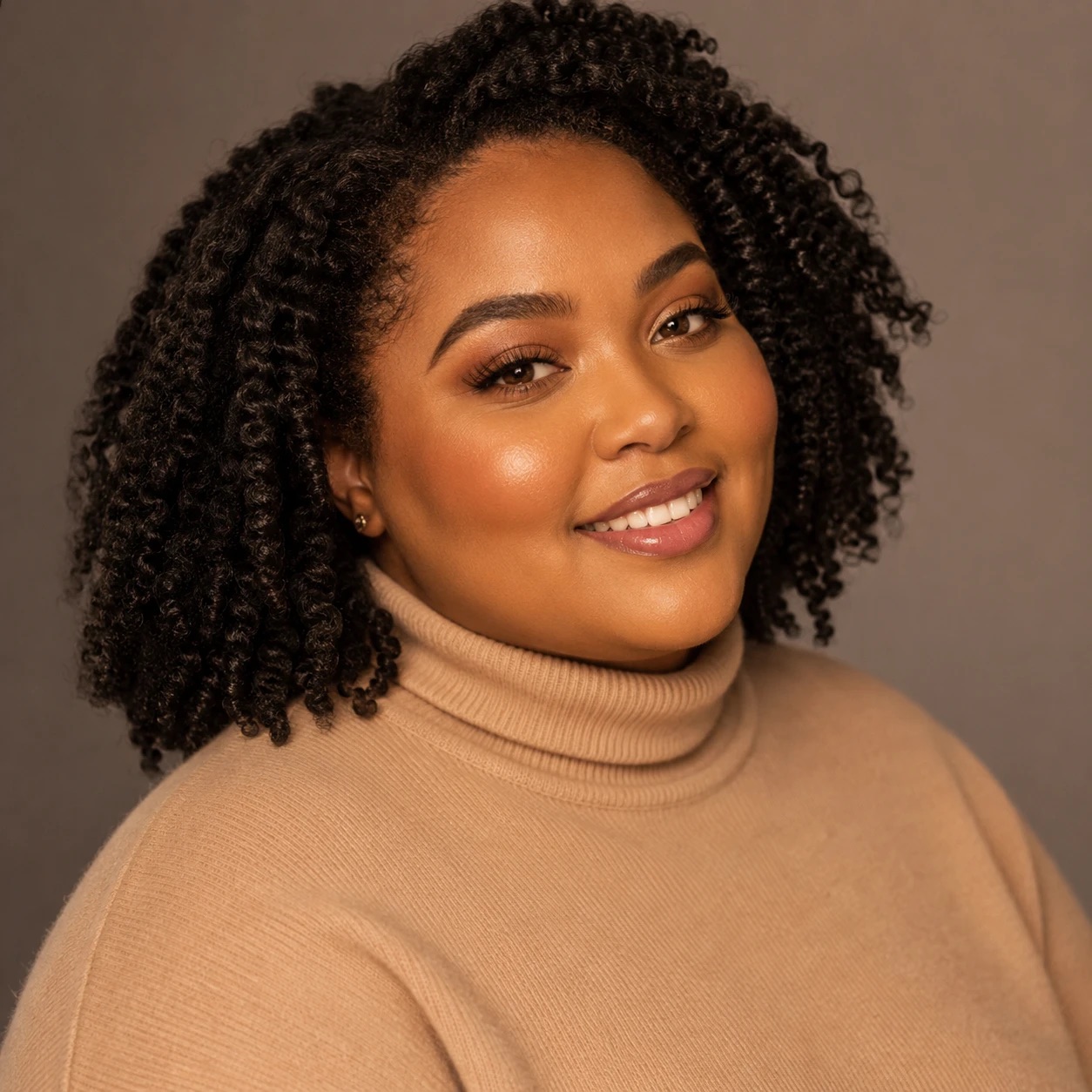
I am 28, biracial Black-Filipina, neutral-warm undertones, combination skin that runs oily in the t-zone and reactive to fragrance, with hormonal cystic breakouts along the jaw. Both brands sit in the same drugstore aisle, both market themselves as dermatologist-recommended and fragrance-free for sensitive and acne-prone skin, and both are owned by L’Oréal. They are also genuinely different products at different price points, and after eight months testing across cleansers, moisturizers, sunscreens, and treatment, the right answer depends on which step of your routine you are buying for.
Quick verdict if you only have 30 seconds
CeraVe wins for daily basics - cleanser, moisturizer, and body care. La Roche-Posay wins for sunscreen and targeted treatment products like the Effaclar Duo and the Cicaplast Baume. If you are building a full routine on a budget, CeraVe gets you 70 percent of the way there for half the spend. If you have a specific skin problem (sensitivity flares, post-acne marks, a need for elegant sunscreen texture under makeup), La Roche-Posay’s specialty pieces are worth the extra ten dollars. Buy both. Just buy the right pieces from each.
What they are and where they come from
CeraVe was launched in 2005 by dermatologists, built around a patented MultiVesicular Emulsion that releases three ceramides plus hyaluronic acid over time. L’Oréal acquired it in 2017. Its pitch is barrier-repair basics at drugstore prices, fragrance-free, non-comedogenic, and dermatologist-recommended for eczema, acne, and sensitive skin.
La Roche-Posay is a French brand that has been around since 1975 and was acquired by L’Oréal in 1989. Its hero ingredient is Thermal Spring Water from the town of La Roche-Posay in central France, marketed for its selenium content. The product range is broader and pricier than CeraVe’s, organized around four specialty lines: Effaclar for acne, Toleriane for sensitivity, Anthelios for sunscreen, Cicaplast for repair. La Roche-Posay wins at the pharmacy counter where buyers want a specific corrective product. CeraVe wins at Target where buyers want a full routine and a $15 jar they can refill every two months without thinking.
Side-by-side comparison
| Category | CeraVe | La Roche-Posay |
|---|---|---|
| Price range | $13 to $22 | $18 to $42 |
| Hero ingredient | Three ceramides plus hyaluronic acid, MVE delivery | Thermal Spring Water with selenium, plus targeted actives |
| Strongest category | Cleansers and moisturizers | Sunscreens and treatment products |
| Fragrance | Fragrance-free across most of the range | Fragrance-free across Toleriane and Cicaplast lines |
| Best for | Daily routine basics on a budget | Targeted concerns and sunscreen texture |
| Where to buy | Target, Walmart, Ulta, Amazon, drugstores | Target, Ulta, Amazon, dermatologist offices |
CeraVe: the budget workhorse that earns its hype
I have used the CeraVe Hydrating Cleanser ($15 for a 12-ounce bottle at Target) for four years on and off, and I tested it head-to-head against the La Roche-Posay Toleriane Hydrating Gentle Cleanser ($17 for 13.5 ounces) for the full eight months. The CeraVe is a low-foam, lotion-textured cleanser I use mornings and on non-makeup nights. It does not strip my skin, does not leave a film, and has reliably kept hormonal jaw breakouts from worsening during the week before my period. The Toleriane is functionally similar and arguably slightly more elegant in feel, but I cannot find $2 worth of skin difference between the two over four months of swapping sides.
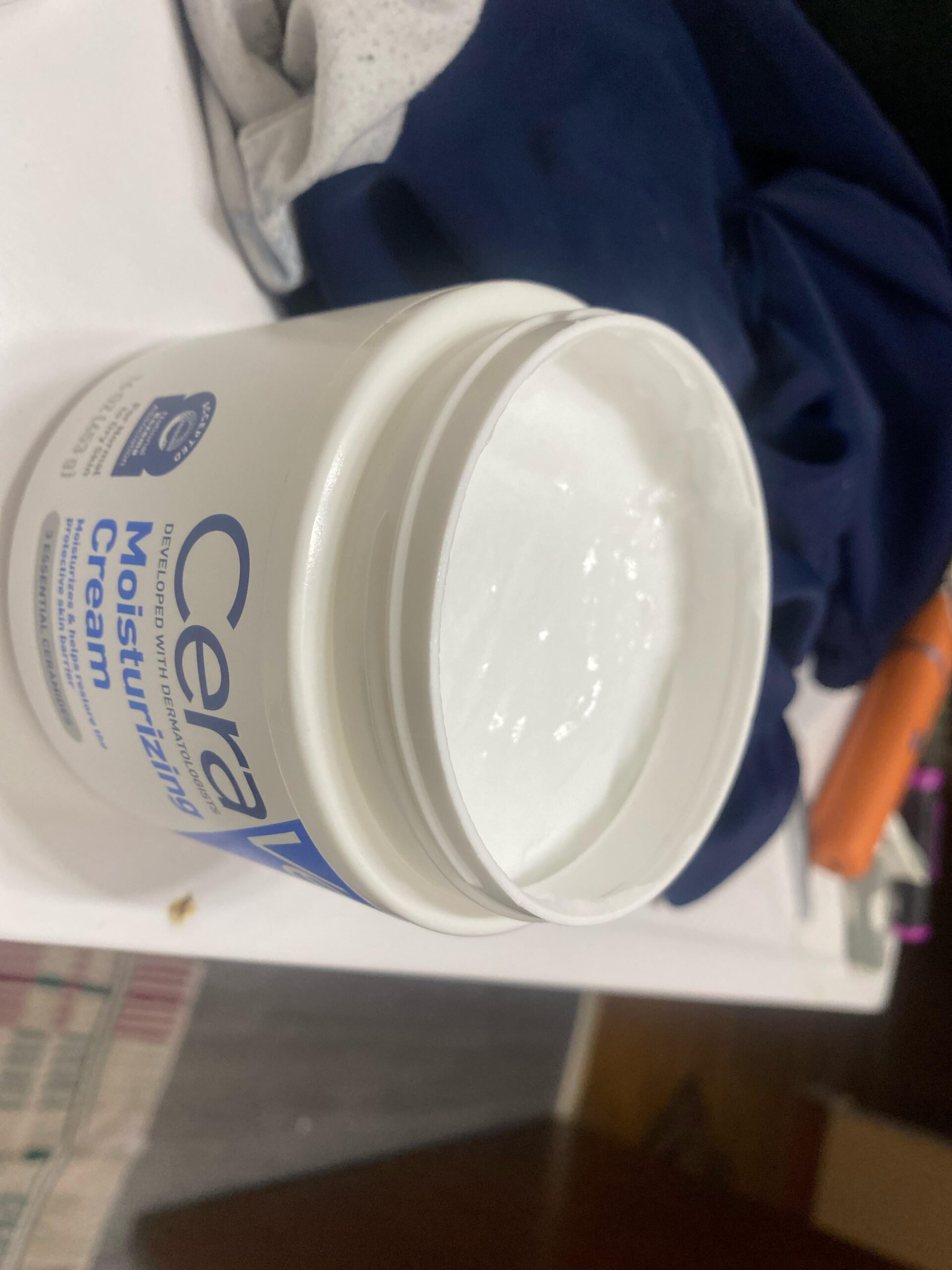
The real CeraVe win is the Moisturizing Cream ($19 for the 19-ounce tub at Target). I have spent more than $19 on a single ounce of moisturizer before, including a Drunk Elephant Lala Retro situation I do not want to talk about, and the CeraVe tub does what those creams do without the perfume notes or the markup. The texture is thick, occlusive enough to seal in actives, and rich enough to slug with on dry winter nights. I use it as a night moisturizer in the colder months and switch to the lighter CeraVe AM Facial Moisturizing Lotion ($18) for daytime in summer.
What I do not love: the CeraVe serum dropper bottles feel cheap, which matters less than function but matters a little. The Resurfacing Retinol Serum at $20 is meaningfully gentler than the La Roche-Posay Retinol B3 at $42, but the La Roche-Posay version delivers visibly faster results on my post-acne marks. For a beginner retinoid CeraVe wins on tolerability. For someone with three years of retinol use already under their belt, the La Roche-Posay version actually moves the needle.
The CeraVe Moisturizing Cream is the single best dollar-for-dollar product in this comparison. I keep a tub on my bathroom counter and a smaller jar in my travel kit and I have never regretted the purchase. Pick up the 19-ounce CeraVe Moisturizing Cream tub at Target - the bigger size is significantly better value per ounce than the squeeze tube.
La Roche-Posay: the specialty pick that earns the extra ten dollars
The La Roche-Posay Anthelios Melt-In Milk Sunscreen SPF 60 ($36 for 5 ounces at Ulta) is the reason this brand is in my routine at all. I have tried most drugstore mineral and chemical sunscreens sold in the U.S. and most of them either pill under foundation, leave a gray cast on my NC45 skin, or feel greasy enough that I cannot wear them under a full face. The Anthelios Melt-In Milk genuinely disappears on my undertone, layers under Fenty Pro Filt’r 480 without pilling, and lasts an eight-hour workday without breaking down. I wore it nine hours under makeup at a wedding in August and my skin still looked freshly set at 11pm.
CeraVe’s sunscreen line (Hydrating Mineral SPF 30 and the AM Facial Moisturizing Lotion with SPF 30) is fine but the mineral version leaves a cast on my undertone, and I do not trust SPF 30 on a face that gets ten hours of Atlanta sun in a typical week. The Anthelios SPF 60, applied at the recommended amount, is the sunscreen I trust under makeup.
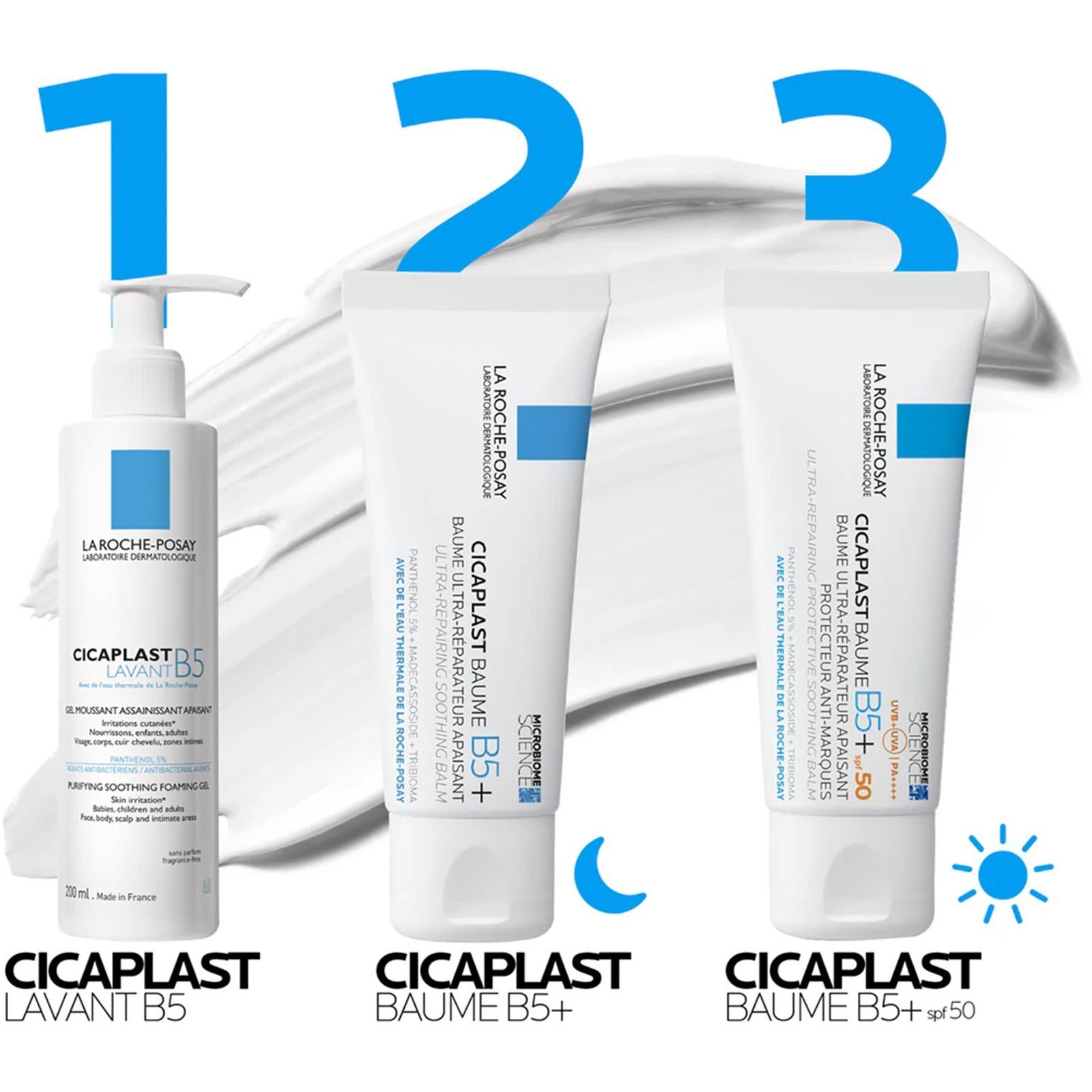
The other La Roche-Posay product that earns its price is the Cicaplast Baume B5 ($17 for 1.35 ounces). This thick, fragrance-free balm was formulated for post-procedure skin (after a peel or a derm appointment) and doubles as the best spot treatment I have used for newly healing acne marks. I dab it on a freshly-popped pimple at night and the next morning the surface is calmer, less inflamed, and the post-acne mark fades faster over the following two weeks than it would with just a moisturizer. CeraVe’s Healing Ointment is comparable in function but heavier - good for cracked lips, less appropriate for layering into a facial routine.
The Effaclar Duo ($35) is the third La Roche-Posay product I will keep buying. It is a benzoyl peroxide treatment at 5.5 percent with LHA and niacinamide, and it has been my hormonal-cyst spot treatment for three years. CeraVe’s Acne Foaming Cream Cleanser with benzoyl peroxide works on surface acne but does not have the same effect on deep cystic spots. For the specific problem of a cyst on the jawline at 2am the night before a shoot, the Effaclar Duo is what I reach for. The La Roche-Posay Anthelios is at Ulta with the 60-day return window , which matters for sunscreens since you sometimes need a couple of weeks to know if one works under your makeup.
Where they overlap and where they actually differ
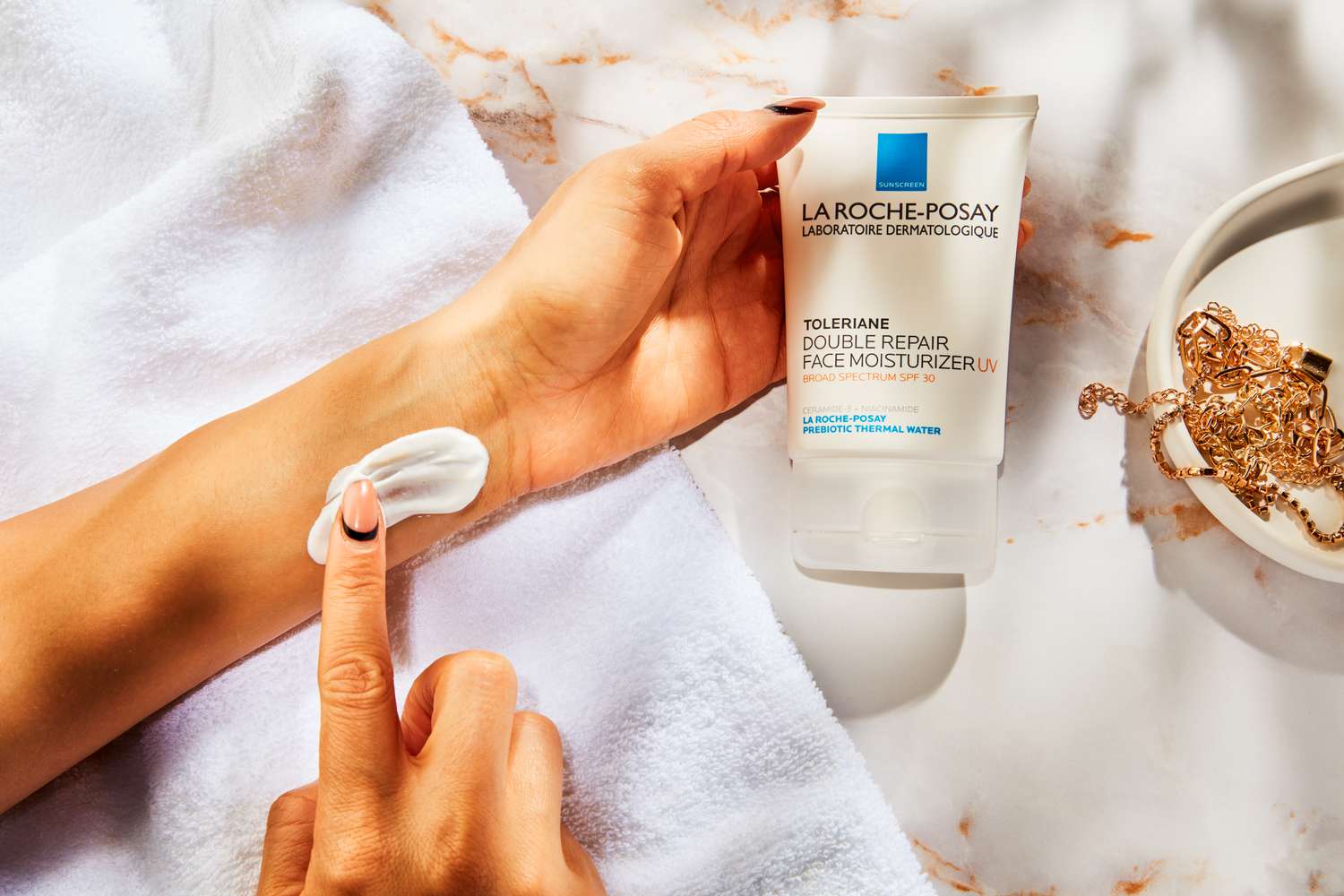
The overlap is real. Both brands are fragrance-free across most core lines, both are non-comedogenic, both are dermatologist-recommended for sensitive and acne-prone skin, and both are owned by L’Oréal. For a basic three-step routine (cleanser, moisturizer, sunscreen), either brand gets you a functional setup. The CeraVe Hydrating Cleanser plus Moisturizing Cream versus La Roche-Posay Toleriane Hydrating Gentle Cleanser plus Toleriane Double Repair comparison is close enough that I could not pick a winner on skin results alone. The CeraVe versions are cheaper. That is the deciding factor.
The differences show up in three places. First, sunscreen elegance - the Anthelios line is meaningfully better under makeup than CeraVe’s sunscreen lineup, especially on deeper skin tones where chemical filters with no white cast are the goal. Second, targeted treatment - the Effaclar Duo and Cicaplast Baume B5 do specific work CeraVe does not have a one-to-one equivalent for. Third, sensory experience - La Roche-Posay’s textures are slightly more pharmacy-shelf feeling. That last one is not worth ten extra dollars on a face wash you use twice a day, but it might be worth it on a moisturizer you smooth in slowly every night.
Which one for which person
If you are building a full skincare routine from scratch and you are working with a budget under $60, go almost entirely CeraVe. Hydrating Cleanser, Moisturizing Cream, Resurfacing Retinol Serum for nights, and one La Roche-Posay Anthelios sunscreen for days. That is a four-product routine for around $90 total that will outperform most $300 skincare regimens on combination acne-prone skin.
If you have a specific skin concern - persistent post-acne marks, hormonal cystic acne, sensitivity flares, sunscreen pilling under makeup - lean La Roche-Posay for the corrective pieces and keep CeraVe for the basics. Toleriane Double Repair for sensitivity, Effaclar Duo for hormonal spots, Cicaplast Baume B5 for recovery, Anthelios for daily sun protection. The corrective products are the ones where the higher price actually returns a visible difference in eight weeks.
If you have very dry skin with actual flaking, the CeraVe Moisturizing Cream tub will outperform most La Roche-Posay options at the same price point. The ceramide-and-hyaluronic delivery system is genuinely effective at barrier repair. For oily skin types who break out under heavy moisturizers, the La Roche-Posay Toleriane Sensitive Fluide is the lighter pick and worth the upgrade over the CeraVe AM lotion.
If you are dealing with deeper skin tones and sunscreen white cast is your biggest barrier to consistent SPF use, Anthelios Melt-In Milk is the answer. CeraVe’s mineral options leave a cast on NC40 and above. This is a formulation question, not a budget question.
Frequently asked questions
Are CeraVe and La Roche-Posay basically the same because they share a parent company?
They share L’Oréal as a parent but they are genuinely different formulation philosophies and different price tiers. The CeraVe ceramide delivery system is patented and not used in the La Roche-Posay lineup. La Roche-Posay’s Thermal Spring Water is specific to their range. Same parent, different missions: CeraVe is daily-routine basics, La Roche-Posay is pharmacy specialty.
Can I use both brands in the same routine without overdoing actives?
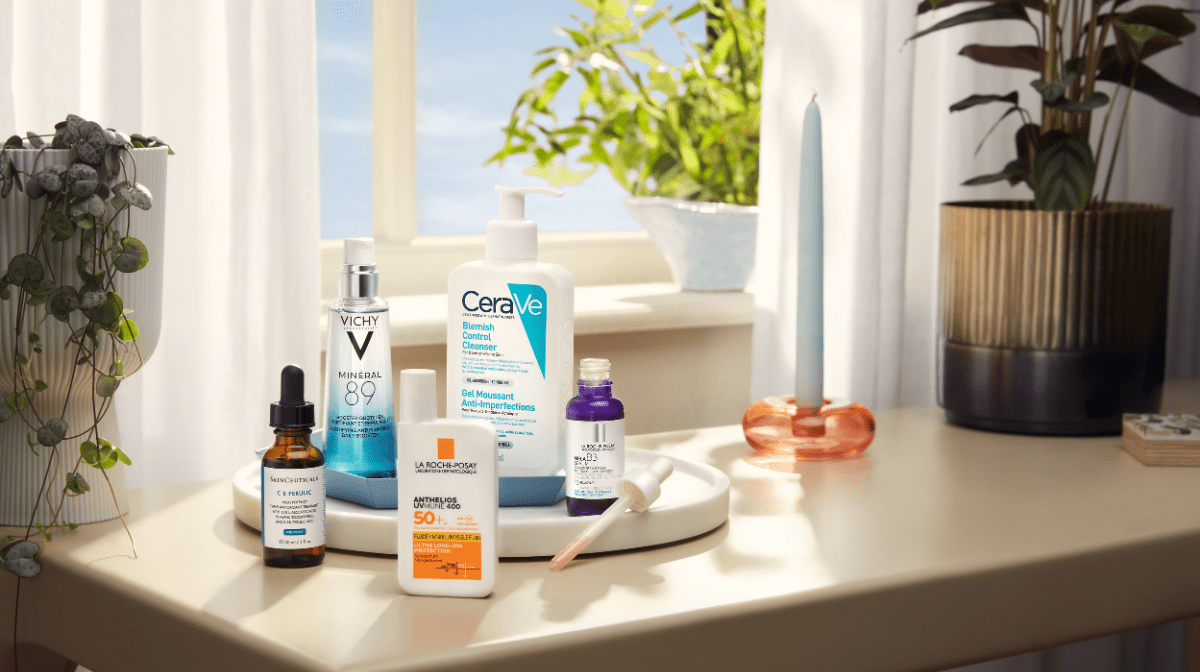
Yes, and this is what I do. The hero pairing for combination acne-prone skin: CeraVe Hydrating Cleanser in the morning, CeraVe Moisturizing Cream at night, Anthelios sunscreen daily, Effaclar Duo on hormonal spots. None of these actives conflict and it costs about $90 for a four-product routine that lasts two to three months.
Which brand is better for deeper skin tones?
Anthelios for sunscreen, no question - the chemical filter formula leaves no white cast on NC40 and above. CeraVe’s basics are color-neutral and work for any skin tone. Sunscreen is the only category where the question matters.
Is the CeraVe Moisturizing Cream really comparable to luxury moisturizers at five times the price?
For barrier repair function, yes. I have used $80 Drunk Elephant moisturizers, $54 Kiehl’s jars, and the $200 La Mer a friend gave me at a wedding. None of them outperformed the CeraVe tub on dryness or overnight slugging. They smell better and the textures are more refined. They do not work better on my skin.
Final pick
CeraVe wins the value head-to-head and earns the bigger share of my daily routine, which is the inverse of what most beauty editors would tell you about a $20 brand versus a $30 brand. Buy CeraVe for cleanser, moisturizer, and body care. Buy La Roche-Posay for sunscreen and targeted treatment. The combined routine costs less than $100 for two to three months of product and outperforms premium skincare lines on combination acne-prone skin. My layering order on a morning my skin is behaving: CeraVe Hydrating Cleanser, La Roche-Posay Toleriane Hydrating Gentle Cleanser only if my skin feels stripped, CeraVe AM Facial Moisturizing Lotion, La Roche-Posay Anthelios Melt-In Milk on top. Save your money on $80 luxury moisturizers, spend it on the Anthelios sunscreen and a tub of CeraVe Moisturizing Cream you can refill without thinking. Grab the CeraVe Moisturizing Cream on Amazon if you have Prime, or pick both brands up at Target where the Effaclar Duo is in stock with their 90-day return policy .