
When it comes to fading dark spots on melanin-rich skin, two ingredients dominate the conversation: alpha arbutin and hydroquinone. They are chemically related - alpha arbutin is actually a derivative of hydroquinone - but they behave very differently on your skin. One is available over the counter and considered safe for long-term use. The other is the most potent topical brightening agent available but carries risks that are particularly concerning for darker skin tones. Understanding the alpha arbutin vs hydroquinone debate is essential for anyone with melanin skin who wants to fade hyperpigmentation effectively and safely.
This article breaks down everything you need to know about both ingredients: how they work, their effectiveness, their safety profiles, and - most importantly - which one is the better choice for melanin-rich skin. We will also cover how to use each ingredient correctly and explore alternatives that might work even better for your specific concerns. Because when it comes to your beautiful melanin skin, making an informed choice is not just about getting results - it is about protecting the skin you are in.
Understanding How Both Ingredients Work

Both alpha arbutin and hydroquinone target the same enzyme - tyrosinase - which is responsible for melanin production in your skin. By inhibiting tyrosinase, both ingredients reduce the amount of melanin your melanocytes produce, gradually fading dark spots and evening out your skin tone. However, the way each ingredient interacts with tyrosinase, the strength of that interaction, and the potential side effects differ significantly.
The Tyrosinase Connection

Tyrosinase is the key enzyme in the melanin synthesis pathway. It catalyzes the conversion of the amino acid tyrosine into melanin through a series of chemical reactions. When tyrosinase is inhibited, less melanin is produced, and over time, the existing pigmented cells are naturally shed and replaced by less pigmented ones. Both alpha arbutin and hydroquinone inhibit tyrosinase, but hydroquinone also has additional mechanisms that make it more potent - and potentially more problematic.
The Chemical Relationship

Alpha arbutin is a glucoside of hydroquinone, meaning it has a glucose molecule attached to the hydroquinone structure. This glucose attachment is what makes alpha arbutin safer - it prevents the hydroquinone from being released all at once. Instead, the glucose is slowly cleaved off by enzymes in your skin, releasing small, controlled amounts of hydroquinone right at the site of melanin production. Think of alpha arbutin as a slow-release version of hydroquinone, providing the brightening benefits with significantly less risk.
Alpha Arbutin - The Gentle Brightener
How Alpha Arbutin Works
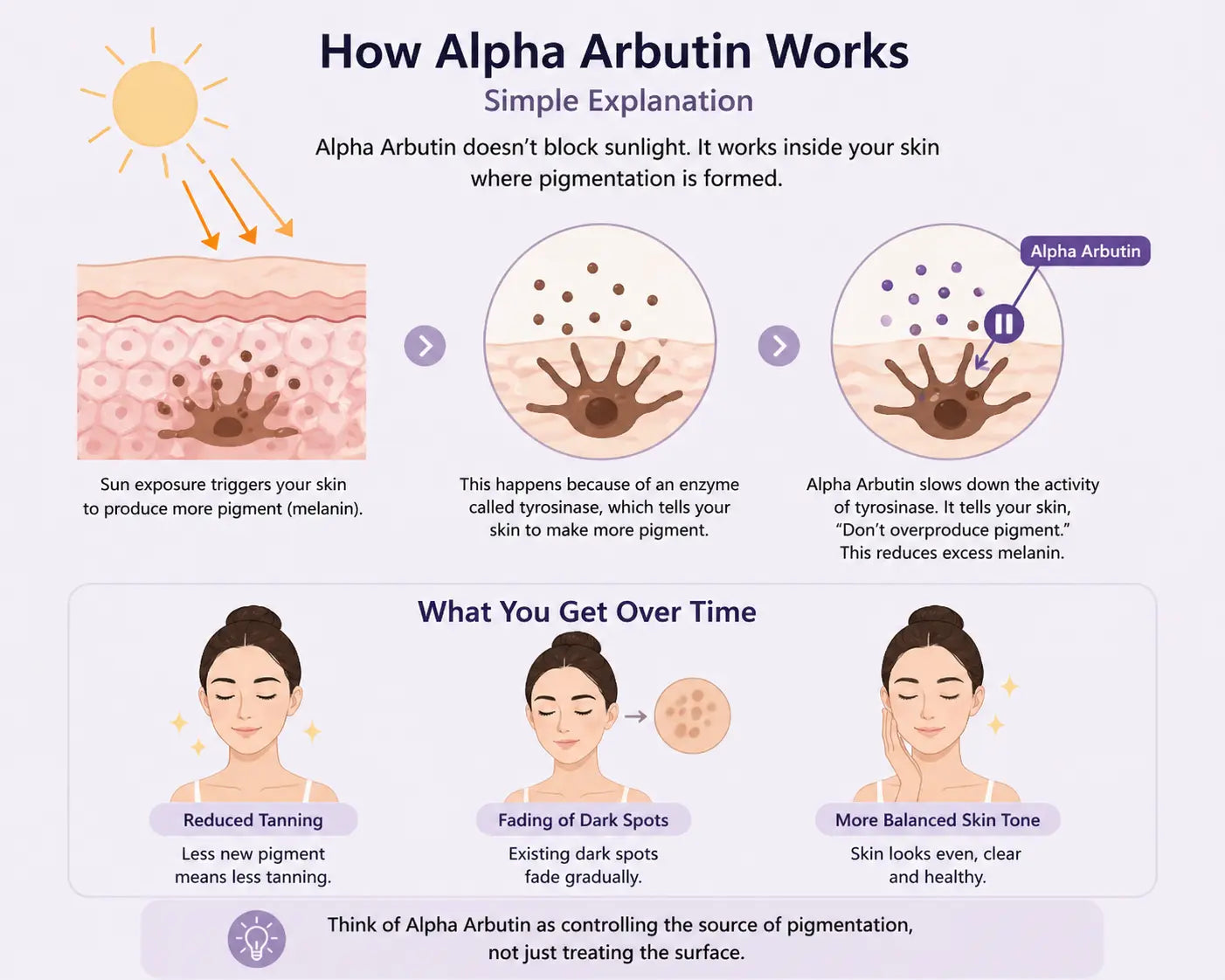
Alpha arbutin inhibits tyrosinase by competing with the enzyme’s natural substrate, preventing it from producing melanin as efficiently. Because the active hydroquinone component is released gradually and in small amounts, alpha arbutin provides consistent, gentle melanin inhibition without the peaks and valleys that can cause irritation and uneven results.
Effectiveness

Clinical studies have demonstrated that alpha arbutin at 1 to 2 percent concentration can significantly reduce hyperpigmentation with consistent use over eight to twelve weeks. While it works more slowly than hydroquinone, the results are steady and sustainable. Alpha arbutin is particularly effective for post-inflammatory hyperpigmentation and mild to moderate sun spots.
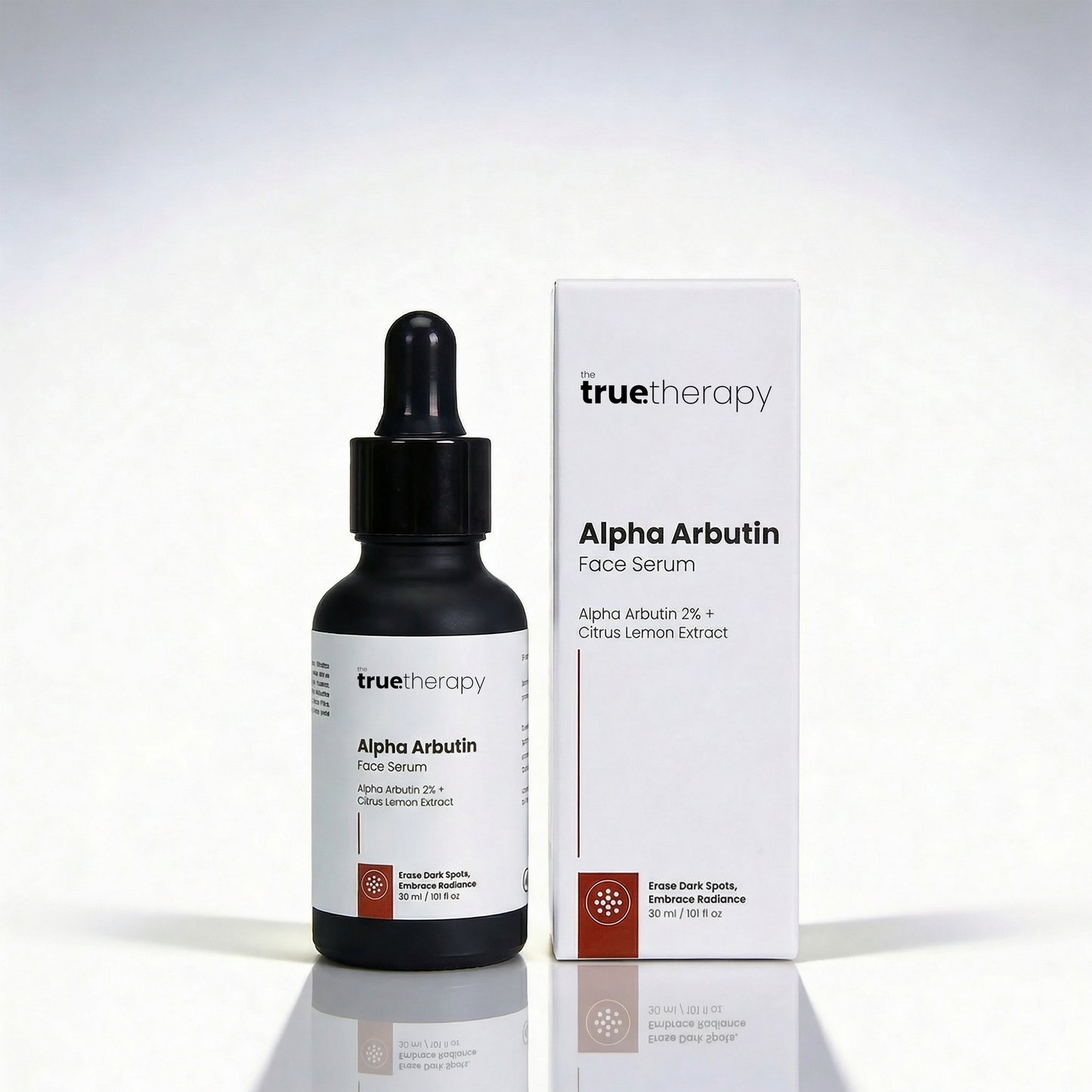
The The Ordinary Alpha Arbutin 2% + HA is the most popular and affordable alpha arbutin product on the market, delivering the optimal 2 percent concentration in a lightweight, hydrating serum format.
Safety Profile

Alpha arbutin has an excellent safety profile that makes it particularly appealing for melanin-rich skin. It does not cause the cytotoxicity (cell damage) that hydroquinone can cause at higher concentrations. It does not cause ochronosis, the paradoxical darkening that is hydroquinone’s most feared side effect. It is not photo-sensitizing, meaning it does not increase your sun sensitivity. And it can be used continuously without the need for cycling on and off.
Advantages for Melanin Skin
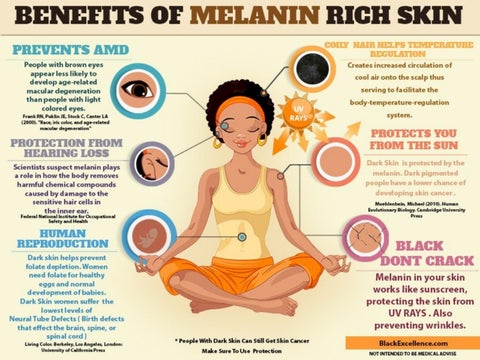
For people with melanin-rich skin, alpha arbutin’s gentle, controlled mechanism is a major advantage. Melanin-rich skin has more reactive melanocytes that can respond to irritation by producing even more melanin - the exact opposite of what you want from a brightening treatment. Alpha arbutin’s non-irritating nature means there is virtually no risk of triggering post-inflammatory hyperpigmentation from the treatment itself. It targets excess melanin production without affecting your skin’s normal, healthy melanin levels.
Hydroquinone - The Powerful But Controversial Choice
How Hydroquinone Works
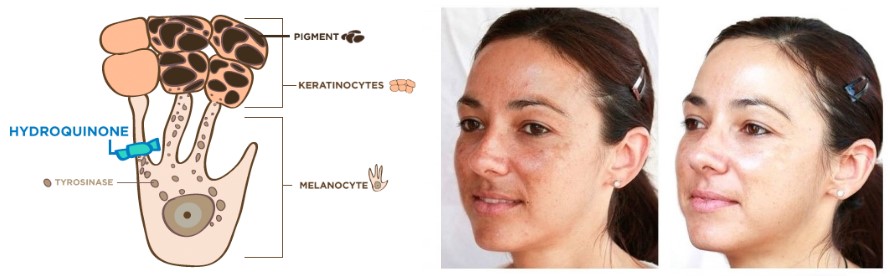
Hydroquinone inhibits tyrosinase more powerfully than alpha arbutin because it interacts with the enzyme directly, without the slow-release mechanism. It also has additional mechanisms: it can damage melanocytes directly, reduce the number of melanosomes, and increase the degradation of melanin. These additional mechanisms are what make it more potent, but they are also what make it more risky.
Effectiveness

There is no question that hydroquinone is the most potent topical brightening agent available. At 2 percent (over-the-counter) and 4 percent (prescription), it can produce visible fading of dark spots in as little as four to six weeks. For severe or stubborn hyperpigmentation, including deep melasma, hydroquinone often produces results that other ingredients cannot match in the same timeframe.
Safety Concerns

Hydroquinone’s safety profile is where the alpha arbutin vs hydroquinone comparison gets complicated. The most serious risk is ochronosis, a condition where the skin develops a blue-black discoloration that is extremely difficult to treat. Ochronosis occurs with prolonged, continuous use, typically at higher concentrations, and is more common in people with darker skin tones. This risk is why hydroquinone should only be used in cycles of eight to twelve weeks at a time, with breaks in between.
Hydroquinone can also cause irritant contact dermatitis (redness, stinging, peeling), rebound hyperpigmentation when discontinued, and increased sun sensitivity. For melanin-rich skin, the irritation risk is particularly concerning because irritation can trigger more hyperpigmentation - creating a frustrating cycle where the treatment makes the problem worse.
Regulatory Status

The safety concerns around hydroquinone have led to regulatory action in many countries. It is banned in the European Union, Japan, and Australia for use in cosmetics. In the United States, over-the-counter hydroquinone at 2 percent was recently removed from OTC shelves and now requires a prescription at any concentration following FDA regulatory changes. These regulatory decisions reflect the medical community’s growing consensus that hydroquinone requires careful medical supervision.
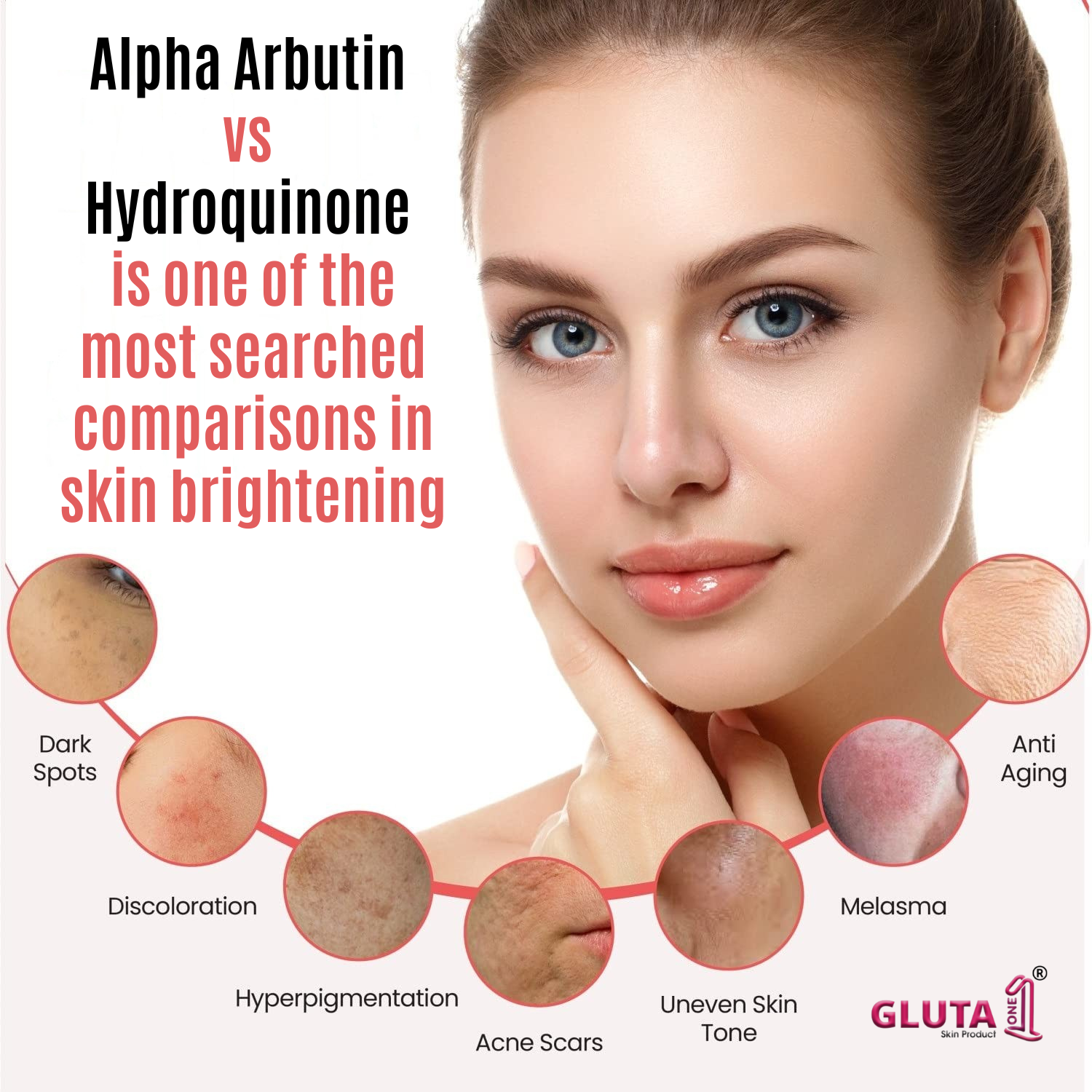
Head-to-Head Comparison for Melanin Skin
Speed of Results

Hydroquinone produces faster visible results, typically within four to eight weeks. Alpha arbutin works more gradually, with noticeable results usually appearing at eight to twelve weeks. However, speed is not everything - the sustainability and safety of those results matter just as much, especially for melanin skin where treatment complications can create new problems.
Long-Term Safety

Alpha arbutin wins decisively on long-term safety. It can be used indefinitely without cycling, with no risk of ochronosis or rebound hyperpigmentation. Hydroquinone requires careful cycling (eight to twelve weeks on, at least four weeks off) and carries the risk of ochronosis with prolonged use. For melanin-rich skin, where hyperpigmentation is an ongoing concern that requires long-term management, alpha arbutin’s safety for continuous use is a significant advantage.
Risk of Worsening Hyperpigmentation
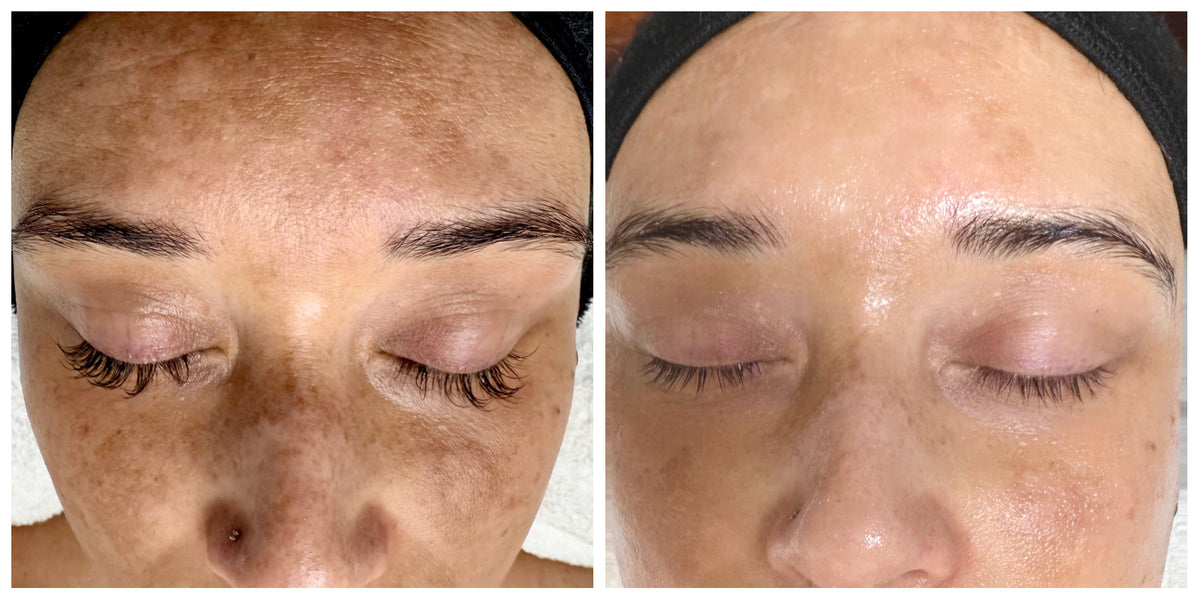
Alpha arbutin has virtually no risk of triggering new hyperpigmentation because it does not cause irritation or inflammation. Hydroquinone can cause irritant dermatitis that triggers post-inflammatory hyperpigmentation, especially on sensitive melanin-rich skin. There is also the risk of rebound hyperpigmentation when hydroquinone is stopped, where dark spots return darker than before.
Ease of Use

Alpha arbutin is simpler to use. Apply it morning and evening, no cycling required, no special monitoring needed. Hydroquinone requires more careful management - use for limited periods, take mandatory breaks, monitor for signs of ochronosis, and coordinate with a dermatologist.
Cost and Accessibility

Alpha arbutin is widely available over the counter at affordable prices. The Ordinary’s 2 percent serum costs under ten dollars and lasts several months. Hydroquinone now requires a prescription in the US, adding the cost of a dermatologist visit, and prescription formulations can be significantly more expensive.
The Verdict for Melanin Skin
For the vast majority of people with melanin-rich skin, alpha arbutin is the better choice. It provides effective, safe brightening with none of the risks that make hydroquinone problematic for darker skin tones. Hydroquinone should be reserved for severe, treatment-resistant hyperpigmentation and used only under direct dermatologist supervision, in short cycles, with careful monitoring.
How to Use Alpha Arbutin Safely and Effectively
Concentration and Frequency

Alpha arbutin at 2 percent is the standard effective concentration. Apply it twice daily - morning and evening - after cleansing and toning but before moisturizer. There is no need to build up gradually or cycle on and off. You can start using it daily from day one.
Best Combinations

Alpha arbutin works even better when combined with other brightening ingredients that work through different mechanisms. Pair it with vitamin C in the morning for enhanced tyrosinase inhibition plus antioxidant protection. Pair it with niacinamide for the added benefit of melanin transfer prevention. Use it alongside retinol at night for accelerated cell turnover that helps pigmented cells shed faster.
A powerhouse morning routine might include vitamin C serum, followed by The Ordinary Alpha Arbutin 2% + HA , followed by a CeraVe PM Moisturizing Lotion with niacinamide, and finished with sunscreen. This multi-pathway approach attacks hyperpigmentation from several angles simultaneously.
Patience Is Key

Give alpha arbutin at least eight to twelve weeks of consistent daily use before judging results. Take progress photos in the same lighting every two weeks to track changes that may be too gradual to notice in the mirror. Many people see significant improvement by the three-month mark, with continued improvement over six to twelve months.
If You Choose Hydroquinone - How to Use It Safely

Work With a Dermatologist

If your hyperpigmentation is severe enough that you and your dermatologist decide hydroquinone is warranted, always use it under medical supervision. Your dermatologist can prescribe the appropriate concentration, monitor for side effects, and adjust your treatment plan as needed.
Cycle Properly

Never use hydroquinone continuously. The standard protocol is eight to twelve weeks of use followed by at least four weeks off. During the off period, switch to other brightening ingredients like alpha arbutin, niacinamide, or azelaic acid to maintain your results without the risks of continuous hydroquinone use.
Protect From Sun

Hydroquinone increases your skin’s sensitivity to UV radiation, making daily broad-spectrum sunscreen with SPF 30 or higher absolutely essential. UV exposure while using hydroquinone can worsen hyperpigmentation and increase the risk of ochronosis. Wear sunscreen religiously and reapply every two hours when outdoors.
Watch for Warning Signs

Discontinue hydroquinone immediately and see your dermatologist if you notice any bluish, grayish, or paradoxical darkening of the treated areas. These could be early signs of ochronosis. Also stop use if you experience severe irritation, blistering, or widespread redness. These signs indicate that the product is damaging rather than treating your skin.
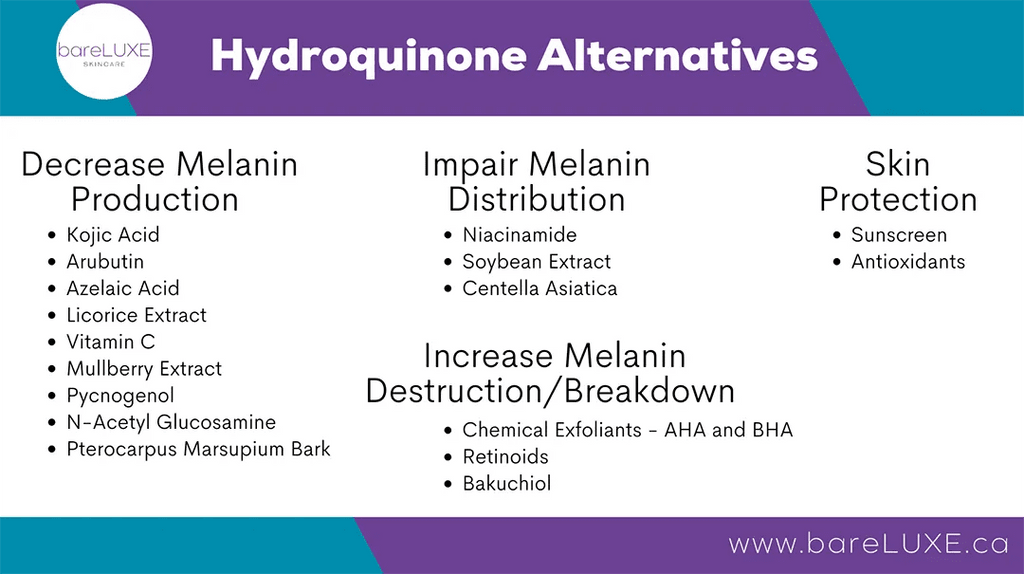
Alternative Brightening Ingredients to Consider
The alpha arbutin vs hydroquinone debate does not exist in a vacuum. Several other ingredients effectively fade dark spots on melanin skin with excellent safety profiles.
Tranexamic Acid

Tranexamic acid is emerging as one of the most effective alternatives to hydroquinone, with studies showing comparable results for melasma without the associated risks. It works through a different mechanism than arbutin or hydroquinone, targeting the inflammatory pathways that trigger melanin production. It is gentle, safe for long-term use, and effective on all skin tones.
Azelaic Acid
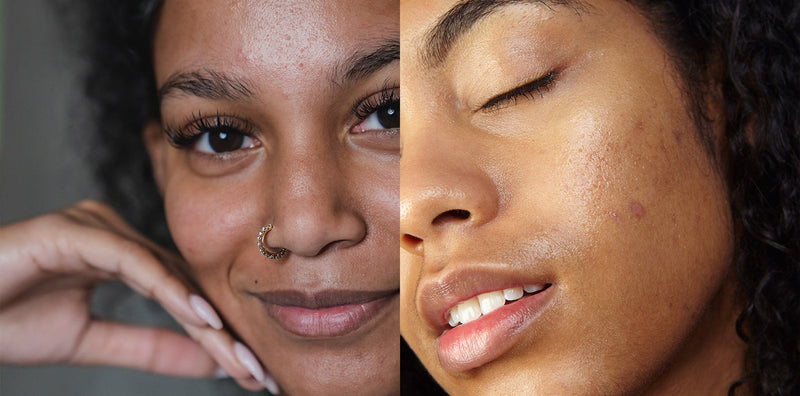
Azelaic acid at 15 to 20 percent matches hydroquinone’s effectiveness for melasma in clinical studies. It selectively targets abnormal melanocytes, has anti-inflammatory and antimicrobial properties, and is pregnancy-safe. It is available over the counter at 10 percent and by prescription at higher concentrations.
Vitamin C
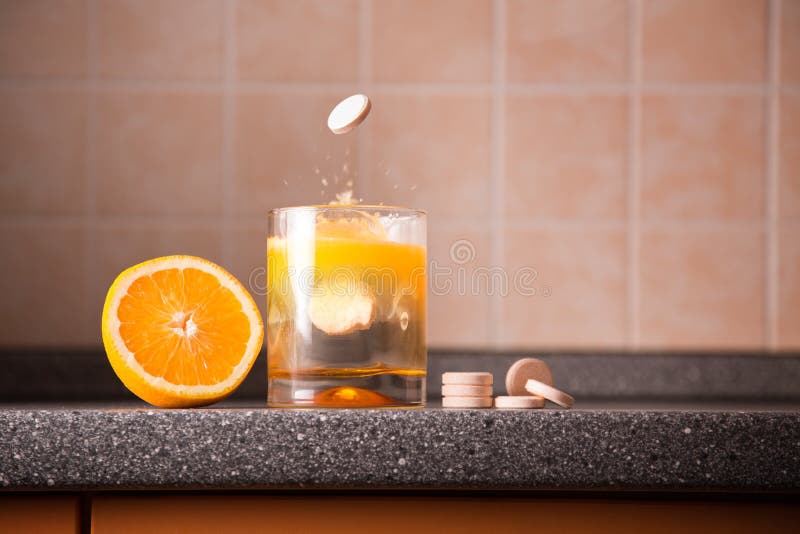
L-ascorbic acid at 10 to 20 percent provides effective tyrosinase inhibition plus potent antioxidant protection. While not as fast-acting as hydroquinone, it is safe for long-term use and provides additional anti-aging benefits. It pairs beautifully with alpha arbutin for enhanced results.
Kojic Acid
Kojic acid is a natural tyrosinase inhibitor derived from fungi. At 1 to 4 percent, it provides effective brightening, though it can be sensitizing for some skin types. It is often combined with other brightening ingredients in formulations designed for hyperpigmentation treatment.
The Multi-Ingredient Approach

The most effective strategy for fading dark spots on melanin skin without hydroquinone is combining multiple gentler ingredients that work through different mechanisms. A routine incorporating alpha arbutin, vitamin C, niacinamide, and tranexamic acid - each targeting melanin production through a different pathway - can produce results comparable to hydroquinone without any of the associated risks. Add consistent sunscreen and patience, and you have a powerful, safe, long-term hyperpigmentation management strategy.
Key Takeaways
- Alpha arbutin is a safer derivative of hydroquinone that provides effective brightening through slow, controlled release without the risks associated with its parent compound.
- Hydroquinone is more potent and faster-acting but carries risks of ochronosis, rebound hyperpigmentation, and irritation that are particularly concerning for melanin-rich skin.
- For the majority of people with dark skin, alpha arbutin is the better choice because it provides effective, safe, long-term brightening with virtually no side effects.
- Hydroquinone should be reserved for severe cases under dermatologist supervision, used in cycles of eight to twelve weeks maximum.
- Combining alpha arbutin with other brightening ingredients like vitamin C, niacinamide, and tranexamic acid can produce results comparable to hydroquinone without the risks.
- Daily sunscreen is essential regardless of which brightening ingredient you choose, as UV exposure is the primary trigger for melanin production.
Frequently Asked Questions
Can I use alpha arbutin and hydroquinone together?
This is generally not recommended because both ingredients target the same enzyme (tyrosinase), and combining them increases the risk of irritation without proportionally increasing effectiveness. If you are using hydroquinone under dermatologist supervision, you can switch to alpha arbutin during your hydroquinone break periods to maintain results. But using both simultaneously is unlikely to provide additional benefits and may increase side effect risk.
Is alpha arbutin the same thing as beta arbutin?
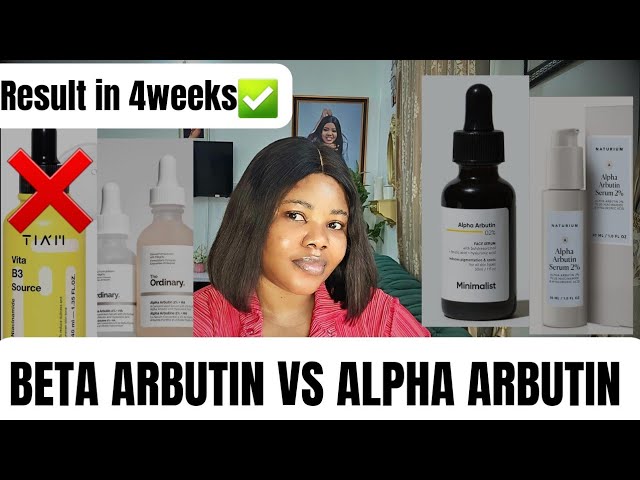
No, they are different forms of arbutin. Alpha arbutin is significantly more effective and stable than beta arbutin. Alpha arbutin has a stronger binding affinity for tyrosinase and releases its active component more consistently. When shopping for arbutin products, make sure the label specifically says “alpha arbutin” rather than just “arbutin,” which might be the less effective beta form.
How long should I use alpha arbutin before trying hydroquinone?
Give alpha arbutin at least three to six months of consistent, daily use before concluding it is not working well enough. Many people give up too early because they are comparing alpha arbutin’s gradual results to hydroquinone’s faster timeline. If after six months of alpha arbutin combined with vitamin C, niacinamide, and consistent sunscreen you have not seen satisfactory improvement, then a consultation with a dermatologist about prescription options may be warranted.
Will alpha arbutin lighten my overall skin tone?
No. Like azelaic acid, alpha arbutin preferentially targets areas where melanin is being overproduced - the dark spots and patches of hyperpigmentation. It does not significantly affect your normal melanin levels or lighten your overall skin tone. It helps dark spots fade to match the surrounding skin, creating a more even complexion at your natural skin color.
Is hydroquinone safe for short-term use on dark skin?
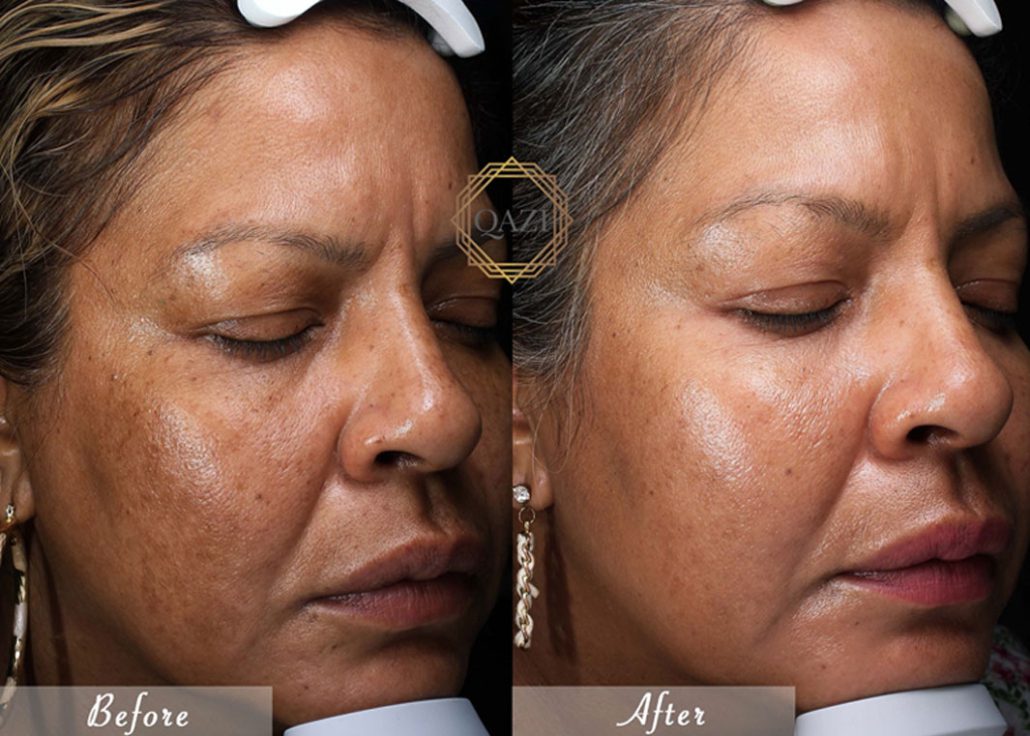
When used under dermatologist supervision at appropriate concentrations (2 to 4 percent) for limited periods (eight to twelve weeks), hydroquinone can be used relatively safely on dark skin. The key safeguards are: never exceeding 4 percent concentration, never using it continuously for more than twelve weeks, always wearing sunscreen, and monitoring carefully for any signs of irritation or paradoxical darkening. However, the availability of safer alternatives like alpha arbutin, tranexamic acid, and azelaic acid means hydroquinone is no longer the automatic first choice it once was.