
Why a Minimalist Skincare Routine Actually Works Better
Somewhere along the way, skincare became complicated. Ten-step routines. Double cleansing followed by toner followed by essence followed by serum followed by ampoule followed by moisturizer followed by eye cream followed by sleeping mask. Product collections that take up entire bathroom shelves and morning routines that eat into your sleep schedule. The beauty industry convinced us that more products meant better skin, and we bought it - literally.
But here is what dermatologists have been quietly saying for years: most people do not need ten steps. Most people do not even need five. A well-constructed minimalist skincare routine of three carefully chosen, high-quality products can deliver results that match or exceed a complicated routine - while being gentler on your skin, easier to maintain, and significantly kinder to your wallet.
The reason a minimalist skincare routine often works better comes down to two factors. First, fewer products means less chance of ingredient interactions that cause irritation, breakouts, or sensitivity. Every product you add to your routine is another variable that can potentially disrupt your skin. Second, a simple routine is a routine you will actually do consistently. The most sophisticated 12-step protocol in the world is useless if you only follow it three nights a week because it takes too long. A 3-step routine that you do every morning and every night without fail will always outperform a complex routine that you only partially follow.
In 2026, the minimalist skincare movement is bigger than ever. Dermatologists, estheticians, and skincare influencers who once championed elaborate routines are now advocating for simplification. The consensus is clear: your skin needs cleansing, one targeted treatment, and protection. Everything else is optional. Let us break down exactly what that looks like.
Step 1 - Cleanse With Purpose
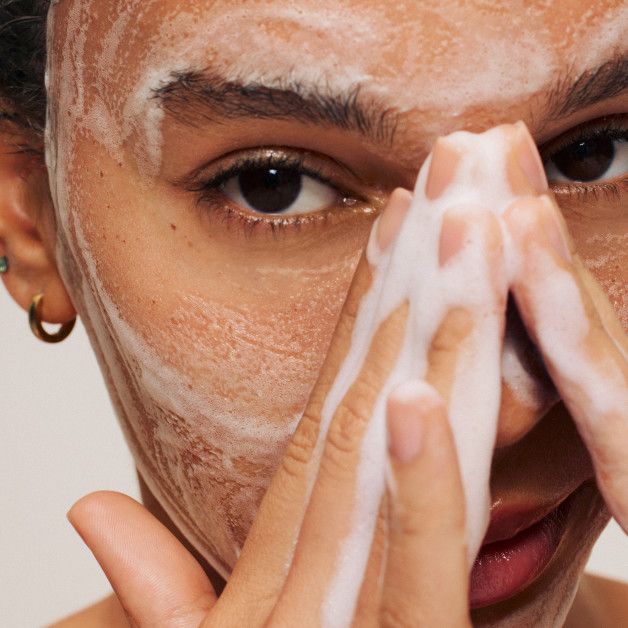
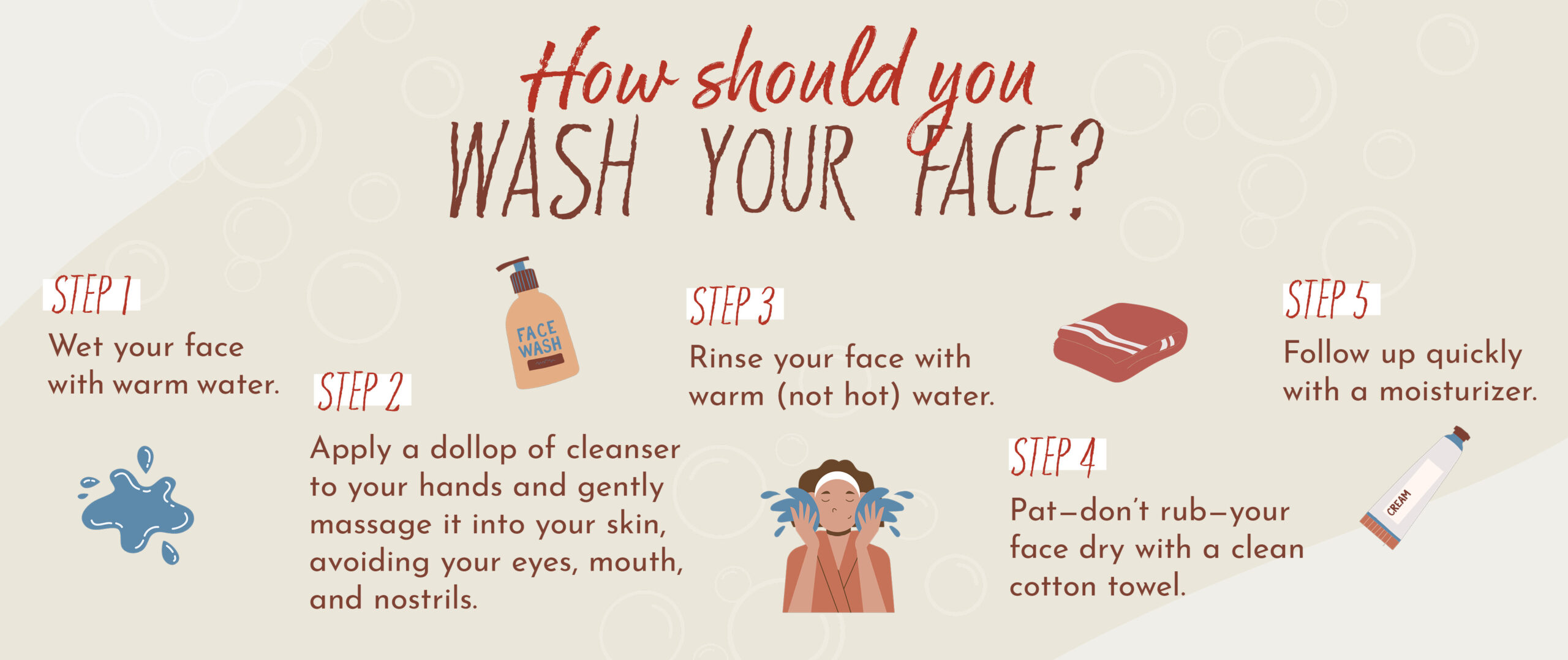
Cleansing is the foundation of any skincare routine, minimalist or otherwise. But the way you cleanse matters more than most people realize. The goal is to remove dirt, excess oil, sunscreen, makeup, and environmental pollution without stripping your skin of the natural oils it needs to stay healthy and protected.
Morning Cleanse

In the morning, your skin does not need a heavy-duty cleanse. You have been sleeping, not running through a dust storm. A gentle, hydrating cleanser - or even just a rinse with lukewarm water if your skin is on the drier side - is sufficient. The purpose of the morning cleanse is to remove any overnight product residue and excess sebum so your treatment and protection products can penetrate effectively. Over-cleansing in the morning strips your skin’s natural moisture barrier before the day has even started, leading to dehydration, irritation, and paradoxically, increased oil production.
Evening Cleanse

The evening cleanse is where you do the real work. This is when you need to thoroughly remove sunscreen, makeup, sweat, pollution, and everything else your skin has accumulated throughout the day. If you wear sunscreen daily (and you should), a single cleanse may not be enough to remove it completely. This is the one scenario where even minimalists might consider a double cleanse - using an oil-based cleanser first to dissolve sunscreen and makeup, followed by your regular water-based cleanser to finish the job.
What to Look for in a Minimalist Cleanser
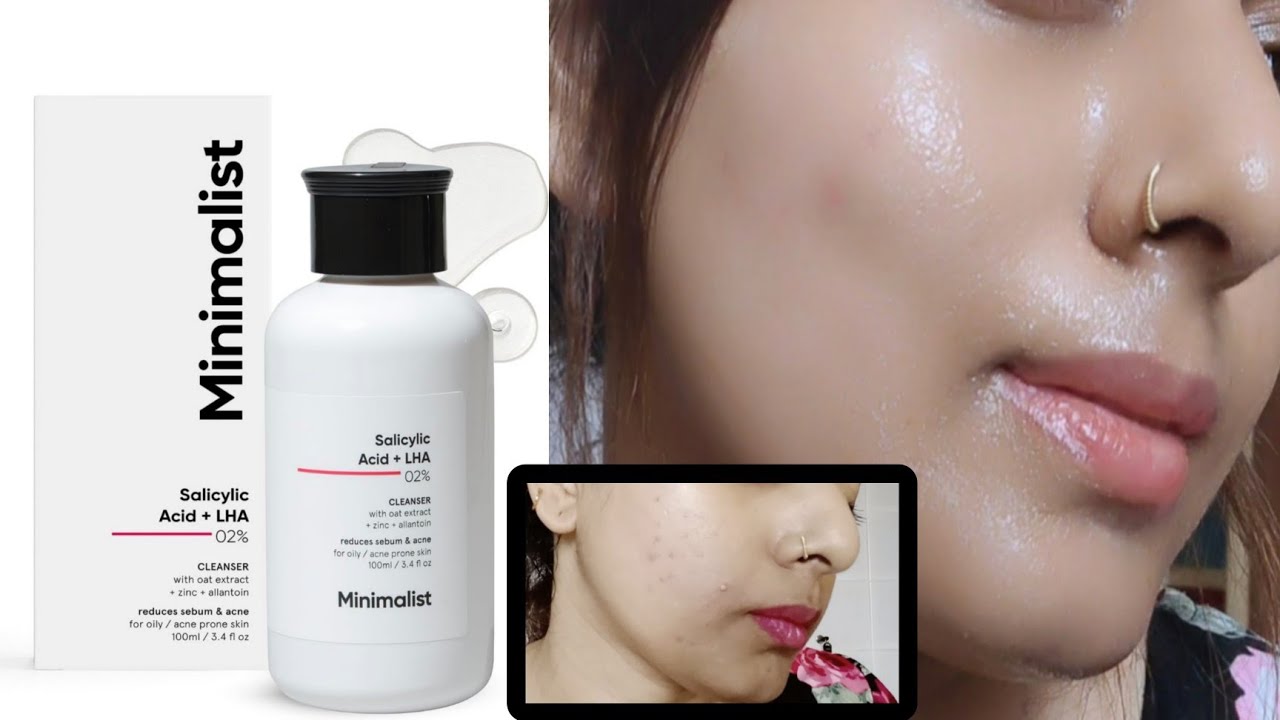
The ideal minimalist cleanser is pH-balanced (between 4.5 and 6.5), free of harsh sulfates like SLS and SLES, and formulated with gentle surfactants that cleanse without disrupting your moisture barrier. It should not leave your skin feeling tight, dry, or squeaky clean - that “squeaky” feeling means your natural oils have been stripped away. Look for cleansers that contain soothing, hydrating ingredients like ceramides, glycerin, or hyaluronic acid that support your barrier while cleaning.
The CeraVe Hydrating Facial Cleanser consistently ranks as one of the best minimalist cleansers available - it is gentle enough for all skin types, contains ceramides to support your barrier, and costs less than most fancy coffee drinks.
Step 2 - Treat With One Targeted Active

This is the step where your minimalist skincare routine gets personalized. Instead of layering multiple serums and treatments, you choose one active ingredient that addresses your primary skin concern and let it do its job. One well-chosen active, used consistently, will deliver more visible results than five different actives used sporadically or in combination where they might cancel each other out.
If Your Primary Concern Is Aging and Fine Lines

Retinol (or a retinoid alternative) is your active. It is the single most studied and evidence-backed anti-aging ingredient in skincare history. Retinol accelerates cell turnover, stimulates collagen production, reduces fine lines and wrinkles, improves skin texture, and evens out skin tone. Start with a low concentration (0.25% to 0.5%) and work up gradually. Use it at night, as retinol can make your skin more sensitive to sunlight. If retinol irritates your skin, bakuchiol is a gentler, plant-based alternative that research suggests delivers similar benefits without the irritation.
If Your Primary Concern Is Dullness and Uneven Tone
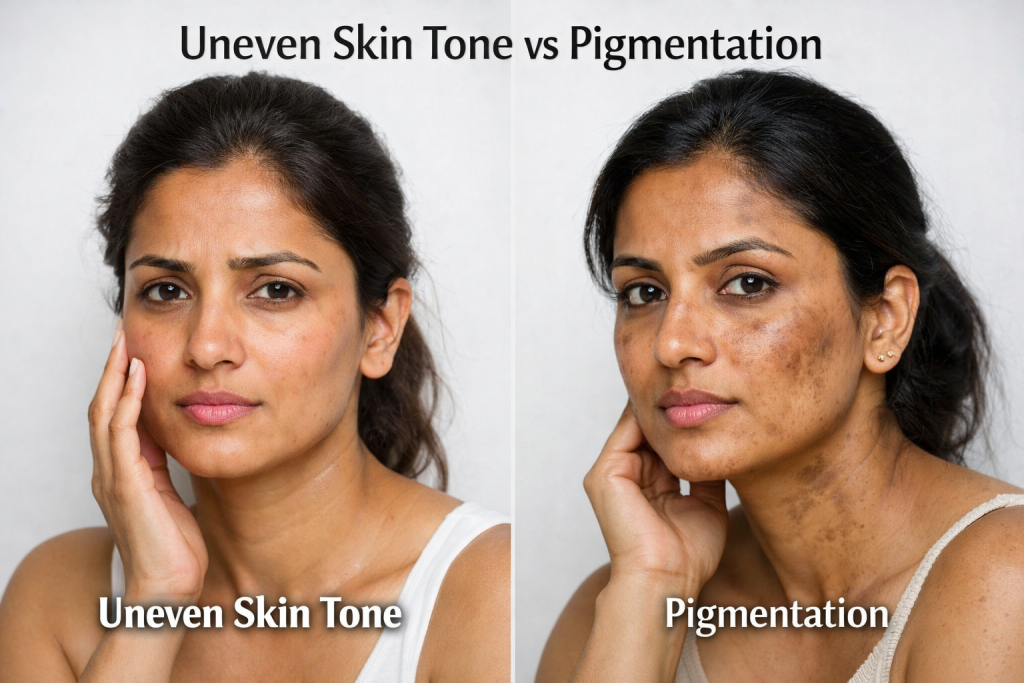
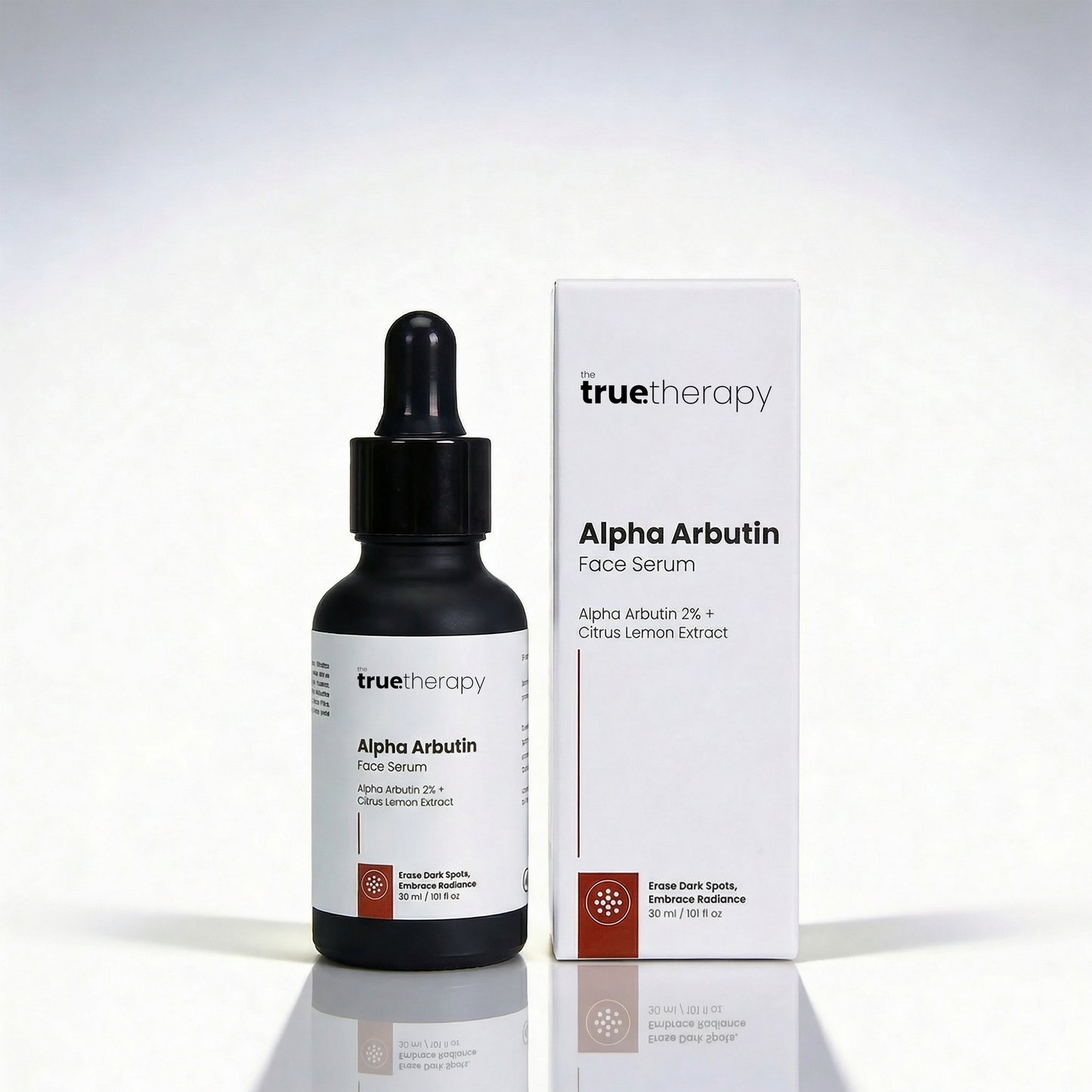
Vitamin C is your active. A well-formulated vitamin C serum brightens your complexion, fades dark spots and hyperpigmentation, provides antioxidant protection against environmental damage, and even boosts the effectiveness of your sunscreen. Use it in the morning for maximum antioxidant protection throughout the day. Look for serums with L-ascorbic acid at a concentration between 10% and 20% in stable, air-tight packaging to prevent oxidation.
The The Ordinary Vitamin C Suspension 23% delivers clinical-grade results at a fraction of the price of luxury vitamin C serums, making it perfect for the minimalist who wants maximum impact per dollar spent.
If Your Primary Concern Is Breakouts and Acne

Salicylic acid or niacinamide is your active. Salicylic acid is a beta-hydroxy acid (BHA) that penetrates pores to dissolve the oil and dead skin cells that cause breakouts. It is anti-inflammatory and ideal for oily, acne-prone skin. Niacinamide (vitamin B3) is a gentler option that reduces oil production, minimizes pore appearance, calms inflammation, and strengthens the skin barrier. If your acne is mild to moderate, niacinamide is an excellent starting point. For persistent, stubborn breakouts, salicylic acid is more targeted.
If Your Primary Concern Is Dryness and Sensitivity

Hyaluronic acid is your active. This naturally occurring molecule can hold up to 1,000 times its weight in water, making it the ultimate hydration powerhouse. Apply it to damp skin so it has moisture to draw in, and always follow with a moisturizer to seal the hydration. For sensitive skin, look for hyaluronic acid serums with minimal additional ingredients - fragrance-free, alcohol-free, and free of potential irritants. The simpler the formula, the less chance of a reaction.
The One-Active Rule

In a minimalist skincare routine, resist the temptation to add more actives “just in case.” Using one active ingredient consistently for at least eight to twelve weeks gives it time to actually work and allows you to clearly see its effects on your skin. If you layer three different actives, you will never know which one is helping, which one is doing nothing, and which one might be causing the breakout that appeared last week. Simplicity is power.
Step 3 - Protect and Hydrate

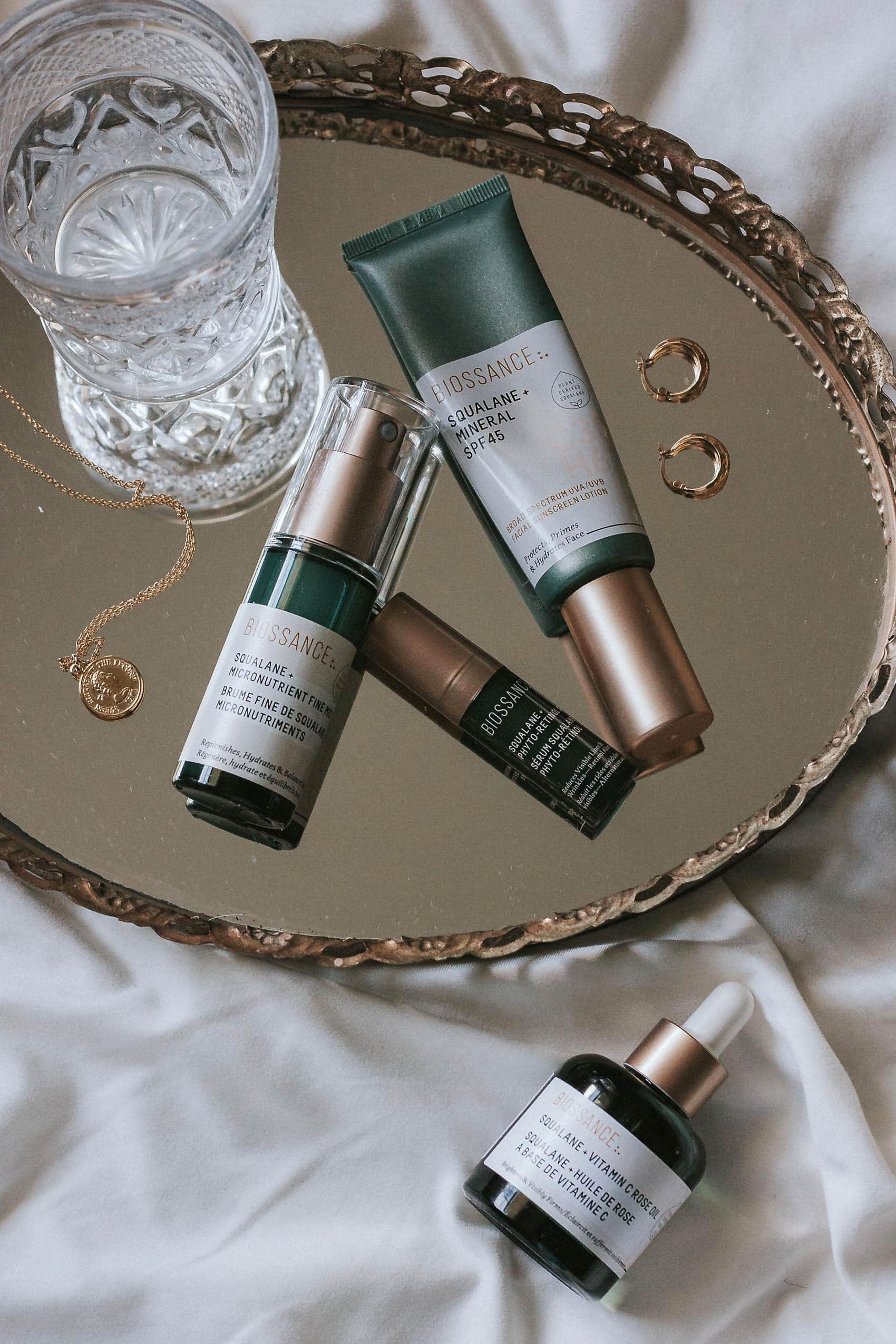
The third step of your minimalist skincare routine serves a dual purpose: locking in the moisture your skin needs and protecting it from the environmental damage that causes premature aging, hyperpigmentation, and texture issues. In the morning, this step centers around sunscreen. In the evening, it centers around a nourishing moisturizer.
Morning - Sunscreen Is Non-Negotiable

If you only use one skincare product for the rest of your life, it should be sunscreen. UV exposure is responsible for up to 90% of visible skin aging. Every brightening serum, anti-aging treatment, and hydrating essence you use is undermined if you are not protecting your skin from the sun. Broad-spectrum SPF 30 is the minimum; SPF 50 is ideal. Apply generously - most people use far less than the recommended amount, which reduces the actual protection significantly.
For the minimalist, a moisturizer with built-in SPF can combine your hydration and protection step into one product. However, many dermatologists argue that dedicated sunscreens provide more reliable protection than combination products. If you go the dedicated sunscreen route, choose one that feels comfortable enough to wear daily - if you hate the texture, you will not use it consistently. Modern sunscreens have come a long way from the thick, greasy, white-cast formulas of the past.
The Supergoop Unseen Sunscreen SPF 40 is a favorite among minimalists because it feels like a primer, leaves no white cast on any skin tone, and works beautifully under makeup or on its own.
Evening - Moisturize to Lock It All In

Your evening moisturizer is the final step in sealing in your treatment active and providing your skin with the nourishment it needs to repair itself overnight. Your skin does most of its regeneration while you sleep, so giving it the right fuel matters. Choose a moisturizer that matches your skin type - lightweight gel formulas for oily skin, rich cream formulas for dry skin, and something in between for combination skin.
Key ingredients to look for in a good moisturizer include ceramides (which reinforce your moisture barrier), glycerin (a humectant that draws moisture to the skin), squalane (a lightweight oil that mimics your skin’s natural sebum), and peptides (which support collagen production). You do not need all of these in one product - even one or two of these ingredients in a well-formulated moisturizer will do the job.
The Eye Cream Question
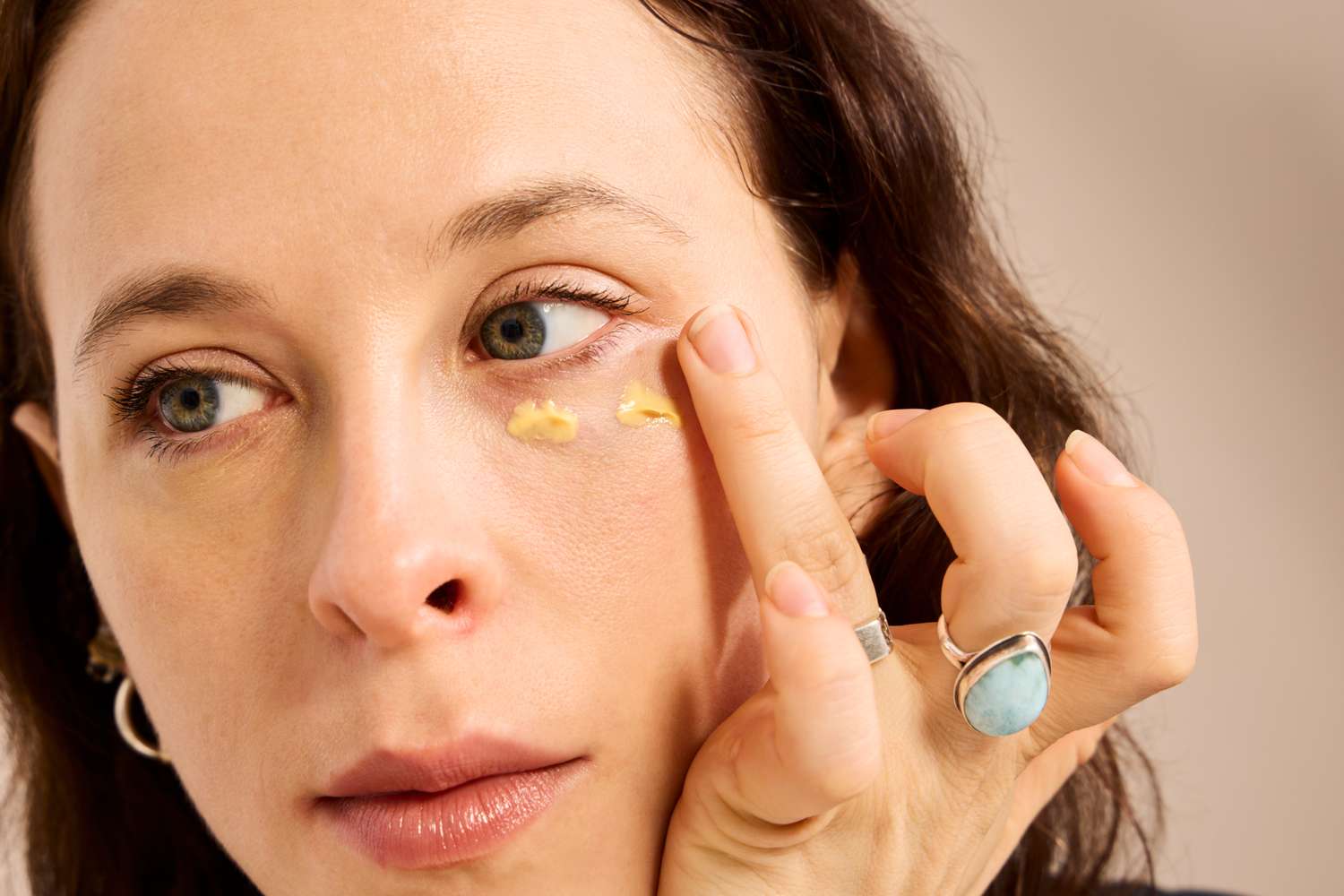
One of the most asked questions in minimalist skincare is whether you need a separate eye cream. The honest answer from most dermatologists: probably not. A well-formulated moisturizer can be applied to the eye area as well. The skin around your eyes is thinner and more delicate, so be gentle in application, but it does not necessarily require a separate, specialized product. If you have specific under-eye concerns like dark circles or puffiness, look for a moisturizer that contains caffeine or peptides, which address those issues without requiring an additional product.
How to Customize Your 3-Step Routine by Skin Type
The Minimalist Routine for Oily Skin
Morning: Gel cleanser, niacinamide serum, lightweight SPF moisturizer. Evening: Gel cleanser (double cleanse if wearing sunscreen), salicylic acid treatment (two to three times per week, swapping for niacinamide on off nights), oil-free gel moisturizer. The key for oily skin is using lightweight, non-comedogenic formulas that hydrate without adding excess oil. Skipping moisturizer because your skin is oily is counterproductive - your skin needs hydration to regulate its oil production.
The Minimalist Routine for Dry Skin
Morning: Cream or milky cleanser (or just water), hyaluronic acid serum applied to damp skin, rich SPF moisturizer. Evening: Oil cleanser followed by cream cleanser, hyaluronic acid serum on damp skin, rich barrier-repair cream. Dry skin thrives on the minimalist approach because fewer products mean fewer chances of encountering drying or irritating ingredients. Focus on hydrating and occlusive ingredients that lock moisture in.
The Minimalist Routine for Sensitive Skin
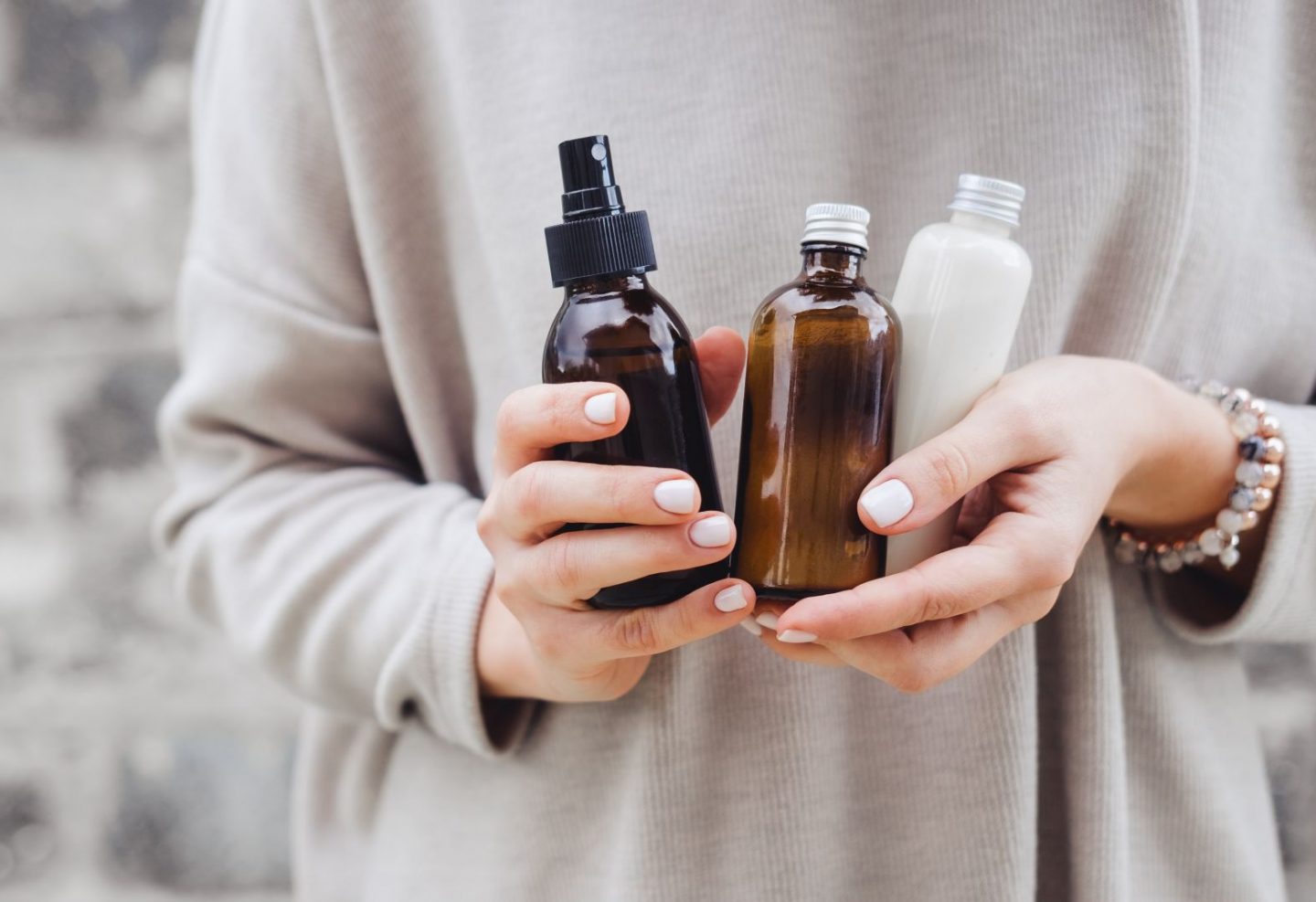
Morning: Ultra-gentle micellar water or cream cleanser, centella or niacinamide serum, mineral SPF moisturizer. Evening: Gentle cream cleanser, azelaic acid (a gentle brightening and anti-inflammatory active), simple ceramide moisturizer. Sensitive skin benefits most from minimalism because every product you eliminate is one less potential trigger. Stick to fragrance-free, alcohol-free formulas with short ingredient lists.
The Minimalist Routine for Combination Skin

Morning: Gentle foaming cleanser, vitamin C serum, lightweight SPF moisturizer. Evening: Double cleanse with oil and gel cleansers, retinol treatment (building up slowly), medium-weight moisturizer applied more generously on dry areas. Combination skin does not need different products for different zones - well-formulated products work across your entire face. The variation happens in application: lighter on oily areas, more generous on dry patches.

The Products That Do Double Duty
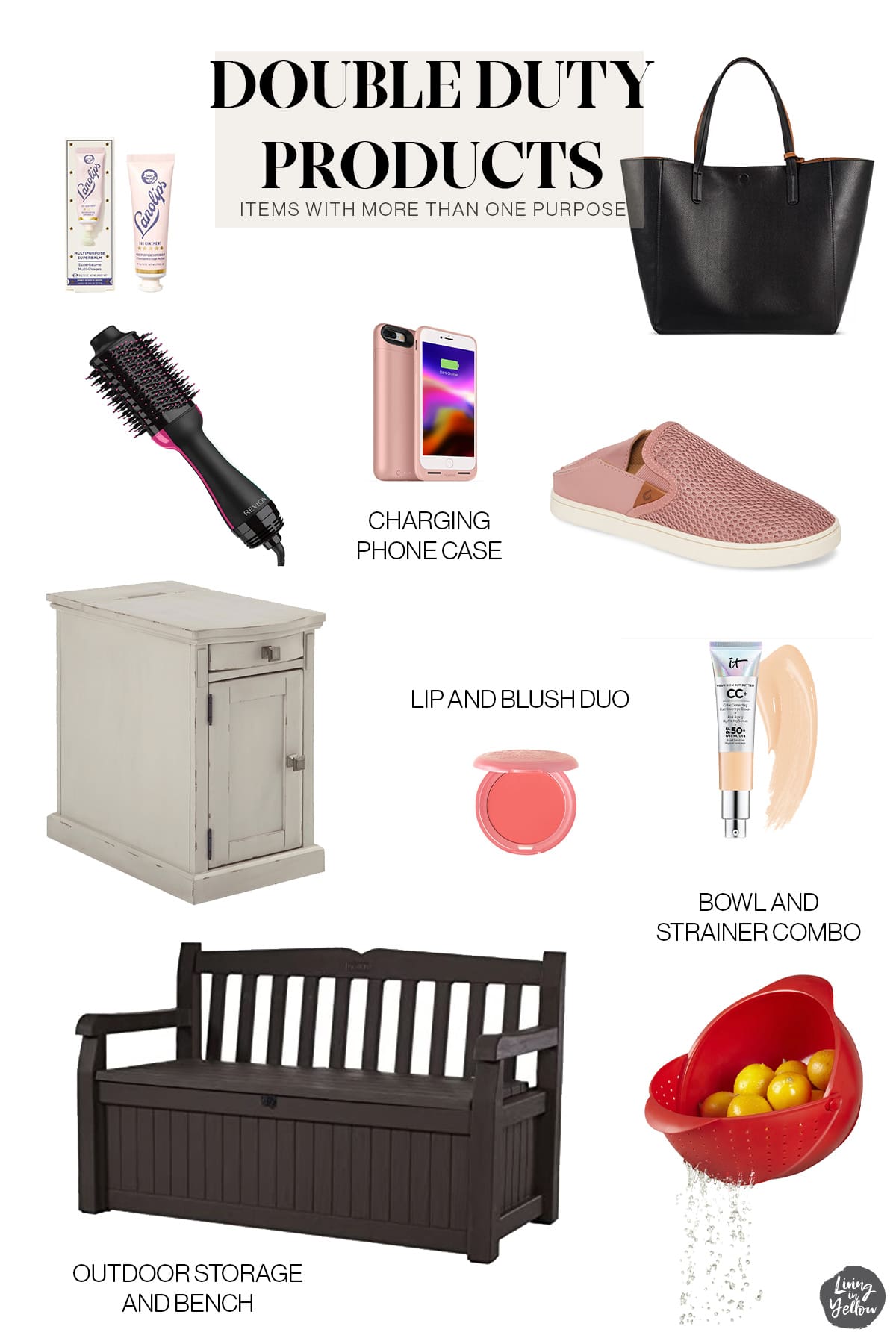
For the ultimate minimalist skincare routine, look for products that serve multiple purposes simultaneously. These multitasking heroes reduce your product count even further while still delivering comprehensive skin benefits.
Tinted SPF moisturizers combine your sunscreen, moisturizer, and light coverage into a single step. Niacinamide serums address oil control, pore appearance, brightness, and barrier health in one product. Cleansing balms remove makeup, sunscreen, and impurities in one step without a second cleanser. Retinol moisturizers combine your treatment and hydration steps for nighttime use. These combination products are not inferior to their single-purpose counterparts - they are simply more efficient, which is exactly the point of minimalist skincare.
A EltaMD UV Clear Tinted SPF 46 moisturizer is the ultimate minimalist morning product - it provides sun protection, light hydration, subtle tint for evening out your skin tone, and contains niacinamide as a bonus active ingredient. One product, four benefits.
When to Add a Fourth Step - and When Not To
A minimalist skincare routine does not mean you can never use more than three products. It means that three products form your core, non-negotiable routine, and anything beyond that is an intentional, purpose-driven addition rather than a compulsive purchase.
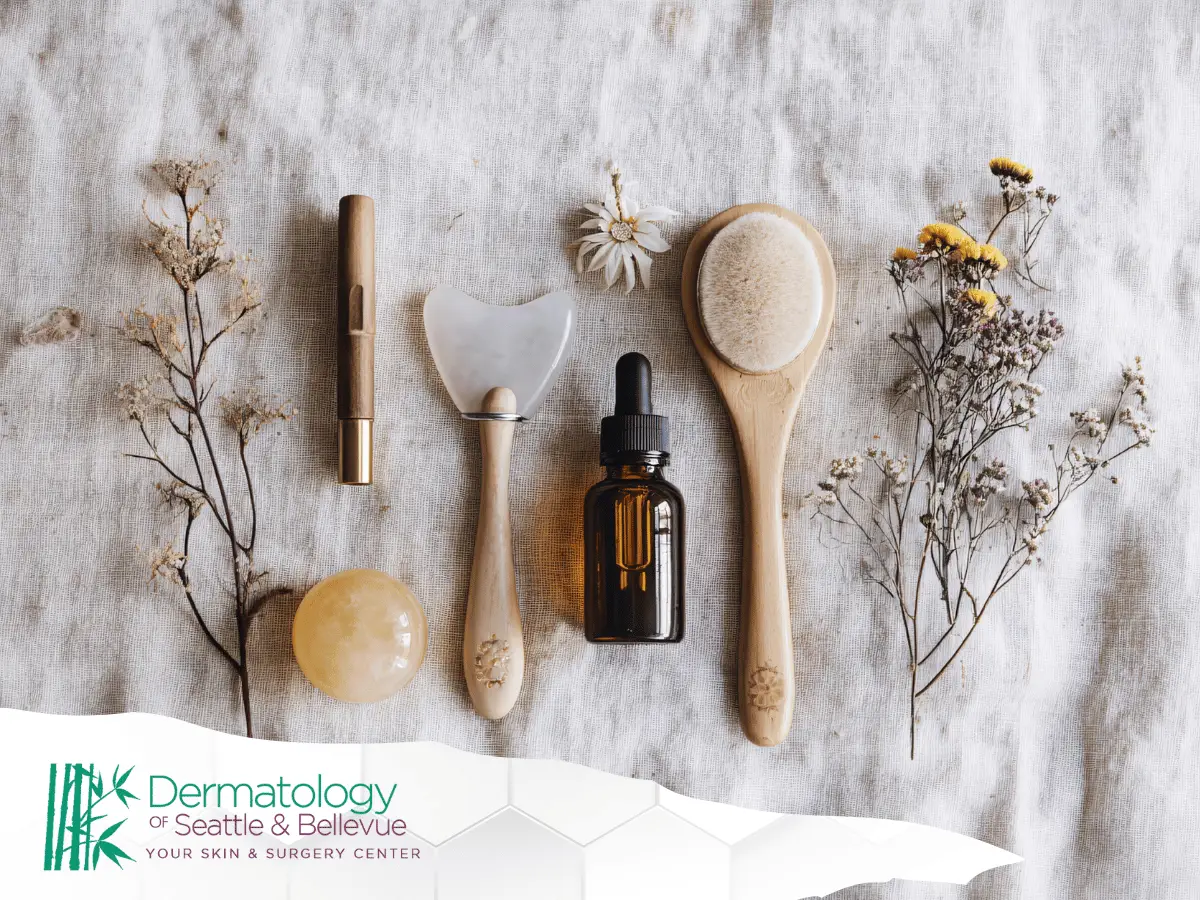
Reasonable additions to a minimalist routine include an exfoliant used one to two times per week if your skin needs help with texture or cell turnover. A hydrating mask used weekly as a treat for dehydrated skin. A spot treatment for occasional breakouts. Or a face oil added to your moisturizer in winter when your skin is drier than usual. These additions are targeted, temporary, and purposeful - not permanent fixtures in your daily routine.
When should you not add products? When you are adding them out of FOMO after seeing a viral skincare recommendation. When you are adding them because you “should be doing more.” When you are adding them to fix a problem that might have been caused by using too many products in the first place. And definitely when your current three-step routine is already delivering good results and you are tempted to change things that are not broken.
The ultimate test of a minimalist skincare routine is not how many products you own. It is how healthy your skin looks and feels with the products you use consistently. If your skin is hydrated, protected, and addressing your primary concern - your routine is working, regardless of how many (or how few) steps it involves.

Key Takeaways
- A 3-step minimalist skincare routine - cleanse, treat, protect - can deliver results equal to or better than complex multi-step routines when done consistently.
- Choose one targeted active ingredient based on your primary skin concern rather than layering multiple actives that may interact poorly.
- Sunscreen is the single most impactful skincare product you can use - every other product is undermined without daily UV protection.
- Your minimalist routine should be customized to your skin type but always follows the same three-step framework.
- Double-duty products like tinted SPF moisturizers and niacinamide serums simplify your routine even further without sacrificing efficacy.
- Add products beyond the core three only when there is a specific, purpose-driven reason - not out of FOMO or marketing pressure.
Frequently Asked Questions
Can a 3-step routine really address multiple skin concerns at once?
Yes, because many well-formulated products address multiple concerns simultaneously. A niacinamide serum, for example, reduces oil production, minimizes pores, brightens skin tone, and strengthens the barrier - that is four concerns from one product. Additionally, the foundational steps of cleansing and moisturizing with SPF support overall skin health, which indirectly improves many concerns. For persistent or severe issues like cystic acne, melasma, or advanced aging, consult a dermatologist who may recommend prescription treatments alongside your routine.
How long should I try a minimalist routine before judging results?
Give any new routine a full skin cycle to show results - that is approximately 28 days for younger skin and up to 40 to 60 days for mature skin. For anti-aging actives like retinol, you may need 12 weeks or more to see significant results. The exception is if a product is causing irritation, breakouts, or allergic reactions - stop using it immediately and reassess. Otherwise, patience is essential. Skin is not a light switch - it takes time to respond to new care.
Is a minimalist routine suitable for mature skin over 40?

Absolutely. In fact, mature skin often responds better to a simplified routine because it tends to be more sensitive and reactive than younger skin. A gentle cleanser, a well-chosen retinoid or peptide serum, and a rich moisturizer with SPF can deliver excellent anti-aging results without the irritation that comes from layering too many actives. Many dermatologists note that their mature patients see the best results when they stop overcomplicating their routines and focus on consistency with proven ingredients.
What about toner - is it really unnecessary in a minimalist routine?
Traditional astringent toners are unnecessary for most people and can actually harm your skin by stripping its natural moisture. However, hydrating toners (popular in K-beauty) can be a helpful addition if your skin is particularly dehydrated - think of them as a bonus hydration layer rather than a necessity. In a true minimalist routine, a good serum and moisturizer provide sufficient hydration and treatment. If you love your toner and it makes your skin happy, keep it. But do not feel guilty about skipping it - your skin will be fine.
How much money can I save with a minimalist skincare routine?
The savings can be substantial. The average American woman spends $200 to $300 per month on skincare products. A well-curated minimalist routine using quality products typically costs $30 to $60 per month, depending on the brands you choose. Over a year, that is a potential savings of $1,500 to $3,000 - money that could go toward literally anything that brings you more joy than a seventh serum collecting dust on your bathroom shelf. More importantly, you save time every morning and evening, which might be even more valuable than the money.