
The Classic Nail Debate

Acrylic nails and gel nails are the two most popular salon manicure options, and choosing between them is a decision that many nail lovers face regularly. Both can give you beautiful, long-lasting nails that make you feel put-together and polished. But they achieve these results through completely different methods, and the differences matter when it comes to your nails’ appearance, health, and your overall experience.
Whether you are a nail salon regular trying to decide if it is time to switch, or a newcomer trying to figure out which type to try first, this comprehensive comparison will help you make the smartest choice for your specific needs. We are covering everything from how each type is applied to how it feels to wear, what it costs, how it comes off, and what it does to your natural nails over time.
By the end of this guide, you will know exactly which manicure type aligns with your priorities - whether that is maximum strength, the most natural look, the easiest maintenance, or the gentlest option for your natural nails.
How Acrylic Nails Work
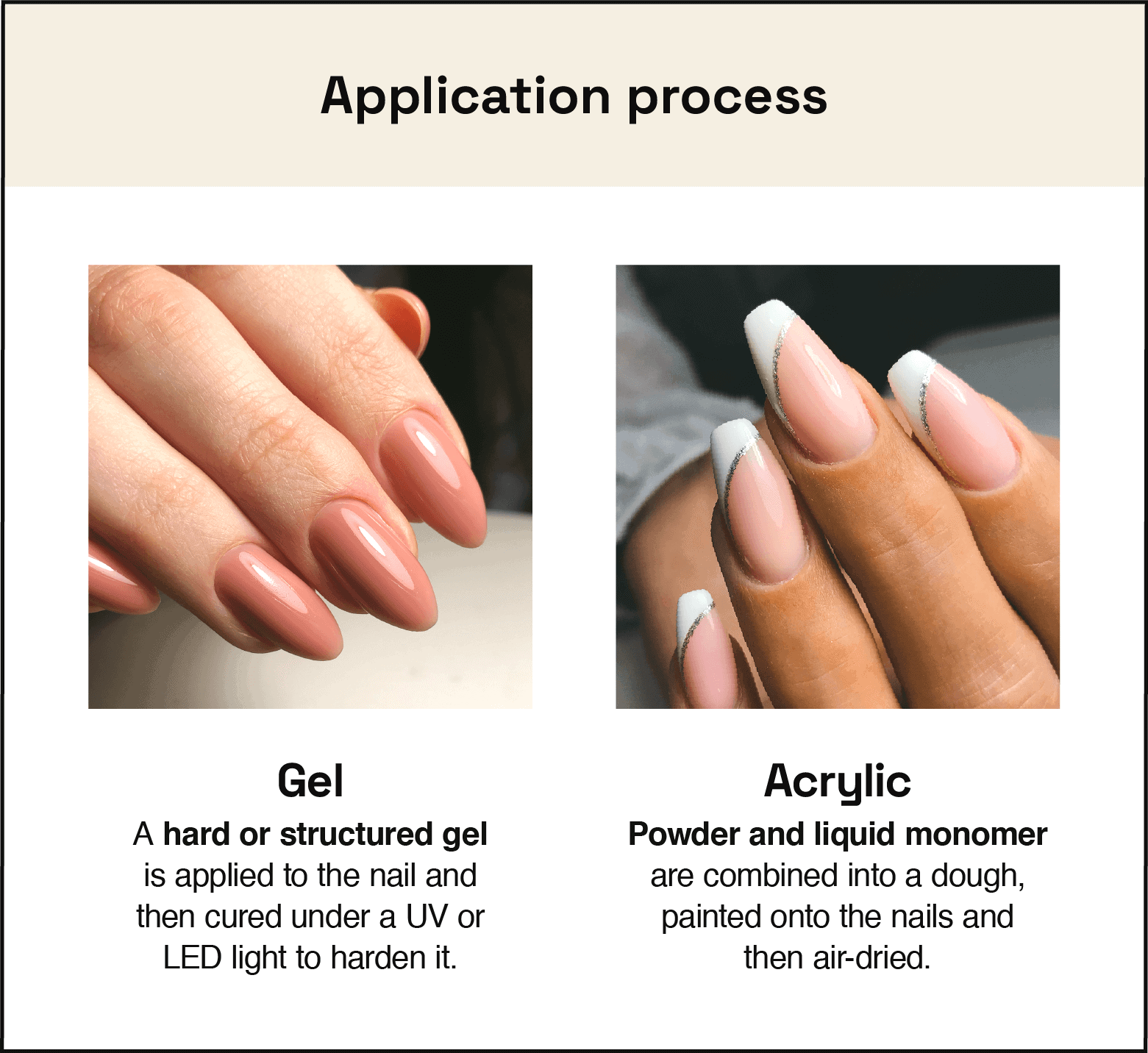
Acrylic nails are created by combining a liquid monomer with a powder polymer to form a paste that is applied to the nail and shaped before it air-dries into a hard, durable surface. This mixture can be applied over your natural nail for added strength and length, or over a nail tip or form that extends beyond your natural nail for added length.
The Application Process

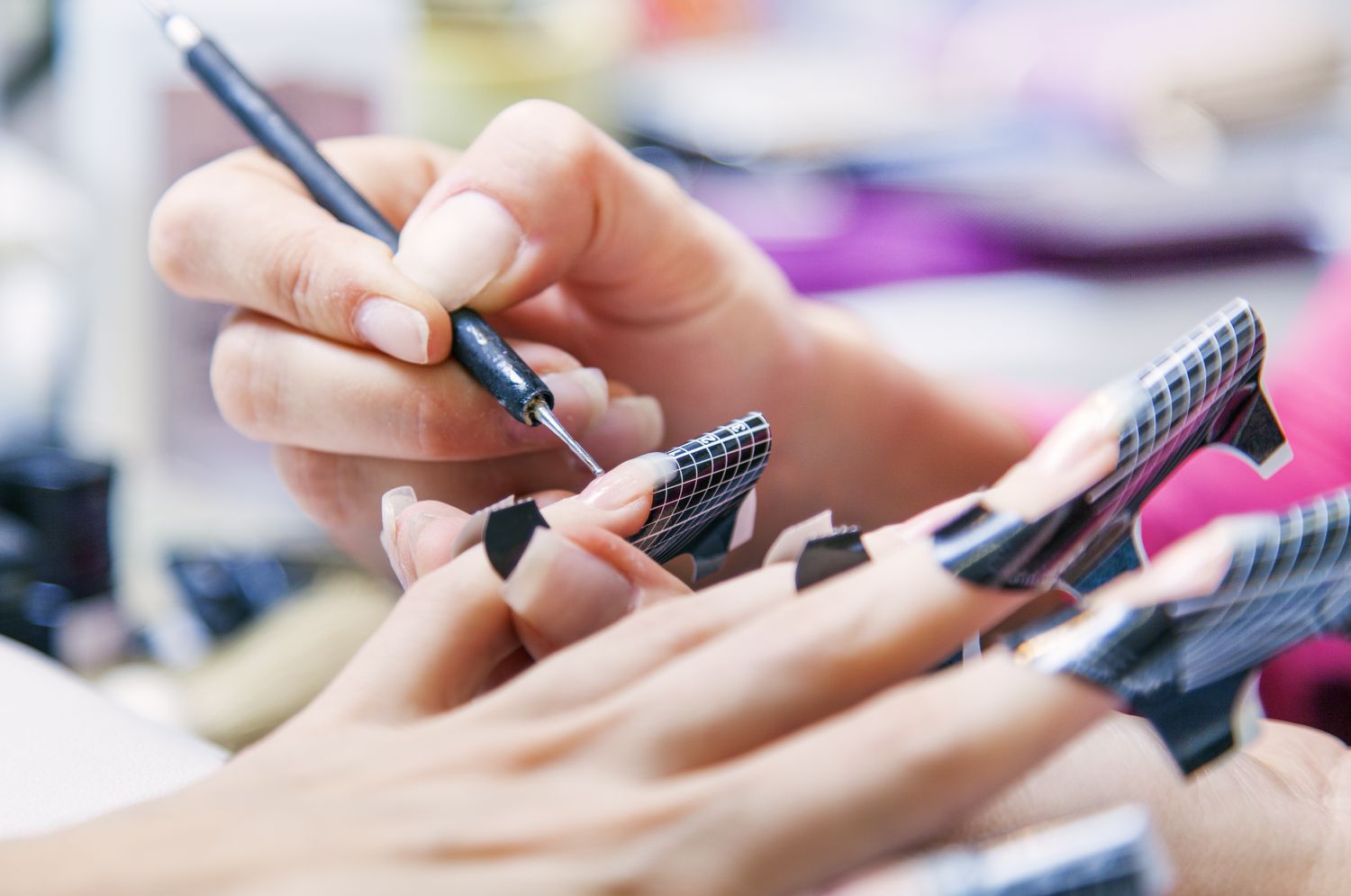
The acrylic application process begins with nail prep - cuticle pushing, light filing of the natural nail surface, and application of a primer. If you want length, a plastic tip is glued to the end of your natural nail or a paper form is placed underneath it. The technician then dips a brush into the liquid monomer, picks up a bead of acrylic powder, and applies the resulting paste to each nail, sculpting it into the desired shape. The acrylic air-dries and hardens within minutes. The nails are then filed to the final shape, buffed smooth, and often finished with gel polish for color.
The process typically takes sixty to ninety minutes for a full set and forty-five to sixty minutes for a fill, where new acrylic is added to the growth area at the base of the nail.
Characteristics of Acrylics

Acrylic nails are notably hard and rigid. They provide significant structural strength that can extend nails to dramatic lengths without breaking. They are the thickest of the salon nail options, which gives them durability but can also make them feel heavy or less natural than thinner alternatives. Acrylics have a distinctive look - they can be filed into very precise shapes and provide an excellent canvas for nail art.
How Gel Nails Work
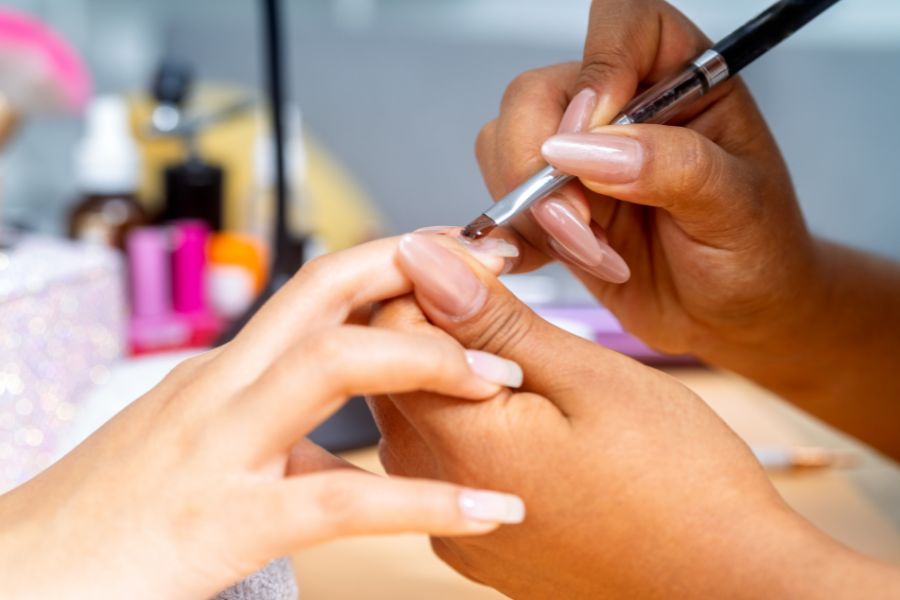
Gel nails come in two forms - hard gel (also called builder gel) for structure and extension, and soft gel (regular gel polish) for color and finish. Hard gel is the direct competitor to acrylics, while soft gel polish is often applied over acrylics, natural nails, or hard gel. For this comparison, we are primarily discussing hard gel versus acrylics, though gel polish will be mentioned where relevant.
The Application Process

Hard gel application is similar to acrylics in concept but different in execution. After nail prep, the gel is applied in thin layers directly from a pot or tube, with each layer being cured under a UV or LED lamp. This curing process hardens each layer before the next is applied, building up to the desired thickness and shape. Like acrylics, gel can be applied over natural nails for strength or over tips and forms for length.
Gel polish application is simpler - thin layers of color gel are applied like regular polish and cured under the lamp between coats. This is the more common salon service and takes about forty-five to sixty minutes.
Characteristics of Gels

Gel nails are more flexible than acrylics, which makes them feel more natural on the nail. They have a naturally glossy finish that many people find more attractive than the matte finish of bare acrylics. Gels tend to look more natural overall because they can be applied in thinner layers. However, this flexibility means they are not as strong as acrylics and are more prone to breaking at very long lengths.
Appearance and Finish Comparison

Which Looks More Natural

Gel nails win on natural appearance. Their thinner profile, inherent glossiness, and flexibility make them look and feel more like polished natural nails. This is especially true at shorter to medium lengths where the thinness of gel is most apparent. For women who want enhanced nails that do not look obviously artificial, gel is the better choice.
Acrylics have a slightly thicker, more obvious appearance, especially at the cuticle area where the product meets the natural nail. However, a skilled technician can create acrylics that look very natural, especially with proper filing and a quality gel polish finish on top.
Which Is Better for Nail Art
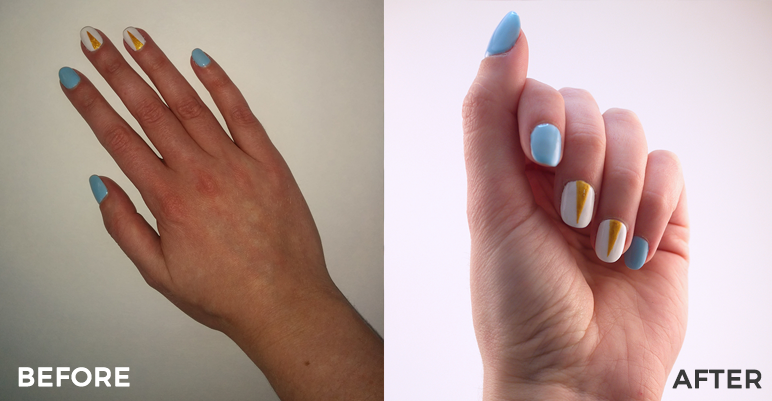
Acrylics are the preferred canvas for elaborate nail art, especially 3D designs, intricate hand-painted work, and complex shapes. The rigid surface provides a stable base for detailed work, and the ability to build up acrylic in specific areas allows for sculptural designs that gel cannot easily achieve. If you love elaborate, dramatic nail art, acrylics are your best friend.
Gel nails work well for simpler designs, including color blocking, glitter, foil, and hand-painted designs on a flat surface. Gel also offers some unique options like cat-eye effects and some shimmer finishes that are harder to achieve with acrylic alone. For trendy, modern nail art that does not require 3D elements, gel performs beautifully. The gel nail art design kits on Amazon include everything needed for creative at-home gel nail art.
Durability and Strength

Acrylic Durability

Acrylics are the strongest salon nail option. Their rigid structure resists bending, which means they can support very long nail lengths without breaking. For women who want dramatic length - stiletto, coffin, or long almond shapes - acrylics are the most reliable choice. They last two to three weeks before needing a fill, and the full set can last four to six weeks or longer with proper maintenance.
The downside of acrylic rigidity is that when they do break, they tend to break dramatically rather than chipping gradually. An acrylic nail that catches on something can snap off, sometimes taking part of the natural nail with it. This is uncomfortable and can cause damage to the natural nail bed.
Gel Durability

Gel nails are durable but less structurally strong than acrylics. Their flexibility is actually an advantage in some ways - they are more likely to bend rather than snap, which can prevent the dramatic breaks that acrylics are prone to. However, this flexibility means they cannot support as much length as acrylics before they start bending, peeling, or breaking.
Gel polish lasts two to three weeks, and hard gel extensions last about the same before needing maintenance. The maintenance schedule is similar to acrylics, but gels tend to peel at the edges more readily, especially if the nail was not properly prepped before application.
The Durability Verdict

For maximum strength and the ability to wear very long nails, acrylics win. For everyday durability at moderate lengths with more natural flex and less risk of dramatic breaks, gel wins. Your preferred nail length should be a key factor in this decision.
Cost Breakdown
Acrylic Costs

A full set of acrylic nails typically costs forty to seventy dollars for basic acrylics with gel polish. Specialty designs, extra length, and nail art can increase this to one hundred dollars or more. Fills every two to three weeks cost thirty to fifty dollars. Over the course of a year with bi-weekly fills and occasional new full sets, acrylic nails cost approximately eight hundred to fifteen hundred dollars.
Gel Costs

A gel manicure on natural nails costs thirty-five to sixty dollars. Hard gel extensions cost similar to acrylics - forty-five to seventy-five dollars for a full set. Gel polish appointments every two to three weeks cost thirty-five to sixty dollars each. Annual costs for regular gel maintenance range from seven hundred to fourteen hundred dollars, roughly comparable to acrylics.
The Cost Verdict

The cost difference between acrylics and gel is minimal when compared at the same maintenance frequency. Gel polish without extensions is slightly cheaper than acrylics since there is no fill between appointments - you simply get a new gel polish application. But for extensions, the costs are nearly identical. The at-home gel manicure kits at Ulta offer a way to cut costs dramatically for gel polish applications between salon visits.
Removal and Nail Health
Removing Acrylics
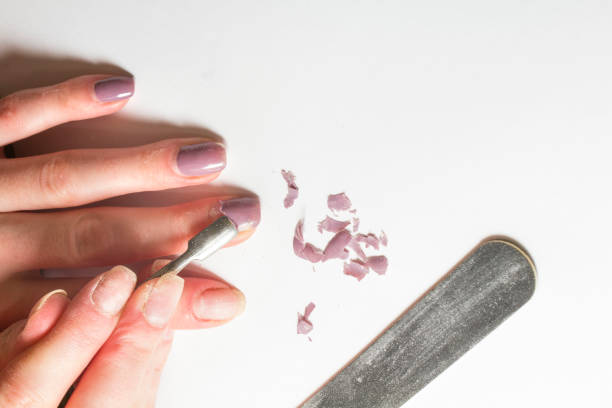
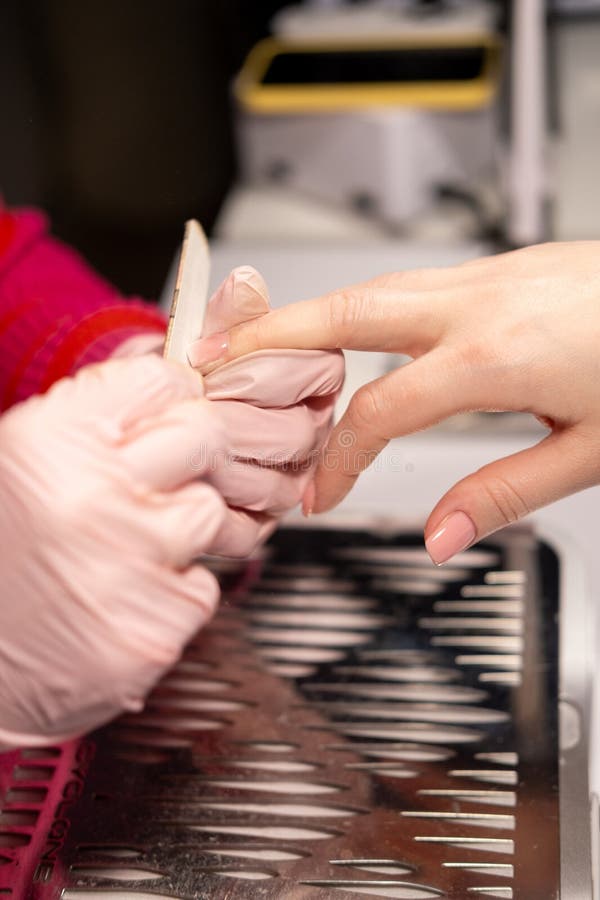
Acrylic removal involves filing down the bulk of the acrylic and then soaking in acetone for twenty to thirty minutes to dissolve the remaining product. The process is time-consuming and the extended acetone exposure is harsh on both nails and surrounding skin. Improper removal - particularly pulling or prying acrylics off - can cause severe damage to the natural nail plate.
Removing Gel

Soft gel polish removal involves filing the top coat and soaking in acetone for ten to fifteen minutes - shorter than acrylics. Hard gel removal requires filing down rather than soaking, as hard gel does not dissolve in acetone. This filing process needs to be done carefully to avoid filing into the natural nail. Both removal methods are gentler than acrylic removal overall.
Long-Term Nail Health Impact
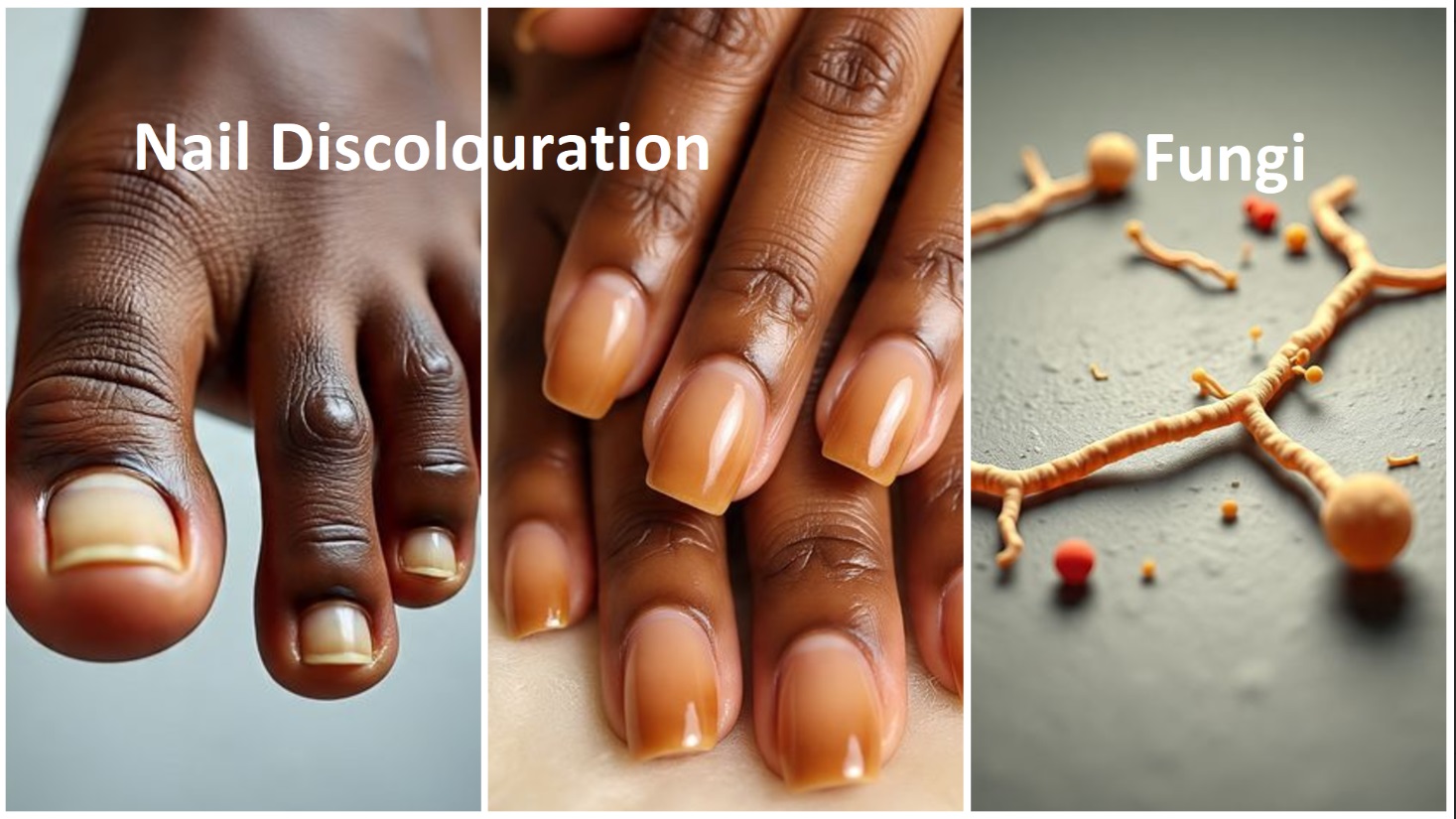
Both acrylics and gel can damage natural nails over time through the repeated cycle of application and removal. Acrylics tend to cause more thinning of the natural nail due to heavier filing during application and longer acetone exposure during removal. Gel is generally considered gentler, but the UV lamp exposure during curing is a unique concern that acrylics do not share.
For the healthiest natural nails, taking periodic breaks from both types of enhancement is recommended. During breaks, using a nail strengthening recovery treatment from Sephora can help restore your natural nails to their strongest condition.
Which Is Right for Your Lifestyle

Choose Acrylics If

You want very long nails that need maximum structural support. You love elaborate 3D nail art and sculptural designs. You are hard on your nails and need the most durable option. You prefer a salon experience with a skilled technician who can create custom shapes and designs. You do not mind the maintenance schedule of bi-weekly fills.
Choose Gel If

You want a more natural look and feel at shorter to medium lengths. You prefer a lighter, more flexible nail enhancement. You want to minimize damage to your natural nails. You want a glossy, high-shine finish without additional top coat. You are comfortable with UV or LED lamp exposure during curing. You want a slightly simpler removal process.
The Bottom Line
Acrylics are the power player - stronger, thicker, and better for dramatic lengths and elaborate art. Gel is the natural beauty - thinner, more flexible, and better for a polished, natural-looking enhancement. Neither is objectively better; the right choice depends entirely on your personal nail goals, lifestyle, and priorities. Many women switch between the two depending on the season, their mood, or upcoming events, and there is absolutely nothing wrong with that approach.

Key Takeaways
- Acrylic nails are harder, stronger, and better for dramatic lengths and elaborate nail art, while gel nails are thinner, more flexible, and more natural-looking at moderate lengths.
- Gel nails feel more natural and lightweight on the nail, while acrylics have a thicker, more substantial feel that some women prefer for its perceived durability.
- Cost is comparable for both options, with annual expenses ranging from seven hundred to fifteen hundred dollars depending on maintenance frequency and complexity.
- Gel removal is generally gentler and faster than acrylic removal, though both can damage natural nails if done improperly.
- Your ideal choice depends on your preferred nail length, desired look, nail art preferences, and how important a natural appearance is to you.
Frequently Asked Questions
Can I get gel polish on top of acrylic nails?
Yes, and this is actually very common. Many women get acrylic extensions for the structure and length, then have gel polish applied on top for color and shine. This combination gives you the strength of acrylics with the glossy finish and wide color range of gel polish. Most nail salons offer this as a standard option.
Which is better for my nails if I type all day?
Gel nails at a moderate length are generally better for frequent typists. Their flexibility allows them to absorb the repeated impact of typing without cracking, while acrylics may feel cumbersome on a keyboard and are more prone to lifting at the tips from the constant tapping. Keeping nails at a shorter length with either option also helps significantly with typing comfort.
How do I know if my nail technician is applying them correctly?
Signs of proper application include smooth, even product without lumps or uneven areas, clean cuticle lines with a small gap between the product and the skin, consistent thickness across the nail, and no burning sensation during application. After application, nails should feel secure but not overly tight or painful. If you experience persistent pain, lifting within days, or visible air bubbles, the application may not have been done correctly.
Can I switch from acrylics to gel or vice versa?
Yes, you can switch at any time. The old set will need to be fully removed first, and many nail professionals recommend giving your natural nails a brief rest period between types to recover. During this break, keep nails moisturized and use a strengthening treatment to prepare them for the new application type.