
Somewhere over Greenland, on a Delta 767 from JFK to Rome, I was sitting in seat 27B in a navy wool-blend dress that had seemed so smart in the Uber at 4 a.m. By the time we hit cruising altitude over the North Atlantic, the dress was soaked through under both arms, my ankles had swollen up tight against the leather strap of my Birkenstock Madrids, and the cabin temperature had dropped what felt like 18 degrees off the ground temperature at JFK. I had the airline blanket folded in my lap because I had not packed a sweater, and I had four more hours to go before we started our descent into Fiumicino.
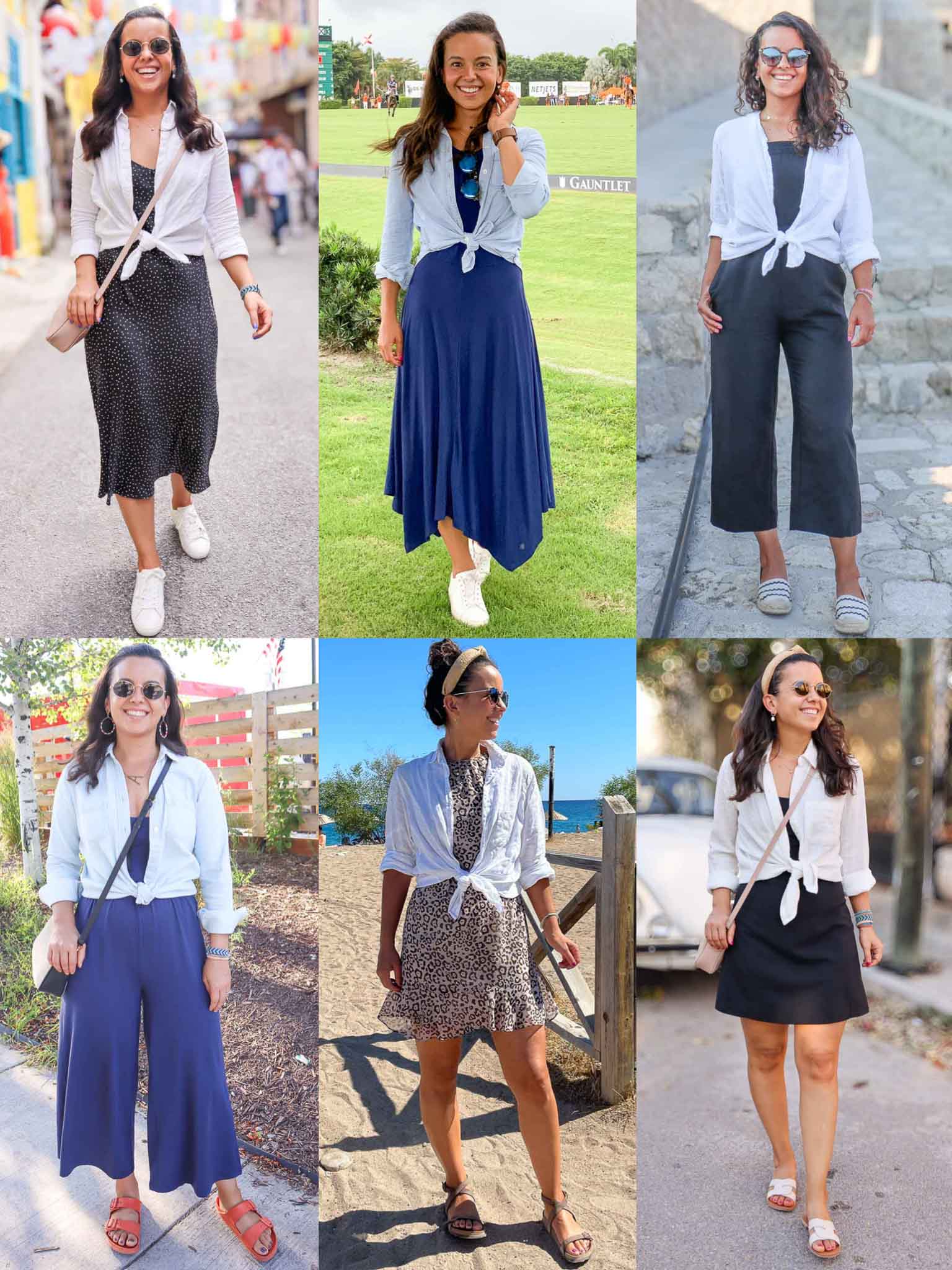
That was the flight I decided long-haul outfits were not a question of what to wear. They were a system. A set of rules. Once I figured out the rules, I could stop reinventing the wheel every time I booked a long flight, stop landing in a new city looking and feeling like I had been wrung out and hung to dry. Below is the system - the chafe layer, the swelling layer, the temperature layer, plus three specific formulas I have actually worn on actual flights in three different bodies.
The chafe problem (and why your favorite fabric is making it worse)
Thigh chafe on a plane is not a moral failing. It is friction plus moisture plus eight hours of not being able to get up and walk it off. The skin gets warm, the fabric grips, and somewhere between hour three and hour five you realize the inside of your thigh is on fire. Same goes for under-bust chafe, underarm chafe, and the line where a waistband sits if you have any belly softness at all.
The fabrics that make it worse, in my experience after roughly forty long-haul flights: anything 100% cotton (it holds sweat against your skin and never dries in a pressurized cabin), denim of any kind (seams plus rigidity equals raw skin by hour two), wool blends that brush the inner thigh, and most synthetic activewear that has any kind of grippy interior, like a brushed liner. Lululemon’s Align fabric is wonderful for yoga but it will not save you on a 12-hour flight if your thighs touch, because the nylon-elastane mix gets sticky once it gets damp.
What helps: smooth, fluid fabrics that move with you instead of clinging. Viscose, modal, Tencel lyocell, light merino, and the soft viscose-linen blends Eloquii has been doing for the last few years. They breathe, they release moisture instead of trapping it, and they do not develop that velcro feeling when they get damp.
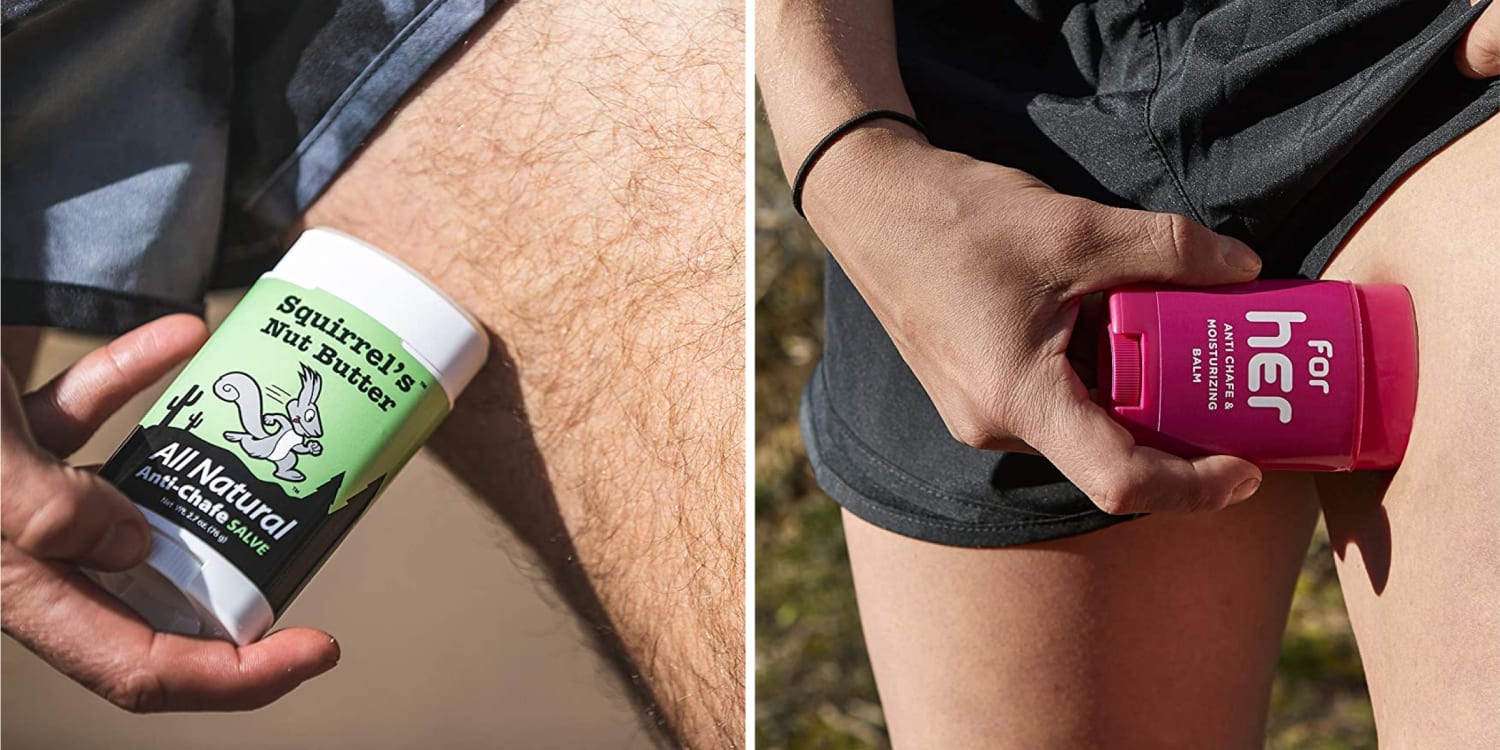
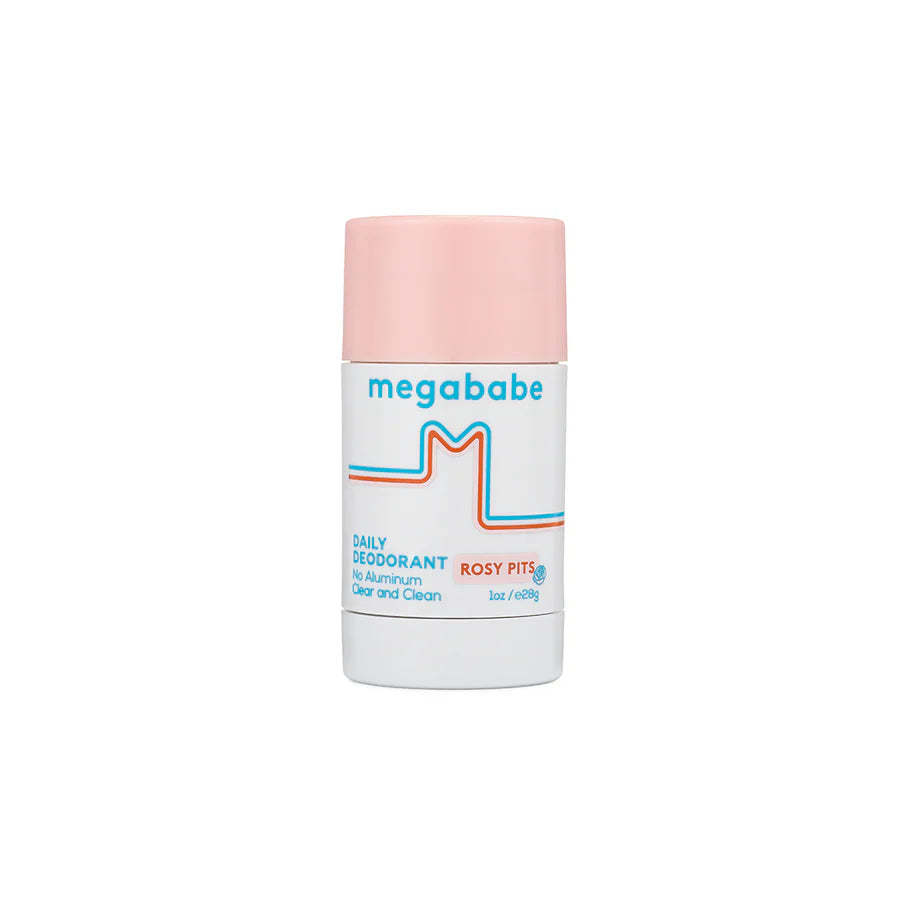
What also helps, and what I now will not fly without: a real anti-chafe product applied before I leave the house. The original BodyGlide stick (about $8 at any drugstore) is the gold standard. It is a solid balm in a deodorant-style tube, glides on dry, does not stain fabric, and lasts roughly six hours on me. Megababe Thigh Rescue (~$14, the green tube) is a creamier version with coconut oil and aloe in it, and it smells faintly of lavender, which is nice when you are crammed into 27B. For longer flights I also pack a small jar of Lush Silky Underwear in the talc-free version, which is essentially a cornstarch-based powder you tap on at the gate bathroom for a hard reset around hour six. None of these will fix a chafe situation that has already gone raw, so the rule is apply before, not after.
The swelling problem (and the compression numbers that actually matter)
Cabin pressure plus eight hours of not moving plus gravity equals ankles that look like someone else’s ankles. This is not a plus-size problem specifically, but it does interact with plus-size bodies in a particular way, because we tend to already retain water around the calves and ankles, and a long flight will compound it. The first time I landed in Bangkok after a 14-hour flight and could not get my shoes back on, I knew something had to change.
The fix is graduated compression socks, and the numbers matter. Most cute “travel socks” sold at airport newsstands are around 8-15 mmHg, which is essentially a snug sock. For flights under four hours, that is fine. For anything over six hours, you want a minimum of 15-20 mmHg. For anything over ten hours, or if you have any history of swelling, varicose veins, or a body weight that puts more pressure on the venous system, I personally wear 20-30 mmHg, which is medical-grade and what most flight attendants I have talked to wear on long-hauls.
The plus-size sock question is real. Most compression brands top out at a calf circumference that does not work past a US 14, and a sock that cuts into your calf is actually worse than no sock at all because it constricts blood flow above the compression zone. The three brands I have found that genuinely work on bigger calves:
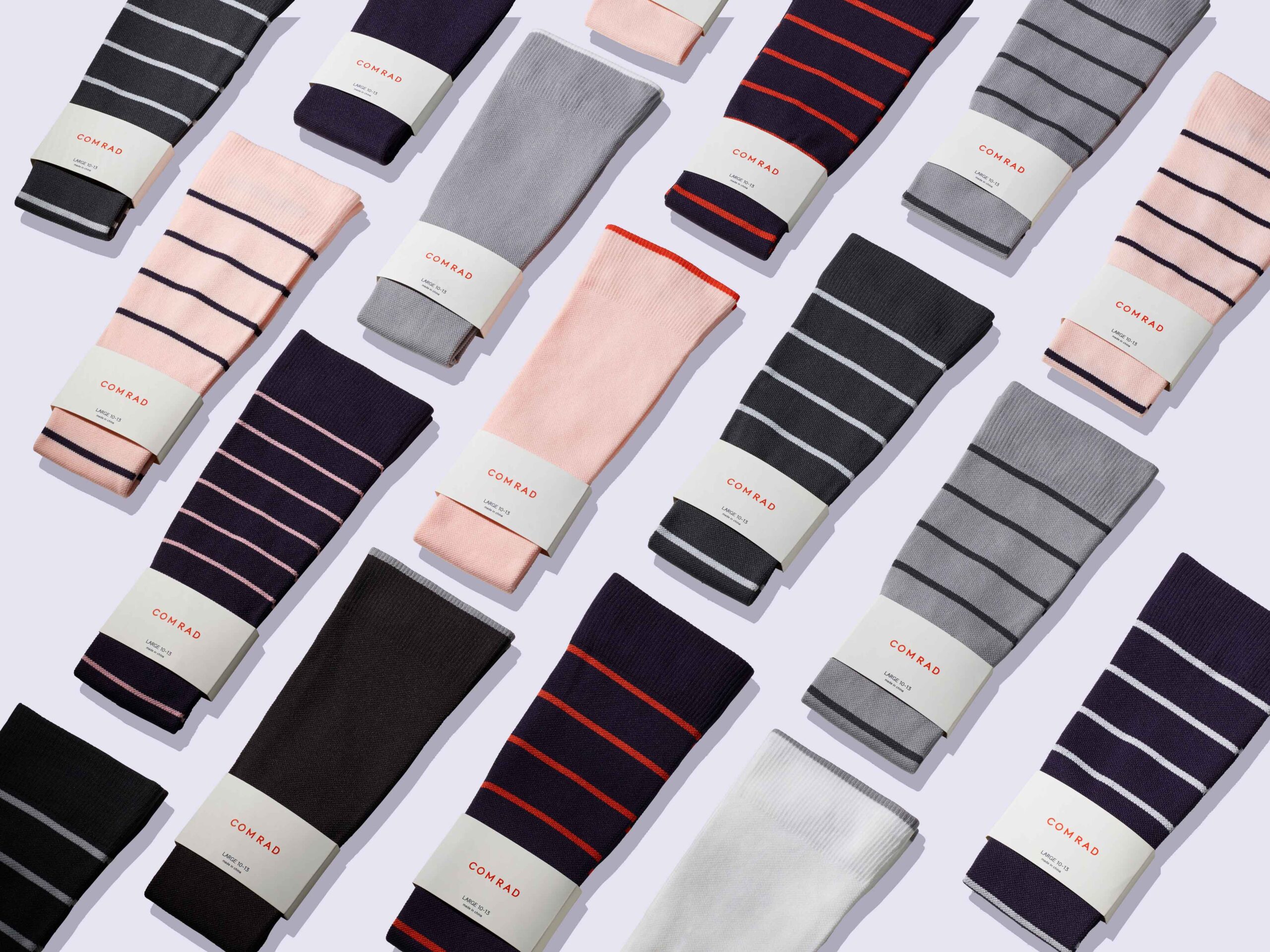
- Comrad has the most generous plus-size sizing of any compression brand I have tried. Their Large Wide Calf option fits roomy calves comfortably (their size chart kicks in past about 17 inches at the widest point) and they come in 15-20 and 20-30 mmHg. The CloudCotton blend is what I fly in.
- Sockwell makes a merino-bamboo blend in 15-20 mmHg that is softer than Comrad but tops out at about an 18-inch calf. Good for shorter flights or smaller calves.
- Vim & Vigr has the prettiest patterns and a moisture-wicking nylon version that is great if your feet sweat. Plus-size sizing goes up to about a 19-inch calf.
Put them on before you leave the house, not on the plane. The reason is gravity: once your legs have been hanging down for two hours in an Uber and a TSA line, the swelling has already started, and trying to wrestle a 20-30 mmHg sock onto an already-swollen leg in an airplane lavatory is its own form of suffering.
The cabin temperature problem (a 22-degree variance, in one outfit)

The jet bridge at JFK in August is 90 degrees. The cabin at 35,000 feet is somewhere between 65 and 72. Add or subtract for which airline (Delta runs warm, United runs cold, most European carriers run cold-to-frozen), where you are sitting (over the wing tends to be warmer, by a galley or exit row is colder), and how many bodies are around you (a full cabin is warmer than a half-empty one).
You are dressing for a 22-degree variance, sometimes more, in the same outfit. The way to do that is layers that you can put on and take off without doing the whole get-up-and-go-to-the-bathroom routine, because in a packed economy cabin you cannot count on getting to the bathroom whenever you want. So the layering has to happen in your seat.
My layer order, from skin out: smooth seamless underwear, then a soft tee in modal or viscose, then a pull-on stretch pant with no rigid waistband, then a cardigan or wrap I can drape across my chest like a blanket, then a packable jacket I can use as a pillow or pull on for the descent. The two pieces that change everything are the wrap and the jacket. They need to be lightweight enough to stuff in the personal item, warm enough to handle a cold cabin, and easy to take on and off while seated.
Formula 1: Short-haul casual (under 4 hours)
This is your JFK to Miami, your Lagos to Accra, your Heathrow to Barcelona. The flight is short enough that the swelling and chafe risk is lower, but you still want to land looking like you have your life together.
- Pant: Old Navy PowerSoft jogger (their high-waisted version in a dark heather) or Universal Standard’s Smart Signature ponte pant. Both have a smooth interior waistband, no zipper, and enough give that you can eat the entire snack box without unbuttoning anything.
- Top: Quince modal-cotton tee in a darker color. The modal blend is breathable, does not show sweat at the underarms the way pure cotton does, and runs true to size up through 3X.
- Sweater: Madewell Transport tote sweater, which is a coatigan-style cardigan that doubles as a blanket. Cotton-wool blend, so it breathes but holds heat.
- Shoes: Clean white sneakers, ideally Veja Esplar in the extended sizing that goes up to a US 12 women’s. They are leather, so they wipe clean in an airport bathroom if you spill, and they look intentional with whatever you change into at your destination.
- Compression: 15-20 mmHg Comrad ankle-high if you swell, or nothing if you do not.
Formula 2: Long-haul economy (8-15 hours)
This is the one that took me years to figure out. JFK to Rome, LAX to Tokyo, Lagos to Atlanta. You are going to be in this outfit for fifteen-plus hours door to door, you are going to sleep in it (badly), and you are going to land and need to function. Every piece has to do double duty.
- Pant: Eloquii pull-on wide-leg pant in their viscose-linen blend. No waistband to dig in, the fabric breathes, and the wide leg means nothing is touching your thighs when you cross your legs in a tight seat. They wrinkle, but in a way that looks intentional, not like you slept in them. Which you did.
- Top: A soft modal-spandex boatneck tee (the Spanx AirEssentials boatneck or the Lou & Grey signature soft tee both work) tucked loosely. The fabric holds shape through twelve hours of sitting without bagging at the elbows.
- Wrap: Quince Mongolian cashmere wrap, the big one (the 100% cashmere travel wrap is about $90 and worth every cent because it doubles as a blanket, a pillow, and a cardigan). It packs down to the size of a paperback in your personal item.
- Shoes: Allbirds Tree Runners in a half-size up from your normal. The eucalyptus fiber breathes, they slip on and off without bending over (which you cannot do in 27B anyway), and the cushioning holds up to a sprint through the Frankfurt connection.
- Compression: Comrad 20-30 mmHg wide-calf, in merino, worn under a thin cotton crew sock so the compression sock does not show when I take my shoes off at the gate. This is non-negotiable on anything over eight hours.
- Anti-chafe: BodyGlide on the inner thigh, under-bust line, and the back of the heel, applied before I leave the house. Megababe in the personal item for a top-up at the layover.
Formula 3: Premium cabin (any duration)
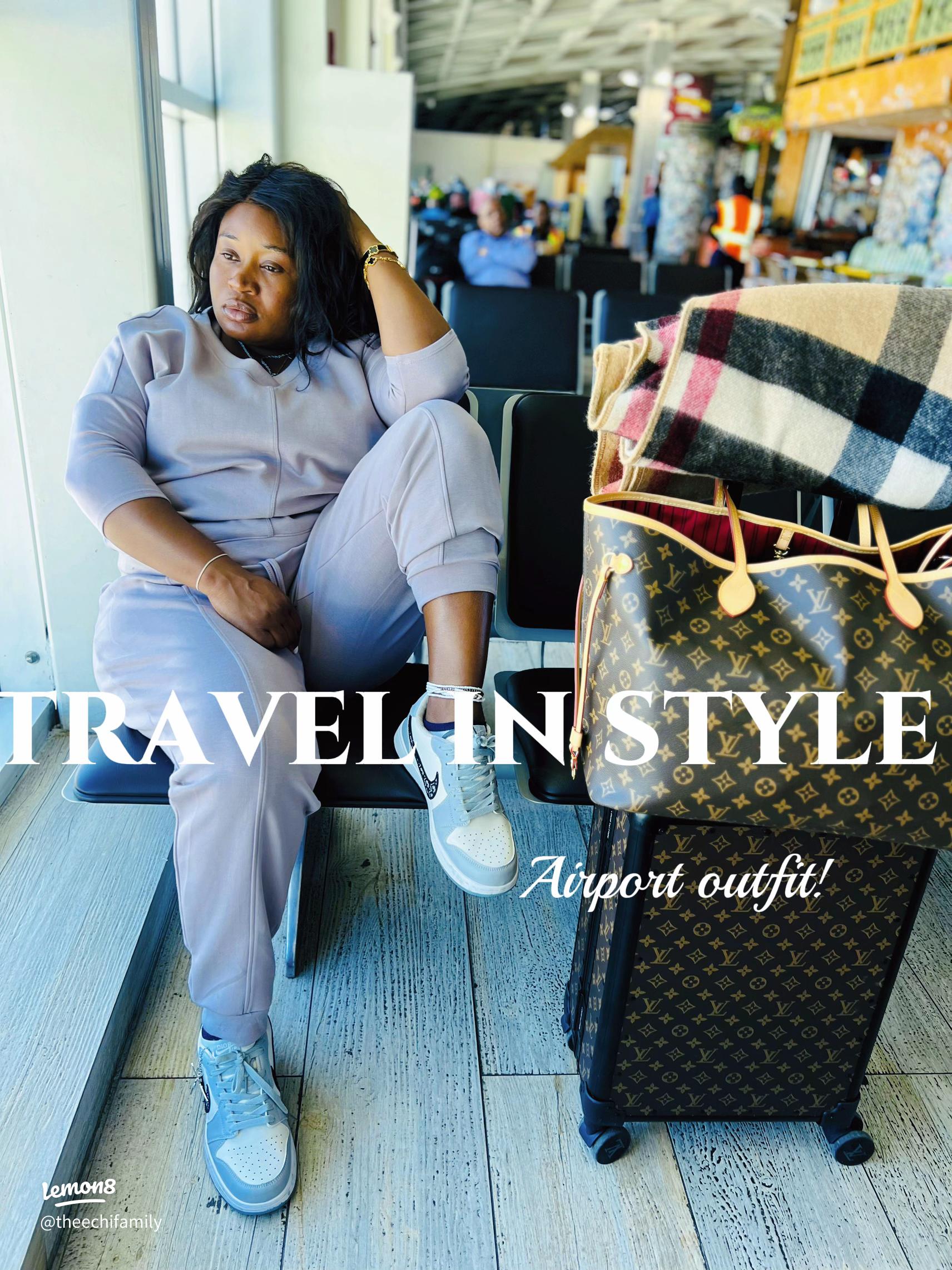
If you are flying business or first, or if you are flying coach but on the way to something where the airport lounge or the arrivals photo matters, you want the formula that reads “put-together” without sacrificing any of the comfort. Honestly this is also what I wear when I am picking up a rental car at a small European airport and need to look like I belong there.
- Pant: A ponte slim-straight with a wide soft waistband that does not bite (Universal Standard’s Smart Signature Ponte in the slim cut is the go-to) or Anthropologie Pilcro slim straight in stretch sateen. The Pilcro goes up to a 24W in some washes.
- Top: Lou & Grey signature soft tee, long-sleeve crew, in a neutral. The fabric has enough drape that it reads dressier than a regular t-shirt, but it is still essentially pajamas.
- Layer: Loft drapey blazer in a knit fabric. Not a real structured blazer, which will wrinkle, but a softer knit version that you can roll up and stuff in the seat-back pocket.
- Overshirt: The Sleeper pajama-style overshirt (the linen one) doubles as a long cardigan in the cabin and a beach overshirt when you land. It is not cheap (around $290) but it has earned its keep for me on roughly twenty long-hauls.
- Shoes: Vionic Joey loafer. The arch support is genuinely orthopedic, they read as actual shoes (not slippers), and they slip on and off at security without bending. Vionic goes up to a US 12.
- Compression: Same Comrad 20-30 mmHg, in a black merino so they read as regular trouser socks.
The underwear question (and why I changed my answer)
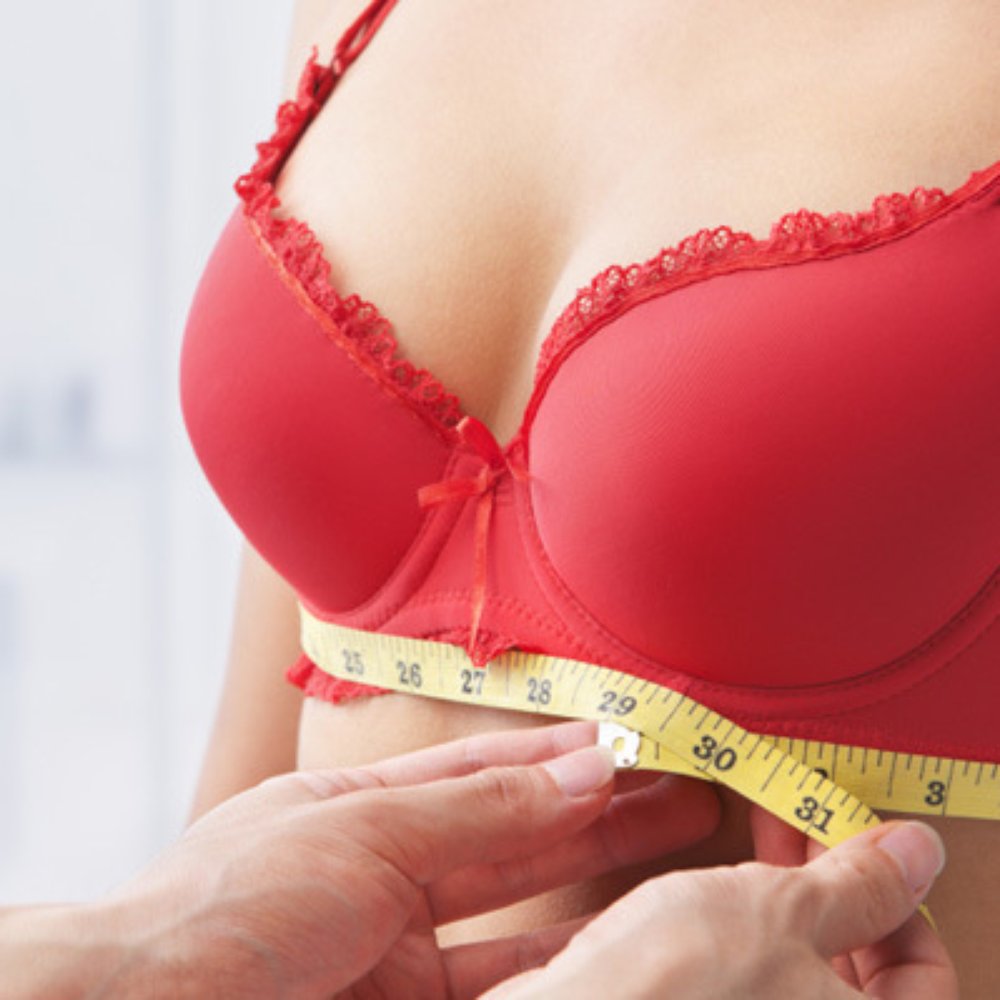
For years I flew in an underwire bra because I felt unsupported without one, and I would land in Rome with two perfect red welts under my breasts that took 48 hours to fade. I now will not fly in an underwire on anything over four hours. The cabin pressure plus the seated position pushes the wire into the under-bust crease in a way that creates pressure sores. Real pressure sores. Ask any flight attendant.
What works for me now: a supportive wireless or soft-wire bra, not a thin lace bralette. The CUUP Plunge in the modal version (which scales up to an H cup in the larger band sizes), the Knix Catalyst wireless bra (supportive enough for a G cup, comes in plus sizing), or the Soma Embraceable wireless. All three give me enough shape that I do not feel naked under a tee, and none of them leave marks.
Going without a bra entirely is also a real option, particularly under a wrap or blazer, and I have done it on red-eyes more times than I will admit. The point is not the specific answer, it is that an underwire is not a hill worth dying on for a fifteen-hour flight.
For the bottom half: seamless boyshorts in a smooth microfiber, not lace. Anything with elastic at the leg opening will dig in once you sit for a few hours. The Knix leakproof boyshort is my flying default because it also handles a surprise period start, which has happened to me twice over the Atlantic and both times I was grateful.
What goes in the personal item
The personal item is not for stuff you might want. It is for stuff you will need within six minutes of feeling uncomfortable. Mine, every flight:
- The Quince cashmere wrap (already out, on my lap before takeoff)
- A second pair of socks, thick cotton, for when my feet get cold inside the compression socks
- BodyGlide travel size and a small tin of Megababe
- A change of underwear (one pair, sealed in a small ziplock)
- A toothbrush, toothpaste, deodorant, face moisturizer (the Cerave travel size), and a lip balm
- A reusable water bottle, filled after security
- One snack you actually want to eat (almonds, a Larabar, dried mango), not whatever the airline is giving you
- Phone charger plus a battery pack, because the seat outlet is broken on roughly half the flights I have been on
- Glasses if you wear contacts (the cabin air will dry them out by hour three)
The transit-ready rule

Here is the test I run on every long-flight outfit before I leave the house. If the plane landed early and I had to walk straight from baggage claim to a meeting, or to a train, or to a hotel check-in with people behind a desk, could I do it without changing? Not look magazine-photo perfect. Just walk in, hand over an ID, and not feel like I had to apologize for my body or my clothes.
That is the rule. Transit-ready. It rules out anything I would be embarrassed to be photographed in, anything that wrinkles into a topographic map, anything I cannot walk a mile in (because Heathrow and Atlanta and Frankfurt are functionally a mile each from gate to exit), and anything I am going to have to sneak into a bathroom to swap out before I face another human.
The opposite of transit-ready is what I had on that Delta flight to Rome, in the wool-blend dress and the leather-strap sandals, when I landed at Fiumicino at 7 a.m. and had to ride a train into the city and could not bring myself to walk into the hotel until I had stopped at a cafe and splashed cold water on my face in the bathroom. I lost an hour of my first morning in Rome to recovering from my outfit. I will not lose another one.
The goal of a long-flight outfit is not to look chic in the security-line selfie. It is to land in Rome, Lagos, Bangkok, or LAX and walk straight off the plane and into the city without first locking yourself in an arrivals-hall bathroom to change. What makes that possible is not luck and not genetics. It is the right fabric against your skin, real compression on your legs, a wrap you can put on without standing up, anti-chafe applied before you ever set foot on the jet bridge, and shoes you can run through a connection in. Build the system once. Then every long flight after that is just packing.