A complete guide to PFDs that fit, outfits that wick, weight ratings nobody talks about, and the ten-minute dock test that decides whether you flip safely or not at all.
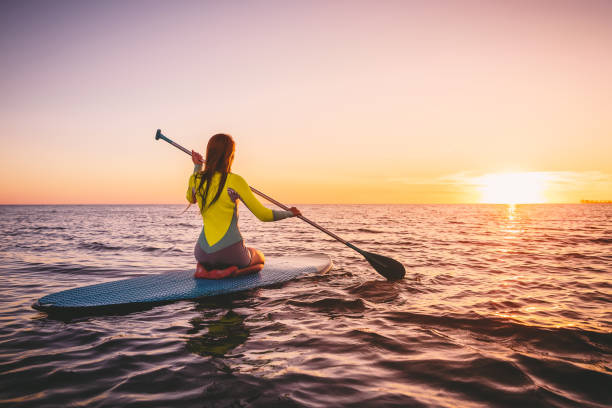
Every outfitter float plan has the same line on it: “PFD: must fit, must be Coast Guard Type III.” It is usually underlined. What the form does not tell you is what happens when you are handed an XL off the rack and three of the five buckles do not reach, while the rest of the group waits on the dock.
If you paddle at a plus size, you probably already know some version of that morning. The XXL that was not really an XXL. The buckle that crept up to your chin. The rental place that did not carry your size at all and quietly suggested a “different activity.” The point of this guide is to make sure you never have that conversation again. The gear exists. It is findable. You just have to know what you are looking for.
The PFD Truth Nobody at the Rental Shop Will Tell You
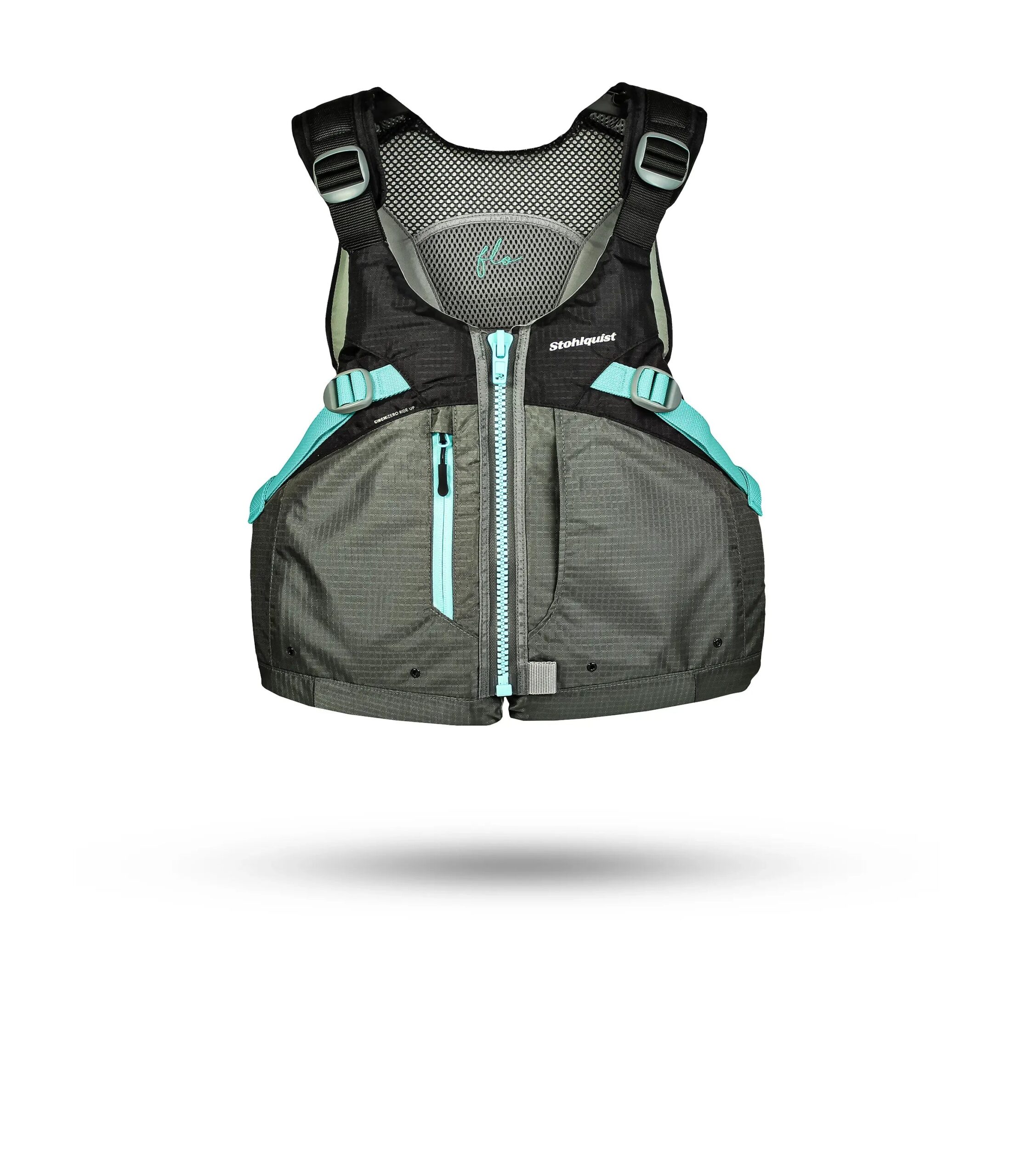
Personal flotation devices are the only piece of paddling gear where the size chart actively works against plus-size women. Marine sizing runs small. A men’s XL chest in a PFD typically tops out at 52 inches. A women’s XL is often closer to 44 inches. For context, the average size 22 woman has a chest measurement in the 50 to 54 inch range. The math is brutal, and rental shops carry rental-friendly sizes, which means they stock S, M, L, and one or two XLs that get reached for so often the buckles wear out.
Here is the part most paddling guides skip. A handful of brands make PFDs that fit a true plus body, and the spread of options is wider than rental shops admit. Stohlquist’s BetSea, designed specifically for women with bigger busts and longer torsos, comes in a Plus size that fits roughly a 40 to 46 inch bust. NRS Chinook is a fishing PFD that has earned a quiet reputation in plus-size paddle communities because its adjustable side panels and high front-zip cut give a chest range up to 56 inches at XL/XXL. Mustang Survival’s foam and inflatable lines run further in certain models, but stock is rare and you usually have to order direct from the brand.
American Canoe Association guidance for Type III PFDs is consistent on one point: a properly fitted device shouldn’t ride up past your collarbone when you lift your arms above your head, and the bottom of the PFD should sit at the waist, not the hips. For longer-torso plus bodies, that combination is hard to find. Stohlquist’s women’s-specific BetSea was built to address it, and the broader industry pattern stays the same: most “women’s” PFDs are graded to a size 8 to 14 body and labeled XL up to a size 18, which isn’t the same as actually fitting a size 18.
Five PFDs That Fit Plus-Size Women
These are the five worth shortlisting, with the chest measurements that actually fit and prices at the time of writing.
NRS Chinook.
Chest range up to 56 inches at XL/XXL, around $145. This is a fishing PFD with seven pockets, which sounds excessive until you remember that pockets mean front panel real estate, which means more flexible fit. The front zip plus side panels accommodate larger busts without crushing them, and the buckles sit lower on the rib cage so they don’t interfere with a sit-on-top kayak’s seat back.
Stohlquist BetSea.
Plus size fits roughly a 40 to 46 inch bust, around $135. Designed by women, for women, with a princess-seam construction that contours around the bust rather than flattening it. The cup-style chest panels are the standout feature. Stohlquist’s own fit notes and customer reviews frequently flag that this is the first PFD many curvy women have worn that didn’t press their chest into their throat.
Onyx MoveVent Curve.
XL/2XL fits a 44 to 56 inch chest, around $85. The budget pick that still fits most size 18 to 22 bodies. For the paddler who wants to spend under $100 and sits in the lower end of plus range, this is the workhorse.
Astral Layla. Chest range up to 51 inches at L/XL, around $140. The Layla runs slightly small in plus sizes but has a foam-free back panel that sits comfortably against a kayak seat. Best suited for plus-size women in the size 16 to 18 range.
Mustang Survival foam Type III.
A handful of Mustang models extend further in chest range in certain cuts, around $160. Hard to find in stores, but Mustang’s website carries the full plus-size run. Inflatable models exist too and have a different fit logic, but for paddling, stick with the foam Type III.
The Outfit Math
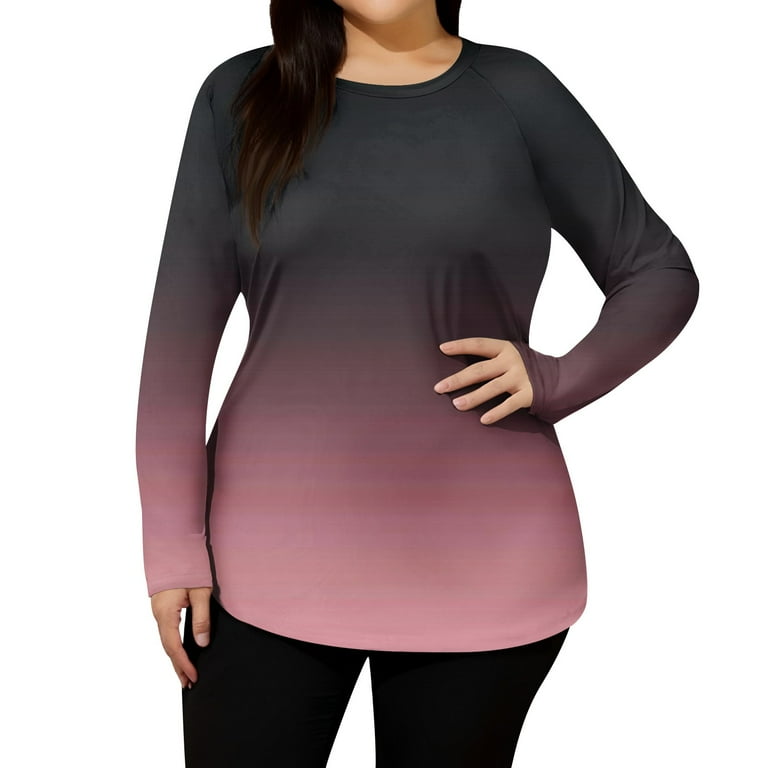
The base equation for a plus-size paddling outfit is simpler than the PFD equation. Quick-dry top, leggings or shorts, and a long-sleeve sun shirt as your top layer. That is the formula. The variations are about water temperature, sun exposure, and how much sweat you generate, but the base never changes.
The one thing not to wear is a cotton tee. Cotton holds water. It absorbs sweat and river spray and does not release either, which means you spend the back half of your paddle in a wet, cold, heavy second skin that chafes everywhere your PFD touches. Quick-dry polyester or merino blend tops solve this. They cost more, but a single $40 sun shirt will outlast ten cotton tees, and you will actually enjoy the second hour on the water instead of counting down the minutes until you can take it off.
Leggings beat shorts for most plus-size paddlers because they prevent the seat of a sit-in kayak from pressing directly against bare thigh skin, which gets clammy fast and chafes the moment you stand back up. If you prefer shorts, look for board shorts that hit mid-thigh and have a fitted inner liner. The combination of sun shirt plus leggings plus a quick-dry sports bra is your three-item base. Everything else is weather adjustment.
Four Swim-and-Paddle Outfit Picks
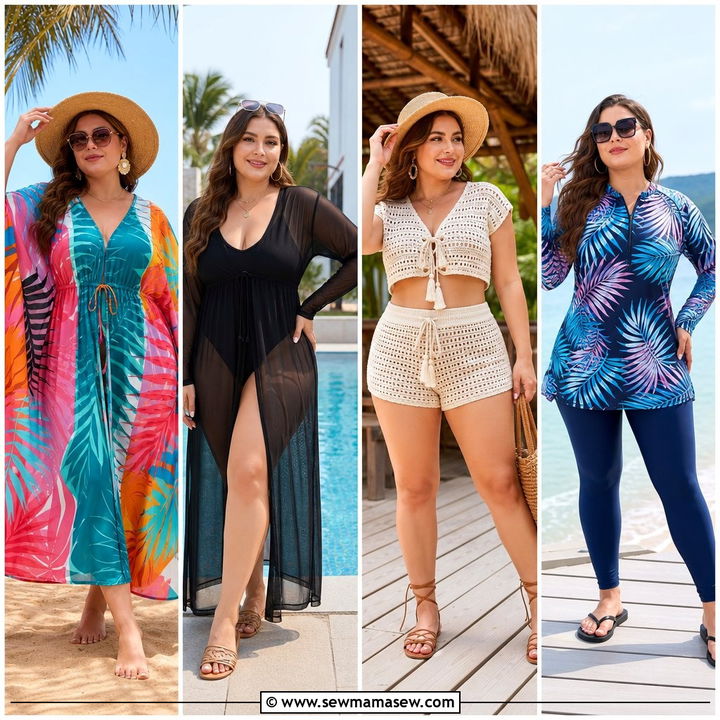
Lands’ End Plus Long-Sleeve Rashguard plus matching bottoms.
Around $50 for the rashguard, $45 for the bottoms, sizes up to 3X. Lands’ End grades its plus swim line for real plus bodies rather than scaling up straight-size patterns. The rashguard is UPF 50, dries quickly, and pairs with high-rise bottoms that sit above the PFD’s bottom strap, which means no waistband digging at hour two.
Old Navy SwimSport Leggings. Around $35, sizes up to 4X. These are the unsung hero of plus-size paddling: compression-style swim leggings that dry fast, hold their shape at the knee, and run true to size. Black is the most versatile colour if you are only buying one pair, and they are cheap enough to own two and rotate.
Athleta Plus UPF Long-Sleeve Sun Tee.
Around $58, sizes up to 3X. A UPF 50 sun shirt with a relaxed cut that flows over a PFD without bunching, and a hem that sits at the hip without riding up. This is the layer to choose for anything over about three hours on the water, because sun exposure on the back of the hands and forearms is the easiest thing to forget about and the most painful thing to remember.
Athleta Plus Conscious Crop Swim Top.
Around $69, sizes up to 3X. A swim top with built-in support that holds up to a D cup without an additional sports bra. The cut keeps shoulder straps off the same area where your PFD buckles will sit, which is a small detail with a huge payoff six miles into a paddle.
The Chafe Issue
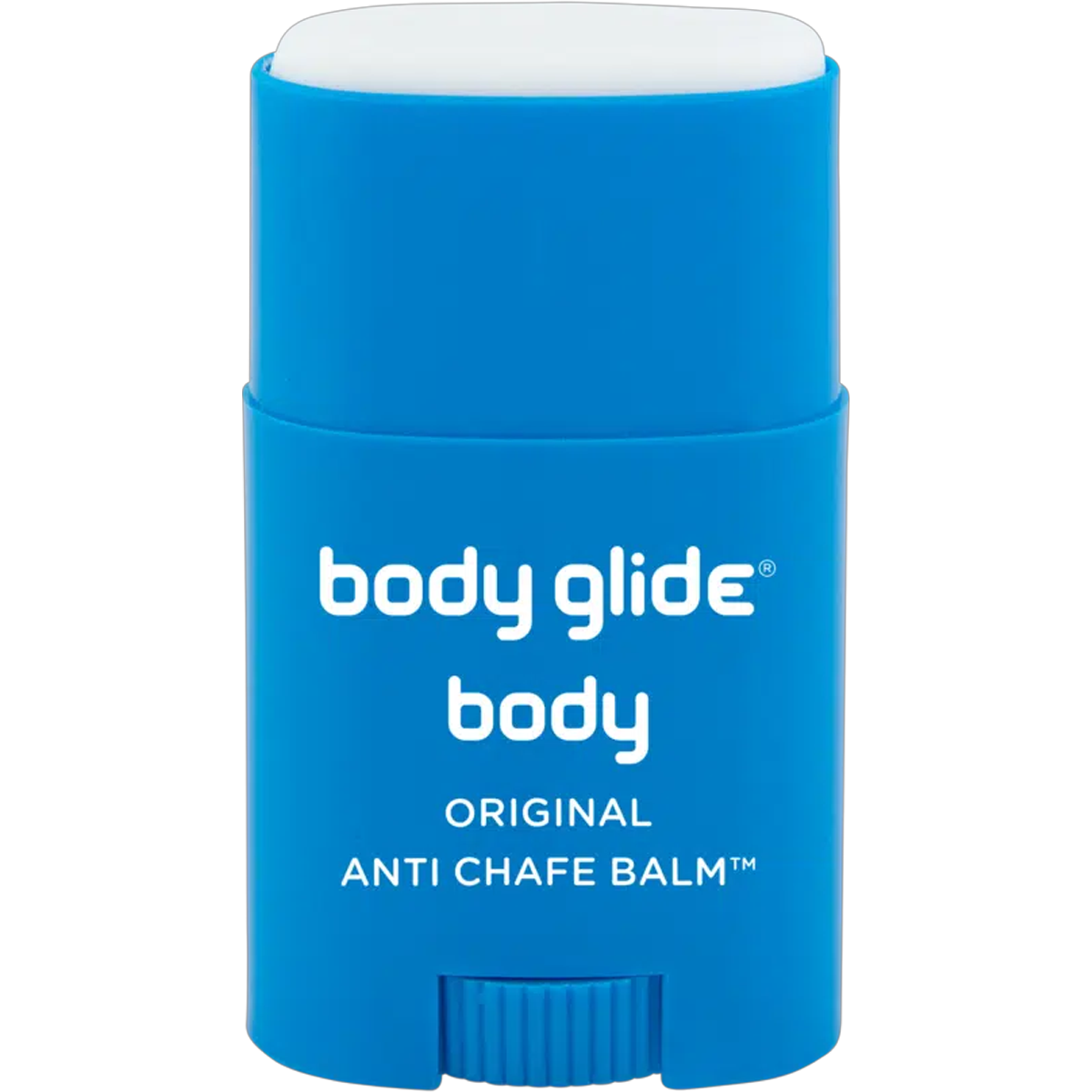
Here is what no rental shop will tell you about a five-hour paddle. PFD straps plus sweat plus saltwater equals a rub band on your rib cage. The band sits exactly where the bottom strap of the PFD passes around your torso, and it forms because the strap works against skin that is already softening from sweat and water exposure. Left alone, a line of irritation turns into a raw patch over a long day.
The fix is BodyGlide. The plus-size paddling community has been quietly passing this trick around for years. Apply it in a one-inch band around your rib cage exactly where the PFD’s bottom strap will sit, plus on your inner thighs if you are wearing shorts, plus on the back of your neck if you wear long hair down. One stick lasts a season. It is the cheapest piece of paddling gear you will ever buy and the one that prevents the most misery. Apply before you put on your PFD, not after.
The Shoe Question
Footwear for paddling splits into three buckets based on water temperature and how much you plan to get out of the boat. For warm-water paddling where you might step into mud or rocks at the launch and the take-out, water shoes like the Astral Loyak give you a thin, flexible sole and a quick-dry mesh upper that lets sand out. Astral runs up to size 13 in women’s, and the Loyak fits wider feet better than most water shoes.
For paddlers who want more structure, the Keen Newport H2 is the classic. It is technically a sandal, technically a shoe, and runs up to women’s size 12 with wide options. The toe bumper protects against the rock you will inevitably stub at some point. Keen’s wide-foot accommodation is the reason it has a cult following in plus-size outdoor communities.
For cold-water paddling, you want a neoprene boot. NeoSport’s 3mm neoprene boot goes up to size 14 in men’s, which translates to roughly a women’s 16, and it seals tightly enough at the ankle to keep cold water out for the first hour. Past the first hour, expect some seep, but your foot will stay warm because neoprene works by trapping a thin layer of water and warming it with body heat.
The Cold-Water Layer
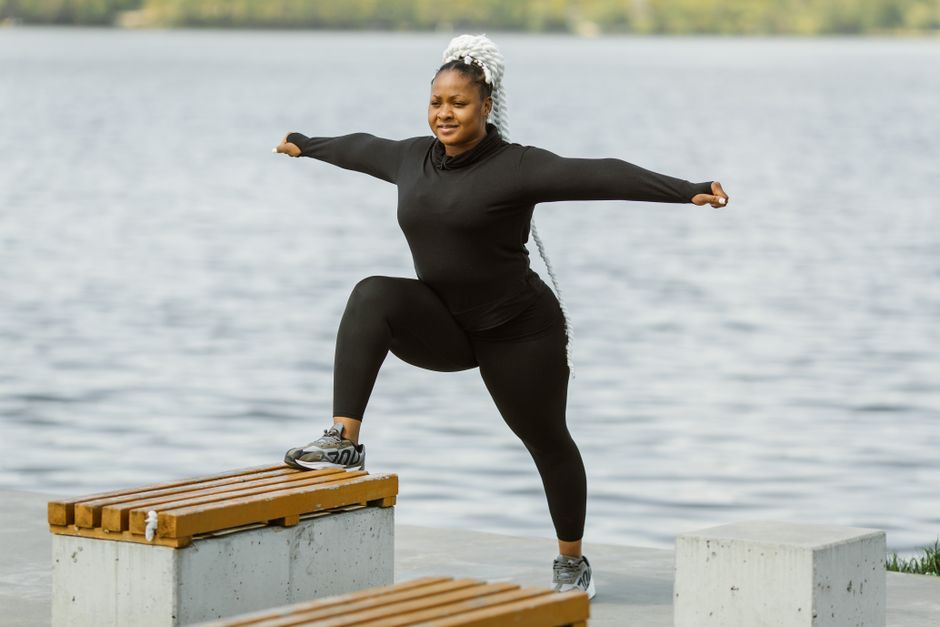
Spring and fall paddling in most of the country means water temperatures in the 50s and 60s, and that is the band where cold-water immersion becomes a genuine safety concern. A 3mm shorty wetsuit is the entry-level cold-water layer for paddlers, and the NeoSport Premium 3mm shorty goes up to 4X in women’s, at around $90 at the time of writing. It is not glamorous, but it works.
Henderson’s Aqua Lock line is the other plus-friendly option. Their custom sizing program will tailor a 3mm or 5mm suit to your measurements for an upcharge over the base price, which is steep, but for paddlers who plan to spend serious time in cold water, the fit is hard to beat. The Aqua Lock seal at the wrists and ankles is the detail that makes a wetsuit actually work versus just look like it should.
The Weight Question Nobody Asks Out Loud
Rental kayaks have weight ratings. Most rental shops will not ask your weight, and many do not display the rating on the boat, which means you can paddle out on a craft that is over its rated capacity without ever knowing. Most rental sit-in kayaks are rated to 240 to 275 pounds. Sit-on-top recreational kayaks often rate higher, in the 300 to 350 pound range, because the open deck design displaces water differently. If you are over 250 pounds with gear, ask the rental shop for the boat’s rated capacity before you sign the waiver.
For owned boats, two recreational kayaks stand out for higher weight ratings. The Old Town Loon 126 is a sit-in rated to 375 pounds. The Wilderness Systems Pungo 120 is rated to 350 pounds. Both are stable, easy to paddle, and built for adult bodies of any size. The Loon has the wider cockpit opening, which matters if you have hips that catch on standard cockpit rims.
SUP Weight Ratings, and the Reality Most Shops Hide
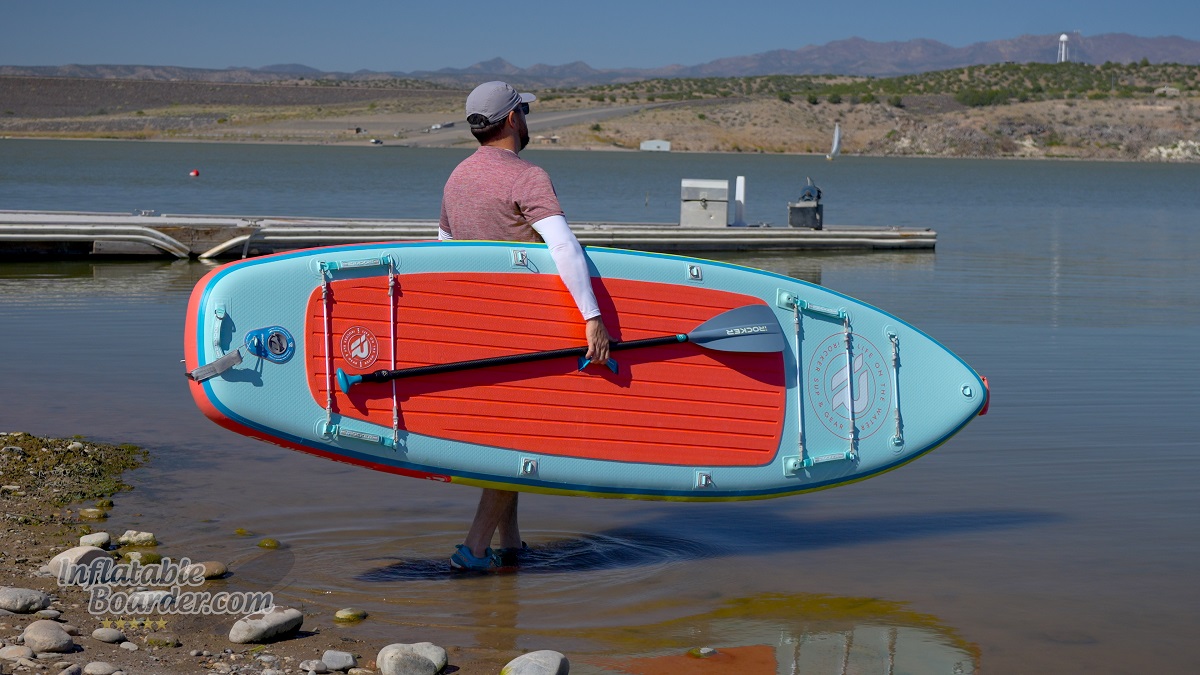
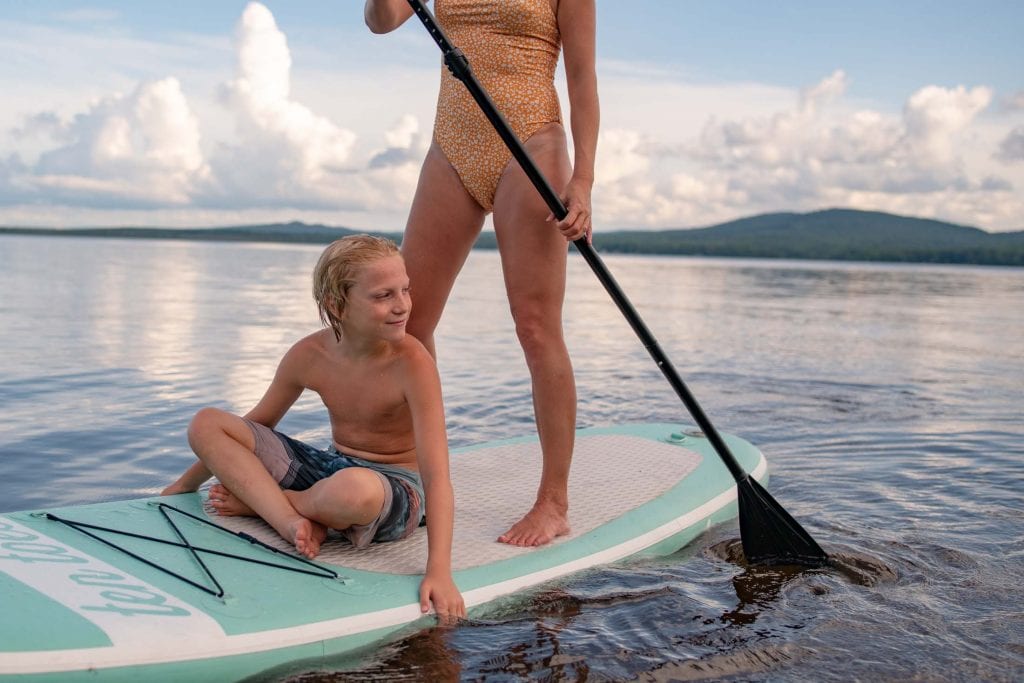
Stand-up paddleboards are where weight ratings get most misleading. Many entry-level hardboards cap at 240 pounds, which is the manufacturer rating, not the “you will float comfortably” rating. Red Paddle Co’s larger inflatable boards handle higher rider weights and are some of the most stable plus-friendly SUPs on the market. The iROCKER All-Around series rates in the 400-pound range depending on size, among the highest mainstream ratings for a recreational SUP.
The math on SUPs is this. Underrated boards sink deeper into the water, which makes them less stable, harder to paddle, and more tiring. A board with a higher rating than your body weight will sit higher and respond better. If you’re between 200 and 300 pounds, the larger Red Paddle Co or iROCKER All-Around boards are your best entry points. Outdoor Afro’s paddling programming has long flagged that lower-rated boards quietly exclude bodies that fit comfortably on higher-rated ones.
The Dock Test
This is where everything comes together. Before you push off, run the dock test. Clip every buckle on your PFD. Tighten the side straps so the device is snug against your rib cage, not loose, not so tight you cannot breathe. Now lift both arms above your head as if you were waving down a boat for help.
The PFD should not creep up past your sternum. If your chin touches the collar of the PFD when your arms are up, you need a longer-torso fit, not a bigger size. If the buckles slide up to your collarbone, your side straps are too loose, or the PFD is too short in the torso for your body. If the bottom of the PFD lifts off your waist entirely and the whole device shifts toward your shoulders, the size is wrong.
The argument to leave you with is this. The right PFD does not just need to fit. It needs to fit and keep you afloat with your face above water if you flip. A loose PFD will lift off your body in a capsize and slide up to your chin, leaving your face in the water. A PFD that is too small will not provide the buoyancy your body weight requires to stay above the surface at all. The dock test is the ten-minute version of a truth that takes ten seconds to verify in the water and ten seconds too long if you skip it on land. Clip in, lift your arms, look down. If the buckle has crept up past your sternum, take it off and find another one. That is the test. That is the whole thing.