


The moment that decides how a road trip feels usually happens in a parking lot, before anybody has turned a key. You drop into the driver’s seat of a car you have never sat in, reach across for the belt, and find out in about two seconds whether the next six hours are going to be pleasant or a slow negotiation with a buckle. Plus size travellers know that two seconds well. The good news, and it genuinely is good news, is that cars are a far more solvable problem than planes. Belts can be extended by the manufacturer, seats slide and tilt and recline, wheels telescope, and you get to choose the vehicle in the first place. This guide walks through the choices in the order you actually make them: the belt, the car, the rental counter, and then the long haul itself.
Car seatbelt extenders exist, and that changes everything
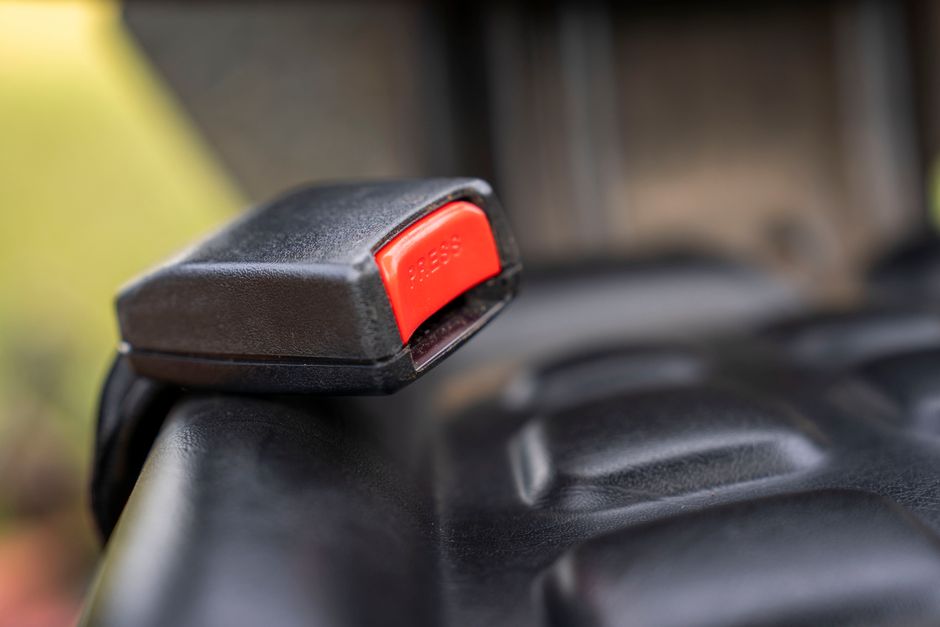
This is the single biggest difference between flying and driving. On a plane you are handed whatever the crew carries. In a car, most major manufacturers produce a seatbelt extender built specifically for their own buckles, and many of them will supply one to an owner on request, often through a dealership parts department or a customer care line. The process is usually a phone call or a form with your vehicle identification number, the seating position you need it for, and sometimes a signed acknowledgement. Availability, cost, and eligibility differ by brand, by model year, and by country, so treat every account you read online as a starting point rather than a promise. Call the manufacturer for the exact car you drive and ask them directly what they supply.
Why the generic universal extender is the risky option
Search for a car belt extender and you will find piles of cheap generic ones sold as universal. They are tempting, they arrive tomorrow, and they are the option safety engineers are most uneasy about. A seatbelt is a restraint system, not a strap: the buckle, the latch, the webbing, and the pretensioner are designed to work together, and inserting an unmatched part into that chain introduces a component nobody crash tested with your car. A generic extender may also fit loosely, add slack, or place the lap belt higher on the abdomen than intended, which changes how force is distributed in a collision. If you want an extender, ask the manufacturer first, ask a dealer second, and confirm with them that the part is approved for your exact vehicle and seat position before you rely on it.
Vehicle types that genuinely run roomier
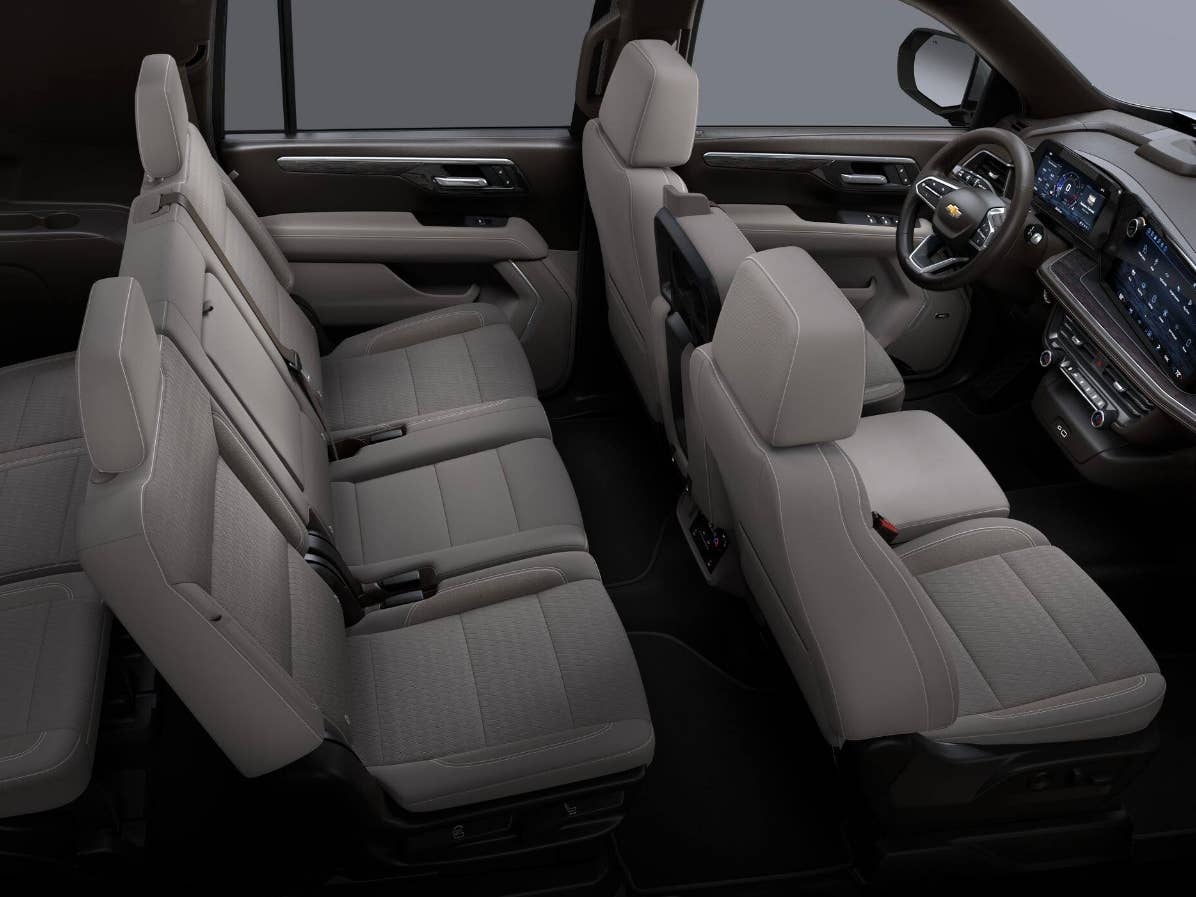
Interior fit varies far more by body style than by badge. Deeply bolstered sport bucket seats, the kind with raised side wings meant to hold a driver in place through corners, are the most restrictive shape on the market, and they show up in coupes, hot hatches, and the sportier trims of otherwise ordinary cars. Flatter seat pans with low or no bolstering are the opposite, and they are common in trucks, larger SUVs, minivans, and base trims of full size sedans. Front bench seating has become rare, but where it still exists in full size pickups it removes the console entirely and gives you the widest seat in the mainstream market. Height helps too, since a taller cabin means less contortion getting in and out.
The console, the door card, and thigh room
Total seat width is only half the story, because what squeezes most people is not the cushion but the two walls beside it. A tall centre console with a padded armrest that runs forward toward the dash narrows the driver’s space at hip level, and modern cars have trended toward exactly that shape for storage. The door card does the same job on the other side. When you sit in a car for the first time, put your hands flat on both sides at hip height and notice where the pressure is. Then check thigh room separately: slide the seat back and see whether the cushion supports your thighs without the front edge digging in, and whether the steering column or a low dash pinches your right leg when you move to the accelerator.
What to check in the lot, in order
Whether you are renting, test driving, or borrowing a friend’s car, the same five checks take under two minutes and tell you everything. Do them before you load luggage, because moving to a different vehicle is easy at that point and awkward once the boot is full. The order matters: belt first, because it is the one thing you cannot work around, then the adjustments, then the details that only bite after three hours.
| Check | How to do it | What it tells you |
|---|---|---|
| Seatbelt length | Sit fully back, pull the belt across and buckle it | Whether this car works at all, before anything else |
| Seat travel | Run the seat fully back and fully down | How much headroom and thigh space you really have |
| Steering wheel | Telescope it out and tilt it up | Whether you can reach the wheel without leaning forward |
| Pedal reach | Rest your foot on the accelerator with the seat back | Whether you need the seat closer than is comfortable |
| Console pressure | Sit normally and notice both hips | How the cabin will feel at hour three, not minute one |
Renting a car without the counter awkwardness
Rental fleets are built around size classes, not models, so booking a class rather than hoping for a particular car is how you get a predictable result. Full size, standard SUV, and large SUV classes give you the flat seat pans and taller cabins described above far more reliably than compact or intermediate. Book the class you want rather than gambling on a free upgrade, since upgrades arrive when the branch is short of small cars and not when you need one. At the counter, a plain logistics sentence does the job: “I need a vehicle with a longer seatbelt and a wider seat, can you tell me which cars on the lot fit that?” You are describing a requirement, the same way somebody asks for a hand control, a tow bar, or a child seat.
Test the belt before you sign the paperwork
Agents will normally let you sit in a car before you accept it, and if the belt does not fasten you are entitled to ask for a different vehicle. Do it in the lot, with the door open, unhurried. If the first car does not work, say so plainly and ask what else is available in that class or the one above. Nobody at the desk needs a description of your body, and framing it as a vehicle problem rather than a personal one keeps the conversation short. Rental fleets almost never carry belt extenders, and staff are generally not permitted to fit aftermarket parts to a company car, so the honest answer is to change the vehicle rather than to hunt for an accessory. Ask when you book as well, since some branches will note the request on the reservation.
Steering wheel clearance, telescoping columns, and adjustable pedals
Belly to wheel clearance is the thing almost nobody writes about honestly, and it deserves a straight answer: it varies enormously between cars, and the adjustments that fix it are specific and worth hunting for. A telescoping column, which pulls the wheel toward you or pushes it away, is the most useful feature on the list, because it lets you move the wheel out of your lap without moving the seat forward. Tilt helps separately by lifting the rim. Power adjustable pedals, still available on some larger vehicles and trucks, solve the opposite problem by bringing the pedals to you so you can sit further back. When a car has all three, the driving position becomes genuinely adjustable rather than a compromise you absorb for six hours.
Comfort over a long haul
Once the car fits, comfort is mostly about pressure and time. Seat cushions are the cheapest upgrade available, and the ones worth having are firm rather than plush, wide enough that you are not perched on a narrow pad, and thin enough that they do not raise you into the roofline or change your relationship with the pedals. A wide memory foam car seat cushion spreads weight across the seat pan instead of concentrating it under your sit bones. Lumbar support is the other half. Built in lumbar adjusters are common in higher trims, and where they are missing a slim strap on lumbar cushion fills the gap behind your lower back without pushing you forward into the wheel.

Stops, movement, and circulation on the road
Sitting still for hours is hard on everybody, and the standard road trip advice about breaking up a long drive applies to bigger bodies with no special caveats. Plan stops into the route rather than treating them as lost time: every ninety minutes to two hours, get out, walk for a few minutes, and move your ankles and shoulders before you get back in. Loosen anything that binds at the waist before a long stretch, keep water within reach, and dress in layers you can shed, since a warm cabin makes everything feel tighter. Compression socks are popular with long distance travellers and some people find them comfortable on drives, but circulation, swelling, and clot risk are medical questions, so ask your doctor about your own situation rather than taking a shopping list from a travel article.
How the road compares to the air
If you are choosing between flying and driving for a trip of five or six hours, the car wins on control almost every time. You pick the vehicle, you set the seat, you decide when to stop, and no stranger is assigned to the space beside you. The trade is time and fatigue, which planning absorbs reasonably well. Air travel runs on a different set of rules entirely, with crew supplied extenders, fixed seat widths, and airline specific policies you cannot adjust once you board, and we cover that ground in detail in our guide to airline seatbelt lengths and extenders. Knowing both sets of rules means you can pick the mode that suits the trip instead of defaulting to whichever one is cheapest that week.
Quick answers to the questions everyone asks
Can I get a seatbelt extender for my own car? Often yes. Many manufacturers make extenders matched to their own buckles and supply them to owners through a dealer parts desk or a customer care line, usually with your vehicle identification number. Terms, cost, and eligibility vary by brand and country, so call the manufacturer for your specific model and confirm what they offer.
Are universal seatbelt extenders safe to use? They are the option safety specialists are most cautious about, because the buckle, webbing, and pretensioner are engineered as one system and a generic part was never tested with your car. It can also add slack or sit the lap belt too high. Ask the manufacturer for an approved extender instead.
Which rental class should I book as a plus size driver? Full size, standard SUV, or large SUV, rather than compact or intermediate. Those classes reliably bring flatter seat pans, taller cabins, and more seat travel. Book the class deliberately instead of hoping for an upgrade, and ask the branch at booking which specific models they stock.
Do rental companies provide seatbelt extenders? Generally not, and staff usually cannot fit aftermarket parts to a company vehicle. The workable answer is to test the belt in the lot before you accept the car and ask for a different vehicle if it does not fasten. Policies differ between companies, so ask when you reserve.
What helps most with steering wheel clearance? A telescoping column, because it moves the wheel away from you without forcing the seat forward. Tilt adjustment adds a little more, and adjustable pedals on some larger vehicles let you sit further back entirely. Check all three during a test drive, since availability changes between trims and model years.
The version of the trip where the car disappears
A road trip goes well when you stop thinking about the vehicle by the end of the first hour. That happens when the belt fastened without a fight, the seat went back far enough, the wheel sits where your hands want it, and the stops are already marked on the route. None of that is luck, and none of it requires a special car. It requires two minutes in the lot, one honest sentence at a rental counter, and a phone call to a manufacturer if your own car needs a longer belt. Models change every year and interiors change with them, so check the actual car in front of you rather than trusting a spec sheet from three years ago. Then get on the road and pay attention to the view instead of the seat.