
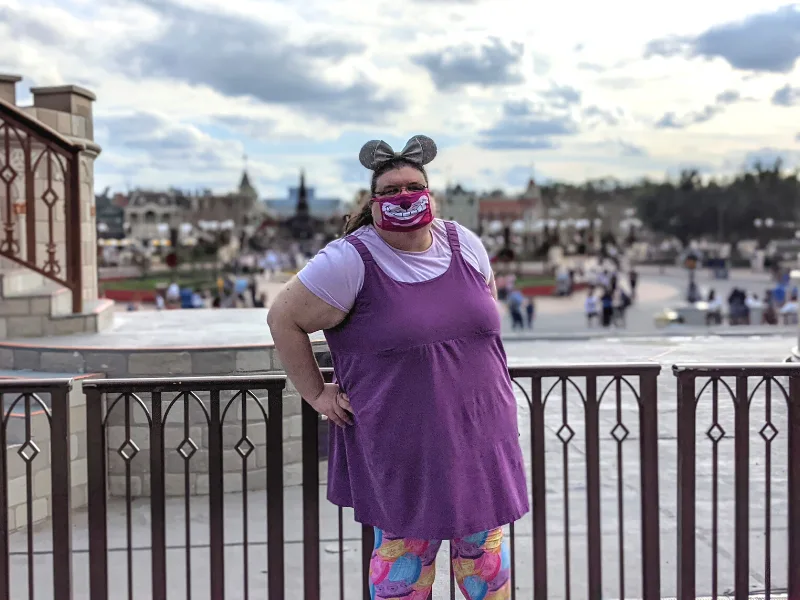

If you have spent any time in plus-size travel forums, you already know the specific dread I am talking about. It is not the drop. It is the loading platform: the moment a lap bar stops moving, or a seatbelt runs out of webbing, and a cast member has to decide something about your body in front of a train full of strangers. People plan entire Walt Disney World trips around that fear, and some skip the parks altogether because of it. So let me give you the honest headline right at the top, before the table, before the tips, before anything else. Walt Disney World is, across its four parks and dozens of attractions, one of the most accommodating major theme park destinations in the world for larger bodies, and the rides where fit genuinely comes up can be counted on one hand.
That is the useful finding, and it is worth sitting with, because it runs against the way most of us have learned to brace for public seating. Disney’s ride catalog leans heavily on boats, trackless vehicles, benches, omnimover pods, and simple lap bars. Those restraint types are structurally forgiving: a bench with a shared bar has nowhere near the tolerance problem of a molded bucket seat with a short belt. The handful of attractions that do use tighter restraints tend to be the newest and the most thrill-forward ones, and most of those have a test seat parked outside precisely so nobody has to find out the hard way. That is the shape of the day. Now here is the part where I get specific, and also where I get careful.
What this guide can and cannot promise you
Disney does not publish seat widths, belt lengths, or weight limits for its attractions. It never has. What it publishes are transfer and mobility requirements in its accessibility guides, plus warning signage posted at the entrances of certain thrill attractions. That means everything in this guide about actual fit comes from the guest record: forum threads, plus-size travel communities, and video reports from riders who share their measurements and their outcomes. I am framing all of it as guest-reported, as of recent reports, and I want you to hold it loosely, because restraints get changed during refurbishments without announcement, and a ride that was friendly two seasons ago can quietly stop being friendly. Please treat the test seat on the day of your visit as the only authoritative answer, and treat this page as a map of where the questions live.
Restraint types, and what each one is actually asking of your body
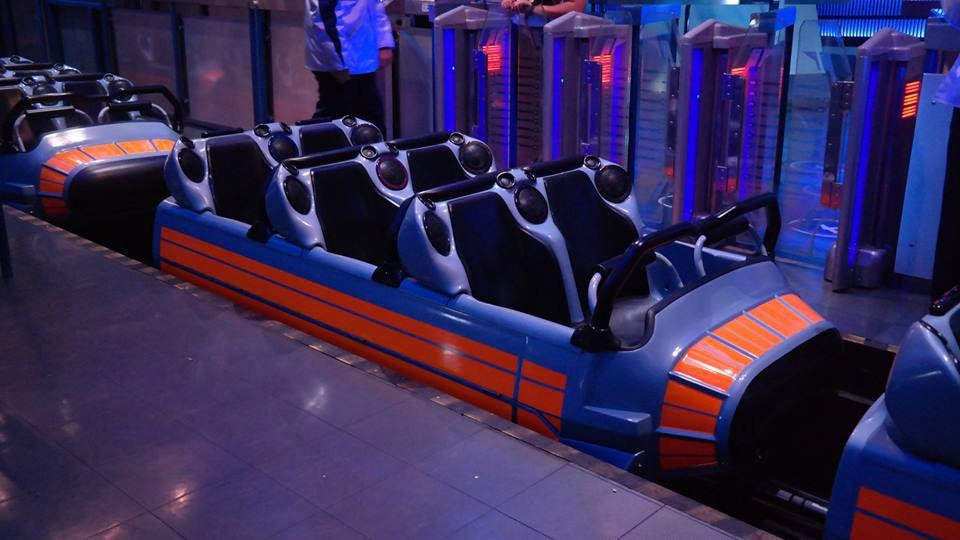
Almost every fit outcome at any park comes down to restraint geometry rather than the number on a scale, so learning to read a restraint on sight is the single most transferable skill in this article. Bench seating with a shared lap bar is the most forgiving arrangement there is, because the bar descends until it contacts the largest person in the row and then stops. Individual lap bars are the next tier down: the bar has to land on your thighs, so the question becomes how much midsection sits above the bar path. Seatbelts are pure circumference, and they gate on hips and upper thighs rather than waist, which is why people are so often surprised by which belt refuses them. Vest and over-the-shoulder harnesses ask about chest and shoulder depth, an entirely different measurement.
Sort yourself by where you carry weight and the map gets clearer immediately. Thigh-heavy bodies meet friction at individual lap bars and short belts. Chest-heavy and broad-shouldered bodies meet it at vests and shoulder harnesses. Wide hips meet it at molded bucket seats and divided benches. Belly-forward bodies meet it wherever a bar has to travel down and inward across the abdomen. It is the same logic that decides whether an airplane belt closes, which is why I always tell people to sort their airline situation before the trip too, using our guide to airline seatbelt lengths and extenders. Same math, different upholstery, and the flight comes first anyway.
The ride-by-ride table for the attractions where fit comes up
I have deliberately left out the dozens of attractions where the restraint is a bench, a boat hull, or nothing at all, because listing every ride you will comfortably fit would be a very long way of saying “most of them.” These are the ones the guest record actually discusses, with the restraint type named so you can match it against your own body rather than against somebody else’s stats. Verdicts are guest-reported and hedged on purpose, and the test seat column reflects what visitors describe finding rather than an official inventory that Disney has published anywhere.
| Attraction | Restraint type | Test seat reported | Guest-reported verdict |
|---|---|---|---|
| Avatar Flight of Passage | Straddle-style banshee seat with back and calf restraints | Yes, near the entrance and queue | Widely described as the tightest fit at Walt Disney World. The back restraint has to make contact and the calf restraints close on the lower legs, so thighs, calves, and belly all matter. Sit in the test seat first, every time. |
| TRON Lightcycle / Run | Motorbike-style over-the-back restraint | Yes, a test vehicle at the entrance | The lean-forward posture is the hurdle, not width. Disney also runs alternate vehicles with a conventional seat and lap bar for guests who cannot use the bike, which makes this ride far more accessible than it looks. |
| Guardians of the Galaxy: Cosmic Rewind | Vest-style restraint | Yes, reported at the entrance area | A chest and shoulder question rather than a hip one. Many larger guests report riding comfortably. Broad-chested riders should use the test seat. |
| Rock ‘n’ Roller Coaster | Lap bar plus seatbelt | Ask at the entrance | The seatbelt is the gate, not the bar. Guest reports skew positive, with the occasional snug buckle for the largest riders. |
| Expedition Everest | Lap bar plus seatbelt | Ask at the entrance | Similar story to Rock ‘n’ Roller Coaster. Belt across the upper thighs is the deciding factor. Generally reported as a yes. |
| Seven Dwarfs Mine Train | Individual lap bar in swaying cars | Ask at the entrance | The sleeper. It looks like a family coaster and it is, but the small cars and individual bar are reported snug across the belly for some larger guests. |
| Space Mountain | Lap bar in single-file rockets | Ask at the entrance | Narrow, deep, single-file seating. Reported as a squeeze for wide hips and shoulders more than a hard no. Comfort is the real issue here. |
| Slinky Dog Dash | Individual lap bar | Ask at the entrance | Individual seats with a bar over the thighs. Mostly reported as accommodating, occasionally described as tight. |
| Mission: SPACE | Over-shoulder harness plus belt in a small capsule | Ask at the entrance | The capsule is close-quarters by design. Chest depth and claustrophobia both come up in guest reports more than width does. |
| Test Track | Seatbelt in a car-style seat | Ask at the entrance | Generally reported as comfortable, with a belt that runs longer than most. |
| Kali River Rapids | Raft bench with seatbelt | Ask at the entrance | Bench seating around a circular raft, with a belt. Reported as usually fine, occasionally snug depending on where you land in the raft. |
| Millennium Falcon: Smugglers Run | Cockpit seat with seatbelt | Ask at the entrance | Close quarters in the cockpit rather than a restraint problem. Most guests report no trouble buckling. |
| Tomorrowland Speedway and Astro Orbiter | Small vehicle seats, lap bar or belt | No | Two of the most reliably awkward seats in Magic Kingdom, and both are gentle attractions. Small cockpits, not thrill restraints. |
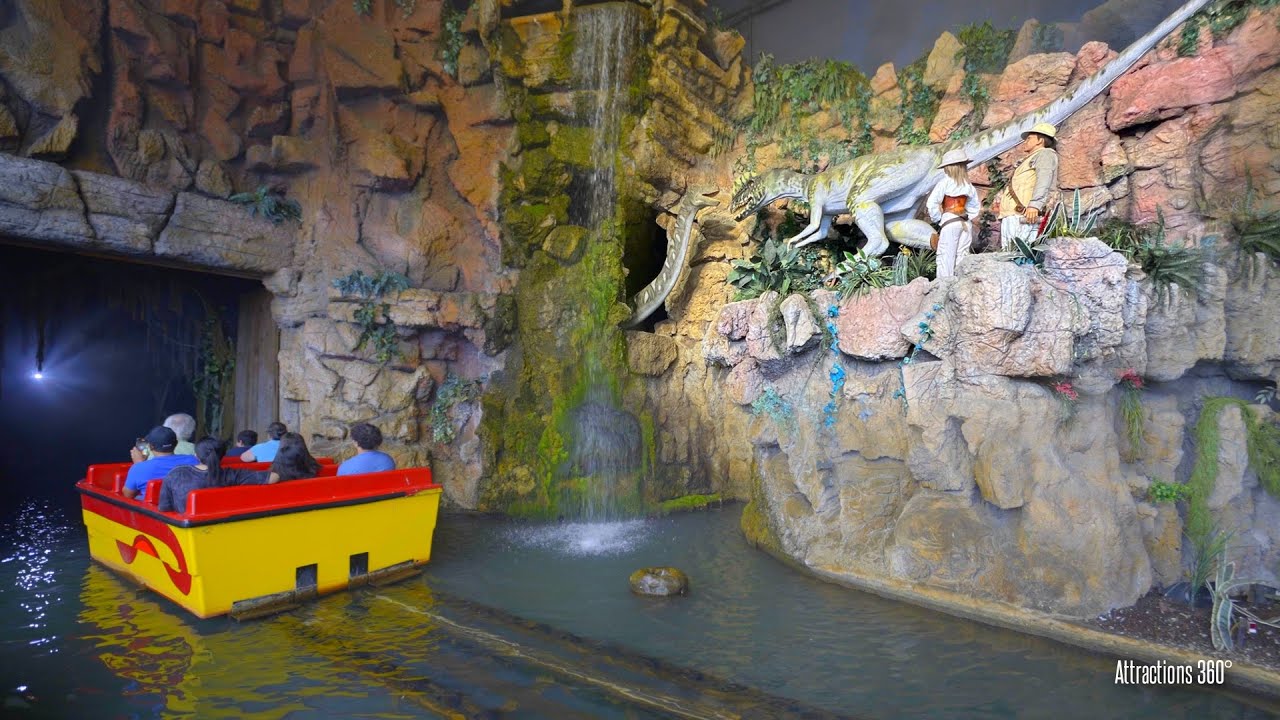
| Big Thunder Mountain, Tiana’s Bayou Adventure, Pirates, Haunted Mansion, dark rides and boats | Bench, log, boat, or omnimover with a shared bar or no restraint | No | The bulk of the resort. Overwhelmingly reported as comfortable for plus-size guests. This is why Disney earns its reputation. |
The rides plus-size guests actually plan around
Flight of Passage is the one that comes up in every thread, and it deserves the attention because it is a genuinely different restraint from anything else on property. You straddle a seat like a motorcycle, lean forward into a chest pad, and a back restraint presses in behind you while restraints close over your calves. That means it can be gated by any of three separate measurements, and a body that clears lap bars everywhere else can still meet a wall here. The good news is that the test seat is easy to find and cast members are used to guests using it. If you are anxious about one single ride at Walt Disney World, statistically it is this one, and you can settle the question in under a minute on your first morning.
TRON is the second name that comes up, and the story there is more encouraging than the marketing images suggest. The headline vehicle is a lightcycle you lean forward onto, which suits some bodies and not others regardless of size, since it is as much about back flexibility and belly clearance as circumference. Disney runs alternate vehicles with a conventional seat and lap bar, and asking for one is a normal, unremarkable request that cast members handle constantly. Guardians of the Galaxy sits third on the worry list, and its vest restraint is broadly reported as generous, which surprises people who see the word “vest” and assume the worst. Chest depth is the only real variable.
Using a test seat without making it a moment
Here is the reframe I wish someone had handed me years ago: a test seat is not an audition and it is not a scale. It is the only piece of hard information the park will give you all day, and it costs nothing to use. Nobody queues behind you to watch, cast members do not comment, and half the people who sit in them are ten-year-olds messing around. Go at rope drop when the walkways are empty, work through the test seats that matter to you, and you will have converted an entire day of anticipatory dread into a checklist you finished before your first coffee. Guests consistently report that fits get harder later in the day, after meals and after Florida heat has done its swelling work, so morning is also when your odds are best.
One caveat worth carrying: test seats and the actual ride vehicles are not always calibrated identically, and riders at parks everywhere report both directions of mismatch. A test seat that closes comfortably is strong evidence, not a signed contract, and a test seat that will not close is worth believing rather than arguing with. If a test seat is borderline, ask a cast member directly whether the onboard restraints run the same. They answer that question routinely and they will tell you the truth.
Modified rows, alternate vehicles, and how to ask for them
Disney’s accommodations for larger bodies are less about labeled “big seats” than at some regional coaster parks and more about alternate vehicles and flexible seating placement. TRON’s conventional-seat vehicles are the clearest example. Beyond that, cast members at boat and log attractions will often seat you in a row with more clearance if you ask, and on shared-bench rides you can request not to share a bench, which solves the two-adults-plus-a-bar geometry problem entirely. On raft rides, where you sit in the circle affects how much room you get. None of these requests require explanation, documentation, or apology. The script is four words long: “Which seat fits best?” Say it at the entrance rather than at the vehicle, where the crew has time to actually route you instead of having to sort it out with a loaded ride waiting behind you.
If a restraint will not close
Let me walk you through the actual mechanics, because the imagined version is always worse than the real one. On most attractions the check happens quickly and quietly. A cast member will try the restraint, may ask you to shift back or lift your arms, will often give the bar a firmer push, and if it still will not lock they will tell you plainly and direct you to the exit. There is no announcement, no held train, no crowd reaction. It takes seconds. Disney also trains its crews carefully on this, and guest reports about the tone of these moments at Walt Disney World are notably kinder than at many other parks. Walk out, breathe, and go ride something else. It is a hardware measurement, not a verdict on you.
A few things genuinely improve your odds before you get there. Wear thin, stretchy bottoms rather than structured denim or cargo shorts, because rigid fabric holds bulk exactly where a belt needs to travel. Empty your pockets before you sit down, since a phone and keys occupy real estate right where a bar lands. Slide fully back in the seat before the restraint comes down, since not being all the way back is the most common reason a bar stops early. And buckle before lowering the bar when the ride uses both, because doing it in the other order traps the webbing.
Working a Florida park day in a bigger body
Fit is only half of what makes or breaks a plus-size Disney trip. The other half is stamina in heat and humidity that can be genuinely punishing, across a resort where nine to twelve miles of walking in a day is ordinary. Thigh chafing is the single most common trip-ruining complaint in the plus-size Disney community, and it is almost entirely preventable with a slip short or an anti-chafe balm applied before you leave the hotel rather than after the damage starts. Plan a midday indoor break as a scheduled item rather than a fallback, because the air-conditioned shows at Epcot and Animal Kingdom exist and they are free real estate.
Two pieces of gear earn their weight in your bag. A cooling towel you can soak at any water fountain does more for afternoon misery than anything else you can carry, and cushioned wide-fit walking shoes broken in before the trip matter more here than almost anywhere, because the distances are relentless and blisters end days faster than heat does. If you want the coaster-park version of this exercise afterward, our plus-size Cedar Point ride fit guide covers a park where the restraints are far less forgiving and the test seats carry far more weight.
Quick answers to the questions everyone asks
Does Walt Disney World have weight limits on rides? Disney does not publish weight limits or seat dimensions for its attractions, and there is no posted number you can measure yourself against. What exists is warning signage at certain thrill attractions and test seats at the newest ones. Fit is determined by restraint geometry and where you carry weight, not by a threshold on a chart.
Which Disney ride is hardest for plus-size guests? By a wide margin, guest reports point to Avatar Flight of Passage at Animal Kingdom. Its straddle seat, chest pad, back restraint, and calf restraints create several separate points where a larger body can be gated. Use the test seat near the entrance before you invest queue time, and treat it as the honest preview it is.
Are there test seats at Walt Disney World? Yes, at the attractions where fit is most likely to be an issue. Flight of Passage, TRON Lightcycle / Run, and Guardians of the Galaxy: Cosmic Rewind are the ones guests most consistently report finding test seats or test vehicles at. Elsewhere, ask a cast member at the entrance and they will tell you what is available.
Can I ride TRON if the lightcycle does not work for my body? Yes. Disney operates alternate vehicles on TRON with a conventional seat and a lap bar instead of the lean-forward motorbike posture. Ask at the attraction entrance rather than at the load platform. It is a routine request that cast members handle every single day, and it requires no explanation from you.
What should I wear to give myself the best chance? Thin, stretchy bottoms such as athletic shorts or leggings, rather than denim or anything with structured pockets. Empty everything out of your pockets before you sit, since bulk at the hip is exactly where lap bars and belts need clearance. Add a slip short or anti-chafe balm underneath for the walking, not the riding.
Four maybes and a park full of yeses
Here is your plan, compressed into something you can execute on day one. Arrive at opening, walk to the test seats that matter for your body, and clear them before the crowds arrive: Flight of Passage first, then TRON, then Guardians if chest fit is your variable. Ask “which seat fits best” at the entrance of anything that makes you uneasy, and let the crew route you. Save Seven Dwarfs Mine Train, Space Mountain, and the little Tomorrowland cockpits for a moment when you are not already tender, since those are comfort questions rather than hard nos. Then spend the rest of your trip on the enormous majority of Walt Disney World that was designed around benches, boats, and shared bars, and never asks your body a single question. That is not a consolation prize. That is most of the resort, and it has been waiting for you the whole time.