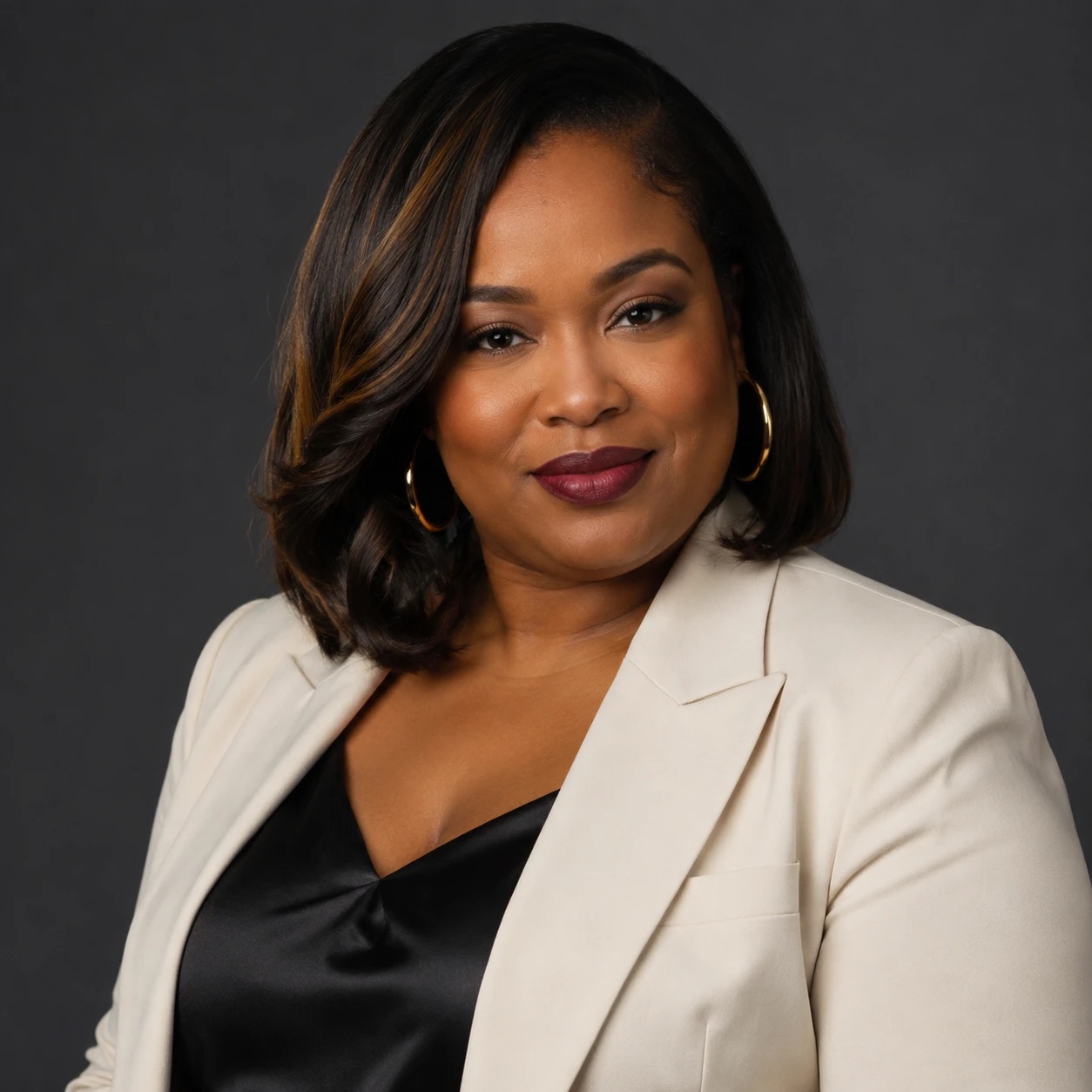
The text lands in the group chat with a color swatch and a link, and everyone else clicks through and picks a style within an hour. You click through and the size dropdown ends at 26. Sometimes 24. That is the moment a lot of us have had, standing in a kitchen with a phone in one hand, deciding whether to say something in the chat or quietly start googling on our own. It is not a small thing. Being in someone’s wedding party means being photographed, standing at the front, wearing the same color as five other people, and the shopping part should not be the hardest part of the whole year. The good news is that size 30 and up is genuinely servable now, but you have to know which corner of the market to shop in, because the mainstream corner will keep telling you no.
Why most bridesmaid lines stop right where you need them to start
Bridesmaid dresses are made differently from regular retail clothing. Most of them are produced by a handful of bridal manufacturers who cut to a house size chart, then sell through boutiques and online storefronts. Those house charts were historically built out to a 24 or 26 and then stopped, partly because bridal fit models rarely go past that point and partly because grading a formal pattern upward is real technical work. Grading is not scaling. A dress that hangs correctly at a size 14 does not simply get bigger at a 30, it needs the bust apex moved, the armhole reshaped, and the waist seam redrawn. Lines that skip that work either stop at 26 or push out a stretched version that pulls across the chest. Knowing this tells you what to look for: not a bigger number in the dropdown, but a brand that talks about how it drafts for larger bodies.
Which kinds of retailers genuinely serve size 30 and up
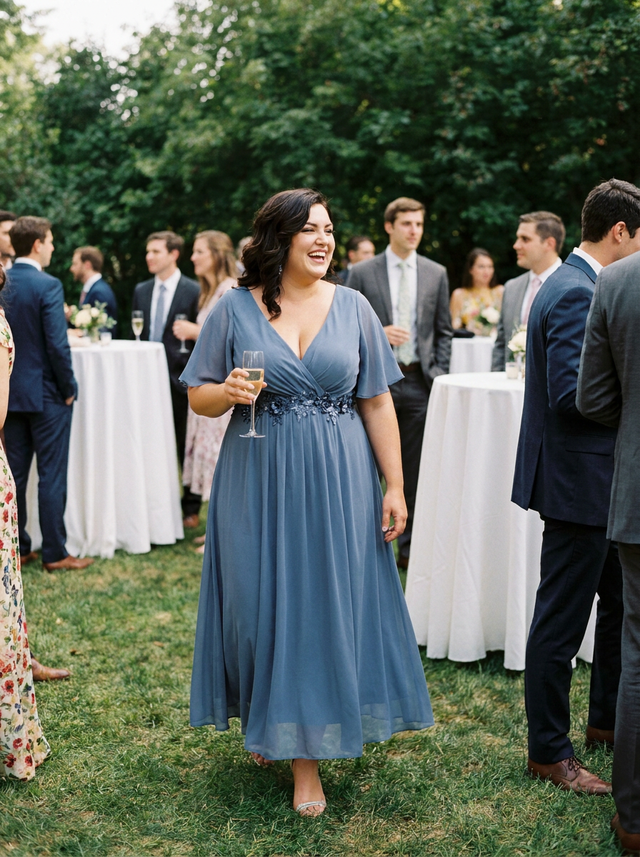
There are four categories worth your time, and they behave very differently. Online bridal specialists such as Azazie and Birdy Grey have pushed their extended ranges further than most boutique lines, and importantly some of their styles are offered in a made to measure option rather than a fixed size. David’s Bridal carries extended sizing in store and online, with the advantage that you can physically try a sample on and see how a color reads on your skin before committing. Independent custom dressmakers and Etsy sellers who specialize in formalwear will cut to your measurements outright, which removes the size chart from the conversation entirely. And plus size fashion brands with occasion categories, including Torrid’s formal maxi dresses, sometimes carry a long dress in a wedding-friendly color that a flexible bride will happily approve. Verify the size range on the specific style you want, because ranges shift dress by dress inside the same brand.
How custom measurement ordering actually works
Custom measurement, sometimes labeled made to measure or custom size, is the single most useful thing in this whole category and most people have never used it. You submit a set of measurements instead of choosing a number: usually bust, waist, hips, hollow to hem, and often shoulder to bust point and arm circumference. The dress is then cut to those numbers rather than to the nearest standard size. At a size 30 and above, this matters more than it does at a 14, because standard grading assumes a fixed relationship between bust, waist, and hip that fewer bodies match the further out the chart goes. If your hip and bust are four sizes apart, standard sizing forces you to buy for the largest measurement and alter everything else down, which is expensive and can wreck the line of the dress. Custom sidesteps that. Measure in the underwear you plan to wear, have someone else hold the tape, and do not suck anything in.
Comparing your realistic options
| Option | Typical size reach | Lead time | Budget tier | Best when |
|---|---|---|---|---|
| Online bridal with custom measurement | Beyond standard charts, cut to your numbers | Longest, order early | Mid | Your measurements do not match one standard size |
| Online bridal, standard extended sizes | Varies by style, verify per dress | Moderate | Entry to mid | You are close to a chart size and want speed |
| National bridal retailer with extended sizing | Extended, try on in store | Moderate, some in stock | Mid | You want to see the color in person first |
| Independent custom dressmaker | No ceiling | Longest, plus fittings | Higher | You want a specific neckline or sleeve nobody sells |
| Plus size brand occasion dress | Brand’s full range | Shortest | Entry | The bride is flexible on exact style |
Fabric honesty: chiffon, satin, crepe, and velvet
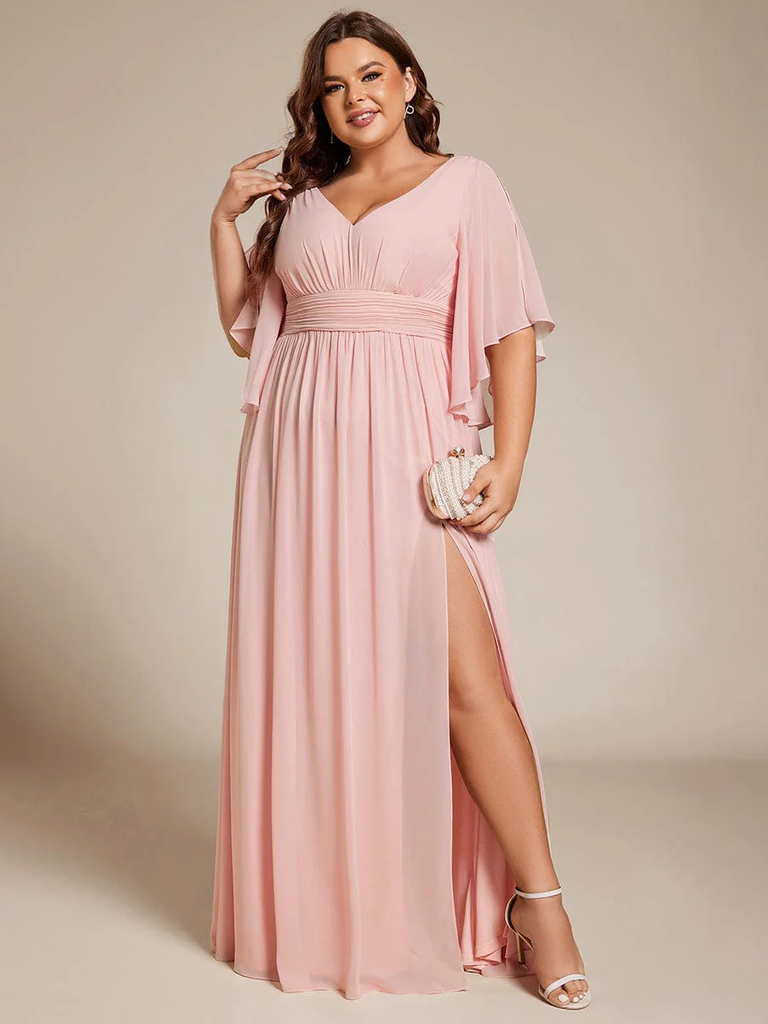
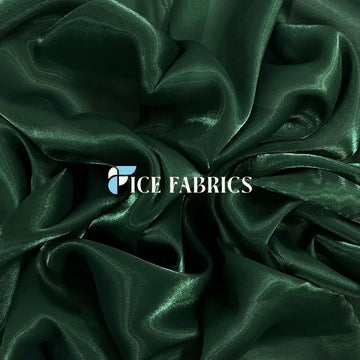
This is where I will be blunt, because a lot of bridal content is not. Chiffon is the workhorse of the bridesmaid world for a reason. It is light, it skims rather than grips, it moves when you walk, and a chiffon A-line over a smooth lining is genuinely forgiving through the midsection while still looking expensive in photographs. Matte satin is the opposite personality. It is heavier, it has a sheen that catches every light source in the room, and it clings to whatever is underneath it, which means every seam of your underwear becomes part of the outfit. That does not make satin off limits, but you need a good slip and you need to accept the clinging rather than be surprised by it on the day. Stretch crepe sits between the two and travels well. Velvet reads gorgeous in winter photos and holds structure beautifully, but it is warm enough that an outdoor summer wedding in it is a mistake you only make once.
Silhouettes that hold up through a whole wedding day
An A-line with a defined waist seam is the most reliable shape available in this category. It gives the eye a waist, it releases fabric over the hip and thigh instead of fighting them, and it lets you sit down at the reception without recalculating your whole posture. Empire waists work well if the seam actually sits under your bust rather than across it, which is exactly the detail that gets lost in a stretched size chart and exactly what custom measurement fixes. Wrap and faux wrap bodices are adjustable but need a stitch at the crossover unless you enjoy monitoring your own neckline all evening. Full length hides comfortable shoes, which is a bigger win than it sounds when you are standing through a ceremony and two hours of photographs. If sleeves matter to you, ask early. Many custom sellers will add a flutter or elbow sleeve for a modest upcharge, and almost none will add one after cutting.
Matching the rest of the party without matching the retailer
Here is the strategy that saves the most weddings: match on color and fabric, not on brand. If the other bridesmaids are ordering a dusty blue chiffon and your size lives in a different line, order a swatch from each retailer and compare them in daylight before anyone commits. Bridal color names are marketing, not standards, and two brands calling something sage will not photograph as the same green. The mismatched bridesmaid look has been normal for years now, so a different neckline or skirt shape reads as intentional rather than as a compromise. A fabric mismatch does not, because matte and shiny in the same photo row look like an accident even when the colors line up. Bring this up with the bride early and frame it as a plan, because most brides just want everyone comfortable and photographed well. If you are also shopping for other weddings this season, our guide to wedding guest dresses in size 26 and up covers the non-party version of this same hunt.
Budget tiers and what your money actually buys
Skip the exact numbers you see quoted online, because bridal pricing moves constantly and varies by style, fabric quantity, and season. Think in three tiers instead. The entry tier is an occasion dress from a plus size fashion brand or a basic style from an online bridal specialist, usually unlined or lightly lined, with simpler seaming. The mid tier is where most custom measurement bridal ordering sits, and the extra money is buying you drafting, better lining, and a fabric that holds its shape. The upper tier is an independent dressmaker or a designer bridal line, where you are paying for fittings and for a garment built to your body from scratch. Budget separately for three things people forget: alterations, foundation garments, and shoes. A well-fitting smoothing slip does more for how a satin dress photographs than any amount of extra spend on the dress itself, and something like a plus size smoothing full slip is the cheapest upgrade in the entire outfit.
Alterations: what to expect and how much time to leave
Even a custom measured dress usually needs something. Bodies change between the measuring appointment and the wedding, and hem length depends on the shoes you have not bought yet. Plan on at least two fittings, and treat six to eight weeks before the date as your target for the first one. Bring the exact bra, slip, and shoes every time, because a hem pinned in flats and worn in heels will drag on the floor. The alterations most commonly needed at this size are hem, strap shortening, side seam adjustment through the waist, and a bust dart tweak so the fullest part of the cup lands where your bust actually is. Ask your seamstress upfront whether she works with formalwear and heavier linings, and ask for a price per adjustment rather than a vague total. If your feet are going to carry you through all of it, a supportive pair of wide width block heel dress shoes is worth choosing before the hem gets pinned.
Quick answers to the questions everyone asks
Do any bridesmaid brands really go past size 26? Yes, but unevenly. Online bridal specialists and national bridal retailers have pushed extended ranges out further than boutique lines, and several offer custom measurement instead of a fixed size. Ranges differ style by style inside the same brand, so check the dropdown on the exact dress you want rather than trusting a general brand claim.
Is custom measurement worth the extra cost? Usually yes at this size, because standard grading assumes a fixed bust to waist to hip relationship that many bodies do not match. Buying up to fit your largest measurement then altering everything else down often costs more in alterations than custom would have cost, and it can distort the dress lines permanently.
How early should I order? Earlier than feels necessary. Custom and made to measure dresses have the longest production windows, and international shipping adds unpredictable time on top. Aim to order as soon as the color is settled, and build in enough cushion that a delayed delivery still leaves room for two fittings before the wedding date.
What if I do not match the other bridesmaids exactly? That is completely normal now. Match the color and the fabric finish, then let the silhouette differ. Compare physical swatches in daylight rather than trusting screen colors, and tell the bride your plan early so the difference reads as a deliberate styling choice in the photographs.
Can I return a custom measured dress? Generally no, or only with a restocking fee, because it was cut for you. Read the return policy before you submit measurements, take the measurements twice on different days, and photograph the confirmation screen. Some sellers offer a small alteration credit instead of returns, which is worth asking about upfront.
Your shopping order of operations
Start with the color, because it is the only thing the bride truly controls and everything else follows from it. Order swatches from two retailers in that color and compare them next to each other in daylight. Get measured properly, in the underwear you plan to wear, with someone else holding the tape. Then choose your lane: custom measurement if your proportions do not match a chart, extended standard sizing if they roughly do and you want a shorter wait, an independent dressmaker if you want a neckline or sleeve nobody stocks. Book the seamstress the same week you order the dress, not the week it arrives. And keep the group chat informed as you go, because the friend who says “mine ships in ten weeks, here is my swatch” is the friend who makes the whole party easier to coordinate.