
You know the moment. You are at a wedding, the speeches are running long, and you can feel the top of your shapewear slowly surrendering, folding itself into a tight little sausage roll just under your ribs. So you excuse yourself, find the bathroom, and do the discreet reach-and-yank that every woman who has ever worn shaping underwear knows by heart. It is annoying, it is uncomfortable, and it quietly ruins the confidence the shapewear was supposed to give you in the first place.
Here is the good news, and I mean this as someone who has thrown more than one rolled-down piece in the donate pile out of pure frustration. Shapewear that stays put exists, and getting it is almost entirely about knowing what to look for before you buy. The rolling, the digging, the riding up, none of that is a tax you have to pay for a smooth line. It is a fit and design problem, and fit and design problems have solutions.
Why shapewear rolls down and digs in
Almost every time a piece rolls at the waist or bites into your thigh, the culprit is one of two things: the wrong style for your body, or the wrong size. It is rarely you, and it is definitely not a sign that you need to size down into something punishing. When a waistband sits on the widest part of your midsection with nothing above it to hold it in place, your own movement pushes it down. Sit, bend, laugh at the toast, and physics does the rest. The band has nowhere to anchor, so it migrates to the path of least resistance, which is down and under the curve of your belly.
Digging is the same story from the other direction. A piece that is too small does not shape you more, it just concentrates all its pressure into a couple of thin lines that carve into your skin and leave marks. Real shaping comes from smooth, distributed compression across a wide surface, not from a tight elastic edge trying to hold back everything on its own. Once you understand those two failure points, the features that fix them stop looking like marketing and start looking like the actual answers they are.
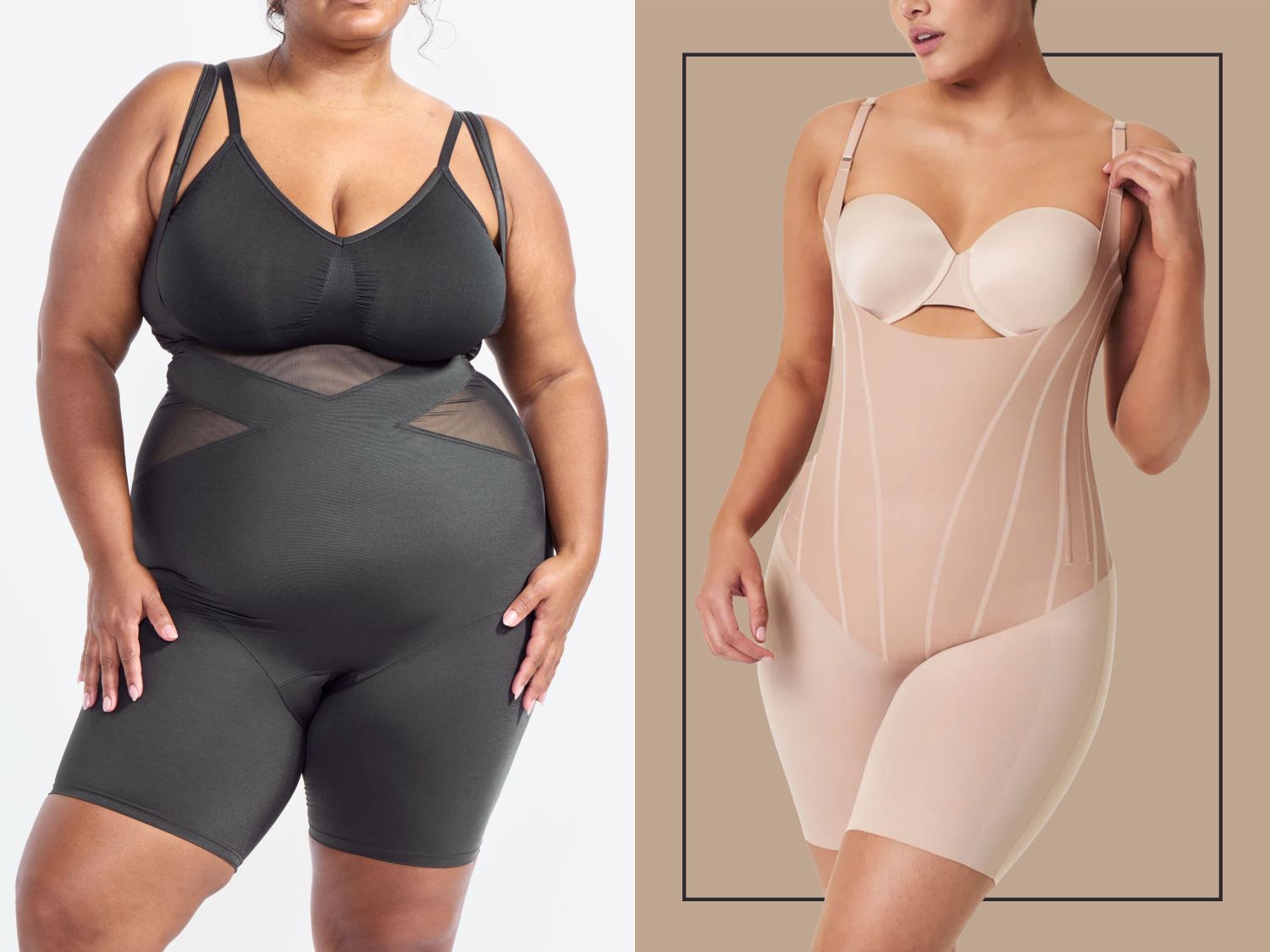
Shorts anchor, briefs roll
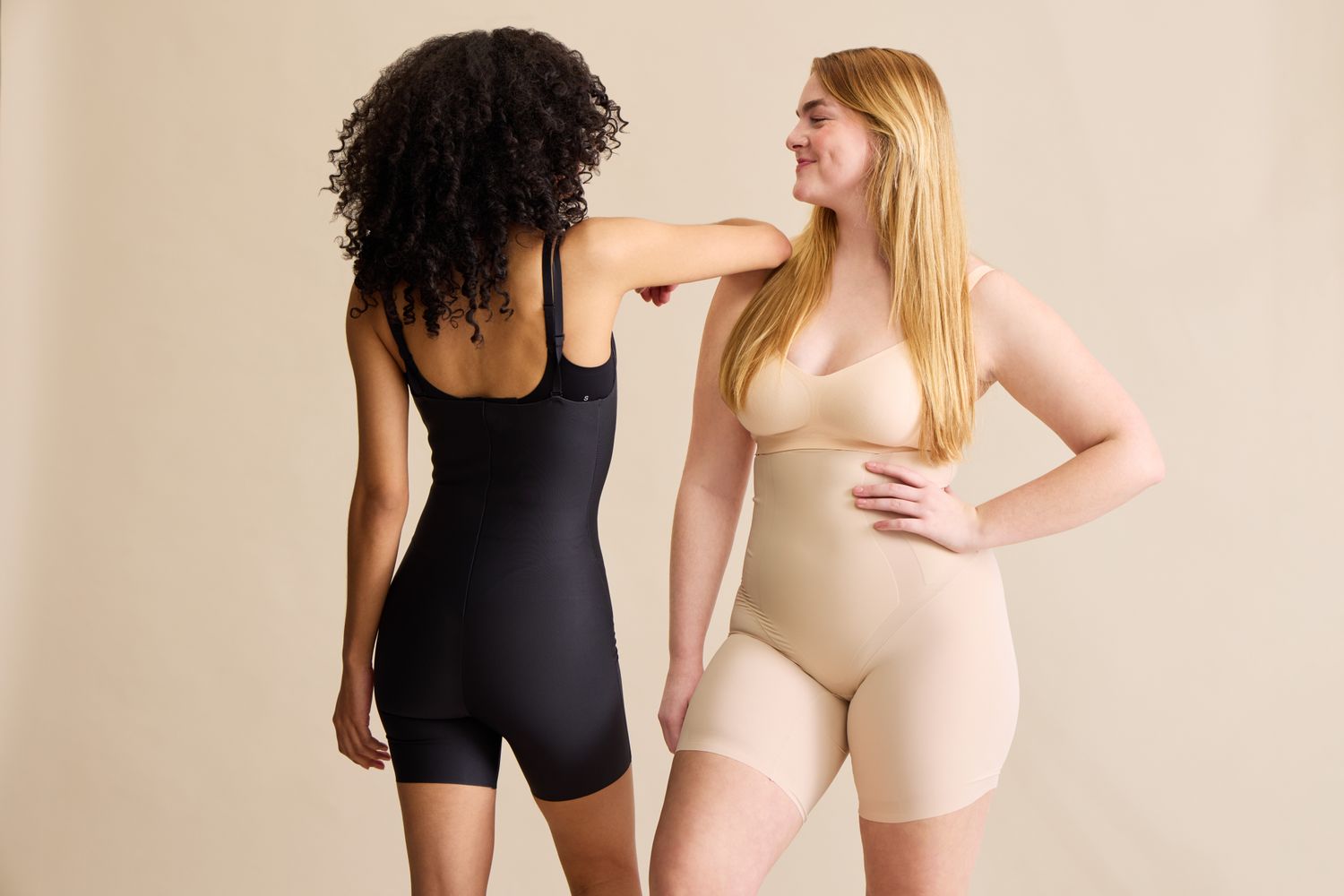
If you take one thing from this whole guide, take this. Shaping shorts stay put far better than shaping briefs, and the reason is simple leverage. A short extends its compression down onto your thighs, so the garment grips a long stretch of your body and has real anchor points below your midsection. A brief stops at the top of your legs with nothing holding its lower edge, so it rides up and its waistband rolls down, meeting in the worst possible place around your lower belly. For most plus-size bodies, a mid-thigh short is the single most reliable style there is.
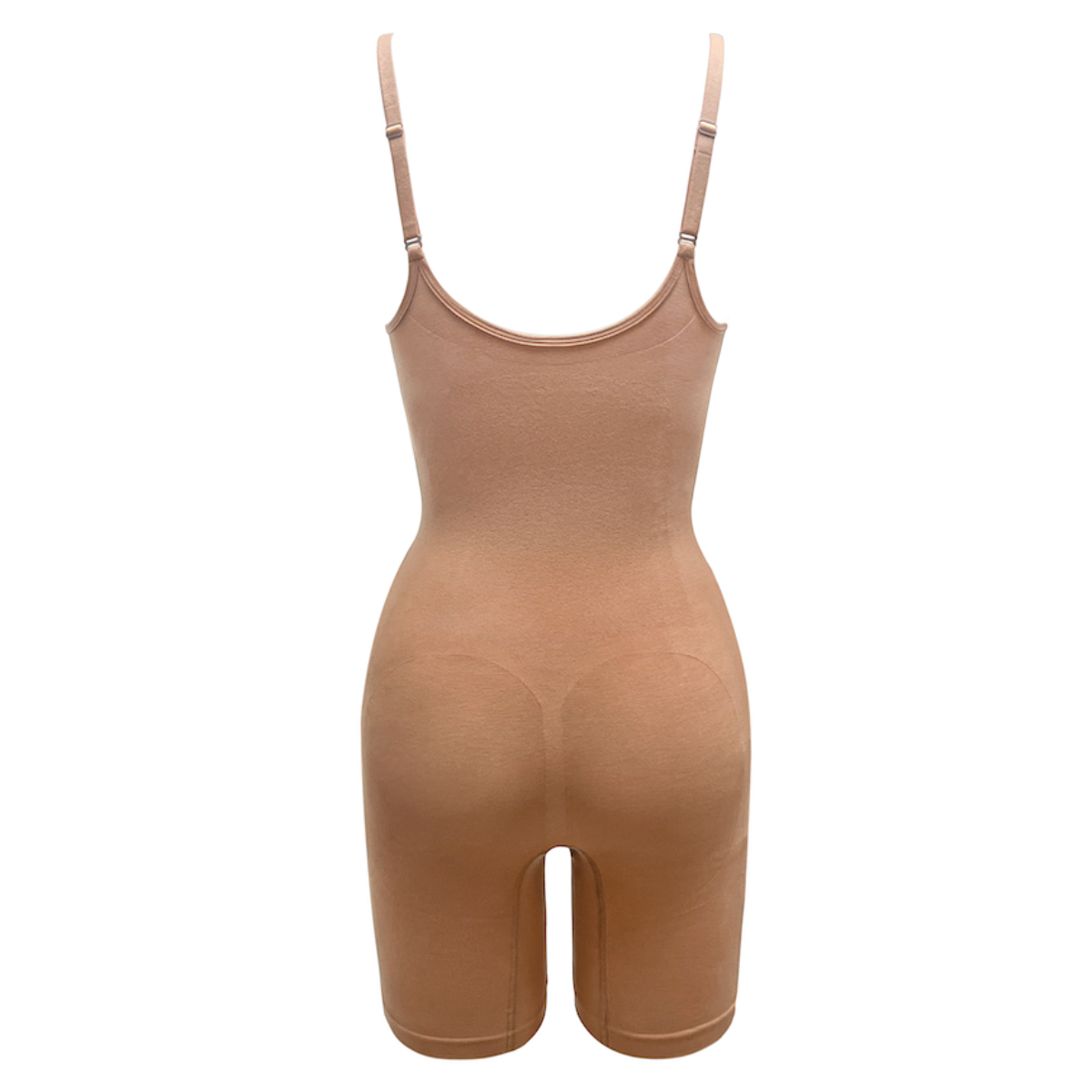
Torrid makes a genuinely good high-waisted shaping short in extended sizes, and it is the style I steer people toward first when they tell me nothing ever stays up. If you prefer full coverage that cannot separate into two migrating pieces at all, a one-and-done shaping bodysuit solves the problem by design, because a bodysuit has nowhere to roll to. Both cost more upfront than a bargain brief, and both earn it the first time you get through an entire evening without a single trip to the bathroom to fix yourself.
High-waisted is not optional
The rise is the other half of the anchor. A high-waisted piece that comes up well past your belly button distributes light pressure across your whole midsection instead of squeezing one narrow band low on your stomach. That height gives the garment something to hold onto above the fullest part of you, which is exactly what stops the downward slide. When the top edge sits at your natural waist, the narrowest point, it has a natural shelf to rest against. When it sits lower, on the widest curve, gravity and movement win every time.
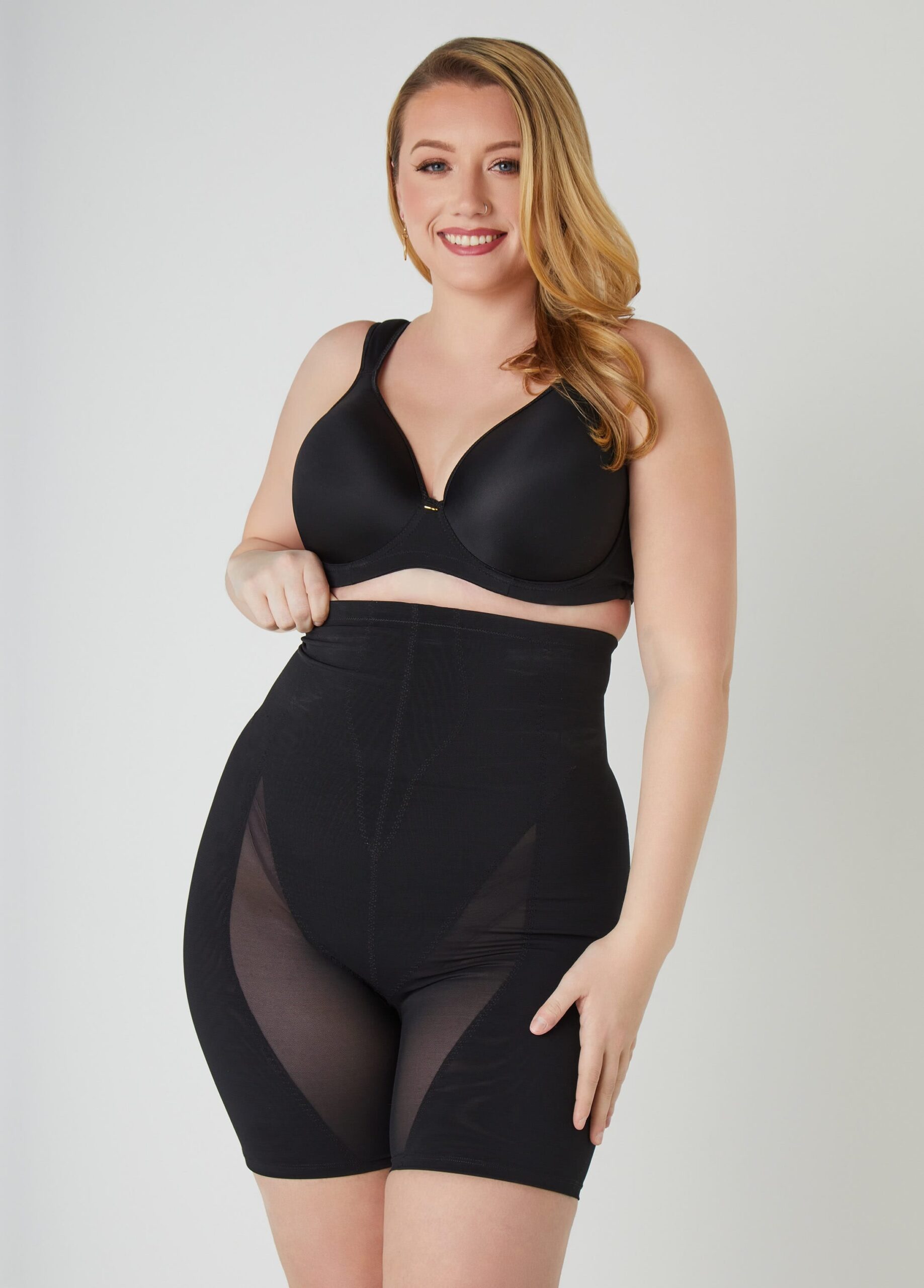
This is also why the tiny, low-cut shaping briefs you see marketed as invisible are so often the ones that fail you. They are trying to smooth the exact part of the body they have no leverage over. If your main concern is a lower-belly pooch, height matters even more, because you want the panel to start below the pooch and extend well above it, cradling the whole area rather than cutting across the middle of it and creating a fresh ledge.
The features that actually hold
Once you are looking at high-waisted shorts or a bodysuit, a few specific details separate the pieces that stay put from the ones that disappoint. The first is a silicone grip strip along the inside of the waistband. That thin band of tacky silicone holds gently to your skin and stops the top edge from creeping down, and it is the single most effective anti-roll feature you can look for. The second is a wide, bonded waistband rather than a thin elastic one, because width spreads the hold over more skin so it grips without carving in.
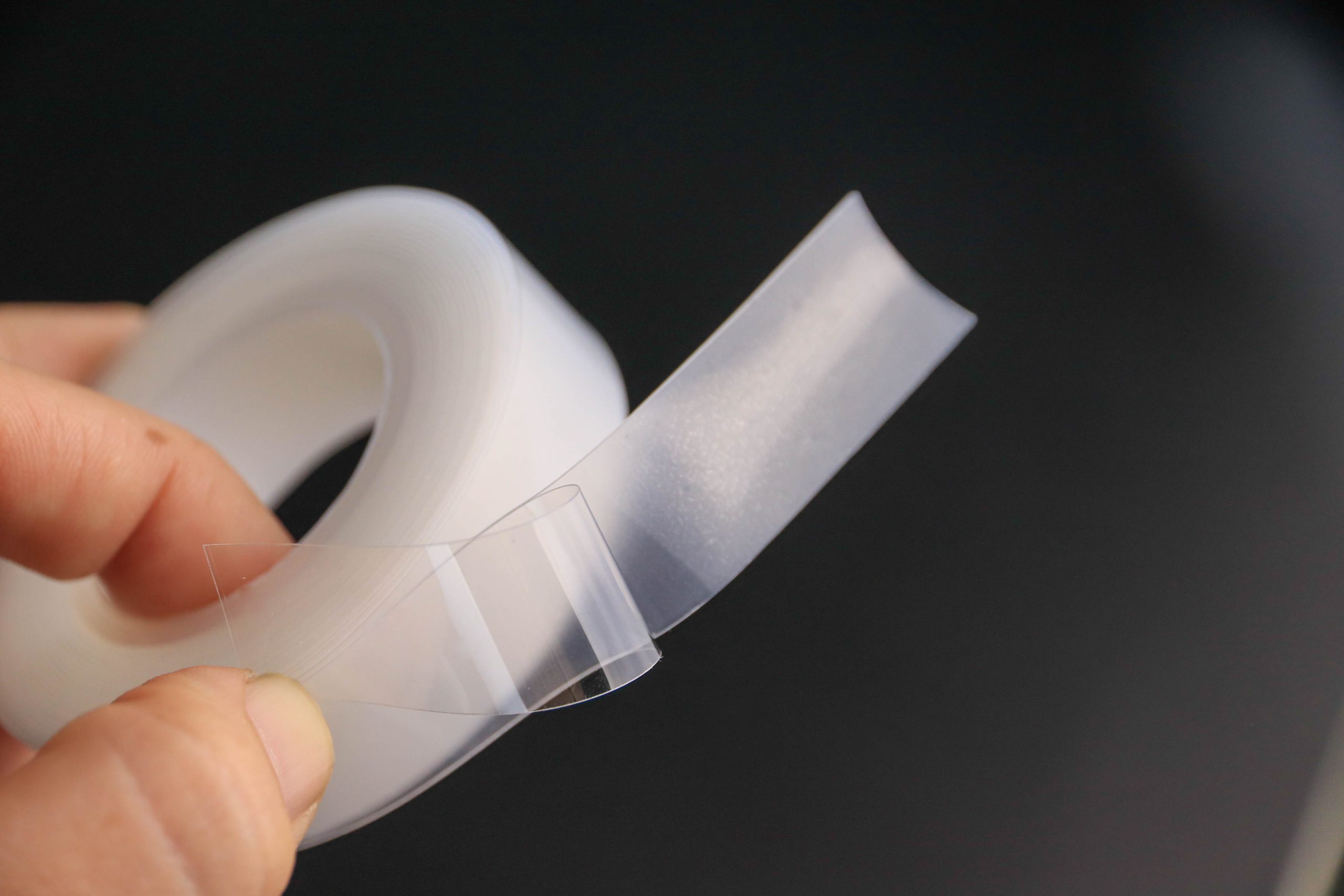
Brands have caught on to this, and the better ones build these features in as standard now. Leonisa and Honeylove both make high-waisted pieces with bonded waistbands and silicone lining, and a well-made high-waisted shaper with a silicone band is worth the small premium over a basic version without one. When you are shopping, read the product description for the words bonded, silicone, or stay-put, and be a little skeptical of any piece that stays quiet about how it plans to hold itself up.
Getting the size right, which usually means not sizing down
This is where so many of us go wrong, myself included for years. When shapewear rolls or digs, the instinct is to blame our bodies and buy a smaller size to squeeze harder. That almost always makes both problems worse. A too-small piece has less fabric touching your skin, so its edges bite in, and its overstretched waistband gives up and rolls faster. The goal is firm, smooth, sustained compression across a broad surface, and you get that from the correct size, sometimes even a size up, not from the smallest one you can wriggle into.
Use a simple test. When it is on, the compression should feel like a firm, even hug that you forget about after a few minutes. If the fabric is carving lines into your skin, pinching, or making it hard to take a full breath, it is too small, full stop. If you can pull the waistband a couple of inches away from your body with no resistance, it is too big and will slide. Buy for the measurement, follow the brand’s own size chart rather than your dress size, and give a new piece an honest ten minutes on before you judge it.
The anchor trick that costs nothing
Here is a small styling move that makes even good shapewear behave better. When you can, wear a skirt or trousers that sit at your natural waist over the top of it. The waistband of your outer layer presses gently against the top of your shapewear and gives it a second thing to hold onto, so the two work together instead of the shaping layer fighting gravity alone. It is the same anchoring logic as the shorts and the high rise, just borrowed from your actual outfit, and it is free.
What to buy for your specific concern
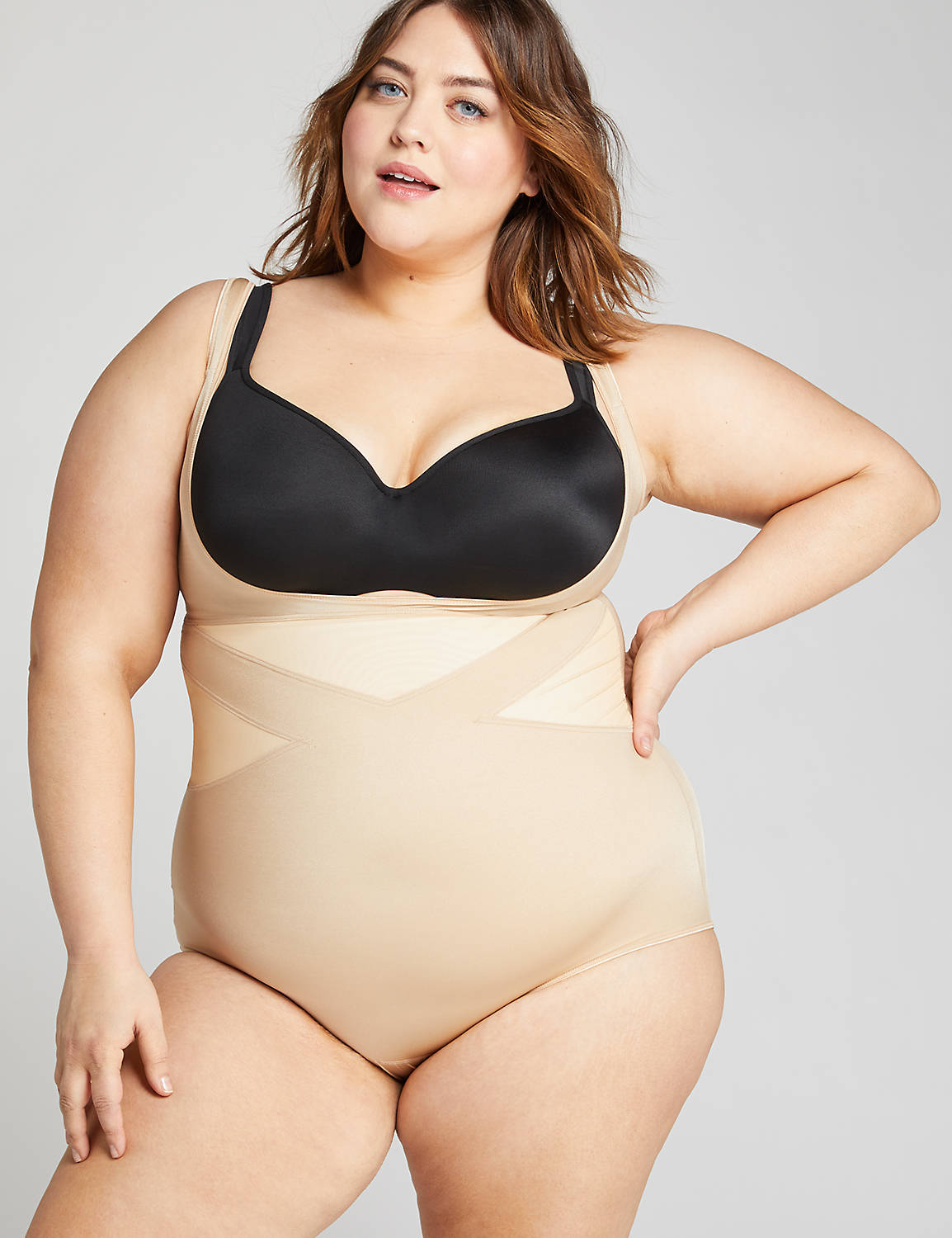
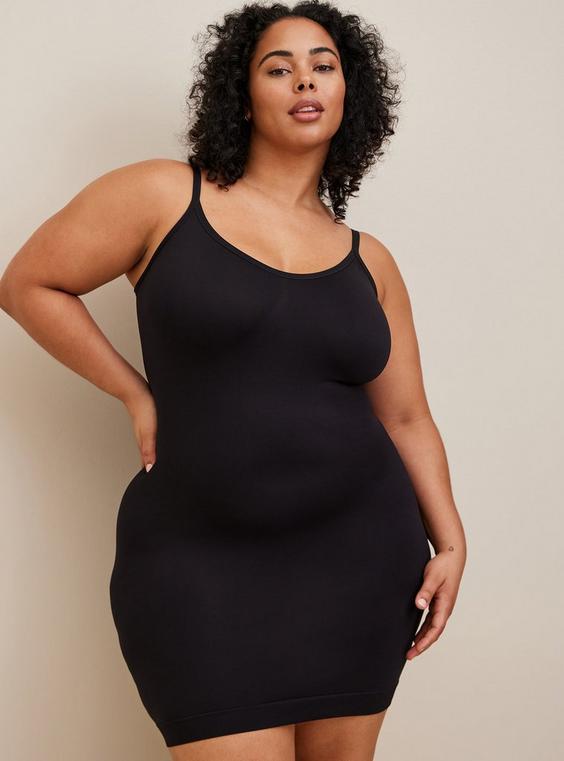
If your main worry is a lower-belly pooch, prioritize rise above everything and choose a high-waisted short or a bodysuit whose panel clearly extends above the belly button. If you are getting dressed for a long event and cannot risk any adjustment, a full bodysuit removes the roll problem entirely because it is one continuous piece. For everyday wear under work clothes, a comfortable, breathable high-waisted short in your true size will carry you from morning to evening. Torrid and Lane Bryant both cut their shaping pieces for plus-size proportions rather than grading up a straight-size pattern, and a plus-size shaping bodysuit from a brand that actually designs for our bodies fits at the hip and thigh in a way that generic shapewear rarely does.
Whatever you choose, remember that the piece is there to serve you for a few hours and then come off. It should make you forget you are wearing it, not count down the minutes until you can take it off. If a piece fails that test, it is the piece that is wrong, not you.
Quick answers to the questions everyone asks
How do I stop shapewear rolling down at the waist? Choose a high-waisted style that sits well above your belly button, look for a silicone grip strip and a wide bonded waistband, and make sure you are in the correct size rather than one that is too small. Shorts roll far less than briefs because the thigh compression anchors them.
What is the best shapewear for a lower-belly pooch? A high-waisted shaping short or bodysuit whose front panel starts below the pooch and extends above the belly button. Height is what smooths that area, because a low-cut piece just cuts across the middle of it and creates a new ledge. Firm, wide compression beats a tight low band every time.
What shapewear stays put under a dress? A one-piece shaping bodysuit is the most reliable choice under a dress, because it cannot separate into two pieces that migrate. If you prefer separates, a high-waisted short with a silicone waistband and a natural-waist fit will hold, especially if the dress itself nips in at the waist to help anchor it.
Shorts or briefs for tummy control? Shorts, almost always. Briefs stop at the top of the thigh with nothing to hold their lower edge, so they ride up and roll down. Shorts extend the compression onto the thighs, giving the whole garment real anchor points, which is why they stay smooth and put for far longer.
Is it normal for shapewear to feel tight? Firm, yes. Painful, no. Good shapewear feels like an even, all-over hug that you stop noticing within a few minutes. If it is pinching, leaving deep marks, or making it hard to breathe, it is too small and will actually perform worse, not better. Size for smooth compression, not maximum squeeze.
Your simple shopping checklist
Next time you shop, keep it to five questions. Is it high-waisted, coming up past the belly button? Is it a short or a bodysuit rather than a brief? Does it have a silicone grip strip and a wide bonded waistband? Are you buying your true measured size instead of sizing down? And can you anchor it with a natural-waist skirt or trouser on top? Get four or five yeses and you have found a piece that will stay exactly where you put it, quietly doing its job while you forget it is even there. That is what shapewear is supposed to feel like.