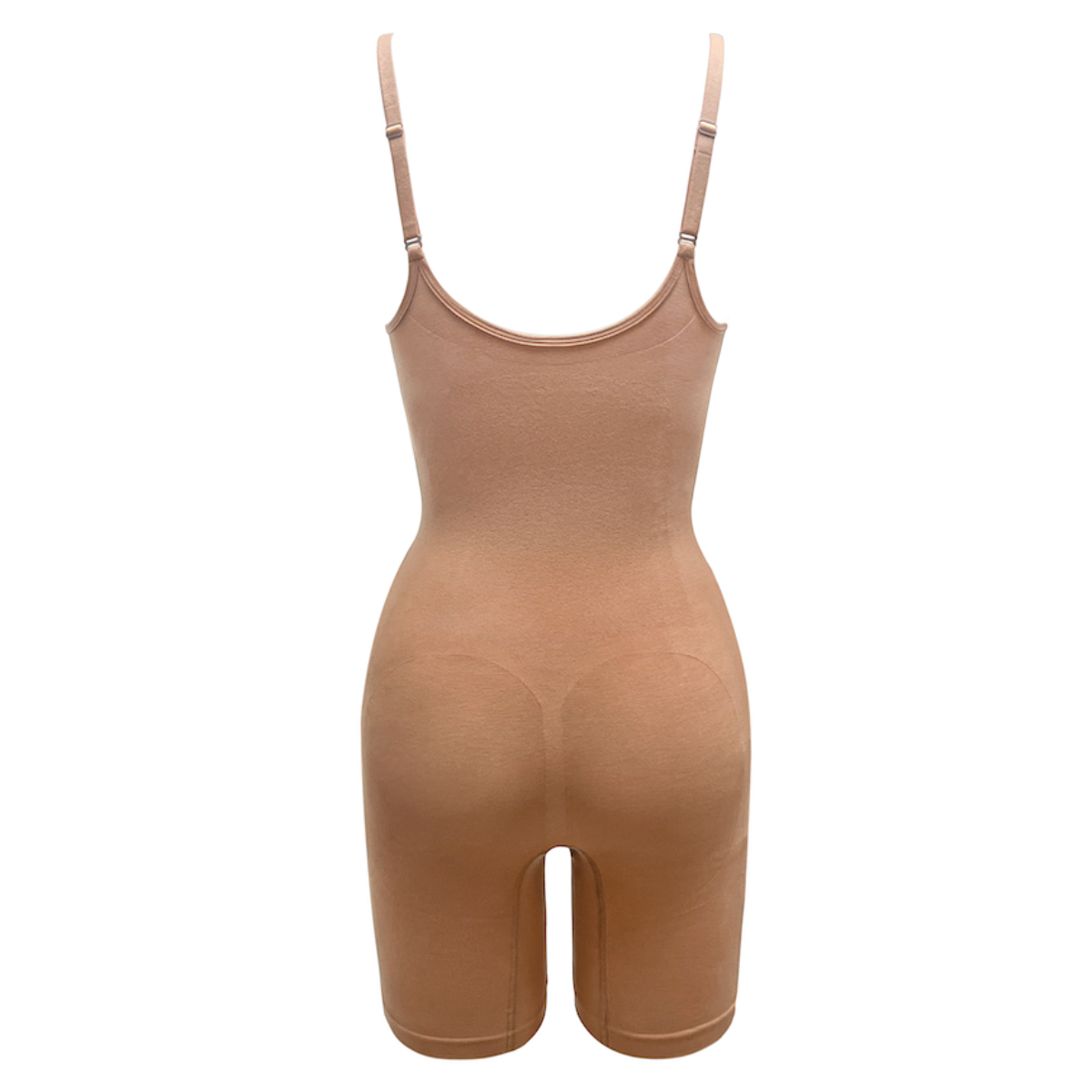

Before anything with a zip, there are usually two pieces sitting on the end of my bed. One is a Skims bodysuit that I know I can wear from morning until the taxi home without thinking about it once. The other is a Spanx short that I know will do a firmer job under a fitted dress and will also make itself known by hour six. Choosing between them takes longer than choosing the outfit, which tells you how badly the internet has explained the difference. Most comparisons treat these two as rivals selling the same thing at the same price. They are not. They are built on two genuinely different ideas about what shapewear is supposed to do to a body, and once you can name that difference, picking becomes fast.
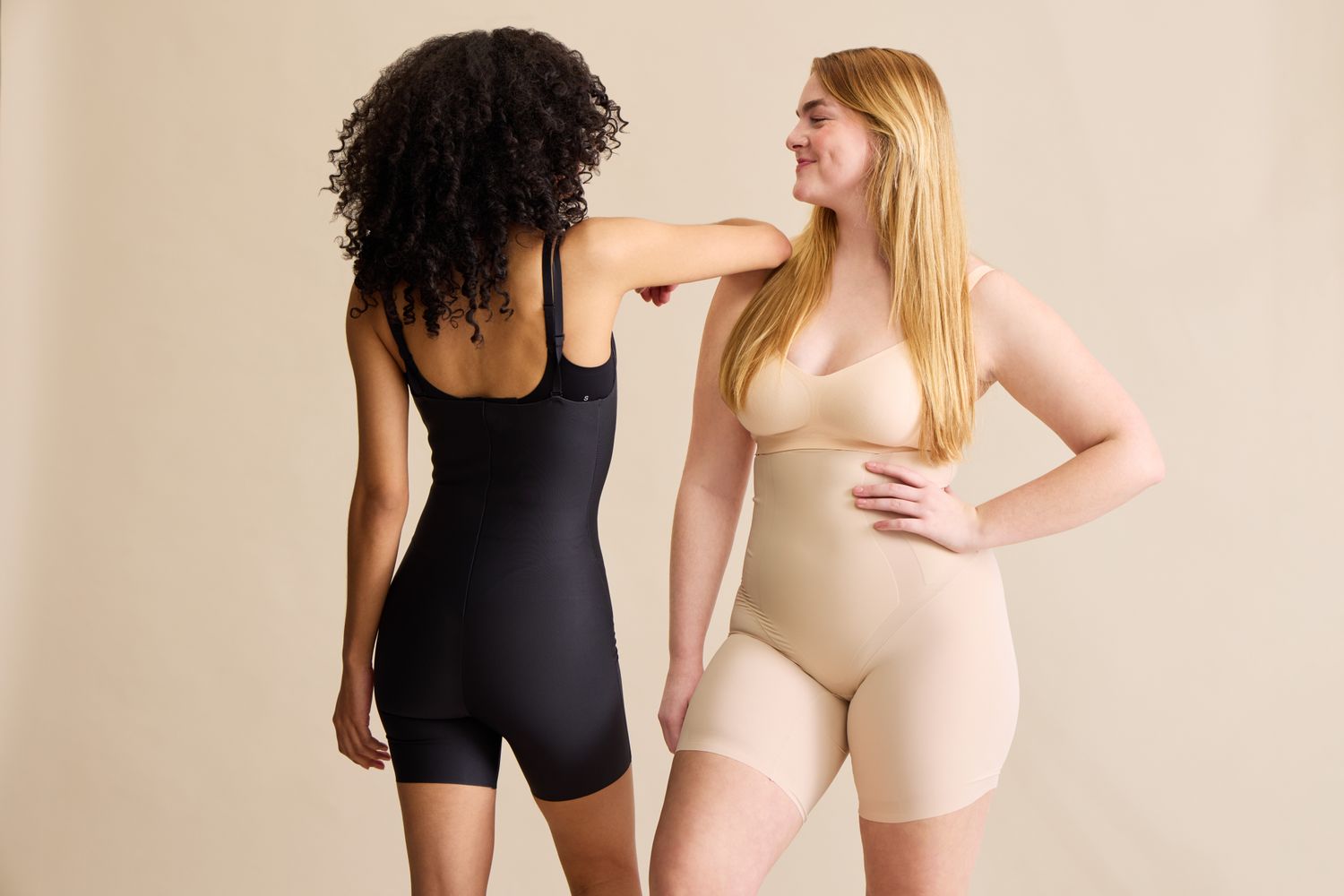
Two brands, two theories of the same problem
Spanx grew out of hosiery, and the engineering instinct never left. The house style is compression: power mesh panels placed where the brand wants the silhouette to change, a firm knit that pulls inward, and construction that treats your midsection as something to be held. That heritage is why so many of the pieces have a definite front and back, a targeted panel across the tummy, and a fabric that snaps back hard when you stretch it. Skims came at it from the opposite direction. The pitch has always been soft sculpting plus a genuinely deep shade range, with buttery knits that smooth a line rather than reshape it, and sizing that runs to 4X or 5X on a lot of the core styles. One brand is trying to change your outline. The other is trying to make your outline read cleanly under fabric. Both are legitimate. They are just not interchangeable.
How Skims runs at the top of its size range
At the largest sizes, Skims behaves like the knit it is. The fabric has enormous stretch, so it will physically go on, and that is exactly where people get caught out. When a piece is being stretched near its limit, three things happen at once: the control drops off because the fabric has already spent its recovery, the colour goes slightly translucent across the fullest point, and the leg openings become the pressure line instead of the fabric doing the work evenly. On a longer torso, the sculpting bodysuits are the style most likely to disappoint, because the crotch seam is drafted for an average rise and a long torso pulls the whole garment down at the shoulders. The fix is boring but reliable. Size for your widest measurement rather than your usual clothing size, and if you are between sizes and want comfort, go up. If you want a firmer hold, Skims is not the piece that will give it to you no matter which size you buy.
How Spanx runs at the top of its size range
Spanx fails differently. Because the control comes from compression rather than drape, a size that is slightly too small does not just feel snug, it actively misbehaves. The waistband rolls down over the tummy and creates the exact ridge you bought it to avoid, and the thigh hem digs in and produces a visible band under a knit dress. The other thing worth knowing is where the panels stop. A lot of the high waist styles are drafted so the top edge lands at the natural waist or just under the bust, and on a long torso that top edge can end up sitting several inches lower than the picture suggests, leaving a soft section above it that the garment was meant to cover. Silicone grip strips help, and they help most when the band is sitting on a flat plane of skin rather than at the widest part of a curve. Sizing up in Spanx costs you more control than sizing up in Skims does, because in this brand the compression is the product.
Fabric feel, and why it decides whether the thing stays on
Try this in a shop if you can. Pinch a section of each, stretch it, and pay attention to how fast it comes back. The Skims knit feels dense and slightly cushioned, closer to a very good swimsuit fabric, and it returns at a soft, unhurried pace. The Spanx power mesh feels thinner and more elastic, cooler against skin, and it snaps. That single difference explains almost everything about how the two wear across a day. Soft, dense knit distributes pressure across a broad area, which is why it disappears from your attention. Snappy mesh concentrates pressure at edges and seams, which is why you feel a Spanx short at the hem and at the waistband long before you feel it anywhere else. Neither fabric is better in the abstract. One is designed to be forgotten and the other is designed to be felt working.
Skims and Spanx side by side
| What you are comparing | Skims | Spanx |
|---|---|---|
| Core philosophy | Soft sculpt and smoothing | Structured compression |
| Control level | Light to moderate | Moderate to firm |
| Fabric character | Dense, cushioned knit | Thinner, snappier power mesh |
| Comfort over a full day | Strong, often forgettable | Noticeable, especially at hems |
| Shade range for deeper skin tones | The brand’s signature strength | Narrower, improving |
| Extended sizing | To 4X or 5X on many core styles | Extended sizes offered, style dependent |
| Most common complaint at the top of the range | Loses grip, reads slightly sheer under tension | Waistband rolls, hems dig in |
| Best single use case | Everyday smoothing under knits | Event grade smoothing under structured fabric |
| Price tier | Premium | Premium |
Where each one actually wins
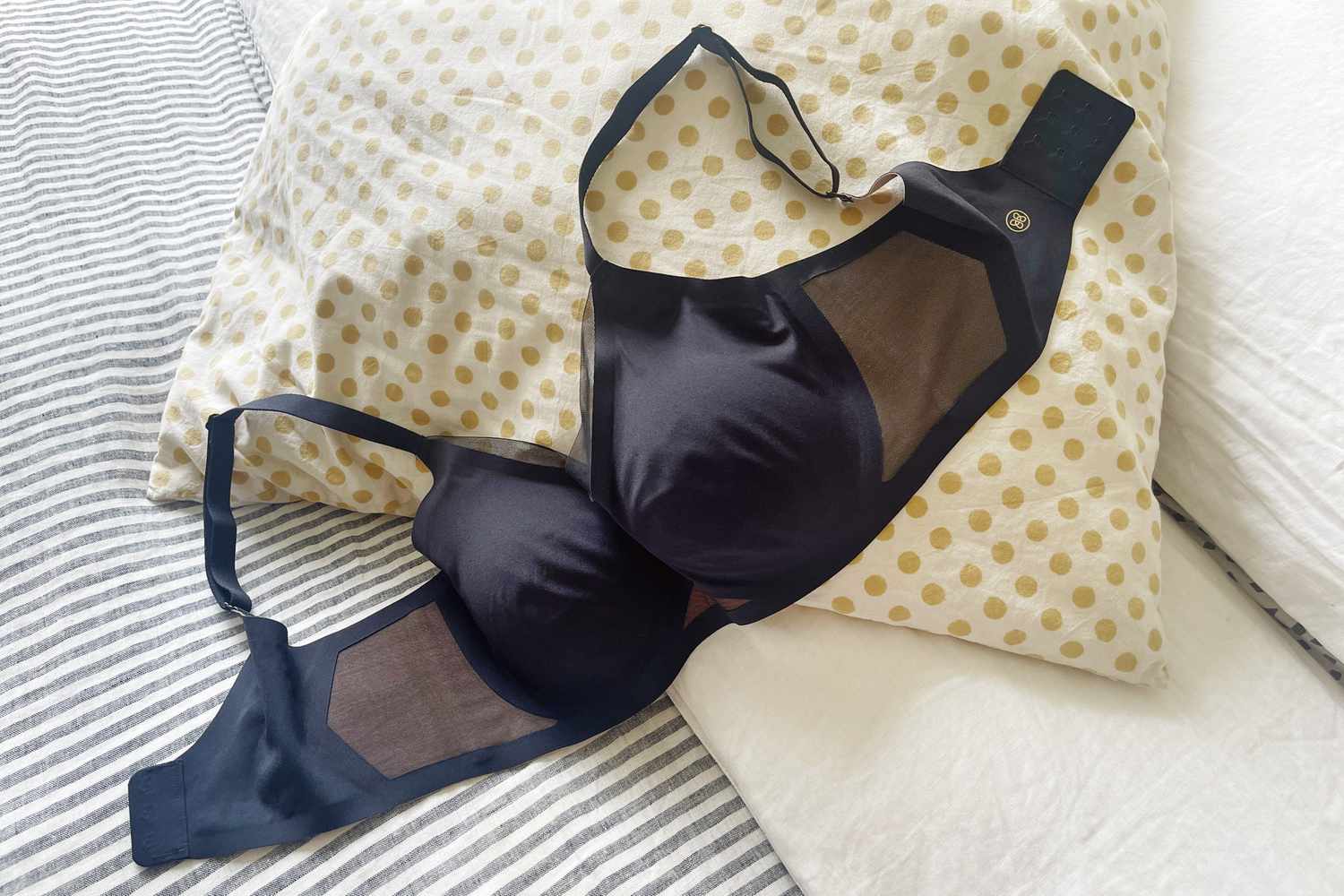
Skims wins the ordinary day, and the ordinary day is most days. A workday, a long flight, a wedding where you are on your feet from eleven in the morning, anything where the garment needs to survive sitting, eating, and a car journey without becoming the main character. It also wins whenever the outfit is a thin knit or a slippery fabric, because the smoothing job there is about removing texture rather than removing volume, and because the shade range means the piece genuinely vanishes under pale or thin cloth on deeper skin tones. If your problem is that your bra band shows through a jersey dress, the answer is soft sculpt, not compression. A smoothing bodysuit in your true measurement handles that better than anything firmer, and it does it without you spending the evening negotiating with a waistband.
Spanx wins the short, high stakes window. Two hours of photographs. A fitted satin dress that shows every ripple because the fabric has no forgiveness in it. A tailored skirt where the outline needs to read as one clean line under a woven that will not stretch to accommodate anything. That is the job compression was built for, and nothing soft will match it. It also wins on targeted problems, because the panel placement is deliberate rather than uniform. If your priority is specifically the midsection, the category as a whole is worth understanding before you buy, and our guide to the best shapewear for tummy control goes deeper on panel placement than there is room for here. When the brief is genuinely event grade, a high waist compression short is the honest choice, with the honest cost attached.
What the price tiers are really buying
Both brands sit at the premium end of the category, and neither is trying to compete on cost. What the money buys is not the same thing in each case. With Skims you are paying for fabric quality and for a shade and size range that most of the market still has not matched, which is a real and specific value if you have spent years being offered one beige. With Spanx you are paying for pattern engineering: the panels are placed rather than sprinkled, and the seams are positioned to route tension somewhere useful. Cheaper alternatives exist in both directions and some of them are perfectly good, but the failure mode of cheap smoothing wear is thin fabric that rolls, and the failure mode of cheap compression wear is uniform squeezing with no thought about where the pressure goes.
Which one for which outfit
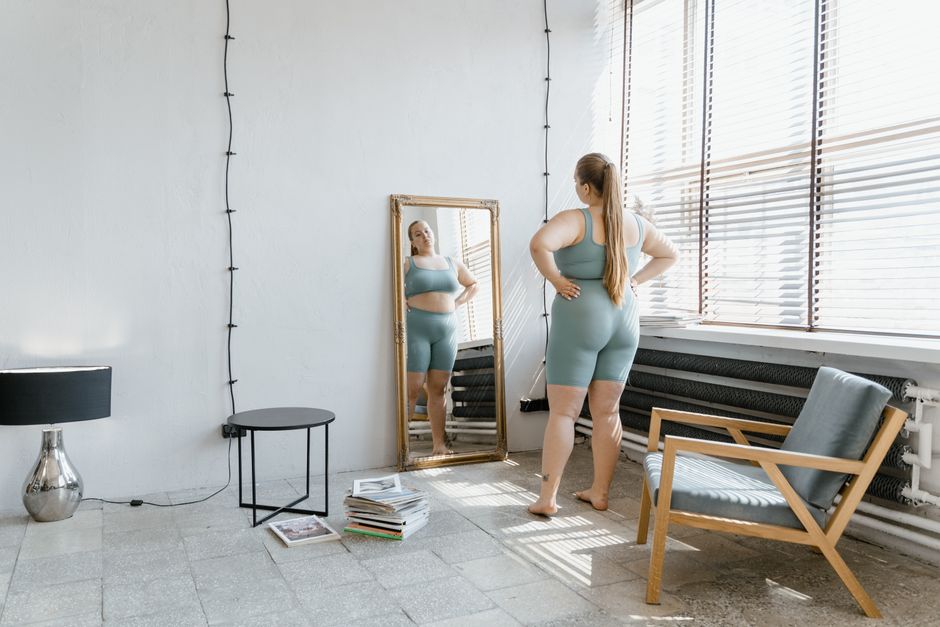
Use the fabric of the outfit as the decision rule, not the formality of the event. Slippery or thin fabric, meaning satin, silk, fine jersey, anything that shows texture, calls for soft sculpt, because compression under a slippery fabric creates edges and the fabric will report every one of them. Structured woven fabric with no stretch, meaning tailored trousers, a fitted sheath, a lined skirt, can take compression, because the outer fabric holds its own shape and hides the edges of what is underneath. A knit midi dress on a Tuesday is a Skims job. A satin bridesmaid dress is also a Skims job, which surprises people, and it is the reason so many event photos show a visible short hem. A structured suit for a presentation is where Spanx earns the money. If you own one piece from each brand and use that single rule, you will get it right most of the time.
Fit rules that apply to both
Two habits matter more than the brand name. First, sit down in it before you cut the tag. Standing still is a useless test, because every failure in shapewear happens when your body folds. Sit for a few minutes, stand back up, and look at whether the waistband has moved. Second, buy for your widest measurement rather than your usual dress size, then check where the edges land on your own torso. A garment described as high waist is high on the fit model, and where it lands on you is a fact you can only get by putting it on. A useful low cost habit is keeping a plain seamless smoothing slip in the drawer for the outfits where you want the line cleaned up and want nothing gripping you at all.
Quick answers to the questions everyone asks
Is Skims or Spanx better for a plus size body? Neither, because they do different jobs. Skims is better for all day comfort and for smoothing texture under knits and thin fabrics. Spanx is better for a firmer hold across a short window under structured fabric. Most people who wear shapewear regularly end up owning one of each rather than choosing.
Does Skims actually hold anything in? The sculpting lines give light to moderate control, which is enough to smooth a line and not enough to change your outline. If you are expecting the pull of a compression garment you will be disappointed. Judge it on whether the fabric of your dress lies flat, which is the job it was designed for.
Why does my shapewear roll down at the waist? Almost always because it is too small, or because the top edge is landing on the fullest part of your midsection instead of above or below it. Sizing up usually fixes it. If it does not, you need a longer style that reaches the ribcage rather than stopping at the widest point.
Should I size up in shapewear? Size for your largest measurement, then use the fit of the edges to decide. Sizing up in a soft sculpt piece costs very little control and buys real comfort. Sizing up in a compression piece costs noticeably more control, because compression is the whole mechanism, so only do it if the correct size genuinely hurts.
Can I wear shapewear all day? Soft sculpt pieces, yes, most people wear them like ordinary underwear. Firm compression is a different question. If it leaves deep marks, restricts a full breath, or makes eating uncomfortable, it is too tight for a full day, and that is a sizing signal rather than something to push through.
What sits in my drawer now
Two pieces, in the shades that actually match my skin, and no ambition to own more. The soft sculpt bodysuit lives at the front because it gets worn most weeks, under jersey dresses and under anything I need to stop thinking about by nine in the morning. The compression short sits behind it and comes out a handful of times a year, for the outfits made of fabric that forgives nothing. Both fit. Neither one is doing a job it was not built for, and that, more than any brand loyalty, is the whole trick. Buy for the fabric you are putting over it, size for the measurement you actually have, and let the rest of the marketing wash past.