

The thermometer on the bank sign read triple digits before nine in the morning, and the asphalt parking lot already shimmered like a mirage. A woman stepped out of her car in a flowing linen dress the color of fresh cream, sunglasses pushed up into her hair, and walked toward the farmers market looking like she had all the time in the world. No tugging at fabric stuck to her back. No darting for shade. Just ease, movement, and a hemline catching the hot breeze. That kind of comfort in a heat wave is not luck or genetics. It is a set of choices anyone can make, and the women who look unbothered when everyone else is wilting have simply learned which fabrics, cuts, and small tricks keep a fuller body cool and confident when the air turns to soup.
Heat is a particular kind of challenge when you carry more curves. Skin meets skin in more places. Fabric clings where it would rather not. The synthetic dresses that photographed beautifully in spring suddenly feel like a sauna suit. But the answer is never to hide in oversized tunics or sweat through the season in misery. The answer is smarter clothing, built around how heat actually moves through cloth and how a real body actually lives in summer. What follows is a practical, lived-in guide to staying genuinely comfortable and looking like the most pulled-together person at the cookout.
Why Fabric Is the Whole Game
Before silhouette, before color, before any styling trick, there is fiber. The single biggest decision you make when getting dressed for a heat wave is what your clothes are made of, and it is the one most people get wrong by reaching for whatever is cute on the rack.
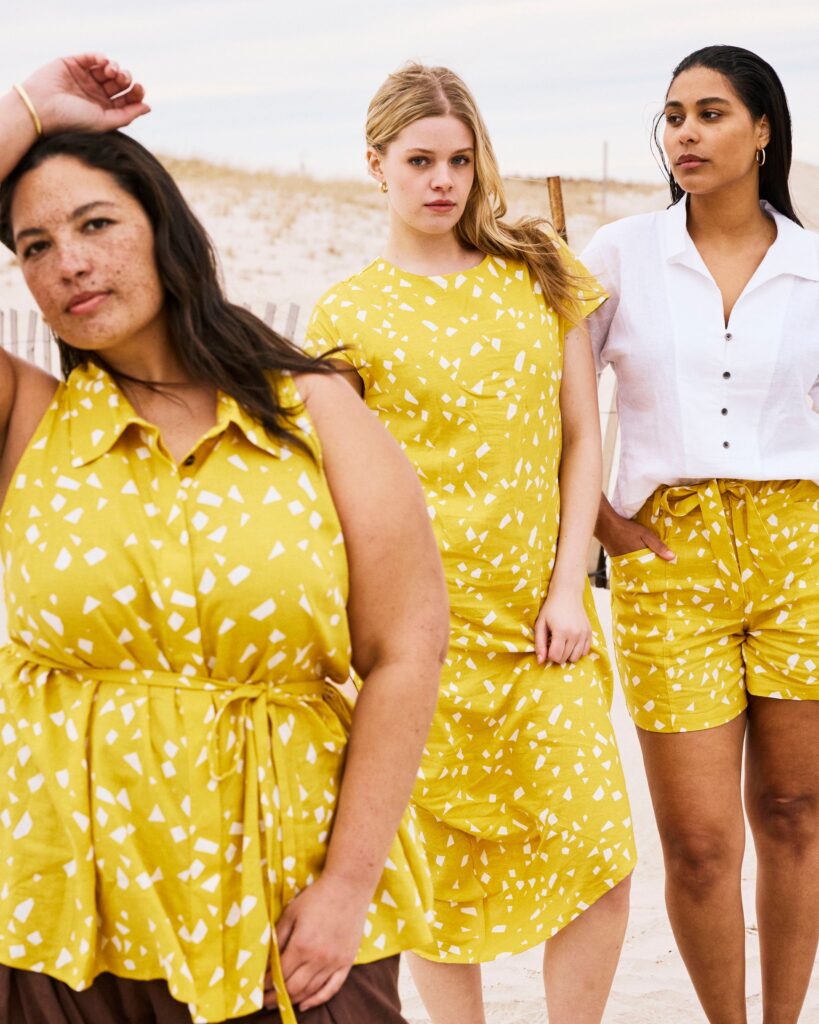
Natural and semi-natural fibers win because they let your skin breathe and they pull moisture away instead of trapping it. Linen is the undisputed champion of hot weather. It is woven loosely, dries fast, and actually feels cooler against skin as the day heats up. Yes, it wrinkles, and that is the point. Those soft creases are the look now, not a flaw to iron out. Cotton, especially lightweight cotton lawn, voile, or gauze, breathes beautifully and feels soft against areas prone to irritation. Modal and rayon, made from plant cellulose, drape gorgeously over curves and wick moisture better than most people expect, which is why so many comfortable summer dresses are cut from them. Bamboo-derived viscose has a similar cool, fluid hand.
The fibers to treat with suspicion are the slick synthetics: polyester and nylon in tight weaves trap heat against the body and hold onto odor. There is one important exception, and it matters for fuller figures: purpose-built moisture-wicking athletic fabric. The technical knits used in performance shorts and activewear are engineered specifically to move sweat off the skin and dry quickly, which makes them excellent for the layers worn underneath dresses to prevent chafing, even though you would not want a full outfit cut from them in July.
Old Navy is a reliable, budget-friendly place to find linen-blend dresses and cotton-gauze separates in extended sizing, often for well under fifty dollars. Universal Standard builds much of its range around soft, structured fabrics that hold their shape without clinging, and its sizing runs genuinely inclusive, from very small to 4X and beyond. When you shop, flip the garment and read the content tag before you fall for the print. The label tells you more about how an outfit will feel at noon than any photo ever could.
The Anti-Chafing Strategy Nobody Talks About Enough
Let us name the thing that ruins more summer days than any heat index: chafing. Thighs that touch, which is most thighs, rub together when you walk, and in heat with sweat that friction turns into raw, stinging skin within a few blocks. No outfit is stylish if you are walking like a cowboy by lunchtime. The good news is that this is completely solvable, and once you solve it, your whole relationship with summer dresses changes.
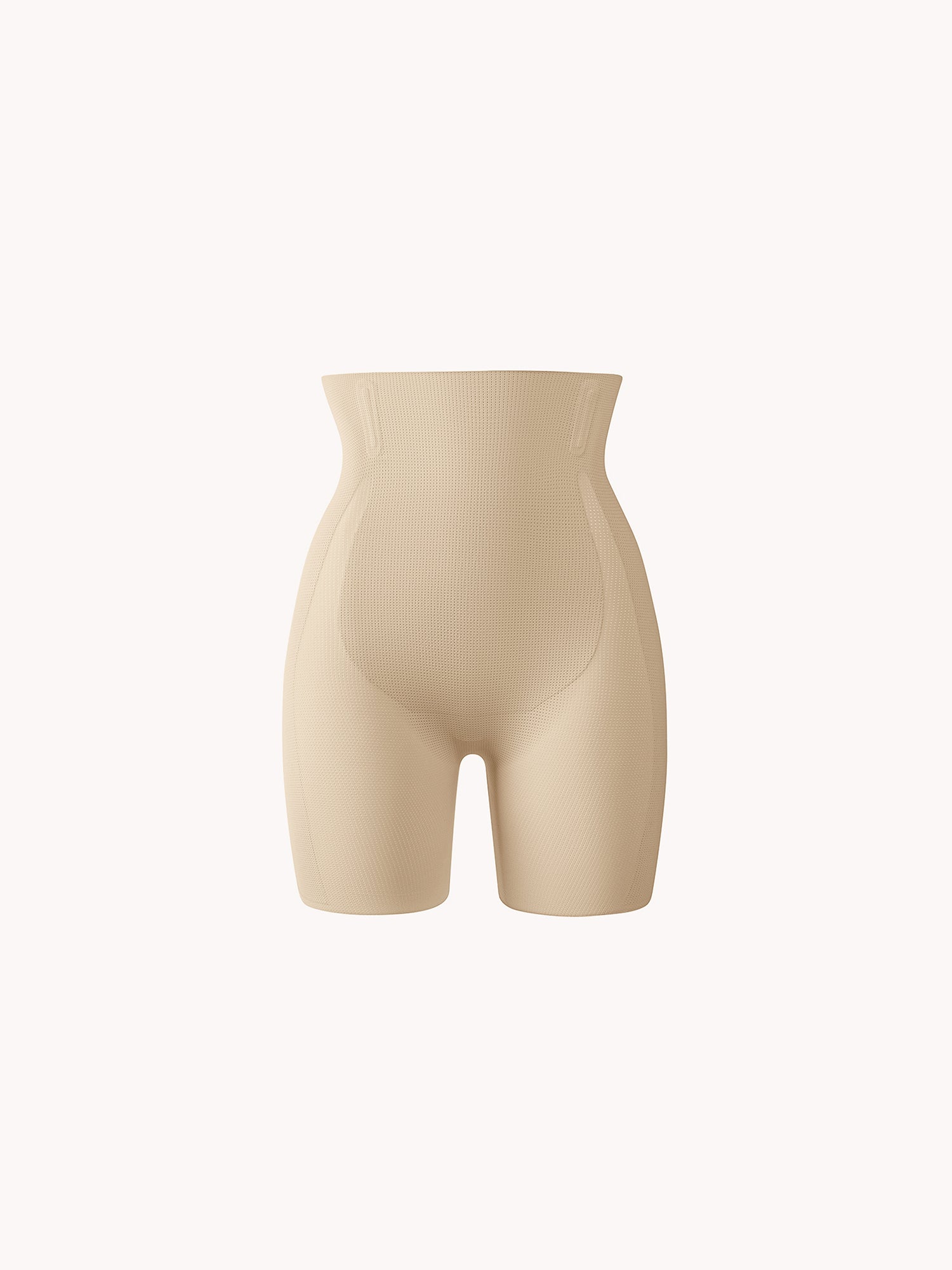
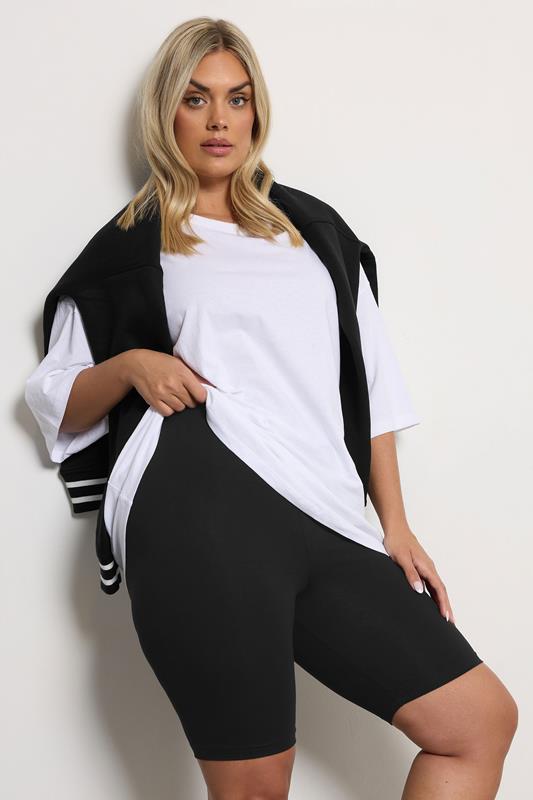
The most popular fix is a pair of slip shorts worn under dresses and skirts. Thigh Society makes anti-chafing shorts in a wide size range that are beloved specifically because they are long enough to actually cover where thighs meet, breathable, and they stay put without rolling up - the rolling-up problem being the reason cheaper bike shorts fail. They run somewhere in the twenty-five to forty dollar range depending on style, and most women who try them buy several. Bandelettes take a different approach: lacy thigh bands that wrap just the upper thigh, leaving the rest bare, which is ideal under shorter dresses when you do not want a full short. They come in skin tones and have a silicone strip to keep them from sliding.
If you prefer to skip dedicated products, a swipe of an anti-chafe balm or even plain unscented deodorant along the inner thigh creates a slick barrier that buys you hours. The key insight is to address chafing before you leave the house, not after you feel the burn. Build it into getting dressed the way you build in deodorant. Do this once and the panic of “can I wear this dress if I have to walk anywhere” disappears for good.
Loose Silhouettes That Flatter Instead of Drown
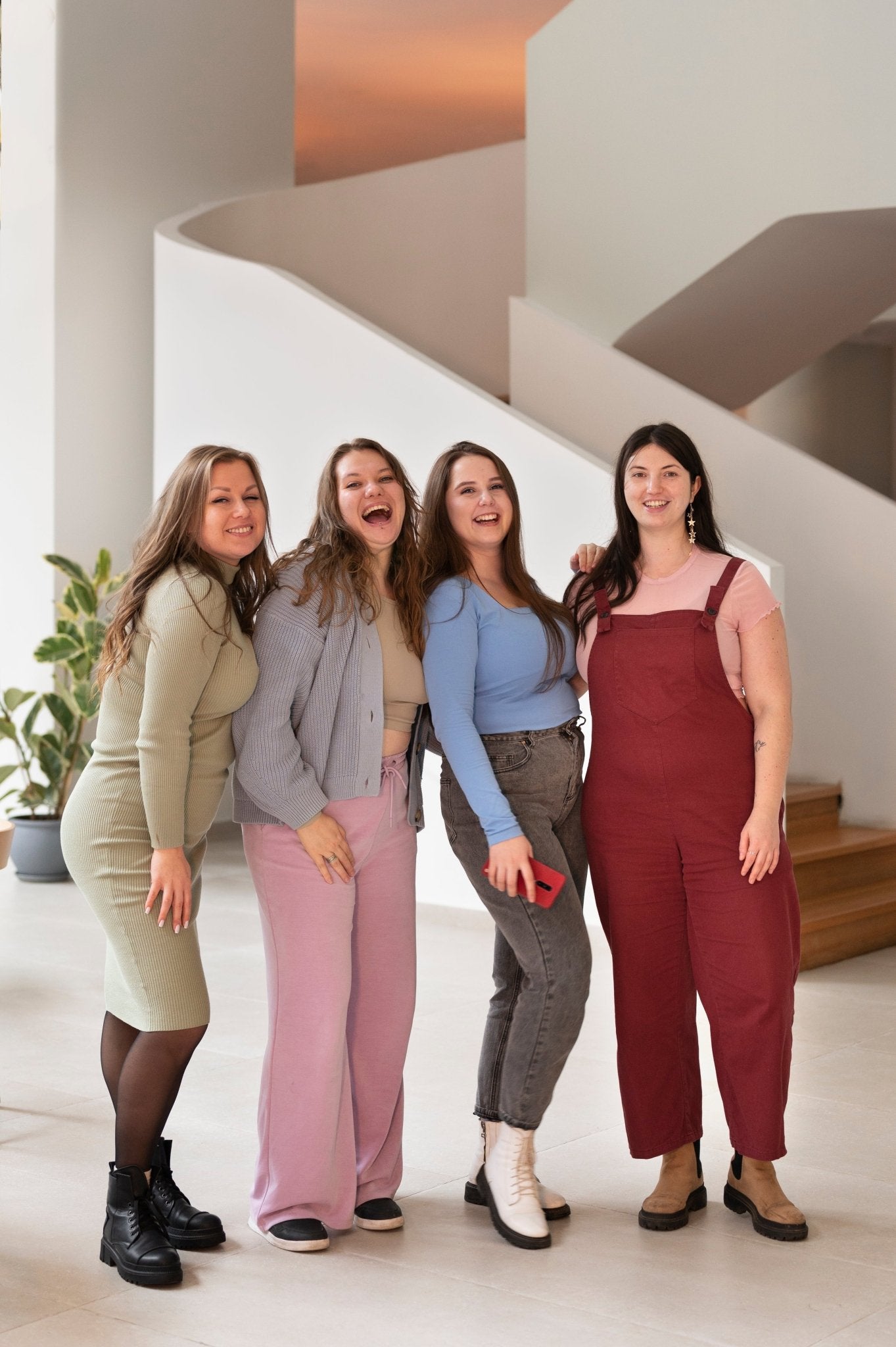
There is a stubborn myth that the way to dress a bigger body in heat is to drape it in the largest, most shapeless thing available. The opposite is true. Tents make you look bigger and, worse, they trap a column of hot air against your torso. The goal in heat is a silhouette that skims rather than clings and that lets air circulate, while still showing you have a shape.
The A-line dress is the workhorse here. Fitted or defined through the bust and shoulders, then released into a skirt that flows away from the hips and thighs, it keeps fabric off the parts of the body that sweat most and reads as intentional and elegant. A defined waist matters more than you might think; a tie, a smocked panel, or a wrap closure at the smallest part of your midsection gives the eye a place to land and keeps a roomy dress from looking like a sack. Wrap dresses do this automatically, which is part of why they are so universally flattering, and a linen or modal wrap is a heat-wave hero.
Wide-leg pants and palazzo styles in linen or rayon are the trouser answer. They keep your legs covered for sun protection and modesty while letting air move freely up each leg, and they pair with a simple fitted tank for an outfit that looks composed in any temperature. For tops, look for relaxed cuts with structure: a boxy linen camp shirt left open over a tank, a flutter sleeve that covers the upper arm without hugging it, a square neckline that sits away from the chest. Torrid and Lane Bryant both specialize in this territory, cutting flowy dresses and breezy tops specifically for curvier proportions, so the armholes, bust darts, and hip room are placed where they actually need to be rather than scaled up from a straight-size pattern. ASOS Curve is a strong source for trend-forward versions of all of this - tiered linen midis, wide-leg sets, cutout maxis - usually at an accessible price.
Color, Sun, and Skin That Stays Covered Without Cooking
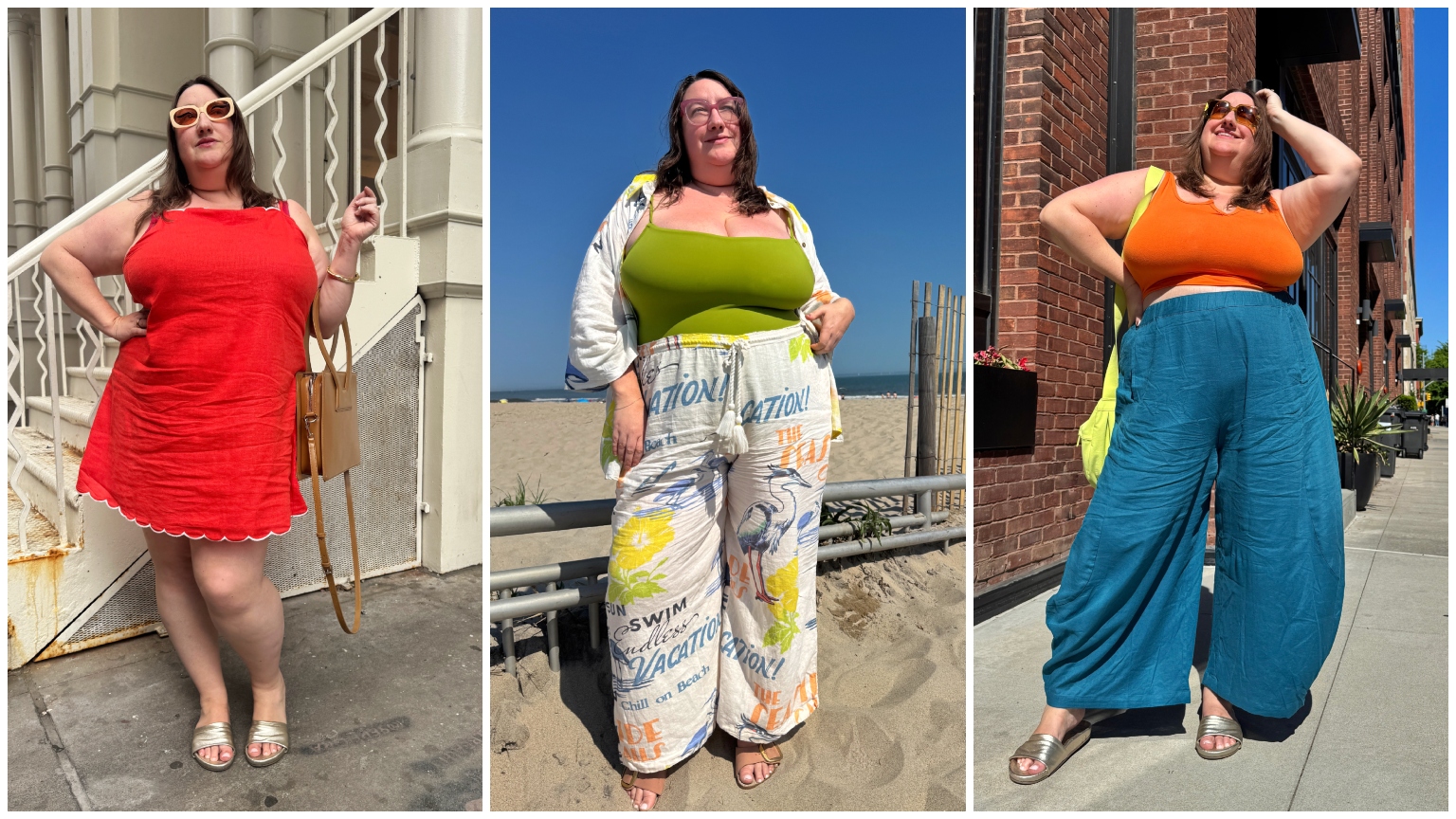
What you wear matters for staying cool, but so does protecting the skin underneath, and the two goals can work together. Lighter colors reflect sunlight rather than absorbing it, so whites, creams, soft pastels, and warm neutrals genuinely run a few degrees cooler in direct sun than black or deep navy. That does not mean you have to abandon dark clothes you love; it means that on the hottest, sunniest days, reaching for the pale linen over the black one is a small physical advantage.
Counterintuitively, covering up can keep you cooler and safer than baring it all. A loose long-sleeve linen shirt or a flowing duster over a tank shades your skin from direct sun while still letting air pass through, which is exactly the logic behind the robes worn in the world’s hottest climates. The cover-up to avoid is anything tight or synthetic; the cover-up that works is loose, woven, and breathable. Many brands now make pieces rated with a UPF number, which tells you how much UV the fabric blocks, and a UPF top is worth seeking out for long days outdoors. A wide-brimmed hat does more than finish a look - it shades your face, neck, and shoulders, the spots that burn first. Pair it with real sunglasses and a non-greasy sunscreen on any exposed skin, reapplied through the day, and you have genuine protection rather than the illusion of it.
Breathable does not have to mean boring, either. A flowing kaftan in a bold print, a linen jumpsuit in a sunset orange, a gauzy maxi with a slit that shows movement when you walk - these read as confident and stylish precisely because they are made for the weather instead of fighting it.
Shoes, Underthings, and the Details That Decide Your Day
The outfit can be perfect and the day can still fall apart at the extremities, so the small choices deserve real attention. Feet swell in heat, so closed, stiff shoes that fit at breakfast can feel like a vice by afternoon. Leather or cork footbeds that mold to your foot, like classic slide sandals, and styles with a little adjustability across the top of the foot keep you comfortable as the day stretches on. A slight platform or a cushioned footbed beats a flat with no support if you will be on your feet, and a back strap stops the constant gripping with your toes that flip-flops demand.
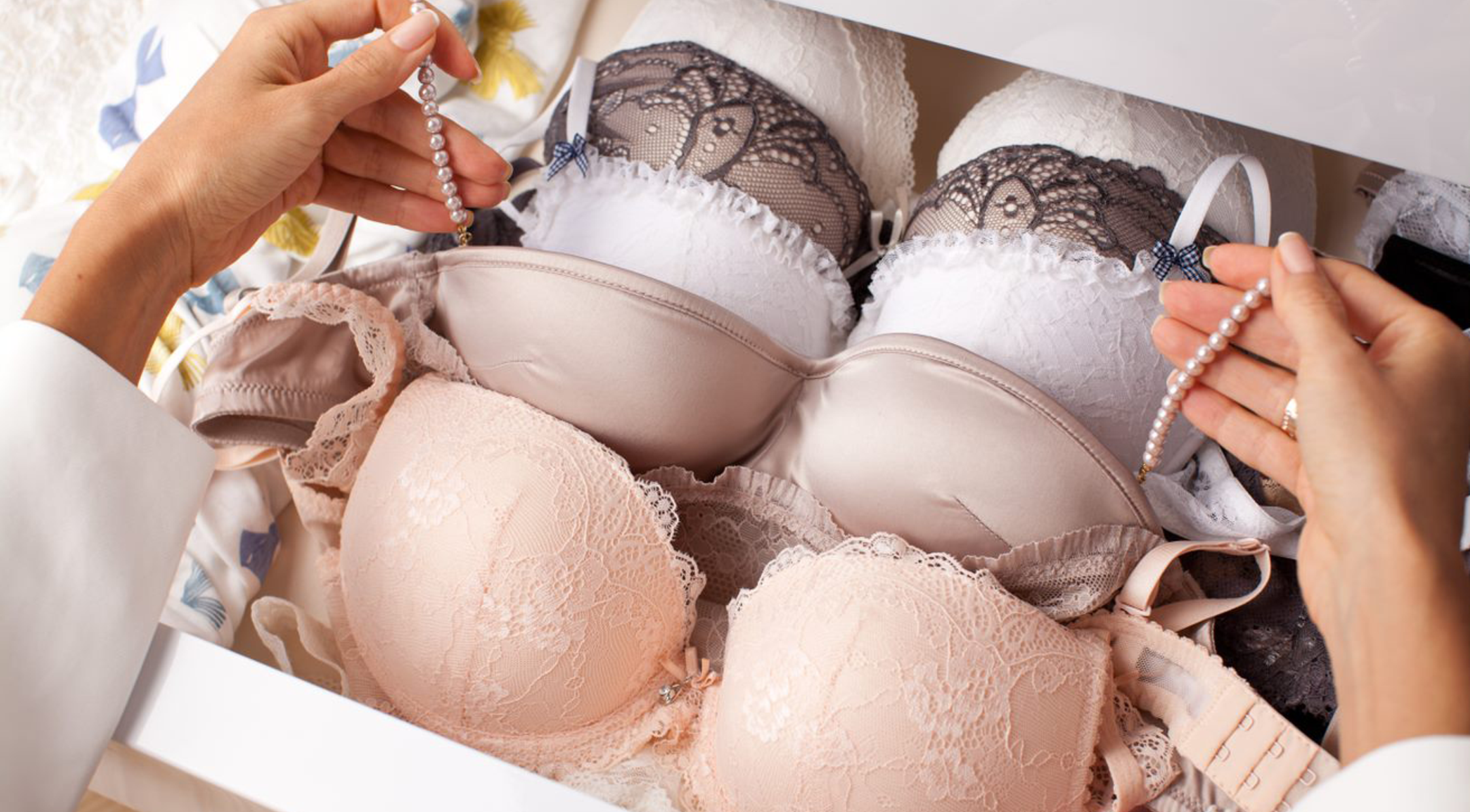
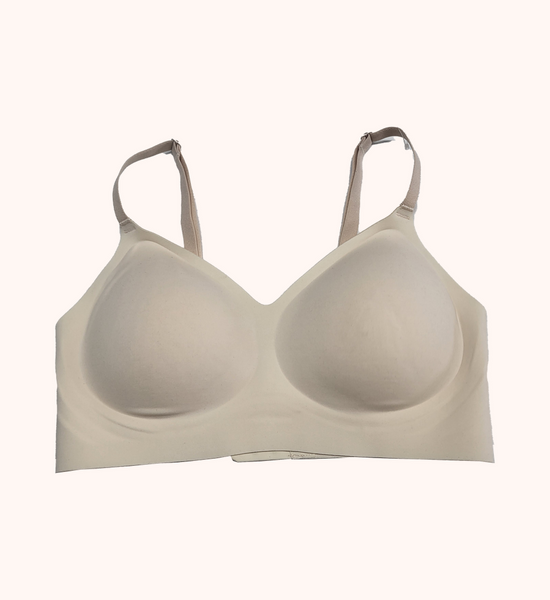
Underneath, the right bra changes everything in heat. A soft, breathable bra in cotton or a moisture-managing fabric, ideally without a thick foam-molded cup that holds heat and sweat against the skin, makes a long hot day bearable. Many curvier women find a supportive bralette or a lightly lined style far more comfortable in summer than their heavily structured everyday bra, and it is worth keeping a dedicated hot-weather option in the rotation. The same logic applies to undies: cotton gussets breathe; full synthetic does not.
Then there are the tiny conveniences that compound. A packable folding fan in your bag is not a quaint gesture, it genuinely cools you in a line or on a hot platform. A small cooling towel that activates with water draped around the neck cools the blood passing through the major vessels there, which lowers how hot your whole body feels. Keeping a refillable water bottle on you matters more than any garment, because a dehydrated body cannot cool itself no matter how breathable the dress. And a thin, crushable layer in your bag - a linen overshirt, a light scarf - rescues you when you walk from a hundred-degree street into an over-air-conditioned restaurant where you suddenly feel like you are in a meat locker.
Building a Heat-Wave Capsule You Can Actually Reach For
The fastest way to stop dreading hot mornings is to make a small set of pieces that all work together, so getting dressed in the heat takes thirty seconds and never goes wrong. You do not need a huge wardrobe. You need a handful of right ones.
Start with two or three breathable dresses you trust completely: perhaps a linen A-line for errands and work, a wrap dress in modal that dresses up or down, and one flowing maxi for the days you want drama with zero effort. Add wide-leg linen pants and a couple of relaxed tank tops and camp shirts that mix with them. Keep one good cover-up - a long linen shirt or a duster - that goes over any of it for sun or air conditioning. Stock the supporting cast: a few pairs of anti-chafing shorts so a clean pair is always ready, a soft summer bra, two reliable pairs of sandals, a hat, sunglasses, the folding fan, the water bottle. That is a complete heat-wave system, and most of it can be sourced affordably across Old Navy, Torrid, Lane Bryant, Universal Standard, and ASOS Curve depending on your budget and taste.
The quiet truth underneath all of this is that comfort and style were never opponents. The woman crossing that blazing parking lot in her cream linen dress was not sacrificing one for the other. She had simply built a wardrobe around how heat behaves and how her body lives, and the result looked effortless because the effort happened earlier, at the rack and in the drawer. Make those choices once, lay the pieces out the night before a scorcher, and you get to spend the hottest days of the year being fully present at the market, the party, the long walk by the water - cool, covered where it counts, and dressed like you mean it.