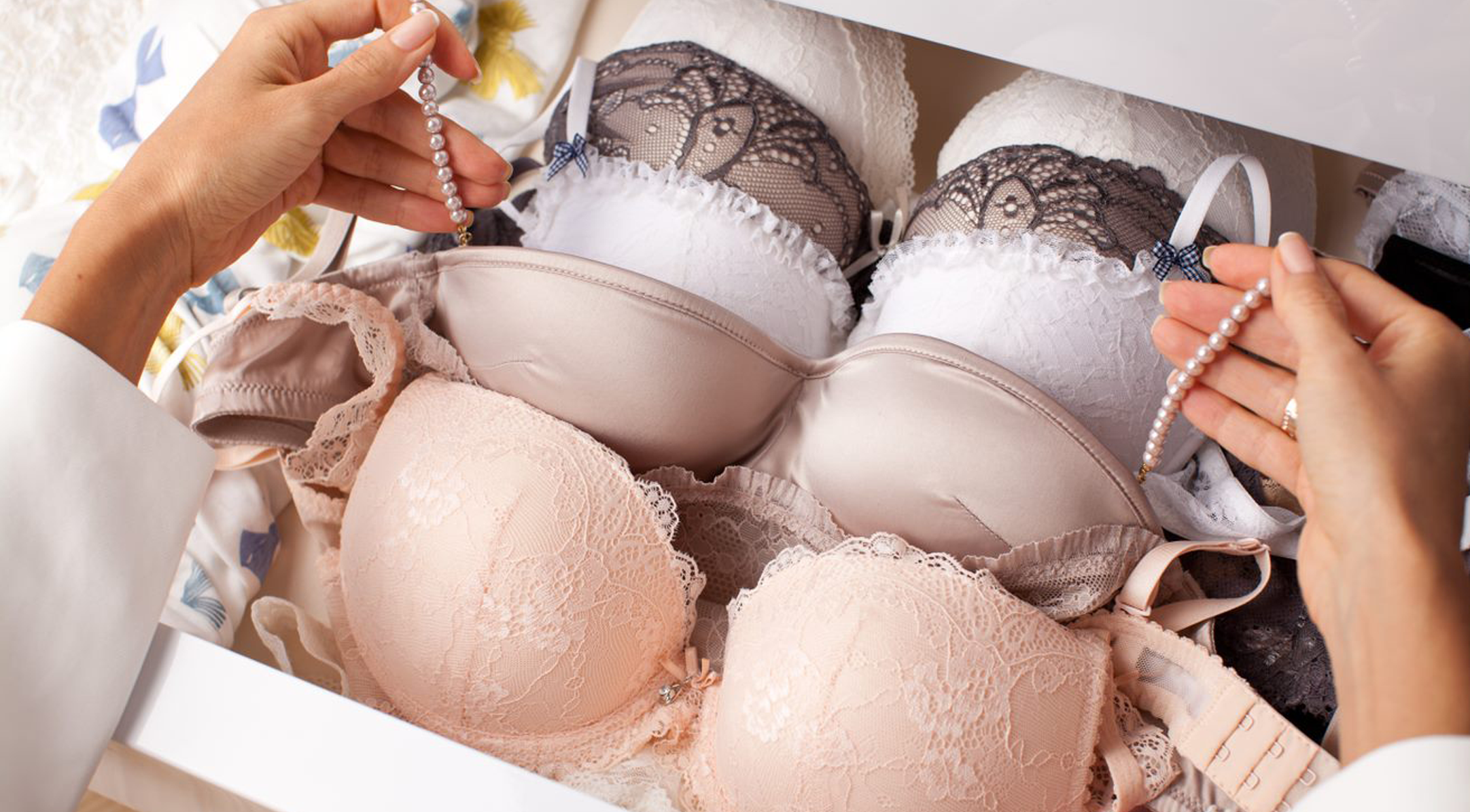

Most women who feel stuck in their wardrobe do not have a clothes problem. They have a visibility problem. You can own a closet full of things you chose on purpose and still wear the same four outfits in rotation, because after a few years of living inside a closet you stop being able to see it. The trousers have hangers. The blazers have hangers. The cashmere lives in a drawer. None of it lives on your body.

This is what a working stylist is actually for, and it is not what most people assume. A stylist’s value is rarely that she knows more clothes than you do. It is that she can see your closet from the outside, with no history attached to any garment. Hiring one for a month in a major city runs somewhere in the range of $1,200 to $2,500 depending on scope, which puts it out of reach for most people. The good news is that the mechanisms she uses are free. What follows is how they work and how to run them yourself.
Why you cannot see your own closet

The common pattern is that about twenty percent of a closet does nearly all the work, and the owner has no idea. If you were asked, you would say you rotate through your clothes. What is usually happening is that four outfits get recombined slightly and the rest of the wardrobe functions as scenery.
The reason is not laziness. It is that familiarity flattens things. A garment you have owned for three years stops registering as an option and becomes part of the wall. Expertise does not protect you from this either. People who look at clothes professionally are just as blind to their own closets, because the blindness comes from proximity rather than from a lack of knowledge.
Mechanism one: the audit question that defeats self-deception
Lay everything out in piles by category. Tops, bottoms, outerwear, dresses, accessories, shoes. Budget about forty-five minutes. Then, for each piece, answer one question out loud: when did you last wear this?
Not “do you like it.” Not “does it still fit.” When did you last wear it. The question is effective precisely because it is boring and repetitive, and because it has a checkable answer. Your camera roll is the receipt. Search your photos for the piece, find the last appearance, and look at the date.
Expect the results to be uncomfortable in a specific way. The blouse you would swear you wear twice a month turns out not to have appeared in a photo for over a year. The wide-leg trouser you describe as something you wear constantly was last photographed two summers ago. The piece of jewellery you think of as a weekly habit has been worn twice, ever. None of this means you have bad taste. It means memory is a poor inventory system and photos are a better one.
Tan France has a widely published version of this exercise, in which clients hold each piece and answer three questions: do you wear it, does it fit your current life, and would you buy it again today. That framework is genuinely useful. The single repeated question is harsher and harder to wriggle out of, because you cannot answer it with a feeling. Run either, but run it with another person in the room, because the lying mostly happens when nobody is listening.
Mechanism two: wear the serious piece on an ordinary day
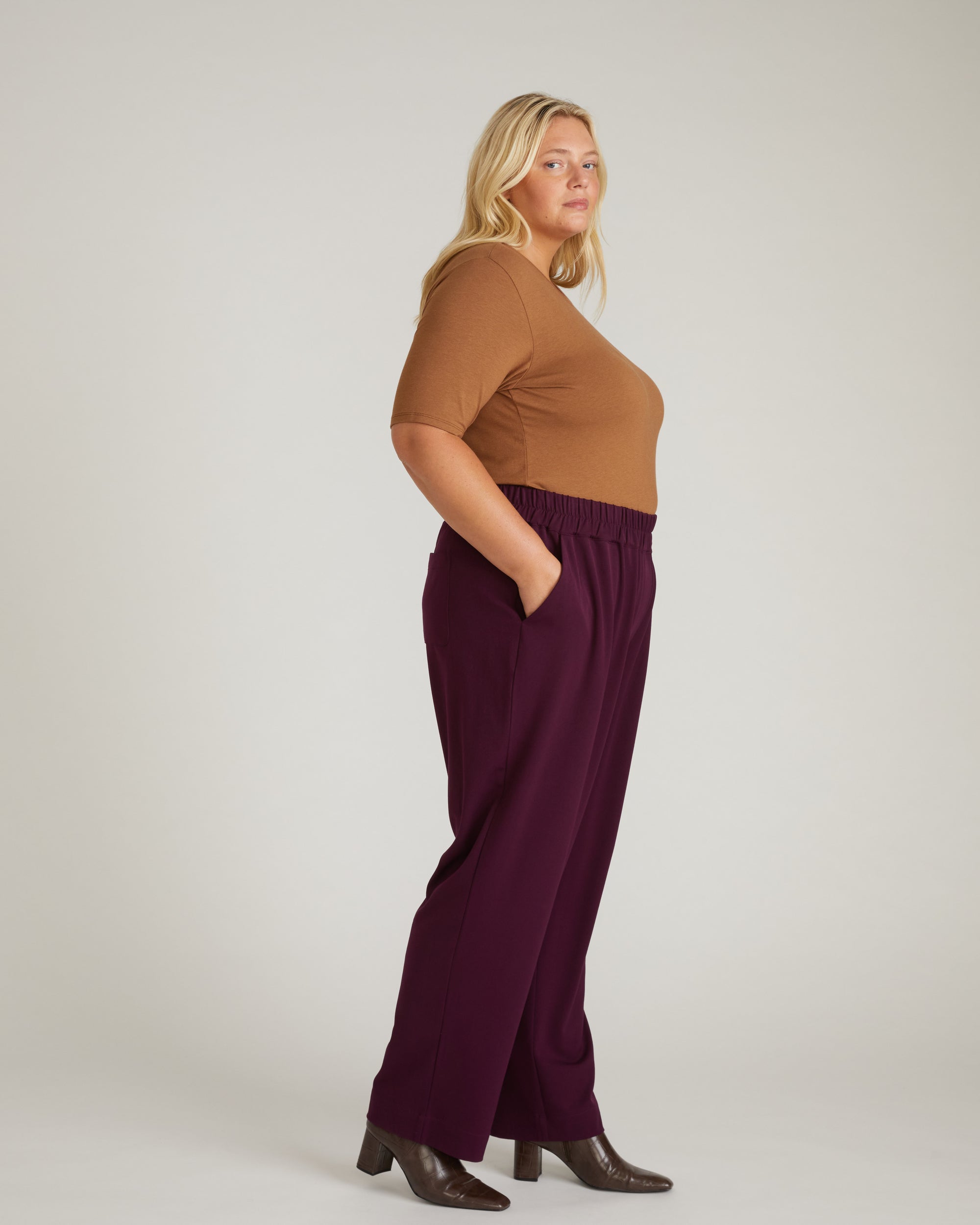
A very common pattern in plus-size wardrobes is owning a good wide-leg trouser and almost never wearing it, while reaching for dark jeans and a loose top instead. The usual explanation is that the trouser feels “too dressy.” Worth examining that, because a ponte wide-leg in a serious cut is not formalwear. It is the kind of trouser a working woman has worn to an office for fifty years.

What is often underneath the discomfort is a rule nobody said out loud: that a larger woman should look approachable, which tends to function as code for slightly under-dressed. Dark jeans and a loose top read as not taking up too much space. A well-cut trouser reads as someone who decided what she was wearing on purpose. If the second one feels like too much, the trouser is not the thing to interrogate.
The practical test: wear the good trouser four days in one week, with different tops and different shoes each time. Four consecutive days is enough to get past the novelty and the self-consciousness, which one-off attempts never do. Most people find the discomfort fades somewhere around day three, and what is left is a trouser they now actually own.
Mechanism three: no outfit leaves the house without an accessory doing work
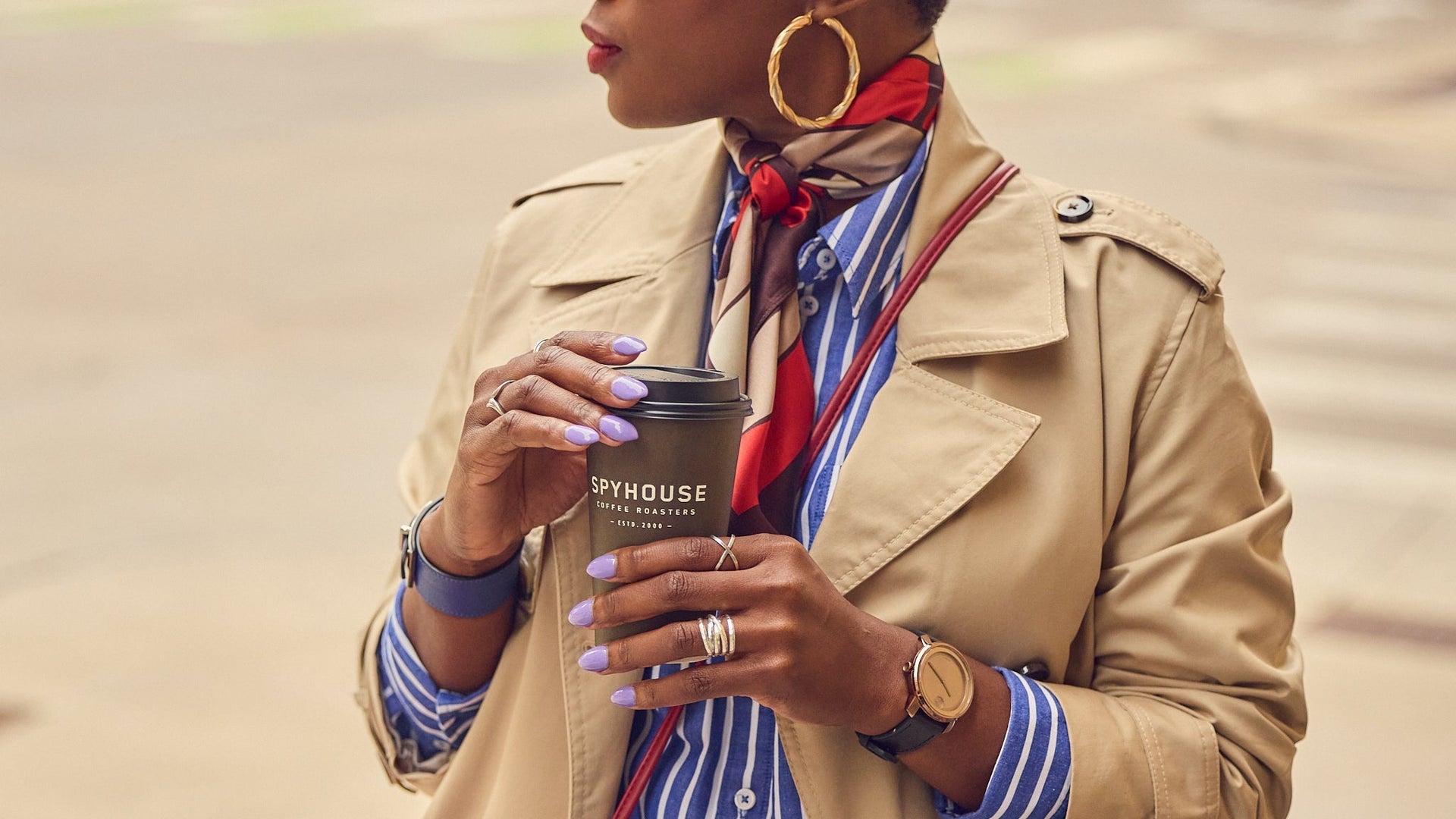
Set the rule for a week and keep it literal: a scarf, a cuff, a chain, a brooch, or a belt that is doing visual work rather than just holding your trousers up. One accessory, every outfit, including the outfits where you are only walking to the shop.
Two things tend to come out of it. The first is that the nice piece you have been saving for an occasion looks completely correct on a Tuesday with a sweater, and the occasion was never coming. The second is the silk scarf, which is the most underused object in most wardrobes. Knotted short at the throat over a crewneck knit, it turns a plain outfit into a composed one, and it does so without adding bulk or asking anything of the fit of your clothes.
This is the cheapest mechanism on the list, because accessories do not have to fit. In a market where finding well-cut clothes in your size is genuinely hard, the things that work regardless of size are worth leaning on much harder than most of us do.
Mechanism four: repetition is the signature, not the failure
This is the one that generates the most resistance. Take one excellent piece, a burgundy blazer is the classic example, and wear it nine times in three weeks. Different bottoms, different tops, different accessory stacks underneath it.
Around the seventh wear it starts to feel conspicuous and the instinct is to stop. Hold the line, because the premise is that people do not see what you wear. They see what you wear again. That is how a recognisable image gets built, and it is why stylists working with public figures lean on signature pieces rather than constant variety.
A well-cut blazer worn with five different bottoms and four different tops is not repetition. It is a uniform, in the useful sense. The resistance usually comes from having confused variety with effort. Variety is not effort; it is just churn. A signature is the thing people remember, and they tend to like it more the second time they see it.
Mechanism five: stop saving the best thing you own
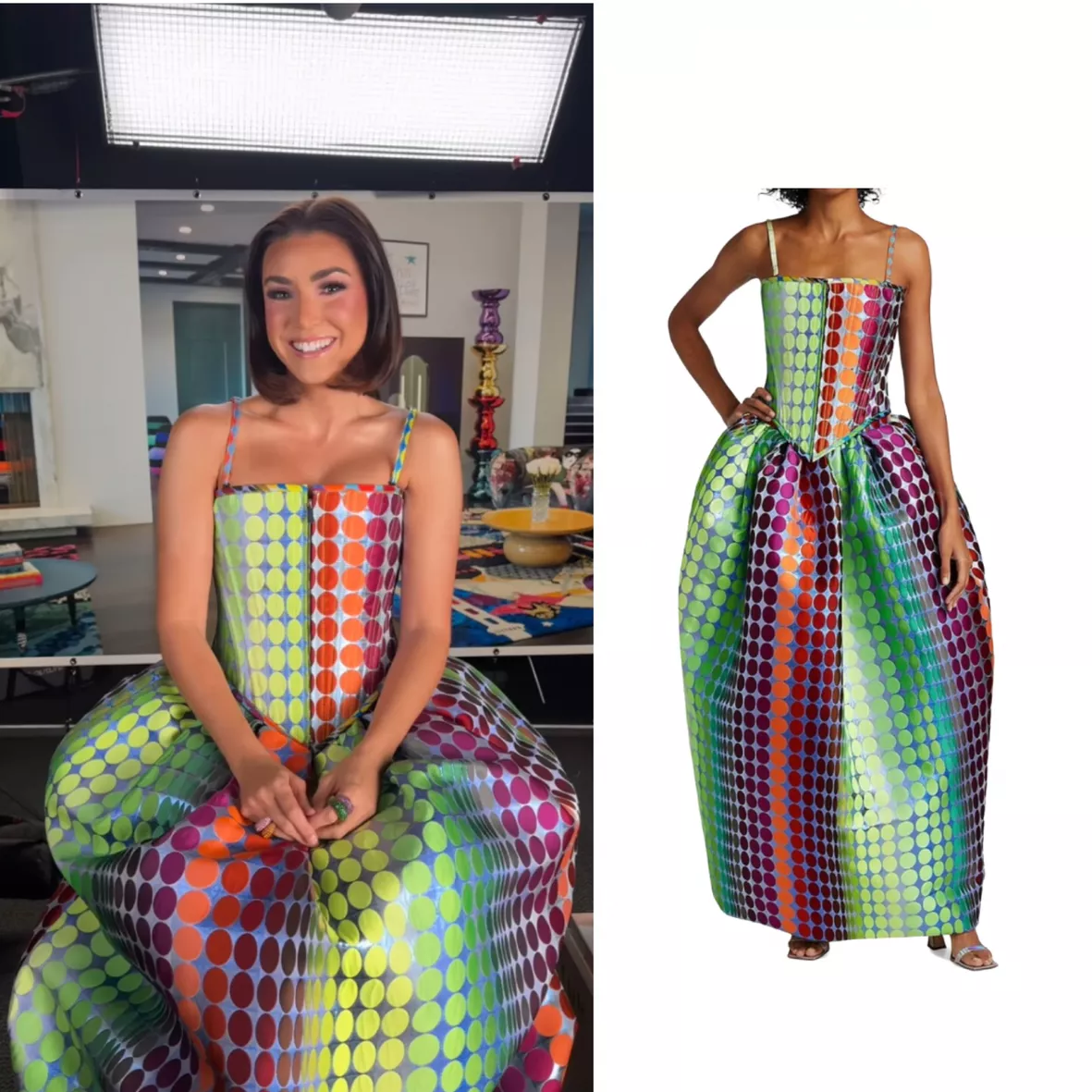
Almost every closet contains one piece being held back for the right occasion. A structured midi in a print you cannot describe without sounding ridiculous. A designer piece bought at a sample sale. It has survived two weddings, a milestone birthday and a gallery opening, because something safer got pulled instead every time.

A stylist has no patience for this frame, and that is the whole value of an outside eye. The dress is an asset sitting idle. The next invitation is the right occasion, not because the event clears some bar the dress has been waiting for, but because you will be at it, wearing the dress.
Worth naming the quieter version of this too. “Saving it for the right occasion” is sometimes actually waiting for a version of yourself who deserves it. That version is not arriving later. She is the one wearing it.
The money maths of restyling instead of shopping
The spending effect of a restyling month is the part worth planning for, because it cuts two ways. On one side, the framework is essentially “you already own the answer, go find it,” and that reliably kills impulse buying. If you are assembling every morning from inventory you had been ignoring, the sale email and the Tuesday-afternoon treat purchase lose their grip, because the wardrobe already feels new.
On the other side, a good audit identifies real gaps, and filling them costs money. The purchases that tend to earn their place are small and specific: one knit in a colour the audit showed was missing, a few pieces of jewellery that stack with something you already wear, and tailoring. Tailoring is the one people skip, and it is usually the highest-return line item in the whole exercise, because taking in two pairs of trousers you have been wearing too loose costs a fraction of replacing them and changes how everything above them reads.
If you hire someone, be honest that the fee will probably eat most of the savings, and roughly break even in the first month. The return is not the money. It is the clothes you already paid for and finally get to wear.
The two rules worth keeping afterwards
Most of what a restyling month gives you fades unless you keep a couple of habits. Two are worth the effort.
Note what you wear, and re-evaluate what you have not noted. Nothing goes back in the closet without being logged, and anything you have not logged in six weeks moves to a “consider” bin. The bin is not a donation pile. It is a holding area that forces a decision instead of letting a garment drift back into the scenery.
Wear it eight times before buying anything new. Livia Firth’s thirty-wears question has been in circulation for well over a decade and it is the right instinct, but thirty can feel abstract enough to ignore. Eight is low enough to actually hit and high enough to stop you buying something destined for the drawer. Ask it at the checkout page, not after the parcel arrives.
The three-step version, if you only do one thing
You do not need a credentialed stylist for any of this, and it would be dishonest to suggest dressing well is gated behind hiring one. Compressed to the essentials:
First, do the inventory walk-through with a friend who has good taste and will be honest with you. Their only job is to keep asking when you last wore the thing until you stop lying. You need someone willing to be slightly uncomfortable for forty-five minutes and willing to tell you the blouse you swear by has not been on your body since the summer before last.
Second, run a no-new-purchases month while you restyle what you own. One calendar month, nothing new comes in, every morning assembled from inventory. This is the highest-value step and it costs nothing. The discomfort of being forced to use what you have is exactly the discomfort that unlocks the closet.
Third, wear it again on Wednesday. Whatever you wore on Tuesday, wear it again on Wednesday, with different shoes or different jewellery or a different top over the same bottom. The world adjusts faster than you expect, because the audience is not paying as close attention as the panic suggests. You will feel ridiculous on the first Wednesday and you will have stopped by the third, and somewhere in there the fear of being seen in the same blazer twice gets replaced by something steadier.

None of these mechanisms teach you about clothes. That is the thing people get wrong about stylists. They tell you what is already in front of you, because you have stopped being able to register it. The outfit that makes you feel most like yourself is very often one you already own every piece of, and have been ignoring three of them for years.