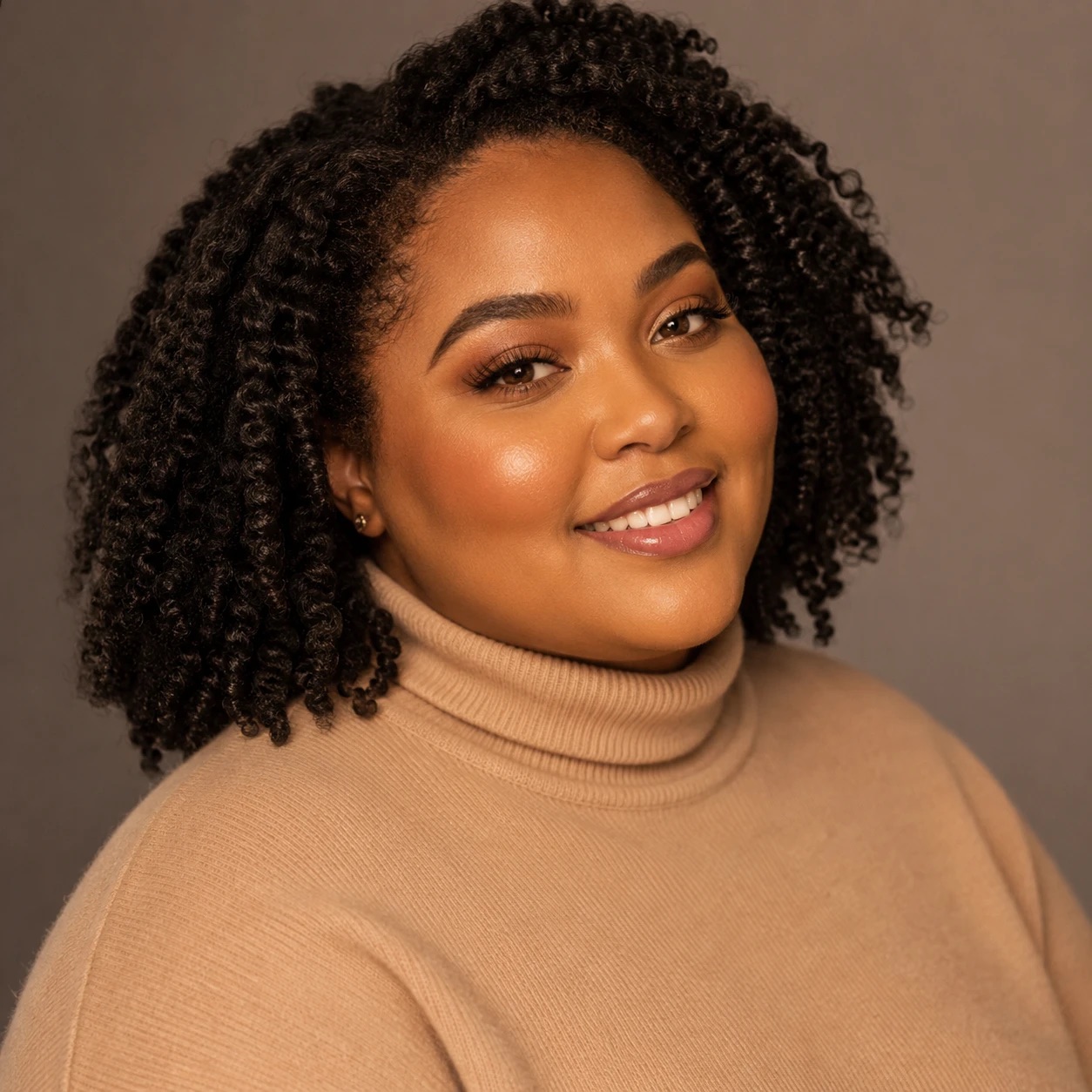
There is a sound a lot of us carry in our memory: the soft click of beads tapping together when you turn your head, the gentle tug of a parting comb, the hum of a kitchen radio while someone you love sections your hair into neat rows. That sound is a whole childhood for many Black women, and it is also a quiet lesson in self-care that we never quite outgrow. Protective styling has always been more than a look. It is heritage you can wear, a way to guard your strands while celebrating the artistry that has been passed down through generations of mothers, aunties, grandmothers, and salon chairs.
That is the spirit that makes a fresh set of beaded braids or a crisp cornrow part feel so joyful, no matter how old you are. And few young figures have made beaded, braided styles feel quite as celebratory in recent years as Blue Ivy Carter, the daughter of Beyonce and Jay-Z. Over the years, her braided and beaded looks have been widely admired by fans and beauty writers who recognize, in those playful styles, the same traditions they grew up with. Her hair moments are a lovely jumping-off point for a bigger conversation: which protective styles are worth recreating, why they work, and how to keep your own hair healthy and thriving underneath.
Why Protective Styling Earns Its Name
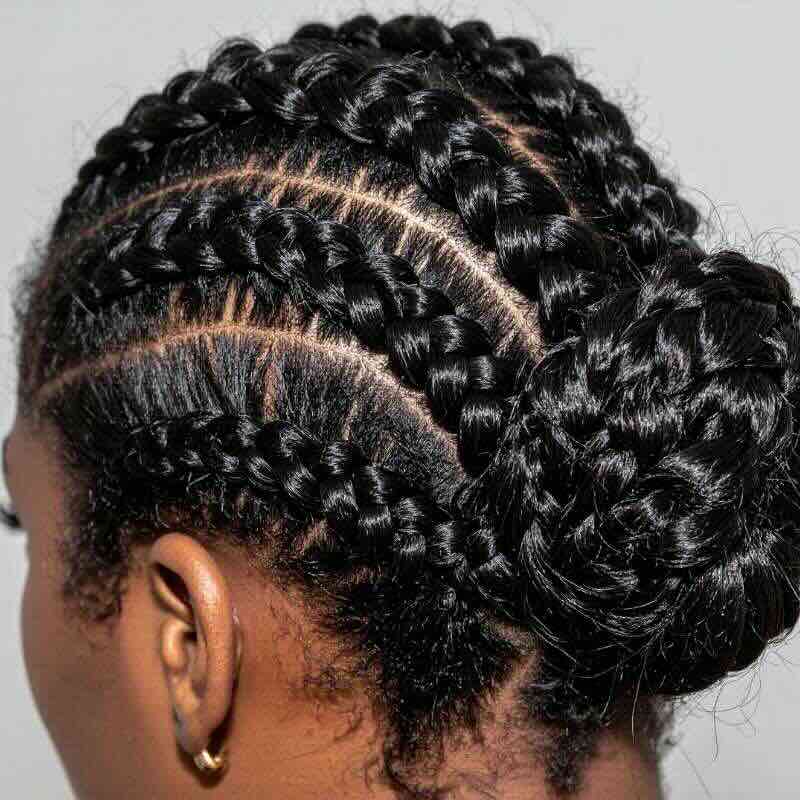
Before we talk style, it helps to remember what “protective” actually means. A protective style tucks the ends of your hair away and reduces the daily manipulation that leads to breakage. Every time you comb, brush, heat-style, or tug at your strands, you create small opportunities for damage. Braids, twists, and cornrows take that daily wear off the table. Your ends, the oldest and most fragile part of each strand, get to rest.
That rest is where the magic happens. Hair does not grow faster simply because it is braided, but it does retain more length when it is left alone, because fewer strands snap off along the way. For coily and kinky textures in particular, which are naturally more prone to dryness and breakage at the bends of each curl, that retention can be the difference between hair that seems “stuck” and hair that visibly flourishes season after season.
There is an emotional layer too. A good protective style buys you time and ease. No frantic morning detangling, no daily heat, just a finished look you can wear for weeks. For busy women juggling work, family, and everything else, that simplicity is its own kind of luxury. The styles below all deliver that, and each one carries a different mood, so you can match your hair to your life.
Beaded Braids - The Style That Feels Like Home
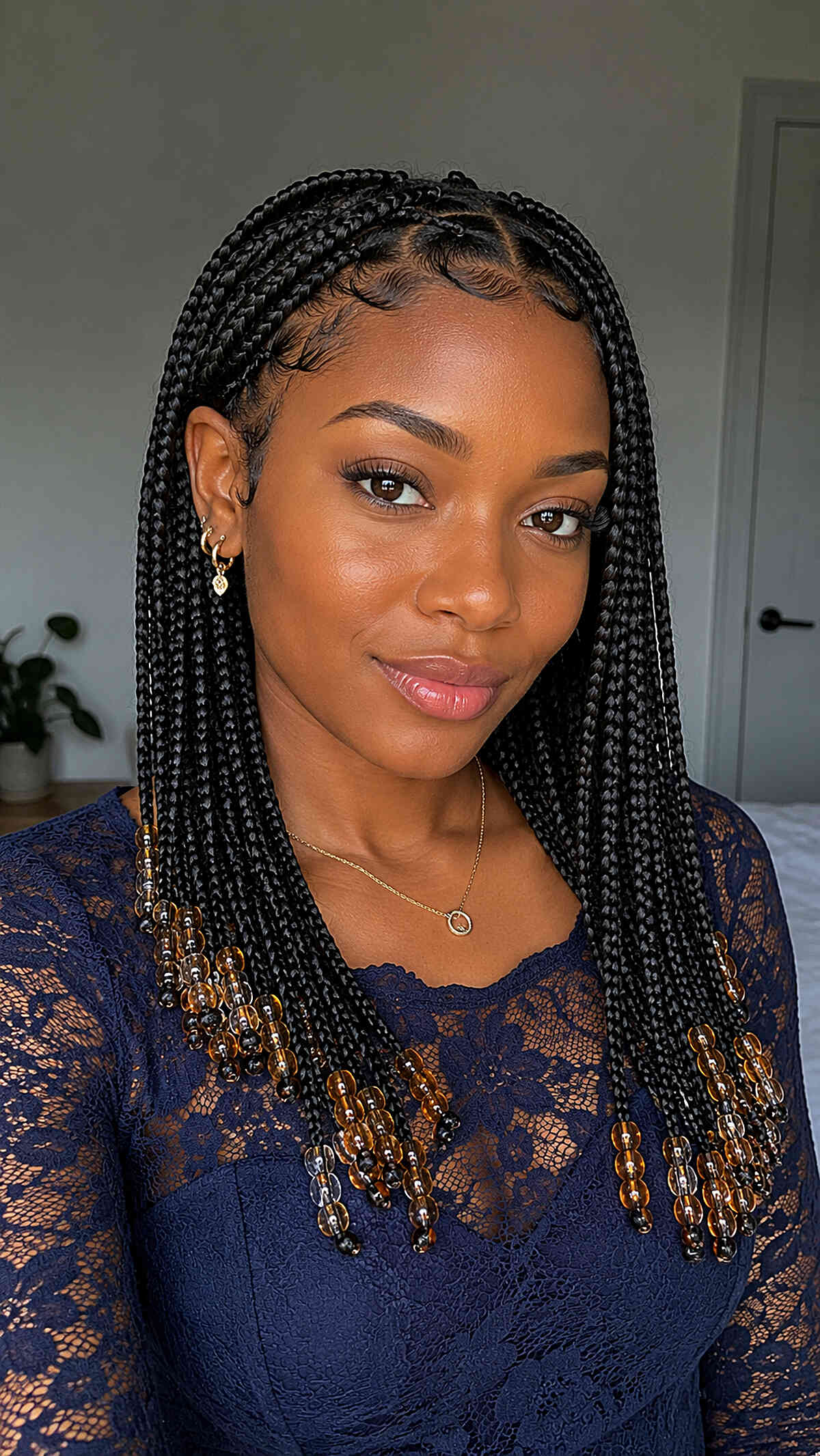
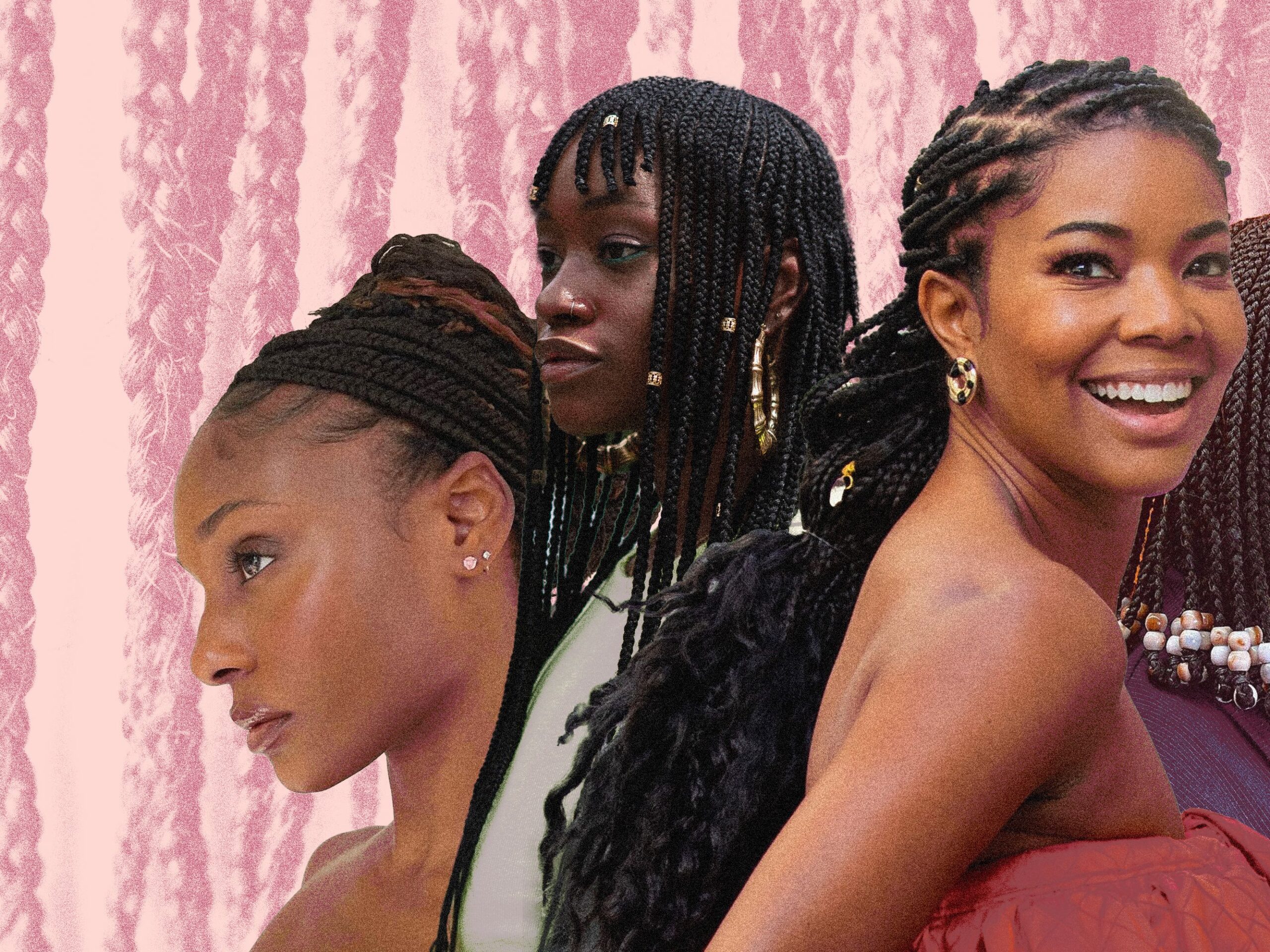
If any single look captures the warmth of Black girlhood, it is braids finished with beads. The look that earned Blue Ivy so much admiration, soft braids dressed with colorful beads, threads, and little cuffs, is the grown-up cousin of the styles many of us wore to school picture day. Essence and other outlets have noted how those beaded braids send Black women straight back to childhood, to the ritual of sitting between someone’s knees while they wove tiny rows and clicked beads onto the ends.
Here is the good news: beads are not just for little ones. Worn thoughtfully, beaded braids read as bohemian, festival-ready, and effortlessly chic on grown women. The trick is in the styling choices. A few well-placed wooden or metallic cuffs near the ends of a handful of braids feels editorial rather than juvenile. Cowrie shells nod to West African tradition and lend an instantly regal finish. If you want the most polished version, keep your bead palette tonal, think warm woods, soft golds, or a single accent color that picks up something in your wardrobe.
Beads also serve a practical purpose. They weigh the ends of the braids slightly, which encourages a graceful drape and keeps the style from looking fluffy or undone. Just be mindful of how many you add. Too much weight concentrated on fine braids can create tension, so distribute beads across the style rather than loading every single braid, and slide them off gently rather than yanking when it is time to take the look down.
Box Braids and Knotless Braids - The Versatile Workhorse
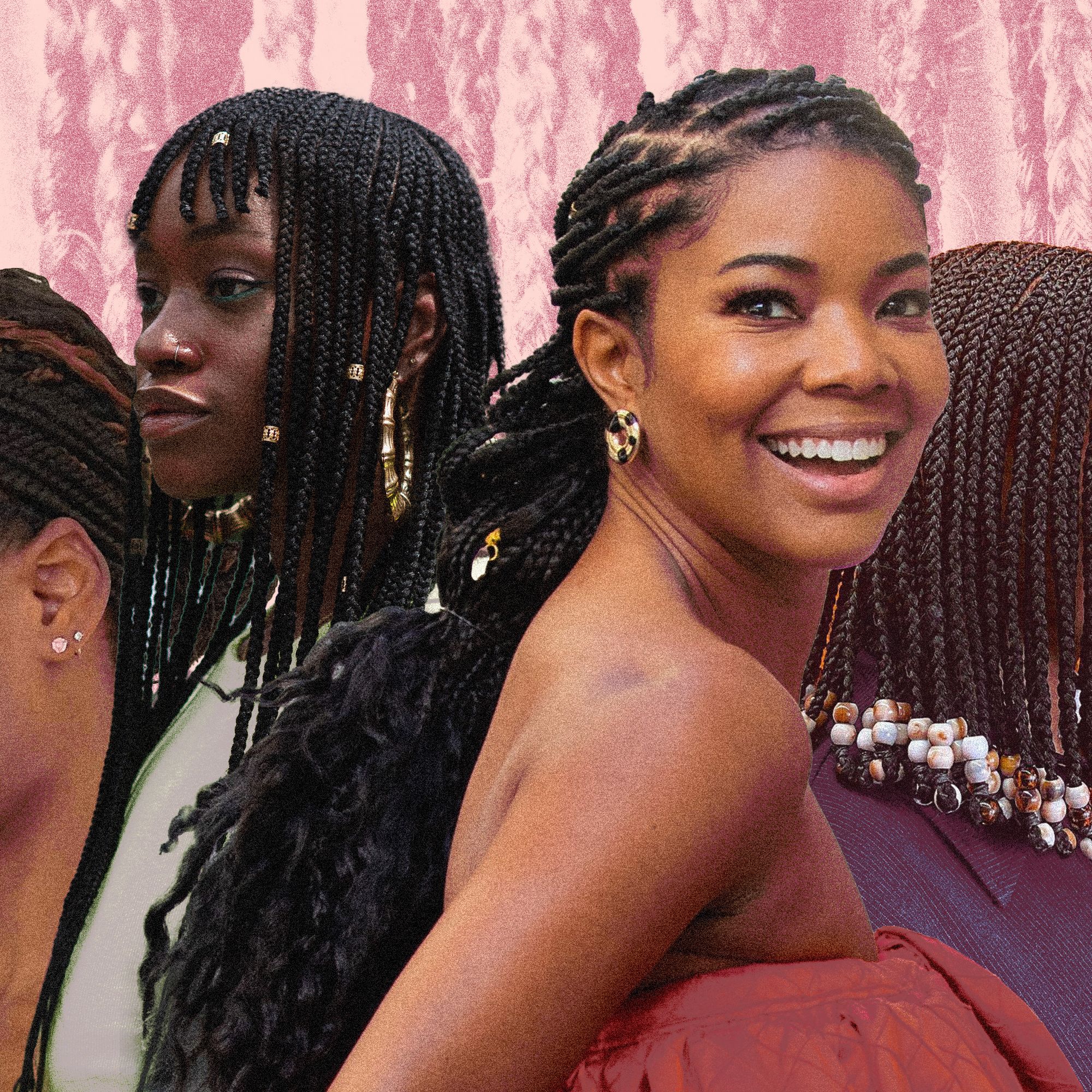
When people picture protective styling, box braids are often the first thing that comes to mind, and for good reason. They are endlessly versatile. You can wear them long enough to swing past your waist or cropped to a chic bob, part them down the middle or sweep them to one side, gather them into a high bun for the office or let them fall loose for the weekend. The style remains a staple precisely because it flatters nearly everyone, and it has been a fixture on red carpets, in classrooms, and at family cookouts for decades.
In recent years, knotless braids have become the favorite update on the classic. Instead of starting each braid with a small knot at the root, the stylist feeds the extension hair in gradually, so the braid lies flatter against the scalp and begins with your own natural hair. The payoff is real: less tension at the roots, a more natural-looking part, and a finish that feels lighter and more comfortable from day one. For anyone with tender edges or a sensitive scalp, knotless braids are often the kinder choice.
Box and knotless braids also play beautifully with accessories. This is where you can borrow a page from those beloved beaded looks, adding a scattering of cuffs or wrapping a few braids in metallic thread for special occasions, then keeping them clean and simple for everyday. Worn well, they are the protective style that grows with you, equally at home on a teenager, a thirty-something, or a woman well into her sixties who simply loves the freedom they offer.
Cornrows and Stitch Braids - Sleek, Sculpted, and Timeless
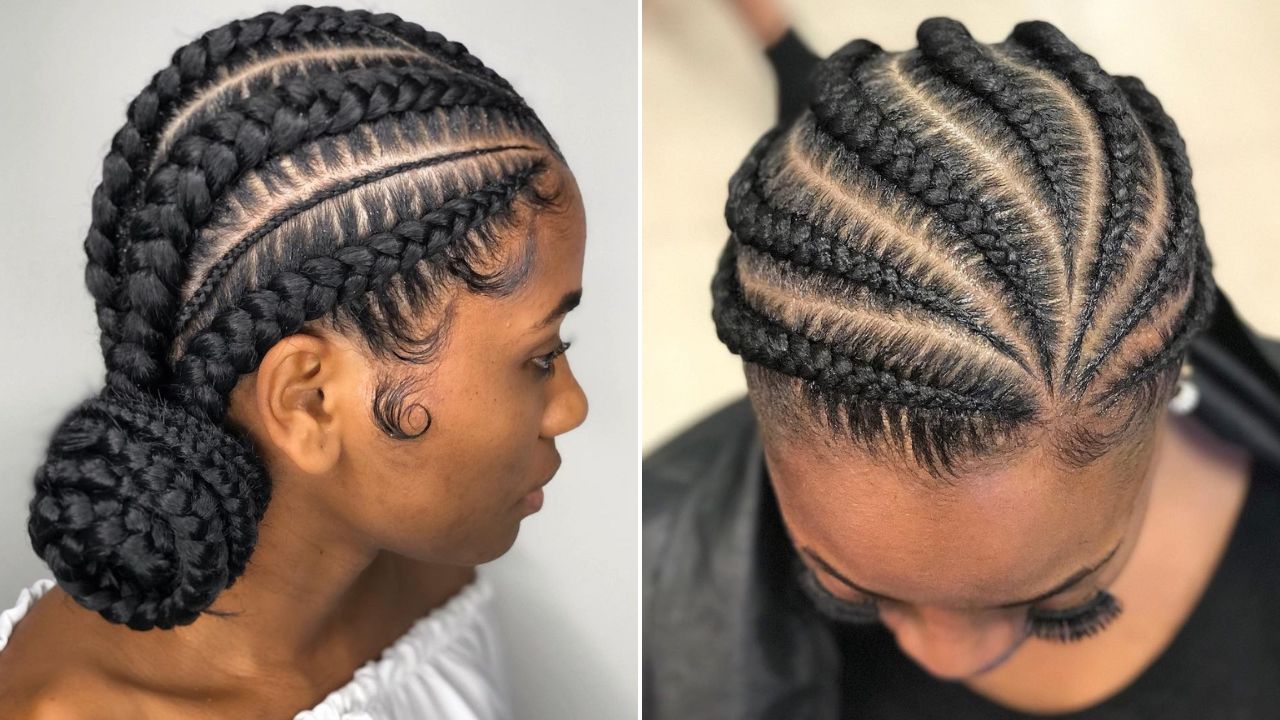
Cornrows are the architecture of Black hairstyling. Braided flat against the scalp in neat rows, they create clean geometric patterns that can be as simple as straight-backs or as intricate as swirling, sculptural designs. Neat cornrows with beaded ends and straight-back styles with curly ends are among the looks that have kept this tradition feeling fresh, and they tap into one of the oldest, most enduring techniques in the protective-styling world.
The beauty of cornrows is their precision. Because they sit so close to the head, they are featherlight, breathable, and wonderfully low maintenance. They are also a brilliant base layer, which is why so many women wear cornrows underneath wigs or use them as the foundation for other styles. On their own, a set of clean stitch braids, the modern variation where the hair is sectioned in tiny visible “stitches” for an ultra-defined finish, looks polished enough for a boardroom and striking enough for a night out.
Cornrows scale gracefully with age. A young girl might wear playful zigzag parts with beaded ends, while a grown woman might choose a sleek set of straight-backs gathered into a low bun, or an elegant side-swept pattern that frames the face. The technique is the same; the styling makes it age-appropriate. If you have never tried cornrows as an adult, they are one of the most rewarding entry points into protective styling, because they require so little upkeep once they are in.
Twists - The Soft, Low-Tension Favorite
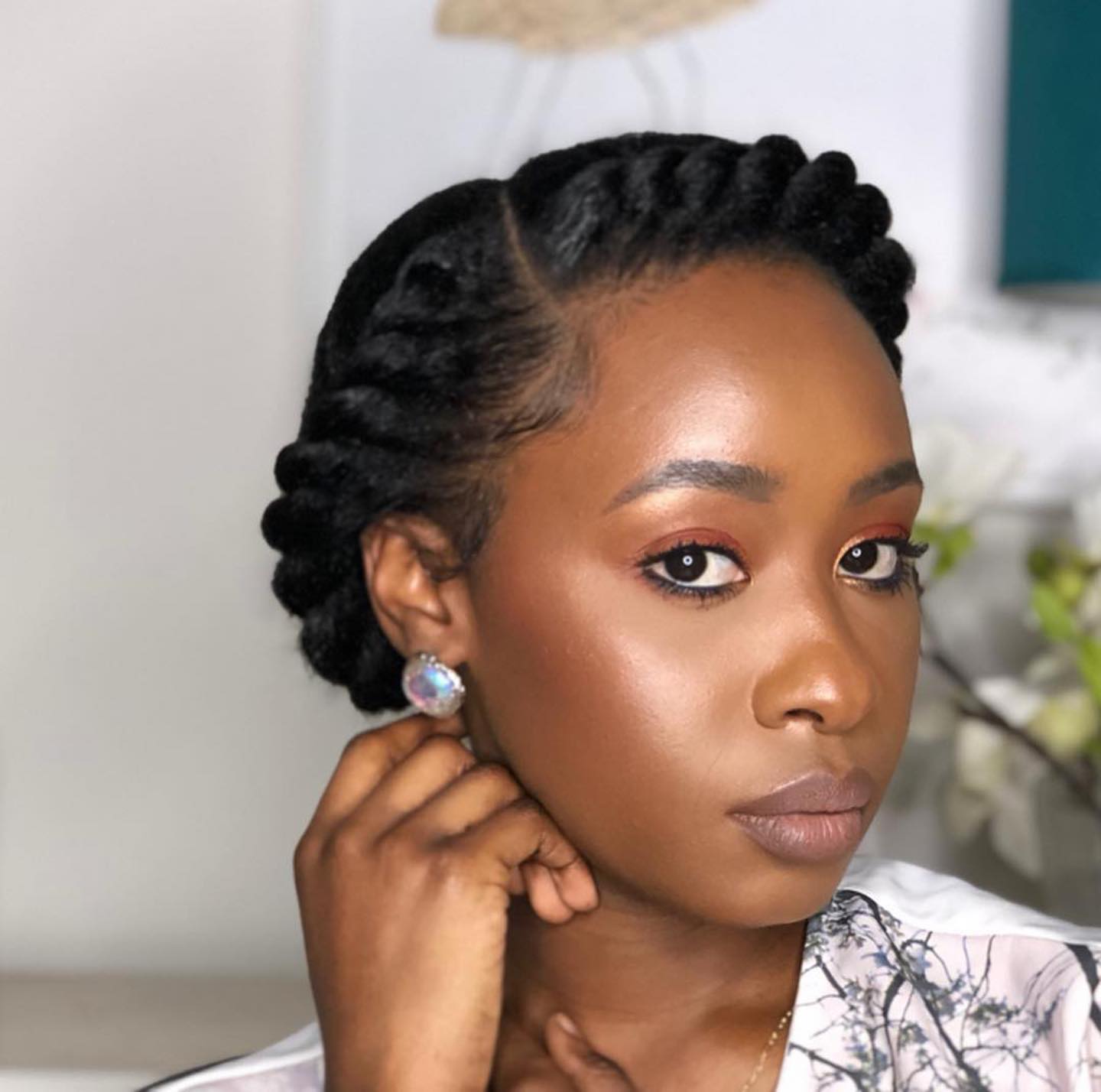
Not every protective style has to be braided. Twists, where two sections of hair are wound around each other rather than plaited in three strands, offer a softer, rounder texture and a gentler installation. Two-strand twists can be done entirely with your own natural hair, which makes them a favorite among women who want a break from extensions and a style that feels truly their own.
Twists come in many moods. Senegalese twists, created with smooth wrapped extension hair, have a sleek, ropey elegance. Passion twists bring a wavy, romantic texture that catches the light. Marley twists use a coarser, more matte hair that blends seamlessly with natural coils for an earthy, organic finish. And classic two-strand twists on natural hair double as a styling step, because when you unravel them, you are left with a gorgeous twist-out full of soft, defined waves.
The low-tension nature of twists makes them especially kind to fragile or fine hair and to anyone whose scalp does not love the tightness of small braids. They tend to be quicker to install too, which means less time in the chair. For women easing back into protective styling, or those who want something forgiving and natural-looking, twists are a gentle and graceful place to begin.
How to Keep Your Hair Healthy Under Any Style
A protective style only protects if the hair underneath stays nourished, and this is where the real care lives. The first rule is to start with healthy hair. Strands that are dry, tangled, or weak are far more vulnerable once the weight and tension of a style are added, so prep matters: cleanse, deep condition, and detangle thoroughly before installation so your hair goes into the style strong and moisturized.
Tension is the next thing to watch. A style should never feel painfully tight, and the area around your hairline deserves special care, because the fine hairs at your edges are the easiest to lose to too much pull. If a fresh install leaves you with soreness or tiny bumps along the perimeter, that is a sign the braids are too tight, and it is worth speaking up at the salon rather than enduring it. Gentle is always better than dramatic.
Once your style is in, moisture becomes your daily ritual. With braids and cornrows, your scalp is more exposed than usual and can grow dry or flaky, so a lightweight leave-in conditioning spray or a diluted moisturizing mist keeps things comfortable. A few drops of a nourishing oil, something like jojoba, castor, or a light hair oil blend, can be massaged into the scalp to soothe and seal. Many stylists suggest cleansing braids gently every couple of weeks to keep the scalp fresh, using a diluted shampoo or a dedicated scalp cleanser so you do not disturb the style.
Nights matter just as much as mornings. Wrapping your hair in a satin or silk scarf, or sleeping on a satin pillowcase, prevents the friction that causes frizz and breakage while you sleep, and it keeps your edges looking smooth. Brands that specialize in textured hair, the kind of leave-ins, edge-care products, scalp oils, and satin accessories you will find across well-loved natural-hair lines, make this routine easy to build without any guesswork.
Finally, give your hair an exit strategy. Even the most beautiful protective style has a shelf life, and leaving braids or twists in too long allows your new growth to lock and tangle at the roots, which can cause breakage when you finally take them down. Most stylists suggest wearing a style for a few weeks up to roughly two months, then giving your hair a thorough wash, deep condition, and a little rest before the next install. That pause is not a break from your routine; it is part of the routine, and it is what keeps the cycle of protective styling genuinely protective.
Carrying the Tradition Forward in Your Own Mirror
What makes beaded braids and beautiful cornrows so moving is not any single person wearing them. It is the recognition. When a joyful, healthy braided style shows up and a whole community lights up with memories of childhood salon chairs and clicking beads, it is proof that these traditions are alive, cherished, and worth passing on. Blue Ivy’s admired braided moments simply remind us how timeless and adaptable these styles really are, from a little girl’s beaded rows to a grown woman’s sleek knotless braids.
So the invitation here is personal. Pick the style that fits your life right now, the breezy beaded braids for summer, the workhorse box braids for a busy season, the sculpted cornrows for low-maintenance elegance, or the soft twists for a gentle reset. Treat your hair underneath with the same love your elders showed yours, and let the style do what it was always meant to do: protect, celebrate, and remind you that the artistry living in your hair is yours to wear, at every single age.