Why Dark Circles on Dark Skin Need a Different Approach
If you have ever applied a concealer marketed for dark circles only to end up looking ashy, gray, or like you have two white patches under your eyes, you are not alone. The majority of concealer advice, shade recommendations, and product formulations were developed with lighter skin tones in mind. When those same principles are applied to melanin-rich skin, the results range from ineffective to actively unflattering.
Dark circles on dark skin are different. The hyperpigmentation tends to run deeper, with undertones that skew brown, purple, and gray rather than the blue that dominates on lighter skin. This means the color correction approach needs to be more saturated, the concealer shades need to be warmer, and the application technique needs to account for the way product sits on melanin-rich skin, which has different texture and oil production patterns.
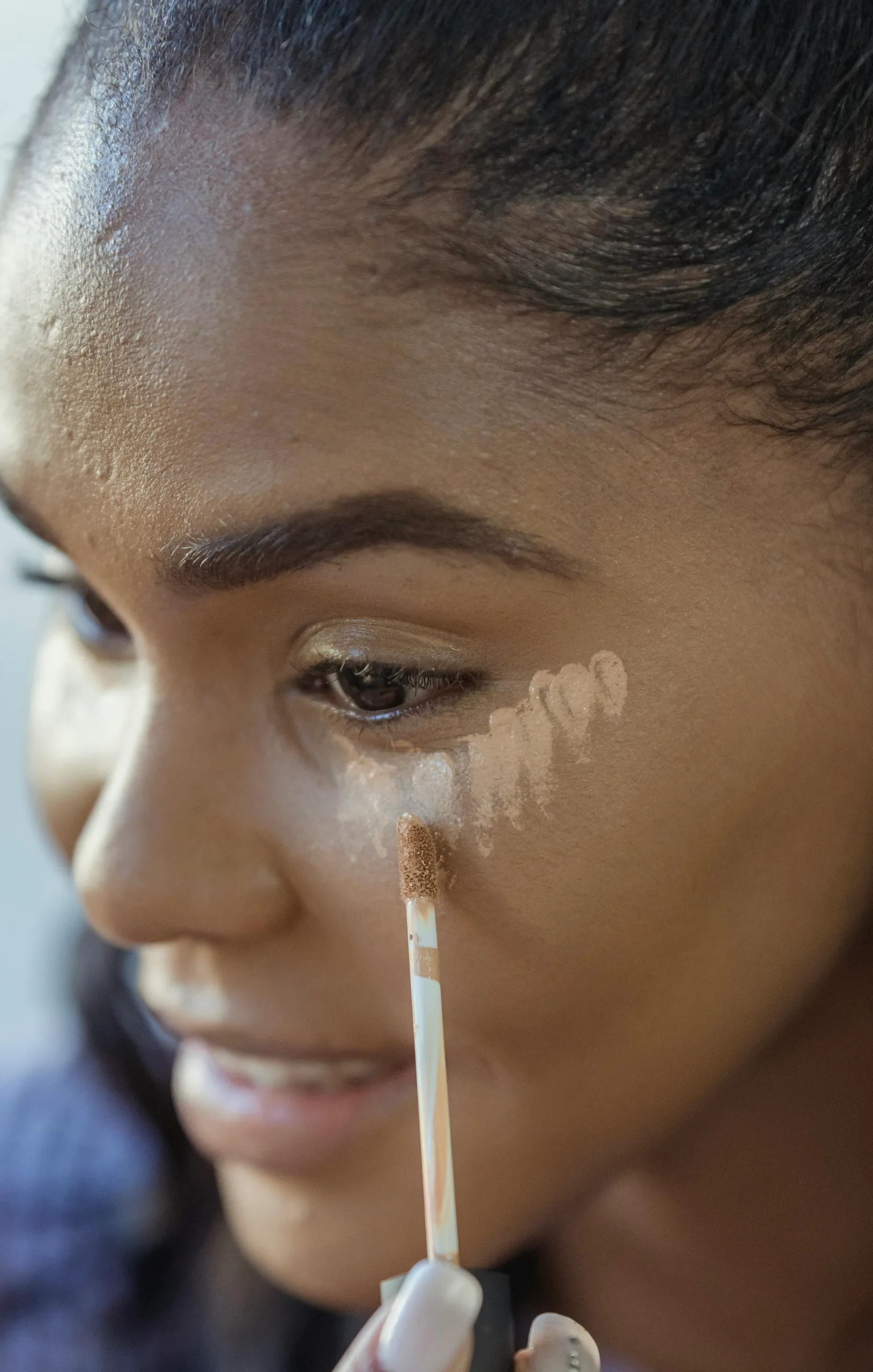
This guide covers everything you need to know: the color theory behind color correcting on dark skin, the specific products that actually work, the step-by-step application technique that prevents creasing and ashiness, and the common mistakes that trip up even experienced makeup users. By the end, you will have a clear, actionable system for concealing dark circles that looks natural, lasts all day, and actually enhances your beautiful melanin-rich complexion.
Color Correcting 101 for Dark Skin
Understanding Color Theory for Deeper Complexions

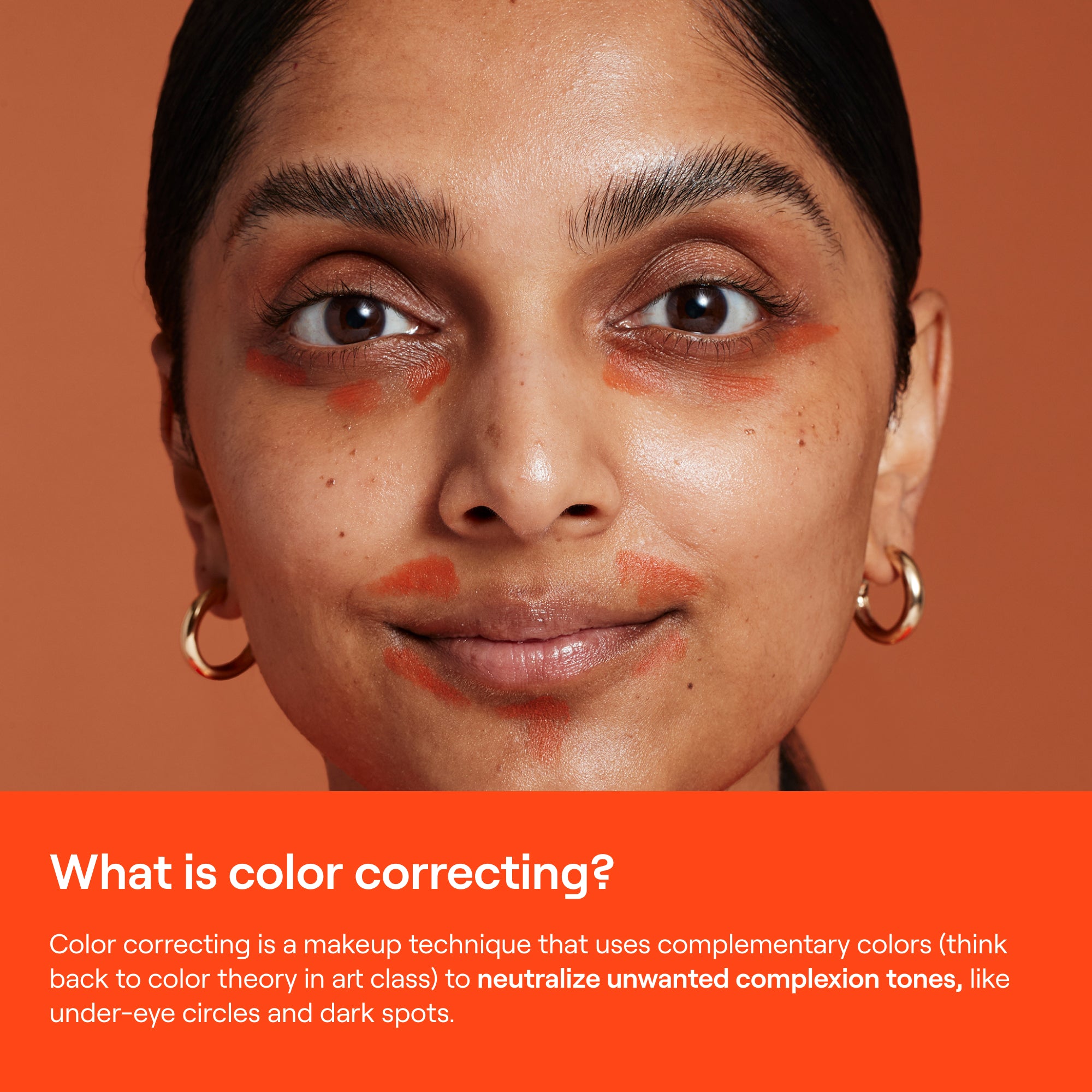
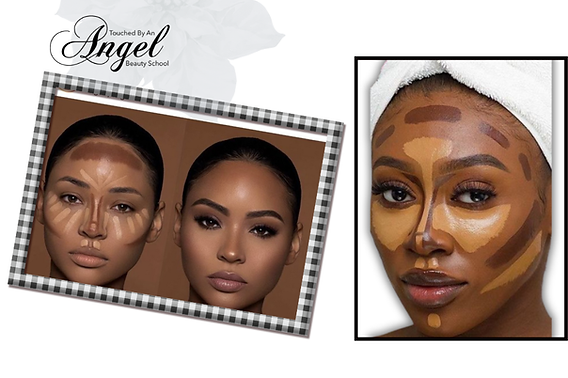
Color correcting works on the principle that opposite colors on the color wheel cancel each other out. For dark circles on dark skin, the colors you are neutralizing are brown, purple, and deep gray. The correctors that cancel these tones are peach, orange, and red, with the specific shade depending on how deep your skin tone is.
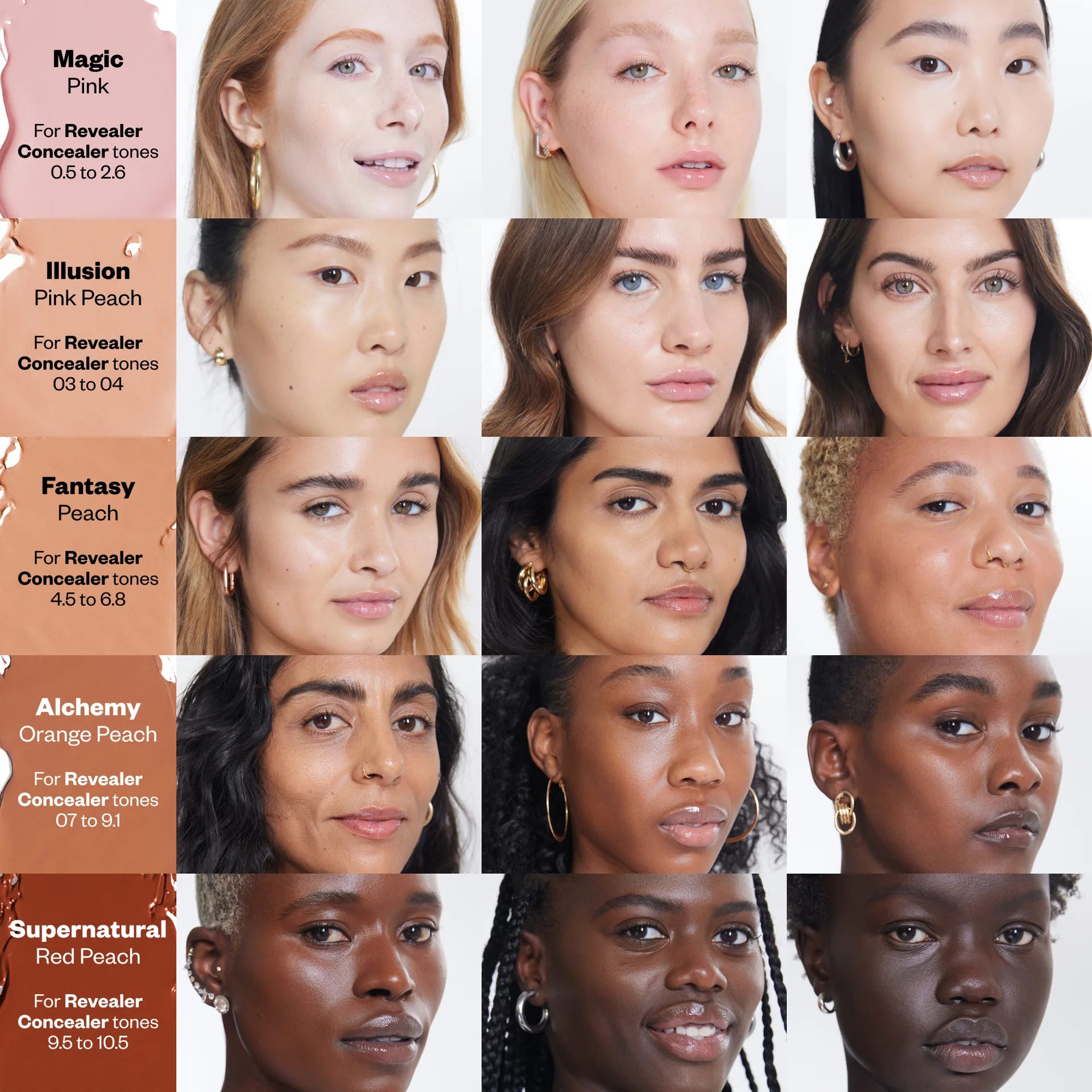
Here is the critical rule that most mainstream beauty advice gets wrong: the deeper your skin, the more saturated your color corrector needs to be. A light peach that works on medium skin will do nothing on deep skin. You need actual orange or even reddish-orange tones to effectively neutralize the depth of pigmentation. This is not a mistake; it is correct color theory applied to deeper skin tones.
Matching Your Corrector to Your Skin Depth
For medium-dark skin tones, a saturated peach corrector will effectively neutralize most under-eye darkness. For dark to deep skin tones, you need an orange corrector. For very deep skin tones, a red-orange or even a true warm red corrector provides the pigmentation intensity needed to cancel out the deepest hyperpigmentation. If your corrector looks too light or too pastel against your under-eye, it is not saturated enough for your depth.
Why You Need Both a Corrector and a Concealer
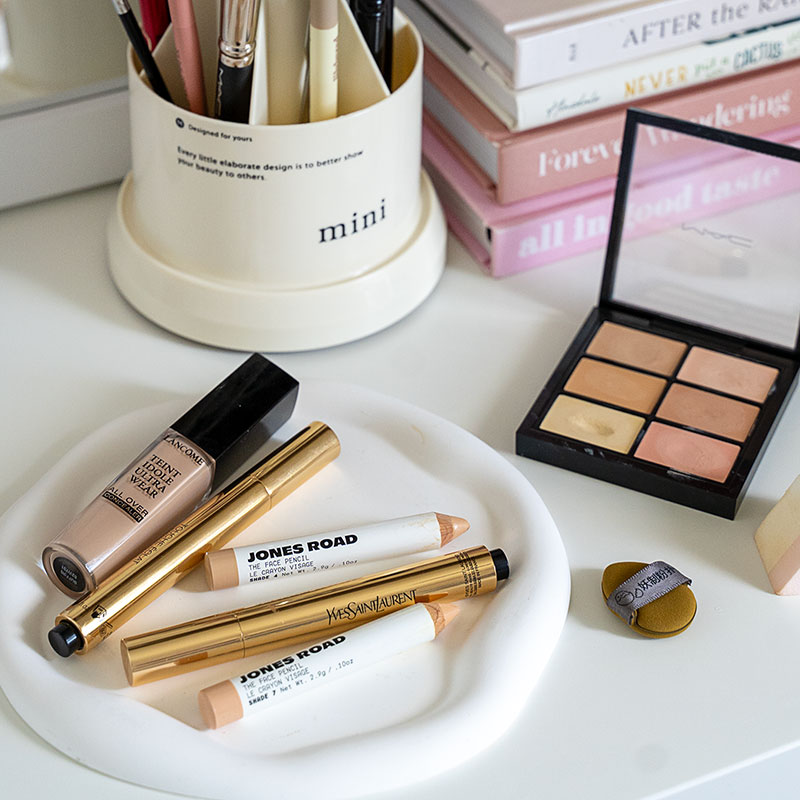
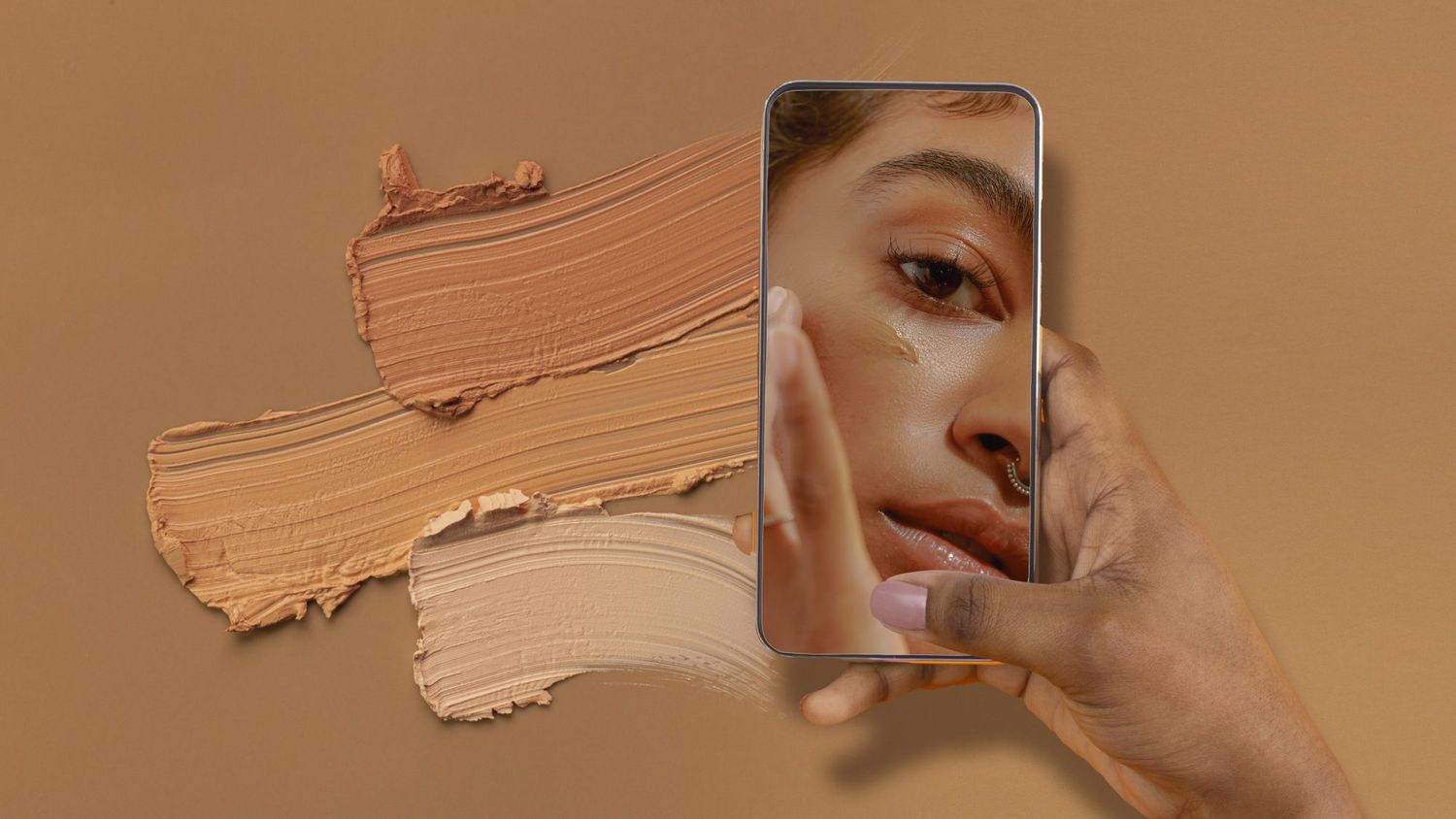
On dark skin, concealer alone cannot effectively address dark circles because the pigmentation is too deep to cover in a single layer. A color corrector neutralizes the dark tones first, creating a more even base. Then the concealer goes on top to match the area to the rest of your face. This two-step approach is what makeup artists use on dark skin tones, and it is the key to natural-looking, effective coverage.
Best Color Correctors for Dark Skin
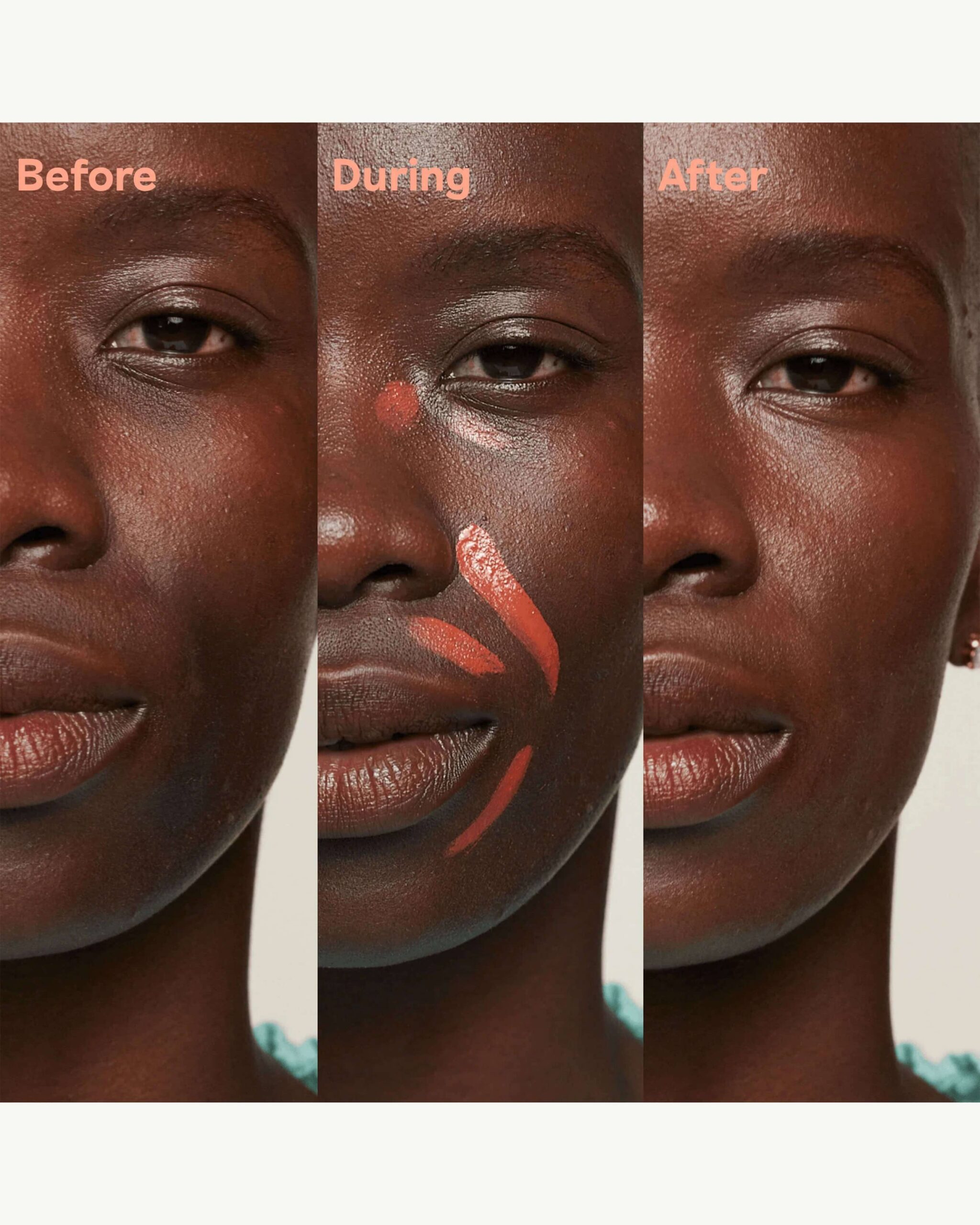
1. Live Tinted Hueguard Color Corrector ($28)
Live Tinted was literally created to solve color correction challenges on melanin-rich skin. Their Hueguard formula adapts to your skin tone, providing neutralizing correction without the chalky aftermath that plagues so many correctors on dark skin. The creamy, blendable formula sits beautifully under concealer without creasing or separating throughout the day.
The shade range is specifically calibrated for deeper skin tones, avoiding the too-light, too-pastel problem that makes many correctors useless on dark skin. The formula also contains skincare ingredients that treat the under-eye area while correcting, including caffeine to reduce puffiness and vitamin C to gradually brighten the area over time.
Shop Live Tinted Hueguard Color Corrector ($28)
2. L.A. Girl Pro Concealer in Orange ($5)
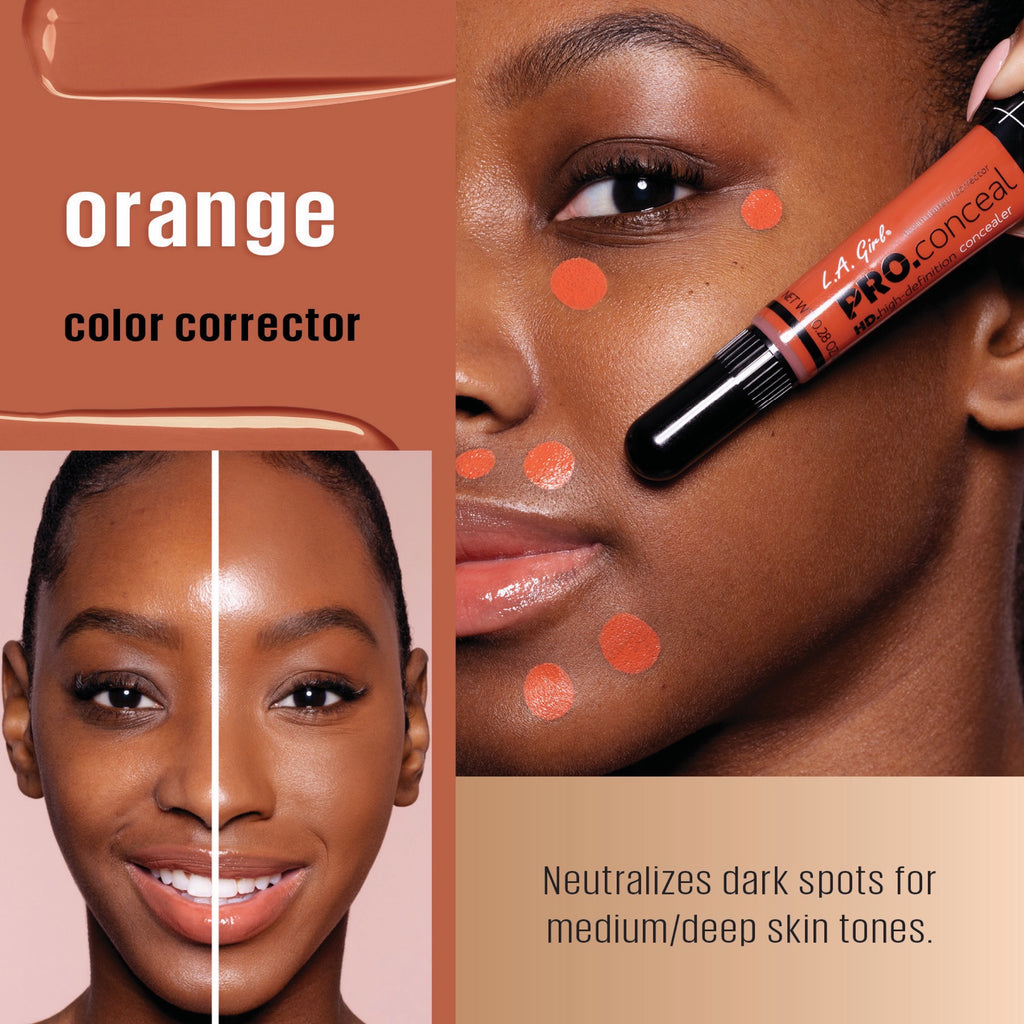
The L.A. Girl Pro Concealer in orange is one of the most recommended products in the entire dark skin beauty community, and at $5 it is also one of the most accessible. The orange shade is perfectly saturated to neutralize dark circles on medium-deep to deep skin tones. The liquid formula blends easily and provides a smooth base for concealer without being too thick or cakey.
Professional makeup artists working on dark skin frequently carry this product in their kits because it works consistently across different depths. The applicator tip allows for precise placement in the under-eye area. For $5, this is the must-try product for anyone beginning their color correction journey on dark skin.
Shop L.A. Girl Pro Concealer in Orange ($5)
3. NYX Professional Makeup Color Correcting Palette ($14)
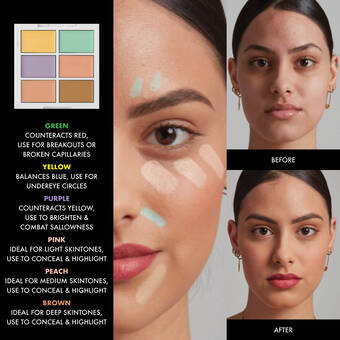
The NYX color correcting palette includes multiple shades in one compact, allowing you to customize your correction by mixing and matching. For dark skin, the orange and peach pans are the most useful, and the included green can address any redness or hyperpigmentation around the nose and chin. The cream formula blends smoothly and works well under both liquid and powder concealer.
Having multiple correcting shades in one palette is particularly useful because your under-eye darkness can vary throughout the month due to sleep, stress, and hormonal changes. On days when the circles are deeper, use a more saturated orange. On lighter days, a peach tone suffices. The palette format gives you flexibility without buying multiple individual products.
Shop NYX Color Correcting Palette ($14)
Best Concealers for Dark Skin Tones
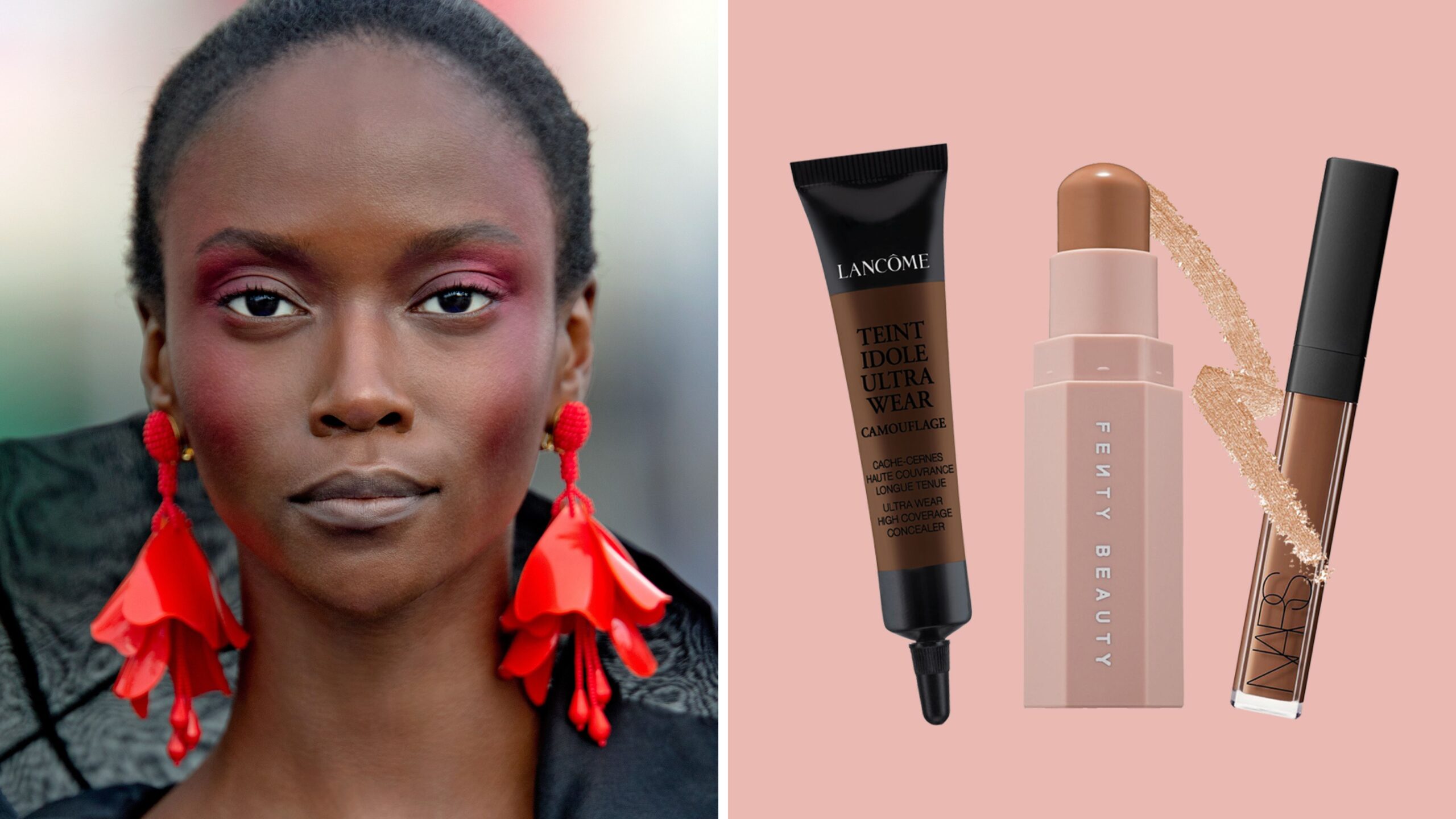
4. Fenty Beauty Pro Filt’r Concealer ($30)
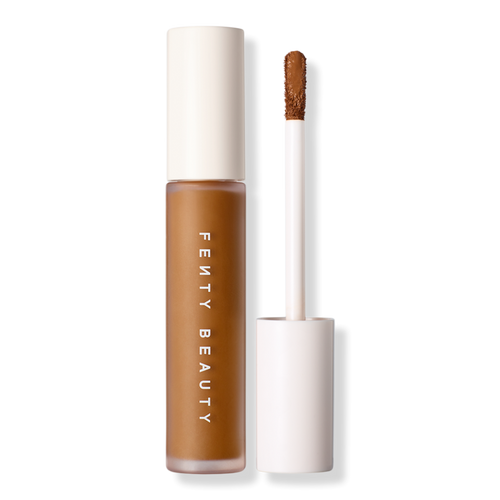
With 50 shades that include multiple options for every depth and undertone, Fenty Beauty’s Pro Filt’r Concealer is the gold standard for concealer shade matching on dark skin. The creamy, soft matte formula builds from medium to full coverage while feeling light on the skin. It does not settle into fine lines, crease heavily, or oxidize throughout the day, which are common issues with concealers on deeper skin.
The shade range specifically includes warm, cool, and neutral undertones within the deep shade range, so you are not forced to choose between a shade that is technically the right depth but has completely wrong undertones. The formula lasts up to 12 hours and resists the midday fading that can reveal corrected dark circles. This is the concealer that makeup artists reach for first on dark skin.
Shop Fenty Beauty Pro Filt’r Concealer ($30)
5. NARS Radiant Creamy Concealer ($32)
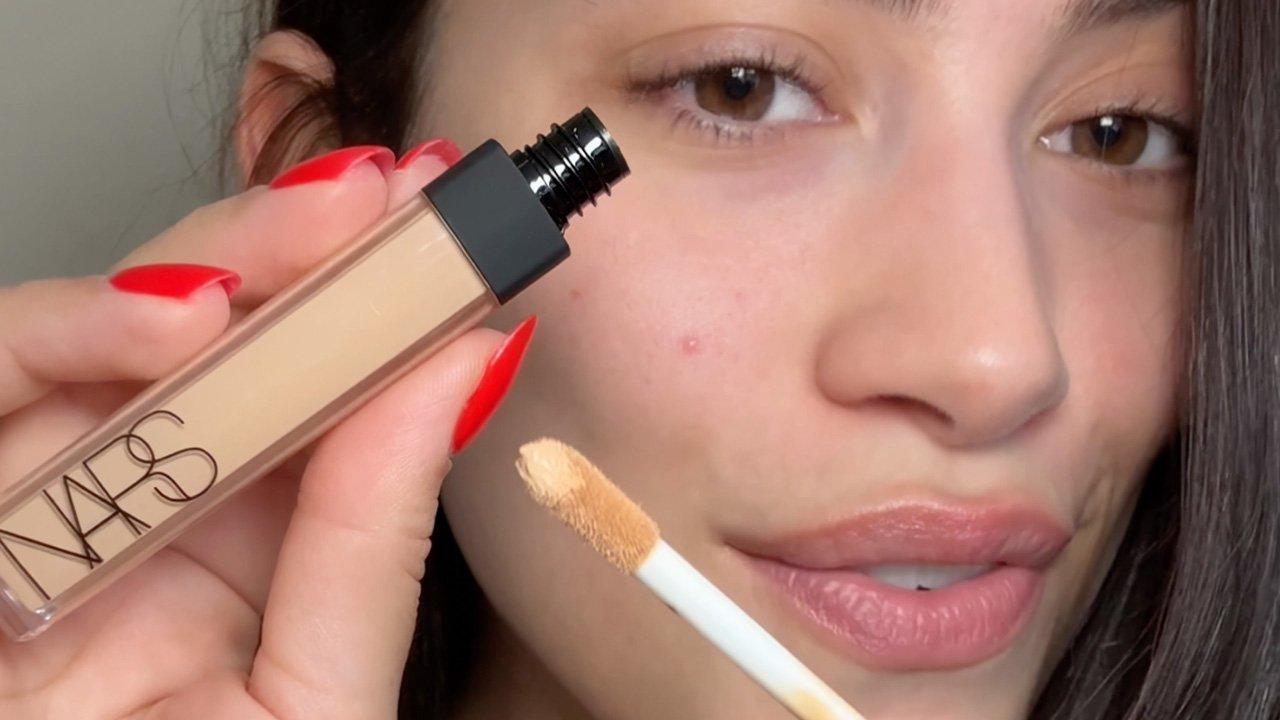
The NARS Radiant Creamy Concealer has been a bestseller for over a decade because it delivers consistently impressive results across all skin tones. The medium-to-full coverage formula has a natural finish that avoids both the matte flatness and the overly dewy slip that can be problematic under the eyes. The built-in skincare ingredients hydrate the delicate under-eye area.
With 30 shades spanning the full spectrum of skin tones, the deep shade range includes warm, cool, and neutral options. The concealer has excellent staying power without setting powder, though a light dusting of translucent powder extends wear even further. The doe-foot applicator deposits the right amount of product for the under-eye area without over-application.
Shop NARS Radiant Creamy Concealer ($32)
6. Maybelline Instant Age Rewind Concealer ($12)
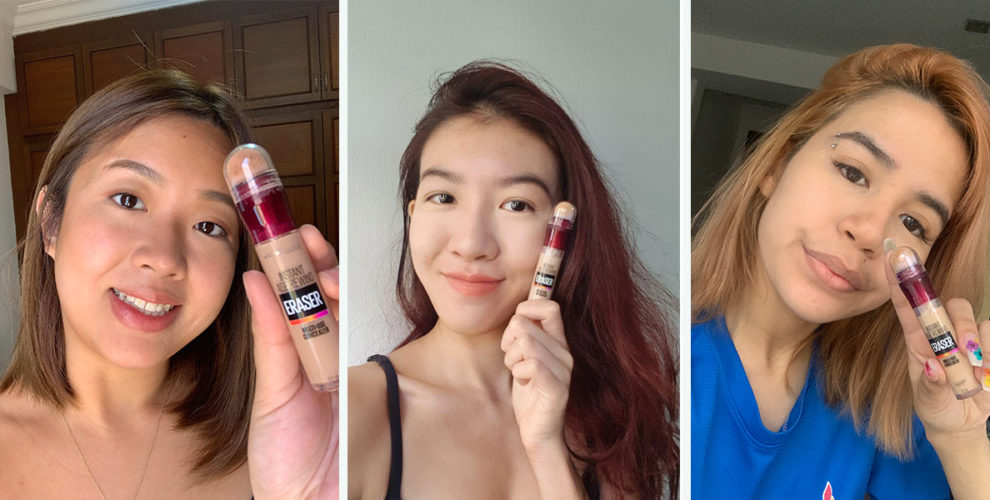
If Fenty and NARS represent the prestige tier, Maybelline Instant Age Rewind is the drugstore champion. The sponge-tip applicator provides easy, precise application, and the lightweight formula delivers medium coverage that can be built up. The shade range has expanded significantly and now includes multiple deep shades with warm undertones that work on dark skin.
The formula contains goji berry and haloxyl to address dark circles from within while providing immediate cosmetic coverage. At $12, it offers remarkable performance for the price. The only caveat is that the sponge applicator can harbor bacteria and should be cleaned regularly. Many women prefer to dab the product onto a clean brush or beauty sponge rather than applying directly from the applicator.
Shop Maybelline Instant Age Rewind Concealer ($12)
7. Too Faced Born This Way Super Coverage Concealer ($33)
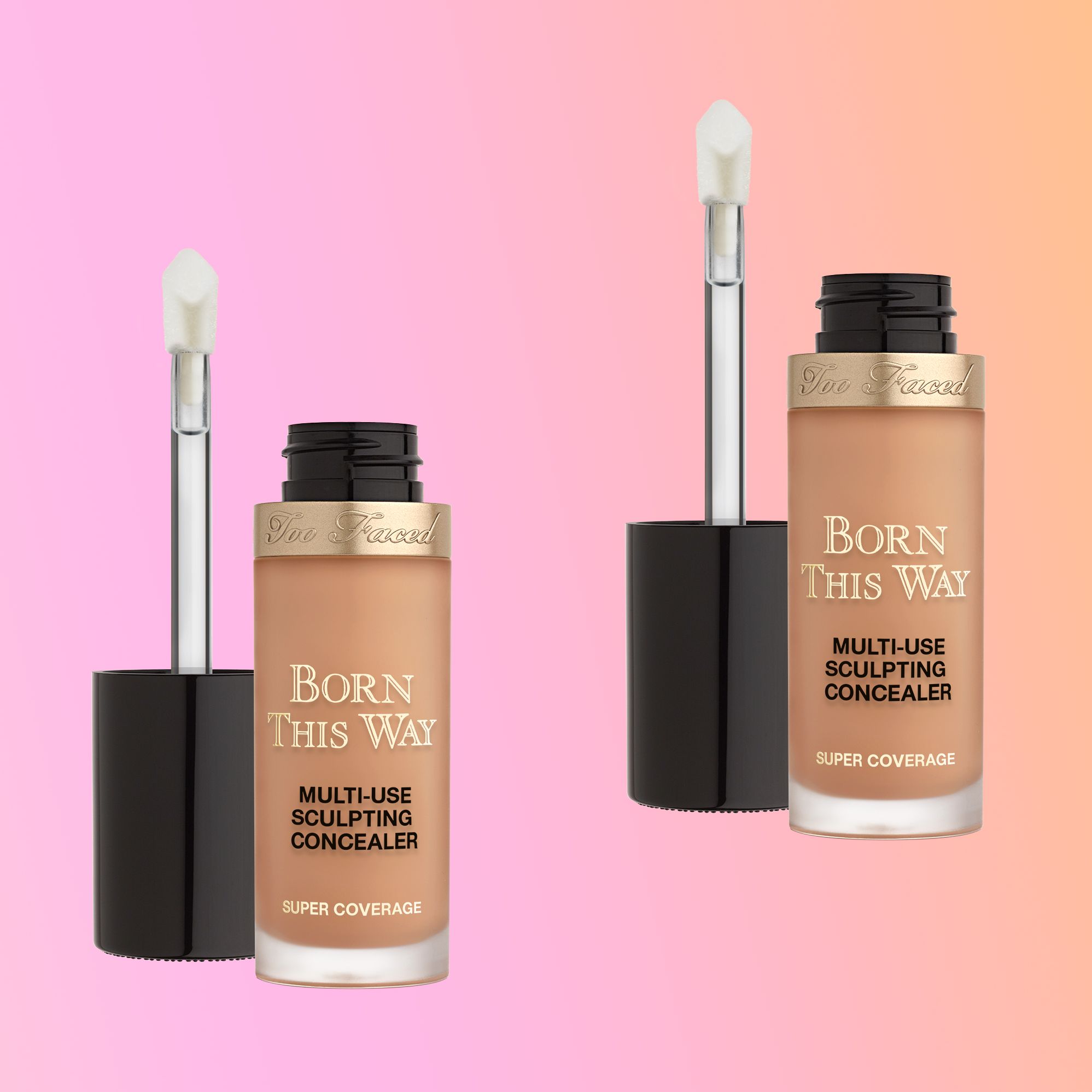
For the darkest circles that need maximum coverage, Too Faced Born This Way Super Coverage delivers. This full-coverage concealer provides significant pigment in a single layer, which means less layering and less risk of a heavy, cakey finish. The coconut water and alpine rose ingredients keep the formula hydrated and comfortable throughout the day.
The shade range includes deep shades with accurate undertones, and the formula resists oxidation, which is critical for dark skin tones where a shade shift can make the concealer look orange or ashy within hours. The paddle applicator allows for controlled placement, and the formula sets to a natural satin finish without settling into creases.
Shop Too Faced Born This Way Concealer ($33)
Step-by-Step Application Guide
Step 1: Prep the Under-Eye Area
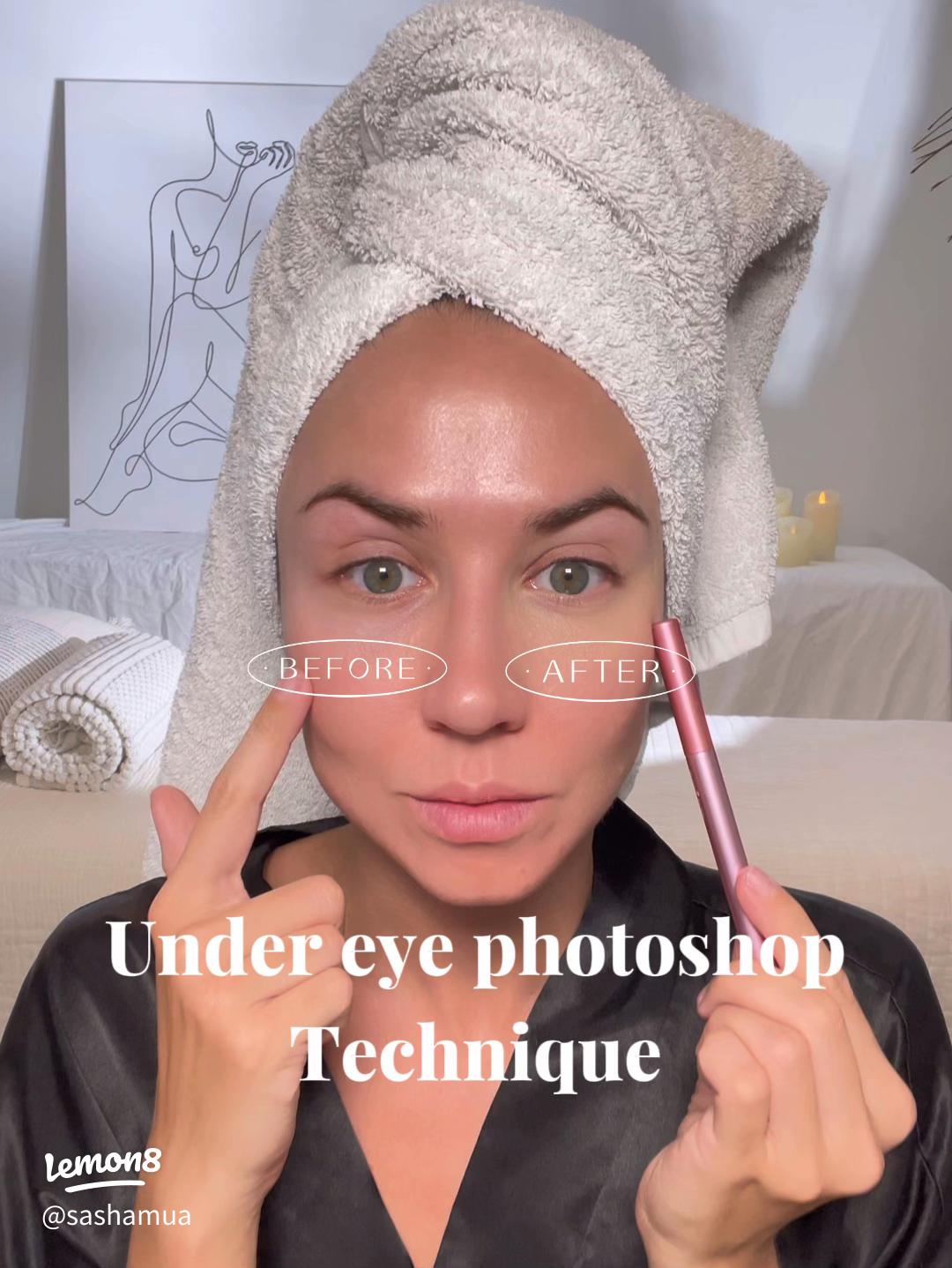
Apply a hydrating eye cream or primer to the under-eye area and let it absorb for two to three minutes. This creates a smooth, moisturized canvas that prevents concealer from clinging to dry patches or settling into fine lines. A caffeine-based eye cream also reduces puffiness, creating a flatter surface for product application.
Step 2: Apply Color Corrector
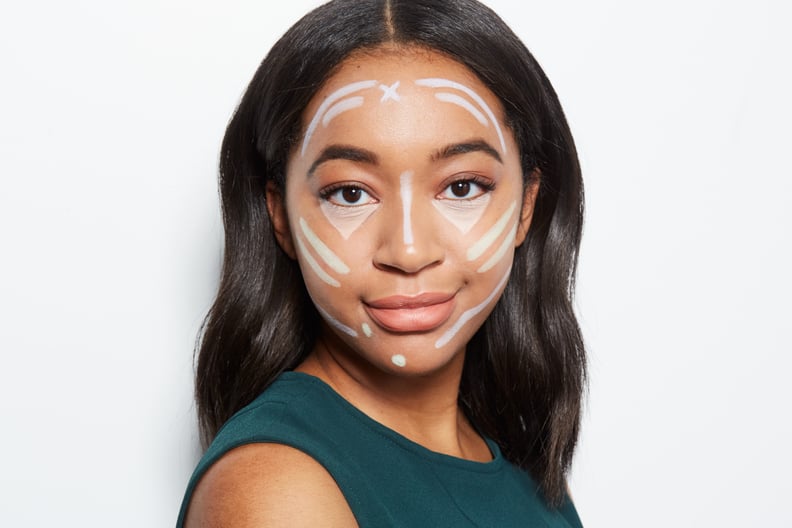
Using a small brush or your ring finger, apply a thin layer of orange or peach corrector directly to the darkest areas under your eye. Typically this is the inner corner where the dark circle is deepest. Use the smallest amount possible; you are neutralizing, not covering. Blend gently with your ring finger, which applies the lightest pressure and the most warmth for smooth blending.
Step 3: Let the Corrector Set
Allow the corrector to set for 30 to 60 seconds before applying concealer. This prevents the two products from mixing and diluting each other. While you wait, you can work on other areas of your makeup like foundation, brows, or eyes.
Step 4: Apply Concealer
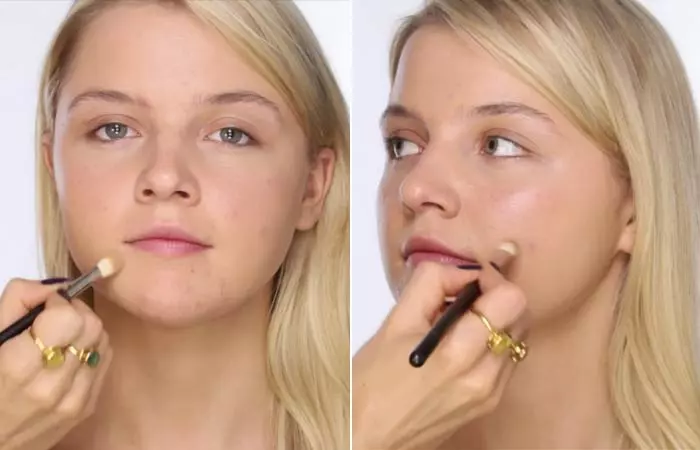
Apply concealer in an inverted triangle shape under the eye, with the base along the lower lash line and the point reaching toward the cheek. This shape brightens the entire under-eye area and creates a lifted effect. Use a damp beauty sponge to blend, pressing and patting rather than rubbing. Patting builds coverage without disturbing the corrector underneath.
Step 5: Set with Powder (Optional)
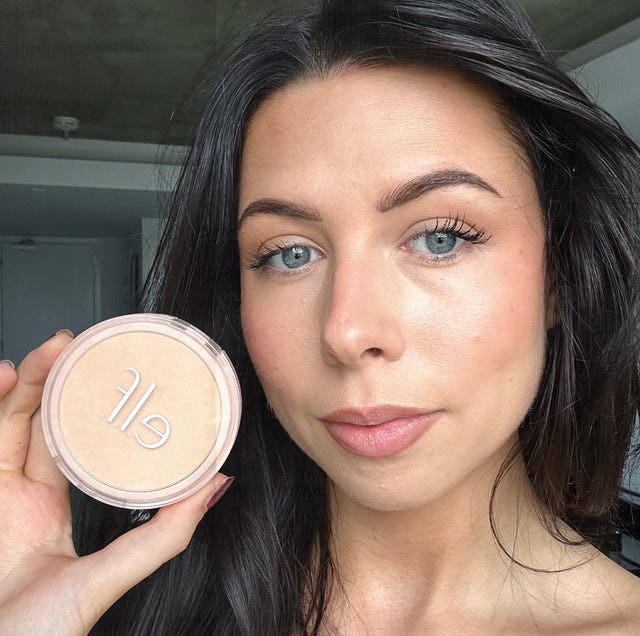
If your under-eye tends to crease, lightly set the concealer with a finely milled translucent or setting powder using a small fluffy brush. Use the lightest possible hand, as too much powder will look chalky on dark skin. Banana powder or warm-toned setting powders are better choices than pure white translucent powders, which can create an ashy cast on deeper complexions.
Common Mistakes to Avoid

Using a Concealer That Is Too Light
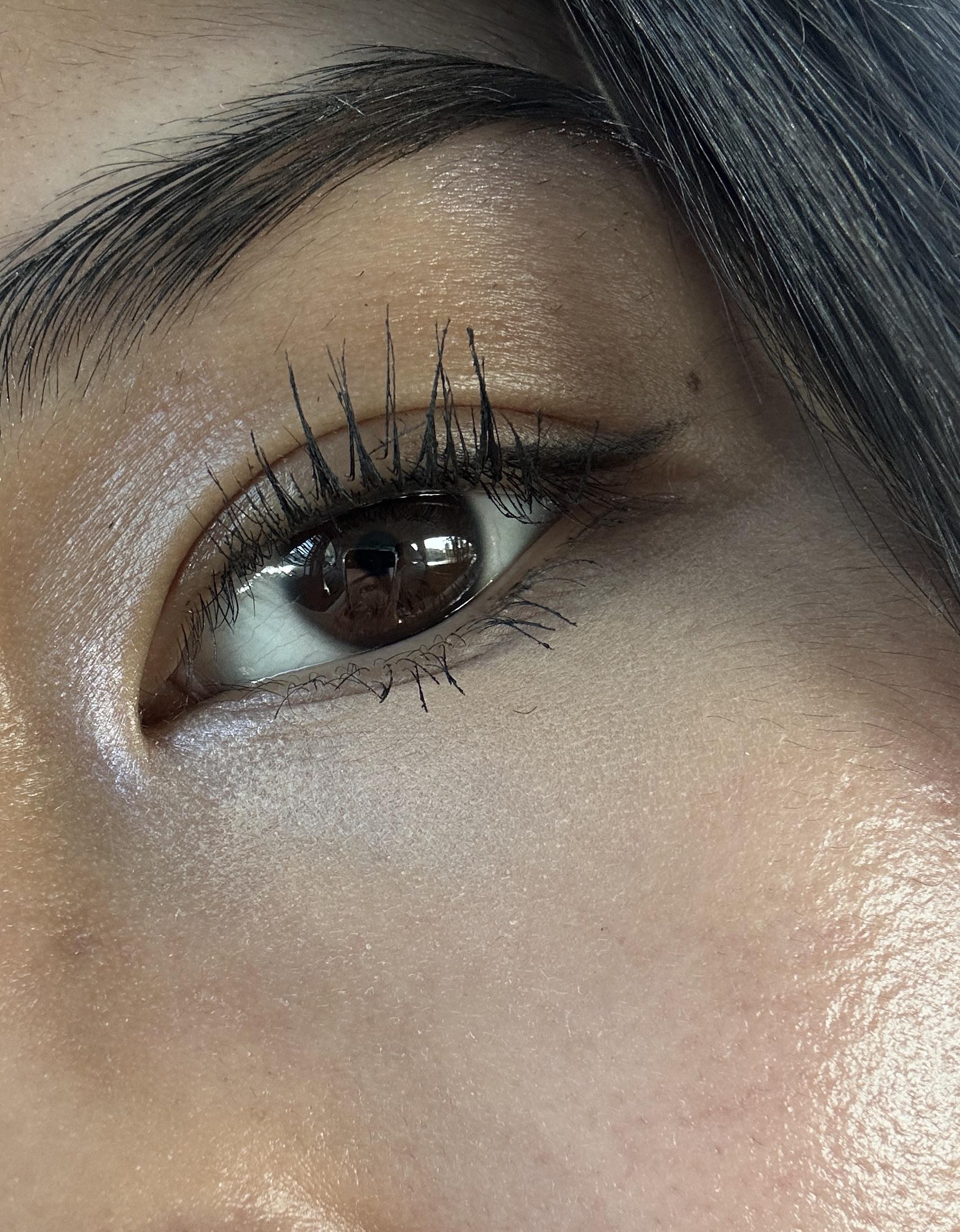
The instinct to “brighten” the under-eye with a shade that is two to three levels lighter than your skin tone creates a reverse raccoon effect on dark skin. Your concealer should be no more than one shade lighter than your skin tone. On dark skin, the brightening effect comes from neutralizing the dark tones, not from using a dramatically lighter product.
Skipping Color Correction

On dark skin with significant under-eye hyperpigmentation, concealer alone will never fully mask the darkness. Skipping the color correction step means you have to layer on more concealer to compensate, which leads to a thick, cakey finish that creases and looks unnatural. The corrector does the heavy lifting so the concealer can finish the job with a lighter touch.
Using White Translucent Powder to Set
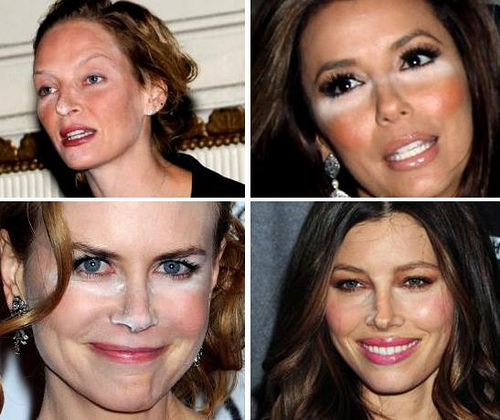
Pure white translucent powder creates a visible ashy cast on dark skin, especially in flash photography. Choose a setting powder with a yellow or warm undertone, or use a banana powder specifically designed for medium to deep skin tones. Ben Nye Banana Luxury Powder and Sacha Buttercup Powder are both excellent options for dark skin.
Rubbing Instead of Patting
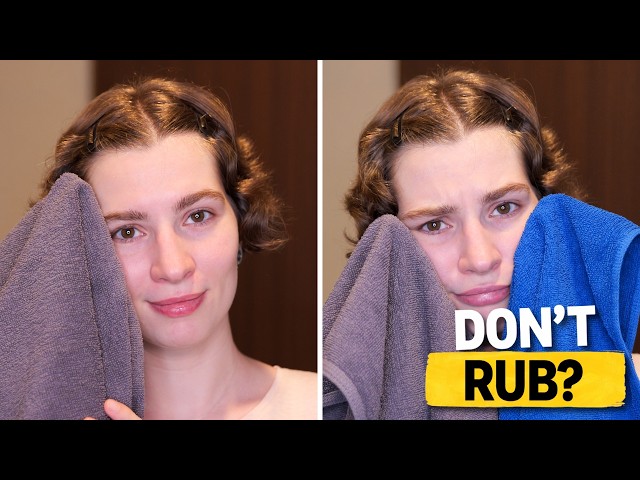
Rubbing your concealer moves the product around and creates streaks. Patting with a damp beauty sponge presses the product into the skin for seamless, even coverage. This technique is especially important when layering corrector and concealer, as rubbing will disturb the corrector layer and reduce its effectiveness.
Long-Term Solutions for Dark Circles
Skincare Ingredients That Actually Help
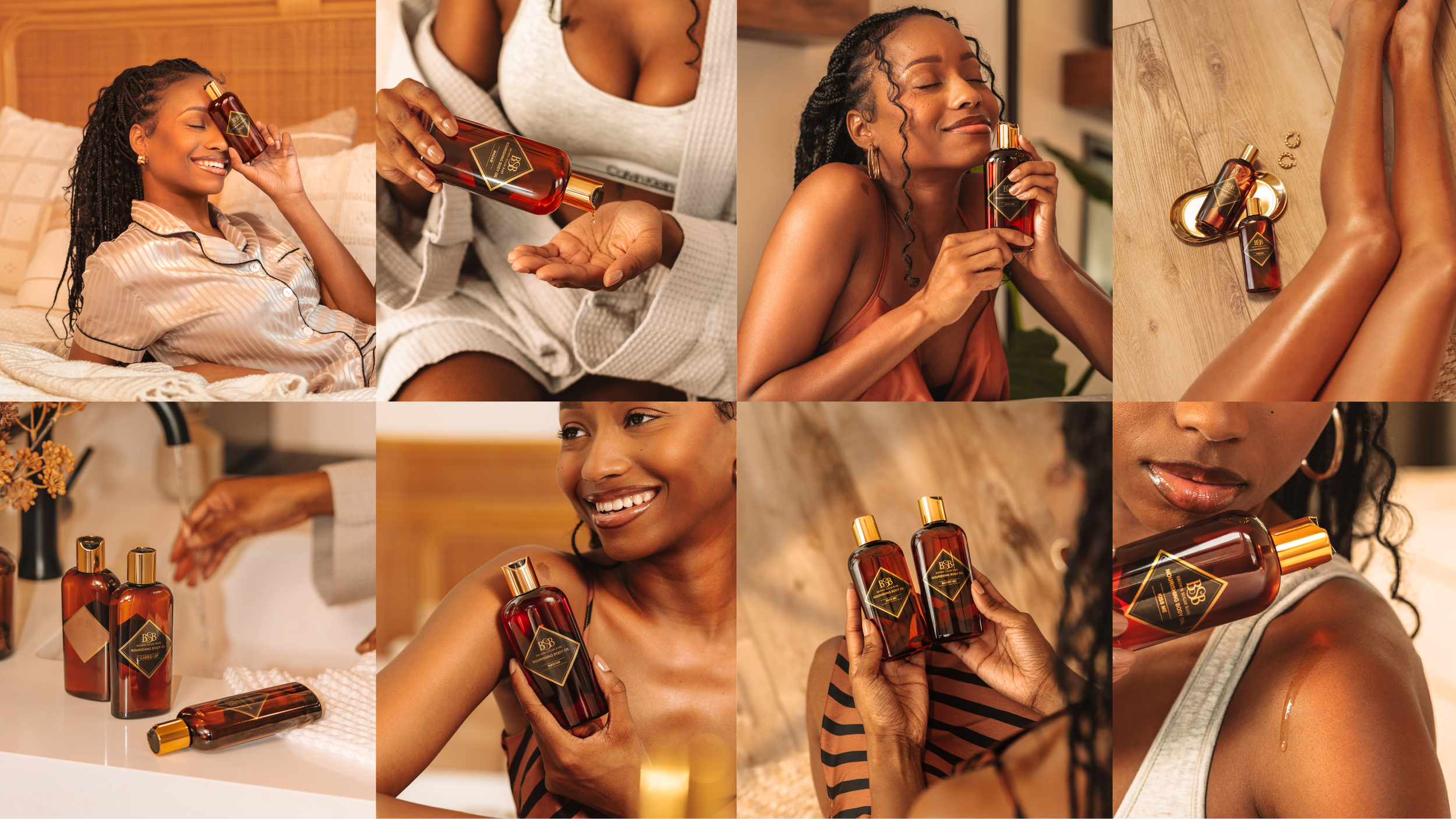
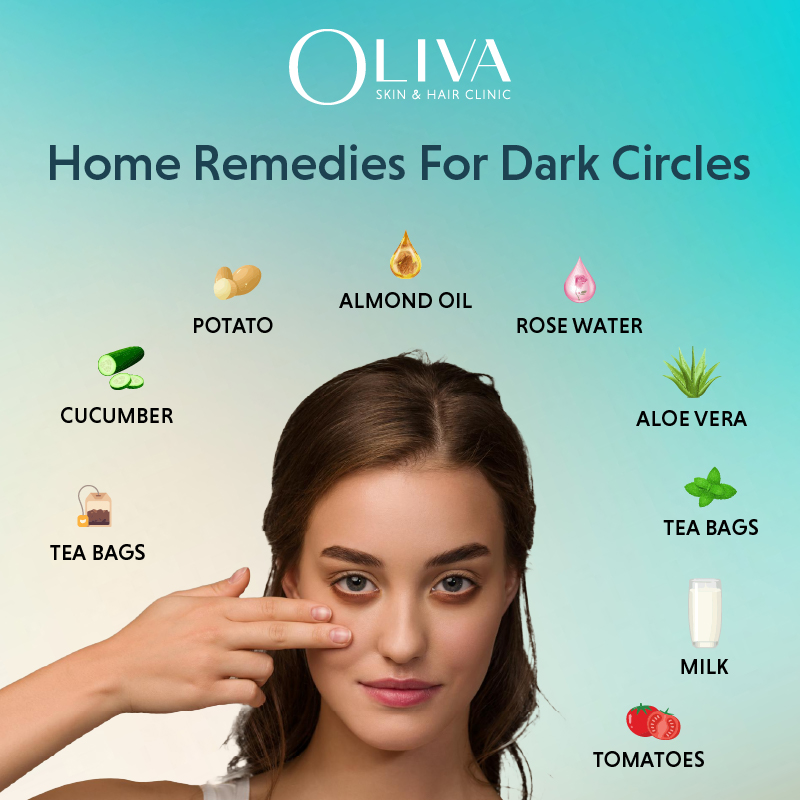
While concealer addresses the cosmetic appearance of dark circles, certain skincare ingredients can reduce the actual pigmentation over time. Eye creams containing caffeine, niacinamide, and vitamin E have been shown in studies to decrease periocular hyperpigmentation. Vitamin C brightens the under-eye area, and retinol increases cell turnover to fade dark spots.
Start with a caffeine-based eye cream for immediate depuffing and gradual brightening, and consider adding a retinol eye cream two to three times per week for long-term improvement. Always apply these products at night and use sunscreen during the day to prevent further darkening.
Lifestyle Factors

Adequate sleep, proper hydration, and limiting salt intake all reduce the appearance of under-eye darkness and puffiness. Sleeping with your head slightly elevated prevents fluid pooling under the eyes. A cold compress or chilled spoons applied for five minutes in the morning can reduce morning puffiness and temporarily brighten the area.
When to See a Dermatologist

If your dark circles are severe, do not respond to topical treatments, or have suddenly worsened, consult a dermatologist who specializes in skin of color. They can assess whether the darkness is caused by hyperpigmentation, thin skin revealing blood vessels, allergies, or other medical factors, and recommend professional treatments like chemical peels, laser therapy, or prescription-strength brightening agents.
Key Takeaways
- Dark circles on dark skin require a two-step approach: color correcting first, then concealing, for natural-looking coverage.
- The deeper your skin tone, the more saturated your color corrector needs to be. Deep skin needs orange; very deep skin needs red-orange.
- Fenty Beauty Pro Filt’r and NARS Radiant Creamy are the top prestige concealers for dark skin. L.A. Girl Pro Concealer in Orange is the unbeatable drugstore corrector at $5.
- Your concealer should be no more than one shade lighter than your skin tone to avoid an ashy or reverse-raccoon effect.
- Always set with warm-toned or banana powder, never pure white translucent powder, to avoid ashiness.
- Pat your products instead of rubbing for seamless, crease-free coverage that lasts all day.
Frequently Asked Questions
Do I need a color corrector or just a better concealer?
If your dark circles are moderate to severe, you need both. Color corrector neutralizes the dark tones that concealer alone cannot mask. If your dark circles are very mild, a full-coverage concealer in the right shade might suffice, but for most women with melanin-rich skin and noticeable dark circles, the corrector step is what makes the difference between adequate and flawless coverage.
Why does my concealer look gray or ashy after a few hours?
This typically happens because the concealer shade has cool undertones that oxidize on your skin. Choose concealers with warm undertones, and look for formulas that specifically resist oxidation. Setting with a warm-toned powder helps maintain the correct color throughout the day. Also ensure your concealer is not too light for your skin tone, as lighter shades tend to look gray as they wear.
Can I use my lipstick as a color corrector?
In a pinch, a warm red or orange lipstick can work as a color corrector under the eyes. However, lipstick formulas are designed for the lips and may be too heavy, waxy, or drying for the delicate under-eye area. Dedicated color correctors have thinner, more blendable textures and often include skincare ingredients that benefit the under-eye area. Lipstick is a temporary hack, not a long-term solution.
How do I prevent concealer from creasing under my eyes?
Start with a hydrating eye cream as your base. Use a thin layer of corrector and a thin layer of concealer rather than thick applications of either. Set with a light dusting of finely milled powder, and bake for one to two minutes maximum before brushing away excess. Avoid over-powdering, which creates a dry, cakey texture that is more prone to cracking and creasing throughout the day.
Loved this story? Get more like it.
Join readers who get our weekly style and lifestyle recap - the stories worth your time, delivered every Saturday.
No spam. Unsubscribe anytime. By signing up you agree to our Privacy Policy.
More like this
All beauty →Jessica Alba's Beauty and Wellness Secrets - Clean Skin, Confident Style, and the Routines Behind Her Glow
9 min read
Melanie Martinez's Signature Aesthetic - How to Recreate Her Pastel Gothic Beauty Looks
9 min read