My best friend Mara called me at 11:47 p.m. on a Tuesday in March 2021, eight weeks after her daughter was born, crying into the phone because she had just sat on the edge of the tub holding a bottle of essence in one hand and a sleeping mask in the other and realized she had to choose. She could finish the routine she had been doing every night for two years, the full 10-step Korean skincare ritual she had built piece by piece since 2019, or she could sleep for an extra 47 minutes before the baby woke up at 2 a.m. She picked the bottle back up. Then she put it down. Then she picked it back up. Then she sat on the floor of the bathroom and cried because she could not remember which step came after the second essence.
I drove over the next morning with coffee and an honest question, which was whether the routine was actually doing anything that 4 products could not do in 15 minutes. We sat at her kitchen table and audited every bottle. There were 11 of them, because at some point she had added a second toner. We took 7 off the counter. We kept 4. She started the new routine that night, and four months later her skin was visibly better than it had been on the 10-step plan. Not the same. Better. Brighter, calmer, more even, less reactive. The 15 minutes that replaced 47 minutes is what I want to talk about, because Mara is not the only person who has been quietly suffocating under a routine that promised glow and delivered exhaustion.
Where the 10-step routine actually came from
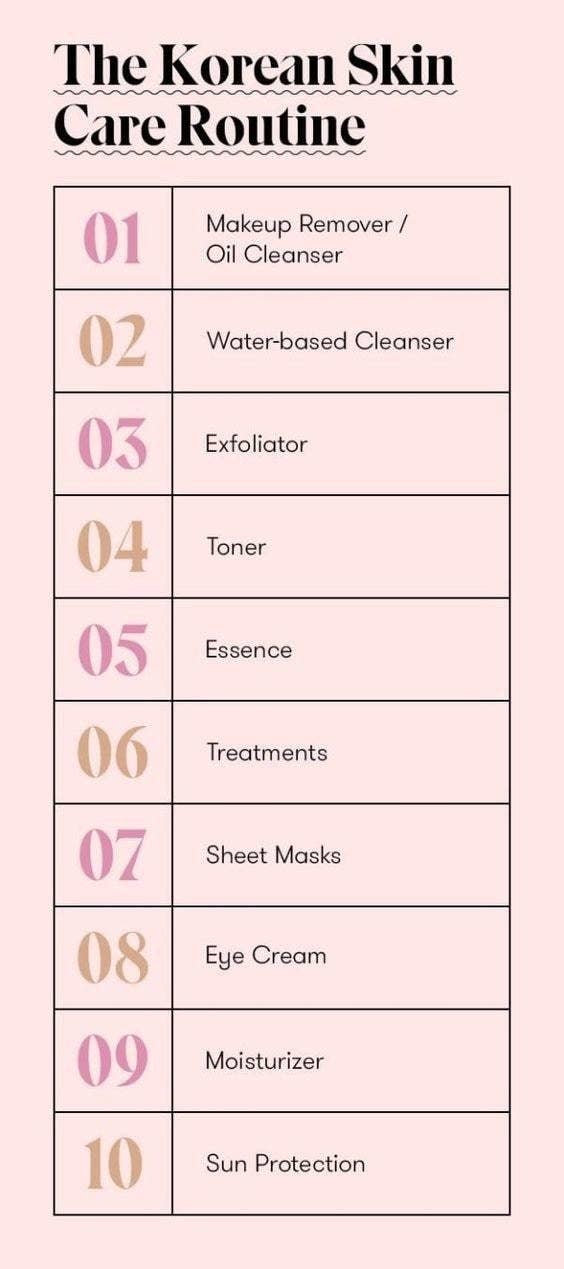
The 10-step Korean skincare routine entered the American consciousness in 2015, through a book and a website. The book was “The Little Book of Skin Care” by Charlotte Cho, who co-founded Soko Glam in 2012 with her husband Dave. The book was charming, well-researched, and grounded in actual Korean beauty culture. The website was a storefront. Both did exactly what they were designed to do, which was to introduce American consumers to a category of products that, in 2015, had almost no shelf space in U.S. drugstores. Essences. Ampoules. Sheet masks. Sleeping packs. The 10-step framework was a useful organizing principle for a catalog that contained roughly 400 products most American shoppers had never heard of.
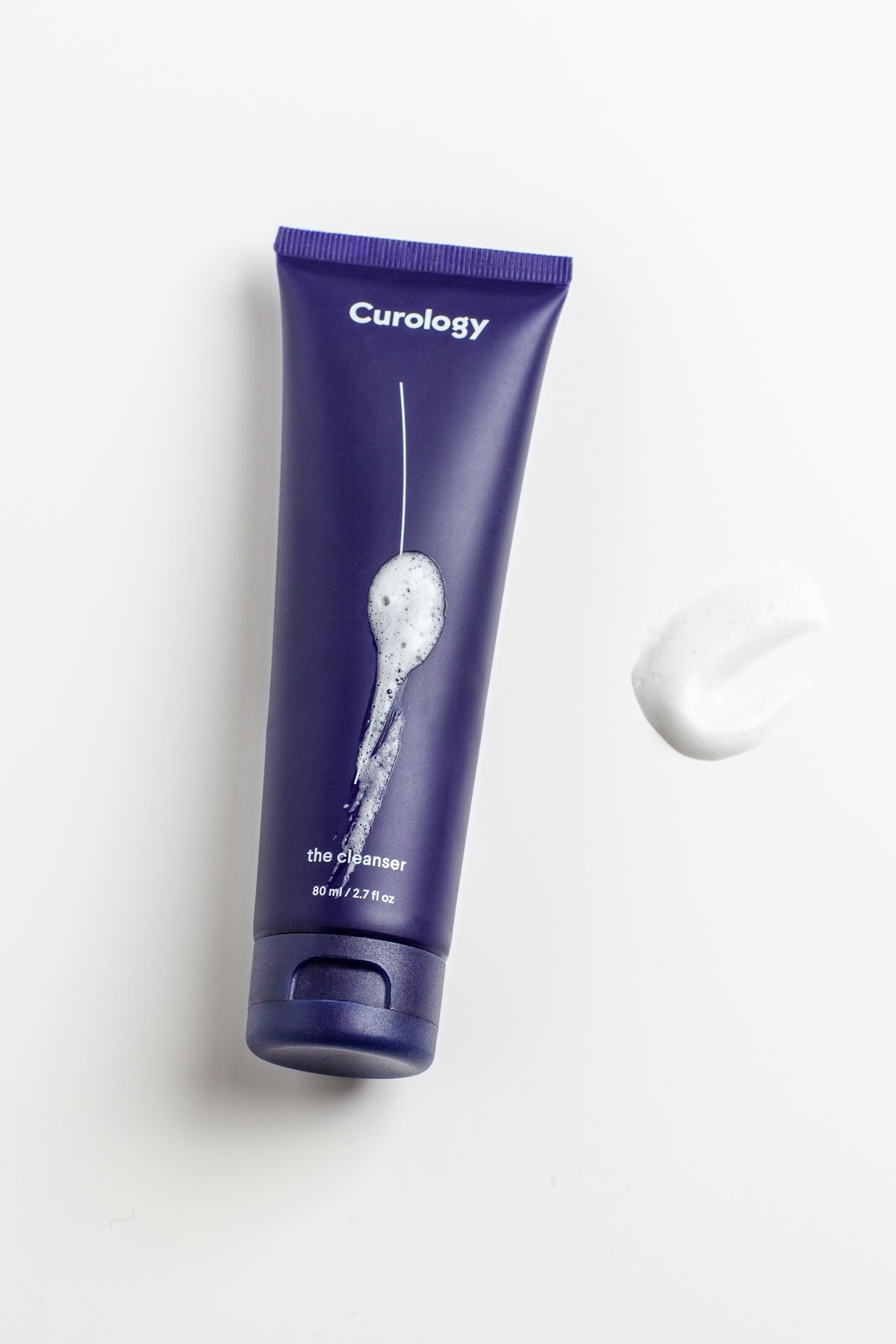
The framework worked. Sales took off. By 2018, K-beauty was a $13 billion global category, and the 10-step routine had been pulled out of its original context and turned into a wellness commandment by every beauty publication in the English-speaking world. The original Korean cultural practice it was loosely based on was a flexible, intuitive, often-shortened ritual that varied wildly by household. The American version became a checklist. The checklist became gospel. The gospel sold a lot of essence.
In November 2024, Allure ran an analysis of the 10-step routine that I have been thinking about ever since. The piece reviewed the products and order recommended by 30 of the most popular K-beauty influencers and routine guides on Instagram and TikTok, then ran the layering logic past 6 board-certified dermatologists. The finding was uncomfortable. About 50 percent of the routines contained at least one pair of products that were either redundant (two hydrating toners doing the same job) or counterproductive (an acidic essence applied 30 seconds before a retinol, which deactivated both). The piece quoted Dr. Hadley King saying the polite version of what I am about to say less politely. Most 10-step routines are not skincare. They are inventory management.
The 4 products that do 80 percent of the work
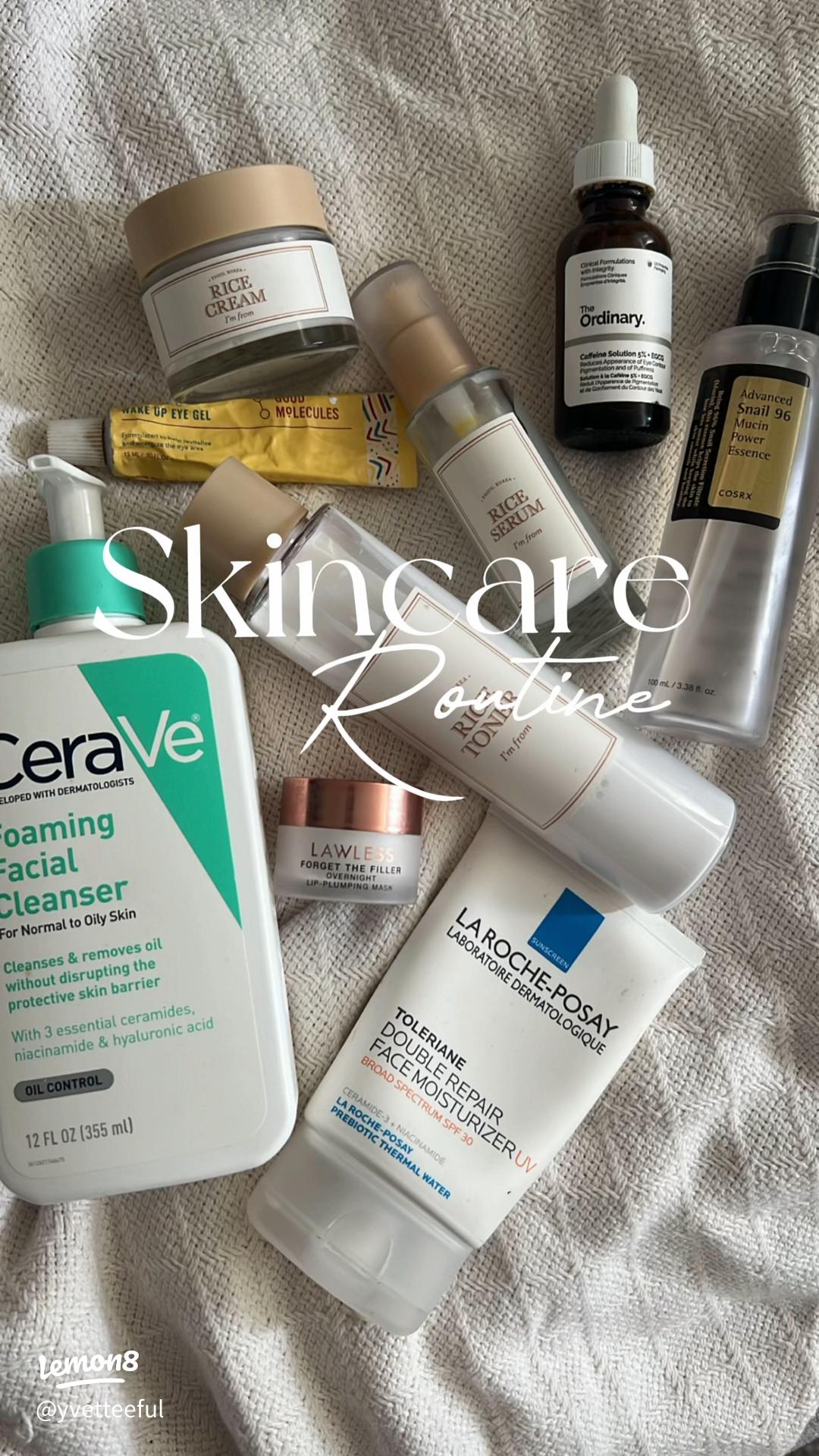
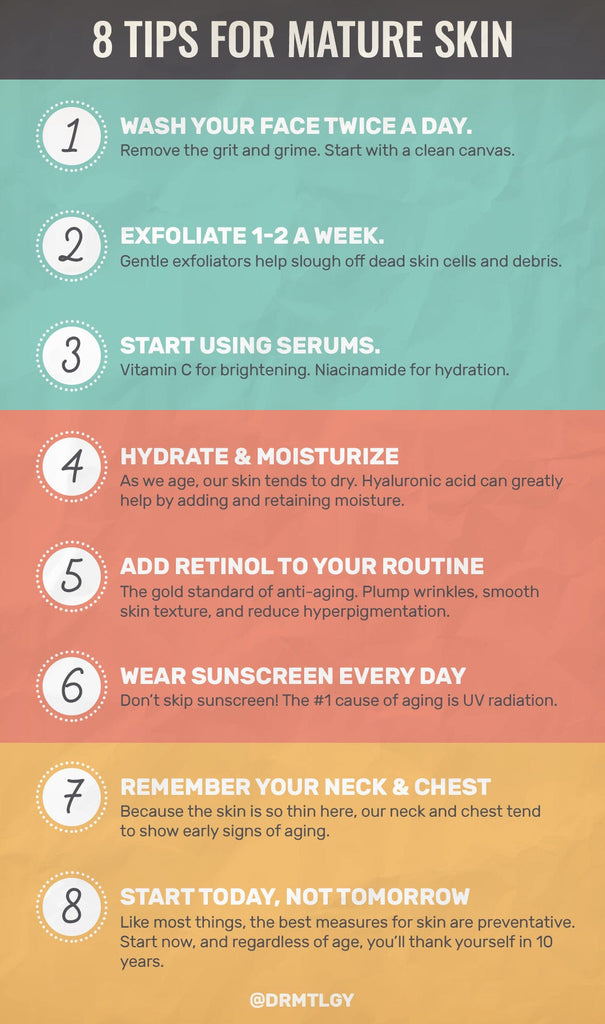
If you ask a board-certified dermatologist to name the products that actually change skin in a meaningful, measurable, peer-reviewed way, you get a list of 4 categories. Not 10. Four.
1. Cleanser. This is the step that removes the day. Sunscreen, sweat, makeup, the thin film of urban particulate matter you accumulate between 7 a.m. and 9 p.m. without noticing. A good cleanser is gentle enough that it does not strip the skin barrier and effective enough that it actually lifts what is on your face. It does not need to be fancy. CeraVe Hydrating Cleanser has been one of the most-recommended cleansers in dermatology for a decade and costs $16.
2. Active treatment. This is the work step. This is the single product that is responsible for the change you want to see in your skin. If your goal is anti-aging and texture, the active is a retinoid. If your goal is brightening and pigmentation, the active is vitamin C or tranexamic acid or azelaic acid. If your goal is acne, the active is a BHA or benzoyl peroxide. If your goal is barrier repair and calm, the active is niacinamide. You pick one. You use it consistently. You do not stack three actives on the same evening and expect them to behave.
3. Moisturizer with ceramides. This is the barrier. Ceramides are the lipid molecules that hold your skin barrier together, and a moisturizer that contains them does the structural work of keeping water in and irritants out. CeraVe Moisturizing Cream and La Roche-Posay Toleriane Double Repair both deliver this for under $25.
4. Sunscreen in the morning, occlusive in the evening. Sunscreen is the single product with the most peer-reviewed evidence behind it in all of skincare. It prevents 90 percent of visible aging and almost all UV-driven hyperpigmentation. Use SPF 30 or higher, broad-spectrum, every morning, even if you work from home. In the evening, if your skin is dry or compromised, an occlusive layer on top of moisturizer (a thin film of Vaseline, Aquaphor, or a dedicated slugging balm) seals everything in overnight.
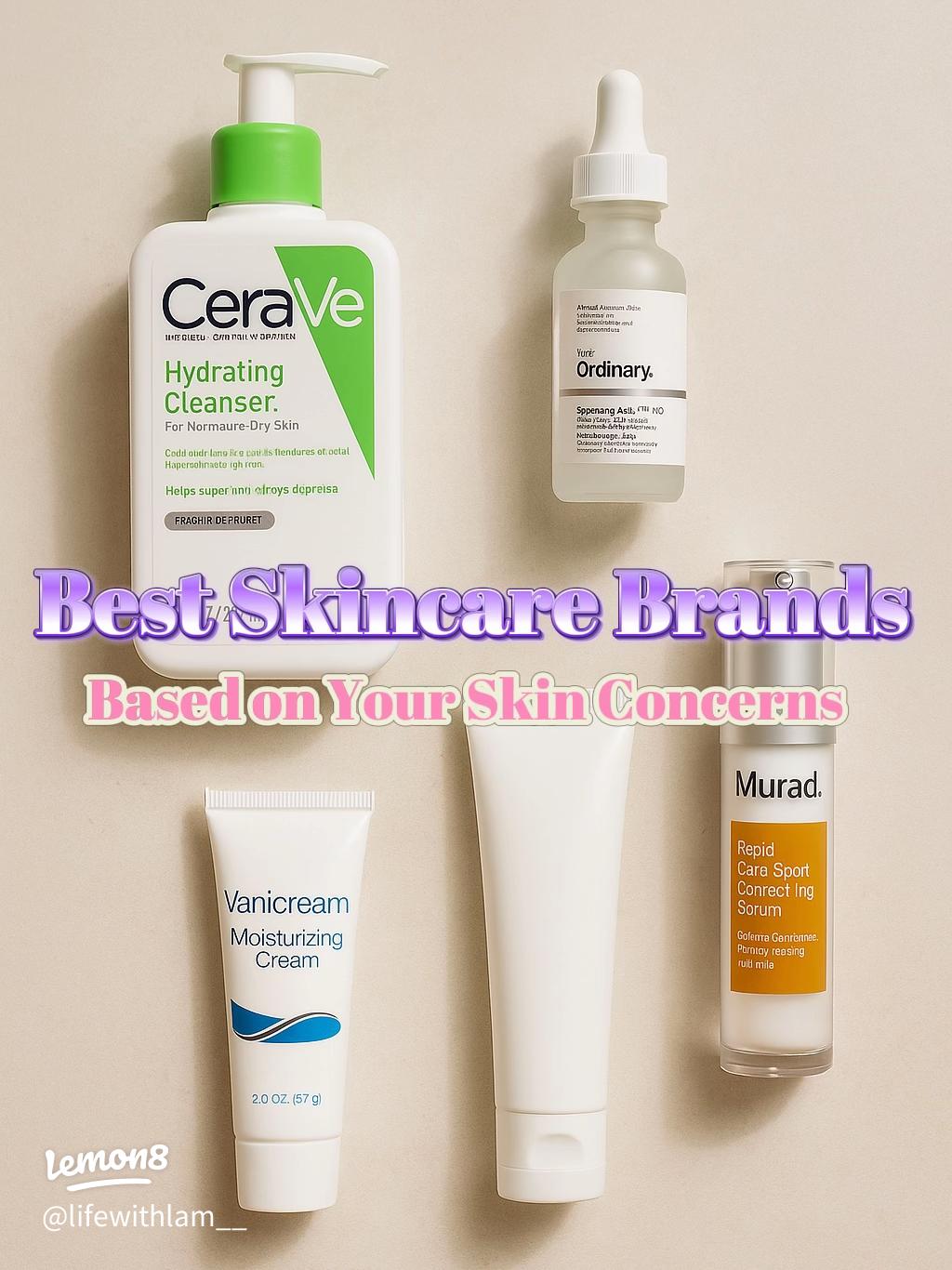
That is the entire list. Everything else is optional, and most of it is optional in the sense that it is decorative rather than functional.
The 15-minute math, broken down to the second
Here is what 15 minutes looks like when you actually time it, which I did, with a stopwatch, on three different evenings while Mara performed the routine she has been doing since April 2021.
Ninety seconds to cleanse. You wet your face, you work the cleanser in with your fingertips for about 60 seconds, you rinse for 30. Sixty-second wait. You pat your face dry with a clean towel and you let the residual moisture settle. Sixty seconds of active treatment. You apply your retinol or your BHA or your vitamin C, working from the center of the face outward, using about a pea-sized amount. Four-minute absorption wait. This is the part that nobody tells you about. The active needs time to penetrate before you put anything on top of it, or you are just smearing a moisturizer barrier between the active and your skin and wasting both products. So you brush your teeth. You floss. You start the dishwasher. You let the timer run.

Sixty seconds of moisturizer. You apply your ceramide moisturizer, again working from center outward, using a generous amount because your skin will use what it needs and let the rest sit. Four-minute absorption wait. This is the second multitasking window. You change into pajamas. You put your phone on the charger. You read 4 pages of whatever you are reading. The moisturizer needs time to settle before anything else goes on top of it.
Add it up. Face-time, meaning your hands actually on your face, is 5 minutes total. The rest is absorption time you spend doing something else. Total elapsed time, from turning on the bathroom light to turning it back off, is 11 to 15 minutes depending on how slowly you brush your teeth. Compare that to the 47 minutes Mara was spending, every night, applying 10 products with no waiting between them, which meant most of those products were canceling each other out before they ever absorbed.
The products to actively remove from your routine
This is the part where I make some enemies, and I am going to do it anyway, because the kindest thing I can do for your skin is tell you what to put back on the shelf.
Toner. Modern toners, the ones sold as “hydrating” or “balancing,” are water with humectants and a little marketing. They do almost nothing your moisturizer is not already doing better. The original purpose of toner was to rebalance skin pH after harsh alkaline soaps in the 1970s, and harsh alkaline soaps are not the cleanser you are using. You can skip it.
Essence. Essence is toner with a different bottle and a higher price. It is also water with humectants. Charlotte Cho herself has said in interviews that essence is the “soul” of K-beauty, which is a beautiful and culturally meaningful framing, and also, mechanically, it is water with humectants. If you love the ritual, fine, keep it. If you are doing it because you read on a blog that you have to, you do not have to.
Ampoule plus serum plus active simultaneously. This is the layering trap. If you are using an ampoule, a serum, and an active on the same evening, there is a 70 percent chance one of them is canceling another out. Vitamin C ampoule under a retinol serum? The retinol breaks down the vitamin C and the vitamin C lowers the pH below where the retinol is stable. Both are now garbage. Pick one. Use it. Get a result.
Eye cream. I am sorry. I know. Eye cream is usually moisturizer in a smaller jar at 3x the markup. The skin around your eyes is thinner and more reactive, which is a real anatomical fact, but the solution is to use less of your regular moisturizer there, not to buy a $68 0.5-ounce jar of essentially the same formulation. If you have a specific concern like dark circles or fine lines, a dedicated retinol or caffeine eye product can be justified, but most people are paying for packaging.
Sleeping mask. A sleeping mask is the same occlusive moisturizer you already own, sold in a wider tub at twice the price, with the marketing claim that you sleep in it. You can sleep in any moisturizer. That is just called using moisturizer.
Sheet mask. One-time-use packaging holding 30 cents worth of essence in a $6 plastic envelope. The essence soaks into your skin in the first 8 minutes; you can leave the mask on for 20 minutes if you want a spa moment, but anything past 8 minutes is the mask drying out and pulling moisture back out of your face. They are not skincare. They are a vibe. I love a vibe. I am not pretending it is skincare.
Three specific 4-product routines, depending on your goal
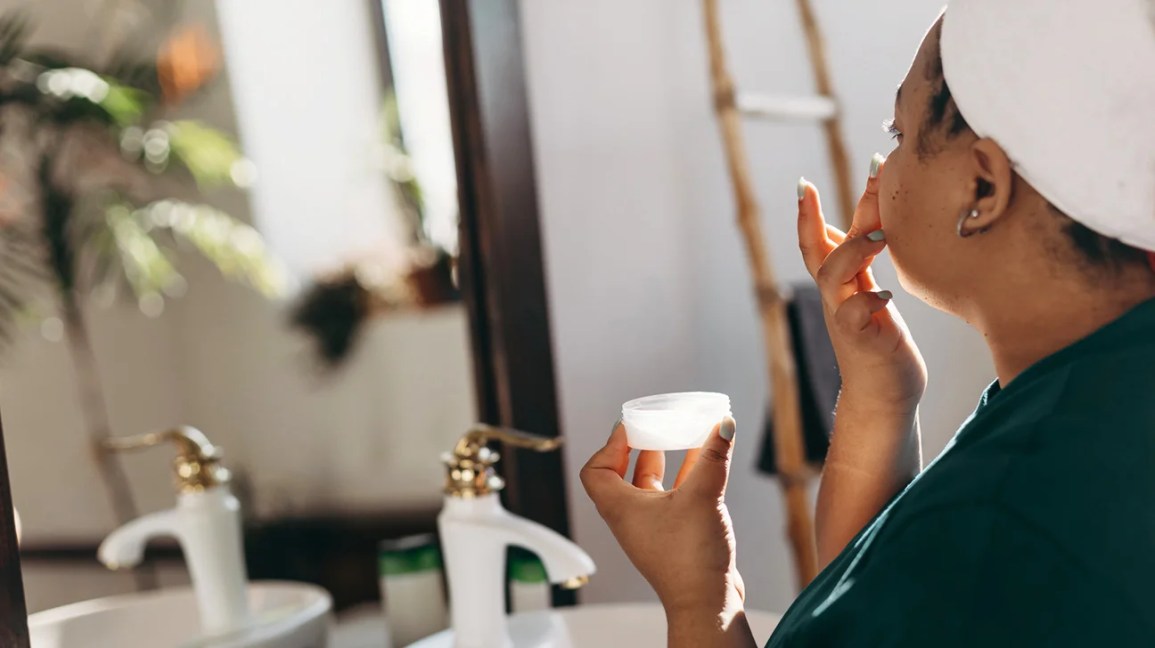
Here are the three routines I have actually built for friends, family members, and Mara, depending on what their skin needs. Pick the one that matches your primary concern. If you have two concerns, pick the more urgent one and treat the other one with consistency and sunscreen.
Routine A: anti-aging and texture. CeraVe Hydrating Cleanser ($16), The Ordinary Granactive Retinoid 2% Emulsion ($13), La Roche-Posay Toleriane Double Repair ($22), EltaMD UV Clear SPF 46 ($41). Total: $92. Use the retinoid 3 evenings a week to start, building up to nightly over 8 weeks. Sunscreen every morning without exception.
Routine B: brightening for hyperpigmentation.
La Roche-Posay Toleriane Hydrating Gentle Cleanser ($17), Naturium Tranexamic Acid Topical Acid 5% ($23), Beauty of Joseon Glow Replenishing Rice Milk ($22), Black Girl Sunscreen Make It Matte SPF 45 ($19). Total: $81. Tranexamic acid is one of the best-tolerated brighteners on the market, and it works on melasma, post-inflammatory hyperpigmentation, and sun damage. Dr. Adeline Kikam has called it one of the most underused ingredients in the brightening category.
Routine C: acne-prone. Vanicream Gentle Facial Cleanser ($10), Paula’s Choice 2% BHA Liquid Exfoliant ($35), Vanicream Moisturizing Cream ($16), EltaMD UV Clear SPF 46 ($41). Total: $102. The BHA goes on every evening (start every other evening if you are sensitive), and you leave it alone. Do not add a benzoyl peroxide on top. Do not add a retinol on top in the first 12 weeks. Let the BHA do its job.
What the dermatologists actually say
I want to be honest about who I am citing here, because the minimalist routine conversation has been led, in the last 4 years, almost entirely by board-certified dermatologists rather than by influencers. Dr. Caroline Robinson, founder of Tone Dermatology in Chicago and the voice behind DermBeautyDoc, has been publicly arguing since 2022 that “the more products you add, the harder it is to identify what is helping and what is hurting.” Dr. Hadley King, who practices in New York and writes for nearly every major beauty publication, has been on record saying she recommends 3 to 5 products for nearly every patient and watches their skin improve. Dr. Shereene Idriss, who runs Idriss Dermatology in Manhattan and built the PillowtalkDerm platform on Instagram, calls the 10-step routine “an aesthetic, not a treatment plan.”
The peer-reviewed literature backs them up. A 2024 review published in the Journal of the American Academy of Dermatology examined the relationship between routine complexity and skin outcomes across 14 studies and 3,200 participants. The finding was that routine complexity, measured as the number of distinct products used per day, did not correlate with any measured skin outcome including hydration, barrier function, fine line reduction, or hyperpigmentation. What did correlate was consistency. The patients who used 3 to 5 products every single day outperformed the patients who used 8 to 12 products inconsistently, across every metric the review examined.
The time budget conversation
If you have 15 minutes, you have a real skincare routine. If you have 30 minutes, you can add one specific extra thing, and the thing should be either a clay mask once a week or a chemical exfoliant on the evenings you are not using your primary active. You do not need to fill the 30 minutes with products. You can fill it with sitting in a steamy bathroom and letting your moisturizer soak in. If you have 60 minutes, please sleep. Skin repairs at night, and sleep is more peer-reviewed than any product on your counter.
What not to layer, briefly
Vitamin C and retinol on the same evening: skip. Use vitamin C in the morning, retinol at night. AHA and BHA on the same evening: skip. Pick one, alternate evenings if you must. Benzoyl peroxide and retinol simultaneously: skip, the benzoyl peroxide oxidizes the retinol. Niacinamide and acidic vitamin C: actually fine, despite a persistent myth that they cancel out. The myth was based on 1960s research using unstable formulations that no modern product uses; the 2017 reformulation research published in the Journal of Cosmetic Dermatology cleared niacinamide and L-ascorbic acid as compatible in modern stabilized formulas.
The consistency math, which is the whole game
Mara’s old routine had 10 products and she did the full thing maybe 3 evenings a week. The other 4 evenings she did some abbreviated version, missing steps, skipping the active because she was tired, going to bed in makeup twice a month. Her new routine has 4 products and she has done it every single evening since April 2021, except the night her father was in the emergency room. Four products, 1,500 evenings, almost no misses. Her skin in 2026 is the best it has ever been, and her dermatologist confirmed it at her last visit.
Four products done every evening, for 4 years, beats 10 products done inconsistently for the same 4 years. It is not close. The dermatology research backs it up, the people who run dermatology practices back it up, and a friend of mine who used to sit on the bathroom floor crying about essence backs it up. The case is closed.
Here is what I would actually build, at three budgets
A 10-step routine is rarely better than a focused 4-step routine. The extra 6 steps are almost always either water-with-marketing or products that block one another from absorbing into the skin they are supposed to treat. I have watched friends spend $400 a month on bottles that canceled each other out, and I have watched the same friends spend $50 a month on 4 products that worked.
At $50, I would build CeraVe Hydrating Cleanser, The Ordinary Granactive Retinoid 2% Emulsion, CeraVe Moisturizing Cream, and a Black Girl Sunscreen mini. Total is roughly $48. This is the most dermatologist-respected entry-level routine in America, and I have personally seen it transform skin that previously had a $300 routine.
At $150, I’d build La Roche-Posay Toleriane Hydrating Cleanser, Naturium Tranexamic Acid Topical Acid 5%, Beauty of Joseon Glow Replenishing Rice Milk, and EltaMD UV Clear SPF 46. Total is roughly $143. This is the mid-tier sweet spot, where every product is dermatologist-recommended and every ingredient is at a clinically meaningful concentration.
At $400, I would build SkinFix Barrier+ Foaming Oil Cleanser, SkinCeuticals C E Ferulic, SkinFix Barrier+ Triple Lipid Peptide Cream, and EltaMD UV Clear. Total is roughly $382. The C E Ferulic is the single most-studied stabilized vitamin C on the market, and the SkinFix barrier products are some of the highest-ceramide-concentration formulations available at retail.
Pick a tier. Pick the routine that matches your skin goal. Do it every evening for 90 days before you change anything. Mara sat on the bathroom floor 5 years ago choosing between sleep and skincare, and the answer turned out to be that she could have both, if she stopped letting the industry talk her into 6 products that did not love her back.