The wedding was at Mountain Top Inn in Pine Mountain, Georgia, on a Saturday in October 2024. The invitation, which had arrived in a thick cream envelope six weeks earlier, said “Garden Black Tie.” That is the line. Two words pressed onto the bottom of the invitation in a small gold serif, with no clarifying footnote, no link to a Pinterest board, no follow-up text from the bride. I drove up from Atlanta on Friday night and pulled into the parking lot Saturday afternoon expecting some interpretive range. What I got was a costume party.
Three women in floor-length sequined gowns, the kind you wear to the Met. Three in midi cocktail dresses with bare arms and stiletto sandals. Three in head-to-toe black suiting, structured shoulders, no shirt underneath. Three in white linen, which is its own separate crime. The bride’s mother walked in wearing church separates, a teal skirt and a matching jacket with shoulder pads from a particular era. Nobody was correct because the dress code did not actually instruct anyone. “Garden Black Tie” was a vibe board. It was not a dress code.
The chaos of a vague dress code is the problem this article exists to fix. Wedding invitations in 2026 are inflating language faster than guests can decode it. Below is the decoder, written by someone who has watched the lexicon mutate from “Black Tie” and “Cocktail” into “Creative Formal” and “Festive Elegant” and “Garden Cocktail Formal,” which is three words doing four jobs.
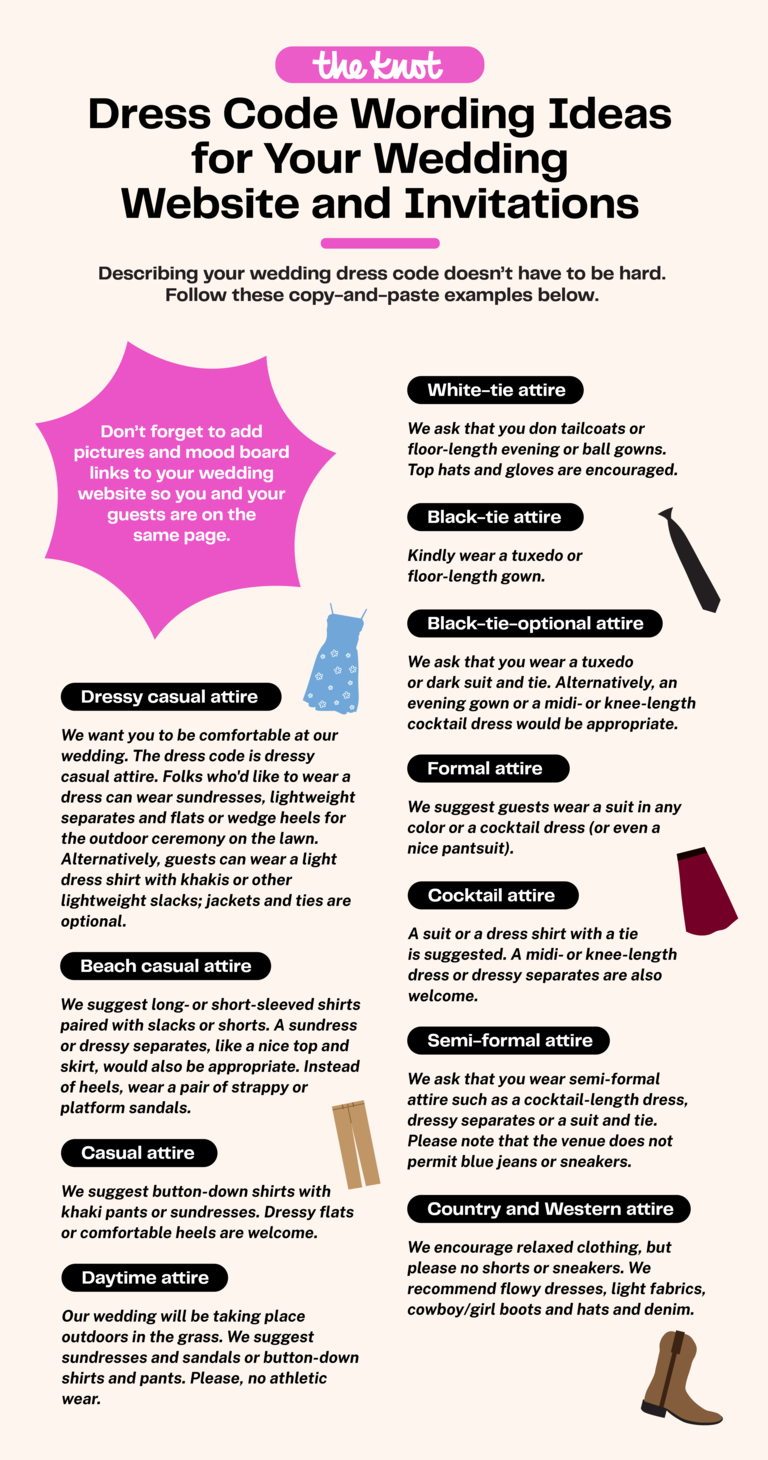
White Tie: The Only Formal Dress Code Left
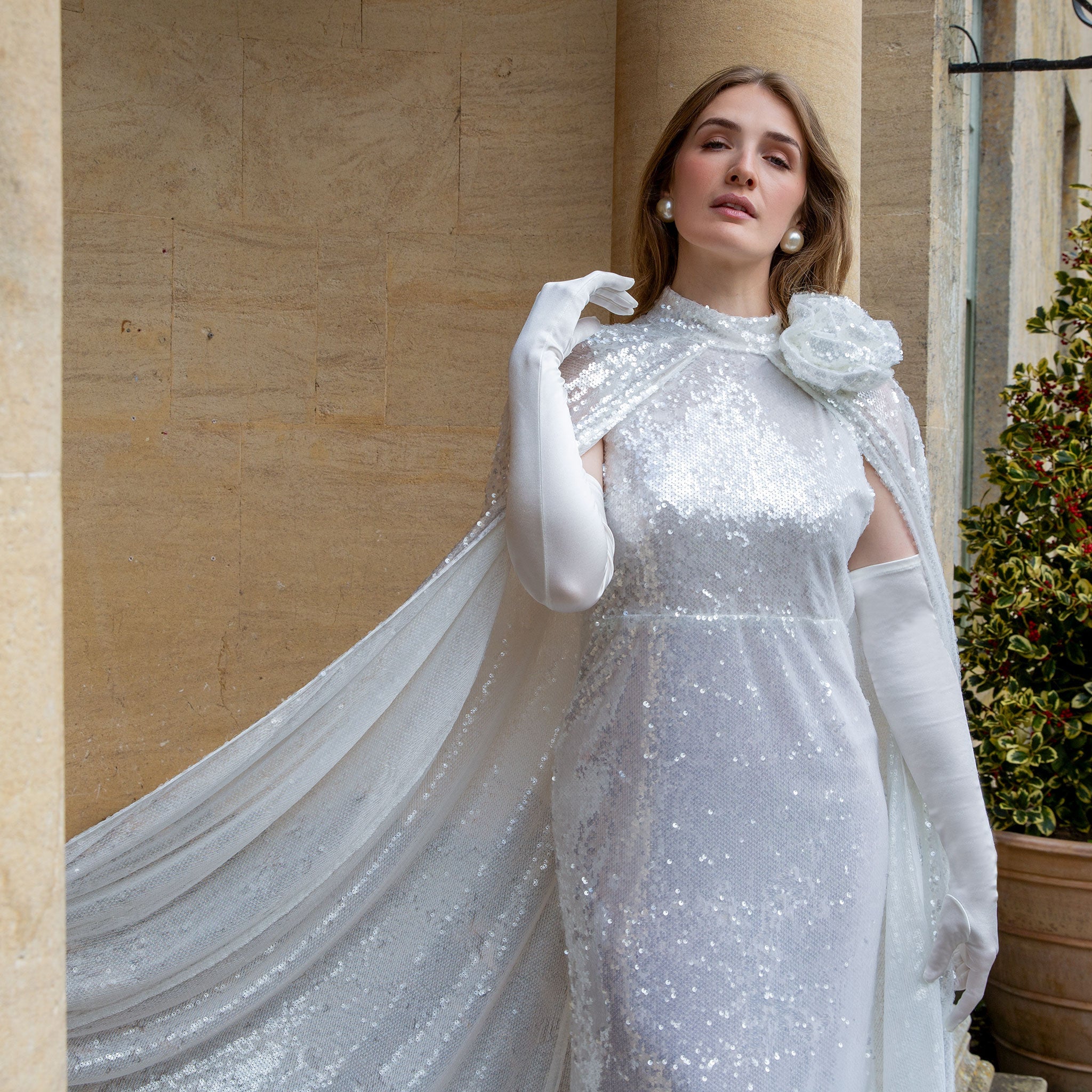
White tie is the apex of the pyramid and the only term on a modern invitation that means exactly one thing. Floor-length gown. Not midi, not tea-length, not ankle-grazing. The hem touches the floor. Fabric should hold structure: silk gazar, mikado, duchess satin, or a heavier crepe. The 1955 rulebook called for opera-length gloves above the elbow, and a small subset of weddings still want that read. The modern alternative is a wrist-cuffed glove in matte satin or kid leather, which photographs cleaner and lets you actually hold a coupe.
Jewelry on white tie should be heirloom or rented. Costume reads wrong on camera. If you don’t own the diamond drops, rent from Switch or Borrowed by Design. The brands worth pulling from on the floor-length search: Eloquii Studio for sizes 14 to 28, ASOS Edition for structured columns at a lower price point, and Reformation Extended Sizes for a slip silhouette. Law Roach, who announced his retirement from celebrity styling in 2023 in a Vogue interview that clarified the move was about exiting the celebrity-styling grind rather than fashion entirely, has long held that white tie is the dress code with the fewest moves available to a guest. The math is simple: floor-length, structured fabric, heirloom or rented jewelry, no costume.
Black Tie: The Most Misread Code on the List
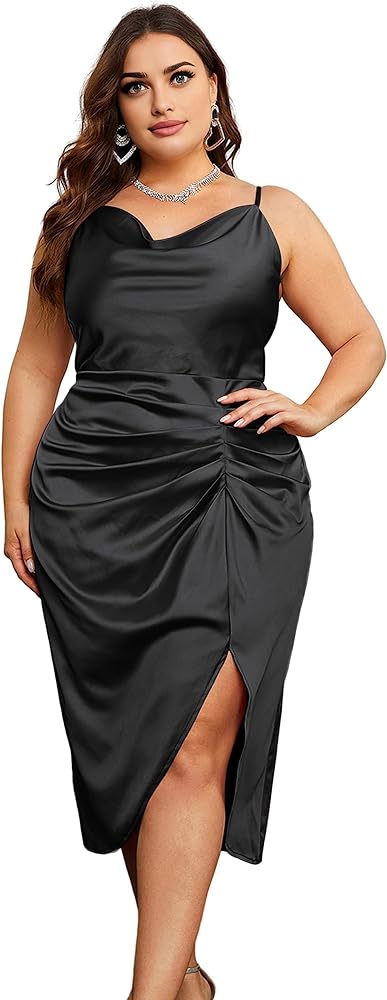
Black tie is where the costume party at Mountain Top Inn started to go wrong. The rule: floor-length, or a very dressy midi if the fabric is sequined, satin, or a structured brocade. A jumpsuit works if the crepe is heavy and the shoulder is engineered, not a slouchy viscose number that reads like office wear. What doesn’t work, and what three of the women at Mountain Top wore, is a cocktail dress. Cocktail is a different dress code. Putting it under a black-tie invitation reads like you misunderstood the assignment.
The failure mode is almost always the same. A midi cocktail reads short on a dance floor full of gowns, and the photographs flatten the difference between guests who got the brief and guests who improvised. The brands doing the work in the floor-length and dressy-midi range: BHLDN’s guest collection; Eloquii Studio for structured satin and sequin in sizes 14 to 32; Lulus for a floor-length under $200 that photographs better than it has any right to; and ML Monique Lhuillier on Rent the Runway, the rental closet most reliable for true black tie.
Black Tie Optional: The Permission Slip
Black tie optional is the code couples write when they want gowns at the ceremony but can’t bring themselves to require tuxedos. The translation: anywhere from knee-length to floor-length is correct, and the fabric or color does the talking. Embellishment works. Rich saturated color works. A satin slip dress in a deep oxblood or a forest green reads exactly right on a plus-size body where the bias-cut sits at the right place across the hip and the slip-strap construction supports a proper bra rather than a stick-on cup.
Karla Welch, the stylist whose work with Tracee Ellis Ross and Justin Bieber has shaped a decade of red-carpet looks, has talked publicly about color as the lever guests underuse. Black tie wants you in black or jewel tone. Black tie optional lets you wear scarlet, or a deep teal, or a chocolate brown nobody else thought to wear. That’s where the optional half earns its keep.
Cocktail Attire: The Mid-Tier Workhorse
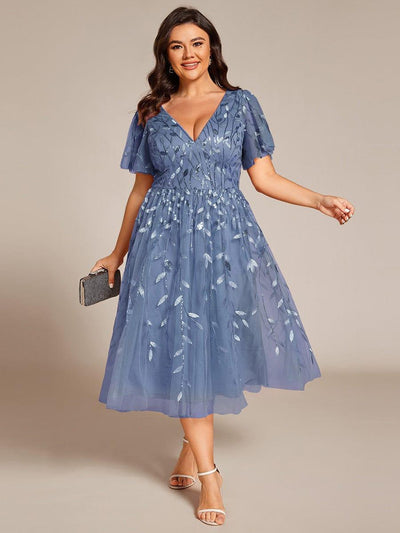
Cocktail is knee-length to midi, in a structured fabric, with a sleeve length determined by season and venue. Crepe holds. Mikado holds. A stretch satin in a heavier weight holds. A flowy chiffon doesn’t, and a polyester suiting fabric reads cheaper than the photos will let you forget. The color rule for cocktail follows the season: jewel tones in fall and winter (emerald, garnet, sapphire, oxblood), lighter florals or soft saturated solids in spring and summer (terracotta, butter yellow, a clear cobalt).
The hem length that photographs cleanest at a cocktail wedding sits between the kneecap and mid-calf, roughly 39 to 42 inches at the hem on a 5’6″ body. Anything shorter reads casual. Anything longer pushes into semi-formal and competes with the floor-length gowns at black-tie events.
Dressy Casual and Semi-Formal: The New Beach Casual
Dressy casual is the dress code that has eaten “Beach Casual” alive. In 2026 you see it on backyard weddings, restaurant rehearsal dinners, and afternoon ceremonies at venues that don’t have the word “estate” or “manor” in the name. The translation: midi sundress with a heeled sandal for outdoor; little black dress with a statement earring for indoor. The fabric shouldn’t be a sweatshirt fleece or a t-shirt jersey. The fabric should be a structured cotton, a linen blend with some weight, or a viscose crepe that doesn’t wrinkle on a folding chair.
The mistake people make is reading the “casual” half and arriving in jeans, or reading the “dressy” half and arriving in a cocktail dress. Both reads are wrong. Dressy casual is the dress code that’s really about whether a guest understands their host. The couple chose this code because they wanted the room relaxed but intentional. Jeans break the second half. Sequins break the first.
Garden Party Attire: Florals, Yes; Nude, Never
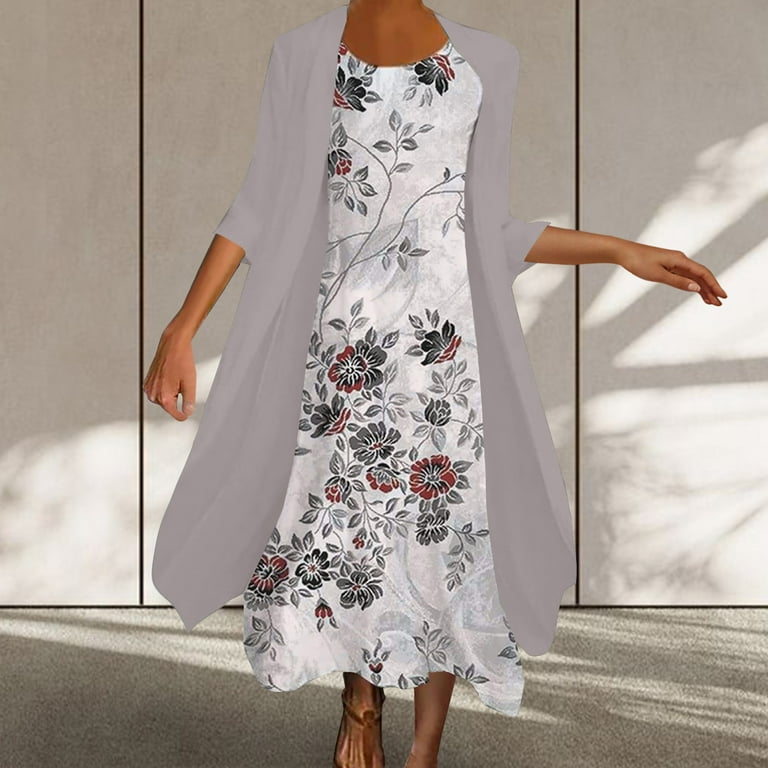
Garden party attire wants florals. It also wants tea-length or midi hems in a fabric that breathes (linen, cotton voile, silk crepe), and a flat sandal or a block heel because grass doesn’t negotiate with stilettos. What it doesn’t want is anything in the nude family. Champagne, beige, sand, blush, ivory, taupe, oat: all of those read bridal in outdoor photography. The light at a 4pm garden ceremony is warm, and warm light pulls nude tones toward white. From across the lawn, you photograph as the bride. That’s the crime.
Misa Hylton, the New York-based stylist and creative director who built the visual language of 90s hip-hop for Mary J. Blige and Lil’ Kim and now runs the Misa Hylton Fashion Academy, has long taught a rule that translates cleanly to garden weddings: pick a color that lives in nature but isn’t the color of the bridal party. If the bridesmaids are sage, wear marigold. If they’re dusty rose, wear terracotta. If they’re lavender, wear butter yellow or clean cobalt. Belong in the garden without competing with the wedding party.
Creative Black Tie and Creative Formal: The Pinterest Decode
Creative black tie is the most overused dress code on a 2026 invitation. It is also the most underexplained. What it actually means: follow the aesthetic of the invitation’s Pinterest board. If the invitation is moody navy and gold with a serif type and a watercolor crest, wear in that direction (a navy column, a deep wine, a black with gold embellishment). If the invitation is Italian Riviera with a pencil sketch of a lemon tree and a sans-serif type, wear a yellow midi, a printed silk, or a wide-leg trouser in a sandy linen. Creative black tie is not freelance. It is the couple asking you to read the room the invitation already telegraphed.
The reason this code gets misread: most guests do not actually study the invitation. They scan it for date, time, and venue, and they ignore the typography and the palette. If the couple put a Pinterest board link in the lower corner, click it. If they did not, look at the invitation itself as the board. The colors are the brief. The fonts are the brief. The illustration style is the brief. You are not inventing. You are matching.
Destination Wedding and Festive: The Chaos Category
“Festive” is the dress code that means nothing and everything. Destination weddings in 2026 are leaning on it because the couple wants the room to feel like a vacation, not a gala. The default read: dressy but comfortable, in hot weather, with sleeves preferred for sun. A cap sleeve or a flutter sleeve covers the shoulder without sweating you out of the dress. A linen-blend midi works. A wide-leg silk trouser with a silk camisole works. A printed maxi in a structured cotton works.
The brands worth pulling from: Eloquii Resort, which dropped its first sized-to-32 resort line in 2024 and made it the strongest plus-size destination collection on the market; Universal Standard, for the bias-cut cotton poplin slip that survives a humidity index of 90; and Anthropologie’s Resort capsule, which leans coastal Italian. The mistake guests make is overcorrecting toward swimwear-adjacent. Festive is not flip-flops.
The White Rule
Do not wear white. Do not wear off-white, champagne, ivory, blush, cream, or oat. The only exception is when the invitation specifically requests white attire as the dress code, which happens at a small number of weddings, mostly destination ceremonies or second-marriage celebrations where the couple wants the entire room in white. If the invitation does not say “white attire,” any shade in that family reads as a violation. The photographer will capture you next to the bride and the photo will look like you tried.
The Black Rule
Black has been acceptable at weddings for at least a decade. The old rule (no black, it reads funereal) has not applied since around 2014. The only contexts where black still gets side-eye are very religious weddings (some traditional Catholic, Orthodox Jewish, or Southern Baptist services), older-Southern weddings where the grandmother generation still holds opinions, and certain cultural weddings where black is read as inauspicious (some Hindu and Chinese ceremonies). At everything else, black is correct. A black floor-length at a black-tie wedding is the safest choice in the room. A black cocktail at a cocktail wedding is a workhorse. The “no black” rule is dead. Read the room and ignore it.
The Plus-Size Math Has Changed
The rental market for plus-size wedding-guest dressing was effectively broken until 2023. Rent the Runway’s selection was thin and Nuuly capped at 24. Both expanded in 2023 and 2024. Nuuly now carries through size 32 across most dress categories. Rent the Runway expanded its 14-to-28 closet by roughly 40 percent and added a 30-to-32 section in 2024. The 26-to-32 range, locked out of the rental economy for a decade, now has actual selection.
The construction note that matters: bra-strap shoulder is a function of structured strap, not “shapewear.” A dress that supports a real bra has internal channels for the strap, a wider strap that distributes weight, and a neckline cut that holds the bust without stick-on cups or compression underwear. Eloquii Studio, BHLDN, and the Universal Standard formal capsule all build to this standard. If a dress requires three pieces of shapewear to make the structure work, the dress is wrong.

The Underdress Rule
The single most reliable instruction for guests reading any dress code: dress one level up from the venue tier. If the invitation says “casual barn,” you are not in jeans. You are in a midi sundress with a heel. If the invitation says “elegant garden,” you are not in cocktail. You are in floor-length or a tea-length silk. If the invitation says “black tie at the Plaza,” you are not in a midi sequin. You are in a column gown with proper jewelry. The venue tier tells you the floor. The dress code tells you to go one notch above that floor. The math is simple. The guests who get it wrong almost always under-dressed.
What to Do When the Invitation Gives No Dress Code at All
This is the closing observation, and it covers the situation that ate most of the chaos at Mountain Top Inn. Wedding invitations in 2026 are inflating language. Couples are inventing permutations (“garden cocktail formal,” “creative black tie,” “festive elegant”) to signal aesthetic without actually telling guests what to wear. The decoder above cuts through the inflation. But the most common modern problem is the opposite: the invitation gives no dress code at all. No line at the bottom. No clarifying note. Just the venue, the date, and the RSVP card.
When the invitation is silent, the answer is to ask the couple. Text the bride. Text the groom. Text whichever member of the wedding party is closest to you. The question is one sentence: “What are you imagining for guest dress?” That is the move. It is not rude. It is the opposite of rude. It signals that you took the wedding seriously enough to want to read the room they are building. If you genuinely cannot ask (estranged family member’s wedding, plus-one to someone you barely know, a destination invitation from a former coworker), the default is one level dressier than the venue tier suggests. A backyard becomes midi. A barn becomes a tea-length silk. A hotel ballroom becomes floor-length. A vineyard becomes a structured midi in a saturated color. The decoder above gives you the floor. The underdress rule gives you the ceiling. The math, after fifteen years on the wedding-guest beat, comes out clean.