
I added it up on a Sunday afternoon in February, sitting on my bathroom floor with the contents of my counter laid out like evidence in a case I was prosecuting against myself. Sunday Riley Good Genes, La Roche-Posay Toleriane Double Repair, an EltaMD sunscreen I had to reorder every ninety days, a Skinceuticals CE Ferulic that I rationed like it was insulin, a tube of tretinoin from my dermatologist, a Tatcha rice polish, and a standing monthly facial at a place in the West Village that charged $185 before tip. The face line item was just under $400 a month, accounting for the facials and the rate at which the serums actually run out. And then I picked up the bottle I used on my back, my knees, my elbows, my chest, and my shins. A Jergens Ultra Healing in the green pump. $4.99 at the CVS on Lexington, on sale because they had stacked them at the front of the aisle. I had been buying the same lotion for nine years. The disparity was not because the rest of my body needed less. It was because the marketing budget for body skincare is roughly one tenth the marketing budget for face skincare, and nobody had ever sold me the body version of the conversation. This article is the version I had to find on my own. It is the routine I built in the eighteen months after that Sunday, with input from dermatologists who specifically work with body skin, founders who have built their entire brands on the body category, and a lot of testing on my own skin and on friends who agreed to be the lab. If you have ever felt the difference between the skin on your jaw and the skin on your shoulder and thought one of them was simply “older,” I am here to tell you it is not aging. It is neglect, and it is fixable.
Why we skip the body (the marketing math, the time math, and the “no one sees it” lie)
There are three reasons most women run a $400 face routine and a $5 body routine, and none of them are good ones once you put them in print. The first is the marketing math. Beauty industry analysts who track ad spend will tell you that facial skincare gets somewhere between eight and twelve times the marketing dollars of body skincare year over year. That ratio shapes which products you have heard of, which influencers talk about which categories, and which gift sets are stacked at Sephora’s entrance in December. You have probably watched two hundred TikTok videos about a hyaluronic acid serum for the face. You have probably watched two about a hyaluronic acid serum for the body. They both exist. The face one has a budget behind it. The body one does not, so the ingredient never enters your shopping vocabulary, and you assume the body version is unnecessary because nobody has told you it exists.
The second is the time math. The face routine is performance-coded. You stand at the bathroom mirror, you take off makeup, you watch the products absorb, you see your skin change. There is a feedback loop, and the loop is short. Body skincare happens with damp skin, in a five-minute window after the shower, often in a fluorescent-lit bathroom while you are trying to get out the door. There is no mirror moment. There is no sense of completion. You slather, you towel, you move on. The brain does not register it as a ritual, so the brain does not assign it a budget. Both face and body need ten minutes a day, but only one of them feels like ten minutes of self-investment. The other one feels like chores.
The third is the lie we all have told ourselves for years, which is that the body does not need the same care because nobody sees it. This is the one I want to push back on the hardest, because it is wrong in three directions at once. It is wrong because you see your own body every day, and your relationship with your skin matters even when you are the only one in the room. It is wrong because intimate partners, doctors, friends at the beach, your own daughters all see your body, and the skin on your chest is your skin too. And it is wrong because the conditions that develop when you ignore the body for twenty years - the keratosis pilaris that hardens into texture you can no longer feel as separate from your arm, the chest hyperpigmentation that crosses the line from sun damage into a permanent mottled pattern, the hands that look two decades older than the face - those conditions are visible. They do not stop existing because you were not looking. They sit on your skin while you focus everything one foot higher, and they compound.
The four zones most women miss

If you do nothing else this article suggests, address these four zones. They are the regions where the gap between face care and body care does the most damage over time, and where the smallest intervention pays back the most.
The chest and decollete. The skin from your collarbone down to where a v-neck ends is some of the thinnest, most sun-exposed, most expression-creased real estate on the body. It produces less sebum than the face. It folds when you sleep on your side. It catches sun every time you wear a scoop neck or a sundress. By forty, most women have visible crepe-like texture and sun freckles across the upper chest, and the line between treated face and untreated chest is sharp enough that estheticians can read your age off of it more accurately than off your face. This zone needs the same retinoid, the same vitamin C, and the same SPF you are giving your jaw. Twice a week of whatever retinol you use at night, extended down past the chin and onto the chest in the same motion, will change what this region looks like in six months.
The back. The back is the zone women cannot reach, cannot see, and cannot treat by accident. It is also where body acne lives, where post-inflammatory hyperpigmentation from old breakouts sits unaddressed for a decade, and where keratosis pilaris and folliculitis quietly become the texture of your skin. The back needs an exfoliating cleanser, a targeted treatment for any active breakouts, and a body sunscreen if your back is ever exposed to sun, which it is more often than you think. A long-handled silicone back scrubber and a pump-top spray sunscreen made for the back specifically are two of the highest-ROI body care purchases I have ever made.
The hands. The hands age faster than the face. The skin is thinner, the sun exposure is constant when you drive, the washing and sanitizing during the last five years has done generational damage to the barrier, and the hand is the body part most exposed to UV in adult life. Hand creams labeled for hand care are usually moisturizers and nothing more. What hands need is the same vitamin C, niacinamide, and SPF the face gets. Dermatologists will tell you that hand age spots are the slowest body hyperpigmentation to fade because the skin turnover is slower in regions with less sebaceous activity, and prevention is dramatically easier than reversal. Sunscreen on the back of the hands every morning, applied as deliberately as the face sunscreen, is the single biggest hand care decision available.
The feet. Not pedicures. Feet. The skin on the heel is the only part of the body that develops calluses as a normal protective response, but calluses become cracks, cracks become infections, and a dry heel in your forties is a problem you can avoid in your thirties with eight minutes a week. A foot file, a urea-based foot cream like Flexitol Heel Balm, and a pair of cotton socks worn over the cream for an hour, once a week, will keep your feet in shape that pedicures never will. Pedicures are aesthetic maintenance. Foot care is skin care.
The body care product stack that mirrors face care
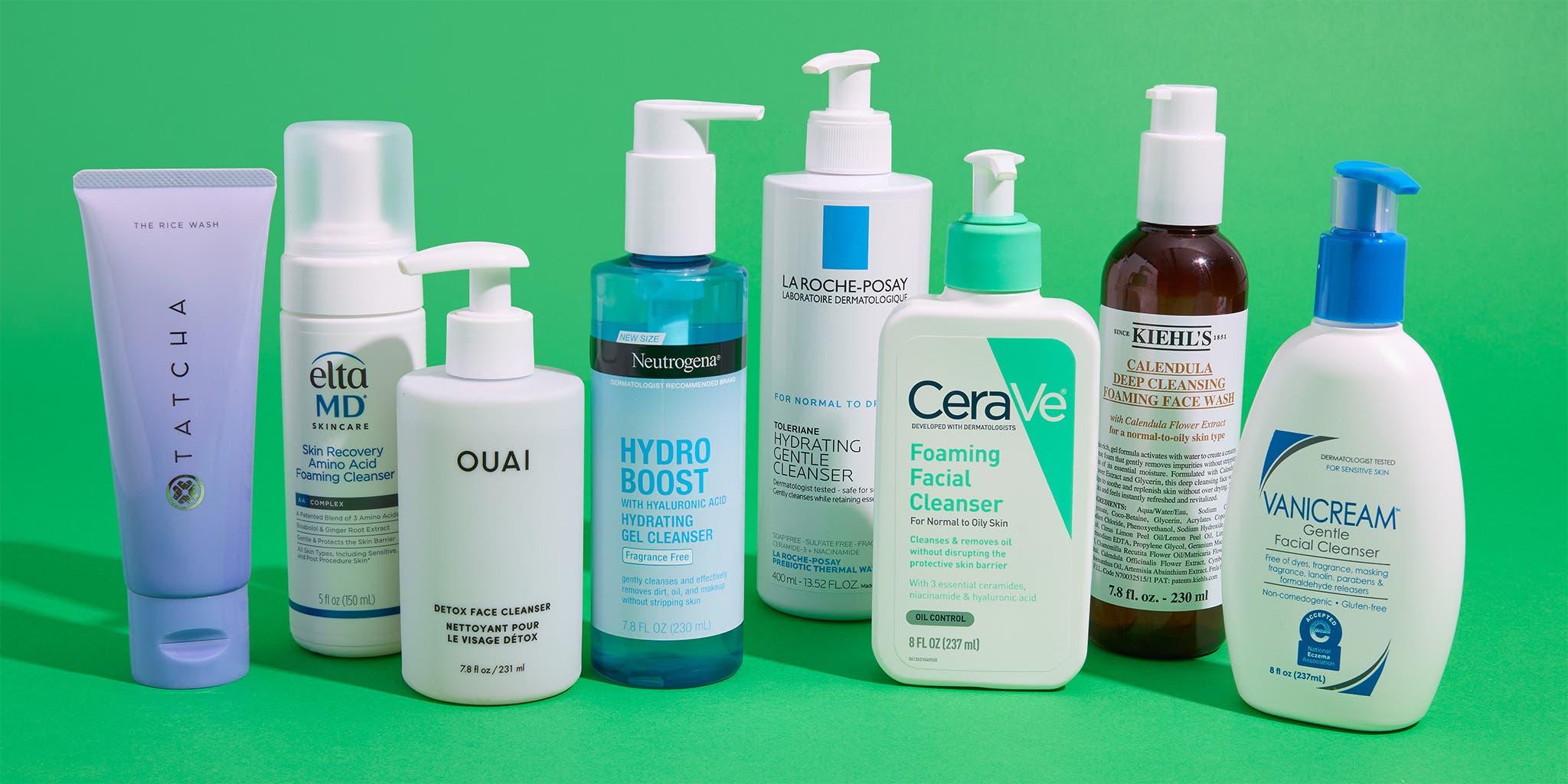
Build the stack the way you would build a face routine. Cleanser, exfoliant, serum, cream, treatment, and SPF. None of these are luxuries. All of them are categories that exist, that work, and that you have probably never assembled in one place because nobody told you they belonged together.
Body cleanser. Stop using body wash that strips. The body equivalent of a sulfate-foaming face wash is the same mistake at scale. Dove Sensitive Skin Body Wash and CeraVe Hydrating Body Wash are the two I rotate. Both are around $8 to $12 for a large bottle. They clean without disturbing the lipid barrier, they do not contain fragrance that disrupts the chest and decollete, and they pair with everything that comes after them. If you have body acne specifically, a benzoyl peroxide wash like PanOxyl 10% used as a contact wash on the back and chest, lathered and left for ninety seconds before rinsing, is the most direct intervention. Do not use it daily on the whole body. Use it where the breakouts live.
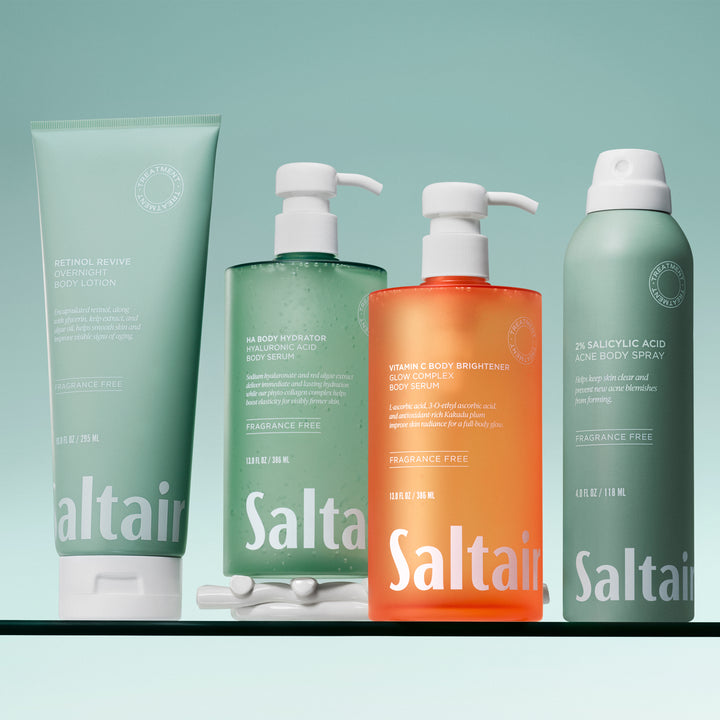
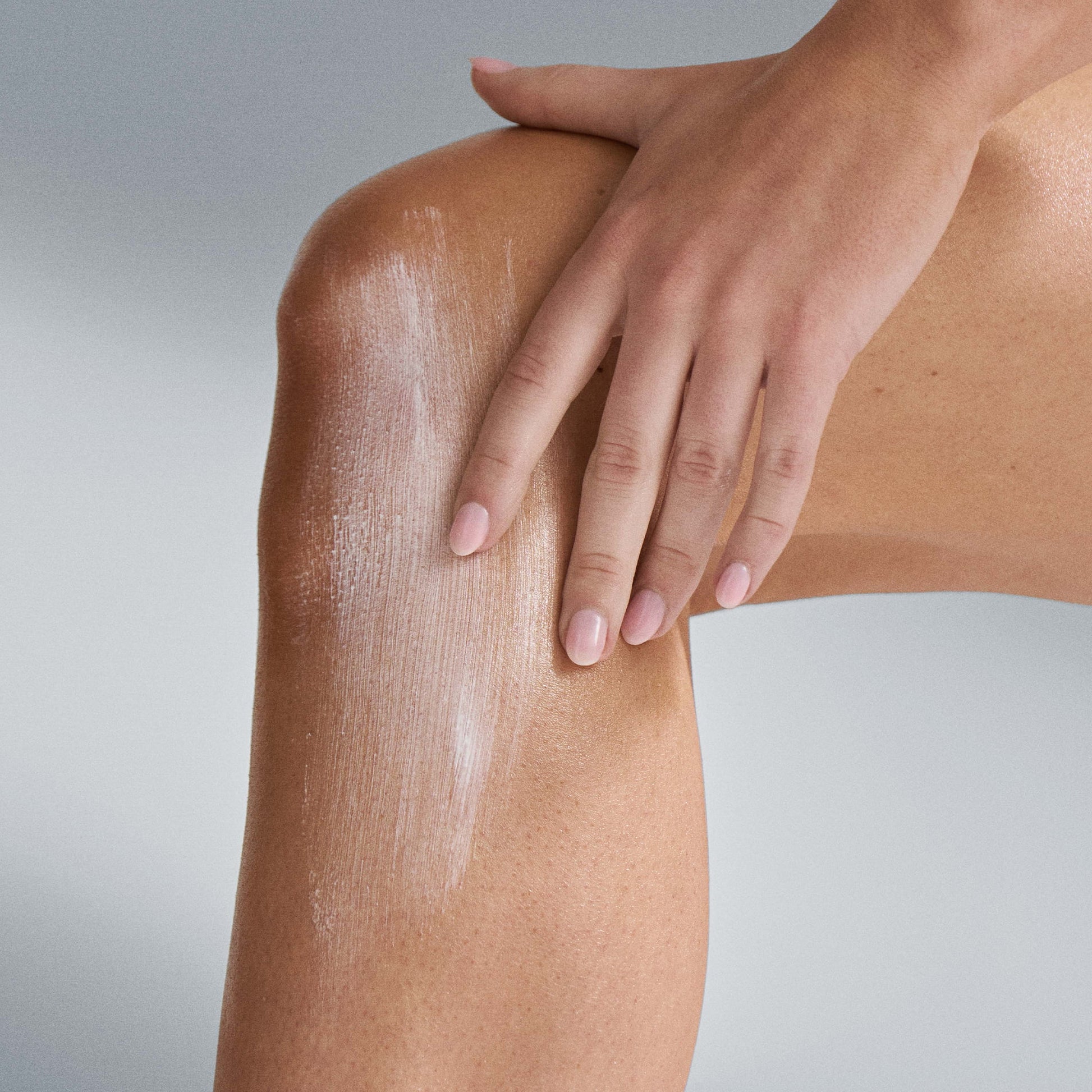
Body exfoliant. This is where the stack jumps a level. The First Aid Beauty KP Bump Eraser, around $30, is a 10% AHA scrub formulated specifically for the bumpy texture on the upper arms and thighs. Necessaire The Body Acid is the leave-on version of the same idea, around $30. Soft Services Buffing Bar is a solid-format AHA exfoliant bar that you use in the shower like a soap, around $36, and it’s the easiest way to exfoliate the back because you can reach it. Susan Yara, who founded Naturium and helped build the body acid category as much as anyone in the industry, has been clear in interviews that body skin tolerates higher acid percentages than face skin because the skin is thicker and the barrier is more robust, which is why a 12% lactic acid lotion that would shred your cheeks is reasonable on your shins. AmLactin Daily Moisturizing Lotion with 12% lactic acid is the workhorse here at around $15, and it’s the single product that will change a leg from rough to smooth in two weeks if you use it nightly.
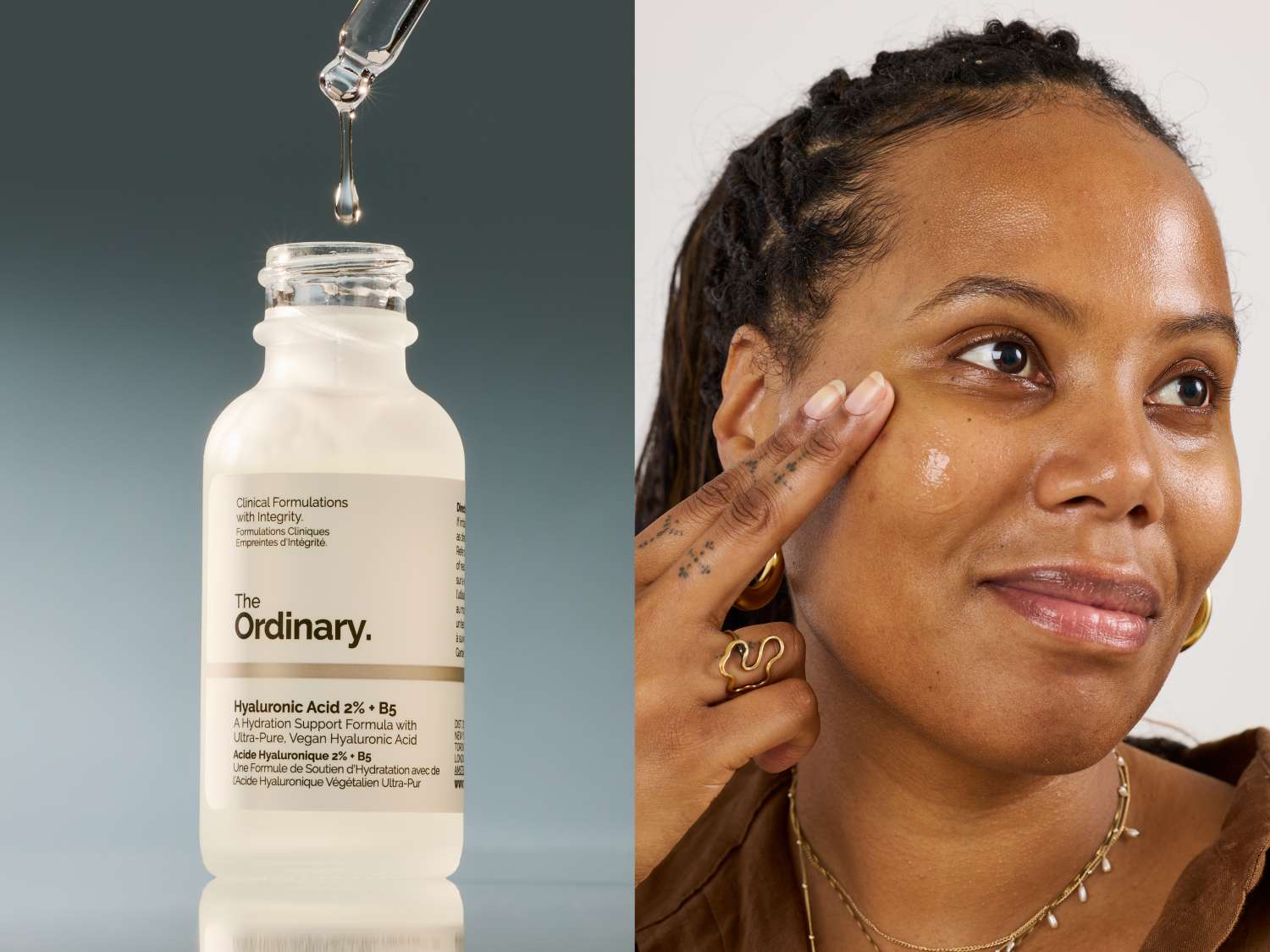
Body serum. Yes, really. Necessaire The Body Serum, founded by Randi Christiansen and built specifically around the premise that the body deserves the same actives as the face, contains 5% niacinamide, hyaluronic acid, and amino acids. It is around $40 for a generous pump bottle. Applied to damp skin after the shower, before cream, it is the closest body parallel to the niacinamide serum step you do on your face. Skeptics will tell you a body serum is marketing. It is not. The niacinamide reduces sebum dysregulation that causes back and chest acne, calms redness, and adds the same kind of texture improvement on body skin that it does on facial skin. If you cannot believe in a body serum yet, start with this one for sixty days and see what you think.
Body cream. This is the seal step, and the one most women already do, just with the wrong product. The drugstore lotion in a pump bottle is hydration only. What you want is a body cream that contains ceramides and ideally a low percentage of a chemical exfoliant for daily turnover. CeraVe SA Body Cream is around $18, contains salicylic acid plus ceramides plus hyaluronic acid, and it’s the daily moisturizer-plus-exfoliant in one tub. AmLactin Rapid Relief Restoring Body Lotion is a 15% lactic acid option around $17 if you want a higher percentage. Eucerin Advanced Repair Cream is the heavier, fragrance-free option for winter or for skin that has been allowed to get cracked, around $14. Apply within three minutes of getting out of the shower, on still-damp skin, for the absorption that makes the difference.
Targeted treatments for the problems body lotion will never fix
Five problems show up on adult bodies that a daily moisturizer was never going to solve, and each has a specific treatment that is worth knowing by name.
Body acne, especially on the back, shoulders, and chest. Differin Gel, the same 0.1% adapalene retinoid that costs around $14 at any drugstore, works on body acne the same way it works on facial acne. Applied to the back two or three nights a week with a long-handled applicator, it reduces inflammation and breaks up the clogged follicles that cause the bumps. Pair with PanOxyl 10% in the shower a few mornings a week. Give it twelve weeks.
Hyperpigmentation on the elbows, knees, inner thighs, and underarms. This is the issue Dr. Shasa Hu, a dermatologist at the University of Miami who directs the cosmetic division and works with pigmentation in skin of color, has talked about repeatedly in clinical settings. Her position is consistent. For melanin-rich skin, the safe and effective treatments for body hyperpigmentation are azelaic acid, niacinamide, kojic acid, and tranexamic acid. Avoid hydroquinone for long-term use on body skin for the same reasons you avoid it on the face. The Inkey List Tranexamic Acid Serum, around $15, applied to the spots at night, and Naturium Alpha Arbutin 2% Serum, around $20, are two over-the-counter options that have shown real results in eight to twelve weeks of consistent nightly use on darker elbow and knee skin. Pair with SPF on those areas if they’re ever exposed.
Hand age spots. The Eucerin Q10 Anti-Wrinkle Face Cream, despite the name, is the hand cream that dermatologists I know quietly recommend for the back of the hands when age spots are starting to show, around $13. Coenzyme Q10 plus the daily SPF habit I am about to harangue you about in the next section is the only realistic protocol for hand spots short of in-office laser treatment, and the laser is genuinely the more effective option if you have access. For prevention, La Roche-Posay Mela B3 Serum applied to the back of the hands at night, around $50, contains tranexamic acid and niacinamide and is the only “face serum” I deliberately repurpose for hands.
Chest dehydration and crepiness. The chest is the zone that responds fastest to retinoid extension. If you are already using a retinoid on your face, extend the application down onto the upper chest two to three nights a week, not nightly to start. Within six to eight weeks the texture will begin to smooth. Pair with a vitamin C in the morning, applied from collarbone to bra line, and SPF.
Foot calluses. Urea cream at 25% or 40%, like Flexitol Heel Balm or Eucerin Roughness Relief, applied nightly and locked in with cotton socks. A glass foot file once a week on damp post-shower skin. That is the entire protocol.
The SPF question, and 40 years of UV damage we ignored
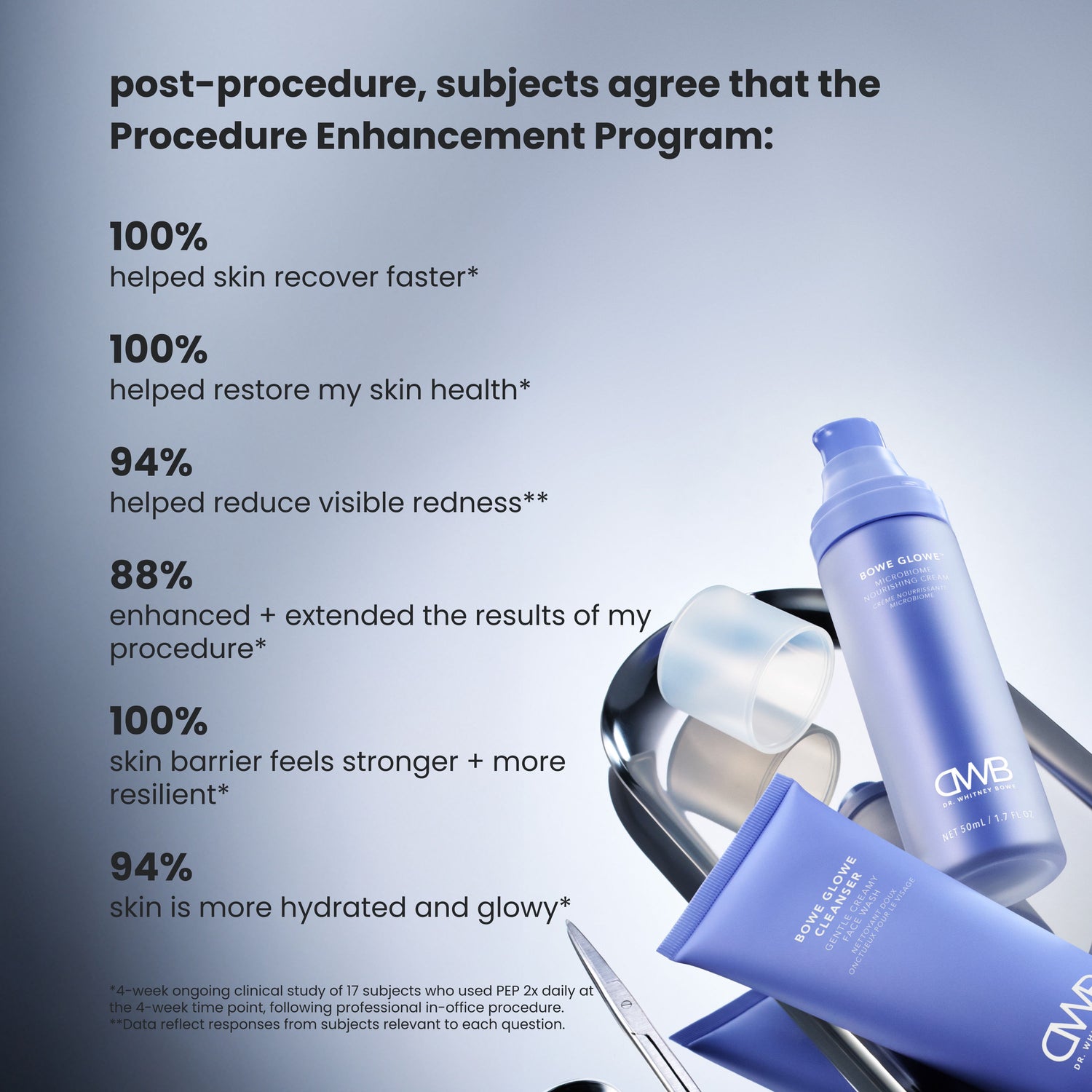
This is the section I am the loudest about, because the body is where forty years of UV damage has been accumulating while we were applying SPF 50 to our face and SPF zero to our chest. Dr. Whitney Bowe, a New York City dermatologist who has talked about this extensively in her clinical practice, makes the same point I am about to. The skin on the chest, the back of the hands, the forearms, and the shins has been getting daily incidental sun exposure for decades, and most of the body hyperpigmentation, the crepiness, and the texture changes we attribute to “aging” are photoaging. Photoaging is preventable going forward. It is not reversible without serious in-office intervention, but it is fully stoppable from today.
The reason most women do not wear body SPF is that the products are bad. They have been bad for thirty years. They are thick, white, greasy, fragranced, expensive per ounce, and they pill under clothing. That has changed in the last four years and I want you to know the products that have changed it. Supergoop Glowscreen Body, around $42, is a tinted body SPF 40 that wears under clothes, does not pill, and has a satin finish that does not cast on darker skin. Black Girl Sunscreen Make It Matte SPF 45, around $19, was formulated for melanin-rich skin specifically and goes on without the white cast that ruined every other sunscreen we tried before this brand existed. Vacation Classic Lotion SPF 30, around $22, is the one I keep in my bag for weekend application because it smells like a piña colada and people will use what they enjoy using.
The application math. For the body, you need roughly one shot glass worth of sunscreen, around 30 milliliters, for adequate coverage. That is more than most people use, and it is the actual amount you need to hit the SPF on the label. The back of the hands every morning, even on days you do not go to the beach, costs you ten seconds. Do it for the next twenty years and you will have hands that look like your hands, not your mother’s hands.
The weekly upgrade: dry brushing, masking, in-shower oil

Three practices to add weekly, not daily, that move the needle without taking more time than you have.
Dry brushing. A natural bristle body brush, around $20, used on dry skin before a shower, in upward strokes toward the heart, for two minutes. The lymphatic-drainage claims are oversold by influencers, but the mechanical exfoliation is real, the circulation increase is real, and the prep for product absorption afterward is real. Twice a week is plenty.
Body masking. The Necessaire Body Wash and the Naturium Glow Getter mask are both options, but the best body masking habit I have built is the bentonite clay paste on the chest and back, applied for fifteen minutes once a week, rinsed off in the shower. Aztec Secret Indian Healing Clay, $11 for a tub that lasts a year. Mix with apple cider vinegar to a paste, apply, wait, rinse. It is the cheapest meaningful body skincare product on the market.
In-shower body oil. A body oil applied at the end of a shower, on wet skin, while you are still in the steam, before you towel dry. Nuxe Huile Prodigieuse, around $40, is the cult option. Sweet almond oil from the grocery store, $8, is the budget option. Both work. The point is the lipid layer that locks in the moisture before towel-drying ever evaporates it. Two pumps, ankles to shoulders, two minutes. The difference in winter skin is dramatic.
The night routine for the body
The full nightly stack, in order, on damp post-shower skin. Body wash that does not strip. Towel-pat, do not rub dry. Body serum, two to three pumps, ankles up. Body cream with an acid in it on the legs, on the back of the arms, on the chest. Pure ceramide cream on any dry spots. Targeted retinoid or treatment on the zones that need it. SPF in the morning. That is the routine. It takes seven minutes once you are practiced. Most women I know are spending twenty-five minutes on the face routine and the seven on the body, and they are seeing the kind of skin transformation across the whole body in twelve weeks that the face took them three years to build.
The plus-size-specific reality nobody covers

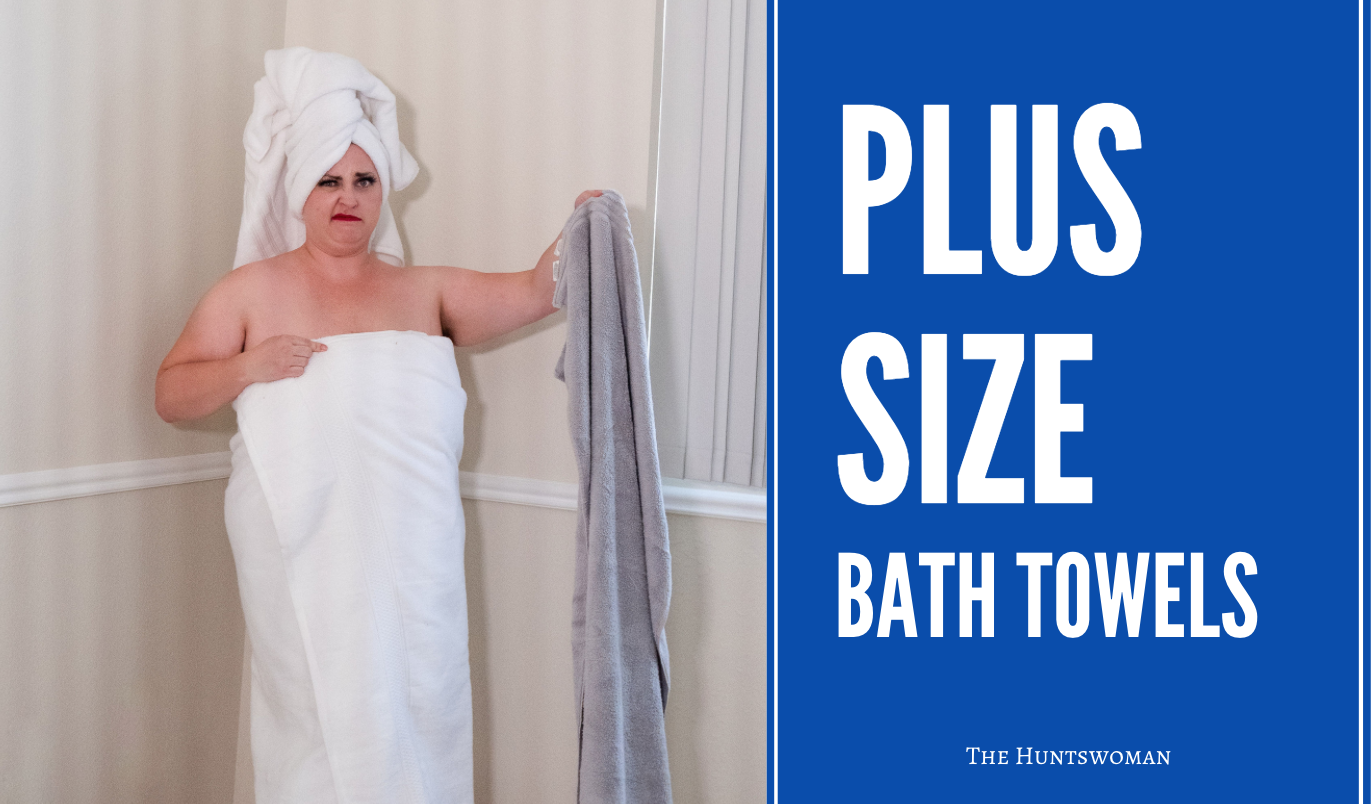
I am going to talk about something that the mainstream body skincare conversation routinely leaves out, because the writers who get the body care assignments are usually at the smaller end of the body range and they write from their own experience. Plus-size bodies have more surface area to treat, more skin folds to monitor for friction and inverse conditions like intertrigo, and more friction points where chafing and post-inflammatory hyperpigmentation become a recurring management issue rather than a one-time fix. None of this means the routine changes in its components. It means the routine changes in its volume and its targeting.
More surface area means more product. The standard body lotion bottle that lasts six weeks for a size 4 woman lasts three weeks at size 18. Build that into the budget. Buy bigger sizes when they exist. CeraVe Hydrating Body Wash comes in a 32-ounce pump for around $18 and that is the version to buy.
Skin folds need their own protocol. The under-bust, the inner thigh, the lower belly, the area behind the knees in some bodies. These zones run warm, retain moisture, and develop friction-based hyperpigmentation and occasional yeast-driven irritation. The protocol is dry the fold thoroughly after every shower, dust with an anti-fungal powder if there is any redness or smell, and use a barrier cream like zinc oxide diaper rash cream on any spot that is actively irritated. Lume Whole Body Deodorant is one product specifically built for this category at around $20, and it has changed what under-bust care looks like for many women.
Chafing zones - inner thigh, under-arm, bra line - benefit from a daily barrier balm. Megababe Thigh Rescue, around $14, and Body Glide, around $9, are the two product categories that prevent the friction in the first place, which prevents the post-inflammatory hyperpigmentation that follows the friction. Treating chafe-related darkening on the inner thigh is harder than preventing it. Prevention is two seconds of glide stick before you get dressed.
Keratosis pilaris and the 12 to 16 week timeline
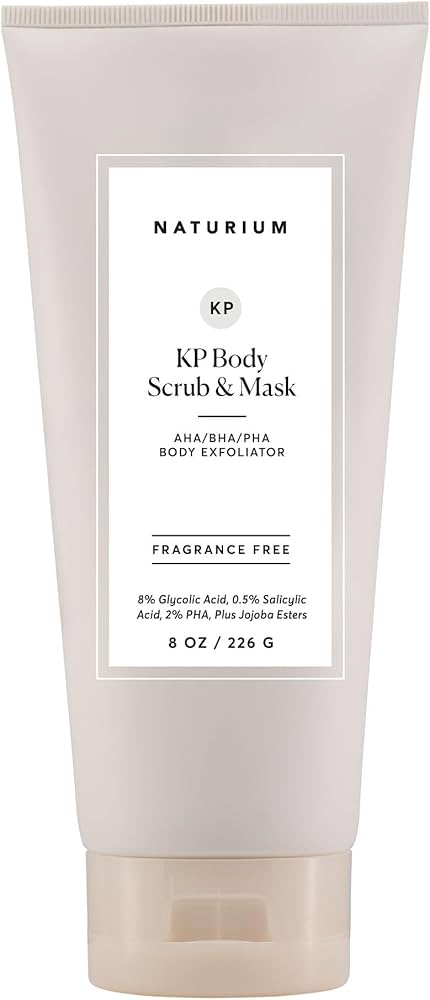
I want to be honest about the keratosis pilaris timeline because I have seen too many women give up at week four convinced the products do not work for them. They work. The timeline is just longer than the marketing implies. KP is a genetic keratin overproduction in the hair follicles, most commonly on the back of the upper arms, the front of the thighs, and sometimes the cheeks. It is not a hygiene issue, it is not an exfoliation issue in the way blackheads are, and it does not respond to scrubbing harder. It responds to consistent leave-on chemical exfoliation, daily, for twelve to sixteen weeks before the bumps begin to flatten meaningfully.
The protocol that works on KP. AmLactin 12% lactic acid lotion or AmLactin Rapid Relief 15% lactic acid lotion, applied to the affected areas every single night for sixteen weeks. Pair with a weekly physical exfoliation - the KP Bump Eraser or the Soft Services Buffing Bar - to slough the dead skin that the acids have loosened. Don’t switch products at week six because you’re impatient. The follicles have to fully turn over, the keratin plug has to dissolve completely, and the pigmentation around each bump has to fade. Sixteen weeks is the realistic floor. Some women see results at twelve. A few need twenty. Pre and post photos of the same patch of upper arm, taken in the same light, every two weeks, will keep you honest about whether it’s working when your eyes adapt to the gradual change.
What changes when you start

The keratosis pilaris bumps on the back of your arms. The dry shins that have crackled in winter since you were twenty-two. The hyperpigmented elbows you have stopped photographing. The chest dehydration that makes you reach for a turtleneck instead of a v-neck. The age spots on the backs of your hands that you have started covering with the sleeves of every blouse. The calluses on your heels that have made you skip sandal weather. None of these are signs of aging. They are signs of a body that has never been treated like skin. They are the visible record of a decision the marketing industry made for you decades ago about which parts of you were worth the same care, and which parts were a $4.99 afterthought.
What changes when you start. The first four weeks, the chest hydration comes back and the shins stop catching on your sheets. The second month, the back acne quiets and the elbows begin to lighten. By month four, the KP bumps that have been there since adolescence start to flatten and you can run your hand over the back of your arm and feel skin instead of texture. By month six, the hands look like they belong to the face. By month twelve, you stop thinking of your body as a problem to manage and start thinking of it as skin you have been taking care of. None of that requires a $185 facial. It requires a fifteen-minute routine, a credit card, and the decision that the rest of you deserves what your jaw has been getting all along. I refuse to call any of this self-care, because that framing has been used to sell us a lot of nothing for a lot of money. This is maintenance. This is the version of body care that the marketing budget never funded. The skin is yours. Treat it like it is.