
It was June 2024, mile 187 on I-26 East, somewhere between the Georgia state line and the Charleston exit signs that promise marsh views in another hour. My sister was driving the Toyota Camry we had rented in Atlanta. I was in the passenger seat. And the seat belt was cutting into my ribs at the diagonal so sharply that I had been shifting position every four minutes for the last forty miles, trying to get the strap to sit anywhere other than across the top of my left breast and under my right armpit.
That was the moment. Not a dramatic one. No tears, no pulling over. Just the quiet, specific realization that the seat belt geometry in a 2023 Toyota Camry, like the seat belt geometry in basically every car sold in America, is engineered for a male body that is 5’10, 175 pounds, with a flat chest and a narrow torso. My body is none of those things. I am 5’4, size 18, with a high bust and the soft-tissue distribution that comes with being a Black woman who looks like every woman in my family for three generations back. The belt was not designed for me. It was designed around me, the way the entire road-trip industry has been designed around me for the last hundred years, and I was just supposed to suck it up.
I am not going to suck it up. Neither should you. Road trip discomfort for plus-size women is not a personal failing. It is a solvable engineering problem. About eighty dollars of pre-trip gear and a four-stop hydration protocol fixes most of it. The rest is knowing which snacks actually carry you through hour five without a sugar crash, which compression socks prevent the deep vein thrombosis risk that is genuinely higher for our bodies on drives over four hours, and which outfit lets you slide out of a car at a rest stop without feeling like you have been folded into origami. This is the engineering solution. I have driven Atlanta to Charleston, NYC to DC, LA to San Francisco, and Portland to Seattle in the last eighteen months. Everything in this guide is something I have actually tested on my actual body.

The Seatbelt Geometry Problem and the Twenty-Dollar Fix
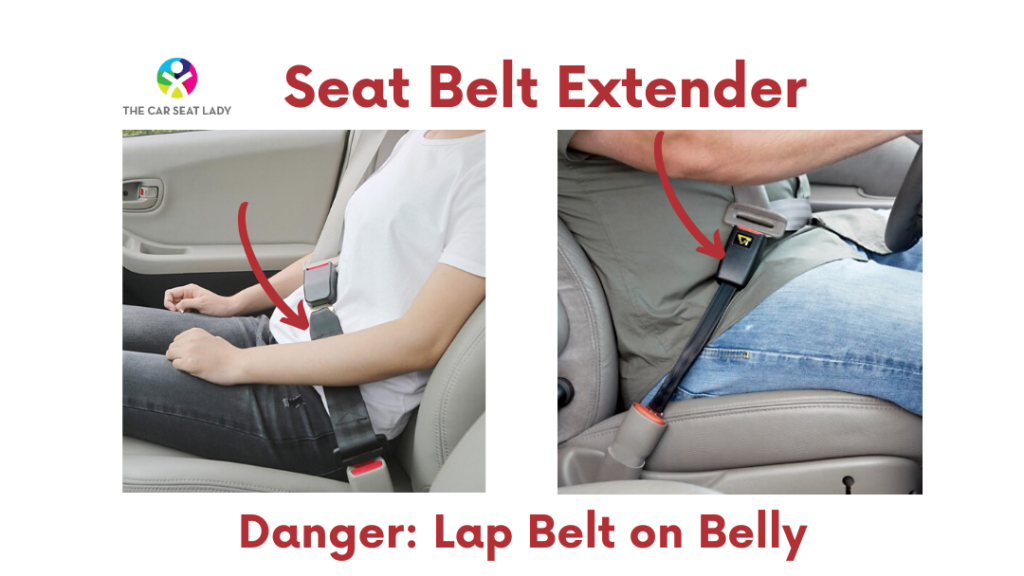
Here is the thing nobody tells you. The diagonal strap of a standard three-point seat belt is anchored at a point above and behind your left shoulder, and it runs across your torso to a buckle on your right hip. That diagonal angle is calibrated for a torso that is taller than it is wide, with the chest mass low and flat. If you have a high bust, a fuller midsection, or anything resembling soft tissue at the size-18-and-up range, the strap does not sit across the sternum the way it was designed to. It rides up onto your throat, slices across one breast, or buries itself into the soft tissue under your arm. None of those positions are safe in a crash, and all of them are miserable for six hours.
The Insurance Institute for Highway Safety has analyzed this gap repeatedly. In police-reported tow-away crashes, women are roughly twenty to twenty-eight percent more likely to be killed on a per-crash basis than men, and a 2019 University of Virginia study put the female-occupant frontal-crash injury odds at about seventy-three percent higher than a comparable male occupant. The safety equipment was developed and tested on male-bodied dummies for decades. The plus-size female body is even further outside the design envelope. So this is not in your head. The car was not built for you.
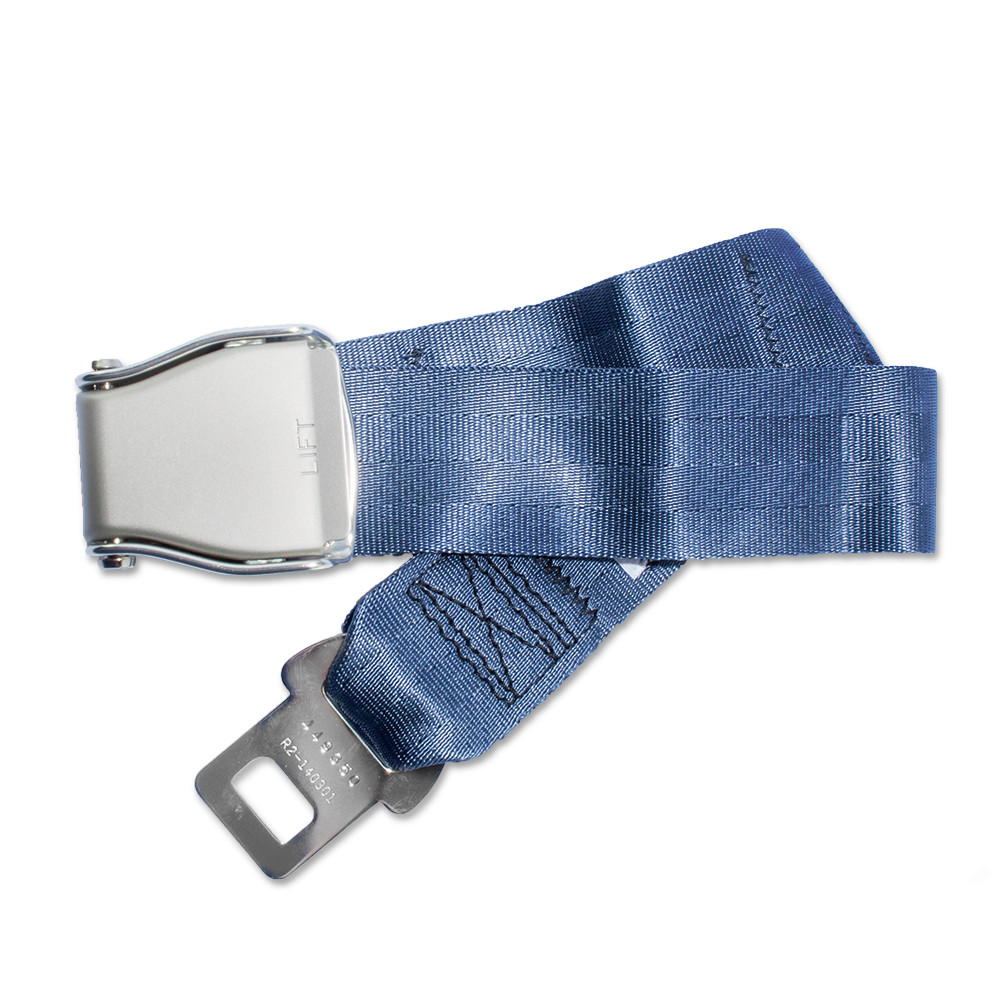
The fix is a seatbelt shoulder adjuster, the small clip that attaches to the diagonal strap and reroutes the angle so it hits your shoulder correctly instead of your neck or your chest. Generic versions run roughly $10 to $20 on Amazon. I keep one in the glove compartment of every rental car I drive. It takes about ten seconds to install, it does not interfere with the buckle releasing in an emergency, and it is the single highest-return purchase I have ever made for road comfort. Look for one that explicitly says it does not interfere with retraction and is rated for adult use. If you take nothing else from this article, take this.
The Lumbar Problem and the Thirty-Five-Dollar Fix
Car seats are also engineered for a body that is not yours. The lumbar curve on a standard sedan seat is shallow, the cushion depth is too short for thicker thighs, and the seat back angle assumes you have very little soft tissue between your spine and the upholstery. After two hours, your lower back is screaming. After four hours, you cannot feel your tailbone.
The Everlasting Comfort Memory Foam Lumbar Cushion is thirty-five dollars and it is the highest-rated lumbar support for plus-size bodies on every forum I have read in the last two years. It has a strap that loops around the seat back, so it stays in place when you shift. The contour is deep enough to actually fill the gap behind your lower spine, which is the whole point. I bought one in October 2023 and I have not done a long drive without it since.
If you have hip issues on top of back issues, add a Tempur-Pedic gel seat cushion under your sit bones. It is closer to sixty dollars and it is worth every penny on drives longer than three hours. The combination of lumbar support behind and gel cushion below changes the angle of your pelvis just enough that your lower back stops bearing the full load of the drive. I noticed the difference on the Portland to Seattle run last summer. Three hours, no back pain, which had never happened to me before.
The Bladder Problem Nobody Wants to Talk About
Plus-size women have a complicated relationship with road-trip hydration. Drink too little water and you arrive dehydrated, with a headache and stiff muscles. Drink enough water and you need a bathroom every fifty miles, which on rural stretches of I-95 or I-5 means white-knuckling it to the next gas station. There is also pelvic floor pressure to consider, which gets worse with the vibration of a long drive.
My protocol now is electrolyte timing. I drink eight ounces of water with a scoop of Skoop electrolyte powder when I get in the car, and then I sip slowly for the next ninety minutes. Electrolytes mean my body actually absorbs the water instead of running it straight through. I do not drink coffee in the first two hours. I save caffeine for the energy dip around mile 200, paired with a real meal stop. This protocol means I need a bathroom every two hours, not every forty minutes, and I arrive hydrated.
Compression bladder support garments are also worth considering for the long-driver. I am not going to pretend everyone wants to talk about this, but the vibration of a six-hour drive is hard on pelvic floor tissue, and a light compression brief from Knix or Thinx adds support without being uncomfortable. Sister told me about Knix last year. She was right.
## The Ninety-Minute Rule Is About Your Heart, Not Just Your Legs
This is the section I want every plus-size woman to read twice. The CDC, the American Heart Association, and the World Health Organization have all flagged elevated deep vein thrombosis risk in long-distance travelers, with body mass index above a certain threshold listed as a contributing risk factor on trips over four hours. DVT is a blood clot that forms in the deep veins of the leg, usually after long periods of immobility. It can be fatal if it travels to the lungs. The risk is real, it is statistical, and it is preventable.
The prevention protocol the major cardiology organizations agree on is not complicated. Stand up and walk for five minutes every ninety minutes. Flex your calves while seated. Stay hydrated. Wear graduated compression socks on any drive longer than four hours. That is the whole protocol. The hardest part is convincing yourself to actually pull over when you are seventy miles from your hotel and the sun is about to set.
I now set a ninety-minute timer on my phone at the start of every drive. When it goes off, we find an exit within five miles, we get out, and we walk around the rest stop or gas station parking lot for five full minutes. I do calf raises. I do the standing forward fold I learned from my yoga teacher in Atlanta. I drink more electrolyte water. We get back in the car and reset the timer. The drive takes about twenty minutes longer than it would otherwise. I am alive and have functioning circulation when I arrive. The trade is obvious.
The Snack Stack That Actually Carries You

Gas station snacks are an enemy of the long drive. Refined sugar gives you forty minutes of energy followed by a crash that makes you want to nap behind the wheel. Salty processed corn gives you instant bloat. The candy aisle is not your friend on hour five.
My pack-from-home stack is Sahale snack mixes for the slow-release protein-fat combination, Premier Protein shakes for breakfast or the mid-afternoon energy dip (thirty grams of protein, one hundred sixty calories, you actually feel full for two hours), and Skoop electrolyte packets for the water bottle. I also bring a bag of Trader Joe’s roasted unsalted almonds, two apples, and a sleeve of those Fage three-percent yogurt cups in the cooler if we are starting before nine in the morning. That stack costs about twenty-five dollars and it lasts a two-day round trip. The math is much better than ninety dollars of gas-station impulse buys that leave you feeling worse.
One specific Premier Protein math. A thirty-gram protein shake plus a handful of almonds plus an apple is roughly four hundred calories and forty grams of protein. That stack carries me from mile zero to mile two hundred without a real meal stop. When I do stop for a meal, I am not ravenous, so I order something reasonable instead of the entire menu of a Cracker Barrel.
The Outfit, Built for Twelve Hours in a Seat
The outfit math for a plus-size road trip is different from the outfit math for a flight or a day out. You need fabric that does not pinch when you sit for hours. You need shoes that you can slip on and off. You need layers because the car will be cold when your sister is driving and warm when you are driving, and the climate control vote will go to whoever is awake.
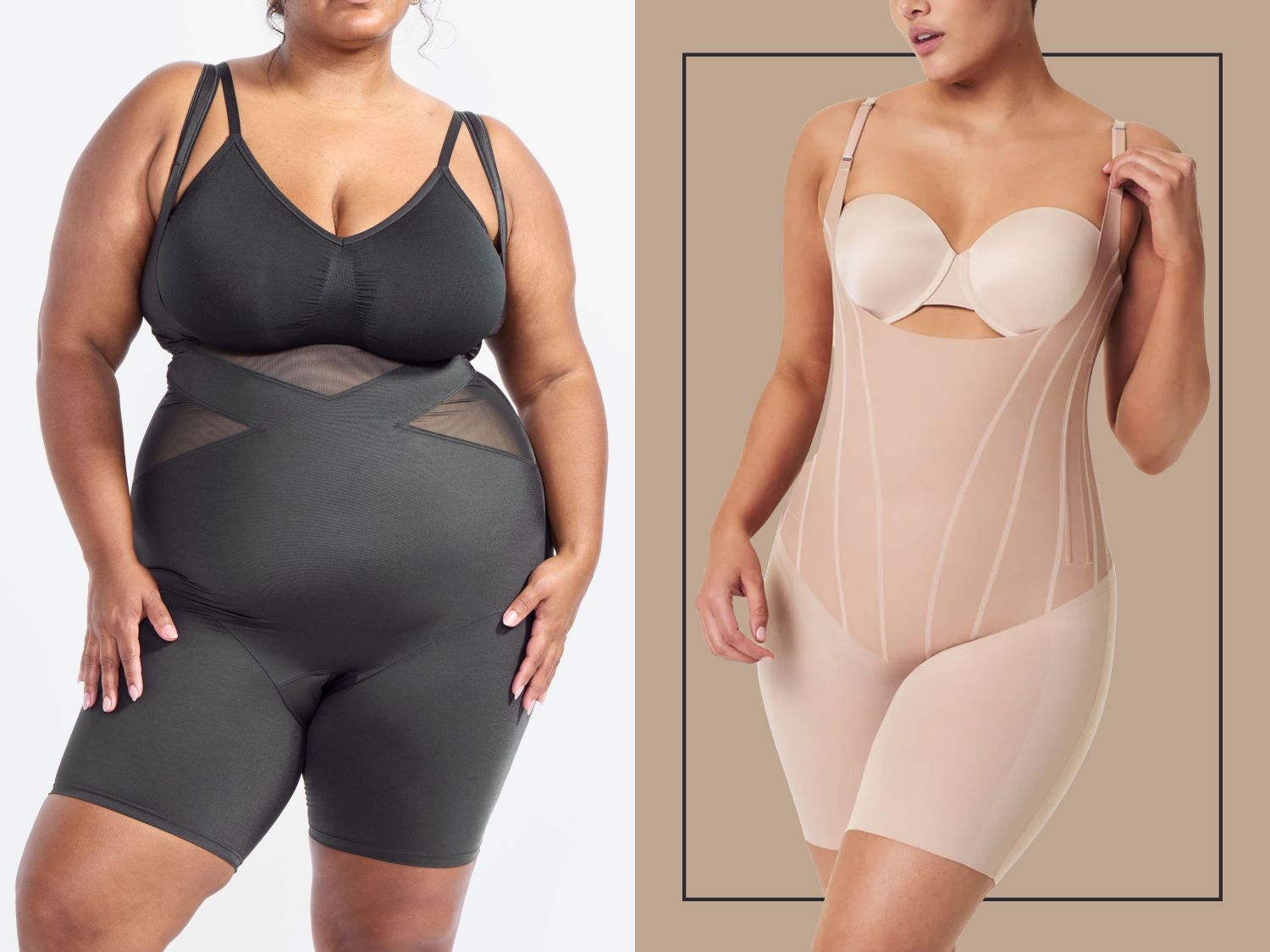
My standard kit is a Spanx pull-on travel skirt for any drive in summer, a Quince modal tee, an Allbirds Tree Runner, and a pair of Comrad knee-high graduated compression socks for any drive over four hours. A good pull-on travel skirt with a wide elastic waistband is the only kind that does not ride up when you sit, and it has enough stretch that you can sleep in it in a hotel and look fine in it at a roadside diner. The Quince modal tee breathes and does not show sweat. The Tree Runners are wool so they do not stink on day two. The Comrad compression socks are the fifteen-to-twenty millimeter mercury graduated rating that actually does the work on your circulation.
For winter or cold-climate drives, swap in a pair of Universal Standard ponte leggings, a long Quince cashmere cardigan, and the same compression socks layered under wool socks. The principle is the same. Stretch, breathability, layers, and shoes you can take off at hour three when your feet swell.

Night Driving Versus Day Driving

I prefer day driving for trips under six hours and a split schedule for anything longer. Day driving means you can see the actual landscape, you can stop at the random fruit stand or the historical marker, and you arrive in time to settle into wherever you are staying before dark. Night driving has its uses, mostly when you are trying to avoid traffic on a holiday weekend or when you are crossing a stretch of country that is not particularly scenic. The trade-off is that night driving is harder on your eyes, your stamina, and your judgment about when to stop.
My rule now is no driving after eleven at night unless we have a clear, specific destination within ninety minutes and both of us have slept well. The temptation to push through the last hundred miles at one in the morning has put me in some sketchy gas stations and one memorable wrong exit on I-95 outside Richmond. Sleep is cheaper than a wrong turn.
The Audio Stack for Sister-Trip Energy

The right audio carries a long drive. My current rotation is NPR’s Code Switch for the meaty conversation, Brittany Luse’s “It’s Been a Minute” for the pop-culture take, and a long-form audiobook for the stretch where conversation has run out and we both want to be in our own heads. I rotate music in for thirty minutes after every podcast hour, mostly Brandy, mostly Anita Baker, mostly Solange when the road gets pretty.
The trick with audiobooks on a sister trip is to pick something you both actually want to hear. Last summer we did “Caste” by Isabel Wilkerson on the LA to San Francisco run and I cried somewhere around Paso Robles. That was the right call. The road trip the year before I had picked something neither of us was into, and we ended up listening to the same Aretha album three times because nobody wanted to commit to anything else.
The First-Aid Bag

The must-pack first-aid kit for plus-size road trips is small and specific. BodyGlide for thigh chafe in summer, because anything humid plus a six-hour drive equals friction issues. Melatonin gummies for hotel sleep, especially if you are crossing time zones or sleeping at altitude. Tylenol for the inevitable tension headache. A small tube of arnica gel for any unexpected bruising or muscle soreness. Eye drops because car air conditioning is brutal. Backup phone charger.
I also pack a small ice pack in the cooler for the lower back. On the NYC to DC drive last winter, my sister threw it under her sweatshirt for the last hour and arrived at the hotel without the back spasm she usually gets after long drives. Small thing, big return.
The Four Trips, One Lesson Each
Atlanta to Charleston, June 2024. Five hours forty minutes. The lesson was the seatbelt adjuster. I had not bought one yet and I spent the entire drive shifting position. By Charleston I had a bruise across my collarbone. I ordered a shoulder strap repositioner that night from the hotel.
NYC to DC, December 2024. Four hours twenty minutes if traffic cooperates, six if it does not. The lesson was the compression socks. We hit Jersey Turnpike construction and the drive ballooned to almost six hours. My ankles were swollen when we arrived. I had not worn compression. The next drive I did, I wore them. No swelling.
LA to San Francisco, August 2024. Six hours up the 5, or eight hours up the 101 if you want the coast. The lesson was the lumbar cushion. I did the 101 version, which is gorgeous and worth every minute, but it is a winding mountain drive that fatigues your lower back in a way the straight interstate does not. The Everlasting Comfort cushion was the difference between arriving in Big Sur ready for dinner and arriving ready for a heating pad.
Portland to Seattle, March 2025. Three hours fifteen minutes on the I-5. The lesson was the electrolyte protocol. Short drive, easy weather, but I had a meeting the next morning and I wanted to arrive sharp, not tired. The Skoop hydration plan plus the ninety-minute stretch rule meant I walked into dinner that night feeling like I had not been in a car at all.

What the Industry Needs to Fix in the Next Decade
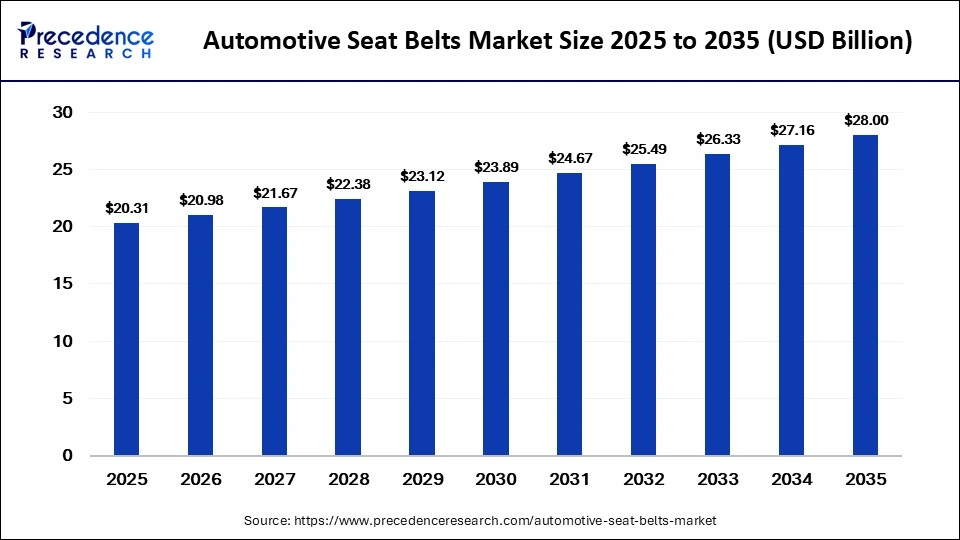
I am not going to spend the next decade buying seatbelt adjusters and lumbar cushions because the auto industry refused to redesign for bodies that have always existed. The fix is not on the consumer. The fix is on the engineers. Seatbelt anchor points need to be adjustable across a wider range, not just up and down by an inch. Crash test dummies need to model the full distribution of female bodies, including high-bust and plus-size variants, with the same rigor applied to male body types. Car seats need lumbar curves that accommodate the range of human spines that actually buy cars.
Until that happens, we engineer the workaround. We buy the twenty-dollar clip and the thirty-five-dollar cushion and the medical-grade compression socks. We set the ninety-minute timer. We pack the protein and the electrolytes. We arrive whole, not bruised, not swollen, not in pain. That is the engineering solution for now. The structural solution is a longer fight.
The Challenge
Here is what I am asking. Most road-trip discomfort for plus-size women is solvable with about eighty dollars of pre-trip gear and a four-stop hydration protocol. The lumbar wedge, the seatbelt strap repositioner, the compression socks, the electrolyte powder. That is the kit. On your next drive of four hours or longer, try it. Set the ninety-minute timer. Pack the Sahale and the Premier Protein. Wear the Comrad socks. Use the Tysonix clip. Stop every ninety minutes and walk for five.
Then tell us. Tell us if you arrived without back pain for the first time. Tell us if your ankles were not swollen. Tell us if the seatbelt did not leave a mark across your chest. Tell us what you would add to the kit, because I am still building mine, and the next plus-size woman who reads this article will benefit from what you learned. The car was not built for us. We can still build the trip for us. Start with the next four-hour drive and let me know how it goes.