


Let us be honest for a moment. How do you feel when you catch your reflection? If your first instinct is to look away, to zero in on the parts of your body you have been taught to dislike, or to avoid mirrors altogether, you are not alone. So many of us have spent years absorbing messages that told us our bodies were problems to be solved. But what if you could rewire that response? What if, in just 30 days, you could build a mirror confidence challenge practice that helps you see yourself with kindness instead of criticism?
This is not about forcing yourself to love every inch of your body overnight. That kind of pressure is just another form of perfectionism dressed up in self-help language. Instead, this 30-day mirror confidence challenge is about building a slow, steady, and sustainable path toward body acceptance. It is about replacing the automatic negativity with something gentler, something truer, and something that actually serves you.

Whether you are a size 14 or a size 34, whether you have always struggled with your reflection or are just going through a rough patch, this challenge meets you exactly where you are. No toxic positivity. No before-and-after photos. Just you, your mirror, and a daily practice that thousands of women have used to shift their mindset in ways they never thought possible.
Why a Mirror Confidence Challenge Can Transform Your Relationship With Your Body
The mirror confidence challenge is not some trendy internet dare. It is rooted in actual psychological principles. Exposure therapy, one of the most well-researched techniques in cognitive behavioral therapy, works by gradually and repeatedly exposing someone to something they avoid or fear. For many plus-size women, mirrors have become a source of anxiety, and this challenge uses a similar principle to gently desensitize that response.
Research published in the journal Body Image found that mirror exposure exercises - where participants spent structured time looking at their bodies with guided neutral or positive commentary - significantly reduced body dissatisfaction over time. Participants reported feeling less anxious around mirrors, less preoccupied with perceived flaws, and more able to appreciate their bodies as they are.
But here is the part that research alone cannot capture: the feeling of looking at yourself and not flinching. The quiet power of being able to get dressed in the morning without a wave of self-criticism. The freedom of walking past a store window and not automatically sucking in your stomach. These shifts are subtle, but they change the texture of your entire day.
This mirror confidence challenge works because it is progressive. You are not being asked to stand naked in front of a full-length mirror on Day 1 and recite affirmations. Instead, you are building up to it, layer by layer, at a pace that respects your emotional bandwidth.
Before You Begin - Setting Yourself Up for Success
Before you start your 30-day mirror confidence challenge, take a few minutes to set yourself up for the best possible experience. This is not about perfection - it is about intention.
Choose Your Mirror

Pick a mirror that you will use consistently throughout the challenge. Ideally, this should be a full-length mirror in a private space where you feel safe and uninterrupted. If you do not own a full-length mirror, a bathroom mirror works perfectly fine for the first two weeks. You can always upgrade later.
If you want to invest in a good mirror for this challenge, a full-length floor mirror with a sturdy frame is a great option. Look for one with good lighting - avoid mirrors in dim corners or ones that distort your image. You deserve to see yourself clearly.
Set Your Time

Each daily exercise takes between 3 and 10 minutes. Choose a consistent time - maybe after your morning shower, during your skincare routine, or right before bed. Consistency is more important than duration. Three minutes every day beats twenty minutes once a week.
Get a Journal

You will want somewhere to jot down your thoughts after each session. This does not need to be fancy. A simple notebook, the notes app on your phone, or a guided self-love journal all work beautifully. The act of writing helps solidify the shifts you are making internally.
Tell Someone You Trust

Accountability matters. Tell a friend, a partner, a therapist, or an online community that you are doing this. You do not have to share details - just the fact that you are working on something meaningful for yourself. Having someone check in on you can make the difference between finishing and fading out around Day 12.
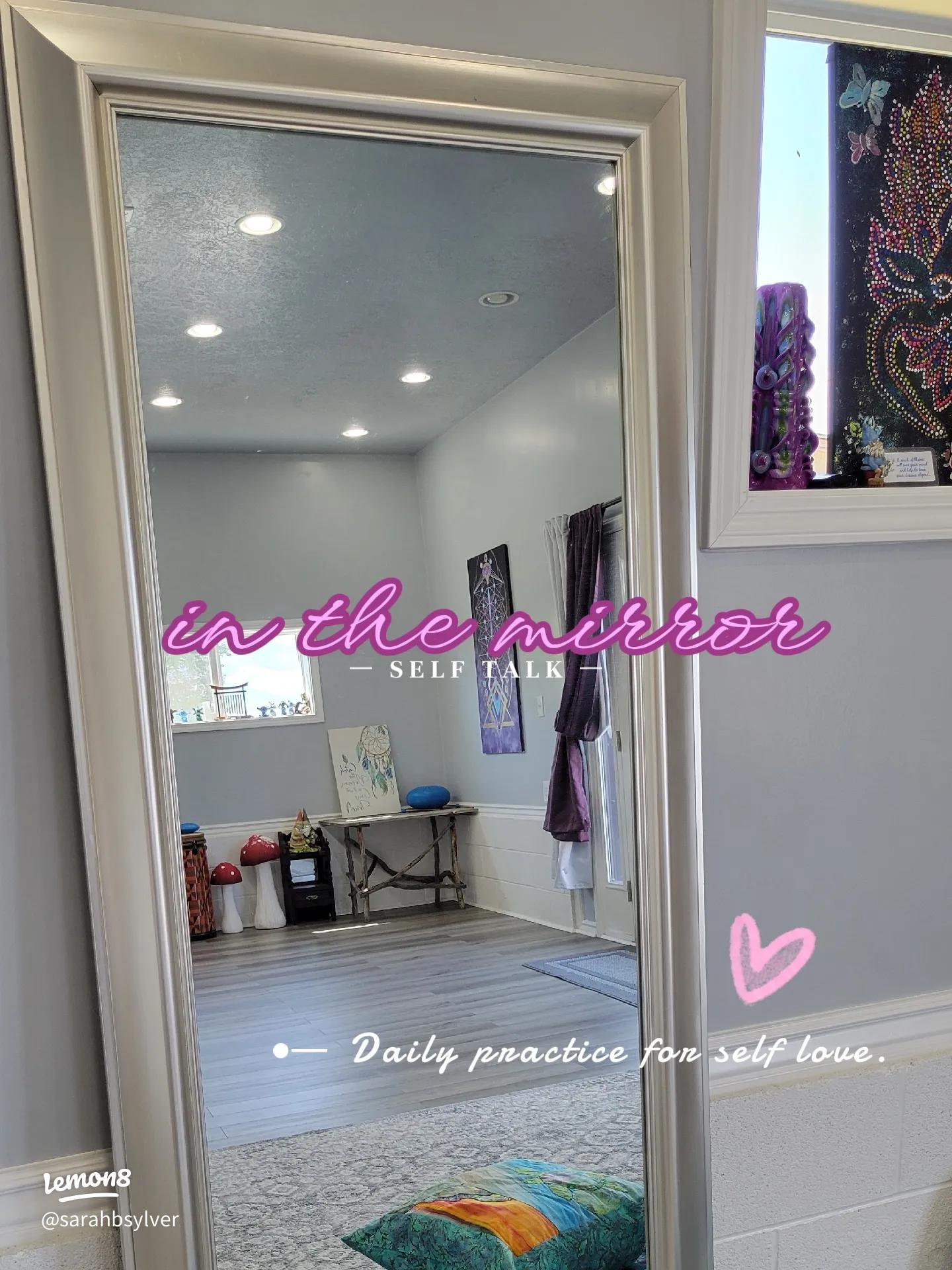
Week One - Days 1 Through 7 - The Foundation Phase
The first week of the mirror confidence challenge is gentle by design. You are simply building the habit of spending intentional time with your reflection. No big emotional asks. Just showing up.
Day 1 - The Neutral Gaze

Stand in front of your mirror for three minutes. You can be fully clothed - whatever makes you comfortable. Your only goal is to look at your face. Not to evaluate it, not to pick it apart, just to look. Notice your eye color, the shape of your brows, the curve of your lips. If critical thoughts come up, acknowledge them and let them pass. You are practicing neutral observation.
Day 2 - Three Nice Things About Your Face

Same position as yesterday, but today, name three things about your face that you appreciate. These do not have to be things you love - just things you can acknowledge. Maybe it is that your eyes crinkle when you smile. Maybe it is the freckles across your nose. Write them down afterward.
Day 3 - Smile at Yourself

This sounds silly, and that is exactly the point. Stand in front of your mirror and genuinely smile at yourself for one full minute. Not a forced grin - try to think of something that makes you happy and let it reach your face. Notice how your reflection changes. Most of us never see ourselves smiling naturally. It can be surprisingly emotional.
Day 4 - Hands and Arms Appreciation

Expand your gaze to include your hands and arms. Look at them in the mirror. Think about everything they do for you - the meals they prepare, the people they hug, the work they accomplish. Say out loud: “These hands carry me through my life.” Write down any feelings that come up.
Day 5 - The Outfit Check
Put on an outfit you feel good in. Stand in front of the mirror and take in the full picture - not just the parts you usually fixate on, but the whole image. Notice colors, textures, how the fabric moves. If you need outfit inspiration that makes you feel amazing, the Torrid Studio Knit collection is designed to drape beautifully on curves.
Day 6 - Gratitude for Function

Today, stand in front of the mirror and focus on what your body does rather than how it looks. Your legs carry you. Your lungs breathe without you asking. Your heart has been beating since before you were born. Spend three minutes thanking your body for its function. Write down five things your body did for you today.
Day 7 - Weekly Check-In
Take ten minutes to journal about your first week. What felt easy? What felt hard? Did any emotions surprise you? Rate your comfort level with the mirror from 1 to 10 - this is your baseline. You will check in again at the end of each week.
Week Two - Days 8 Through 14 - The Observation Phase
Now that you have built the habit, Week Two introduces deeper observation. You are learning to see your body as a whole rather than a collection of problem areas.
Day 8 - Full Body Scan With Neutrality
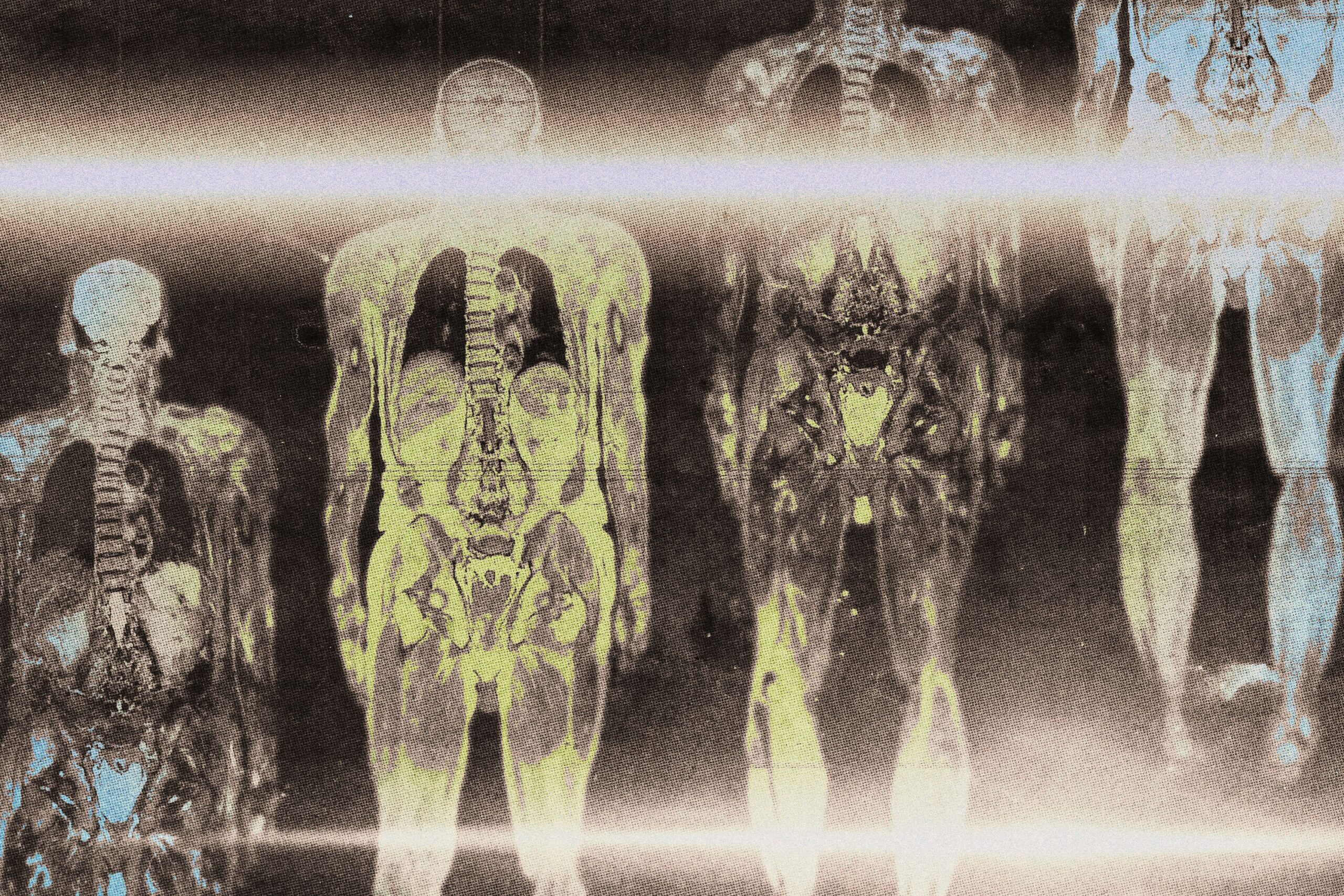
Wearing something comfortable - leggings and a tank top, a soft robe, whatever feels right - stand in front of the mirror and slowly scan your body from head to toe. Your goal is neutral description, like a painter studying their subject. “I have round shoulders. My stomach is soft. My thighs are strong.” No judgment words - just observation.
Day 9 - The Posture Experiment
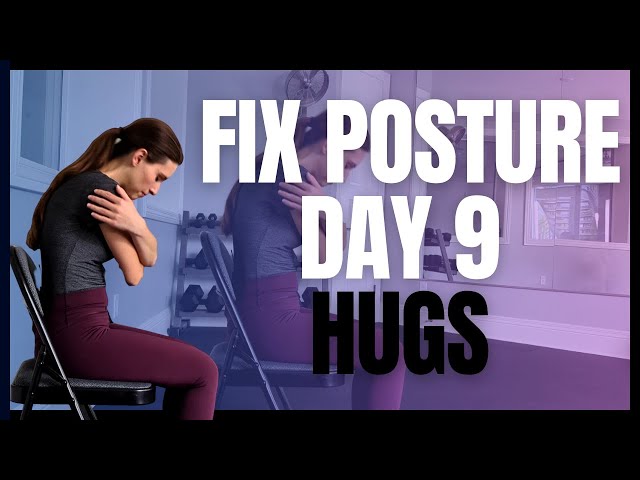
Stand in front of the mirror and try three different postures: shoulders hunched, neutral standing, and shoulders back with chin slightly lifted. Notice how each posture changes not just how you look but how you feel. Body confidence lives in your posture as much as in your thoughts. For extra support during the day, a plus-size posture corrector can be a helpful reminder to stand tall.
Day 10 - Soft Belly Day
This is often the hardest day of the challenge, and it is placed early in Week Two intentionally. Stand in front of the mirror, place your hands on your belly, and breathe. Do not suck in. Do not tense up. Let your belly be soft. Spend three minutes with your hands there, breathing normally. If tears come, let them. This is where so much of our body shame lives, and giving it gentleness instead of tension is a radical act.
Day 11 - Movement in the Mirror
Put on your favorite song and move in front of the mirror. Dance, sway, stretch - whatever feels natural. Watch your body in motion. Bodies in motion look different from bodies standing still, and there is something beautiful about seeing yourself move freely. Let it be fun. Let it be silly. Let it be whatever it wants to be.
Day 12 - The Touch Exercise
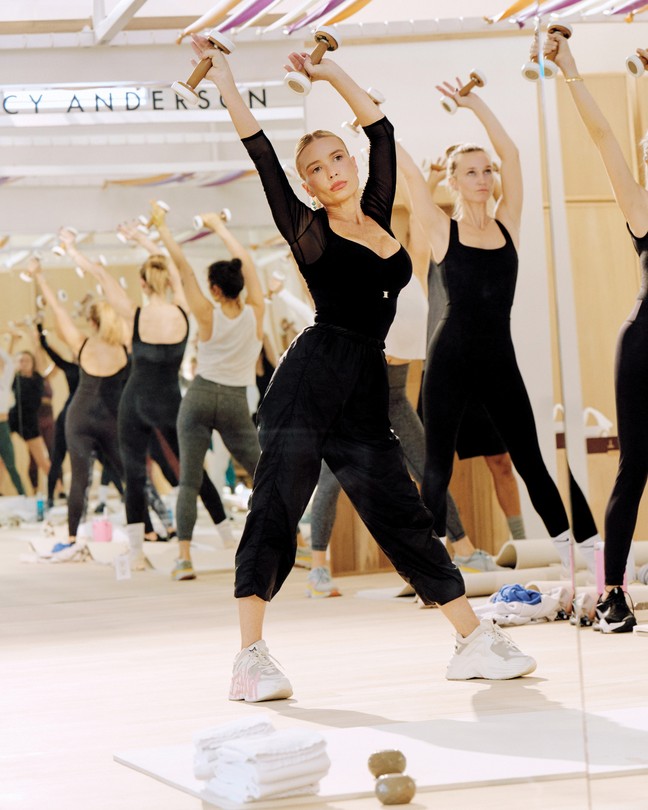
While looking in the mirror, gently touch different parts of your body with kindness. Run your hands down your arms, across your shoulders, over your hips. Touch your body the way you would comfort a friend. This exercise builds a connection between physical sensation and visual input, rewiring the way your brain processes your reflection.
Day 13 - Wearing Something You Have Been Avoiding
Pull out that piece of clothing you bought but never wore. The sleeveless top. The bodycon dress. The shorts. Put it on and stand in front of the mirror for five minutes. You do not have to love how it looks. You just have to see yourself in it and sit with whatever comes up. If the item does not fit comfortably, that is information about the clothing, not about your body.
Day 14 - Weekly Check-In
Journal again. Rate your comfort level from 1 to 10. Compare it to last week. Write about any shifts you have noticed - in front of the mirror and outside of it. Many women report that by this point, they are catching themselves being less critical throughout the day, not just during the challenge.
Week Three - Days 15 Through 21 - The Affirmation Phase
Week Three is where you start actively replacing critical self-talk with affirmations. By now, you have built enough comfort with the mirror that adding positive language will feel more natural than it would have on Day 1.
Day 15 - Your First Mirror Affirmation
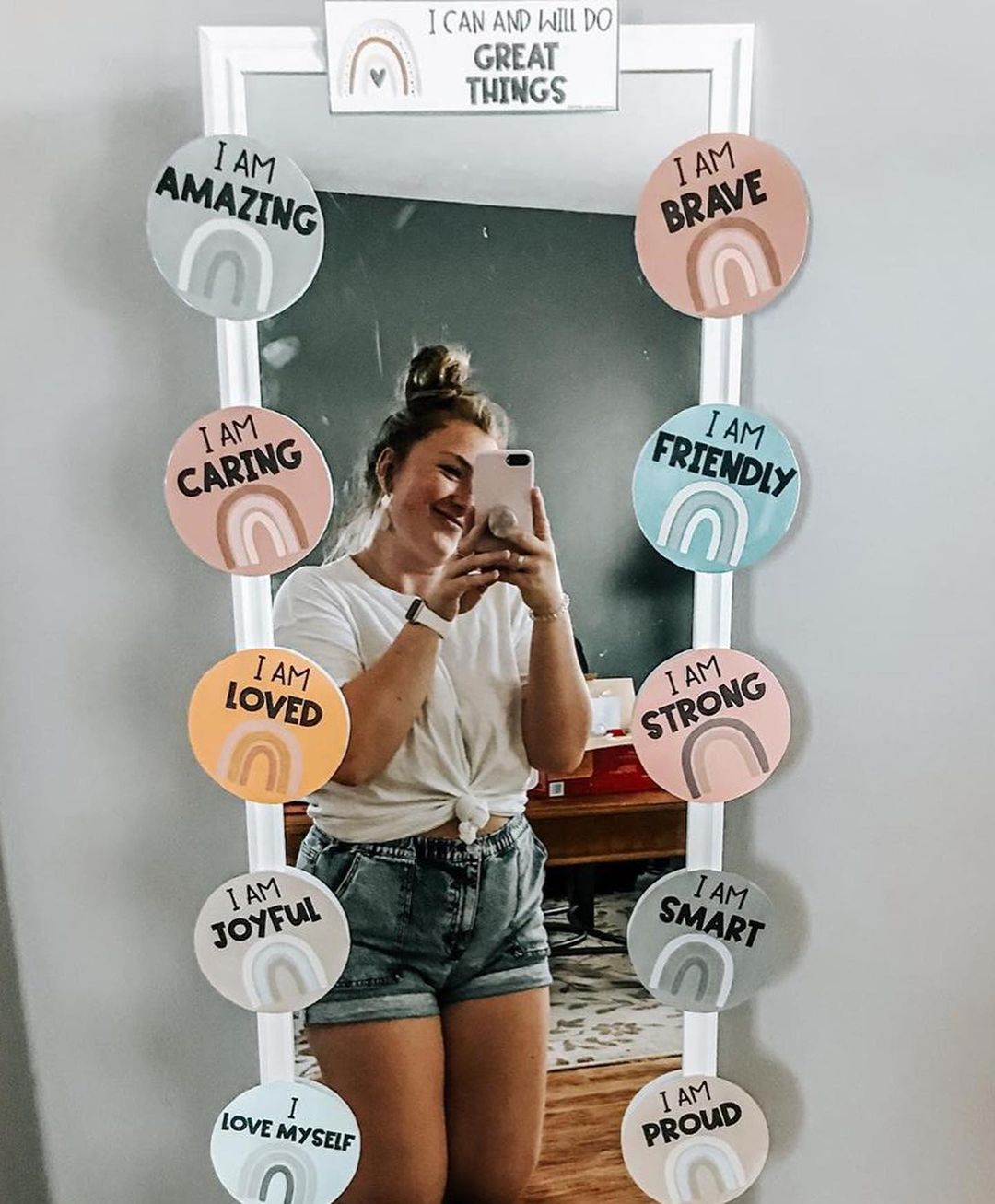
Look into your own eyes in the mirror and say: “I am allowed to take up space.” Say it three times. The first time might feel awkward. The second time might feel forced. The third time, something might shift. Write about the experience afterward.
Day 16 - Body Part Affirmations

Choose three body parts - including one you struggle with - and give each one a compliment out loud. “My arms are strong and capable.” “My thighs carry me through every adventure.” “My belly is soft, and that is perfectly fine.” Specificity matters here. Generic affirmations slide off. Specific ones stick.
Day 17 - The Letter to Your Body

Write a short letter to your body as if it were a friend you had been neglecting. Apologize for the harsh words. Acknowledge what it has been through. Promise to try harder. Then read the letter out loud to your reflection. This exercise is borrowed from therapeutic practice and is one of the most powerful days of the entire challenge.
Day 18 - Affirmations in Your Skincare Routine
Today, combine your mirror time with your skincare routine. As you apply each product, say something kind to the skin you are caring for. When you apply moisturizer to your face, say “I am taking care of you.” When you apply body lotion, say “You deserve softness.” A nourishing body cream like Sol de Janeiro Brazilian Bum Bum Cream turns this into a sensory experience that reinforces the positive message.
Day 19 - The Power Pose
Social psychologist Amy Cuddy popularized the idea of power posing - standing in an expansive, confident posture to shift your internal state. Today, try three power poses in front of the mirror: hands on hips (the Wonder Woman), arms raised in a V (the victory pose), and hands clasped behind your head with elbows wide. Hold each for two minutes. Notice how your reflection looks powerful and commanding. That is you. That has always been you.
Day 20 - Affirmations for Your Younger Self
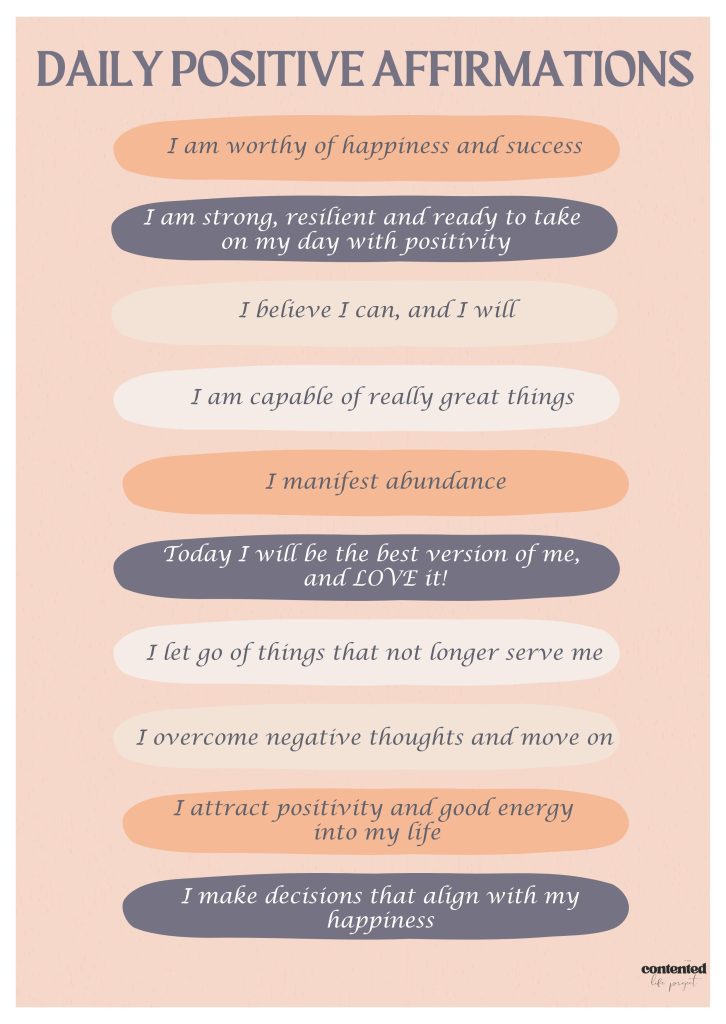
Look at your reflection and imagine your younger self standing beside you - the little girl who first learned to feel bad about her body. What would you say to her? Speak those words out loud to the mirror. Many women find this exercise deeply healing because it connects the dots between old wounds and current self-perception.
Day 21 - Weekly Check-In

Rate your comfort level again. By Week Three, most women report a 3 to 5 point increase from their baseline. Journal about the affirmation exercises. Which ones felt powerful? Which felt difficult? What surprised you about hearing your own voice say kind things about your body?
Week Four - Days 22 Through 30 - The Celebration Phase
The final phase is about anchoring everything you have built. These exercises are designed to be joyful, celebratory, and deeply affirming. You have done the hard work. Now it is time to enjoy the results.
Day 22 - The Photo Shoot
Set up your phone on a timer or prop it against the mirror and take photos of yourself. Not for social media - for you. Try different poses, different angles, different expressions. Look at the photos afterward and pick three that make you smile. Save them somewhere you can easily access them on hard days.
Day 23 - Dress Up Day

Put together your most confident outfit. Do your hair. Do your makeup if that is your thing. Put on jewelry. Go all out. Then stand in front of the mirror and take yourself in. This is you at your most put-together, and the goal is to see the full picture with appreciation. A statement accessory like a chunky gold chain necklace can add that extra boost of confidence to your look.
Day 24 - Bare Skin Day
If you are ready - and only if you are ready - spend time in front of the mirror in minimal clothing. Underwear, a bralette, whatever your comfort level allows. This is not about being brave or pushing past your limits. It is about meeting your body without the armor of clothing and offering it the same kindness you have been practicing all month.
Day 25 - The Compliment Collection

Write down every compliment you can remember receiving about your appearance, your energy, your presence - anything. Then read them to your reflection. Sometimes we dismiss compliments the moment we hear them. Today, you are going to let them land.
Day 26 - Mirror Dancing - The Full Version
Remember Day 11? Today, you are doing it again, but bigger. Create a playlist of songs that make you feel unstoppable. Dance in front of the mirror for at least three songs. Watch yourself move. Let yourself be mesmerized by your own body in motion. This is freedom.
Day 27 - Share Your Journey

If it feels right, share something about your experience. Post on social media, tell a friend, write a blog post, or simply text someone you love and tell them about this challenge. Vulnerability shared becomes strength multiplied.
Day 28 - Create Your Personal Affirmation
Using everything you have learned about yourself over the past 27 days, write one personal affirmation that resonates deeply with you. Not something generic from the internet - something that speaks directly to your journey. Write it on a sticky note and put it on your mirror. This is your anchor.
Day 29 - The Forgiveness Exercise

Look in the mirror and say: “I forgive myself for every unkind thing I have ever thought about you.” Say it as many times as you need to. Some women say it once and feel complete. Others need to repeat it for five minutes before it starts to sink in. There is no right way. There is only your way.
Day 30 - The Celebration

You did it. Stand in front of your mirror one final time - for now - and simply say “Thank you.” Thank your body for carrying you through this challenge. Thank yourself for showing up every day. Thank the mirror for being a tool for healing instead of harm. Then do something wonderful for yourself. Take a bath, buy yourself flowers, order that gorgeous satin robe set from Savage X Fenty you have been eyeing, or simply sit with the quiet pride of having completed something meaningful.

How to Handle Difficult Days During the Challenge

Let us be real - not every day of this mirror confidence challenge will feel good. Some days you will stand in front of the mirror and the old critical voice will be louder than anything else. Some days you will cry. Some days you will want to skip. Here is what to do when that happens.
Lower the Bar, Do Not Drop It
If a day’s exercise feels too intense, scale it back. Instead of a full body scan, just look at your hands. Instead of saying affirmations out loud, whisper them. Instead of five minutes, do one. The goal is not to complete each exercise perfectly - it is to maintain the habit of showing up. A scaled-back practice still counts.
Name the Voice
When critical thoughts come up, it helps to externalize them. Some women name their inner critic - “Oh, there goes Karen again, telling me my thighs are too big.” This creates distance between you and the thought. You are not your inner critic. You are the person who is brave enough to challenge it.
Write It Out

If a session brings up big emotions, write them down immediately. Do not try to analyze or fix them. Just get them out of your body and onto paper. This is one reason the journal component of this challenge is so important. It gives your feelings somewhere to go besides back into your body as tension and shame.
Reach Out

If a day feels particularly heavy, text the person you told about this challenge. You do not have to explain everything - just say “Today was hard” and let someone hold that with you. Body acceptance work can surface deep stuff, and you do not have to carry it alone.
Remember Why You Started
On the hardest days, come back to your why. Maybe you started because you are tired of dreading getting dressed. Maybe you started because you want your daughter to see a woman who likes her reflection. Maybe you started because you deserve peace with your body after decades of war. Whatever your reason, it is enough. It is more than enough.
What Happens After the 30 Days Are Over
The mirror confidence challenge does not end on Day 30. It simply shifts from a structured program to a sustainable practice. Here is how to maintain the gains you have made.
Keep the Mirror Time
Continue spending at least one minute per day in intentional mirror time. This can be during your skincare routine, while getting dressed, or as a standalone practice. The key word is intentional - you are choosing to look at yourself with presence rather than rushing past your reflection on autopilot.
Update Your Affirmation

Every few weeks, check in with your personal affirmation. Does it still resonate? Does it need updating? As you grow, your affirmation should grow with you. Some women keep a running list and rotate through them.
Build a Body-Positive Environment

Your mirror work is most effective when supported by a body-positive environment. Curate your social media feeds to include diverse body types. Follow plus-size creators who celebrate their bodies without apology. Read books like “The Body Is Not an Apology” by Sonya Renee Taylor or body-positive book collections available on Amazon . Surround yourself with images and messages that reinforce what you are building in front of the mirror.
Dress for Joy, Not Hiding

One of the most practical outcomes of this challenge is a shift in how you get dressed. Many women report that after 30 days, they start reaching for clothes that make them feel good rather than clothes that hide their bodies. If your wardrobe needs a refresh to match your new mindset, brands like Universal Standard and Eloquii offer beautiful, well-made pieces designed for curvy bodies.
Consider Professional Support

If this challenge surfaced deep-seated body image issues, trauma around your appearance, or symptoms of disordered eating, please consider working with a therapist who specializes in body image. This challenge is a wonderful starting point, but it is not a substitute for professional support when you need it. Organizations like the National Eating Disorders Association (NEDA) offer free resources and referrals.
The 30-day mirror confidence challenge is not magic. It will not erase years of internalized fatphobia overnight. But it will crack the door open. It will show you that another way of seeing yourself is possible. And once that door is open, even just a crack, the light that comes through can change everything.
You deserve to look at your reflection and feel peace. Not perfection. Not forced positivity. Just peace. And that starts with 30 days, a mirror, and the willingness to try.
Key Takeaways
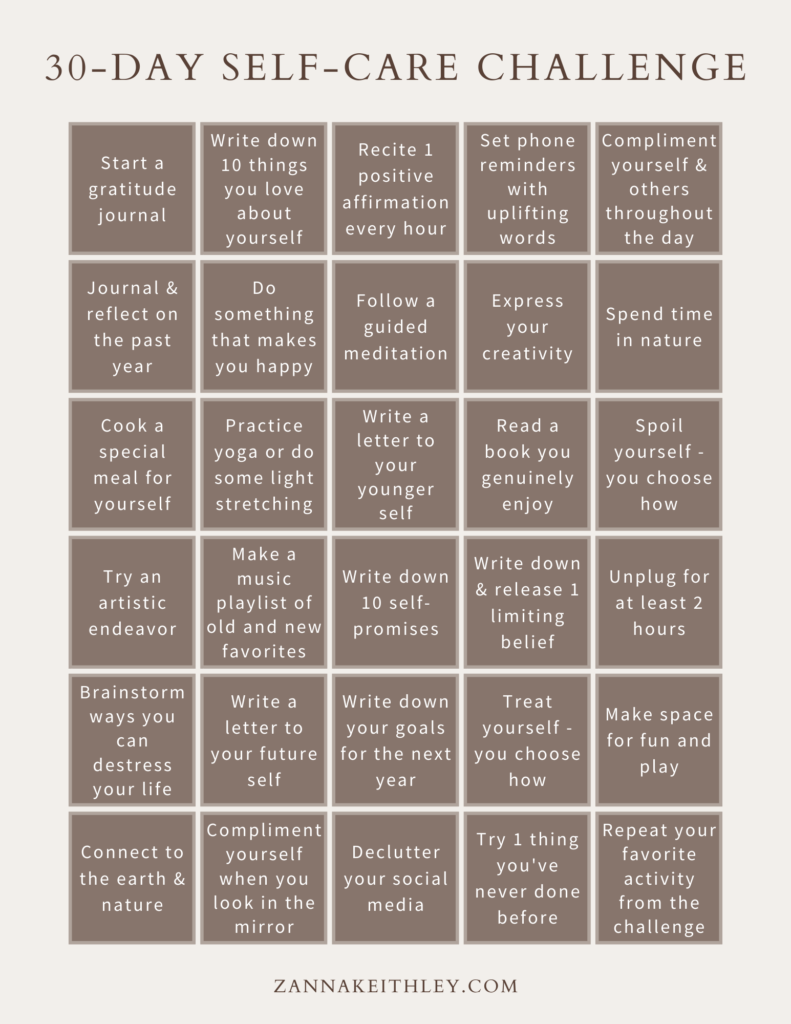
- The 30-day mirror confidence challenge uses principles from exposure therapy to gradually build a healthier relationship with your reflection, moving through foundation, observation, affirmation, and celebration phases.
- Starting with neutral observation rather than forced positivity makes the practice sustainable and prevents the challenge from feeling overwhelming or fake.
- Difficult days are normal and expected - scaling back the exercise is always better than skipping it entirely.
- Combining mirror work with journaling, supportive community, and a body-positive environment amplifies the results beyond what mirror time alone can achieve.
- The real goal is not to love every part of your body but to reach a place of peace and acceptance where your reflection no longer triggers shame or avoidance.
Frequently Asked Questions
Do I have to do the mirror confidence challenge every single day without missing one?
No. Life happens, and missing a day does not erase your progress. If you miss a day, simply pick up where you left off the next day. What matters most is the overall pattern of showing up, not achieving a perfect streak. Some women take 35 or 40 days to complete the 30 exercises, and the results are just as meaningful.
What if I start crying during one of the exercises?

Tears are a completely normal and healthy response during this challenge, especially during exercises like the soft belly day or the letter to your body. Crying means something is moving through you. Let it happen, write about it afterward, and be extra gentle with yourself for the rest of the day. If the emotions feel overwhelming or unmanageable, consider reaching out to a therapist for additional support.
Can I do this challenge with a friend or partner?
Absolutely. Many women find it helpful to do the challenge alongside a friend, checking in daily or weekly to share their experiences. However, the actual mirror exercises should be done privately. Body image work is deeply personal, and you need the freedom to be vulnerable without an audience. Share your reflections afterward, but keep the mirror time just for you.
I have a history of eating disorders. Is this challenge safe for me?
Mirror exposure can be powerful, and for individuals with a history of eating disorders, it should ideally be done under the guidance of a therapist who specializes in body image and eating disorders. This challenge is designed for general body acceptance work, not clinical treatment. If you have an active eating disorder or are in early recovery, please consult with your treatment team before starting.
Will this challenge help me lose weight?
This challenge is not about weight loss. It is about changing your relationship with your body as it is right now. Many women find that when they stop fighting their bodies and start caring for them, their overall health behaviors naturally improve - but weight loss is not the goal, the metric, or the measure of success here. The measure of success is how you feel when you look in the mirror on Day 30 compared to Day 1.